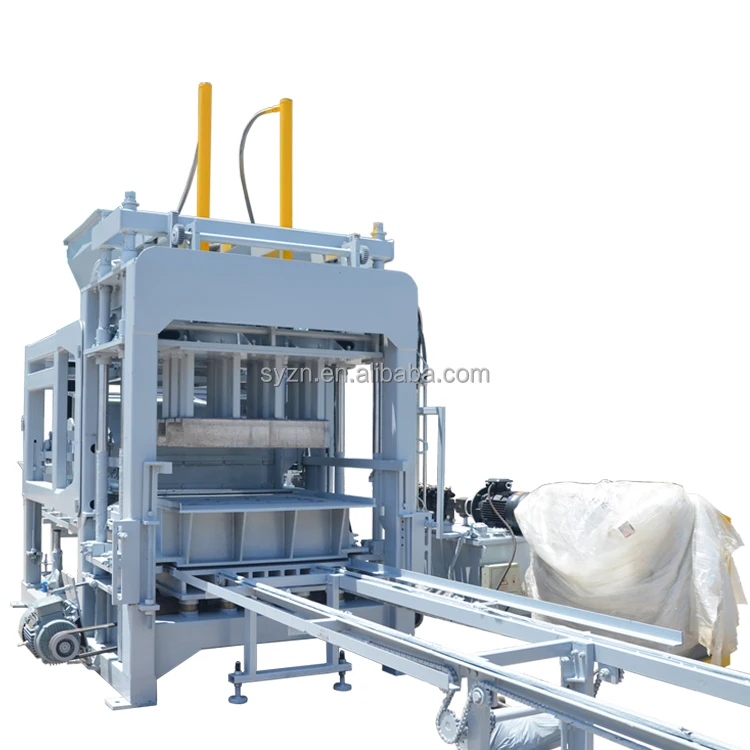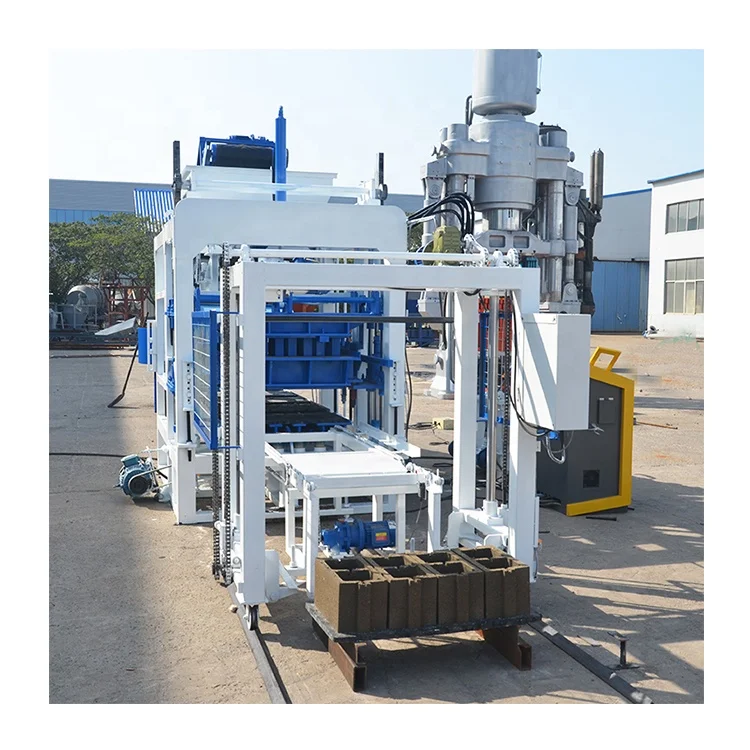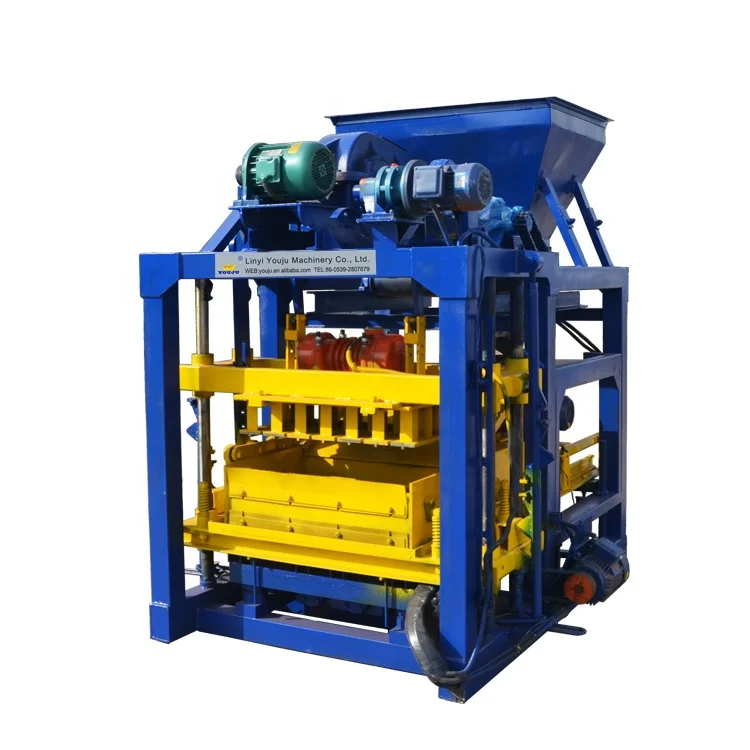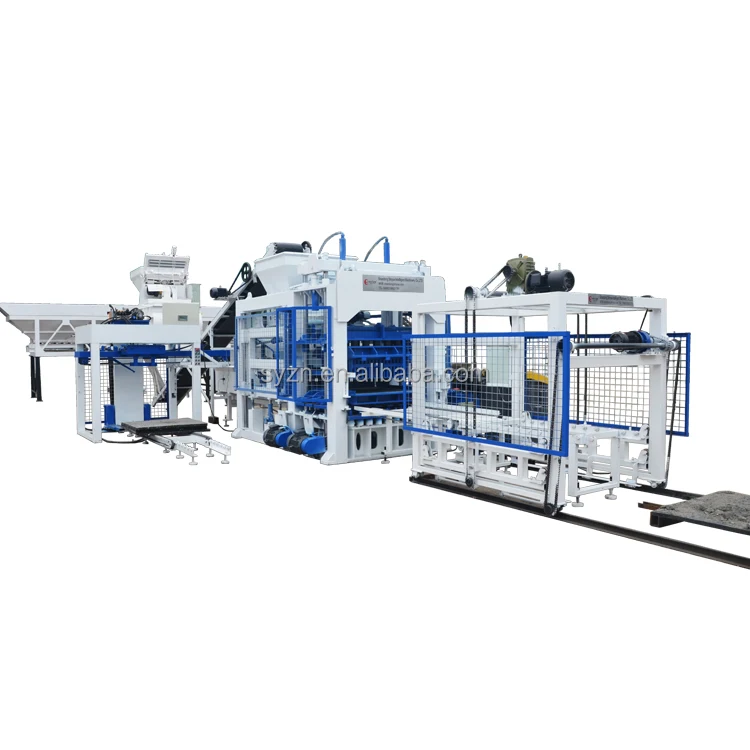
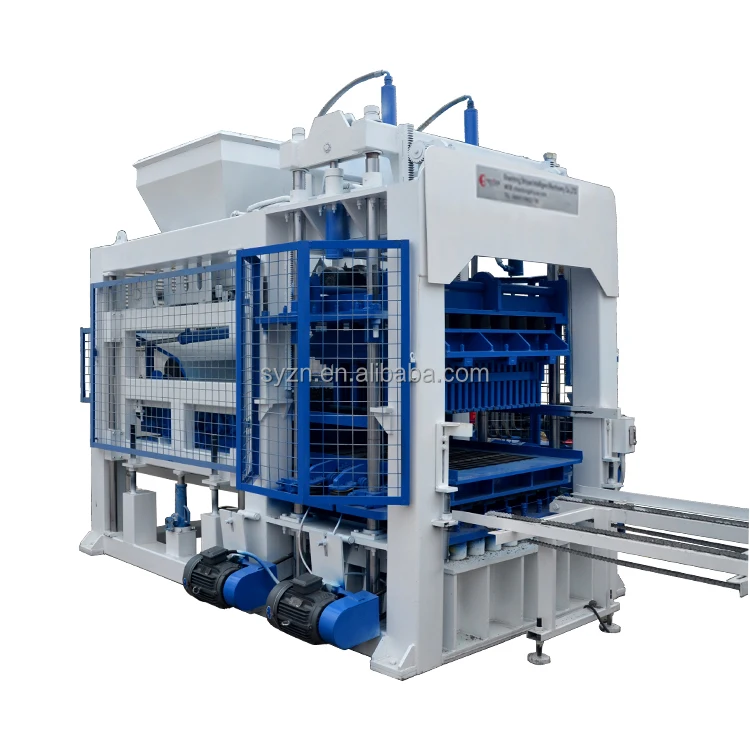
Description
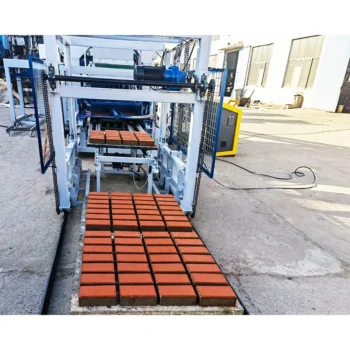
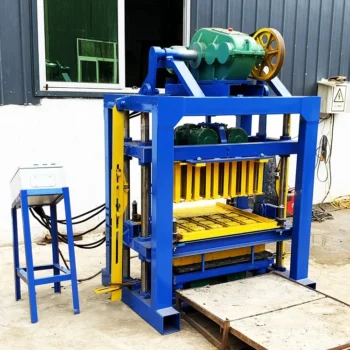
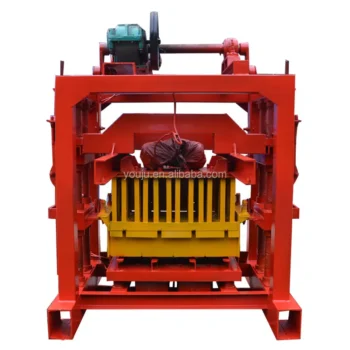
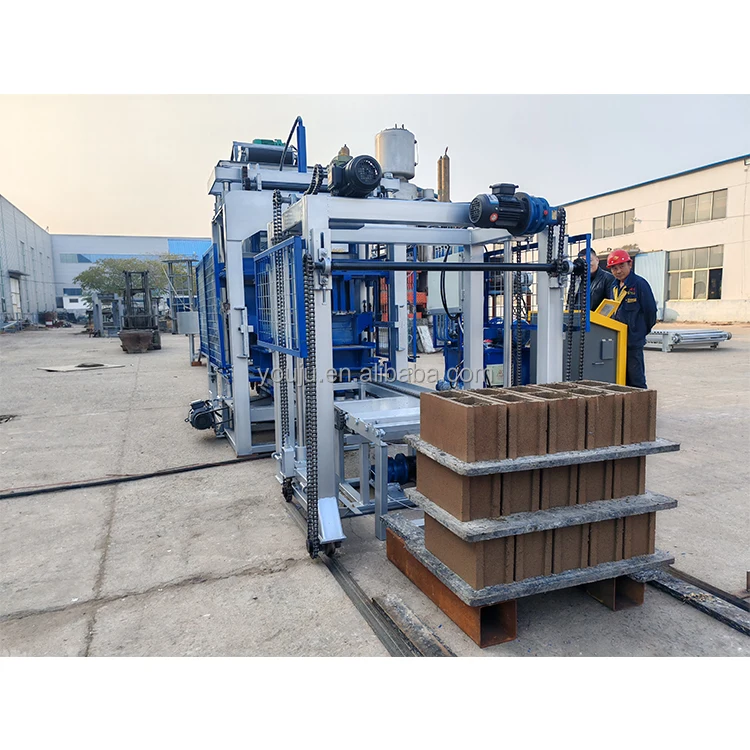
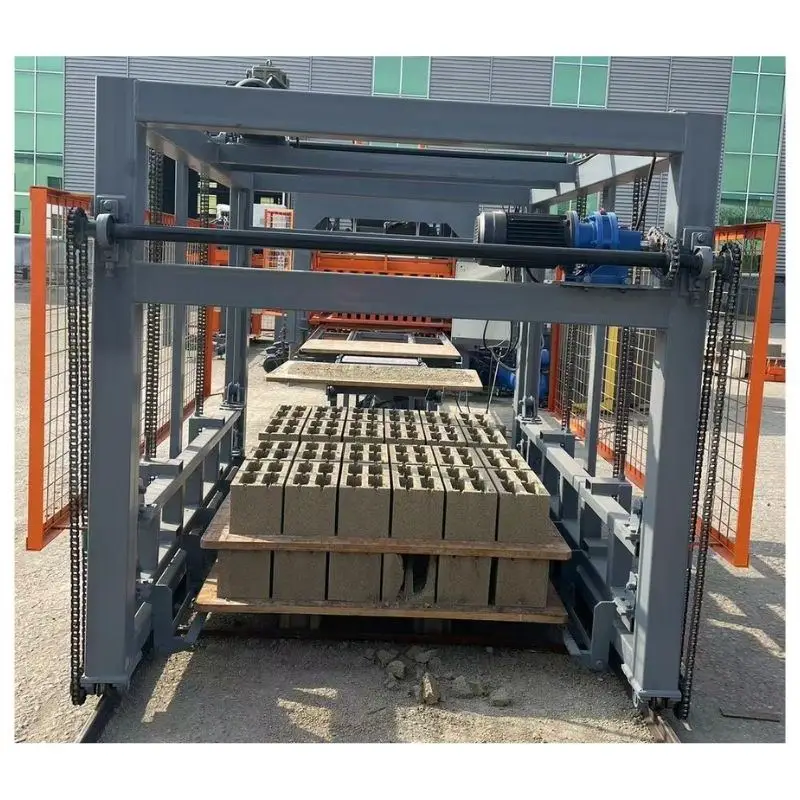
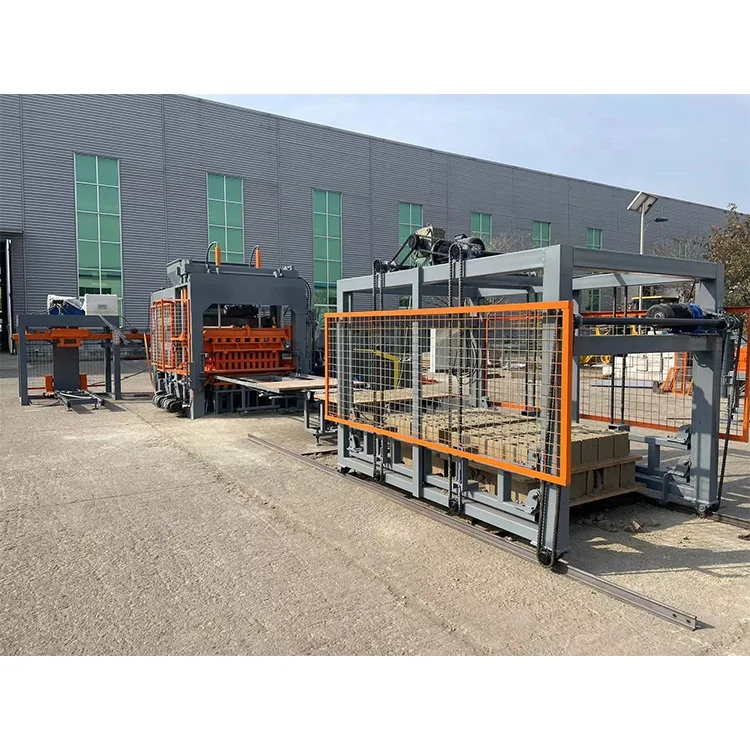
Format-matched output — the QT10-15 is configured around the block format your market actually buys, with capacity calculated per format rather than quoted as a single catalogue figure.
Technical Specifications
| Parameter | Value |
|---|---|
| Model | QT10-15 |
| Product Type | Stationary Block Making Machine |
| Vibration Technology | Dynamic and static table with frequency conversion control, four-axis vibration |
| Vibration Acceleration | 20g |
| Feeding System | Press-in arch breaker with 360° rotation |
| Vibration Damping | Flexible reduction on pressure head; adjustable air bag in mold box |
| Synchronization | Synchronization frame with forced synchronization gear shaft |
| Maintenance Feature | Replaceable cloth platform wear-resistant plate |
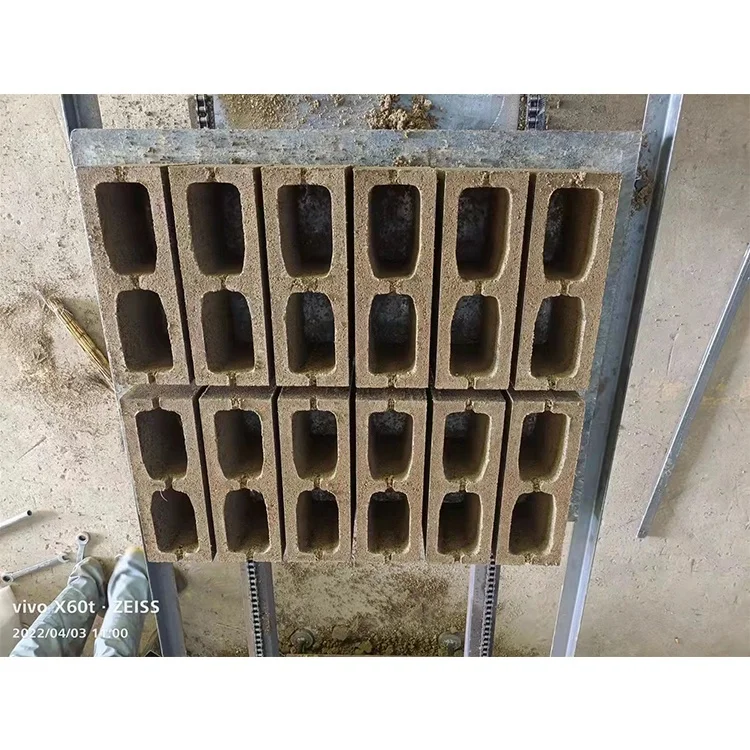
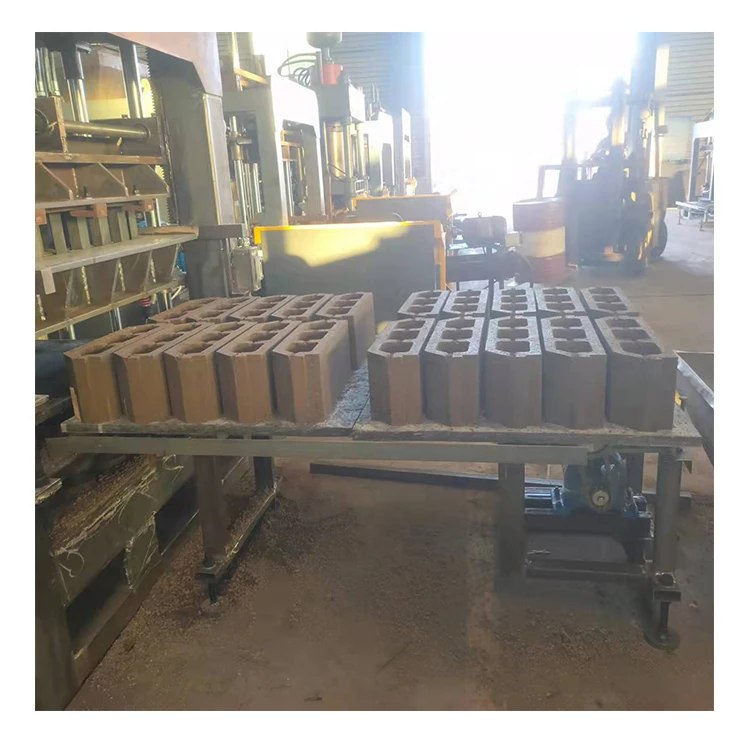
| Mould Adaptability | Hollow blocks, porous bricks, pavement bricks, slope protection bricks via mould change |
| Automation Level | Full automatic (basis not stated in source) |
| Cycle Time per Format | Basis to be confirmed per block format and mix |
| Output Capacity | Basis to be confirmed per block format and mix |
| Pallet Size | Basis to be confirmed per block format |
| Mould Change Time | Basis to be confirmed |
| Standards Alignment | European technology alignment claimed; CE availability to be confirmed |
Application Suitability
| Application | Material or Output |
|---|---|
| Hollow block production | Crushed stone, sand, cement, fly ash aggregates |
| Interlocking brick production | Graded aggregate with cement binder |
| Porous brick production | Permeable aggregate blends for stormwater management |
| Pavement brick production | High-density concrete mix for traffic-bearing surfaces |
| Slope protection brick production | Coarse aggregate mixes for erosion control formats |
What the QT10-15 Stationary Block Machine Specifications Leave Unsaid About Daily Output
Capacity only means something when the block format, mix design, and local aggregate are stated alongside it.
I once configured a machine of this class for a buyer who planned to run standard hollow blocks, then switched to porous bricks after the machine arrived. The aggregate particle size was larger than the original spec assumed, vibration force could not consolidate the mix fast enough, and daily output dropped by roughly half. A single headline number for the QT10-15 stationary block machine specifications hides that reality [NEED_CITE: aggregate sizing effects on vibration consolidation in block forming]. Every format — hollow, porous, pavement, interlocking — demands a different cycle time and pressure profile, and the honest approach is to quote each one separately.
Matching Vibration Force to the Block You Actually Sell
The four-axis vibration system on the QT10-15 delivers 20g acceleration across the mould cavity. That figure matters because block density consistency depends on how evenly vibration reaches every corner of the mould, especially on large-format pavement bricks where edge compaction often falls short. Frequency conversion control lets the operator adjust the vibration profile per format, which is how you avoid under-compacted edges on interlocking bricks while not over-vibrating thin hollow block walls.
How the Feeding System Handles Difficult Aggregates
The 360° rotating press-in arch breaker addresses a problem common in block production: material bridging in the hopper when the mix contains fine sand or fly ash. By forcing material into the mould cavity rather than relying on gravity, the QT10-15 stationary block machine specifications include a feeding approach that reduces short fills [NEED_CITE: material flow challenges in concrete block hoppers with fine aggregate]. This matters most when your local aggregate includes manufactured sand, which tends to cling and arch more than natural river sand.
Reading the Specs That Actually Shape Your Output
Vibration acceleration at 20g combined with the dynamic and static table arrangement means the machine applies energy from both the mould table and the pressure head simultaneously. For hollow blocks, this dual action compacts the web and face evenly. The adjustable air bag vibration reduction inside the mould box dampens noise transmission and reduces fatigue stress on the mould itself, extending service life before the first mould replacement is due. The forced synchronization gear shaft ensures the pressure head descends level across the full mould area, preventing the tilted pressure that causes height variation across the pallet [NEED_CITE: synchronization mechanisms in hydraulic block presses and their effect on dimensional tolerance].
When the Wrong Pallet Specification Follows You to the Curing Yard
A pallet size and material chosen without checking the buyer’s existing curing racks and forklift capacity creates problems that have nothing to do with the press itself. Bamboo pallets, steel pallets, and PVC pallets each behave differently during vibration and curing, and the wrong choice leads to warping, premature surface wear, or blocks that stick after demoulding. If your curing area was built for a smaller pallet, the entire downstream workflow stalls.
Why the QT10-15 Configuration Starts With Your Local Quarry
The machine, mould, pallet, and handling equipment are specified together against the buyer’s actual mix design and the aggregate available locally, not pulled from a catalogue default. Mould design covers the hollow block, porous brick, pavement brick, and slope protection brick formats that the buyer’s market demands, with custom mould drawings available when the standard range does not cover a local requirement. The automation level is selectable so a buyer can commission the QT10-15 stationary block machine specifications at a semi-automatic stage and add stacking or cubing later without replacing the press. Voltage, frequency, and PLC display language are confirmed before production begins, avoiding commissioning delays on site. Installation support includes operator training so the crew understands cycle adjustments per format from the first shift.
Documentation & Verification
- Line layout and capacity calculation showing block format assumed for the QT10-15
- Mould drawing and format list matching buyer’s target market products
- Voltage, frequency, and PLC language confirmation sheet signed before build
- Factory test record using buyer’s specified mix design and target block format
- Hydraulic and electrical schematic for on-site maintenance reference
- Wear parts and mould list with recommended replacement intervals
Installation, Commissioning & Support
- Foundation requirements sized to the QT10-15 vibration load and overall footprint
- Dedicated power circuit rated for the machine’s full hydraulic and vibration draw
- Pre-shipment dismantling plan matched to container loading dimensions
- On-site parameter setup for each block format the buyer intends to produce
- Operator training covering mould change procedure and cycle time adjustment
- Wear parts stocking plan covering the replaceable cloth platform plate and mould liners
What to Include in Your Inquiry
Provide the specific block formats your market sells along with target daily output per format, so the capacity calculation reflects reality rather than a catalogue assumption. Include a sample or description of your local aggregate — particle size range, whether it is natural or manufactured sand, and any fly ash or admixture you plan to use. State your site voltage, frequency, and the PLC display language your operators need, as well as the pallet material and size your existing curing area and forklift can handle.
Frequently Asked Questions
Q: What cycle time does the QT10-15 achieve for each block format I need?
A: Cycle time varies with block height, mix design, and aggregate particle size. Rather than quoting one figure, the configuration process calculates cycle time per format — hollow block, porous brick, pavement brick — using your local material sample, then translates that into realistic daily output so the number you plan against matches what the machine delivers on your shop floor.
Q: How is the mould matched to my local aggregate and what is the changeover time?
A: The mould is designed around the specific block format and the aggregate grading you provide. Mould cavity tolerances and vibration transfer characteristics are set accordingly. Changeover time depends on the mould size and the quick-release system fitted; the goal is a change completed within a portion of one shift so format flexibility remains practical rather than theoretical.
Q: What pallet size does the QT10-15 use and will it fit my curing setup?
A: Pallet size is selected based on the block formats you run and the curing rack dimensions you already have. The specification process confirms pallet material — bamboo, steel, or PVC — against your vibration intensity and curing environment, ensuring compatibility with your existing forklift capacity and yard layout.
Q: Which automation stations are included and what remains manual?
A: The automation scope covers pallet feeding, stacking, and cubing as selectable stations. The configuration proposal specifies which stations are automatic and which remain manual at commissioning, with a clear upgrade path so you can add automation later without replacing the press or re-engineering the line layout.
Q: How is block strength verified before the machine ships?
A: A factory test run uses your specified mix design and target block format. Sample blocks are produced and tested for compressive strength against the standard your market requires. The test record, including mix proportions and curing conditions, is included in the documentation package so you have a verified baseline before the machine leaves the factory.