

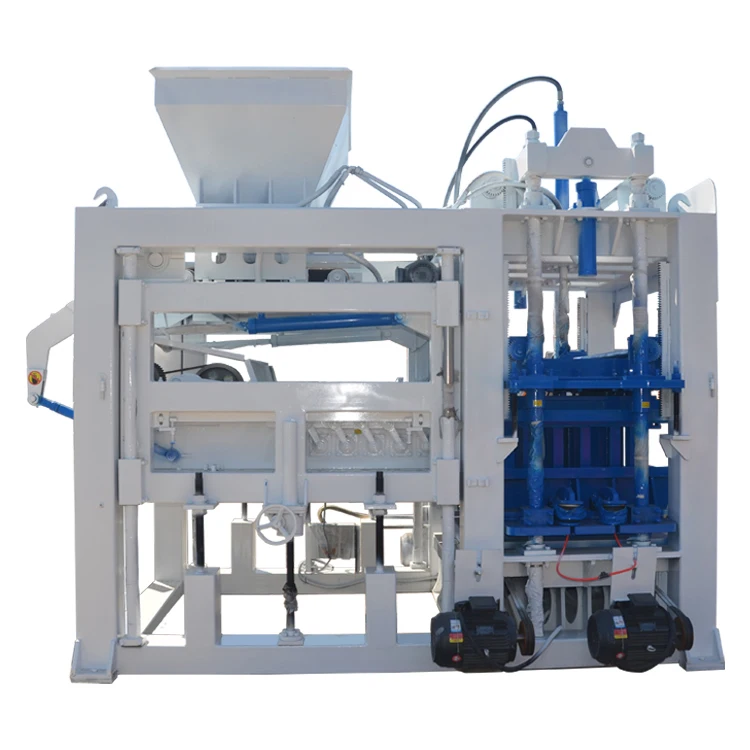

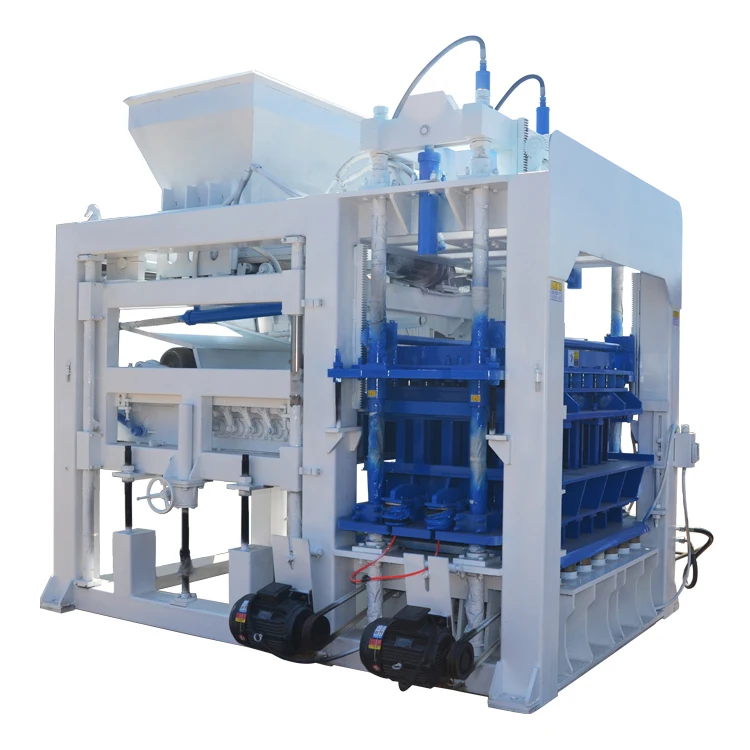
Description
Honest Capacity per Block Format — the QT10-15 block machine specifications list output tied to exact mould dimensions and cavity counts, not a single catalogue headline, so daily planning reflects what your market actually buys.
Technical Specifications
| Parameter | Value |
|---|---|
| Model | QT10-15 |
| Product Type | Hydraulic Block Making Machine |
| Moulding Cycle | 15–20 s (basis: hollow block / solid brick); 20–25 s (basis: paving block) |
| Output Capacity | 14,400–19,200 pcs / 8 hr (basis: 400×200×200 mm hollow block, 10 pcs/mould); 17,280–23,040 pcs / 8 hr (basis: 400×150×200 mm hollow block, 12 pcs/mould); 71,424–89,280 pcs / 8 hr (basis: 240×115×53 mm solid brick, 62 pcs/mould); 41,472–51,840 pcs / 8 hr (basis: 200×100×60 mm paving block, 27 pcs/mould); 32,256–40,320 pcs / 8 hr (basis: 225×112.5×60 mm interlocking block, 24 pcs/mould) |
| Control System | PLC control cabinet |
| Hydraulic System | Independent integrated hydraulic station |
| Mould Change | Simple replacement, multi-function capability (basis not stated in source — confirm mould change time) |
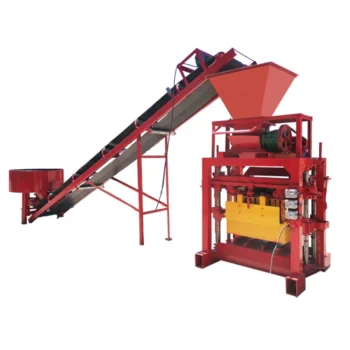
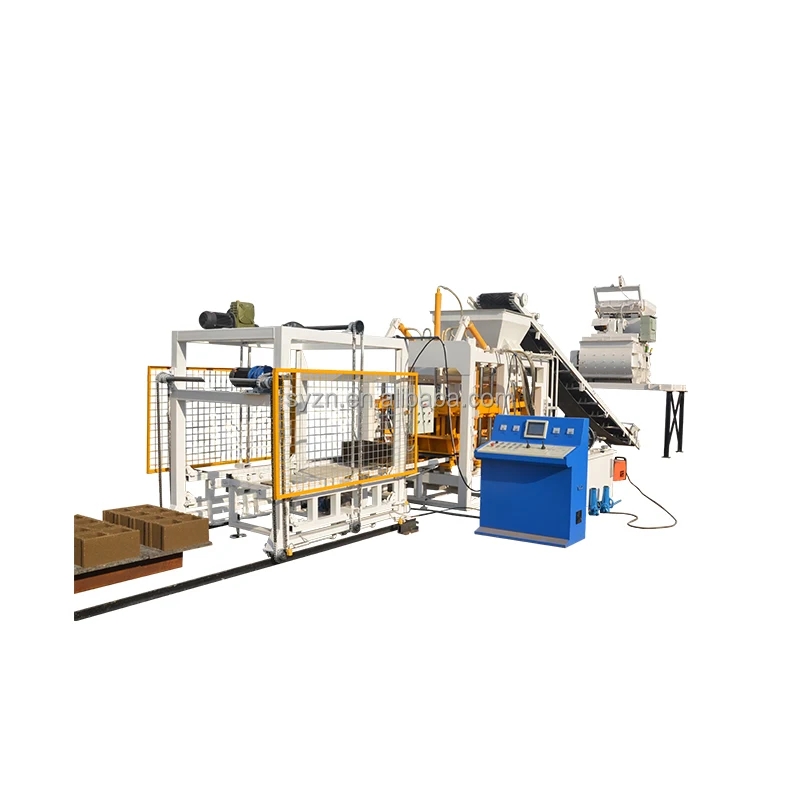
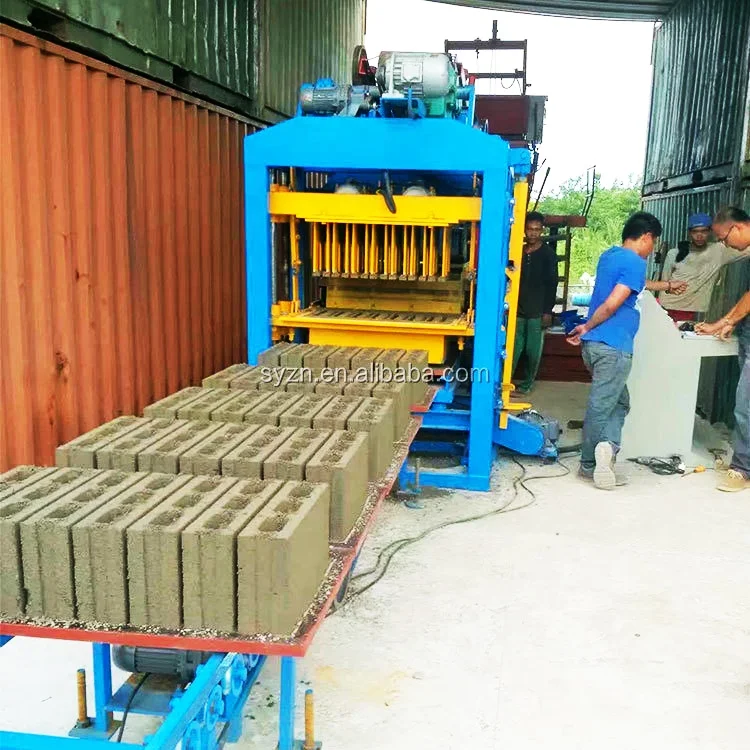
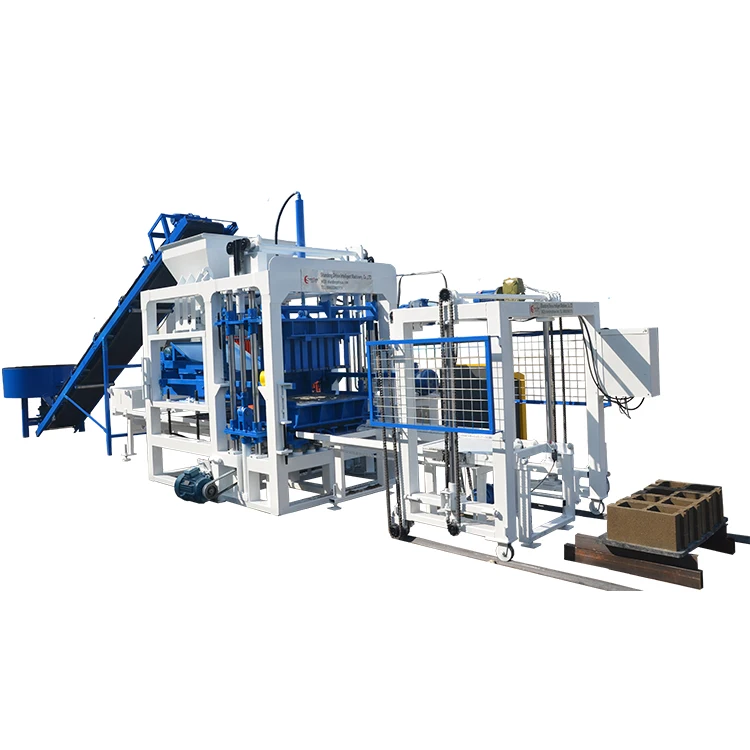
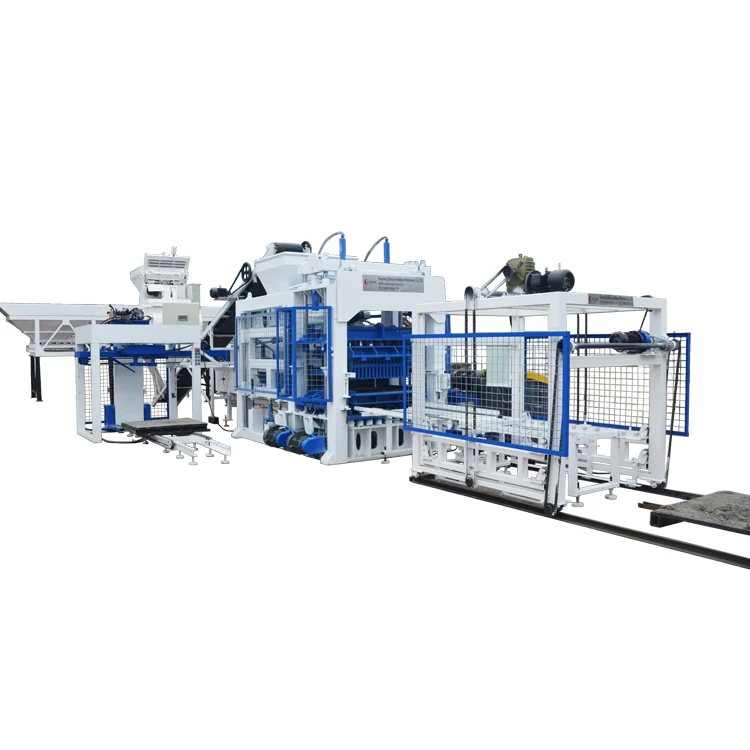
| Assembly State | Pallet feed machine, block making machine, storage hopper, conveyor, hydraulic unit, PLC control cabinet |
| Vibration Force | (basis not stated in source — confirm kN rating) |
| Hydraulic Pressure | (basis not stated in source — confirm MPa rating) |
| Pallet Size | (basis not stated in source — confirm dimensions and material) |
| Automation Level | (basis not stated in source — confirm semi-automatic or fully automatic stacking and cubing) |
| Voltage & Frequency | (basis not stated in source — confirm for target market) |
| Rated Power | (basis not stated in source — confirm kW) |
| Overall Dimensions | (basis not stated in source — confirm L×W×H) |
| Net Weight | (basis not stated in source — confirm) |
| Warranty | 1 year (whole machine, excluding spare parts) |
Application Suitability
| Application | Material or Output |
|---|---|
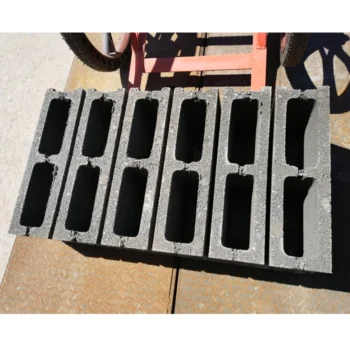
| Hollow block production | Concrete and cement-based mixes with crushed stone or gravel aggregate, 400×200×200 mm and 400×150×200 mm formats |
| Standard solid brick production | Cement-bound aggregate blends, 240×115×53 mm format for load-bearing and partition walls |
| Paving block production | High-strength concrete mixes with fine aggregate, 200×100×60 mm format for walkways and yards |
| Interlocking brick production | Concrete mixes proportioned for dry-cast forming, 225×112.5×60 mm format for retaining walls and slopes |
| Multi-cellular brick production | Cement-based lightweight or standard mixes for partition and infill applications |
What "Pieces per Hour" Leaves Out When the Format Is Not Named
Capacity without a stated block format is a number you cannot plan a shift around.
A machine quoted at a single cycle rate will produce very different daily totals depending on whether the mould holds ten hollow blocks or sixty-two solid bricks. The QT10-15 block machine specifications avoid this trap by pairing every output figure with the exact mould dimensions, cavity count and cycle window. When a buyer in a market that sells mostly 400×200×200 hollow blocks compares this press against one quoted on 240×115×53 solid bricks, the headline numbers look incomparable even though the underlying cycle mechanics are similar. I have watched contractors sign off on a capacity figure, then realise during commissioning that the assumed format was not the one their local depots stock [NEED_CITE: common capacity misalignment in block plant procurement]. Naming the format behind every number is the minimum honest baseline.
Matching the Mould to Your Regional Block Standard
Block dimensions vary by market, and a press configured around a catalogue default may produce units that do not fit the local building code or the pallets your curing yard already handles. The QT10-15 block machine specifications cover five standard formats, each with its own mould cavity count and realistic cycle window. Before confirming an order, the mould drawing and format list should be checked against the dimensions your distributors actually sell. Custom mould design from buyer drawings is available when the standard range does not match a regional specification.
Cycle Time Differences Across Formats
Hollow blocks and solid bricks share a 15–20 second moulding cycle on this press, while paving blocks require 20–25 seconds because the denser mix and surface finish demand longer vibration and pressure application. That five-second gap compounds across a shift: running pavers all day will yield noticeably fewer units than running hollow blocks, even on the same machine. The QT10-15 block machine specifications reflect this reality instead of hiding it behind a single averaged figure [NEED_CITE: vibration and pressure dwell requirements for paving block versus hollow block forming]. Buyers planning a mixed product schedule can use these per-format windows to estimate weekly output by product type.
Independent Hydraulic Station and Pressure Consistency
The independent integrated hydraulic station sits apart from the main press frame, which isolates the hydraulic circuit from the constant vibration and dust generated during forming. In a shared-mount layout, vibration travels through the frame into hydraulic lines, causing pressure fluctuation that shows up as inconsistent block density from one cycle to the next. On the QT10-15, the separated station delivers steady hydraulic pressure to the mould head across all five format options. The MPa rating should be confirmed against your specific mix design and aggregate hardness, because a high-clay local material may need more pressure to achieve the same green strength as a clean crushed-stone mix [NEED_CITE: hydraulic pressure requirements relative to aggregate type in concrete block forming].
The Hidden Cost of Unmatched Pallet and Vibration Specifications
Choosing a pallet size without checking the curing yard layout means pallets may not stack on existing racks or fit the forks of the forklift already on site. Similarly, vibration force that is too low for the buyer’s aggregate results in blocks that crumble at the corners before they even reach the curing area. I have seen plants shut down for days waiting for replacement pallets because the original size did not match local racking standards. Vibration force and hydraulic pressure must both be specified against the buyer’s actual aggregate and mix proportions, not a generic catalogue value, otherwise the first production run reveals problems that should have been caught on paper [NEED_CITE: pallet and vibration specification mismatches in block plant commissioning].
Why Procurement Here Reduces Format-Matching Risk
Block machinery as a single focus means the press, mould, pallet and handling equipment are specified as one matched system rather than assembled from separate suppliers. Configuration is set against the buyer’s actual mix design, local aggregate and target block format instead of a catalogue default. Mould design covers the formats the buyer’s market sells, including custom drawings when standard sizes do not apply. Automation level is selectable, so a buyer can begin with semi-automatic pallet handling and add stacking and cubing later without replacing the press. Installation and commissioning support includes operator training so the crew understands mould change procedure and cycle settings from day one.
Documentation & Verification
- Line layout and capacity calculation naming each block format, mould cavity count and cycle time assumed
- Mould drawing and format list verified against your regional block dimensions before production
- Pallet specification sheet stating dimensions and material matched to your curing racks and forklift
- Hydraulic and electrical schematic with voltage and control language confirmed for your site
- Factory test record showing cycle timing on your chosen block format before dispatch
- Operation and maintenance manual covering mould change, hydraulic checks and daily servicing
Installation, Commissioning & Support
- Foundation plan sized to the QT10-15 overall dimensions and vibration load, prepared before arrival
- Dedicated electrical circuit matching confirmed voltage and frequency, isolated from welding or heavy motor loads
- Assembly of pallet feed machine, press, storage hopper, conveyor and hydraulic unit on prepared slab
- First-run cycle time verification on buyer’s chosen mould format with mix proportion adjustment
- Operator training covering PLC cabinet operation, mould replacement sequence and daily hydraulic checks
- Wear parts and mould list provided at handover with reorder part numbers for hydraulic seals and vibration components
What We Need to Size This Press Correctly
To move from the QT10-15 block machine specifications to a firm quotation, share the exact block formats your market sells along with target daily output per format. Provide a sample or description of your local aggregate so vibration force and hydraulic pressure can be matched to its characteristics. Confirm your site voltage, frequency and preferred PLC display language to avoid commissioning delays after the press arrives.
Frequently Asked Questions
Q: How do I verify the stated capacity for my specific block format and local mix design?
A: Request a capacity calculation document that names the exact block dimensions, mould cavity count and cycle time assumed for each product. If your local aggregate differs from standard crushed stone — for example, a high-clay sand — the cycle window may shift. A factory test on your actual mix before dispatch is the most reliable way to confirm output.
Q: What is the mould change time on the QT10-15, and does it allow same-day format switching?
A: The QT10-15 uses a simple mould replacement design intended for multi-function production. Exact change-over time depends on the mould size and whether quick-release fasteners are fitted. For buyers planning to run two or three formats in one shift, confirming the mould change procedure and tool requirements before order ensures realistic scheduling.
Q: Which pallet size and material should I choose based on my curing area and block format?
A: Pallet dimensions must match both the mould footprint and the curing rack spacing already in your yard. Bamboo, plywood and steel pallets each behave differently under moisture and repeated cycling. Share your existing rack dimensions and forklift fork width so the pallet specification aligns with equipment you already operate.
Q: Can the QT10-15 produce custom mould formats drawn to my local market specifications?
A: Custom mould design from buyer drawings is available. Provide the block dimensions, required face texture and any interlocking profile your market demands. The mould drawing and format list are confirmed before production so the delivered cavities match your regional building code and distributor requirements.
Q: How do I confirm the vibration force and hydraulic pressure are matched to my aggregate?
A: Share a sample or technical description of your local aggregate, including maximum particle size and clay content. Vibration force and hydraulic pressure ratings are then set against that material profile rather than a generic default. A factory test using your actual mix proportion validates block strength before the machine ships.