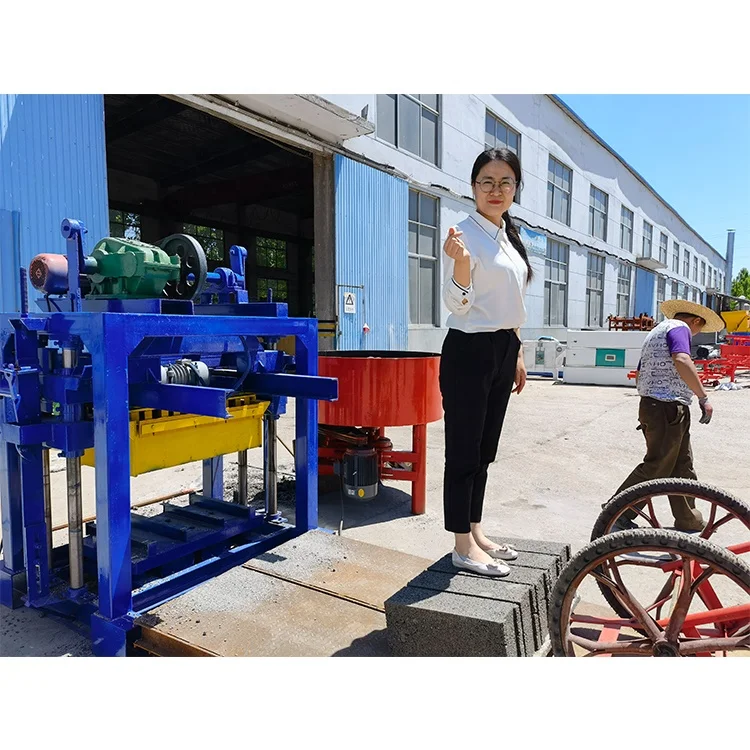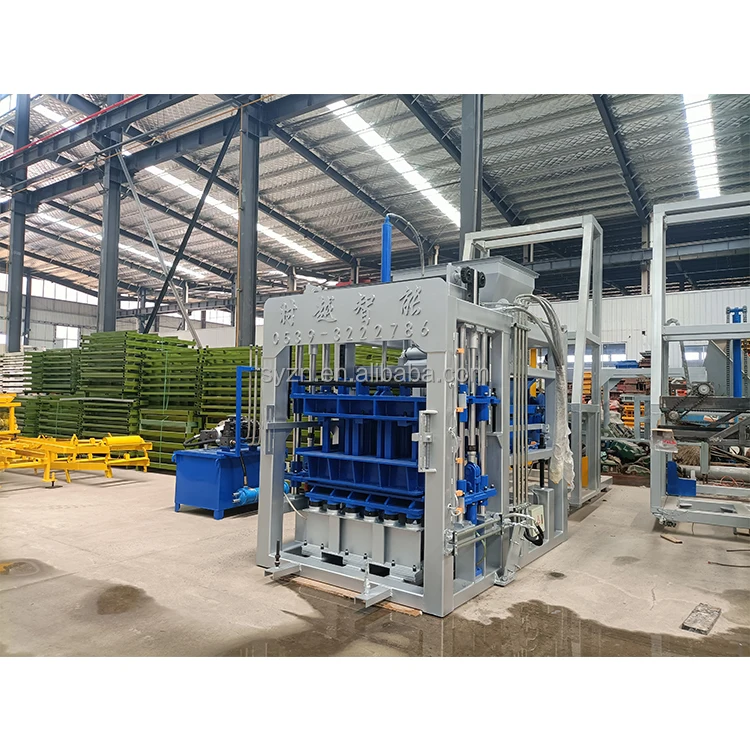
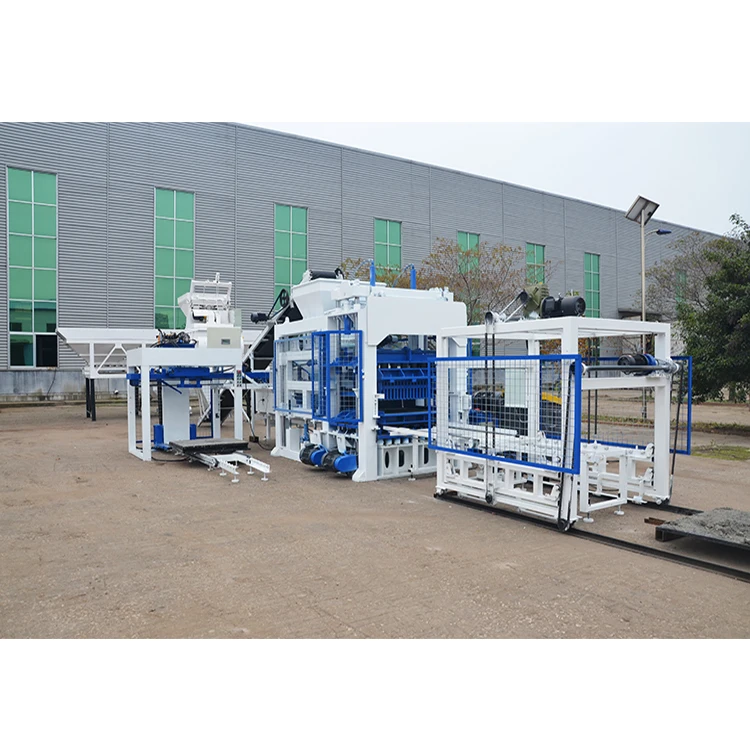

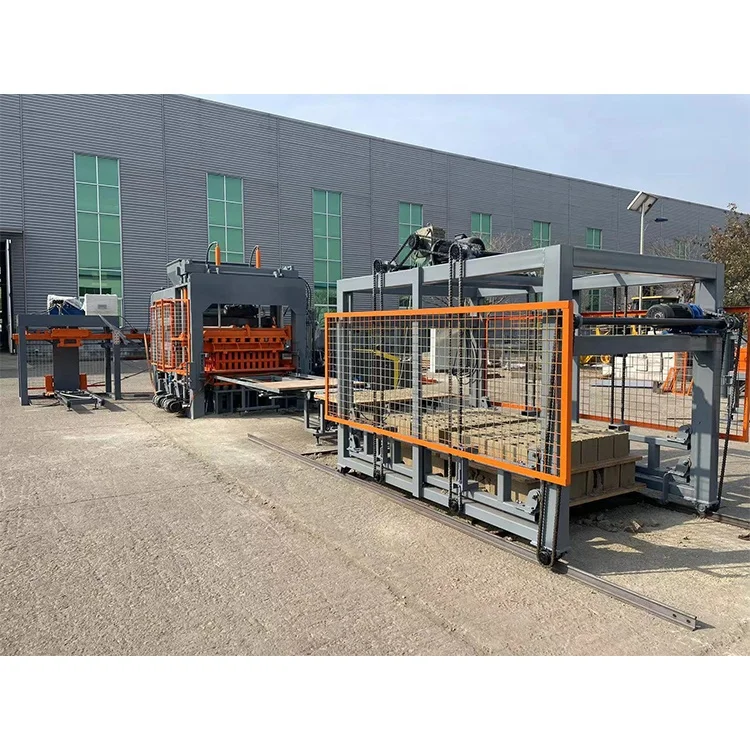


Description
Per-format capacity matched to your mix — Every output figure for the QT10-15 is calculated against a stated block dimension, cycle time and mould cavity count so the numbers you plan around are the numbers you see on the factory floor.
Technical Specifications
| Parameter | Value |
|---|---|
| Product Type | Automatic Block Making Machine |
| Model | QT10-15 |
| Control System | PLC control cabinet |
| Hydraulic System | Independent integrated hydraulic station |
| Working Mode | Vertical station mode resonance, automatic FM-AM |
| Mould Change | Simple replacement of mould for multi-format production |
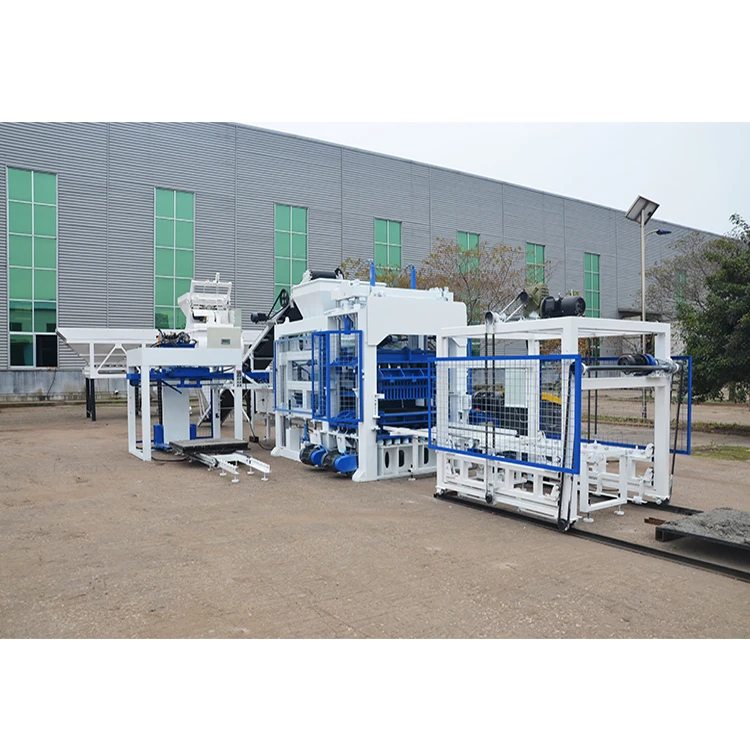
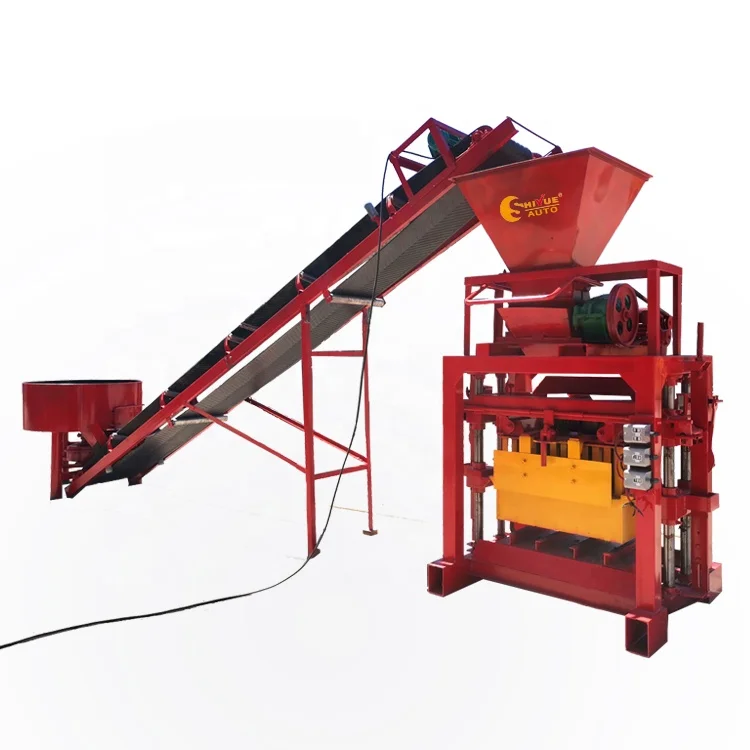
| Component List | Pallet feed machine, block making machine, storage hopper, conveyor, hydraulic unit, PLC control cabinet |
| Capacity (Hollow Block 400×200×200mm) | 1800-2400 pcs/hour (basis: 10 pcs/mould, 15-20s cycle time) |
| Capacity (Hollow Block 400×150×200mm) | 2160-2880 pcs/hour (basis: 12 pcs/mould, 15-20s cycle time) |
| Capacity (Solid Brick 240×115×53mm) | 8928-11160 pcs/hour (basis: 62 pcs/mould, 15-20s cycle time) |
| Capacity (Paver 200×100×60mm) | 5184-6480 pcs/hour (basis: 27 pcs/mould, 20-25s cycle time) |
| Capacity (Paver 225×112.5×60mm) | 4032-5040 pcs/hour (basis: 24 pcs/mould, 20-25s cycle time) |
| Mould Cycle Time | 15-25s depending on format |
| Automation Level | Automatic (pallet feed, mould change, PLC controlled) |
| Warranty | 1 year for the whole machine (excluding spare parts) |
| Pallet Size | (basis to be confirmed with manufacturer) |
| Vibration Force | (basis to be confirmed with manufacturer) |
| Hydraulic Pressure | (basis to be confirmed with manufacturer) |
| Overall Dimensions | (basis to be confirmed with manufacturer) |
| Rated Power | (basis to be confirmed with manufacturer) |
| Voltage & Frequency | (basis to be confirmed with manufacturer) |
Application Suitability
| Application | Material or Output |
|---|---|
| Hollow block production | Cement, crushed stone, sand, fly ash or local aggregate blends for 400×200×200mm and 400×150×200mm formats |
| Solid brick production | Fine aggregate and cement mixes for 240×115×53mm standard bricks |
| Paving block production | High-strength concrete mixes for 200×100×60mm and 225×112.5×60mm interlocking or rectangular pavers |
| Interlocking brick production | Modified concrete mixes for interlocking profiles requiring tight dimensional tolerance |
| Multi-format plant operation | Quick-change mould setup allowing a single press to serve several product lines across hollow, solid and paver formats |
What "2400 Pieces per Hour" Actually Means for the QT10-15 Block Making Machine Specifications
A capacity number without a block format attached is not a capacity number at all.
I have watched buyers sign off on a QT10-15 block making machine specifications sheet quoting peak hourly output, then arrive on site to find that figure assumed a small solid brick they do not sell. The real product — a 400×200×200 hollow block — runs at a different cycle time and fills fewer cavities per press, so the daily total drops well below what the contract implied. That mismatch is not a machine fault; it is a specification fault [NEED_CITE: common misalignment between quoted block machine capacity and buyer’s actual product format].
Matching Mould Cavity Count to Your Selling Format
The QT10-15 block making machine specifications list five standard formats, each with its own cavity count and cycle window. A 400×200×200 hollow block mould holds 10 cavities and cycles every 15-20 seconds, giving 1800-2400 pieces per hour. Switch to a 240×115×53 solid brick mould with 62 cavities and the same press delivers 8928-11160 pieces per hour. Knowing which number belongs to which format lets you size downstream curing racks and pallet inventory to the product you actually ship.
How the Hydraulic and Vibration Systems Interact with Local Aggregate
Concrete density and block strength depend on how well vibration force and hydraulic pressure match the aggregate gradation in your mix. The QT10-15 uses an independent integrated hydraulic station, physically separated from the main press vibration and dust, which keeps pressure delivery steady across long shifts. Vertical station mode resonance with automatic FM-AM tuning adjusts the vibration profile as the mould cavity fills, helping maintain uniform compaction whether you run crushed granite, river sand or a local laterite blend [NEED_CITE: effect of hydraulic isolation on vibration consistency in block presses].
Reading the Specs That Matter on the Factory Floor
Three parameters shape daily output more than any others: pallet size, cycle time window and mould change procedure. Pallet dimensions must align with your existing curing racks and forklift capacity; a mismatch means either rebuilding the curing yard or handling pallets by hand. The 15-25 second cycle time range covers the spread from a fast-cycling solid brick to a denser paver that needs longer vibration. Simple mould replacement — lifting out one cassette and lowering in another — keeps format changeover within a single shift rather than consuming the whole day.
The Cost of Skipping the Pallet and Voltage Conversation
Buyers who confirm pallet size after the machine ships often discover the pallets are too large for their curing racks or too heavy for their forklift. The result is manual pallet handling that erases the output advantage of an automatic line. Similarly, voltage, frequency and PLC display language left unconfirmed until the machine arrives can delay commissioning by weeks while transformers are sourced or control panels are reprogrammed [NEED_CITE: voltage and frequency standards by export market].
Why Sourcing the QT10-15 Through a Single-System Supplier Matters
Shiyue focuses exclusively on block making machinery, so the press, mould, pallet and handling equipment are specified as one matched set rather than sourced from separate vendors. Machine configuration is set against your actual mix design and local aggregate, not a catalogue default. Moulds are designed for the formats your market sells, including custom drawings when standard sizes do not fit. Automation level is selectable, letting you start with the QT10-15’s automatic pallet feed and PLC control and expand to full stacking and cubing later. Installation support includes operator training on your specific mould set.
Documentation & Verification
- Line layout and capacity calculation stating the block format assumed for each output figure
- Mould drawing and format list confirming exact dimensions and cycle times for your target products
- Pallet specification matched to your curing area and existing forklift capacity
- Voltage, frequency and PLC display language confirmation recorded before production begins
- Factory test record on your chosen block format before dispatch
- Hydraulic and electrical schematic for local maintenance teams
Installation, Commissioning & Support
- Foundation plan sized to the QT10-15’s vibration load and pallet feed footprint
- Dedicated power circuit matching confirmed voltage and frequency before the machine arrives
- PLC display language set to operator preference prior to commissioning
- On-site mould installation and first-run parameter tuning with your local aggregate mix
- Operator training covering mould change, cycle time adjustment and daily maintenance routines
- Wear parts and mould inventory list matched to your production schedule
Before You Request a Quotation
Share the block formats your market currently buys, along with target daily output for each. Provide a sample or description of your local aggregate — sand type, stone size, any industrial by-products you plan to use. Confirm your site voltage, frequency and preferred PLC display language so the QT10-15 block making machine specifications are locked to your conditions before the build begins.
Frequently Asked Questions
Q: How is capacity calculated per block format and what cycle time should I expect?
A: Each capacity figure in the QT10-15 block making machine specifications is tied to a specific mould cavity count and cycle window. For example, a 400×200×200mm hollow block uses 10 cavities at 15-20 seconds per cycle, giving 1800-2400 pieces per hour. Your actual output depends on mix design, operator rhythm and pallet handling speed, so we provide a format-by-format calculation rather than a single peak number.
Q: What pallet size does the QT10-15 require and how does it match my curing racks?
A: Pallet dimensions are confirmed during the proposal stage against your existing curing rack spacing and forklift capacity. We specify pallet material and thickness to handle the press vibration load while fitting your yard layout, avoiding the situation where pallets arrive too large or too heavy for your current equipment.
Q: How long does a mould change take and what formats are available?
A: Mould replacement on the QT10-15 is a simple cassette lift-out and lift-in procedure designed to be completed within a shift. Standard formats cover hollow blocks, solid bricks and pavers listed in the specifications. Custom mould designs are available to buyer drawings when your market requires a profile outside the standard range.
Q: How is the machine adjusted to my local aggregate before shipment?
A: We request a description or sample of your local sand, stone and any supplementary materials. Vibration and hydraulic parameters are then set to match that mix during the factory test. This prevents the situation where the machine arrives configured for an aggregate you cannot source, forcing a costly material change on site.