Description
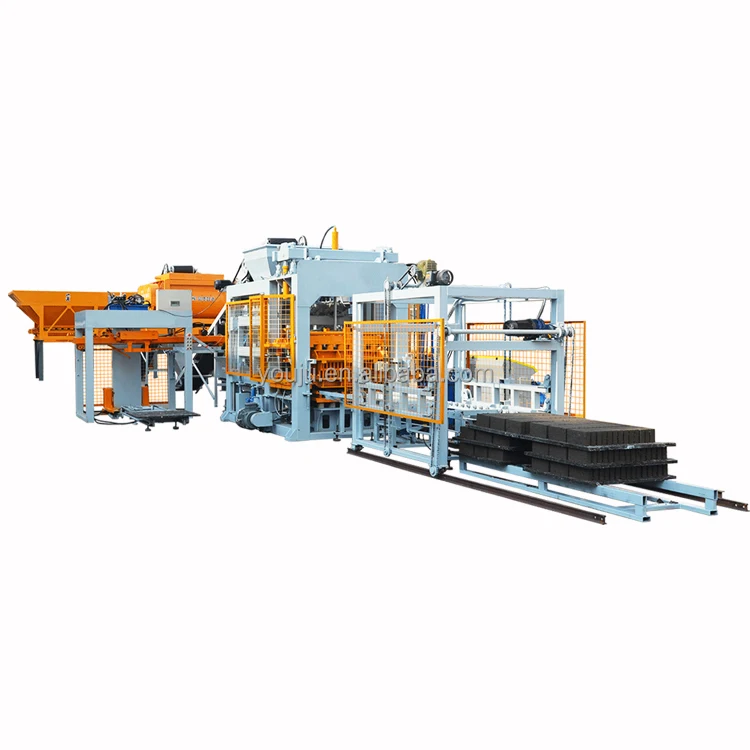
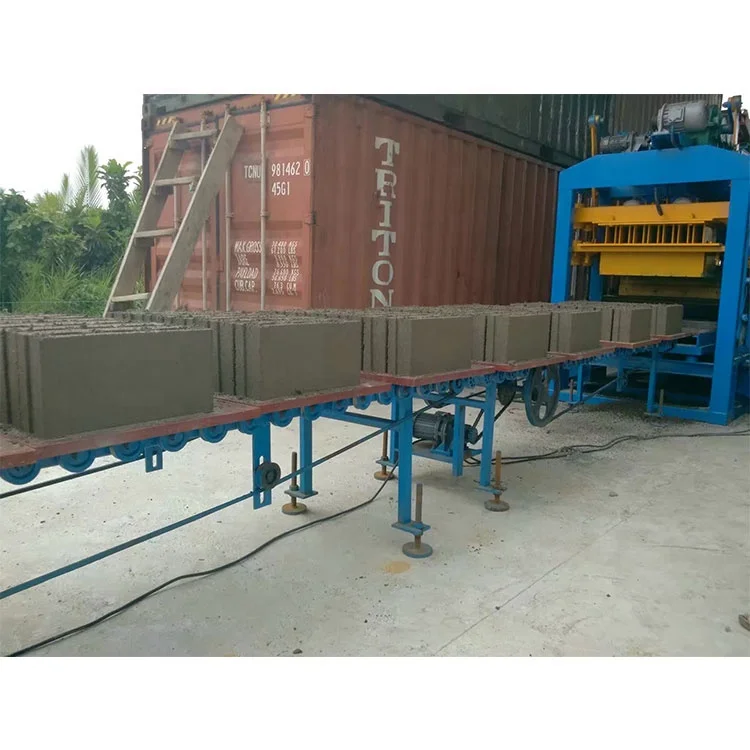
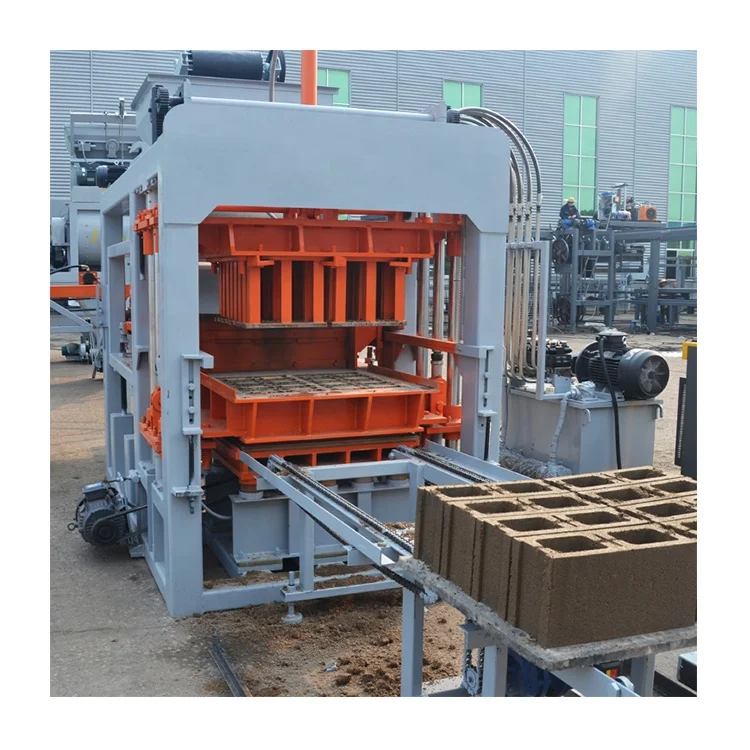
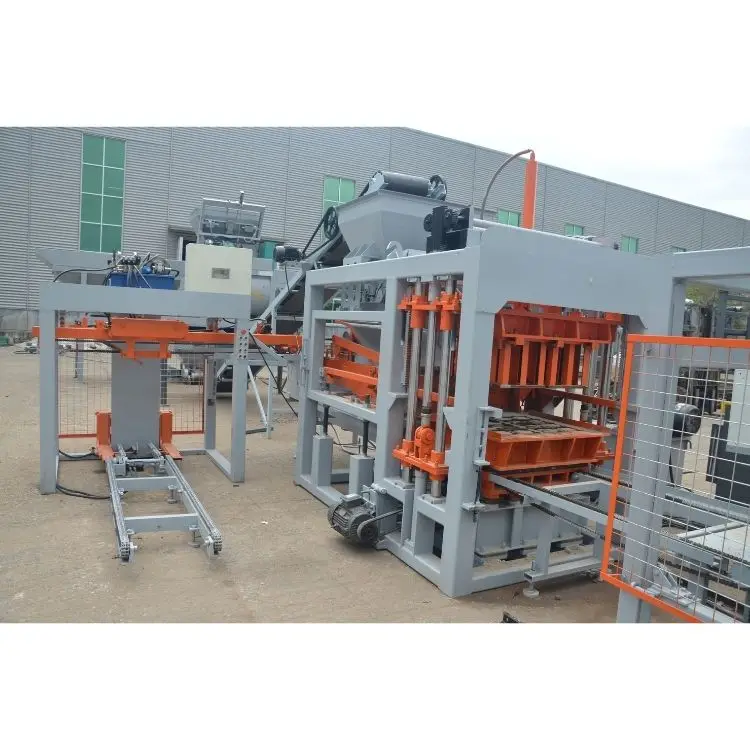
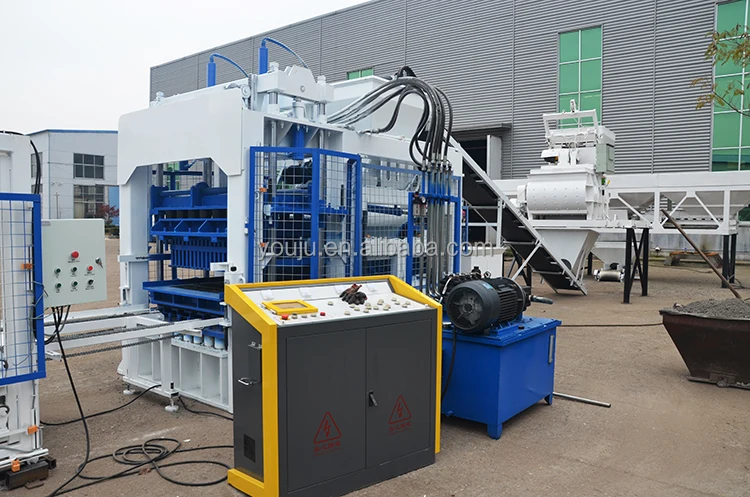
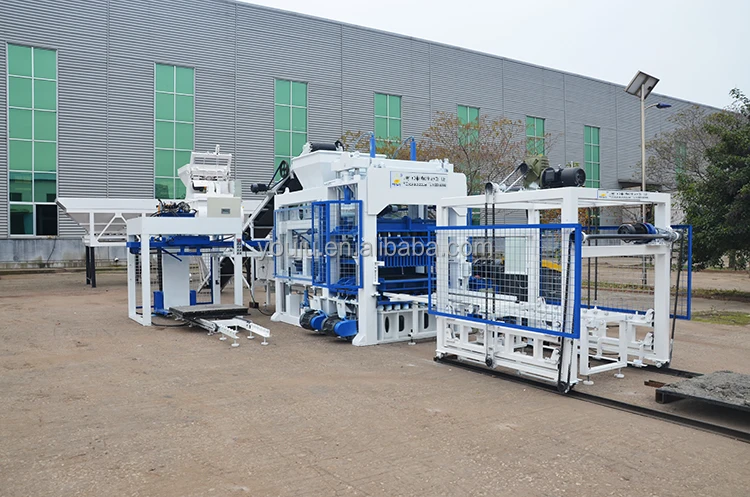
Single-focus block machinery — the QT10-15 block making machine is configured around your local aggregate properties and target block format, not a generic catalogue default.
Technical Specifications
| Parameter | Value |
|---|---|
| Model | QT10-15 |
| Product Type | Fully Automatic Concrete Block Making Machine |
| Overall Dimensions (L×W×H) | 9350×2320×2950 mm |
| Rated Power | 44 kW |
| Rated Pressure | 21 MPa |
| Main Vibration Form | Platform vibration |
| Vibration Frequency | 4500–5100 r/min |
| Pallet Size | 1100×900 mm |
| Moulding Area | 1025×810 mm |
| Forming Height | 40–250 mm |
| Molding Cycle | 15–25 s |
| Mixer Model | JS750 |
| General Water Consumption | 12 T/day |
| Voltage | Customized to local request |
| Control System | PLC (Japan Mitsubishi) |
| Hydraulic Unit | Taiwan Jiugang |
| Switches | Japan Omron |
| Electrical Elements | France Schneider |
| Host Machine & Mixer Motor | Germany Siemens |
| Mould Treatment | High temperature carburizing heat treatment |
| Output Capacity (Hollow Block 400×200×200 mm) | 10 pcs/mould, 1800–2400 pcs/h, 14400–19200 pcs/8h |
| Output Capacity (Hollow Block 400×150×200 mm) | 12 pcs/mould, 2160–2880 pcs/h, 17280–23040 pcs/8h |
| Output Capacity (Solid Brick 240×115×90 mm) | 52 pcs/mould, 9360–12480 pcs/h, 74880–99840 pcs/8h |
| Standards | European CE standard (motors) |
| Key Features | Automatic pallet feeding, PLC batching control, hydraulic and vibration combined forming |
Application Suitability
| Application | Material or Output |
|---|---|
| Hollow block production for structural walls | Crushed stone, river sand, and cement |
| Solid brick manufacturing | Fly ash, sand, and cement blends |
| Paving block and interlocking brick production | Fine aggregate with cement binder |
| Kerbstone and curb production for road projects | Dense aggregate mix with high compression |
| Porous brick for permeable pavement | Graded aggregate with controlled porosity |
What the Cycle Time Actually Means for Your Daily Output
A QT10-15 block making machine rated at 15–25 seconds per cycle only reaches its stated output when the mix design, block format, and curing logistics are aligned.
Suppliers often quote a single cycle time or a peak hourly number without specifying the block format behind it. A buyer expecting 2400 hollow blocks per hour on a 400×200×200 mm format may see that figure drop considerably when switching to a denser paver or a format with a different wall thickness. The vibration frequency and hydraulic pressure must be set to match the actual aggregate gradation and moisture content arriving at the hopper. If the local sand is weathered or high in fines, the feed time extends and the cycle stretches beyond the catalogue figure [NEED_CITE: effect of aggregate fines on concrete block cycle time].
Moulding Area and Block Format Matching
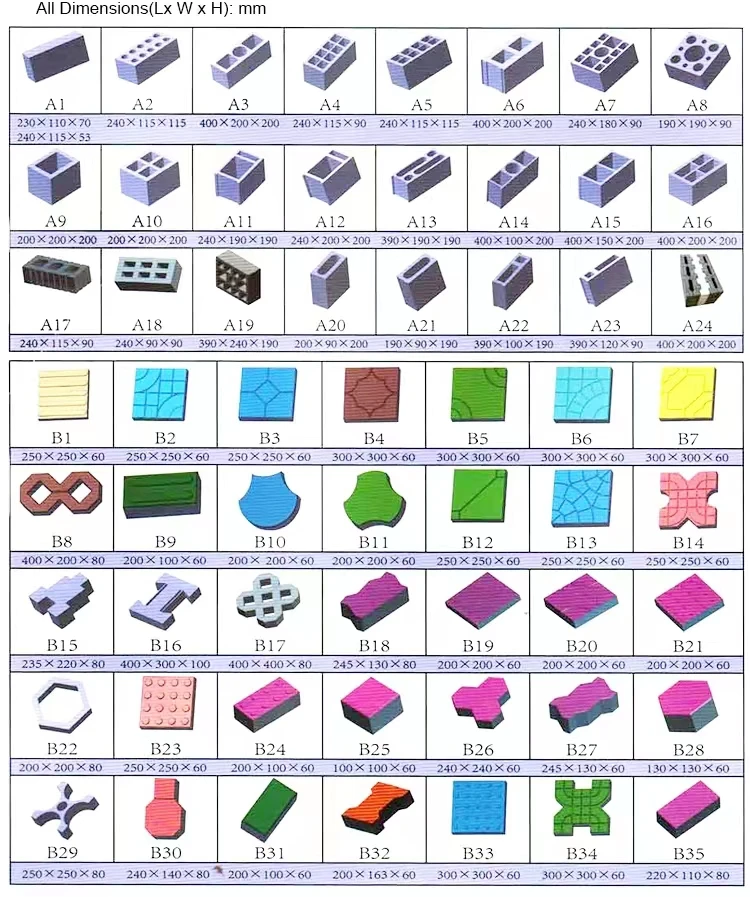
The moulding area of 1025×810 mm on the QT10-15 block making machine determines exactly how many cavities fit per cycle. A 400×200×200 mm hollow block fits 10 per mould, while a 240×115×90 mm solid brick packs 52 per cycle. Buyers sizing a machine to their local market must start from the block format that actually sells in their region, then work backward to daily volume. Selecting a pallet size without considering the curing rack spacing and forklift capacity already on site leads to bottlenecks after the press.
Vibration Force, Hydraulic Pressure, and Block Strength
Consistent compressive strength depends on the relationship between the platform vibration at 4500–5100 r/min and the 21 MPa hydraulic pressure. Vibration alone compacts the mix loosely; hydraulic pressure locks the particles into a dense matrix. When the aggregate is angular crushed stone, the vibration amplitude and duration must differ from a rounded river sand mix. If these two forces are not calibrated to the buyer’s specific material profile, block strength will vary from batch to batch, and rejection rates at the construction site will climb [NEED_CITE: vibration and hydraulic pressure relationship in block forming].
Pallet Size, Curing Logistics, and Throughput
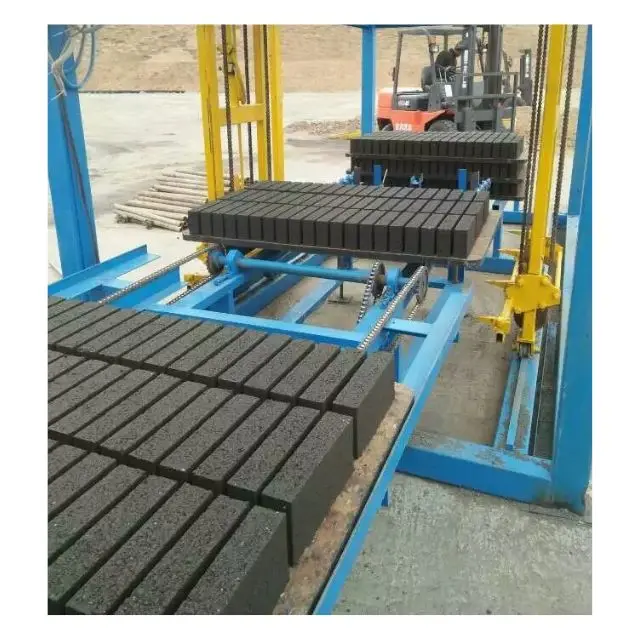
The 1100×900 mm pallet size is a fixed constraint that affects everything downstream of the press. Each cycle produces one pallet of blocks. If the curing area holds pallets in racks designed for a different dimension, the buyer either wastes floor space or must purchase new racks. Forklifts rated for a certain pallet width may struggle with a size they were not specified for. The pallet material itself — whether wood, bamboo, or composite — affects weight, moisture absorption during curing, and the interval between pallet replacements.
The Cost of Ignoring Local Aggregate Properties
A machine configured for clean graded river sand will underperform when the buyer’s local supply is weathered sand with high clay content. The mix becomes sticky, the feeder takes longer to fill each mould cavity evenly, and the demoulded block surface shows tearing. Over a full shift, the cycle time drifts well past the quoted range, and daily output falls short of what the project schedule requires. Correcting this after installation means adjusting the water-to-cement ratio, modifying vibration duration, and sometimes sourcing a different fine aggregate altogether [NEED_CITE: weathered sand impact on block surface quality].
Why Configuration Must Start from Your Block Format
This approach to the QT10-15 block making machine begins with the block format your market demands, not a catalogue default. The mould drawing is confirmed before production, ensuring cavity count and dimensions match your pallet and curing setup. Hydraulic pressure and vibration frequency are set against a sample of your local aggregate, not a generic test mix. The pallet specification accounts for your existing rack dimensions and forklift capacity. Voltage, frequency, and PLC display language are confirmed in writing before the machine enters assembly, removing a common cause of commissioning delay. Moulds undergo high temperature carburizing heat treatment, extending service life before the first replacement set is needed. The JS750 mixer is sized to keep pace with the press cycle without creating a material bottleneck upstream.
Documentation & Verification
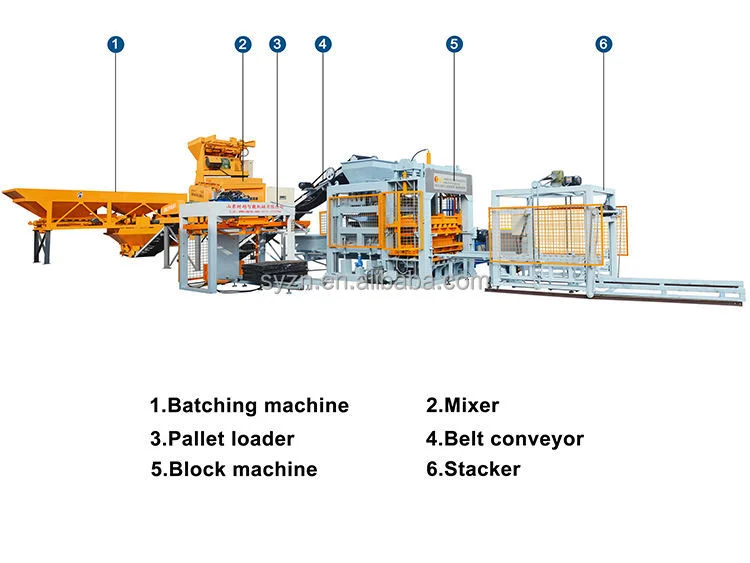
- Line layout with capacity calculation stating the block format assumed for each output figure
- Mould drawing and format list confirming standard and custom cavity designs
- Pallet specification matched to buyer’s curing rack dimensions and forklift rating
- Voltage, frequency, and PLC display language confirmation document before production
- Factory test record run on the buyer’s specified block format before dispatch
- Wear parts and mould list with part numbers for first replacement orders
Installation, Commissioning & Support
- Foundation plan sized to the 9350×2320 mm footprint with drainage provisions for 12 T/day water use
- Dedicated power circuit matched to the 44 kW rated load and confirmed local voltage
- Machine dismantled for container loading and reassembled on site with alignment checks
- First-run parameter setting for vibration frequency and hydraulic pressure against buyer’s mix sample
- Operator training on PLC interface, mould change procedure, and daily maintenance schedule
- Wear parts inventory list supplied with recommended stock quantities for the first operating year
Before You Request a Quote
To size the QT10-15 block making machine to your operation, the key details are the exact block format you intend to produce, your target daily output, and the properties of the aggregate available locally. Specify the pallet dimensions your curing area is built around and the voltage and frequency at your site. If you plan to run multiple formats in one shift, note the changeover frequency so the mould quick-change system can be configured accordingly.
Frequently Asked Questions
Q: How is the QT10-15 capacity calculated per block format?
A: Each output figure is tied to a specific block dimension and cavity count. The 400×200×200 mm hollow block runs 10 per mould at 1800–2400 pieces per hour, while the 240×115×90 mm solid brick produces 52 per mould. The cycle time of 15–25 seconds varies depending on mix density and the vibration duration required for full compaction.
Q: Can the mould be changed quickly for multiple formats in one shift?
A: The mould change system on the QT10-15 block making machine is designed to minimize press downtime between formats. The actual changeover time depends on the operator’s familiarity with the procedure and whether the replacement mould is pre-positioned. Running several formats in a single shift is feasible when change frequency is planned into the production schedule.
Q: What pallet size does this machine use, and how does it affect curing?
A: The pallet size is 1100×900 mm. This dimension must align with the curing rack spacing and forklift capacity already on site. Pallet material affects weight during handling and moisture behavior during the curing cycle. The pallet specification is confirmed alongside the machine order to prevent mismatches at startup.
Q: How are vibration and pressure matched to local aggregate?
A: The platform vibration at 4500–5100 r/min and the 21 MPa hydraulic pressure are adjusted based on a sample of the buyer’s aggregate. Angular crushed stone requires different vibration duration than rounded sand. This calibration happens during commissioning to ensure consistent block density and strength from the first production run.
Q: Which mould formats are available from stock versus custom?
A: Standard hollow block, solid brick, and common paver moulds are available in predefined cavity layouts that fit the 1025×810 mm moulding area. Formats outside the standard range — such as project-specific interlocking profiles or non-standard kerbstones — are produced from buyer drawings. Mould drawings are confirmed before manufacturing begins.