

Description
Format-Matched Configuration — Every QT10-15 output figure below is tied to a specific block dimension and cavity count, so your daily target is calculated from what you actually sell, not a catalogue average.
Technical Specifications
| Parameter | Value |
|---|---|
| Model | QT10-15 |
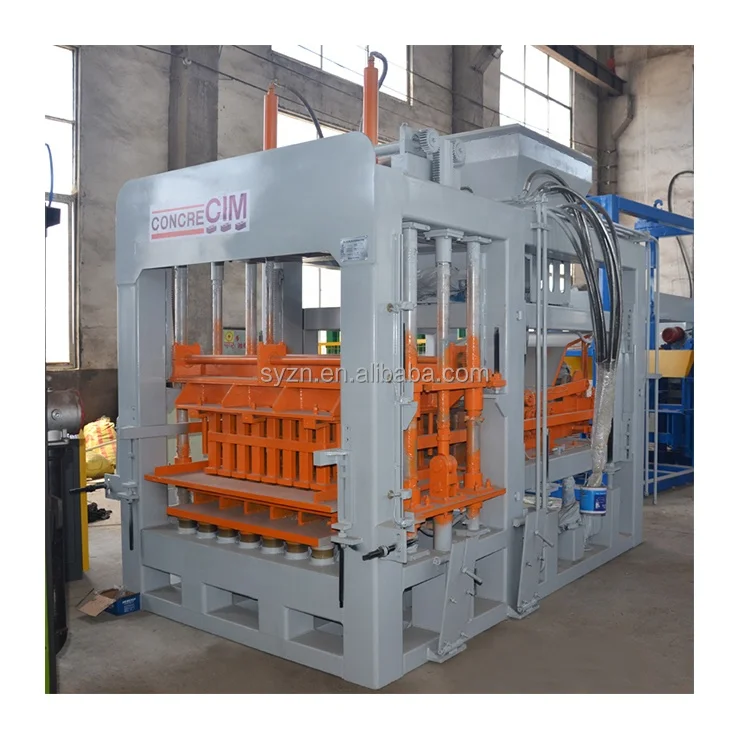
| Product Type | Automatic Hydraulic Block Making Machine |
| Control System | PLC control cabinet |
| Hydraulic System | Independent integrated hydraulic station |
| Vibration Mode | Vertical station mode resonance, automatic FM-AM |
| Mould Change | Simple replacement of mold for multi-format production |
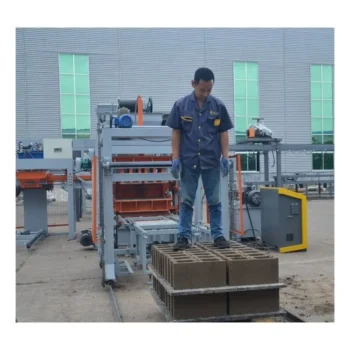
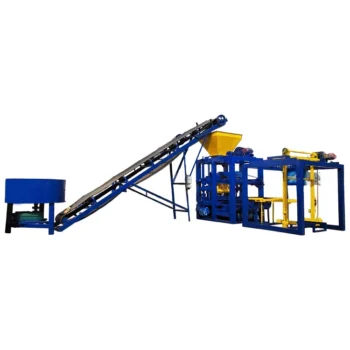
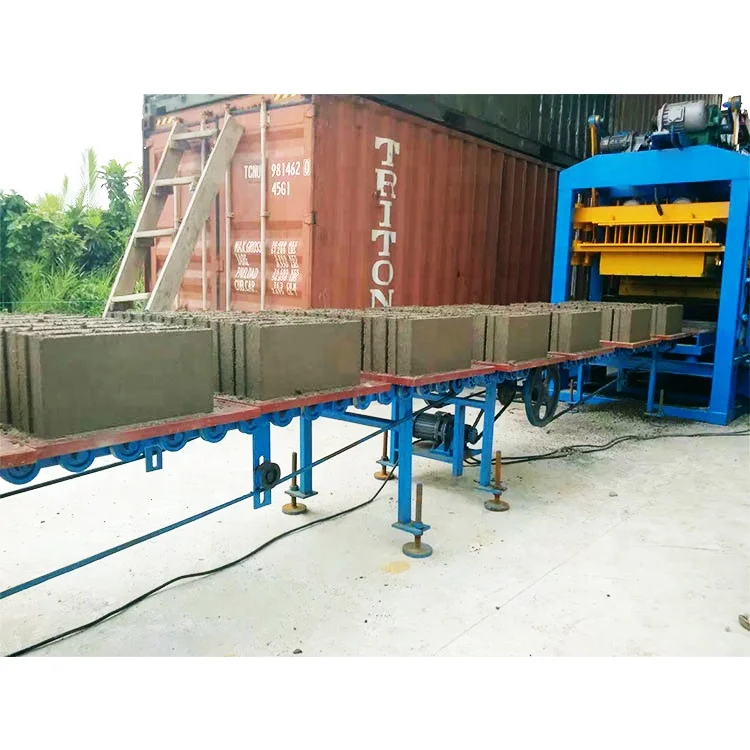
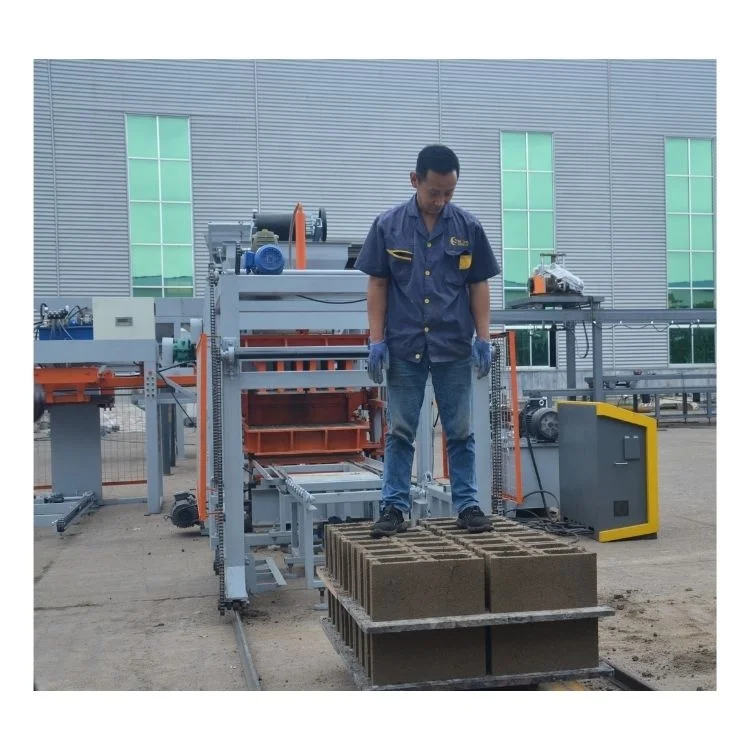
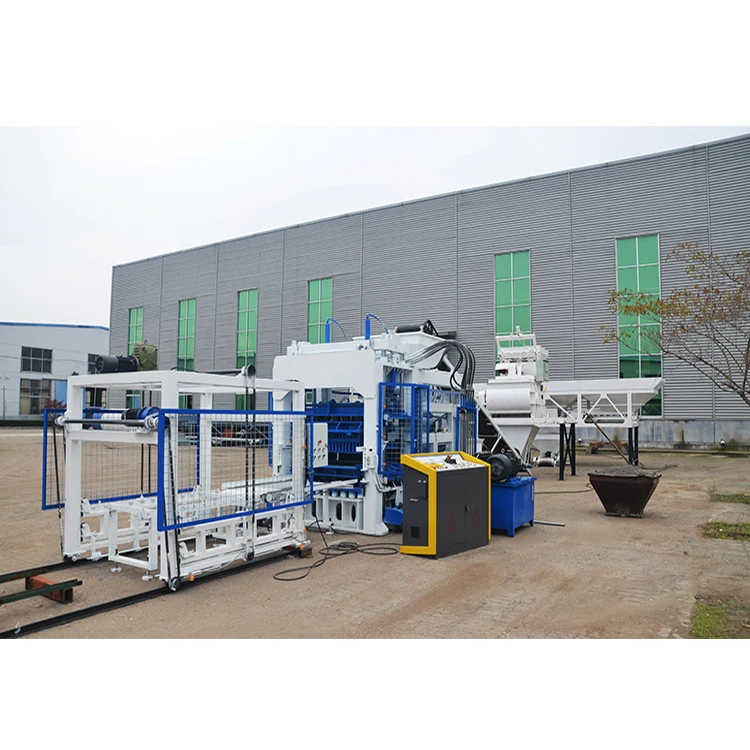
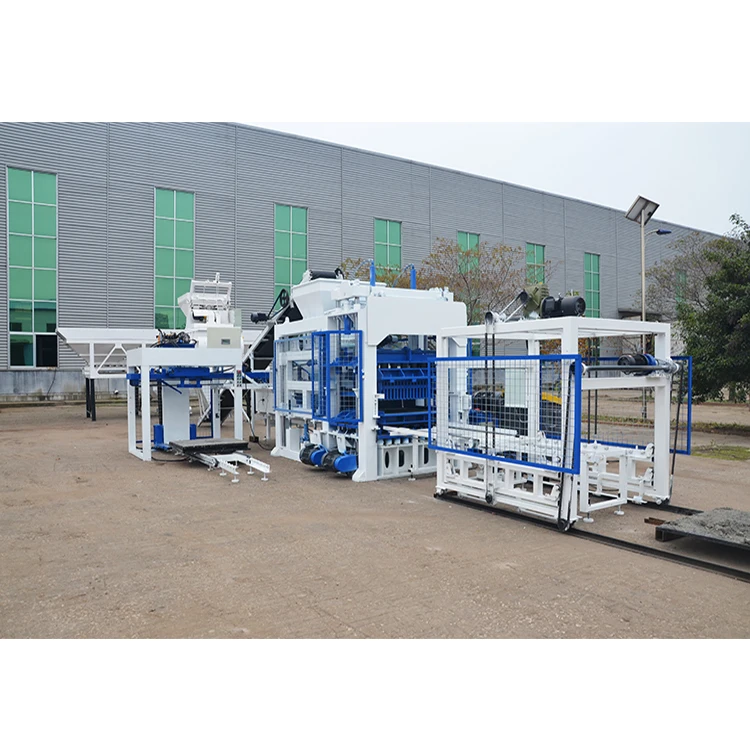
| Components | Pallet feed machine, block making machine, storage hopper, conveyor, hydraulic unit, PLC control cabinet |
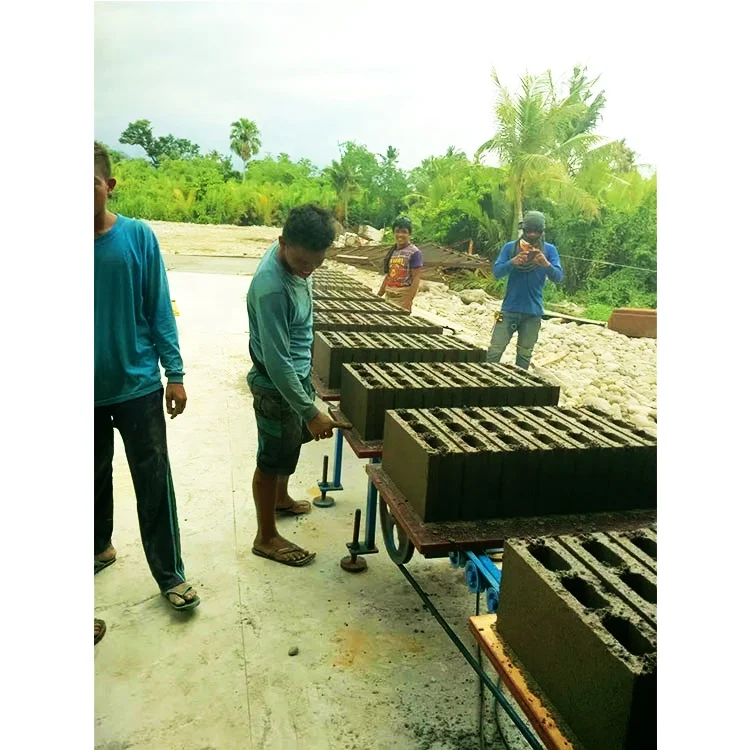
| Output Capacity (400×200×200mm hollow block) | 1,800–2,400 pcs/hour (basis: 10 pcs/mould, 15–20s cycle time) |
| Output Capacity (400×150×200mm hollow block) | 2,160–2,880 pcs/hour (basis: 12 pcs/mould, 15–20s cycle time) |
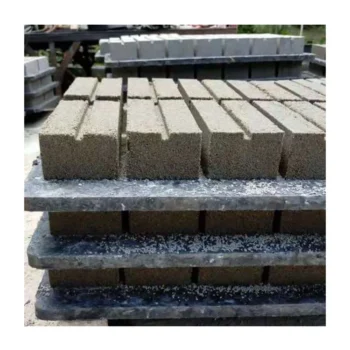
| Output Capacity (240×115×53mm solid brick) | 8,928–11,160 pcs/hour (basis: 62 pcs/mould, 15–20s cycle time) |
| Output Capacity (200×100×60mm paving block) | 5,184–6,480 pcs/hour (basis: 27 pcs/mould, 20–25s cycle time) |
| Output Capacity (225×112.5×60mm interlocking brick) | 4,032–5,040 pcs/hour (basis: 24 pcs/mould, 20–25s cycle time) |
| Cycle Time (hollow block) | 15–20s |
| Cycle Time (paving / interlocking block) | 20–25s |
| Warranty | 1 year for the whole machine (excluding spare parts) |
| Rated Power (kW) | Confirm with manufacturer |
| Voltage & Frequency | Confirm with manufacturer |
| Overall Dimensions (L×W×H) | Confirm with manufacturer |
| Net Weight | Confirm with manufacturer |
| Pallet Size | Confirm with manufacturer |
| Hydraulic Pressure (MPa) | Confirm with manufacturer |
| Vibration Force (kN) | Confirm with manufacturer |
| Automation Level | Automatic (with PLC, pallet feed, conveyor) |
| Standards | CE (verify with manufacturer) |
Application Suitability
| Application | Material or Output |
|---|---|
| Hollow block production | Crushed stone, river sand, cement, fly ash aggregates |
| Solid brick manufacturing | Clay-mix substitutes, concrete, quarry dust |
| Paving block production | High-strength concrete mixes with fine aggregates |
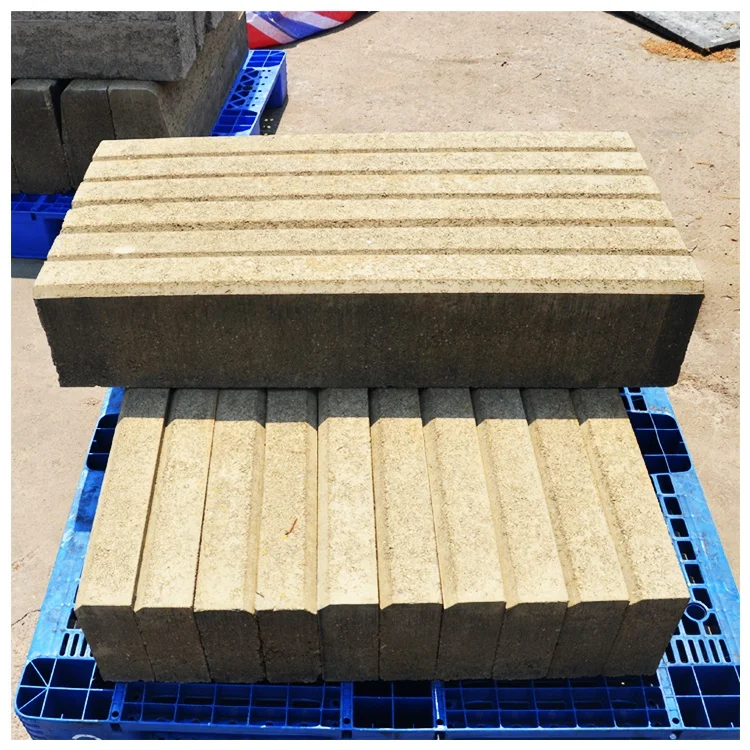
| Interlocking brick production | Cement-stabilized soil, laterite, volcanic aggregate blends |
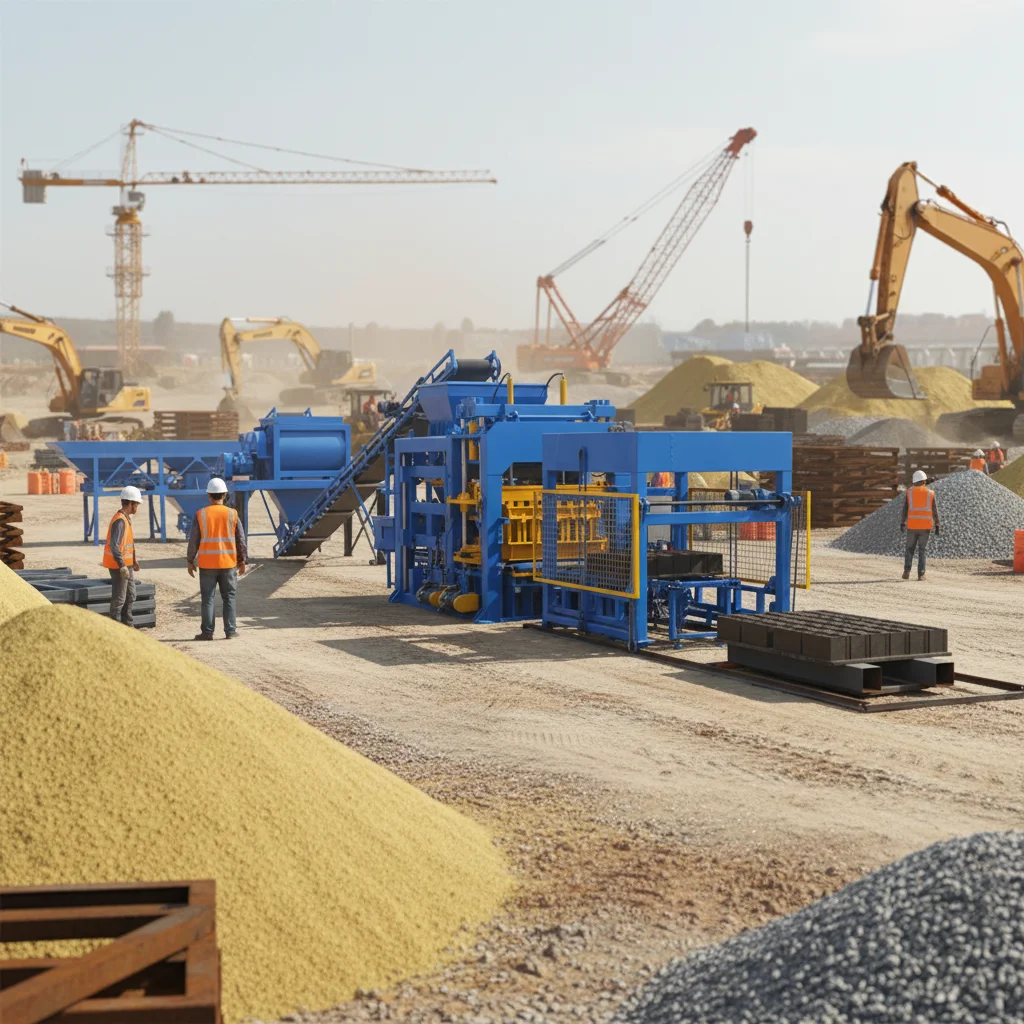
| On-site project production | Local construction aggregates for housing and infrastructure |
| Format expansion for existing plants | Additional mould sets for multicellular and kerb formats |
What "Pieces per Hour" Leaves Out When Sizing a QT10-15 Block Machine
The cycle time and cavity count behind every capacity number determine whether your daily target is realistic or just a brochure promise.
Many quotations for automatic block making machines quote a single hourly figure that assumes a specific block format — often the largest hollow block the press can handle. When the buyer actually runs smaller solid bricks or paving blocks, the real output can diverge noticeably from what was quoted. I have seen this mismatch cause project delays when contractors sized their curing yards based on a number that never matched their primary product. The QT10-15 block machine specifications listed above tie each capacity figure to its mould cavity count and cycle range so you can cross-check against the format your market actually buys [NEED_CITE: honest capacity disclosure standards for concrete block machinery].
Matching Mould Format to Your Market Before the Order
The QT10-15 supports multiple block formats through mould replacement — hollow blocks, solid bricks, paving blocks, and interlocking bricks. The question that matters is not whether a mould exists, but whether the cycle time and cavity count for your specific format deliver the daily volume your business plan assumes. When I work through a configuration with a buyer, I ask which format represents the majority of their sales, then calculate realistic daily output around that format rather than the fastest cycle the press can achieve.
Vibration and Hydraulic Balance Across Aggregate Types
Concrete block strength depends on the relationship between vibration force and hydraulic pressure during compaction. The QT10-15 uses vertical station mode resonance with automatic FM-AM adjustment, which adapts the vibration profile as the mix consistency changes. An independent integrated hydraulic station sits isolated from the main vibration and dust, keeping pressure stable across long production runs. This matters because different local aggregates — volcanic rock, laterite, crushed granite — each demand a different balance of vibration and pressure to reach target density without cracking during demoulding [NEED_CITE: aggregate-specific vibration tuning for concrete block presses].
Reading the Specs That Actually Affect Your Output
The independent hydraulic station on the QT10-15 means pressure consistency does not degrade as vibration intensifies over a shift — a design choice that directly affects block density uniformity from the first pallet to the last. The automatic FM-AM vibration system adjusts frequency and amplitude to suit the mix, which is important when a plant switches between hollow block and paving block production within the same day, as each format requires a different compaction profile. PLC control coordinates the pallet feed, storage hopper, and conveyor timing so the press is not left idle between cycles. Mould change is described as a simple replacement process, but the actual time taken to swap moulds and recalibrate affects how many formats a plant can realistically run in a single shift — a detail worth confirming before you commit to a multi-format production plan.
The Cost of Skipping the Mix Design Conversation
When a block machine is configured against a standard sand-and-cement test mix but the buyer’s local material is volcanic aggregate or quarry dust, the vibration parameters need recalibration on site. I once saw a machine shipped with settings optimized for standard river sand, only to produce blocks at roughly half the expected output when the customer ran local lightweight aggregate. The blocks were structurally sound after adjustment, but the lost weeks of production and the unplanned service call could have been avoided with a material sample test before dispatch [NEED_CITE: material-specific commissioning requirements for hydraulic block machines].
Why Buyers Source the QT10-15 from a Single-Focus Block Machinery Supplier
Our configuration process starts with your target block format, local raw material, and daily output goal — not a catalogue default. Every machine, mould, pallet, and handling component is specified as a matched system, which avoids the mismatches that occur when press, pallets, and stacking equipment come from separate suppliers. We provide mould drawings and a format list confirming exactly which products are included and which are optional extras. Automation level is selectable, allowing a buyer to begin with semi-automatic pallet handling and plan an upgrade path. Installation support includes operator training so your team can manage mould changes and basic maintenance independently from day one.
Documentation & Verification
- Line layout and capacity calculation stating the block format assumed for each output figure
- Mould drawing and format list confirming included and optional formats
- Hydraulic and electrical schematic for local maintenance planning
- Voltage, frequency, and PLC display language confirmation record
- Factory test record on buyer’s specified block format before dispatch
- Operation and maintenance manual with wear parts and mould list
Installation, Commissioning & Support
- Foundation plan sized to the QT10-15 hydraulic station footprint and vibration isolation requirements
- Dedicated power circuit matching confirmed voltage and frequency before machine arrival
- On-site assembly from dismantled shipment state with alignment of pallet feed and conveyor
- Commissioning run using buyer’s actual aggregate mix to set vibration and pressure parameters
- Operator training covering mould change procedure, PLC navigation, and daily maintenance checklist
- Wear parts and replacement mould list provided at handover for first reorder planning
What We Need to Size Your QT10-15 Correctly
Send us the specific block format or formats your market demands, along with your target daily output for each. We also need a sample or description of your local aggregate and cement type so we can run a test before confirming cycle times. Let us know your available curing area dimensions and existing forklift capacity, as these determine the right pallet size for your line.
Frequently Asked Questions
Q: How is capacity calculated for each block format on the QT10-15?
A: Every output figure is based on a specific mould cavity count and cycle time range. For example, the 400×200×200mm hollow block figure assumes 10 cavities per mould and a 15–20 second cycle. We calculate daily capacity around the format you will actually produce most, not the fastest cycle the machine can achieve.
Q: What mould formats are available, and how does a changeover work?
A: The QT10-15 supports hollow block, solid brick, paving block, and interlocking brick moulds. Mould change is a physical swap on the press. Confirm the time required and whether recalibration is needed per format, as this directly affects how many products you can run in one shift.
Q: How is the machine tuned to my local aggregate and mix?
A: We request a material sample or detailed description of your local aggregate before finalizing vibration and pressure settings. The automatic FM-AM system adjusts on site, but baseline parameters must match your mix to achieve target block strength without excessive cycle time.
Q: What pallet size does the QT10-15 need, and why does it matter?
A: Pallet size determines how many blocks cure per rack and must match your existing curing area and forklift capacity. Confirm pallet dimensions during the quotation stage so your handling equipment and storage space align with the machine output.
Q: What voltage and PLC language options are confirmed before shipment?
A: Voltage, frequency, and PLC display language are confirmed during the order process before production begins. This avoids commissioning delays on arrival and ensures your operators can navigate controls in a language they read.