Description
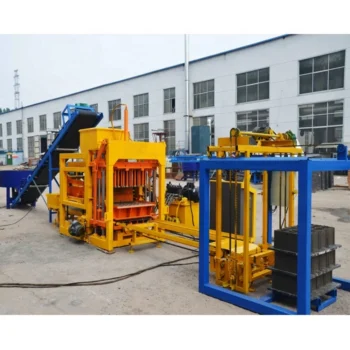
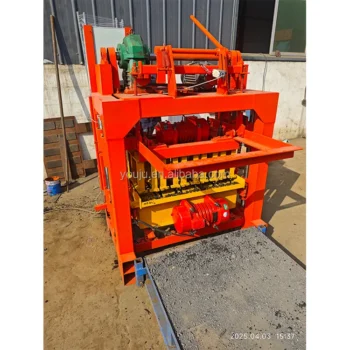
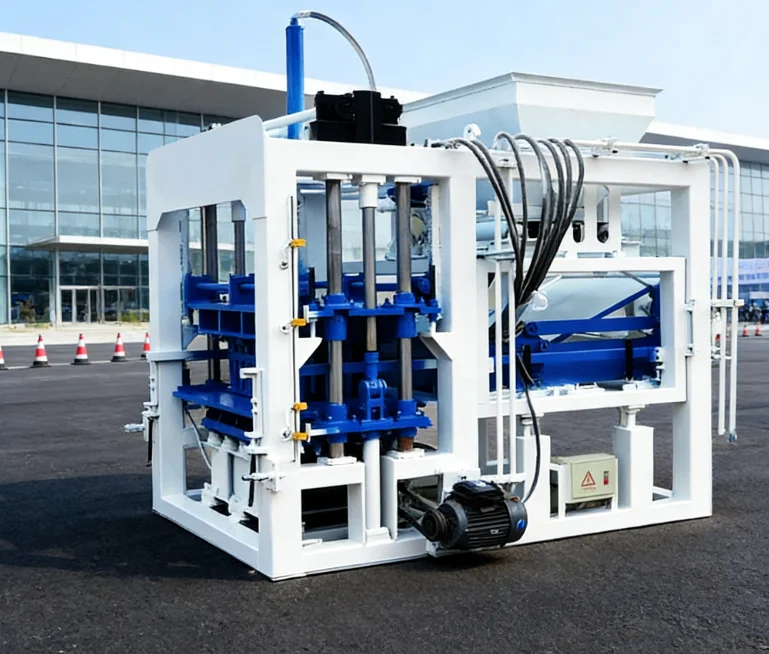
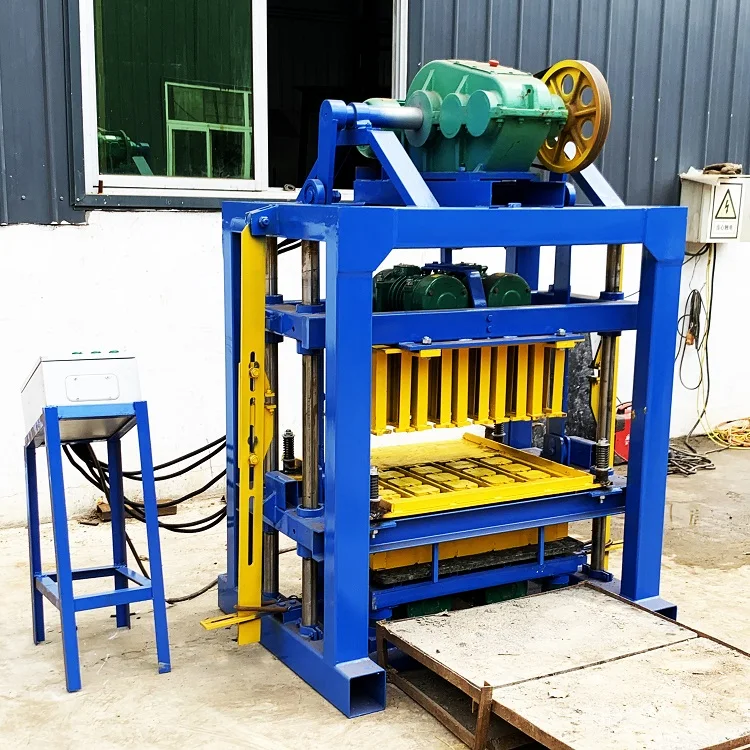
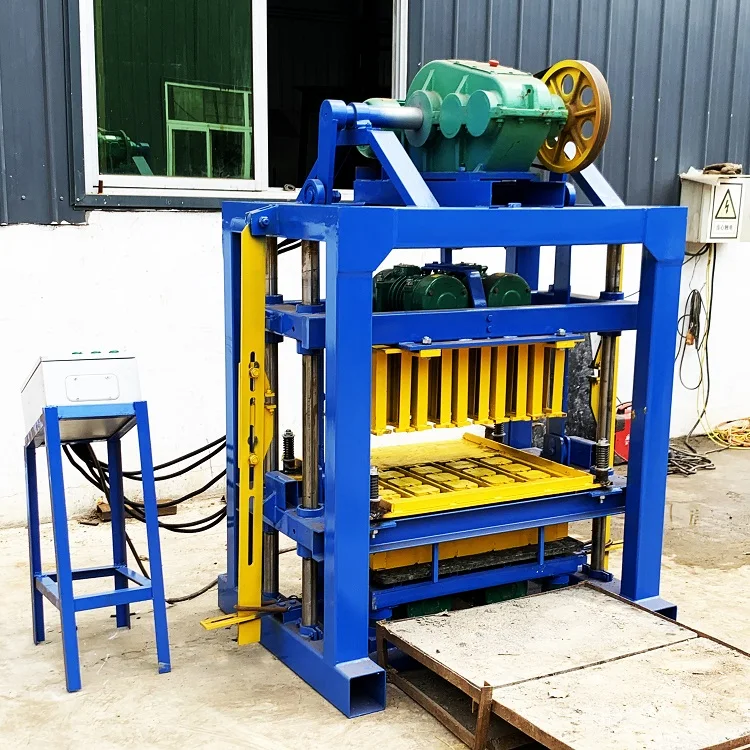
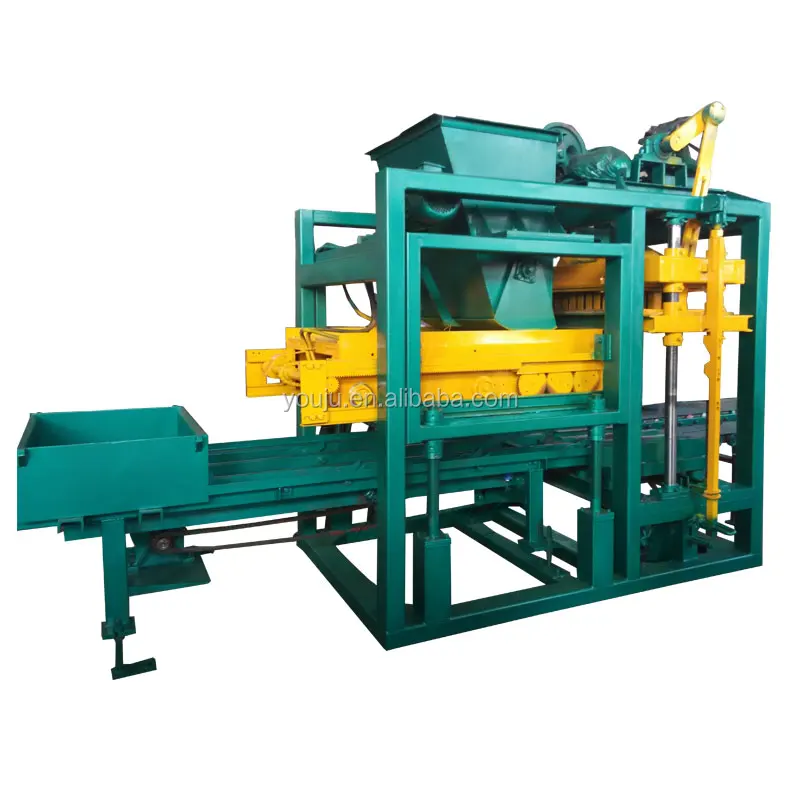
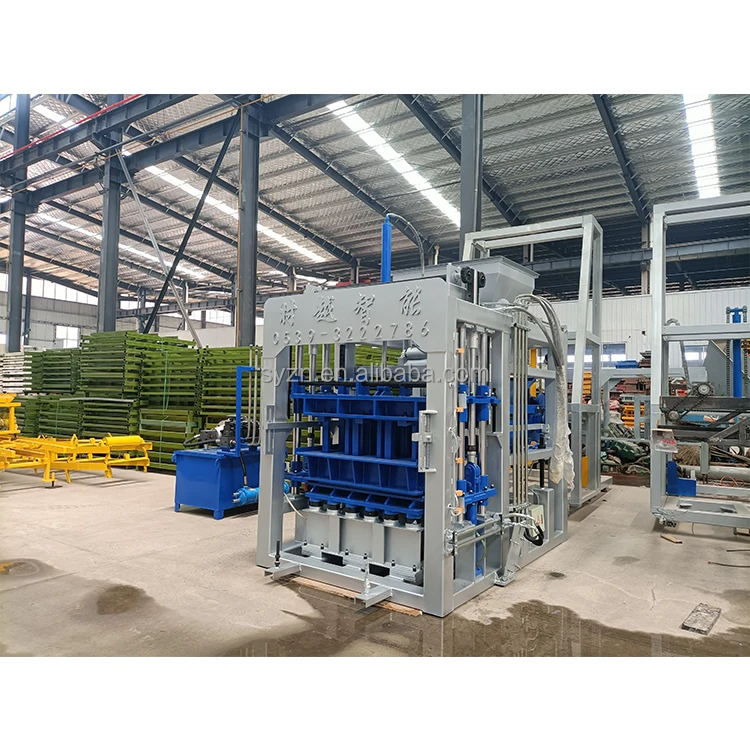
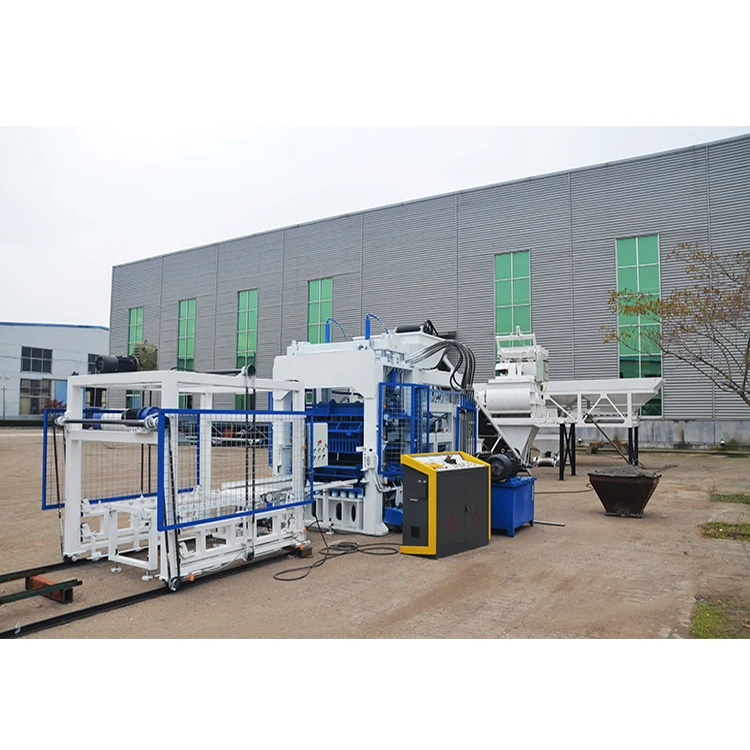
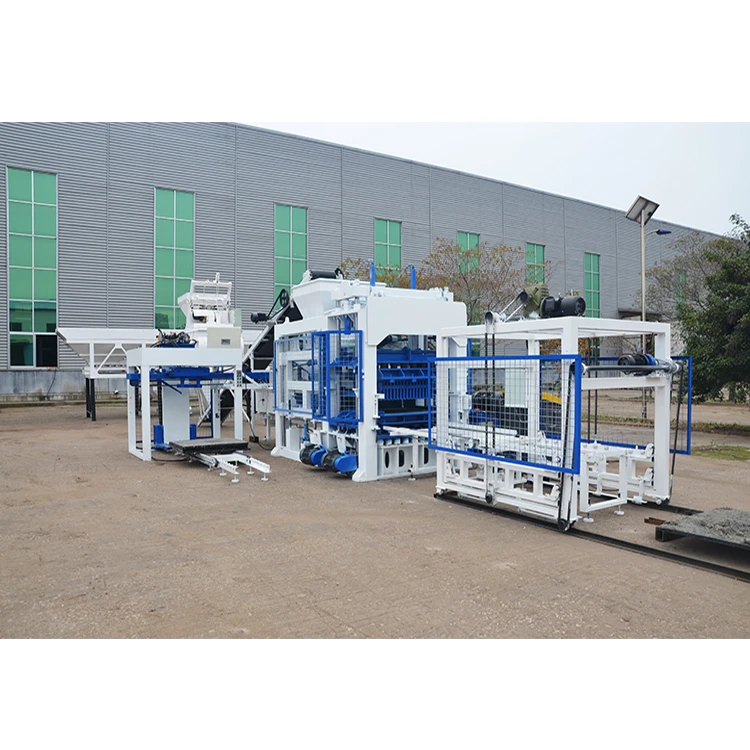
Configured to the Buyer’s Actual Mix and Market — the QT10-15 automatic block making machine is specified as a matched system of press, mould, pallet, and handling equipment aligned to your local aggregate and target block format before any order is placed.
Technical Specifications
| Parameter | Value |
|---|---|
| Model | QT10-15 |
| Product Type | Full Automatic Concrete Block Making Machine |
| Host Machine Dimension | 5870 × 2220 × 2850 mm |
| Host Machine Weight | 12 Tons |
| Molding Area | 1100 × 900 mm |
| Workshop Area | 200 m² |
| Host Machine Power | 57 kW |
| Vibration Force | 100 kN |
| Vibration Method | Hydraulic + Platform Vibration |
| Vibration Frequency | 2800–4500 Times/Minute |
| Pallet Size | 1100 × 900 × 30 mm |
| Voltage | 220 / 380 / 415 / 440 V (Customized) |
| Control System | Siemens PLC with Touch Screen |
| Travel Switch | France Schneider / Japan Omron |
| Motor | Germany SIEMENS or CE standard brand |
| Mould Heat Treatment | Carburizing, 54–58 HRC, lifespan >100,000 cycles |
| Molding Period | 15 seconds (basis not stated in source — confirm block format, material, and thickness) |
| Automation Level | Full Automatic |
| Batching Machine | PLD1200, 1200 L weigh-hopper, 4 × 2.5 m³ storage, ±2 % precision |
| Mixer | JS750, 1200 L charge / 750 L discharge, 35 m³/h, 30 kW |
| Mixer Max Aggregate Size | 60 mm |
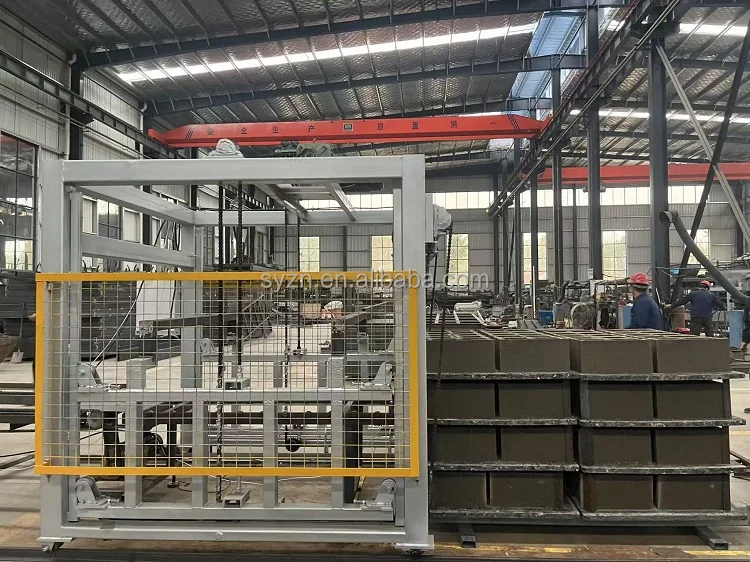
| Stacker | SY-8, 3 kW, 600 kg capacity |
| Grouped Equipment | PLD1200 Batcher, JS750 Mixer, Conveyor Belt, Hydraulic Station, Pallet Feeder, Brick Receiver, Hydraulic Trolley, SY-8 Stacker |
| Color Paver Option | Color feeding system available as add-on |
| Welding | Carbon dioxide protection welding |
Application Suitability
| Application | Material or Output |
|---|---|
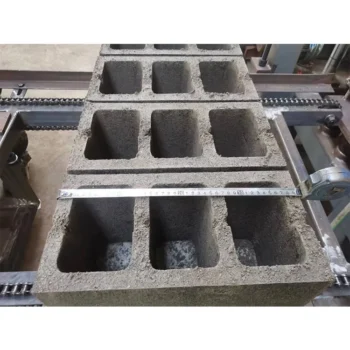
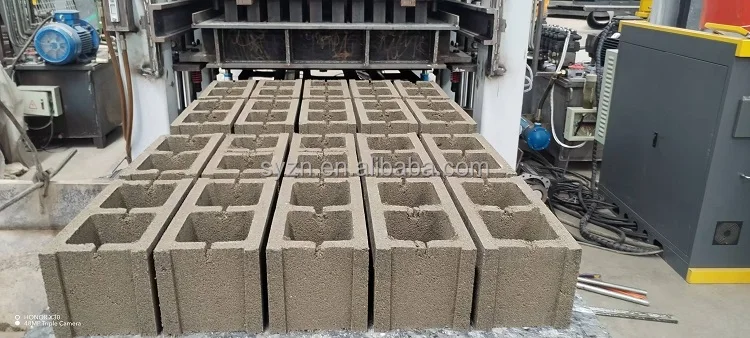
| Hollow block production | Crushed stone, river sand, cement with 60 mm max aggregate |
| Solid block manufacturing | Dense aggregate blends for load-bearing walls |
| Paving block and interlocking brick | Fine aggregate with color pigment via add-on feeder |
| Kerbstone and porous brick | Specialized mix designs with controlled water-cement ratio |
| On-site housing project production | Locally sourced sand and gravel matched to regional standards |
| Concrete product plant expansion | Multiple formats on a single pallet size with mould changes |
What "15-Second Molding Cycle" Actually Means for Your Output
A cycle time is only honest when tied to a specific block format, mix, and thickness.
I have watched buyers sign contracts based on a single cycle-time figure, then discover on commissioning day that their hollow block needs a longer press cycle than the paving block used in the factory demo. With the QT10-15 block machine specifications, the 15-second molding period is the starting point for capacity calculation, not the final answer. Real daily output depends on which block format the line is running, whether the local sand has high clay content that slows compaction, and how the curing rack logistics keep pallets flowing back to the press [NEED_CITE: common causes of block machine output shortfall in tropical climates]. Before any quotation is issued, we calculate capacity per format so the number you see reflects what the line will actually produce in your plant.
Matching the Mould to the Block Your Market Sells
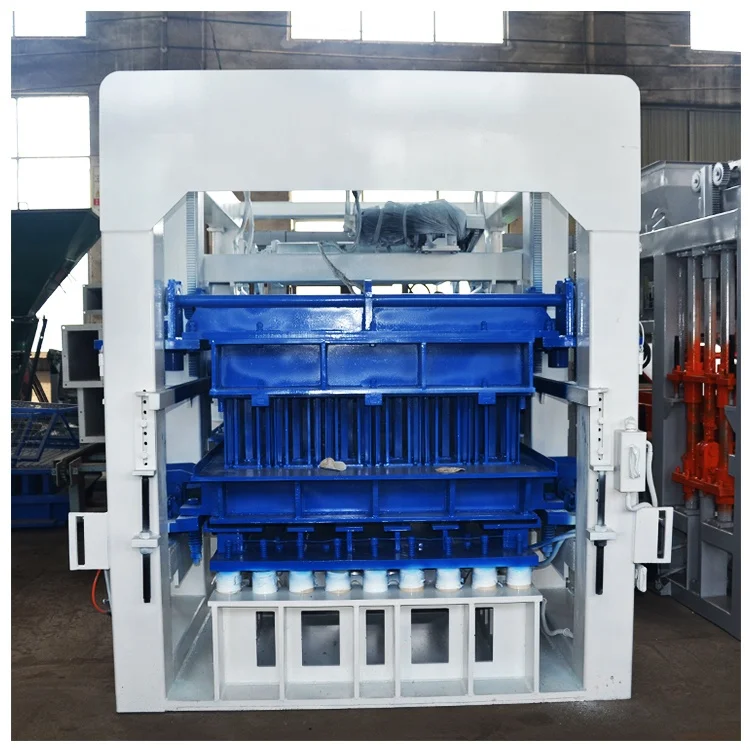
The QT10-15 supports moulds for hollow blocks, solid blocks, interlocking bricks, paving blocks, kerbstones, and porous bricks, all on the same 1100 × 900 mm pallet footprint. Custom mould design is available against buyer drawings, so you can specify the exact dimensions and face finish that your local construction market demands. The carburizing heat treatment brings mould surface hardness to 54–58 HRC, rated for over 100,000 press cycles before refurbishment is needed.
Keeping the Press Fed Without Bottlenecks
A block press is only as productive as the slowest station around it. The grouped equipment list for the QT10-15 block machine includes the PLD1200 batching machine with ±2 % ingredient precision, the JS750 mixer discharging 750 L per batch, the pallet feeder, and the SY-8 stacker. Every station is timed to the press cycle so fresh concrete arrives and finished blocks exit without the press idling. If you plan to run color pavers, the optional color feeding system integrates into the batching sequence without requiring a separate manual step [NEED_CITE: typical block line synchronization requirements for multi-format plants].
How Vibration Force and Hydraulic Pressure Shape Block Strength
The 100 kN vibration force combined with hydraulic platform vibration at 2800–4500 cycles per minute determines the compaction density of every block leaving the mould. However, those numbers only translate into consistent block strength when they are set against the buyer’s actual mix design and local aggregate gradation. A high-clay river sand absorbs more water, changes the rheology of the mix, and demands different vibration frequency tuning than a clean crushed granite aggregate. This is why raw material samples and trial batches are part of the specification process before the QT10-15 is finalized for your project.
When Pallet and Forklift Mismatches Stall the Curing Yard
A buyer once received a machine with pallets sized for a curing yard that did not exist yet, and the local forklift tines were too short to carry them. Pallet handling, stacking, and curing logistics are often left out of the initial conversation, leaving output stacked by hand and throughput cut in half. The QT10-15 line specifies the 1100 × 900 × 30 mm pallet alongside the SY-8 stacker and hydraulic trolley so the pallet size is confirmed against your curing area dimensions and existing forklift capacity before production begins [NEED_CITE: forklift and pallet compatibility standards in block plant design].
Why Procurement Here Reduces Integration Risk
Block machinery is our single focus, so the QT10-15 press, mould, pallet, and handling equipment arrive as one coordinated system rather than components assembled from separate suppliers. The configuration is set against your actual mix design and target block format, not pulled from a catalogue default. Mould design covers the formats your market sells, with custom drawings accepted. Automation level is selectable, meaning you can start with the standard full-automatic grouping and add remote diagnostics or upgraded stacking later. Installation includes commissioning support and operator training on your specific control language and voltage.
Documentation & Verification
- Line layout and capacity calculation stating the block format assumed for each output figure
- Mould drawing and format list with pallet specification matched to your curing yard
- Voltage, frequency, and PLC display language confirmation sheet signed before production
- Factory test record showing actual cycle time per requested block format
- Hydraulic and electrical schematic for your maintenance team’s reference
- CE declaration and packing photographs for customs clearance
Installation, Commissioning & Support
- 200 m² workshop footprint requires a level concrete slab capable of supporting 12 tons plus dynamic vibration load
- 57 kW host machine power and 30 kW mixer demand dedicated three-phase circuits at your confirmed voltage and frequency
- Host machine ships dismantled for container loading; reassembly and alignment performed on-site during commissioning
- Siemens PLC touch screen configured to your chosen language before dispatch, with parameter sets loaded for each confirmed block format
- Operator training covers mould change procedure, pallet feeder operation, and SY-8 stacker cycle coordination
- Wear parts list and mould inventory provided so first replacements are available when needed
Before You Request a Quotation
To size the QT10-15 correctly, share the specific block formats and dimensions you plan to produce, the target daily output per format, and a sample or description of your local aggregate and sand. We also need your site voltage, frequency, and preferred PLC display language, as well as the dimensions of your curing area and the specifications of the forklift already on site. If you have an existing mixer or batching system, let us know so the grouped equipment list can be adjusted accordingly.
Frequently Asked Questions
Q: How is the 15-second molding cycle translated into realistic daily output for each block format?
A: The 15-second figure is a base cycle time that must be verified against your chosen block format, wall thickness, and mix design. We run trial batches with your actual raw materials and calculate output per format, accounting for pallet return time and mould fill duration. The capacity document you receive lists a separate daily figure for every block type in your production plan, not a single aggregate number.
Q: How do I confirm the pallet size matches my curing racks and forklift?
A: The standard pallet measures 1100 × 900 × 30 mm. Before production, we request the dimensions and load capacity of your curing racks and the tine length and rated capacity of your forklift. If a mismatch is found, the pallet specification is adjusted so loaded pallets can be transported and stored without manual handling or rack modification on your site.
Q: What voltage and PLC language options are available, and when must they be confirmed?
A: The QT10-15 supports 220, 380, 415, and 440 V configurations at 50 or 60 Hz. The Siemens PLC touch screen display can be set to English, Spanish, French, Arabic, or other languages on request. Voltage, frequency, and language must be confirmed in writing before production starts so the correct motor, transformer, and HMI firmware are installed at the factory and commissioning is not delayed on arrival.
Q: How is the mould selected for my specific block format and what is the change procedure?
A: Each mould is designed or selected based on the block dimensions, face finish, and compaction requirements of your target market. Custom moulds are produced against buyer drawings. The mould change procedure uses standardized locating pins and hydraulic clamps on the QT10-15, and training covers the full swap sequence so your team can transition between formats without losing a full shift to changeover time.
Q: How is vibration force matched to my local aggregate to ensure consistent block strength?
A: The 100 kN vibration force and adjustable frequency between 2800 and 4500 cycles per minute are tuned after we test your local aggregate sample. High-clay or fine-graded sand requires different amplitude and duration settings than coarse crushed stone. The trial batch report records the exact vibration parameters that achieved the target compressive strength, and those values are loaded into the PLC before the machine ships.