

Description
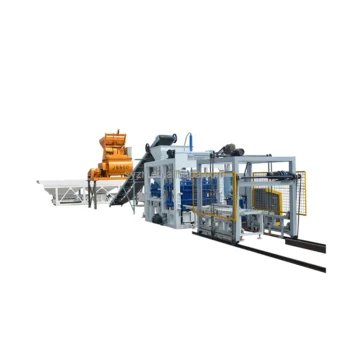
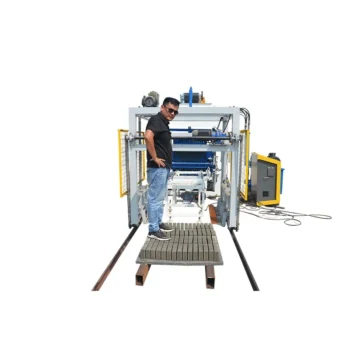
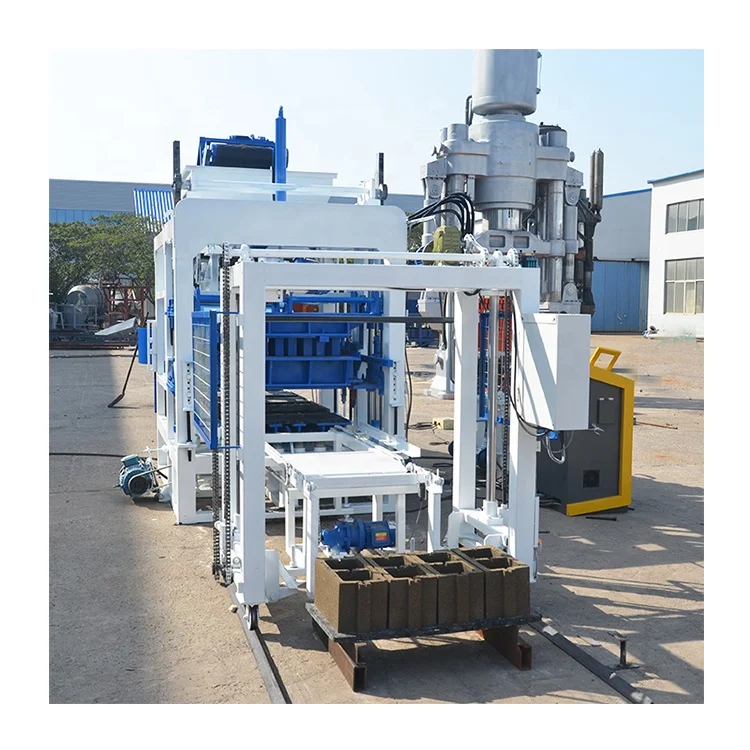
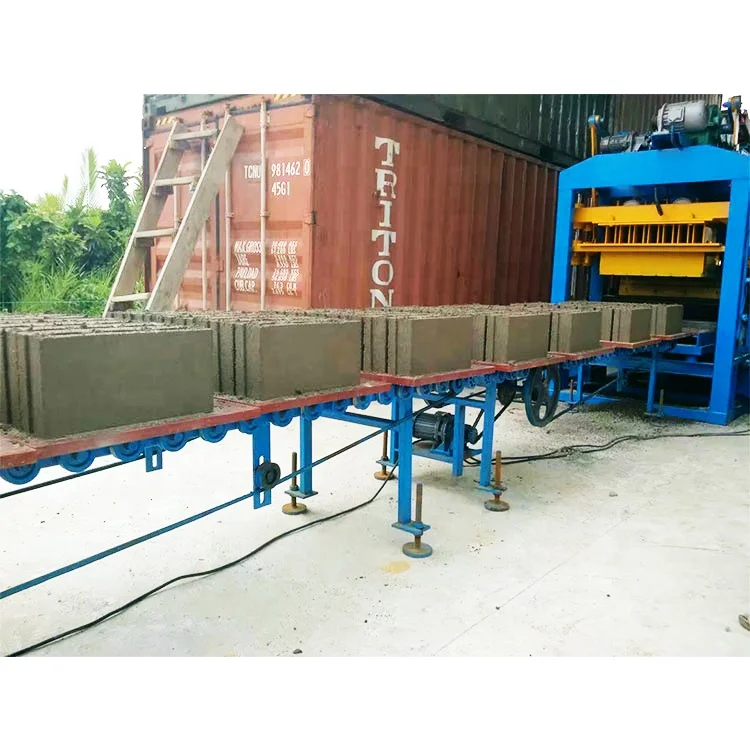
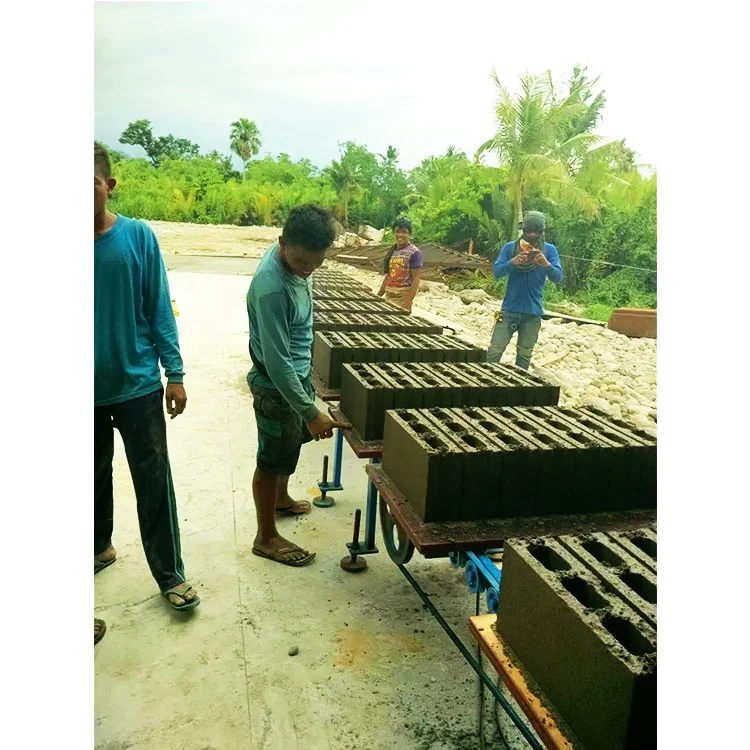
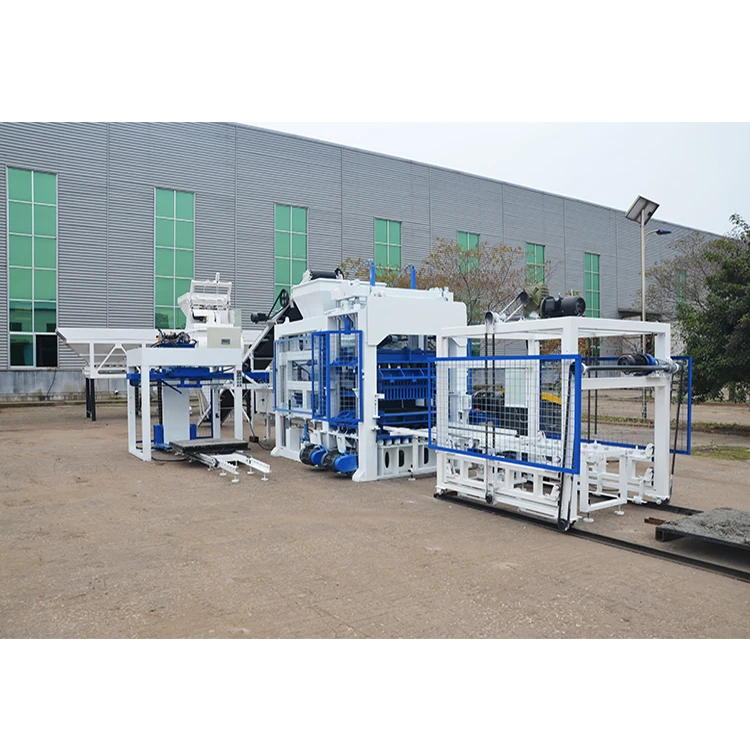
Matched System Design — Machine, mould and pallet specified as one unit against your block format, so cycle times stay consistent from the first hour to the last shift.
Technical Specifications
| Parameter | Value |
|---|---|
| Model | QMY4-30 |
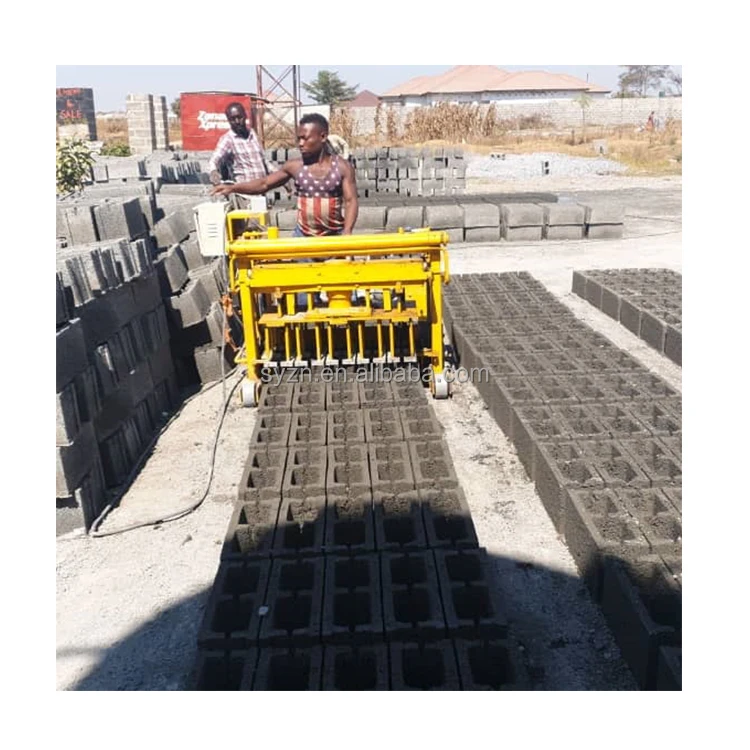
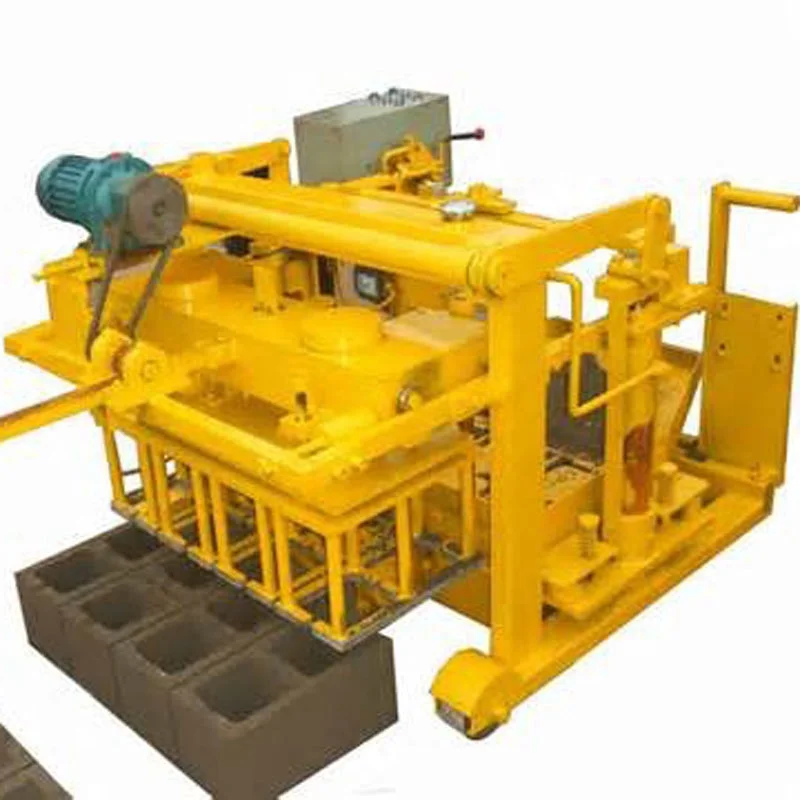
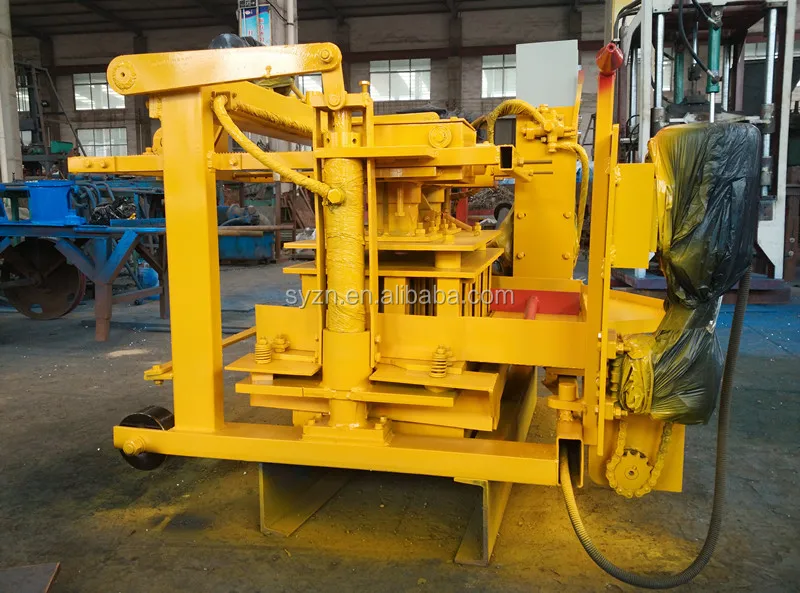
| Product Type | Mini Mould Vibration Block Making Machine |
| Overall Dimensions (L×W×H) | 1300 × 1500 × 1000 mm |
| Net Weight | 950 – 1000 kg |
| Vibration Method | Mold Vibration |
| Vibration Force | 28.6 KN |
| Excitation Frequency | 4500 r/min |
| Total Power | 5.95 kW |
| Molding Cycle | 30 s |
| Output Capacity | 3000 pcs/day (8 hours) (basis not stated in source — confirm block format / material / thickness) |
| Raw Materials | Concrete, sand, cement, fly ash, lime, gypsum, stone dust, slag, mine tailings, construction waste |
| Automation Level | Manual / Semi-manual (handle-operated) |
| Voltage & Frequency | Configurable to site requirement (to be confirmed before production) |
| Mould Format | Custom mould available to buyer drawings |
Application Suitability
| Application | Material or Output |
|---|---|
| On-site hollow block production for remote housing projects | Concrete and river sand with local aggregate |
| Small-scale solid brick runs for rural masonry contractors | Stone dust, fly ash, cement blends |
| Paving block output for municipal footpath contracts | Crushed granite, construction waste, cement |
| Interlocking brick production for erosion control walls | Mine tailings, coal gangue, lime |
| Coastal or desert terrain block making where fixed plants cannot reach | Sand-cement mixtures adapted to local salinity |
Why "3,000 Blocks a Day" Rarely Means What the Brochure Claims
Capacity figures are meaningless without the block format and mould cavity count that produced them.
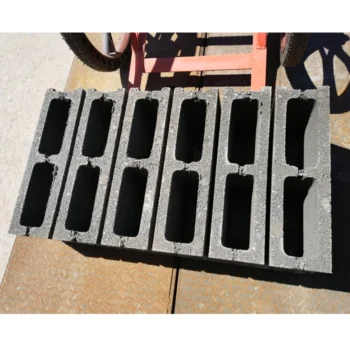
I have watched contractors in East Africa receive a mini block machine rated at a headline daily figure, only to find that number assumed a small solid brick while their market demanded 200 mm hollow blocks with fewer cavities per cycle. The actual output dropped to a fraction of the quoted number, and the project schedule collapsed within the first week [NEED_CITE: typical output variance when block format differs from test basis]. When evaluating any QMY4-30 block machine specifications sheet, the first question should always be which format the capacity was measured against.
Mould Cavity Count and the Real Output per Format
The QMY4-30 relies on mold vibration at 28.6 KN rather than hydraulic pressure, which means block density depends heavily on how well the mix design matches the vibration frequency. A four-cavity hollow block mould will produce a very different daily tally than a ten-cavity solid brick mould running the same 30-second cycle. This is the core issue with choosing a mini block machine without first mapping your local market’s best-selling format.
Cycle Time Holds Only When the Operator Keeps Pace
The 30-second molding cycle assumes the operator can strip the finished block, reposition the mould, and charge fresh material within that window. In a manual handle-operated workflow, fatigue and material feed consistency introduce real variation. On a site in South Asia, I observed operators averaging closer to 40 seconds per cycle by mid-afternoon, which shifted the daily output calculation considerably below the theoretical maximum.
What the Excitation Frequency Actually Does to Block Strength
At 4500 r/min, the mold vibration consolidates the concrete mix through high-frequency oscillation rather than static compression [NEED_CITE: vibration consolidation principles in concrete block forming]. This works well for lighter mixes with fine aggregate but struggles when the local sand contains high clay content or oversized particles. The vibration force of 28.6 KN is adequate for small-format blocks but must be paired with a mix that transmits energy evenly through the mould walls, otherwise density gradients appear and compressive strength varies block to block.
When the Wrong Raw Material Mix Cancels the Machine’s Capability
The QMY4-30 block machine specifications list a wide raw material range — fly ash, slag, mine tailings, construction waste, stone dust — but each material demands a different water-cement ratio and vibration duration. A fly ash mix typically requires longer consolidation time than a clean river sand mix. If the operator runs the same 30-second cycle across all materials without adjustment, the weaker blocks will fail on-site and the contractor absorbs the loss, not the supplier.
The Cost of Skipping Voltage and Pallet Confirmation
A recurring failure I have seen across multiple installations involves the machine arriving with a motor wound for a voltage that does not match the local grid, or a pallet size that does not fit the buyer’s existing curing racks and forklift tines [NEED_CITE: common commissioning delays caused by unconfirmed electrical and handling specifications]. The QMY4-30 is compact enough to ship quickly, but speed of delivery means nothing if the unit sits idle for weeks while a replacement motor is sourced or new pallets are fabricated.
Why This Supplier Configures Before Quoting
Machine, mould, pallet and handling are specified as one matched system rather than assembled from separate catalogues. The configuration is set against your actual mix design and local aggregate, not a default setting that worked in a different country. Mould design covers the formats your market sells, with custom drawings available when standard options do not match. Automation level is selectable, so you can start with the manual handle-operated workflow and plan an upgrade path later. Factory test records document actual cycle time and block strength using your specified mix before the machine leaves the floor.
Documentation & Verification
- Line layout with capacity calculation stating the block format and mould cavity count assumed
- Mould drawing and format list matched to your local block dimensions before order confirmation
- Voltage, frequency and control language confirmation sheet signed before production begins
- Factory test record showing cycle time and compressive strength with your mix design
- Operation and maintenance manual covering handle mechanism lubrication and vibration motor service
- Packing photographs and customs documentation support for smooth clearance at destination port
Installation, Commissioning & Support
- Compact 1300 × 1500 mm footprint requires only a level concrete pad, no dedicated factory building
- 5.95 kW total power draw fits a standard three-phase supply circuit with minimal infrastructure
- Machine ships assembled; only mould and handle lever require on-site fitting after uncrating
- First-run parameter adjustment covers vibration duration and mix water ratio for your aggregate
- Operator training addresses mould change procedure and daily vibration motor inspection
- Wear parts list identifies mould liner and handle pivot bushings as the primary replacement items
What to Include in Your Inquiry
To receive a configuration that matches your site rather than a catalogue default, share the block format your market buys most — dimensions, wall thickness, and whether solid or hollow. Confirm your local voltage and frequency, and describe the aggregate you can source within reasonable transport distance. If you already have curing racks or a forklift, send the pallet dimensions those systems accept so the pallet specification aligns from day one.
Frequently Asked Questions
Q: How is the 3,000 pcs/day capacity calculated, and which block format does it assume?
A: That figure is based on an 8-hour shift with a 30-second cycle, but the source does not state which block format or mould cavity count was used. Always request a capacity sheet that names the exact format, because a hollow block with fewer cavities per cycle will produce a lower daily total than a small solid brick.
Q: What mould formats are available for the QMY4-30, and how long does a mould change take?
A: Custom moulds can be built to your drawings, covering hollow, solid, paving and interlocking formats. Mould change is manual on this handle-operated machine and typically requires the operator to unbolt the current mould, lift it clear, and seat the replacement — a process that takes meaningful time when done carefully.
Q: Which raw materials are compatible, and how is the machine configured to match them?
A: The QMY4-30 handles concrete, fly ash, sand, slag, mine tailings, construction waste and stone dust. Configuration means adjusting water-cement ratio guidance and vibration duration to your specific aggregate, which is why a material sample test before shipment prevents strength issues on arrival.
Q: What block strength can mold vibration achieve without hydraulic pressure?
A: Mold vibration at 28.6 KN consolidates the mix through oscillation rather than static compression. Strength depends on mix design, aggregate grading and curing practice. For load-bearing applications, confirm with your local building code whether vibration-only forming meets the required compressive strength class.