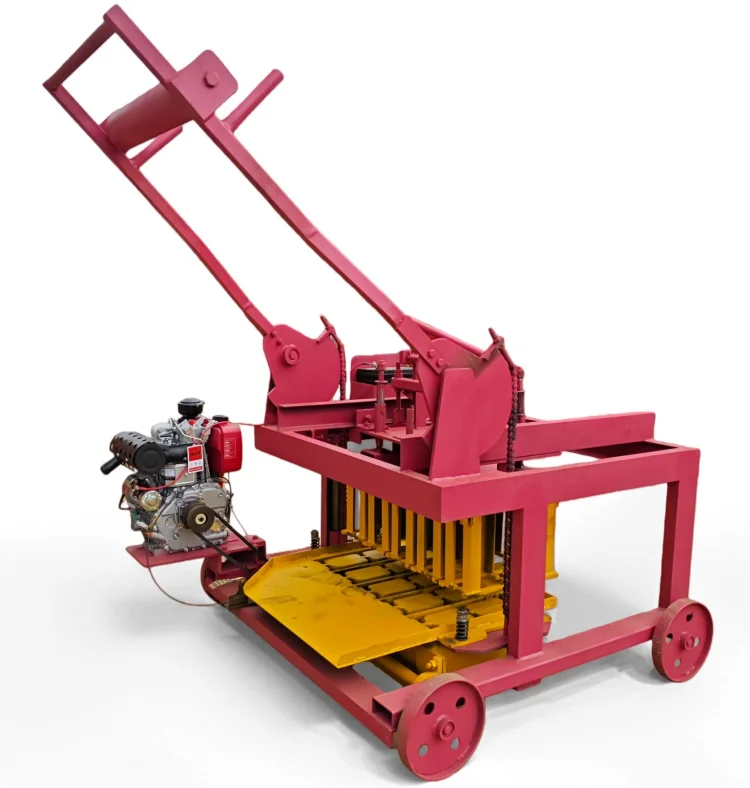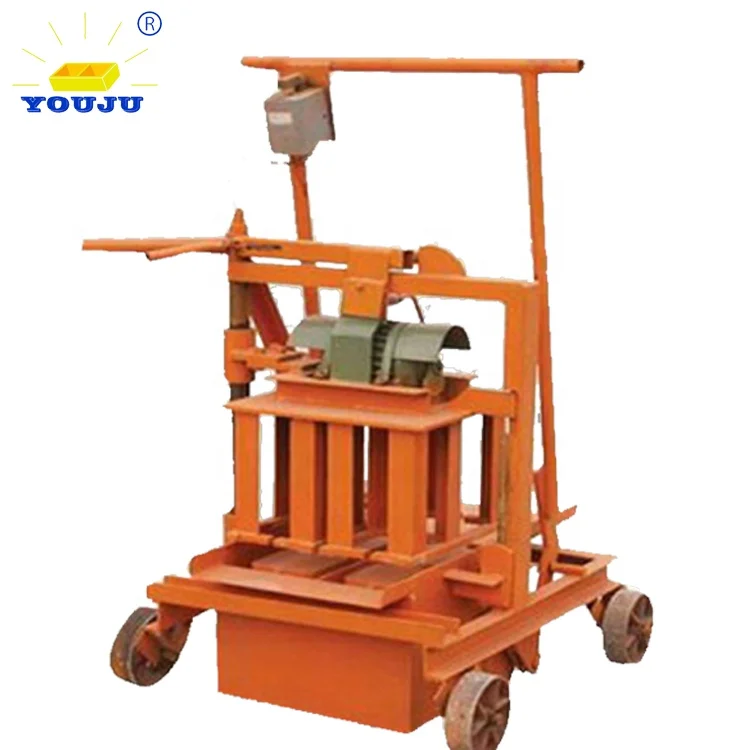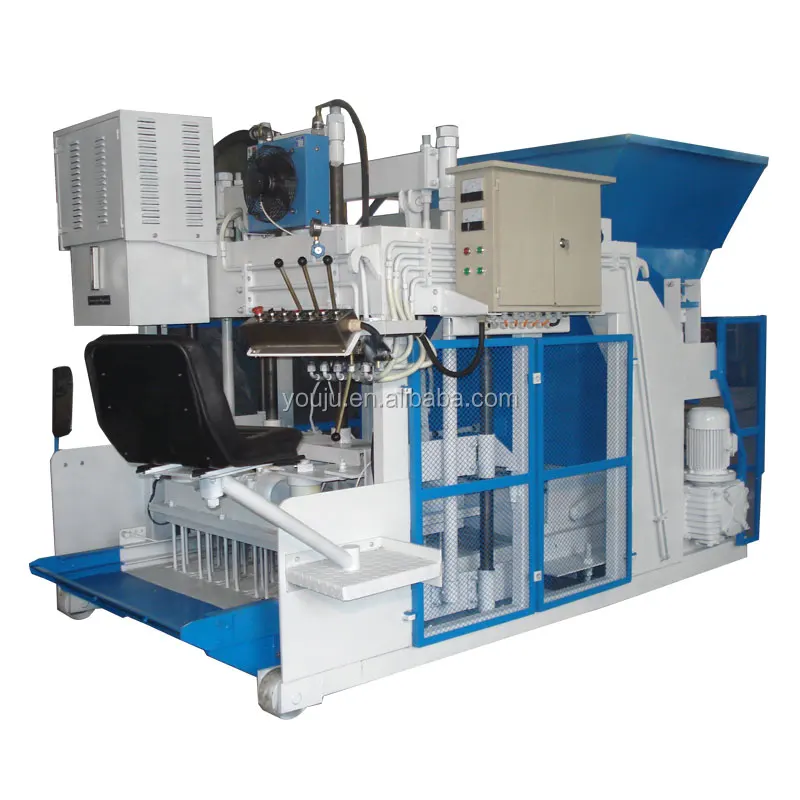

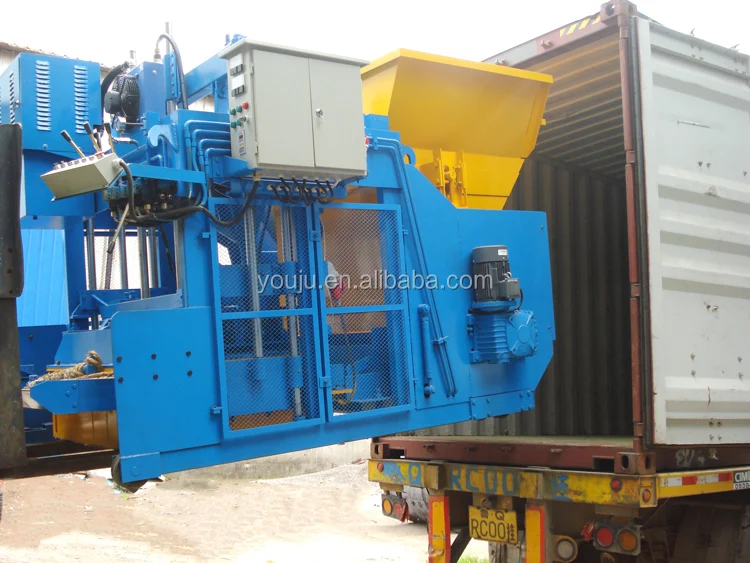


Description
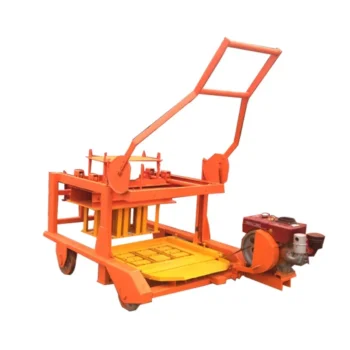
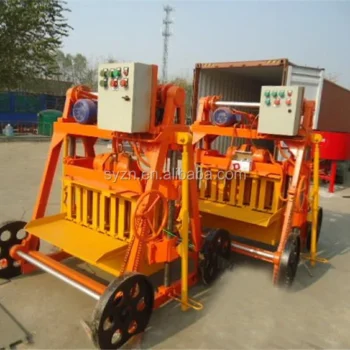
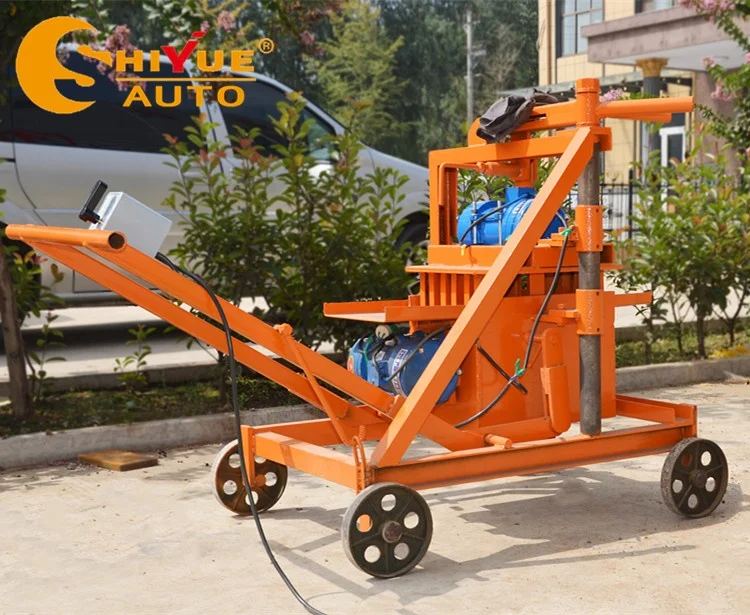
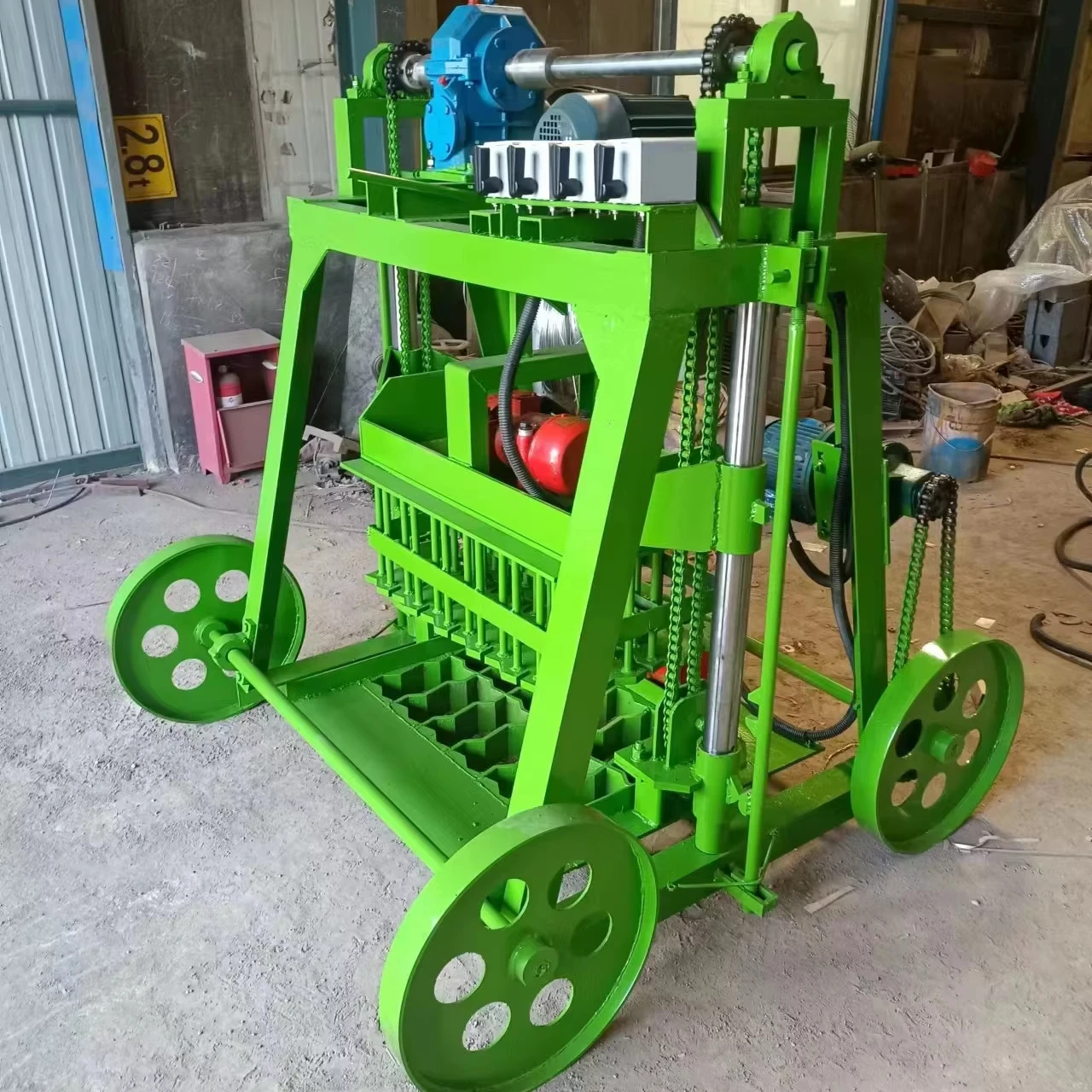
Matched System Specification — The QMY12-15 automatic hollow block making machine is evaluated as a complete pressing, moulding, and handling system against the buyer’s target block format and local aggregate, not quoted as a standalone press with assumed output figures.
Technical Specifications
| Parameter | Value |
|---|---|
| Model | QMY12-15 |
| Product Type | Automatic Hollow Block Making Machine |
| Automation Level | Automatic |
| Block Formats Supported | 9 / 8 / 6 / 4 inch hollow blocks and cement bricks |
| Pressure Type | Hydraulic Pressure |
| Transmission | Engine Gear |
| Assembly State | Production Line configuration |
| Hydraulic Pressure (MPa) | (basis to be confirmed) |
| Vibration Force (kN) | (basis to be confirmed) |
| Pallet Size | (basis to be confirmed) |
| Mould Change Time | (basis to be confirmed) |
| Cycle Time per Format | (basis to be confirmed) |
| Output Capacity | (basis to be confirmed) |
| Rated Power (kW) | (basis to be confirmed) |
| Voltage & Frequency | (basis to be confirmed) |
| Control System | PLC options available (basis to be confirmed) |
| Overall Dimensions (L×W×H) | (basis to be confirmed) |
| Net Weight | (basis to be confirmed) |
Application Suitability
| Application | Material or Output |
|---|---|
| Medium-scale hollow block plant | 9-inch and 8-inch hollow blocks from crushed stone, sand, and cement |
| Multi-format cement brick production | 6-inch and 4-inch solid blocks for partition walls and paving sub-base |
| On-site contractor production | Project-specific block formats switched via mould change for housing developments |
| Building material distributor expansion | Adding hollow block formats to an existing solid brick product range |
What the QMY12-15 Automatic Hollow Block Making Machine Specifications Leave Out About Real Output
A cycle time means nothing until you know which block format and which mix design produced it.
I have watched buyers sign off on a quotation listing cycles per hour, only to discover on their own site that the 9-inch hollow block they actually sell cuts that number nearly in half. The QMY12-15 automatic hollow block making machine specifications above list the formats the moulds cover, but the honest daily tonnage depends on whether your local sand runs high in clay, whether your cement ratio matches the hydraulic pressure setting, and whether your curing area can absorb the pallets the machine feeds out. [NEED_CITE: effect of aggregate clay content on block compressive strength] When any one of these is off, the press still cycles, but the blocks crack before they leave the rack.
Mould Selection by Market Format
The QMY12-15 supports 9, 8, 6, and 4-inch block formats, which covers the bulk of hollow and solid brick demand across most construction markets. The real question is which of those formats your buyers actually order. A machine running 4-inch solid pavers all day is a different proposition from one switching between 9-inch hollow blocks in the morning and 6-inch partition blocks after lunch. Each format carries its own cycle time, its own vibration profile, and its own pallet footprint.
Hydraulic Pressure and Vibration Matching
Hydraulic pressure and vibration force must be matched to the mix, not set at a catalogue default. The QMY12-15 uses a hydraulic pressure system combined with engine gear transmission, which gives the press consistent force across the stroke. If your aggregate is coarse crushed granite, the pressure and vibration window is different from a fine river sand mix. Getting this wrong produces blocks that look dense on the outside but crumble at the core. [NEED_CITE: relationship between hydraulic pressure and vibration frequency in block compaction]
Reading the Parameter Sheet Against Your Site
Three specifications on the table above determine whether the QMY12-15 fits your plant before it ever ships. First, pallet size must match both the curing rack spacing you already have and the forklift tine width on your floor — a mismatch means hand-stacking every block the press produces. Second, voltage and frequency must align with your local grid; a 50 Hz machine on a 60 Hz supply burns out motors within weeks. Third, the control system language must be confirmed before the PLC panel is wired, because reprogramming on site delays commissioning by days.
The Cost of Skipping Format Verification
When a buyer orders a line without verifying mould change time against their production schedule, the flexibility they paid for disappears. A mould swap that takes most of a shift means the plant runs one format all week, and the smaller orders pile up as backorders. I have seen contractors lose an entire housing project deadline because the machine was configured for a single block size and the site needed three. [NEED_CITE: typical mould change procedures and downtime in hydraulic block presses]
Why Source This Configuration Here
Block machinery is the single focus of this supply chain, so the QMY12-15 is specified as a matched system — press, mould, pallet, and handling — rather than assembled from separate vendors. Each quotation includes a capacity calculation that states the block format assumed, so there is no guesswork on daily output. Mould drawings are provided for buyer review before production, including custom formats drawn to buyer specifications. Voltage, frequency, and PLC language are confirmed in writing before the panel is built. Installation support covers commissioning and operator training on the buyer’s actual mix.
Documentation & Verification
- Line layout drawing with capacity calculation stated per block format
- Mould drawing and format list showing cycle time for each supported size
- Pallet specification sheet matched to buyer’s curing area dimensions
- Voltage, frequency, and PLC display language confirmation document
- Factory test record on buyer’s specified mix before container loading
- Hydraulic and electrical schematic for on-site maintenance reference
Installation, Commissioning & Support
- Foundation plan indicating load points for the QMY12-15 hydraulic press frame
- Dedicated circuit sizing based on confirmed rated power and voltage
- Assembly sequence for engine gear transmission and hydraulic manifold connections
- PLC parameter setup against buyer’s confirmed block format and cycle time
- Operator training on mould change procedure for all supplied formats
- Wear parts list covering hydraulic seals and vibration table components
What to Include in Your Inquiry
To size the QMY12-15 correctly, send the target block format you sell most, your daily volume requirement per format, and a sample or analysis of your local sand and aggregate. Include your site voltage and frequency, the language you need on the PLC display, and the dimensions of your existing curing area and forklift specifications.
Frequently Asked Questions
Q: How is realistic daily output calculated for each block format on the QMY12-15?
A: Output is calculated per format, not as a single hourly figure. Each mould has its own cycle time, and daily capacity depends on the block size, mix density, and curing rack turnover. The quotation includes a capacity sheet that states which format the number is based on, so you can compare it against your actual sales mix.
Q: What happens if my local aggregate does not match the standard mix?
A: The hydraulic pressure and vibration settings must be adjusted to the aggregate you can actually source. High-clay sand, for example, requires different compaction force than clean crushed stone. A mix trial with your sample is recommended before the machine settings are finalized.
Q: How long does a mould change take between formats?
A: Mould change time depends on the operator’s familiarity and the format being switched. The system is designed for bolt-on mould replacement, but the actual downtime varies. Confirming the change procedure and tool requirements before commissioning avoids unexpected shift losses.
Q: Why must voltage and PLC language be confirmed before production?
A: The motor winding and transformer are built to the buyer’s grid specification. A mismatch between 50 Hz and 60 Hz supply damages drive components. The PLC display language is set during panel assembly, and changing it on site requires additional programming time that delays commissioning. [NEED_CITE: IEC voltage and frequency standards for industrial machinery]
Q: How do I ensure pallet size matches my existing curing area?
A: Provide the rack spacing and forklift tine width from your plant. The pallet dimensions are then specified to fit both the press feed system and the curing racks already on your floor, avoiding the need to replace downstream handling equipment.