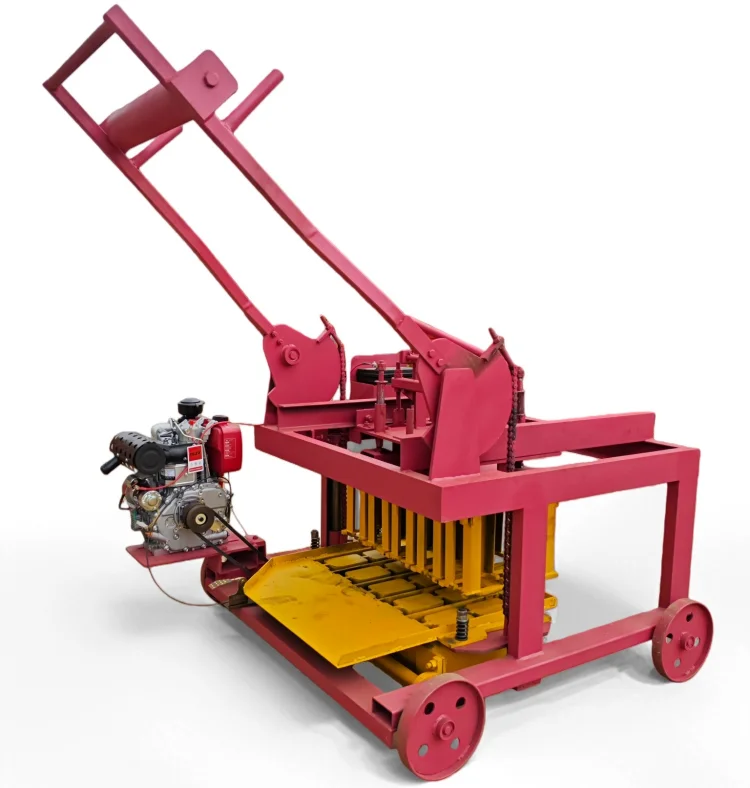


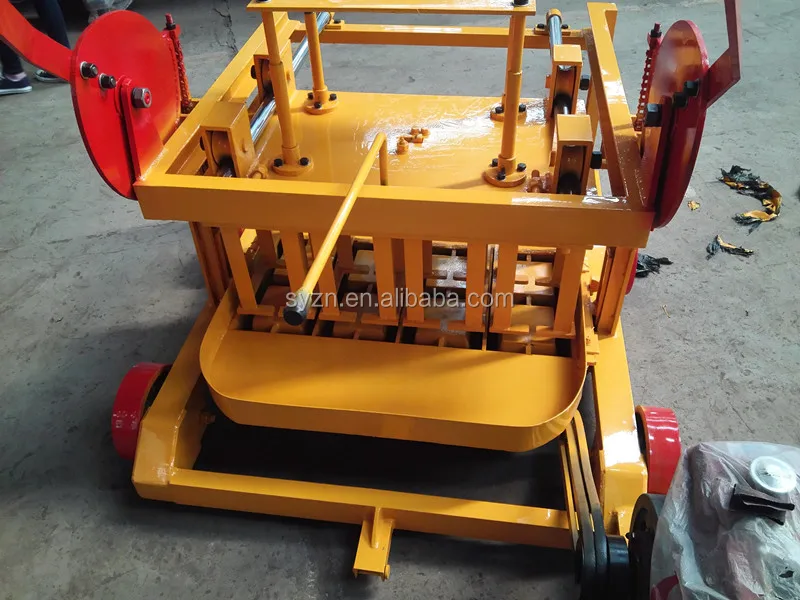
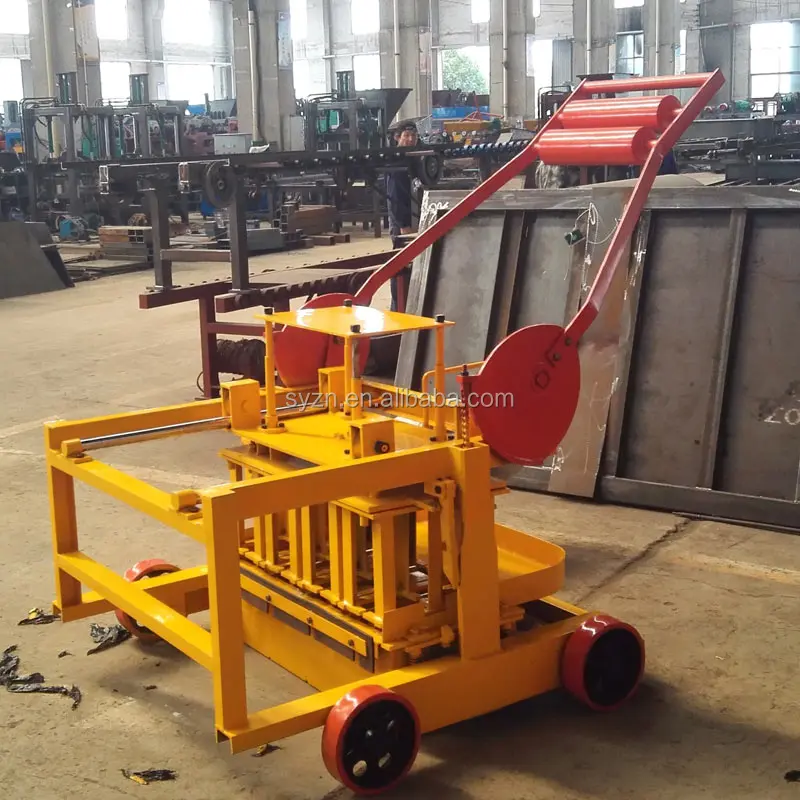
Description
Format-Matched Configuration — every QMR4-45 mobile block machine leaves our shop with a mould list and cycle calculation tied to the exact block size your market sells, not a generic brochure figure.
Technical Specifications
| Parameter | Value |
|---|---|
| Model | QMR4-45 |
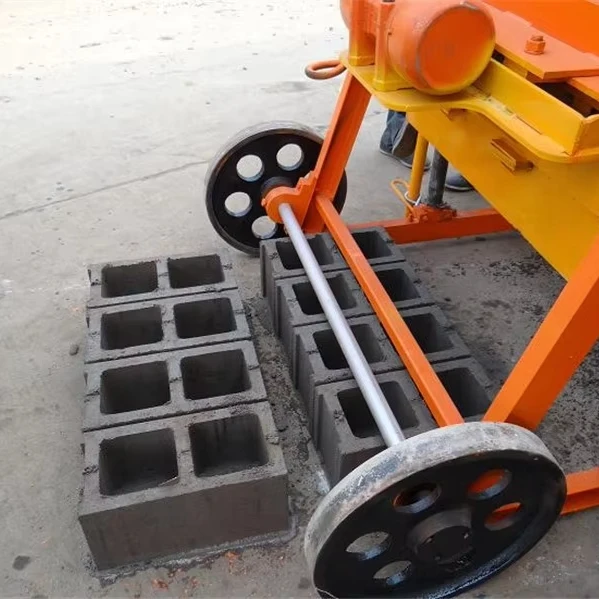
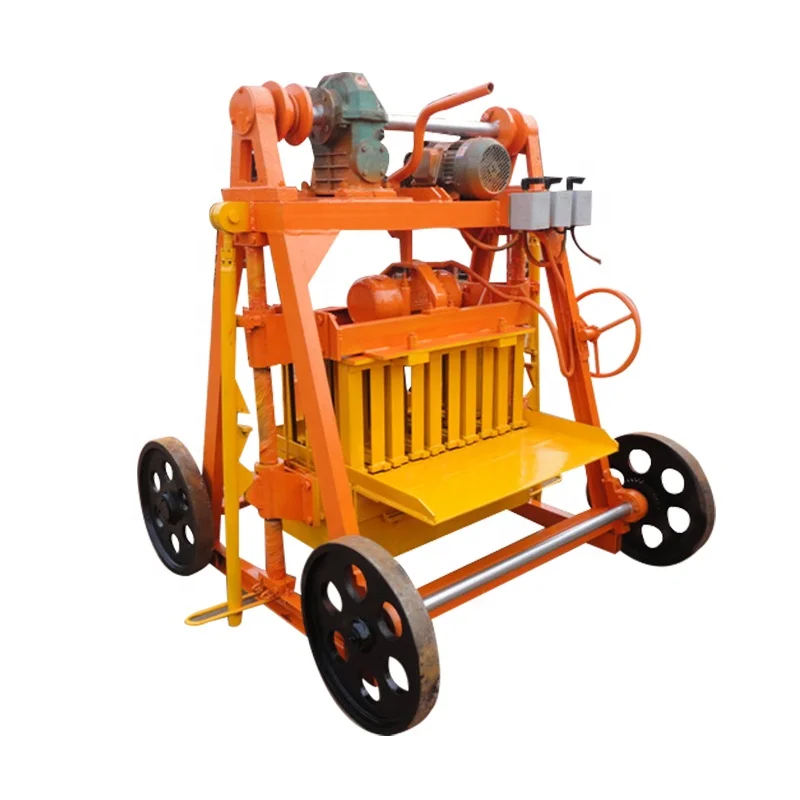
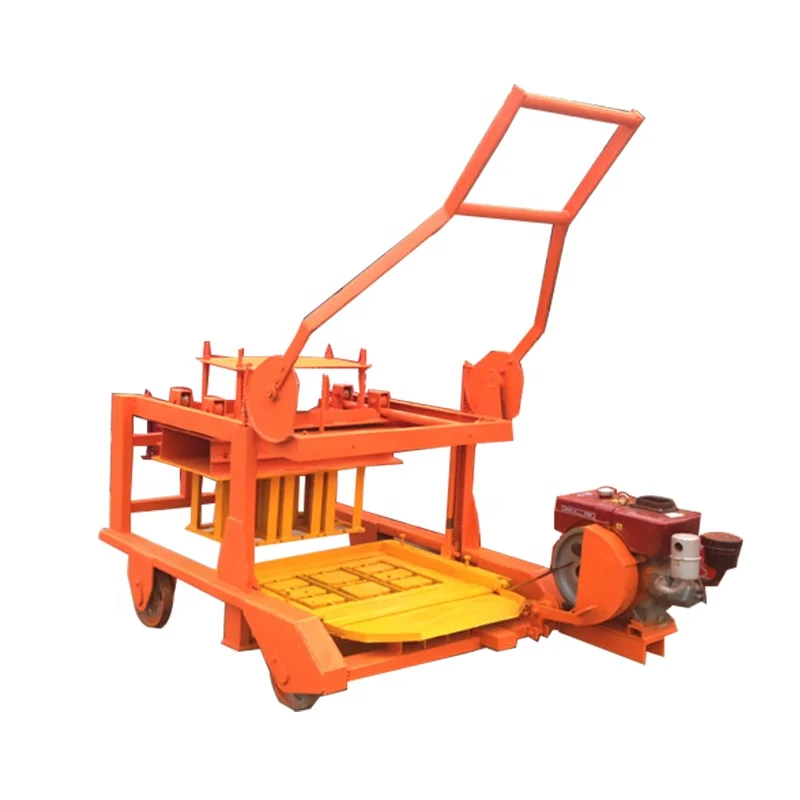
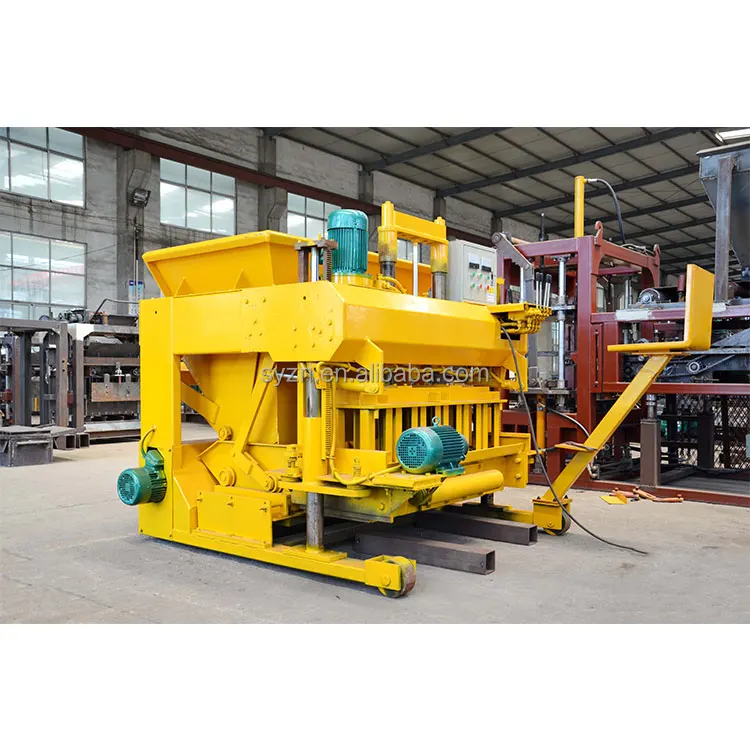
| Product Type | Mobile Egg-Laying Block Machine |
| Power Source | Diesel / Petrol Engine / Electric (selectable) |
| Overall Dimensions (L×W×H) | 1100 × 950 × 2100 mm |
| Net Weight | 810 kg |
| Molding Cycle | 30–45 s (varies by block format and mix consistency) |
| Output Capacity | 2560 pcs/day (basis not stated in source — confirm block format, material, and thickness) |
| Pallet Requirement | None (egg-laying directly on ground) |
| Mobility | Wheel-mounted, operator-propelled |
| Compatible Block Formats | Hollow block, solid brick, paver brick, fly ash brick |
| Automation Level | Manual operation |
| Basic Equipment Included | JZC350 Diesel Concrete Mixer or JQ350 Diesel Mixer with Electric Generating Unit; Trolley |
| Warranty | 1 Year |
Application Suitability
| Application | Material or Output |
|---|---|
| On-site housing project block production | Crushed stone, river sand, and cement blended to local aggregate grading |
| Remote off-grid construction camps | Diesel-powered operation where grid electricity is unavailable or unreliable |
| Small-scale paver manufacturing | Concrete mix with fine aggregate for 200×100×60 mm interlocking paver formats |
| Entrepreneur-led first block plant | Hollow and solid blocks from locally sourced sand, gravel, and fly ash |
| Contractor self-supply on building sites | Solid bricks and hollow blocks produced directly on the ground without pallet infrastructure |
What "2,560 Pieces per Day" Actually Means on Site
Daily output shifts dramatically depending on which block format you press and how consistent your mix stays between batches.
Sellers often quote a single capacity number for a mobile block machine without revealing the block size behind it. A 400×200×200 mm hollow block consumes far more mix per cycle than a 200×100×60 mm paver, so the same 30–45 second cycle produces vastly different piece counts. Buyers who plan a project around an unqualified figure frequently discover their real daily volume falls short once production starts. I once had a buyer in East Africa budget an entire housing contract around a catalogue capacity, only to learn on arrival that the number assumed a solid brick format his market did not purchase [NEED_CITE: block format capacity assumptions in mobile block machine quotations].
Matching the Press to Your Selling Format
The QMR4-45 covers hollow blocks, solid bricks, pavers, and fly ash bricks, but each format demands a different mould, vibration duration, and mix water content. Selecting the right mobile block machine specifications starts with listing the exact dimensions your buyers expect. We map each format to its realistic cycle time before quoting, so you know the output you are committing to.
Mould Changeover Without Losing a Shift
Swapping from hollow block to paver mould on this machine involves unbolting the mould box, lifting it clear, and seating the replacement — a manual task that should take a portion of a shift, not the entire day. Quick-change bolt patterns are standard on our mould designs. If format flexibility matters to your business, confirming mould change procedure before purchase avoids unpleasant surprises when a new order requires a different block shape.
Reading the Spec Sheet Against Real Conditions
The 30–45 second molding cycle assumes a mix that flows and compacts predictably. Volcanic aggregate, recycled crusher dust, or high-clay sand each alter vibration response and demolding strength. The 810 kg net weight keeps the machine mobile on site, yet enough mass must transfer through the mould to consolidate the block. Diesel, petrol, or electric power sources are available — the choice depends on whether your site has a stable grid connection or operates entirely off-grid [NEED_CITE: power source selection for construction machinery in developing markets]. Selecting the correct engine or motor rating prevents stalling mid-cycle when the mix is stiff.
The Cost of Skipping the Mix Conversation
When a mobile block machine arrives configured for a standard river-sand mix but the buyer’s local aggregate is volcanic scoria or coral rock, block strength drops below the project specification. The contractor then halts production, sources alternative material at premium cost, or waits for a technician to re-tune vibration pressure — each option draining budget and schedule. Confirming your raw material report before the machine ships eliminates this failure mode entirely.
Why Buyers Place Repeat Orders Here
Block machinery is our single focus, which means the QMR4-45 is specified as a matched system: machine, mould, mixer, and trolley arrive together rather than assembled from unrelated suppliers. We configure every quotation against the buyer’s actual block format, local aggregate test report, and site power conditions. Custom moulds are designed to buyer drawings, so your market-specific sizes are produced from day one. Documentation includes a written capacity calculation per format, not a single unexplained number. Wear part and mould availability lists ship with the machine so the first replacement is planned, not panic-ordered.
Documentation & Verification
- Capacity calculation sheet stating each block format and its corresponding cycle time
- Mould drawing set confirming exact dimensions of every block you will produce
- Power source confirmation record — diesel engine rating or electric voltage and frequency
- Factory test run video showing demolding strength on your specified mix
- Wear parts and mould cross-reference list included in packing documentation
- Operation manual translated to your operator’s working language
Installation, Commissioning & Support
- Level, compacted ground required; machine footprint 1100 × 950 mm with trolley clearance
- Electric variant requires confirmed voltage and dedicated circuit breaker before energising
- Machine ships on wheels; roll off container, attach trolley handle, connect mixer
- First-cycle test run with your aggregate to set vibration duration and water ratio
- Operator training covers mould change, mix consistency judgment, and daily greasing points
- Spare mould bolts and vibration motor brushes included in first shipment
What We Need Before Quoting
Send us the block formats your customers actually buy, with target daily volume per format. Include your raw material type and any available grading or strength test report. Confirm whether your site has reliable grid power or requires the diesel engine package.
Frequently Asked Questions
Q: How is daily output calculated, and which block format does the 2,560 pcs/day figure assume?
A: That figure appears in source documentation without a stated block format or mix basis. We calculate realistic output per format you specify — hollow, solid, or paver — using confirmed cycle time, mould cavity count, and your mix consistency. Always request a written capacity breakdown before placing your order.
Q: Which block formats can one QMR4-45 produce, and how long does a mould change take?
A: The machine handles hollow blocks, solid bricks, pavers, and fly ash bricks through interchangeable moulds. Changeover involves unbolting and swapping the mould box — a manual procedure completed within a portion of a shift. We supply matched bolt patterns so alignment is straightforward.
Q: Diesel vs. electric: how do I choose the right power source for my site?
A: If your site lacks grid power or experiences frequent outages, the diesel engine keeps production running independently. Where stable three-phase electricity is available, the electric variant lowers fuel cost and noise. Confirm local voltage and frequency before we finalise the motor specification.
Q: What mix design and local aggregate work best with this egg-laying machine?
A: We base our recommendation on your aggregate test report. Volcanic scoria, crushed limestone, river sand, and fly ash each require different water-to-cement ratios and vibration durations. Sending a sample analysis before production ensures blocks reach the demolding strength your project demands.
Q: What is included in the basic equipment package, and what do I still need to source locally?
A: The package includes the QMR4-45 machine, a JZC350 or JQ350 diesel mixer, and a transport trolley. You provide raw materials, water supply, a level production area, and curing space. No pallets or curing racks are needed because the machine lays blocks directly on the ground.