
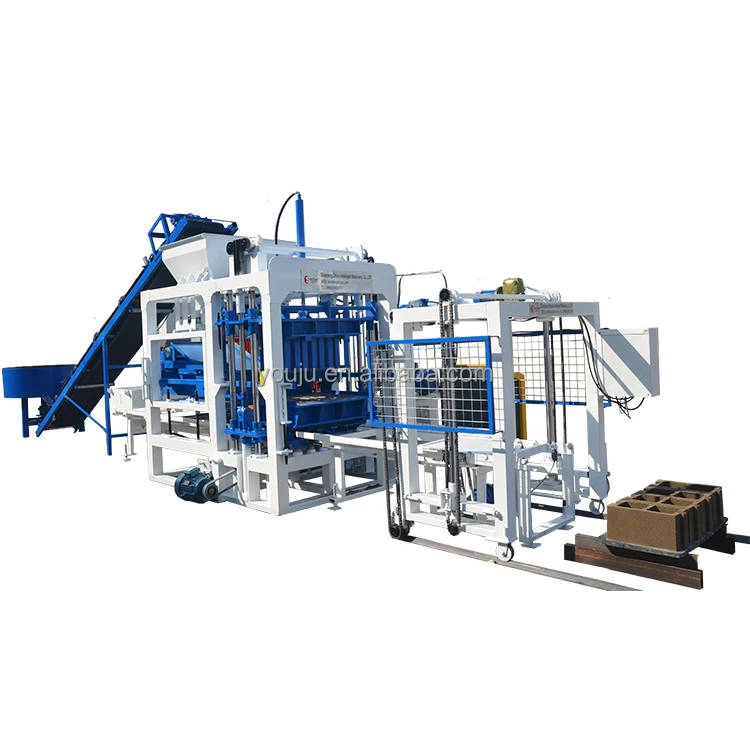
Description
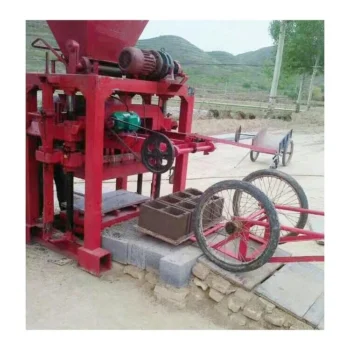
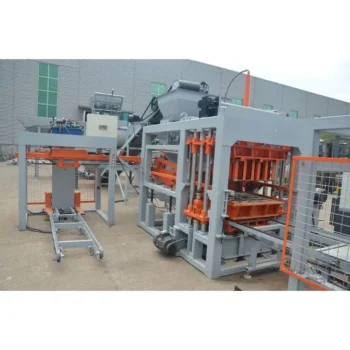
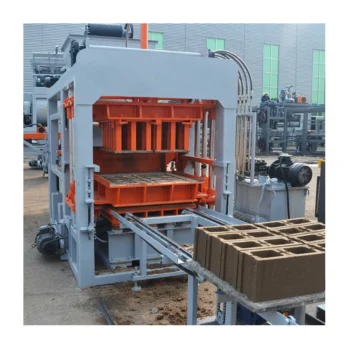
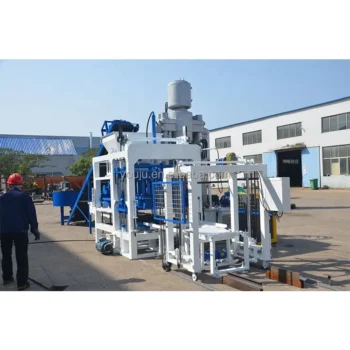
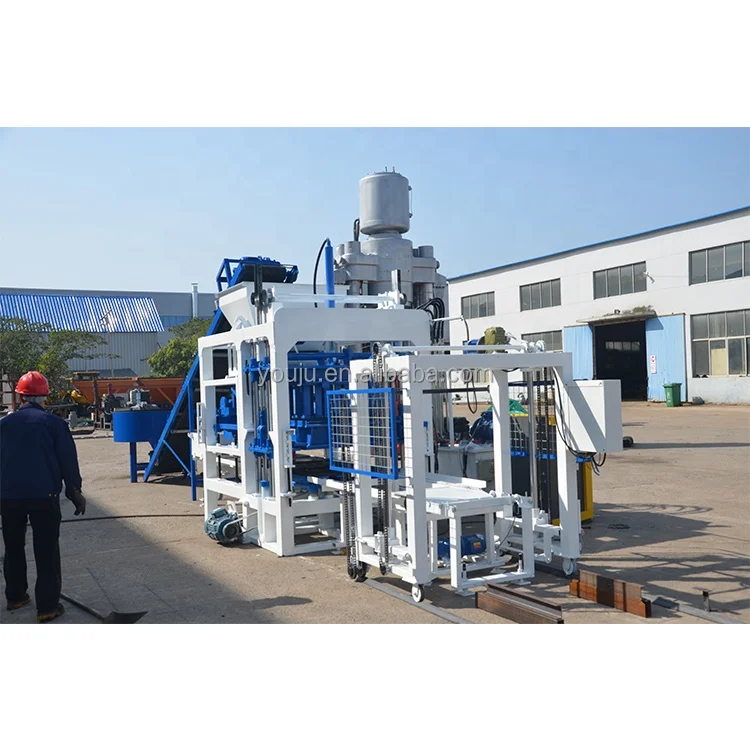
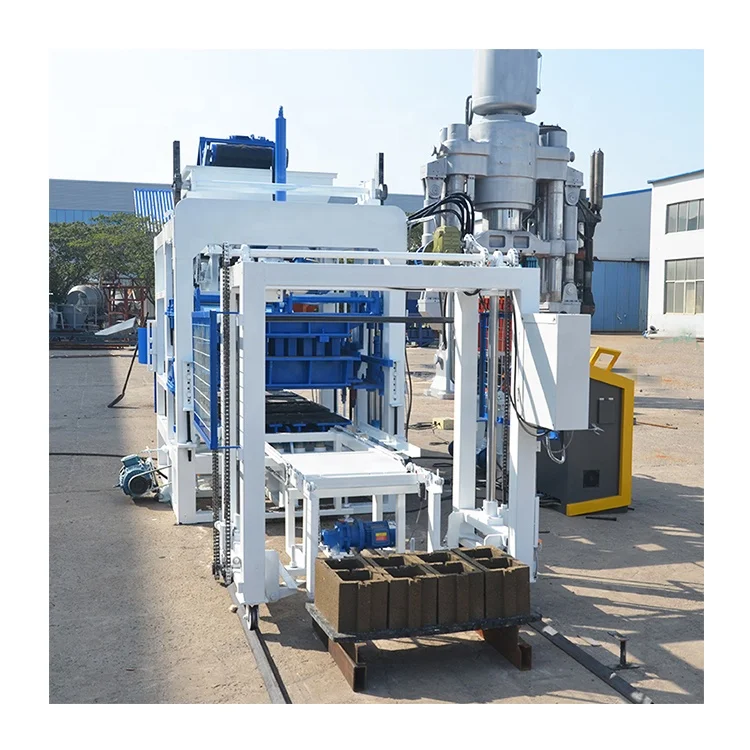
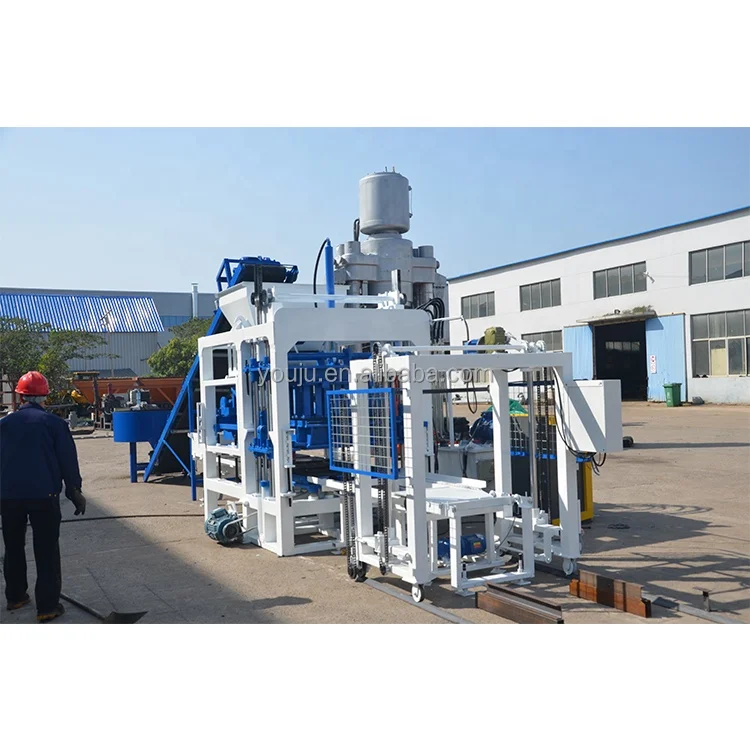
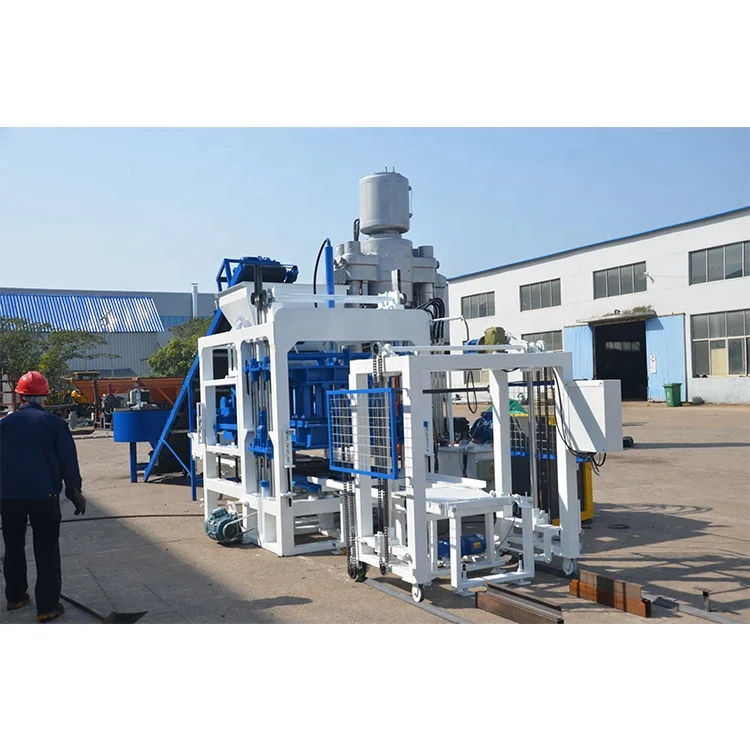
Matched system specification — QT4-18 press, mould, pallet and mixer are selected together against your target block format and local aggregate, not pulled from a generic catalogue page.
Technical Specifications
| Parameter | Value |
|---|---|
| Model | QT4-18 |
| Product Type | Semi-Automatic Concrete Block Making Machine |
| Overall Dimensions | 2500×1750×2200 mm |
| Rated Pressure | 16 MPa |
| Vibration Form | Platform Vibration |
| Pallet Size | 950×550 mm |
| Molding Cycle | 18–25 s (basis not stated in source — confirm block format / material / thickness) |
| Overall Power | 27.5 kW |
| Control System | PLC with frequency converter |
| Mould Lifting Mechanism | Double-sided synchronous gears |
| Electrical Components | Schneider |
| Material Feeder System | Hopper, feeding box, feeding platform, conveyor system |
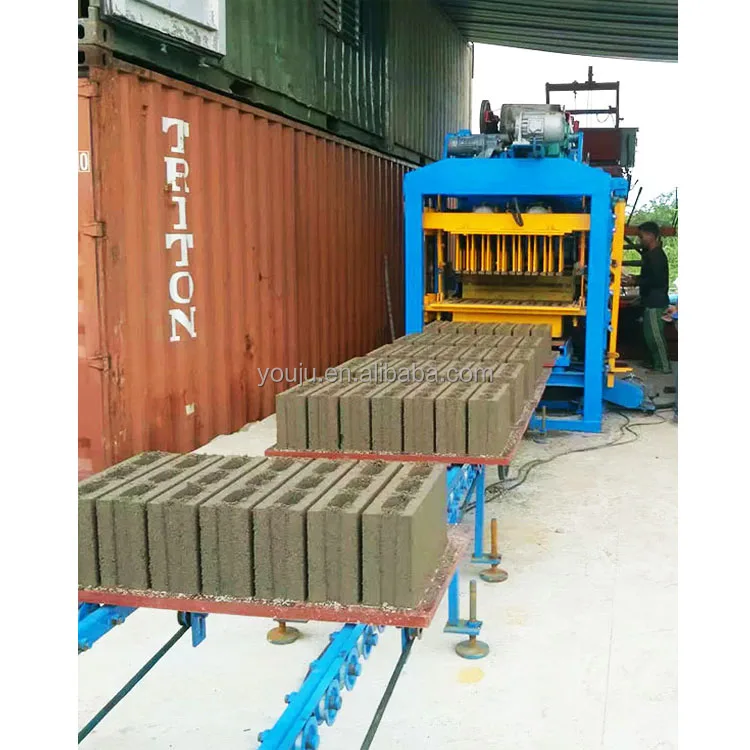
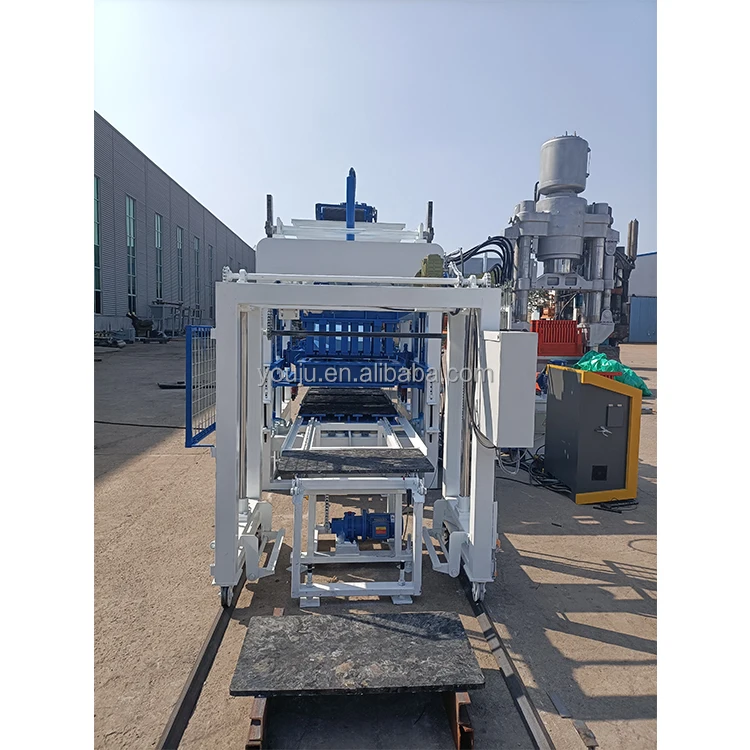
| Block Receiver | Frame, convey system, idler wheels, motor and reducer with triangle belt |
| Automation Level | Semi-automatic (manual or machinery convey to curing yard) |
| Mould Change Method | Manual bolt removal with wrench, pallet-assisted alignment |
| Voltage & Frequency | Configurable to buyer’s site requirement |
| PLC Display Language | Configurable to buyer’s requirement |
Application Suitability
| Application | Material or Output |
|---|---|
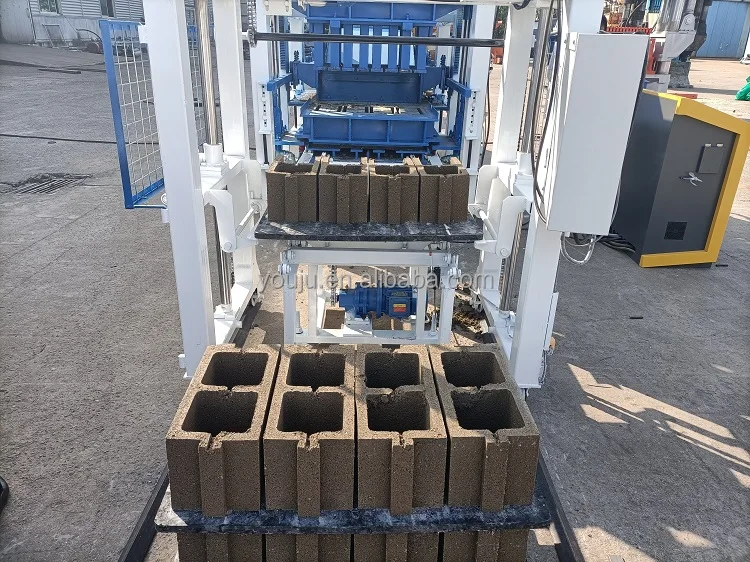
| Hollow block production for load-bearing walls | Crushed stone, river sand, cement, fly ash |
| Solid block production for partition and foundation walls | Dense aggregate, cement, stone dust |
| Paving block production for walkways and yards | Fine aggregate, cement, pigment for coloured face mix |
| Kerbstone and interlocking brick | Coarse aggregate with cement binder |
| Porous brick production for permeable pavement | Graded aggregate, cement, controlled water-cement ratio |
What "Cycle Time 18–25 Seconds" Actually Means for Your Daily Output
Cycle time only translates to output once the block format, mould cavity count and aggregate mix are fixed.
A semi-automatic concrete block making machine like the QT4-18 quotes a moulding cycle of 18–25 seconds, but that range assumes a specific block thickness, mould configuration and vibration response from the buyer’s local aggregate. When the format changes from a thin paving block to a tall hollow block, the vibration duration and hydraulic hold must be adjusted, and the cycle extends accordingly. Daily output is therefore a calculation that starts with your exact format list, not a headline figure. [NEED_CITE: block format assumptions behind quoted cycle times in machinery proposals]
Matching Press Parameters to Your Aggregate Profile
The QT4-18 platform vibration works together with 16 MPa rated hydraulic pressure to compact the mix. When local aggregate is porous or lightweight, vibration force must be reduced to avoid over-compaction that weakens the block walls. The frequency converter in the PLC allows the operator to adjust vibration intensity per mix, keeping block strength consistent across different aggregate batches without changing the mould.
Pallet Size and Curing Yard Compatibility
The 950×550 mm pallet dimension is confirmed against the buyer’s existing curing racks and forklift fork width before the order is finalised. A mismatch between pallet size and the curing area forces hand-stacking or requires new racks, adding cost the quotation did not account for. We verify the pallet material — timber, bamboo or composite — against the local climate and curing duration. [NEED_CITE: pallet material selection for block curing in humid versus arid climates]
Reading the Key Specifications Beyond the Datasheet
Rated pressure of 16 MPa and platform vibration define the compaction envelope. For hollow blocks with thin shell walls, insufficient pressure produces low density and poor compressive strength, while excessive vibration causes segregation of fine and coarse aggregate. The double-sided synchronous gear mould lifting keeps the mould level during demoulding, preventing surface damage on fresh blocks. Overall power of 27.5 kW covers the feeder, vibration motor, hydraulic pump and receiver conveyor running simultaneously, so the buyer must confirm site transformer capacity before installation.
The Cost of Skipping Format-to-Mould Verification
When a mould is selected without confirming the exact block dimensions and cavity layout the buyer’s market demands, the machine arrives capable of producing a format that does not sell locally. The manual bolt-removal mould change on the QT4-18 takes a portion of a shift, so running multiple niche formats in short batches erodes the productive time that flexibility was meant to provide. Buyers who skip this step often reorder moulds months later at additional freight and commissioning cost. [NEED_CITE: mould re-order rates when block format is not market-verified before purchase]
Why Procurement Here Differs from Catalogue Ordering
Configuration starts from the buyer’s target block format and local mix design, not a default machine build. The supporting equipment — JQ500 pan mixer, belt conveyor, stacker and cement silo — is specified as one line so feed rate matches the press cycle. Mould drawings and format lists are confirmed before production, including custom formats drawn to buyer specifications. Voltage, frequency and PLC display language are locked in before the control cabinet is wired, preventing commissioning delays on site. Factory test records are generated using the buyer’s confirmed block format, so the capacity figure in the documentation reflects the actual product to be manufactured.
Documentation & Verification
- Line layout stating which block format each output figure assumes
- Mould drawing and format list confirming standard and custom cavities
- Pallet specification matched to curing rack spacing and forklift capacity
- Hydraulic and electrical schematic with Schneider component identification
- Voltage and PLC display language confirmation sheet signed before wiring
- Factory test record run on buyer’s confirmed block format
Installation, Commissioning & Support
- Foundation pad sized to 2500×1750 mm footprint with anchor bolt template provided
- Dedicated circuit for 27.5 kW total load confirmed against site transformer rating
- Machine shipped in dismantled state with reassembly bolt pattern marked on frame
- First-run parameter setting for vibration frequency and hydraulic hold per block format
- Operator training on mould change procedure using double-sided synchronous gears
- Wear parts list covering hydraulic seals, vibration springs and feeder liner plates
Preparing Your Enquiry with the Right Technical Inputs
Share the exact block formats your market sells, including dimensions and target compressive strength. Provide your local aggregate type, cement grade and any existing mixer or curing rack specifications. State the site voltage, frequency and preferred PLC display language so the control system is built to your requirement before dispatch.
Frequently Asked Questions
Q: What is the realistic daily output of the QT4-18 for my specific block format?
A: Output depends on the block format, mould cavity count and your aggregate mix. The QT4-18 moulding cycle ranges from 18 to 25 seconds, but the exact figure is calculated once your target format and mix design are confirmed. We provide a capacity document stating the assumed format for every output number in the proposal.
Q: How is the mould matched to the block format my market actually sells?
A: We review the dimensions, wall thickness and compressive strength your buyers require, then supply mould drawings for approval before production. Custom formats are drawn to your specifications. The manual bolt-change system on the QT4-18 is demonstrated during training so your team understands the changeover time involved.
Q: Can the pallet size be configured to fit my existing curing area and forklift?
A: The standard pallet size is 950×550 mm, but we verify this against your curing rack spacing, forklift fork width and stacking height before the order is placed. Pallet material is also selected based on your local climate and curing duration to avoid premature warping or rot.
Q: What mix design and local aggregate does the machine configuration assume?
A: We request your available aggregate type, maximum particle size, cement grade and water source before finalising the vibration and pressure settings. The PLC frequency converter allows on-site adjustment when aggregate moisture or grading varies between deliveries, maintaining block consistency without hardware changes.