


Description
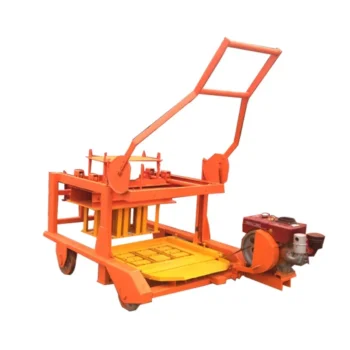
Honest capacity per format — the QMJ2-45 mobile block making machine is sized against the hollow brick dimensions your market actually sells, with every output figure tied to a specific mould cavity count and cycle time.
Technical Specifications
| Parameter | Value |
|---|---|
| Model | QMJ2-45 |
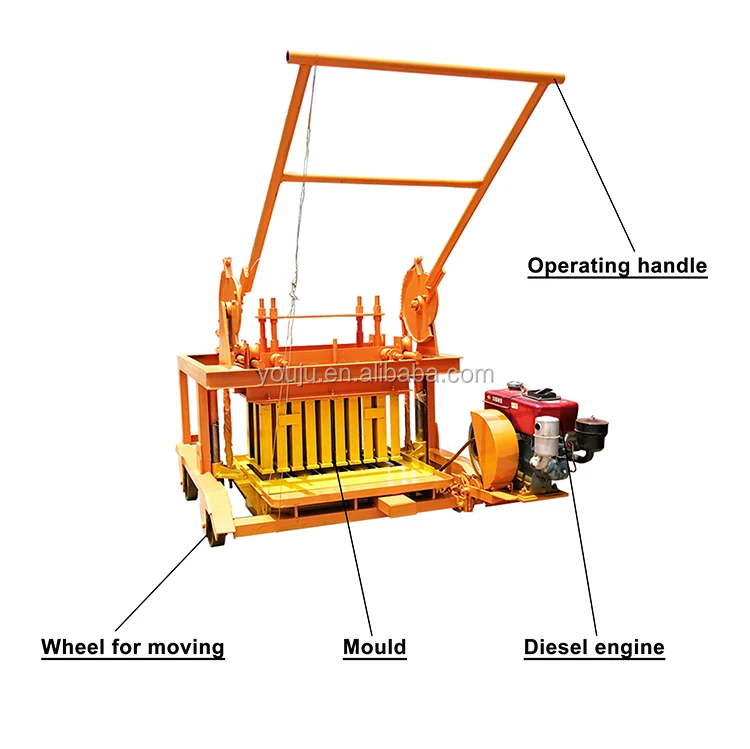
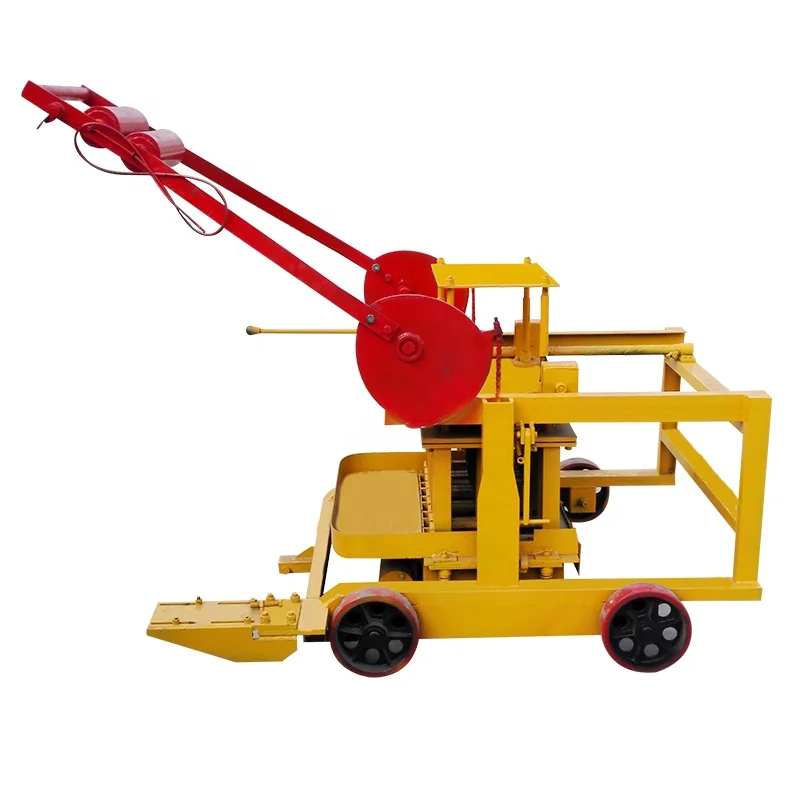
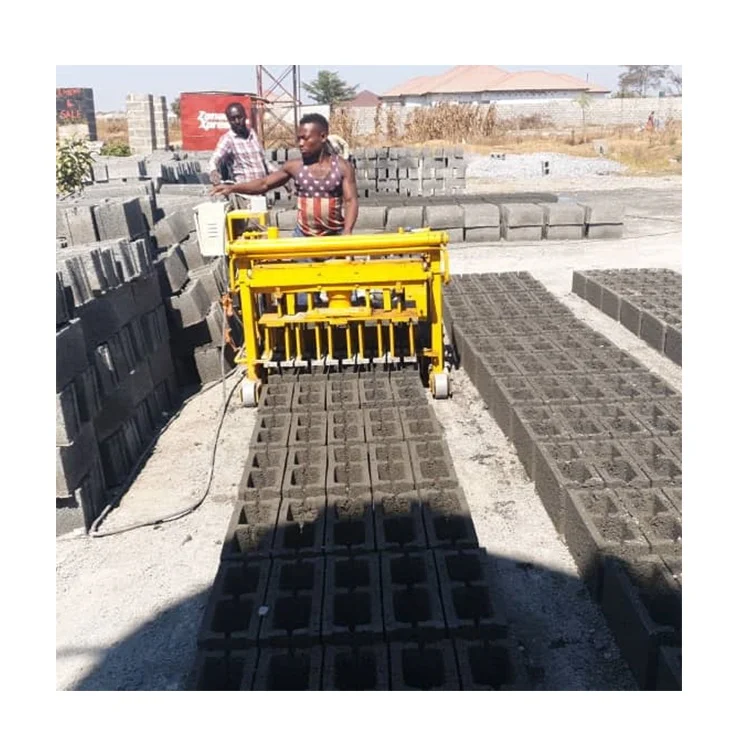
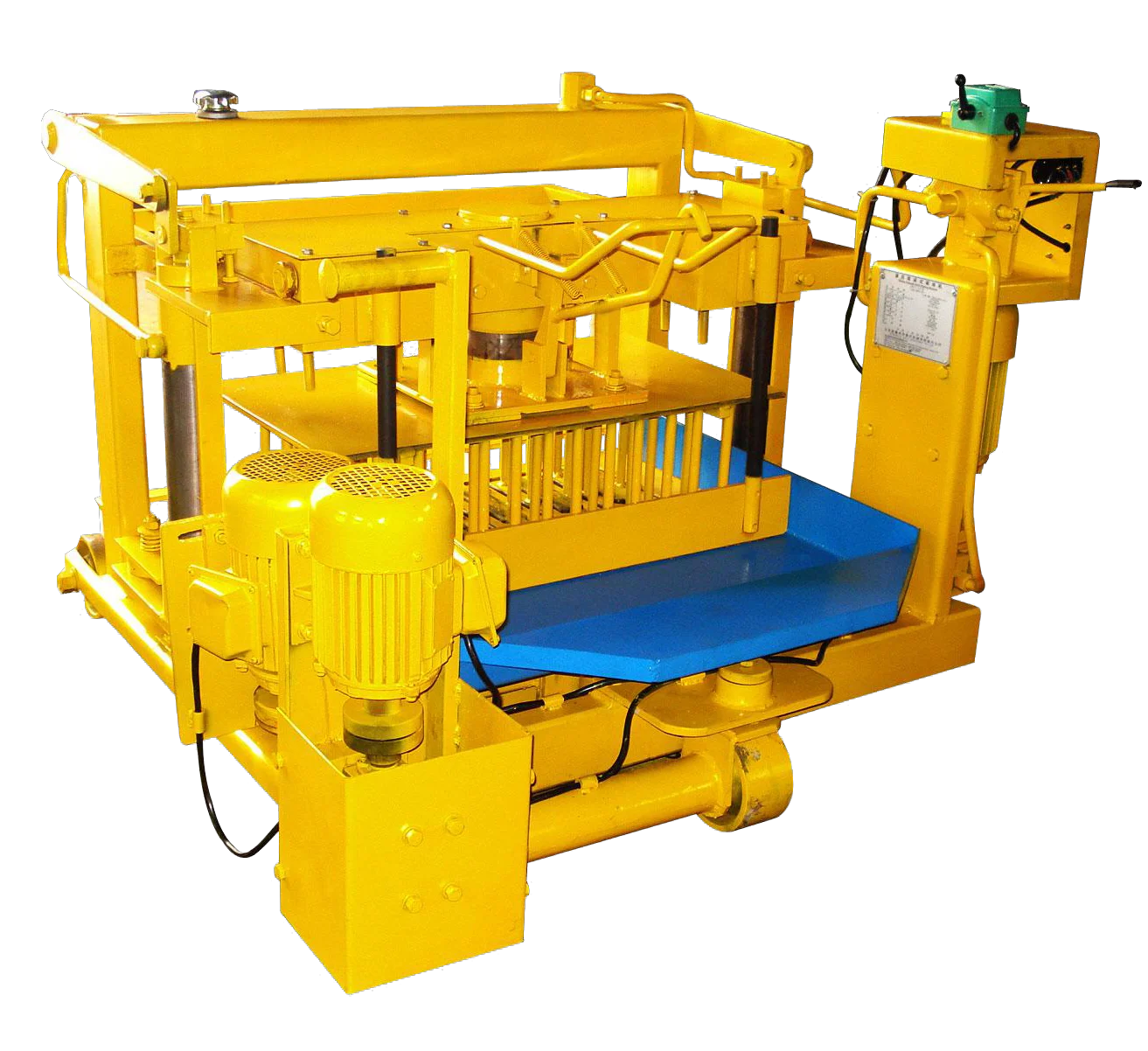
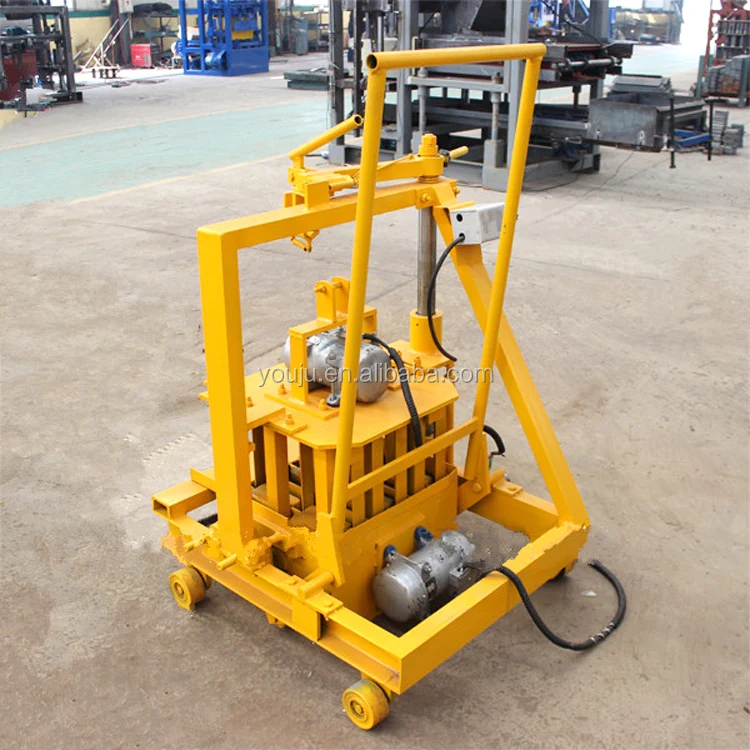
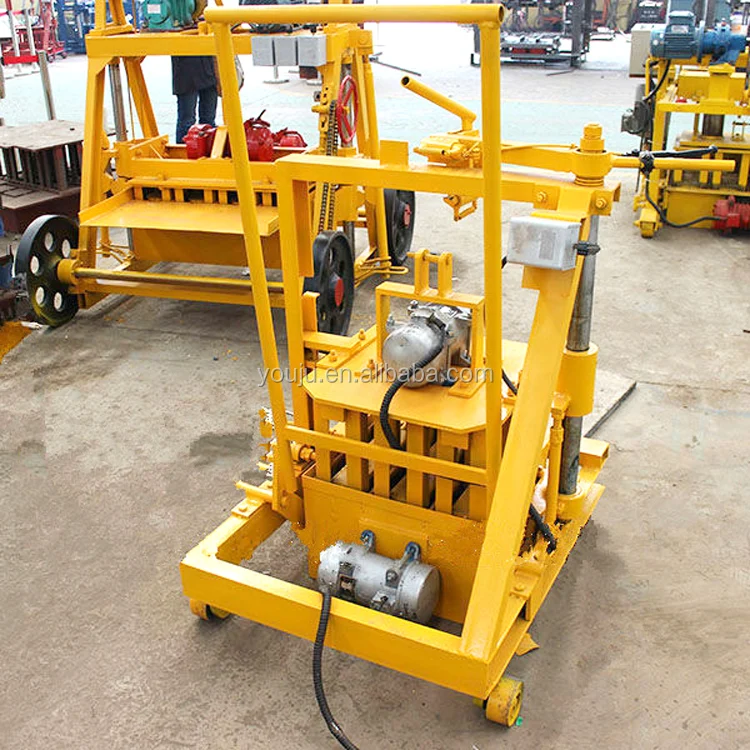
| Product Type | Mobile Egg-laying Block Making Machine |
| Mould Format | Hollow brick |
| Cycle Time | 25–30 seconds (basis not stated in source — confirm block format, material and wall thickness) |
| Output Capacity | 160 pcs/h based on 400×200×200mm hollow brick, 2 pcs/mould |
| Output Capacity | 240 pcs/h based on 400×150×200mm hollow brick, 3 pcs/mould |
| Output Capacity | 320 pcs/h based on 400×100×200mm hollow brick, 4 pcs/mould |
| Daily Output (8 hr) | 1,280 pcs based on 400×200×200mm hollow brick |
| Daily Output (8 hr) | 2,560 pcs based on 400×100×200mm hollow brick |
| Pallet Requirement | Not required (pallet-free egg-laying design) |
| Power Source | Electric engine |
| Automation Level | Manual |
| Labor Requirement | 1 to 3 workers |
| Mould Change | Supports multiple hollow brick formats via mould exchange |
| Mobility | Free-moving, no fixed plant required |
| Standards | ISO 9001:2000, CE |
Application Suitability
| Application | Material or Output |
|---|---|
| On-site block production for building contractors | Hollow bricks laid directly on a prepared concrete floor, no pallets needed |
| Small-scale hollow brick manufacturing | Crushed stone, river sand and cement mixes in limited-yard operations |
| First plant for entrepreneurs entering block production | Low-investment start with 1–3 workers and no fixed infrastructure |
| Project-based local production for housing developments | Mobile deployment to the construction site for the project duration |
What "320 Pieces per Hour" Actually Means for a Mobile Block Making Machine
Capacity only matters when the block format behind the number is stated.
Many mobile block machine quotations headline a single cycles-per-hour figure without revealing which brick dimension and mould cavity count produced it. A buyer expecting 320 hollow blocks per hour on a 400×200×200mm format will see output fall well short, because that figure assumes the smaller 400×100×200mm block with four cavities per mould. I have watched contractors in West Africa plan a pour schedule around an inflated number, only to discover on site that the machine was cycling the right number of times but producing a format their masons did not use [NEED_CITE: common capacity misrepresentation in mobile block machine quotations]. Stating output per format eliminates that mismatch before the machine ships.
Cycle Time and Mould Cavity Count Define Real Output
The 25–30 second cycle governs how often the mould lifts and the machine moves forward, but the bricks produced per cycle depend entirely on cavity count. Two cavities for the 200 mm-wide block, three for the 150 mm, and four for the 100 mm. When you compare mobile block making machine specifications, always confirm which format the quoted cycle time references, because wall thickness and mix stiffness both affect vibration duration.
Pallet-Free Operation Removes a Hidden Cost Layer
Egg-laying design means the block is extruded directly onto the ground and the machine rolls forward. No pallets to purchase, no pallet return loop to staff, and no curing-area pallet logistics to manage. For a contractor producing on a building site where floor space doubles as the curing yard, this removes a handling chain that fixed-plant buyers take for granted.
Matching Mould Options to the Formats Your Market Sells
The QMJ2-45 supports mould exchange across 400×200×200mm, 400×150×200mm and 400×100×200mm hollow brick formats. Mould change involves unbolting the current mould box and seating the replacement, a task that requires basic hand tools. A buyer whose market demands two or three wall thicknesses can cover the range with one machine rather than investing in separate units [NEED_CITE: mould exchange procedures for manual egg-laying block machines].
How Vibration and Mix Stiffness Interact on a Manual Machine
On a pallet-free machine, the freshly formed block must hold its shape the instant the mould lifts. Vibration force and mix water content therefore work as a pair: too wet and the block slumps before the machine rolls away; too dry and the mix will not consolidate inside the mould cavity, leaving weak corners. The hopper feed angle must also suit the local aggregate — laterite dust, for example, bridges in steep hoppers designed for free-flowing river sand, cutting actual output well below the rated figure.
The Cost of Skipping a Trial Run with Your Own Aggregate
When a machine is factory-tested with standard sand and then shipped to a site where the local aggregate is finer, more angular, or higher in clay content, the feeder may not discharge cleanly and the vibration tuning may no longer produce adequate compaction. The result is inconsistent block strength and a daily output that never reaches the quoted figure. Running a trial with the buyer’s actual mix before dispatch catches these mismatches while adjustments still cost hours instead of flights.
Why Configuration Matters More Than Headline Price
A mobile block making machine is a small capital outlay compared with a fixed plant, which makes it tempting to choose on price alone. Yet a machine configured for a mix the buyer cannot source locally, or supplied without voltage confirmation for the destination market, generates delays and costs that dwarf the initial saving. Commissioning stalls while a transformer is sourced; blocks cure unevenly because the pallet-free yard was not levelled to the tolerance the egg-laying design requires [NEED_CITE: site preparation requirements for egg-laying block machines]. These are configuration failures, not machine failures.
Why Source This Machine Through a Format-Focused Supplier
Block machinery is the single focus here, so the QMJ2-45 is specified as a matched system of machine, mould and handling rather than assembled from catalogue defaults. Each configuration is set against the buyer’s actual mix design, local aggregate and target block format. Mould design and supply cover the formats the buyer’s market sells, including custom drawings when a local standard falls outside the three listed dimensions. Automation level is selectable across the broader range, so a buyer who starts with manual egg-laying today can move to a semi-automatic line later without changing suppliers. Installation support and operator training accompany the first machine, and mould and wear parts supply continues through subsequent production campaigns.
Documentation & Verification
- Line layout stating the hollow brick format assumed for each capacity figure
- Mould drawing and format list confirming included dimensions
- Voltage and control language confirmation recorded before production
- Factory test record documenting cycle time per format before dispatch
- Operation and maintenance manual with wear parts list
Installation, Commissioning & Support
- Prepare a level concrete floor as the egg-laying curing surface before the QMJ2-45 arrives
- Confirm local voltage and frequency so the electric engine matches the site supply on day one
- First mould change supervised on site to establish a repeatable procedure for operators
- Vibration tuning adjusted to the buyer’s local aggregate and mix water content during commissioning
- Wear parts and replacement mould list provided with the machine for forward planning
Before You Request a Quote
To size the QMJ2-45 correctly, share the hollow brick formats your market currently sells, the local aggregate type and typical mix proportions, and the daily output you need per format. Confirm your site voltage, frequency and any preferred control language so that electrical configuration is locked before production begins.
Frequently Asked Questions
Q: How is the output capacity verified, and which block format does each figure assume?
A: Every output figure for the QMJ2-45 is stated alongside the block dimension and mould cavity count that produced it. For example, 160 pieces per hour is based on the 400×200×200mm hollow brick with two cavities per mould, while 320 pieces per hour assumes the 400×100×200mm format with four cavities. A factory test record documents actual cycle time per format before dispatch.
Q: What hollow brick formats and mould sizes are available for the QMJ2-45?
A: Standard mould options cover 400×200×200mm, 400×150×200mm and 400×100×200mm hollow bricks. Custom mould dimensions can be produced from buyer drawings when a local market requires a wall thickness or length outside this range. Each additional mould ships with its own cavity plate and securing hardware.
Q: What voltage, frequency and electrical configuration does the machine require?
A: Voltage and frequency must be confirmed before production so the electric engine matches the destination site. Buyers should supply the local supply standard and any preferred plug or cable entry direction. This confirmation avoids commissioning delays caused by a voltage mismatch after the machine arrives.
Q: How long does a mould change take, and what tools are needed on site?
A: Mould exchange on the QMJ2-45 involves unbolting the current mould box and seating the replacement using standard hand tools. Operators trained during commissioning can complete the change within a short shift window. Keeping the bolt set and alignment pins clean prevents the change from extending into a full shift interruption.
Q: What local aggregate and mix design considerations affect block strength on this machine?
A: The egg-laying design requires the freshly extruded block to stand without pallet support, so mix water content and aggregate grading must produce a stiff, cohesive mix. Finer aggregates such as laterite dust may require hopper angle adjustment to feed consistently. A pre-shipment trial with the buyer’s actual aggregate confirms that vibration tuning and feeder geometry suit the local material.