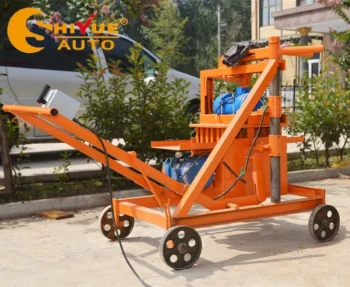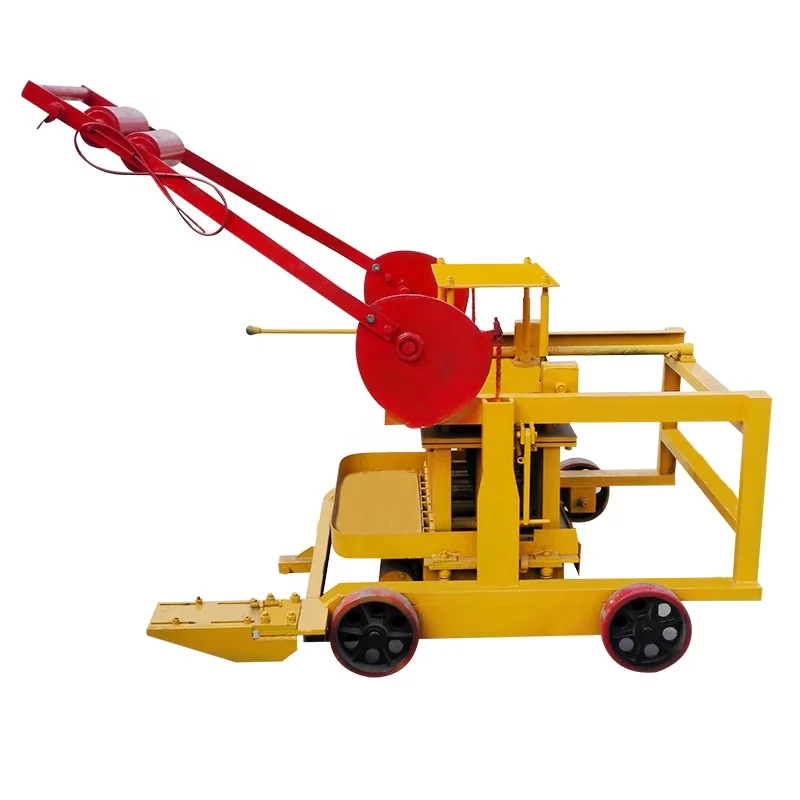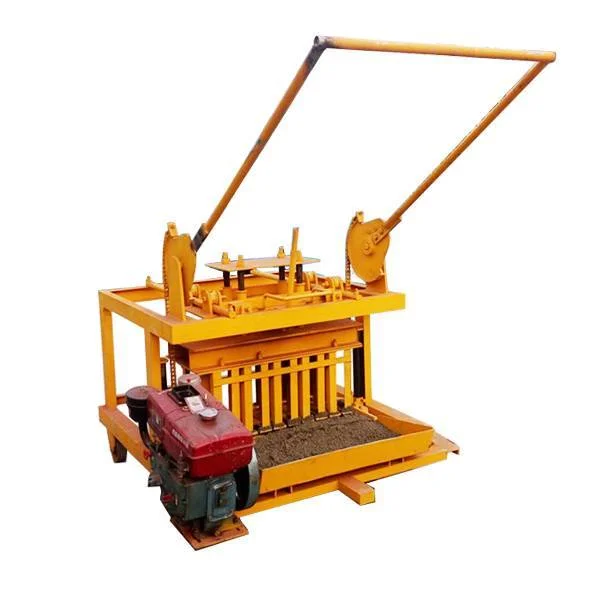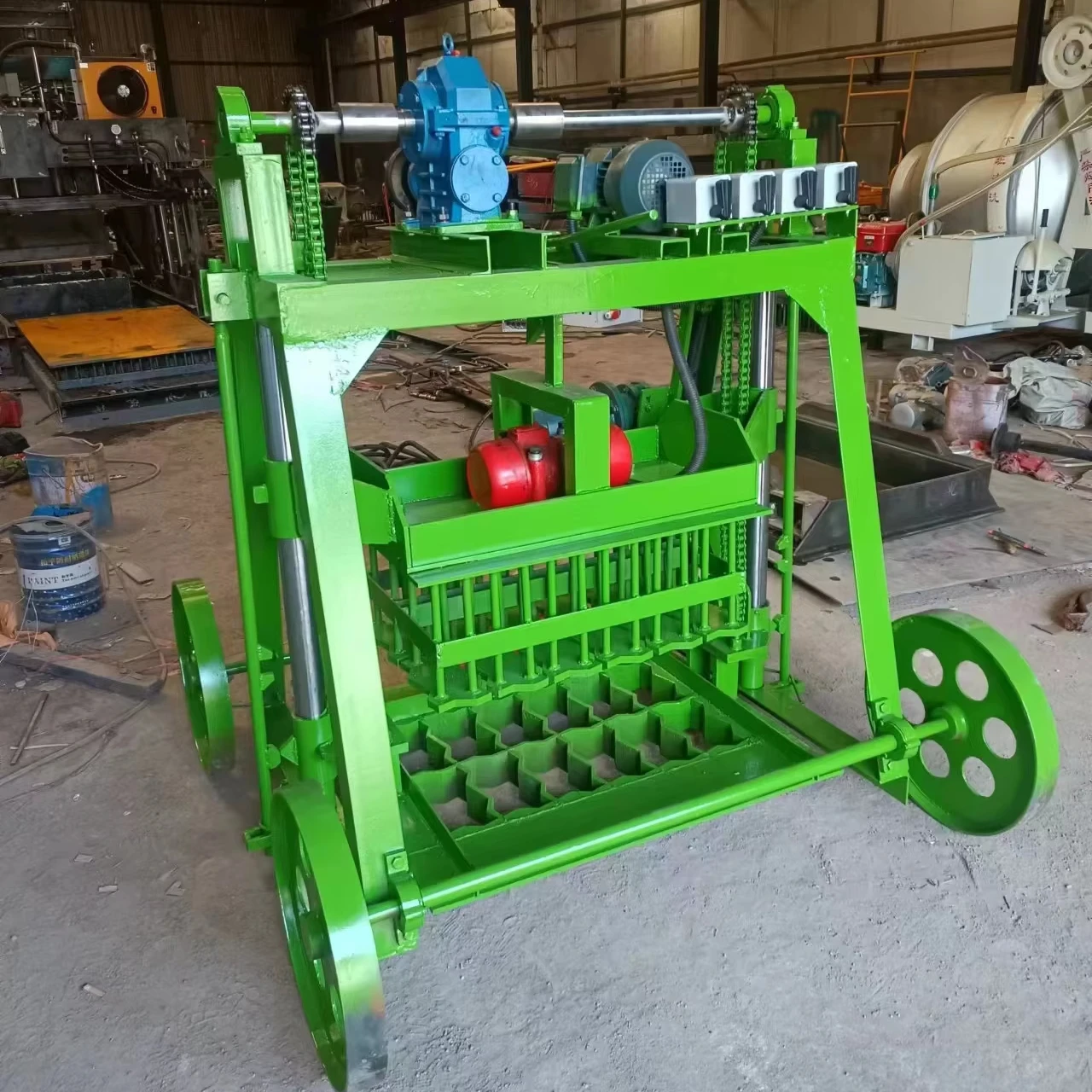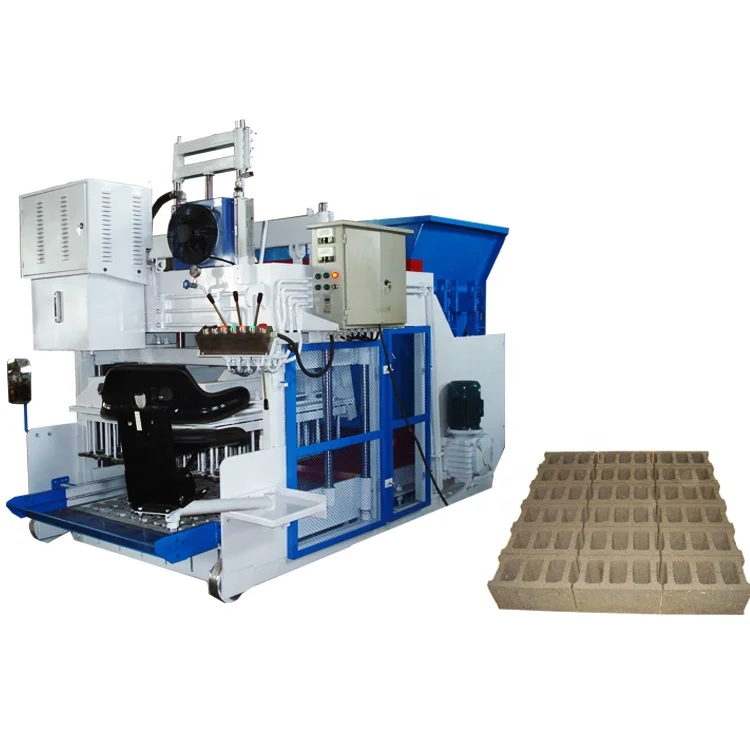


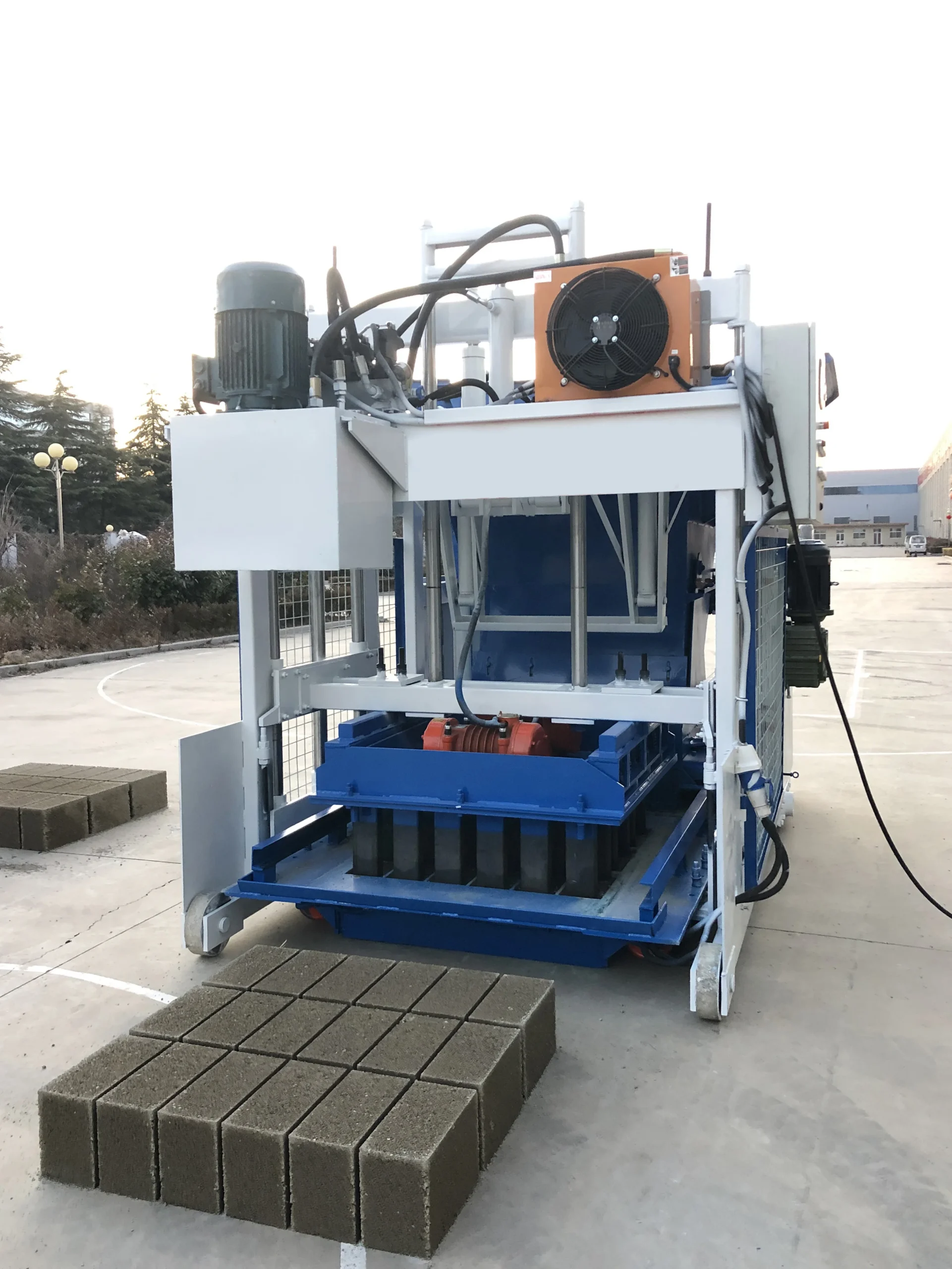
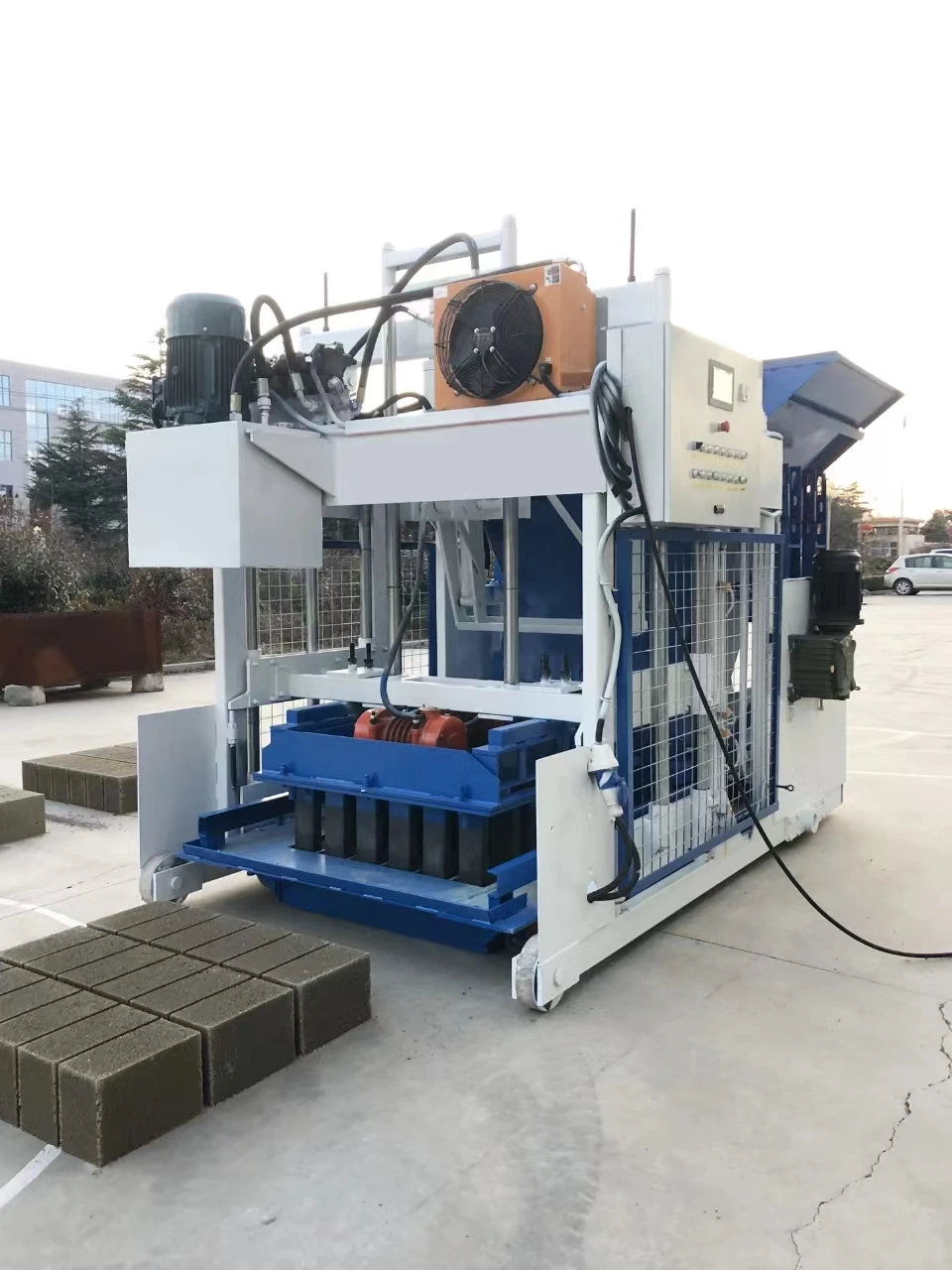
Description
Honest Capacity by Format — QMY18-15 output tied to a named block size and shift length, not a single headline number that hides the assumption behind it.
Technical Specifications
| Parameter | Value |
|---|---|
| Model | QMY18-15 |
| Product Type | Mobile Block Making Machine |
| Working Method | Hydraulic pressure station |
| Rated Power | 24 kW |
| Voltage & Frequency | Customized to local industrial supply (basis to be confirmed) |
| Control System | PLC with configurable display language |
| Pallet Requirement | None — blocks formed directly on ground |
| Output Capacity | Approx. 34,000 pcs per shift based on 400×200×200 mm hollow block (basis: shift length and cycle time to be confirmed) |
| Block Types | Customizable mould formats per buyer requirement |
| Stacking Method | Manual, blocks laid on ground surface |
| Certification | CE declaration where applicable |
Application Suitability
| Application | Material or Output |
|---|---|
| On-site hollow block production | Crushed stone, river sand, cement blends laid on compacted ground |
| Remote project block supply | Solid and interlocking formats produced without a fixed plant |
| First plant startup with limited capital | Lower-investment egg-laying operation on available land |
| Supplementary mobile capacity | Additional formats for existing block producers serving distant sites |
What "34,000 Pieces per Shift" Actually Means for Your Market
Output is only meaningful when tied to the exact block format and shift hours your crew will run.
A mobile block making machine specification that quotes a single daily figure without naming the block size sets buyers up for disappointment. I have watched contractors receive a machine expecting one output level, only to find that switching from a 400×200×200 mm hollow block to a smaller solid paver changed the cycle entirely. The number on paper and the number on the ground rarely match unless the format is locked in first [NEED_CITE: block format assumptions in capacity quotations]. With the QMY18-15, the 34,000-piece reference point assumes a specific hollow block dimension and a defined shift length — change either, and the calculation shifts.
Matching Mould Selection to Local Block Demand
Choosing a mobile egg-laying block machine starts with the format your buyers actually purchase. The QMY18-15 accepts custom mould designs, so the machine can produce hollow blocks, solid blocks, or interlocking pavers depending on what your regional construction market requires. Mould format determines not only the product you sell but also the cycle time per block and the total daily throughput. Confirming the mould drawing and format list before production ensures the machine arrives configured for your real product mix rather than a generic default.
Cycle Time, Ground Conditions, and Realistic Daily Output
Every mobile block making machine relies on the ground surface it travels across. Uneven or soft ground forces the operator to slow down, extending cycle time and reducing the number of blocks laid per hour. The hydraulic pressure station on the QMY18-15 provides forming force, but block density still depends on how level and firm the production area is. Contractors who prepare a compacted, flat strip of land before the machine arrives consistently achieve more predictable output than those who start on unprepared soil [NEED_CITE: ground preparation standards for mobile egg-laying block machines].
Reading the Specs That Actually Matter
The 24 kW rated power covers both the hydraulic system and the PLC control, which is typical for a machine in this output class that does not run conveyors or automatic stackers. Voltage and frequency must be confirmed against your site supply before production starts — a mismatch discovered after arrival delays commissioning by weeks. The PLC display language is configurable, and confirming this detail upfront prevents operators from navigating an unfamiliar interface during the first production run. Pallet-free operation removes a significant material cost, but it also means block quality depends entirely on ground flatness and mix consistency rather than on rigid pallet support.
The Hidden Cost of Skipping Format Confirmation
When a buyer orders a mobile block machine without specifying the exact block format, mould size, and local aggregate type, the machine arrives set up for assumptions that may not match reality. River sand with high clay content, for instance, changes the water-to-cement ratio needed for proper compaction, which in turn lengthens each cycle and reduces daily output. I have seen situations where the mix design the machine was configured for simply could not be sourced locally, forcing the contractor to import different aggregate at considerable extra cost [NEED_CITE: aggregate compatibility with block machine vibration and pressure settings]. These are problems that surface only during the first production run, when changes are most expensive.
Why Source This Machine Through a Single-Focus Supplier
Block machinery is the sole product line here, which means the QMY18-15 is specified as a matched system — machine, mould, and ground-production method considered together. Configuration is set against the buyer’s actual mix design and target block format rather than pulled from a catalogue default. Mould design and supply cover the formats the buyer’s market actually sells, with custom drawings available. Automation level is selectable, so a buyer can begin with straightforward PLC operation and adjust later. Installation support includes operator training so the crew understands both the machine and the ground conditions it needs.
Documentation & Verification
- Line layout stating the block format assumed for the quoted output capacity
- Mould drawing and format list confirming included and optional block types
- Hydraulic and electrical schematic matching the confirmed voltage and frequency
- Factory test record run on the buyer’s specified block dimension before dispatch
- Voltage and PLC control language confirmation sheet signed before production
Installation, Commissioning & Support
- Compacted, level ground strip prepared to match QMY18-15 travel path and block laying width
- Dedicated electrical circuit sized for 24 kW continuous draw with confirmed voltage and frequency
- Machine delivered assembled; on-site setup limited to hydraulic line checks and PLC power-on
- First-run parameter setting calibrated to buyer’s local aggregate and mix design
- Operator training covering mould change procedure and ground surface assessment
- Wear parts and mould availability list confirmed for first replacement cycle
Before You Request a Quote
To size the QMY18-15 correctly, share the block formats your market purchases most, the daily volume you need per format, and the type of sand or aggregate available locally. Confirm your site voltage, frequency, and preferred PLC display language so the control system is configured before the machine leaves the factory. If you already have curing space or handling equipment, note those dimensions so the pallet-free production layout fits your existing workflow.
Frequently Asked Questions
Q: How is the 34,000 pieces per shift figure calculated for this mobile block making machine?
A: That reference output is based on producing 400×200×200 mm hollow blocks over a defined shift length. Actual daily throughput changes with the block format, local aggregate characteristics, and ground conditions. Requesting a capacity calculation tied to your specific block size and shift hours gives a more accurate planning number than the headline figure alone.
Q: Which block formats can the QMY18-15 produce, and how long does a mould change take?
A: The machine accepts custom moulds for hollow blocks, solid blocks, interlocking pavers, and other formats your market requires. Mould change time depends on the specific format pair being switched. Confirming which moulds ship with the machine and which are optional ensures you can plan format rotation into your production schedule without losing an entire shift.
Q: How do I verify block strength when running a pallet-free mobile machine on local aggregate?
A: Block strength on a ground-laid machine depends on hydraulic pressure, mix design, and aggregate quality. Requesting a factory test on a sample of your local material provides a baseline. On site, consistent mix ratios and prepared ground surface are the two variables your crew controls directly to maintain strength across every production run [NEED_CITE: block strength testing methods for mobile egg-laying machines].
Q: What voltage and PLC display language are confirmed before the QMY18-15 ships?
A: Both are confirmed during the quotation stage before production begins. Voltage and frequency must match your local industrial supply exactly, and the PLC display language should match what your operators read comfortably. Providing these details early prevents commissioning delays and ensures the control panel is usable from the first day on site.
Q: Are moulds and hydraulic wear parts available when the first replacement is due?
A: A wear parts and mould list is provided with the quotation so you can see which components are stocked and which need advance ordering. Confirming availability of the specific moulds and hydraulic seals for the QMY18-15 before purchase ensures that the first replacement cycle does not force an unplanned production shutdown.