


Description
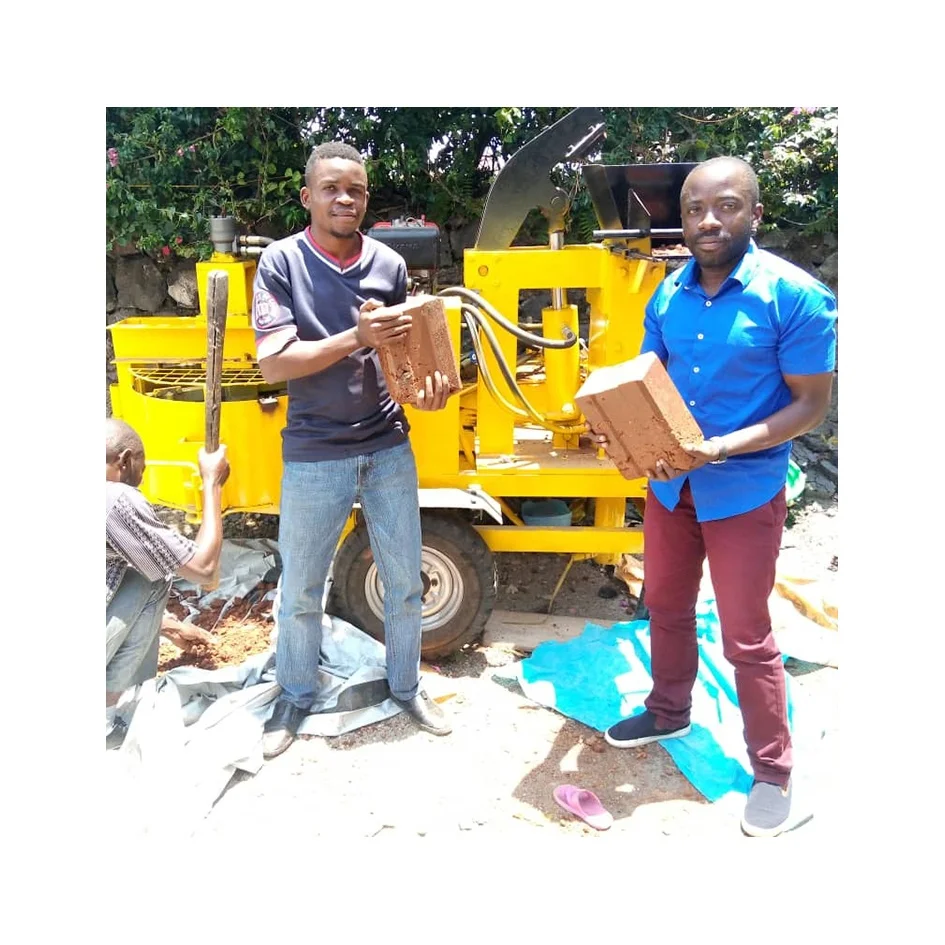
Block machinery as a single focus — the M7MI is specified around your target interlocking format, local soil characteristics, and site constraints rather than a generic catalogue default.
Technical Specifications
| Parameter | Value |
|---|---|
| Model | M7MI |
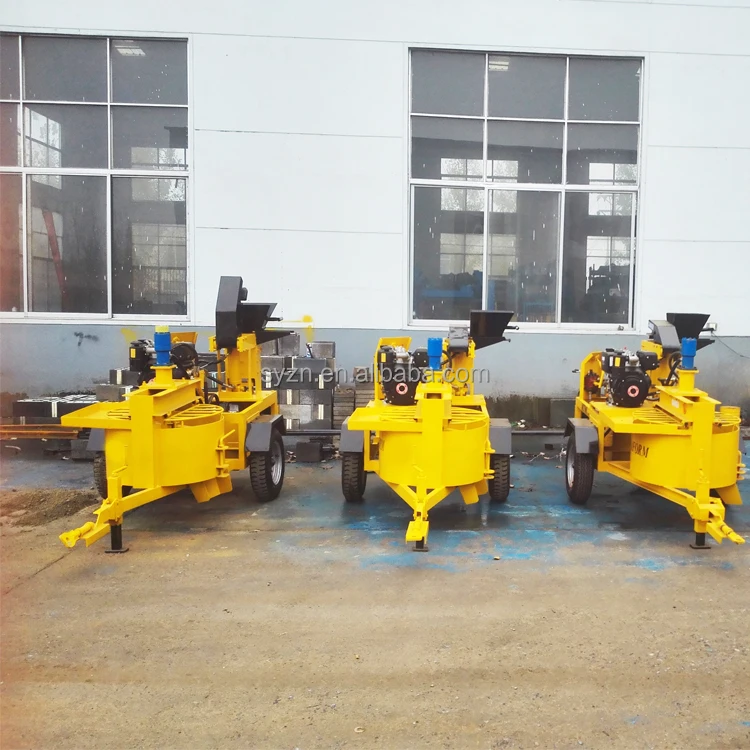
| Product Type | Hydraulic Interlocking Clay Block Machine |
| Engine Type | Diesel Engine |
| Hydraulic Pressure | 16 MPa |
| Overall Dimensions (L×W×H) | 3200 × 1100 × 1500 mm |
| Net Weight | 1100 kg |
| Molding Cycle | 15–20 s (format dependent) |
| Output Capacity | 1600 pcs/8hr based on a 300×150×100 mm interlocking block, 1 pc/mould, 20s cycle |
| Mould Format | Interlocking block, multiple formats available by mould change |
| Raw Material Compatibility | Clay, soil, earth, mud, concrete |
| Automation Level | Manual / Semi-manual |
| Power Source | Diesel (off-grid capable) |
Application Suitability
| Application | Material or Output |
|---|---|
| On-site rural housing construction | Interlocking blocks from locally sourced clay or laterite soil |
| Off-grid block production in remote project sites | Diesel-powered operation without grid electricity dependency |
| Small-scale interlocking block plants | Earth-based brick making using available soil and stabilizer |
| Development and infrastructure project sites | Mobile production matching block output to daily build requirements |
What "2200 Pieces per Day" Actually Means for Your Site
The headline output number on any M7MI interlocking clay block machine specifications sheet only matters if it names the block format behind it.
I have watched contractors in Mozambique and Tanzania order machines based on a single daily capacity figure, then discover on site that the number assumed a small solid block they were not producing. Their actual interlocking format required a longer cycle and produced noticeably fewer units per shift, leaving masonry crews waiting for stock. The 2200 pcs/day figure appears in some M7MI literature without a stated block format or material basis [NEED_CITE: capacity calculation standards for interlocking block machines]. Once you pin down your target format — for example a 300×150×100 mm interlocking block at a 20-second cycle — the realistic output becomes approximately 200 pieces per hour or 1600 pieces over an eight-hour shift. That is the number you should plan your site logistics and masonry schedule around.
Matching the M7MI Interlocking Clay Block Machine Specifications to Your Soil
Every soil behaves differently under hydraulic compression. A laterite soil with high iron content compresses and cures differently from a black cotton soil or a sandy loam. The 16 MPa hydraulic pressure on the M7MI is a fixed value, but the way that pressure translates into block density and green strength depends entirely on the clay-to-sand ratio, moisture content, and any stabilizer you add. Before we confirm machine parameters, a soil sample from your site goes through a compaction trial so the mix design and cycle time are set against real material, not a laboratory assumption.
Mould Change and Format Flexibility on Site
Interlocking block markets shift as builders adopt new wall patterns and structural requirements. The M7MI supports multiple interlocking formats through mould change, but the time and effort required to swap moulds determines whether you actually use that flexibility or leave one mould bolted on permanently. A mould change on a manual or semi-manual machine involves releasing hydraulic connections, unbolting the mould box, lifting the old mould, seating the new one, and realigning the feed shoe [NEED_CITE: mould change procedures on manual hydraulic block presses]. If your market requires two or three formats in regular rotation, we specify the mould change hardware and provide a format list so you can plan production runs efficiently rather than losing most of a shift to changeover.
Reading the Specifications That Matter for Block Quality
Hydraulic pressure at 16 MPa sets the upper limit of compaction force available to densify your soil mix. For interlocking blocks, adequate pressure ensures the interlock tabs and recesses form cleanly without crumbling at the edges during demoulding. The molding cycle of 15–20 seconds reflects the time the press holds pressure and vibration together — a shorter cycle risks incomplete compaction in thicker block sections, while a longer cycle reduces hourly output without necessarily improving strength. Machine weight at 1100 kg provides the mass needed to resist vibration-induced frame movement during the pressing stroke, keeping block dimensions consistent across a production run. The diesel engine configuration removes grid dependency entirely, but it also means fuel supply, engine maintenance intervals, and exhaust ventilation become part of your daily operating checklist rather than electrical panel concerns.
The Hidden Cost of Ignoring Material Compatibility
When a machine is configured for a standard mix that your local quarry or riverbed cannot supply, you face a choice between importing material at unsustainable cost or running the press with an incompatible mix. Blocks pressed from poorly matched soil show inconsistent density, weak interlock joints, and surface spalling after the first rain [NEED_CITE: soil stabilisation requirements for compressed earth blocks]. On a housing project with hundreds of square metres of wall to lay, a batch of substandard blocks means demolition and rework that no machine specification sheet warned you about. This is why the soil sample test before ordering is not optional paperwork — it is the step that prevents your site from becoming a case study in mismatched equipment.
Why Procure This Machine Through Our Configuration Process
Block machinery is our single focus, which means the M7MI is never treated as a standalone press separated from its moulds, pallets, and handling workflow. Configuration is set against your actual mix design and target block format, not a catalogue default that assumes ideal conditions. Mould design covers the interlocking profiles your local market actually builds with, including custom drawings when standard formats do not match regional building codes [NEED_CITE: interlocking block standards in East African construction]. We supply the machine as a matched system, so the hydraulic pressure, mould geometry, and cycle time are internally consistent rather than assembled from independent specifications that may conflict on your shop floor.
Documentation & Verification
- Capacity calculation sheet stating the block format, cycle time, and shift hours assumed
- Mould drawing and interlocking format list supplied before production begins
- Hydraulic schematic with pressure settings matched to your confirmed mix design
- Factory test record using your chosen block format and material before dispatch
- Operation manual with diesel engine maintenance schedule and mould change procedure
- Packing photographs showing dismantled components and container loading arrangement
Installation, Commissioning & Support
- Foundation pad sized to the 3200 × 1100 mm footprint with level tolerance specified for hydraulic alignment
- Diesel engine first-start procedure and break-in schedule conducted with your operator present
- Mould alignment and hydraulic pressure verification using your local soil sample on commissioning day
- Mould change training covering tool requirements, realignment checks, and test pressing after each swap
- Wear parts list identifying hydraulic seals, mould liner plates, and feed shoe components with replacement intervals
- Daily maintenance checklist covering hydraulic fluid level, engine oil, and mould surface cleaning
What We Need to Configure Your Machine
To move from a general inquiry to a confirmed M7MI specification, we need your target interlocking block format and dimensions, a representative soil sample or bore log from your production site, and your expected daily output requirement tied to a specific shift pattern. If you are operating in a region with extreme ambient temperatures or altitude above sea level, note those conditions as they affect diesel engine derating and hydraulic fluid selection [NEED_CITE: diesel engine performance correction for altitude and temperature]. Any existing curing area dimensions and pallet inventory should also be shared so the output handling plan matches what you already have on the ground.
Frequently Asked Questions
Q: How is the 2200 pcs/day figure calculated, and which block format does it assume?
A: That figure appears in some literature without a stated block format or material basis. For a 300×150×100 mm interlocking block at a 20-second cycle producing one piece per mould, the realistic calculation is approximately 200 pieces per hour, or 1600 pieces over an eight-hour shift. We provide a capacity sheet tied to your specific format before order confirmation.
Q: What interlocking block formats are available, and what is the cycle time for each?
A: Multiple interlocking profiles are available through mould change, including standard interlock, channel, and corner block formats. Cycle time ranges between 15 and 20 seconds depending on block thickness and soil composition. A format list with individual cycle times is supplied during the configuration stage so you can plan multi-format production runs.
Q: How does the diesel engine affect daily output and maintenance?
A: The diesel engine removes grid dependency, allowing operation at remote sites. Output remains consistent with electric equivalents at the rated hydraulic pressure. Maintenance shifts from electrical panel checks to fuel filtration, engine oil changes, and air filter cleaning on intervals defined by operating hours rather than calendar dates.
Q: Can the machine be matched to my local clay or soil mix?
A: Yes. A soil sample from your site is tested for clay content, sand fraction, and moisture response before machine parameters are finalised. The hydraulic pressure and cycle time are then set to match the compaction behaviour of your specific material, and a factory test record confirms block quality before shipment.
Q: What moulds and wear parts are supplied, and how are replacements sourced?
A: The machine ships with the mould matching your confirmed block format, plus a wear parts list identifying hydraulic seals, mould liner plates, and feed shoe components. Replacement parts are identified by drawing number so reorders can be placed directly without ambiguity, and lead times are confirmed at the point of order.