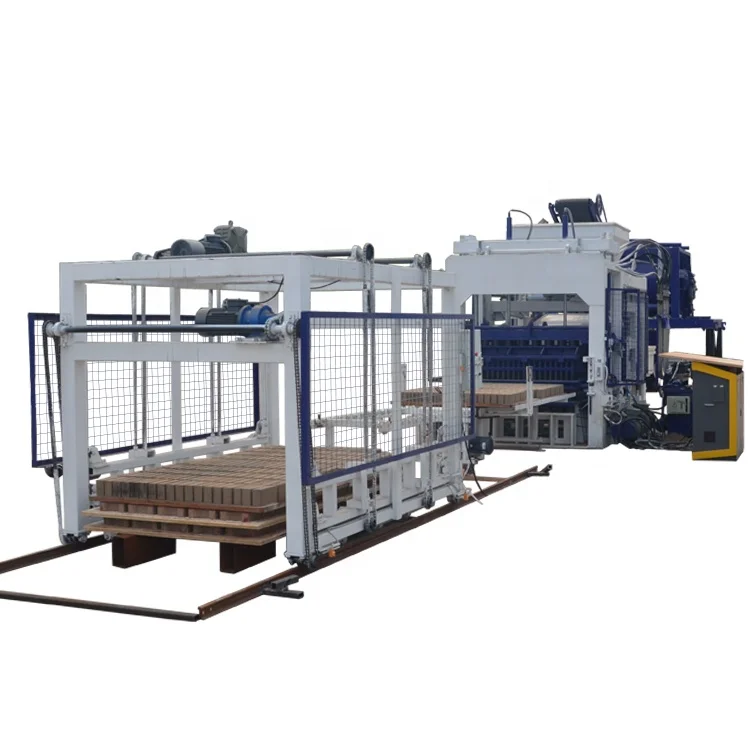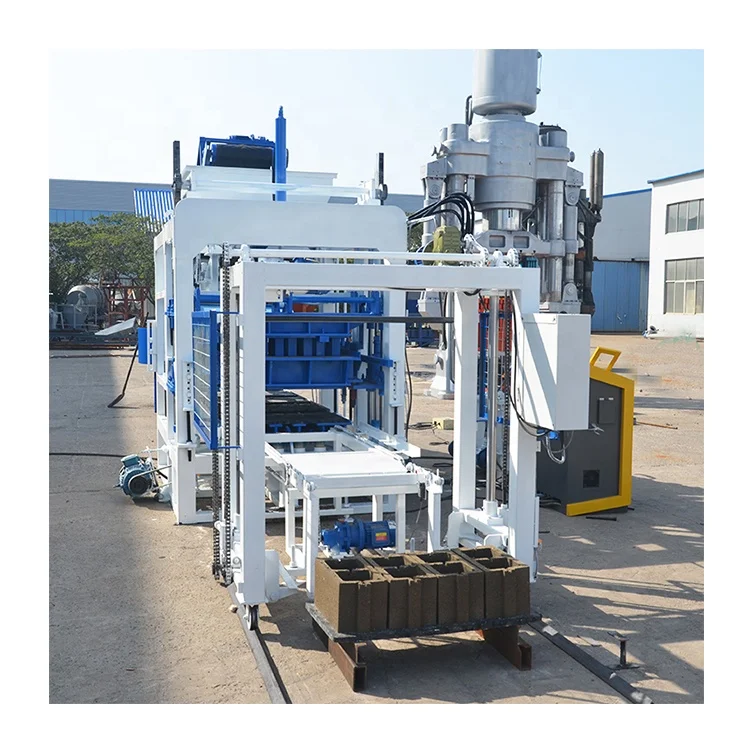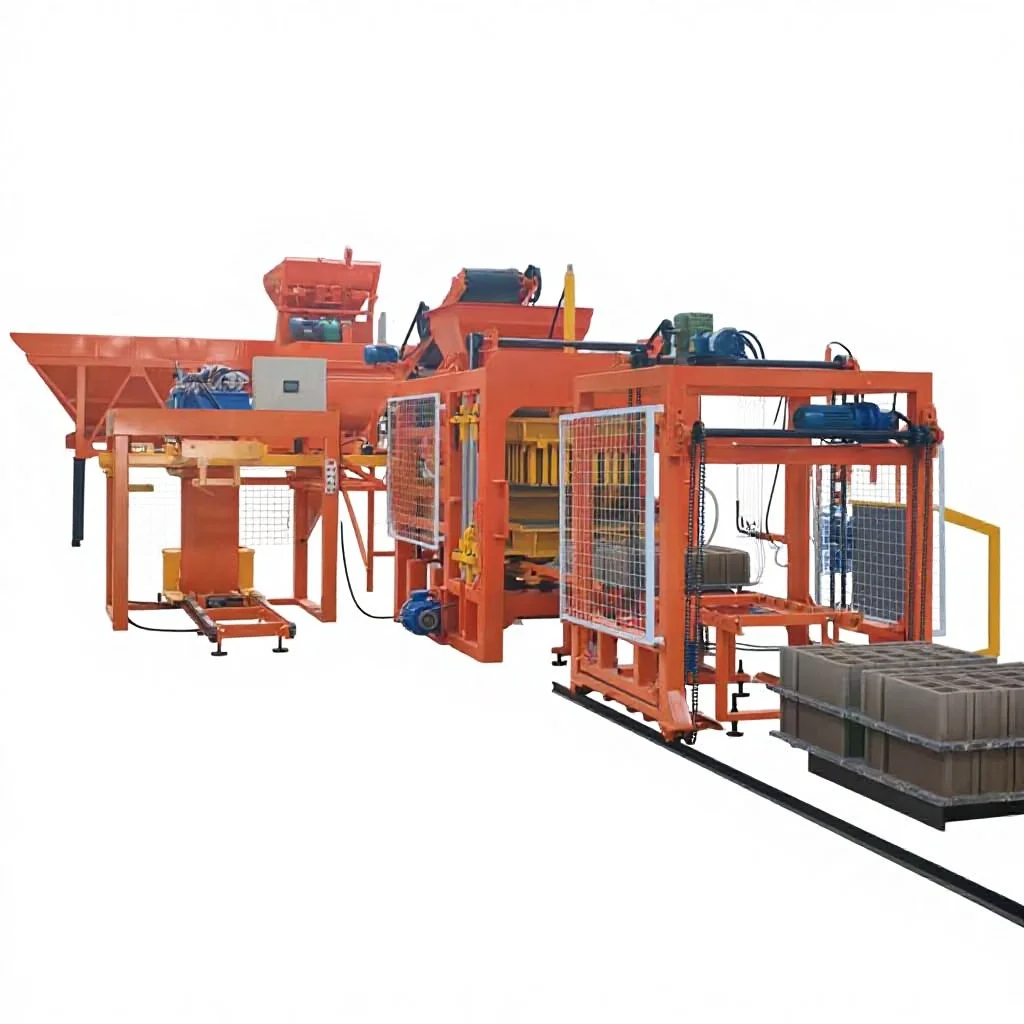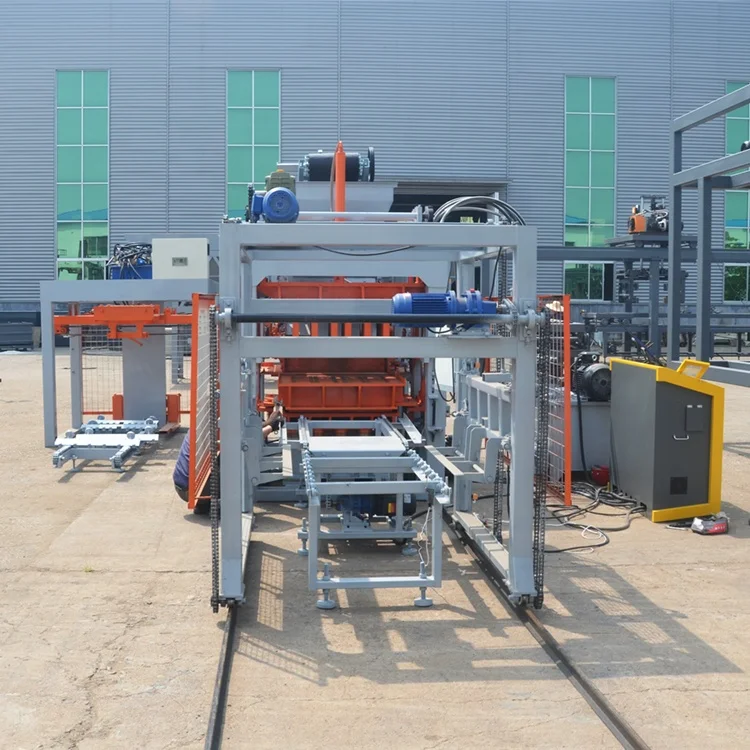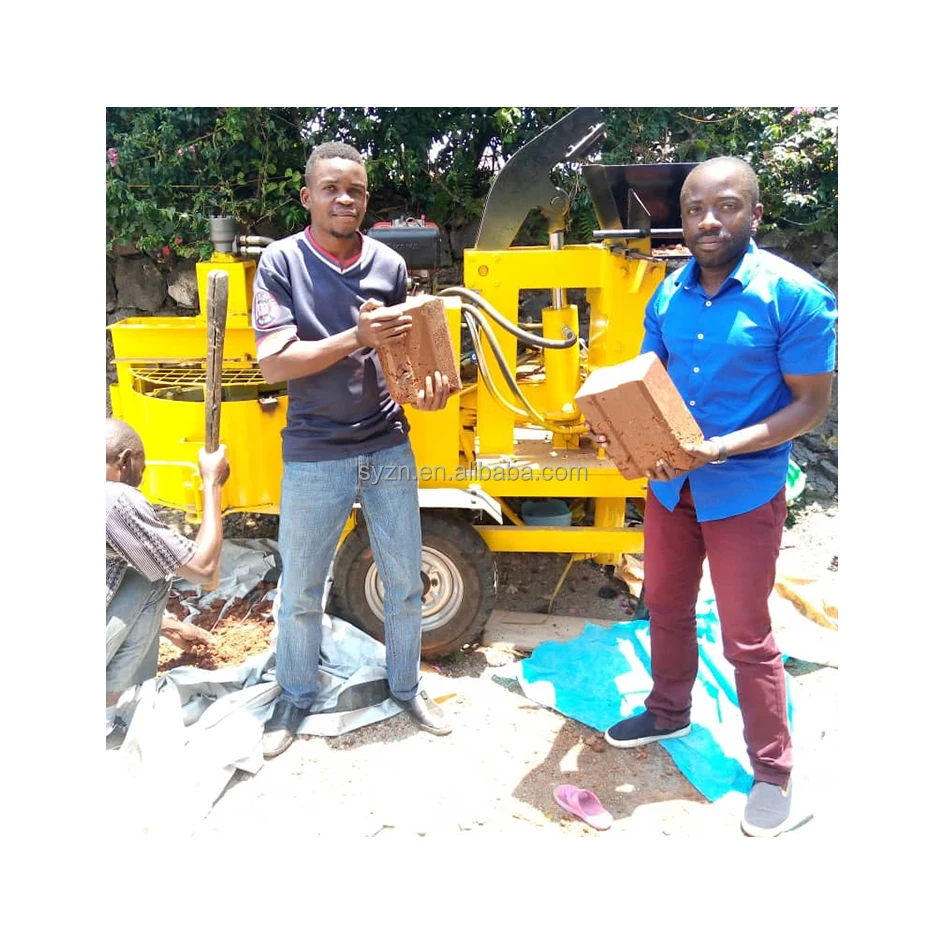
Description
Matched mould and machine specification — the M7MI is configured against the buyer’s actual interlocking block format, local clay composition, and target daily output rather than shipped as a generic catalogue unit.
Technical Specifications
| Parameter | Value |
|---|---|
| Model | M7MI |
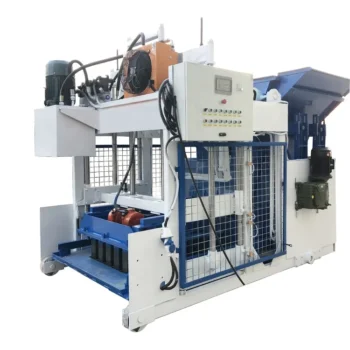
| Product Type | Mobile Hydraulic Interlocking Clay Block Making Machine |
| Engine Type | Diesel Engine |
| Rated Power | 7.5 kW |
| Hydraulic Pressure | 16 MPa |
| Overall Dimensions | 3200 × 1100 × 1500 mm |
| Net Weight | 1100 kg |
| Molding Cycle | 15–20 seconds |
| Output Capacity | 1600 pcs / 8 hr (based on 300×150×100 mm interlocking block, 1 pc/mould, 20s cycle) |
| Output Capacity (alternative) | 2200 pcs / day (basis to be confirmed) |
| Mould Format (example) | 300 × 150 × 100 mm interlocking block |
| Mould Change System | Manual interchangeable moulds |
| Raw Materials | Clay, soil, concrete |
| Assembly State | Fully assembled mobile unit |
Application Suitability
| Application | Material or Output |
|---|---|
| On-site interlocking block production for housing projects | Locally sourced clay or soil stabilized with cement |
| Off-grid construction sites without electricity access | Diesel-powered operation on standard diesel fuel |
| Small-scale compressed earth block production | Clay-soil mixes with variable sand and silt content |
| Contractor block making directly at building locations | Interlocking profiles eliminating mortar joints |
What "2200 Pieces per Day" Actually Means for Your Site
Capacity is only meaningful when tied to a specific block format, mould cycle time, and material mix.
Most mobile clay brick machines are advertised with a single daily output number that assumes ideal conditions and a particular block size. When the machine arrives on site and the contractor starts producing a different interlocking profile or working with a heavier clay mix, the cycle time extends and the real daily total drops. The interlocking clay block machine specifications listed here state output per format — 1600 pieces per eight-hour shift based on a 300×150×100 mm block at a 20-second cycle — so buyers can calculate realistic production against their actual project requirements. [NEED_CITE: compressed earth block cycle time variation by material composition]
I spent time on a job site in Ghana where a mobile earth block machine arrived rated for a daily volume that assumed a standard interlocking profile. The contractor needed a thicker block for load-bearing walls, and the cycle time climbed past the quoted figure within the first week.
Matching the Interlocking Format to the Local Market
Different regions demand different interlocking block profiles. Some housing projects specify a dry-stack interlocking format that eliminates mortar between courses, while others require a channel profile that accepts reinforcement steel. The M7MI accommodates multiple mould formats through a manual change system, allowing a single machine to produce the profile the local market actually purchases. Choosing the right interlocking clay block machine starts with confirming which profile sells in the target area before specifying the mould.
Diesel Operation and Site Mobility
The 7.5 kW diesel engine removes dependence on grid electricity, which is a practical necessity on remote development sites or rural housing projects where power supply is unreliable. The fully assembled mobile design means the machine can be towed or transported between locations without dismantling, keeping setup time to a minimum once it arrives at the production area. [NEED_CITE: off-grid construction equipment power requirements in West Africa]
Reading the Pressure and Cycle Numbers Together
Hydraulic pressure at 16 MPa works in combination with the clay-soil mix to determine block density and compressive strength. Higher pressure compacts the material more effectively, but if the local clay contains a higher sand fraction than anticipated, the pressure alone may not produce sufficient inter-particle bonding. The 15–20 second moulding cycle allows the hydraulic system to reach full pressure and hold it long enough for proper compaction. Pallet size is not stated in available documentation and must be confirmed against the curing area layout the buyer has on site. The mould change system is manual, which keeps the machine simple and field-serviceable but means format switches require operator time that should be factored into the production schedule.
The Cost of Ignoring Local Soil Composition
When a mobile clay block machine is configured for a standard mix and the local soil has a significantly different sand-to-clay ratio, the hydraulic pressure that works perfectly in testing produces brittle or under-compacted blocks on site. The contractor then faces a choice between sourcing imported clay at additional cost or spending weeks adjusting the mix manually while producing substandard output. This mismatch is one of the most common reasons projects fall behind schedule. [NEED_CITE: soil stabilization requirements for compressed earth blocks]
Why Source the M7MI Through This Supply Chain
Block machinery is the single focus of the manufacturing operation, meaning the machine, mould, and supporting components are specified as one matched system. Each M7MI is configured against the buyer’s actual clay sample and target interlocking format before production begins. Mould design covers the profiles that sell in the buyer’s specific market, including custom drawings when standard formats do not match local demand. The automation level is selectable, so a buyer starting with manual production has a clear path to expand. Installation and commissioning support includes operator training specific to the chosen block format and material mix.
Documentation & Verification
- Machine specification sheet confirming hydraulic pressure, cycle time by format, and engine details
- Mould drawing and format list showing available interlocking profiles and change procedure
- Factory test record demonstrating output on the buyer’s chosen block format before shipment
- Capacity calculation document stating the exact block format assumed for each output figure
Installation, Commissioning & Support
- Fully assembled 1100 kg unit requiring level ground and adequate drainage at the production site
- Diesel engine to be serviced and fuel supply confirmed before first commissioning run
- Manual mould change procedure demonstrated during operator training on site
- Hydraulic system pressure verification at 16 MPa against the buyer’s specific clay-soil mix
- Wear parts list provided covering hydraulic seals and mould wear surfaces for first reorder
Before You Request a Quotation
To configure the M7MI correctly, the inquiry should include the target interlocking block format and dimensions, a representative sample or analysis of the local clay or soil, and the daily production volume required for the project. Confirming whether diesel is the preferred power source and which curing method the site will use helps finalize the supporting equipment list. Providing these details upfront avoids the reconfiguration delays that occur when assumptions about material and format are made at the factory rather than verified with the buyer.
Frequently Asked Questions
Q: How is the daily output of the M7MI calculated and which block format does it assume?
A: The confirmed figure is 1600 pieces per eight-hour shift, based on producing a 300×150×100 mm interlocking block at one piece per mould with a 20-second cycle. Any alternative daily output figure depends on the specific block format, mould configuration, and material cycle time, and must be calculated per project.
Q: What interlocking block formats and mould options are available for this machine?
A: The M7MI accepts interchangeable moulds for different interlocking profiles. Available formats depend on the buyer’s market requirements, and custom moulds can be produced from buyer-supplied drawings. The format list and mould change procedure are confirmed during the specification stage before production.
Q: Can the M7MI work with my local clay or soil and how is the mix verified?
A: The machine operates at 16 MPa hydraulic pressure, which must be matched to the local material. A soil sample or analysis is requested before configuration so the pressure and cycle time are set against the actual clay-sand ratio. Testing on the buyer’s material is conducted at the factory before dispatch.
Q: What is the mould change procedure and how long does it take on site?
A: Mould change on the M7MI is manual. The time required depends on the operator’s familiarity with the procedure, which is covered during commissioning and training. Buyers planning frequent format switches should factor this time into daily production scheduling.