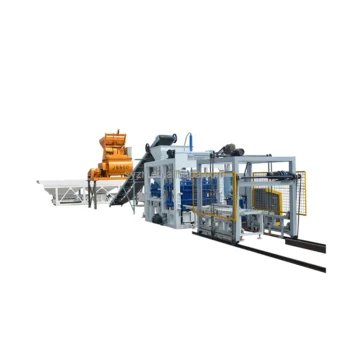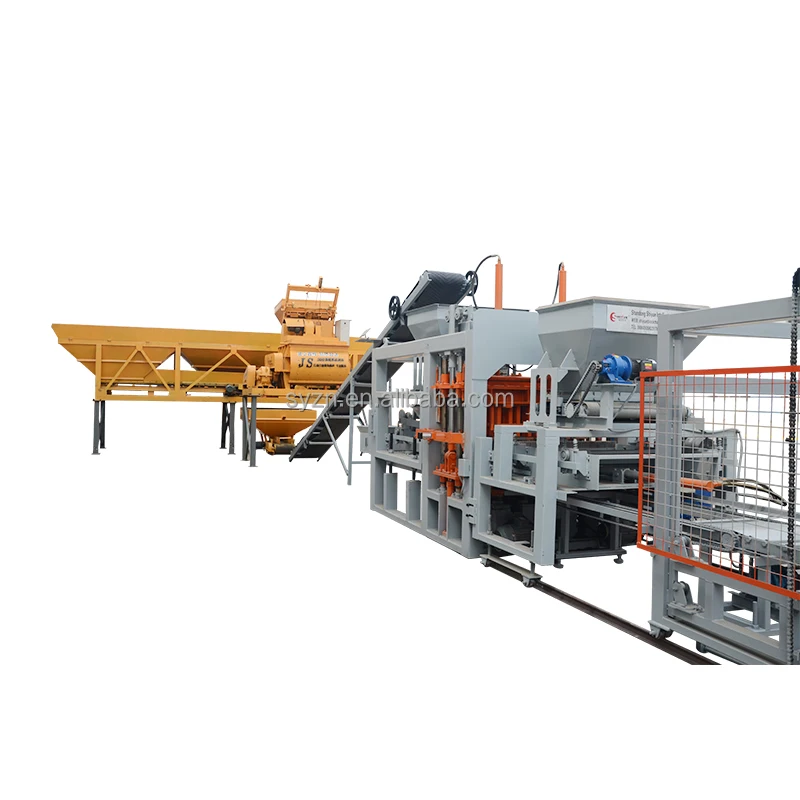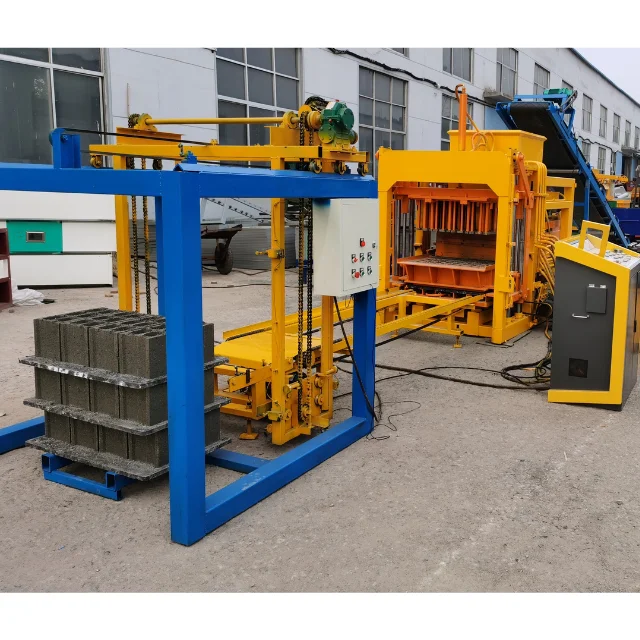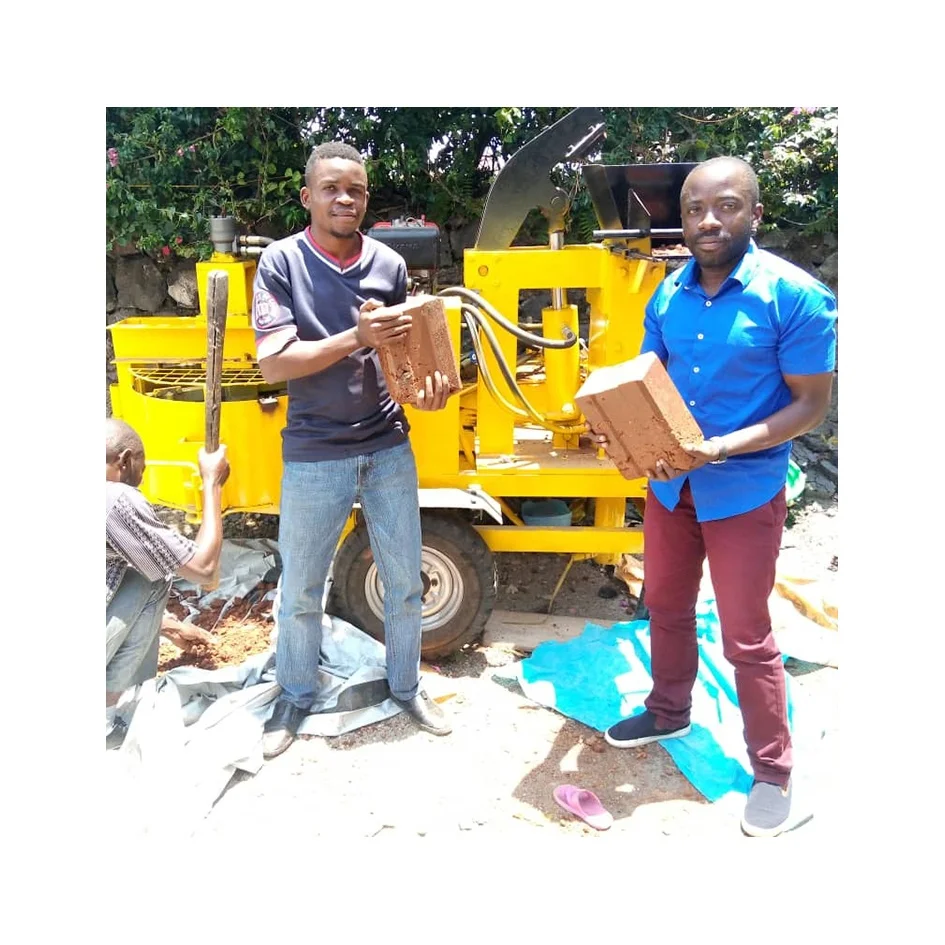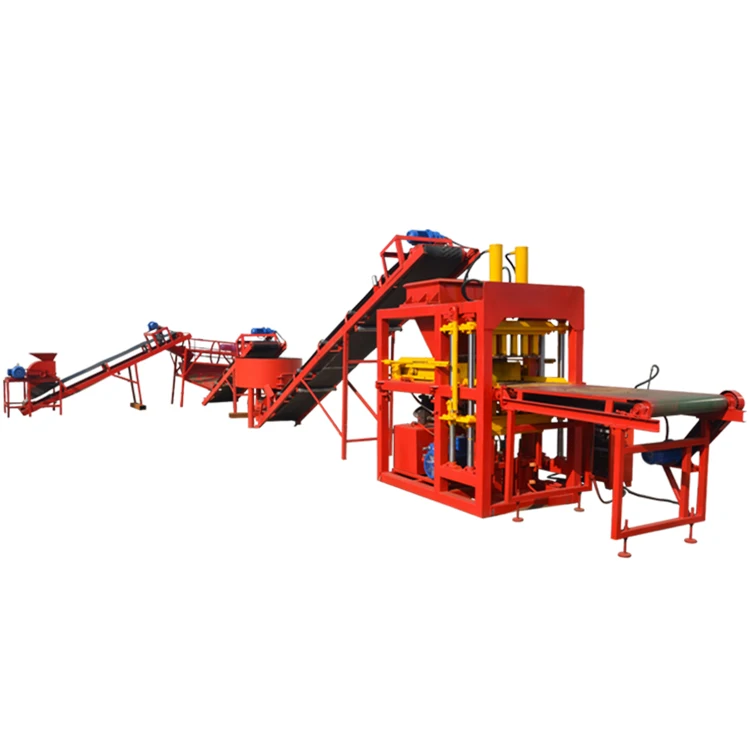
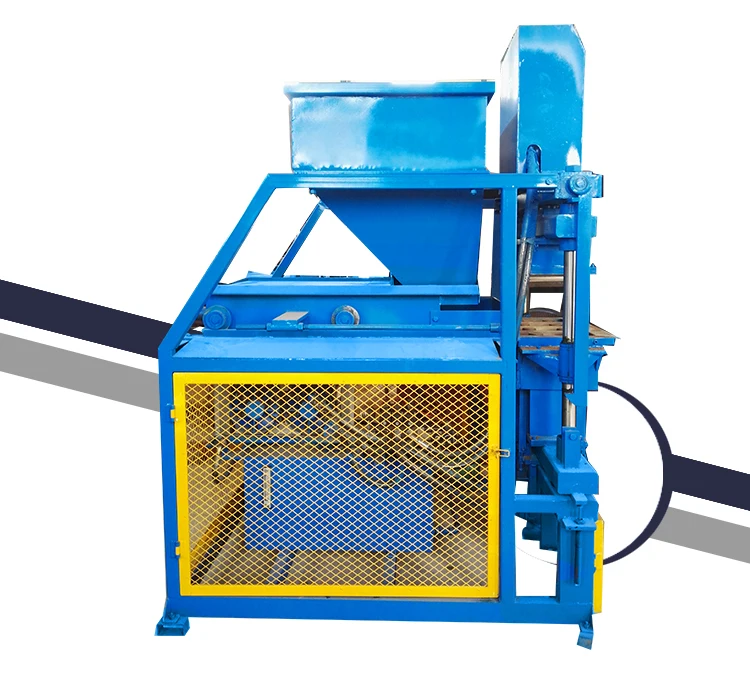

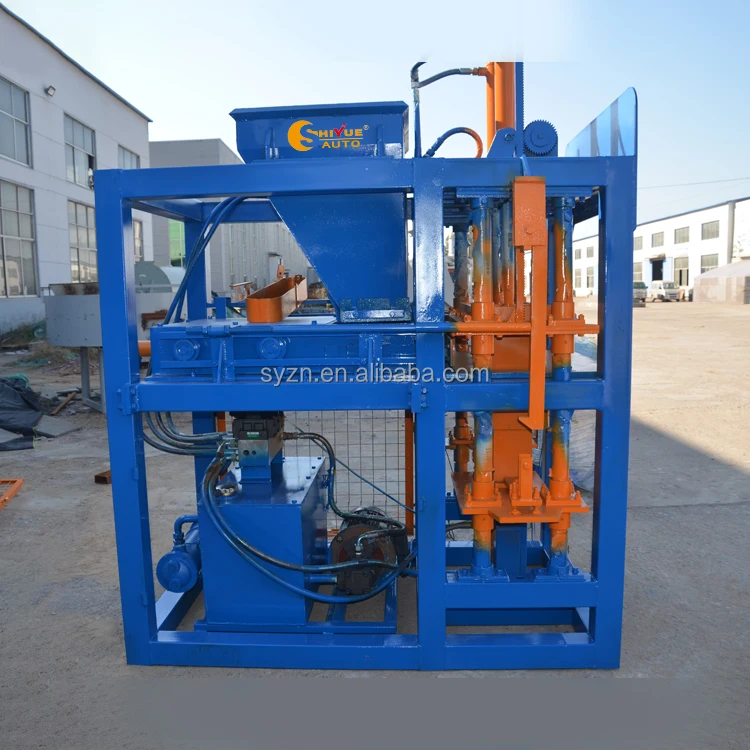
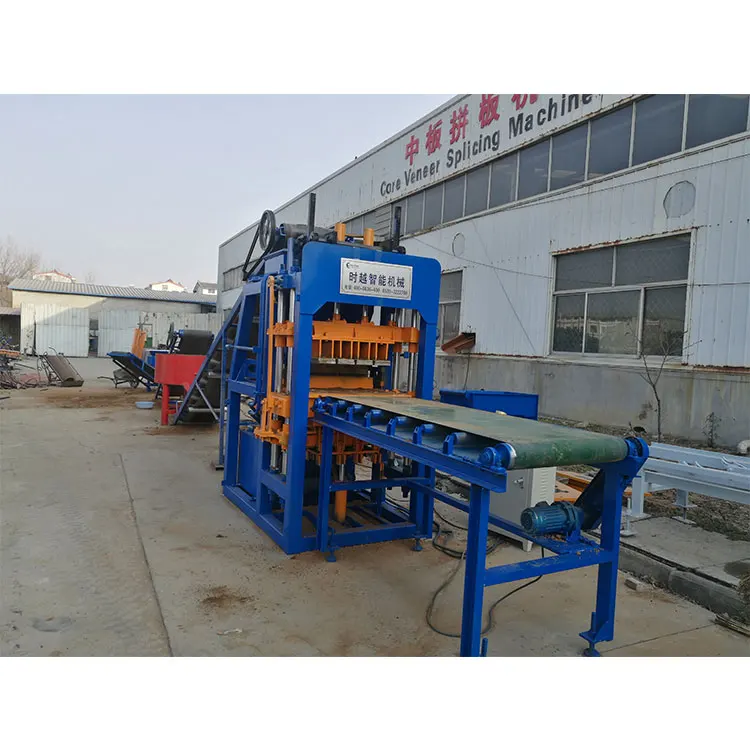

Description
Realistic Output by Brick Format — the LY4-10 is configured around your actual block design and local raw material, not a catalogue default that underperforms on the product you sell.
Technical Specifications
| Parameter | Value |
|---|---|
| Model | LY4-10 |
| Product Type | Automatic Clay Brick Making Machine |
| Molding Cycle | 10 s |
| Output Capacity | 11,520 pcs / 8 h based on 300×150×100 mm, 4 pcs per mould (basis not stated in source) |
| Rated Power | 11 kW |
| Net Weight | 1,200 kg |
| Overall Dimensions | 1,600 × 1,400 × 2,100 mm |
| Mould Format Listed | 300 × 150 × 100 mm (4 pcs / mould) |
| Raw Materials | Concrete, sand, cement, fly ash, lime, gypsum |
| Voltage | Configurable to local supply (voltage and frequency to be confirmed) |
| Automation Level | Semi-automatic operation (source value — verify against manufacturer catalog) |
Application Suitability
| Application | Material or Output |
|---|---|
| Clay brick production for masonry walls | Clay-based mixes with sand and lime |
| Ecological brick manufacturing | Fly ash, gypsum, and cement blends |
| On-site brick production for housing projects | Locally sourced sand, cement, and aggregate |
| Small-scale brick plant startup | Concrete and fly ash mixes tailored to regional demand |
Why "11,520 Bricks per Day" Can Mislead Your Planning
The number only holds when the block format, mix design, and mould match the stated basis.
I have watched buyers in West Africa and South Asia place orders based on a headline capacity figure, then discover on commissioning day that their local sand carries high clay content and the vibration parameters need a full retune. Daily output drops sharply when the mix does not match the machine’s default setting. Before we confirm an LY4-10 order, I run trial blocks with the buyer’s actual aggregate so the cycle time and pressure stay realistic. [NEED_CITE: effect of aggregate gradation on block density and cycle time]
Matching the Mould to Your Market’s Brick Format
The LY4-10 ships with a 300 × 150 × 100 mm mould producing four bricks per cycle at a stated 10-second molding cycle. If your market sells a different format — a thinner paving brick or a wider hollow block — the cycle time and pieces-per-mould figure change, and so does your real shift output. We confirm the exact brick dimensions your buyers expect before the mould goes into production. This is where honest block machine specifications start.
Vibration and Compression Working Together
Block strength depends on how vibration force and upper-mould compression combine during the pressing stage. The LY4-10 uses vertical vibration from the bed mould paired with compression vibration from the upper mould. When the mix is too dry, vibration alone cannot compact it; when the mix is too wet, compression squeezes out moisture and weakens the green brick. Dialling both forces to your specific aggregate is the difference between bricks that pass a drop test and bricks that crack on the pallet. [NEED_CITE: vibration and hydraulic pressure relationship in block forming]
Reading the Specs That Matter on Site
The 11 kW rated power tells you the electrical load the machine draws during continuous operation — plan your supply panel and dedicated breaker around that figure, not a generic workshop estimate. The 1,200 kg net weight and 1,600 × 1,400 × 2,100 mm footprint define the foundation pad you need to pour before the machine arrives; a level, cured concrete base prevents vibration energy from bleeding into soft ground. The 10-second molding cycle is achievable only when the pallet feed and raw material hopper keep pace, so upstream equipment must match that tempo. Voltage and frequency must be confirmed in writing before the control panel is wired; arriving with a 380 V / 50 Hz panel in a 415 V / 60 Hz market means weeks of rewiring.
What Wrong Configuration Choices Cost You
Ordering a machine set for a standard mix and then discovering your fly ash source has high carbon content means the vibration frequency and pressure both need adjustment — a process that can consume days of trial runs. Sizing the pallet without checking your curing rack spacing forces workers to restack by hand every shift. Skipping the voltage confirmation step has left machines sitting idle on docks while transformers are sourced locally. These are not rare edge cases; I encounter them regularly across projects in tropical and arid climates. [NEED_CITE: common commissioning delays in block machine installations]
Why Buyers Source This Machine Here
Block machinery is our single focus, which means the LY4-10 press, mould, pallet, and handling equipment are specified as one matched set rather than assembled from separate suppliers. We configure vibration and pressure against your actual mix design and local aggregate — not a generic catalogue default. Custom mould drawings are available when your market requires a brick size outside the standard range. Automation level is selectable, so you can start with semi-automatic pallet handling and add automatic stacking later as volume grows. Installation includes on-site commissioning and operator training so your crew runs the machine confidently from day one.
Documentation & Verification
- Line layout showing capacity calculation for the confirmed brick format and cycle time
- Mould drawing with dimensional tolerances and format list before production begins
- Voltage, frequency, and control language confirmation sheet signed off pre-shipment
- Factory test record pressed with your specified raw material blend
- Pallet specification matched to your curing rack spacing and forklift capacity
- Operation and maintenance manual in the operator’s working language
Installation, Commissioning & Support
- Foundation pad poured to match the 1,600 × 1,400 mm footprint before arrival
- Dedicated 11 kW circuit with confirmed voltage and frequency at the main panel
- Machine arrives dismantled for container loading; reassembly supervised on site
- First production run tuned to your local aggregate and confirmed mix ratio
- Operator training covers mould change procedure and daily vibration checks
- Wear parts list with hydraulic seals and vibration motor brushes for first reorder
What We Need to Quote Accurately
Send us the exact brick dimensions your market sells, the daily volume you plan to run, and a sample or lab report of your local sand, fly ash, or aggregate. Confirm your site voltage, frequency, and the control language your operators read. Let us know your curing area layout and the forklift you already use so pallet sizing is right the first time.
Frequently Asked Questions
Q: How is the 11,520 pieces per day figure calculated, and which brick format does it assume?
A: That number comes from a theoretical productivity table listing 300 × 150 × 100 mm bricks at four pieces per mould with a 10-second cycle. It assumes uninterrupted operation over an eight-hour shift with no downtime for pallet handling or mix adjustments. Real output depends on your confirmed brick format, mix behaviour, and upstream feed consistency. We provide a per-format capacity sheet before you commit.
Q: What mould formats are available beyond the standard size, and how long does a change take?
A: Custom moulds can be designed to your drawings for formats your local market demands — solid bricks, ecological bricks, or specialised shapes. Mould change time depends on the mould locking system fitted to your LY4-10. We confirm the changeover procedure and estimated time during the proposal stage so you know the flexibility you are buying.
Q: How do I match vibration force and pressure to my local aggregate?
A: We ask for a sample or lab analysis of your sand, fly ash, or aggregate before configuration. High-clay or high-moisture materials need different vibration amplitude and compression force than clean crushed stone. Trial blocks are pressed with your material so parameters are set before the machine ships, avoiding costly on-site retuning.
Q: What pallet size does the LY4-10 need, and will it fit my existing curing racks?
A: Pallet dimensions must match both the mould area and your curing rack spacing. We confirm pallet size, material, and thickness against your rack layout and the forklift you already operate. Getting this wrong means restacking every pallet by hand or buying new racks — an expense we help you avoid up front.