

Description
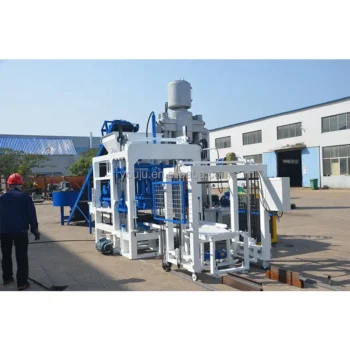
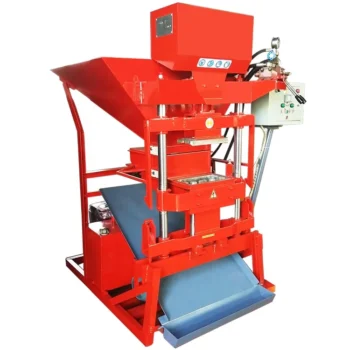
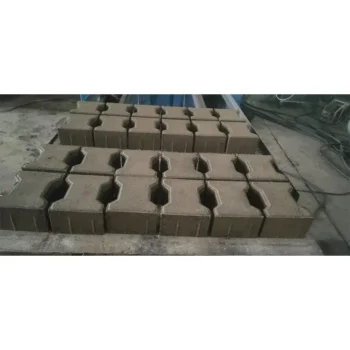
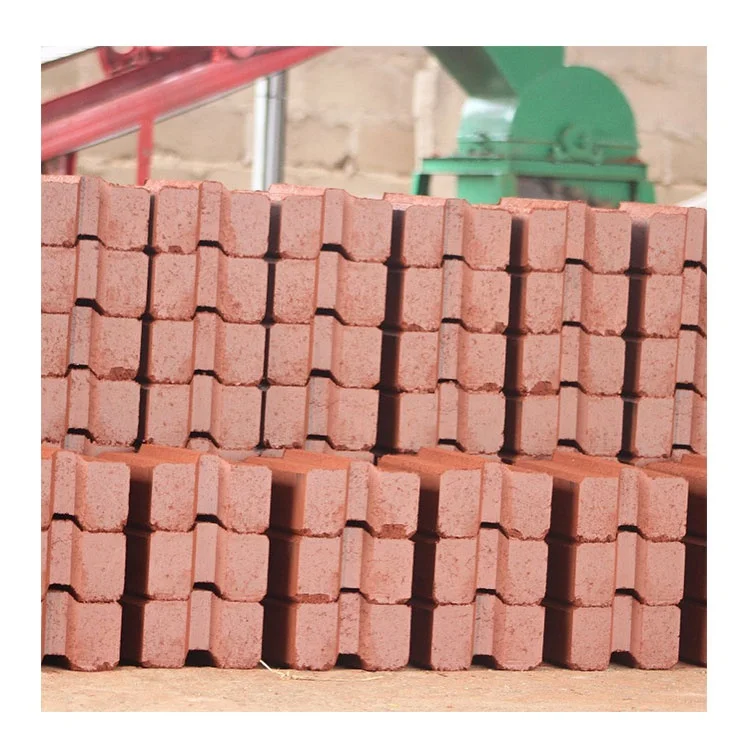
Format-Matched Capacity — the LY4-10 is configured around the exact interlocking brick profile your market demands, with cycle time and output calculated per mould rather than pulled from a generic catalogue.
Technical Specifications
| Parameter | Value |
|---|---|
| Model | LY4-10 |
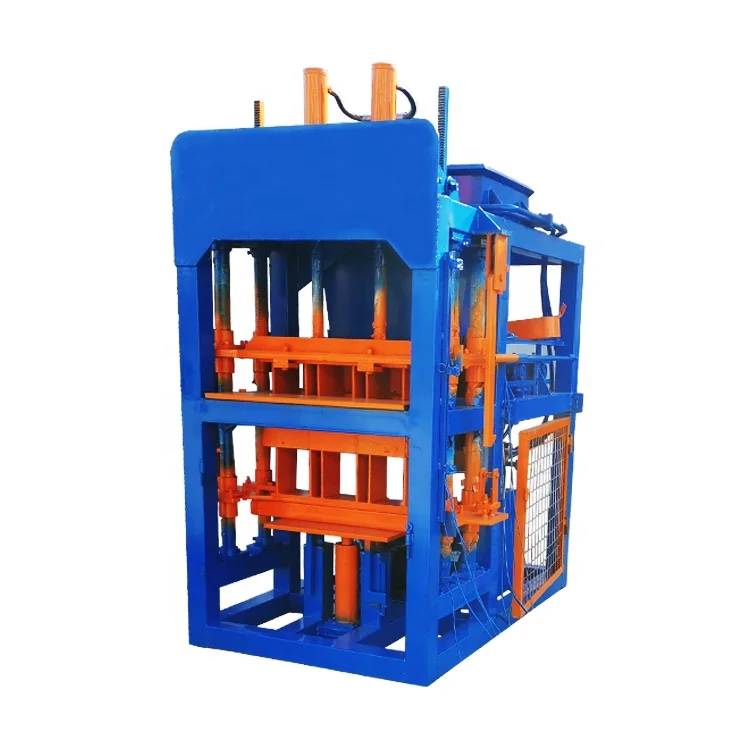
| Product Type | Automatic Soil Clay Interlocking Brick Making Machine |
| Control System | PLC controlled |
| Overall Dimensions (L×W×H) | 1600 × 1400 × 2100 mm |
| Net Weight | 1600 kg |
| Rated Power | 11 kW |
| Molding Cycle | 10 s (basis not stated in source — confirm block format, material, thickness) |
| Output Capacity | 11520 pcs/day (basis not stated in source — confirm block format, material, thickness) |
| Hydraulic System | Hydraulic pressure for brick density and strength (pressure rating not stated) |
| Mould Change | Interchangeable moulds; brick height adjustable via screw mechanism |
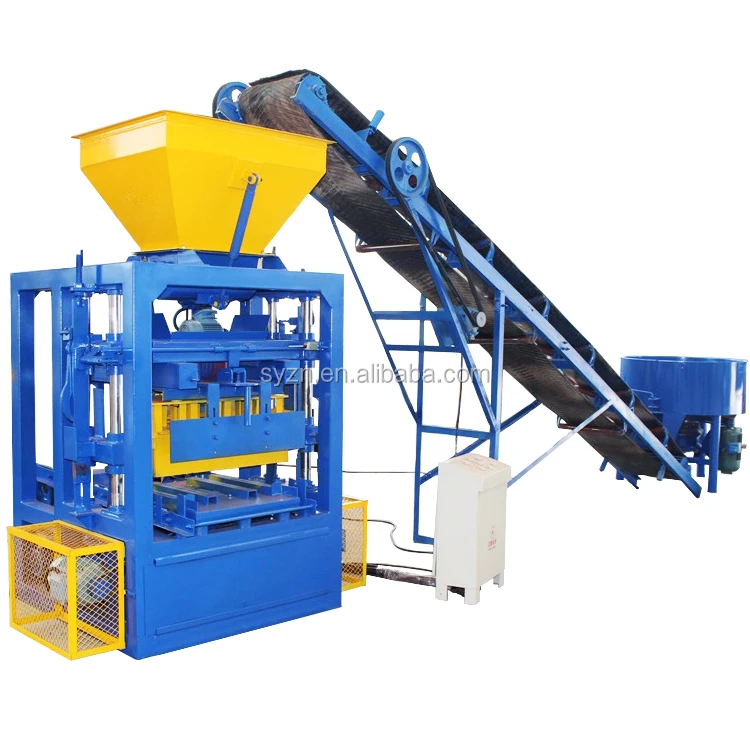
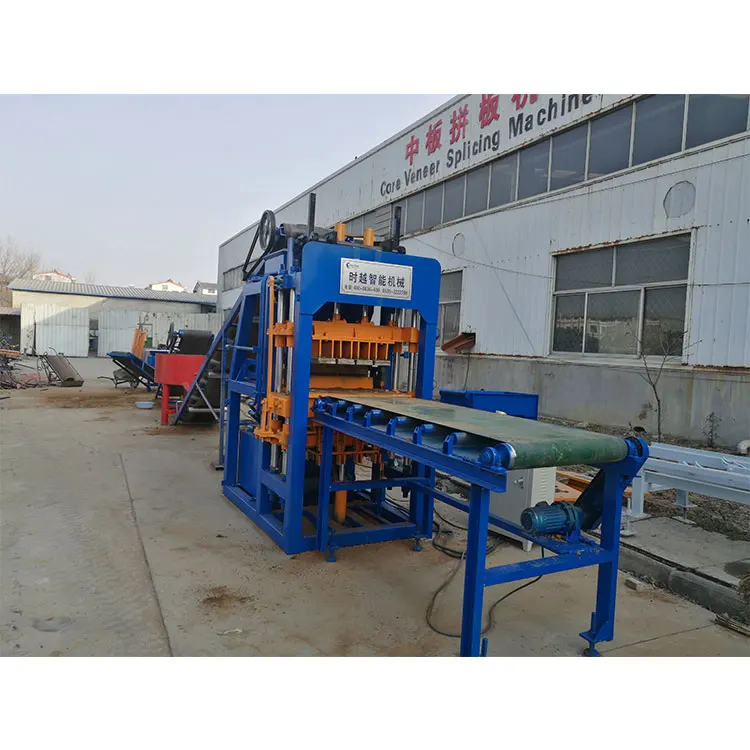
| Basic Equipment Included | JQ350 concrete mixer, 6 m conveyor belt |
| Hydraulic Oil | 70 L anti-wear hydraulic oil required |
| Gearbox Oil | 15 kg oil for mixer gearbox |
| Automation Level | Full automatic, single-operator operation |
| Voltage & Frequency | Not stated in source — confirm before commissioning |
| PLC Display Language | Not stated in source — confirm before production |
Application Suitability
| Application | Material or Output |
|---|---|
| Interlocking brick production for housing projects | Local clay, soil, and cement blends |
| On-site block making for development contractors | Soil-cement mix using available site aggregate |
| Small-plant interlocking paver manufacturing | Clay, construction dregs, and cement composites |
| Format expansion for existing concrete product lines | Alternative interlocking profiles via mould swap |
Why "11520 Pieces per Day" Means Nothing Without the Mould Drawing
The number only matters when tied to a specific interlocking format, wall thickness, and raw material blend.
Capacity figures printed in brochures routinely omit the block format behind the calculation. A standard solid interlocking brick and a thinner paving-style interlock have vastly different compaction times and demoulding behaviour. When the LY4-10 automatic soil clay interlocking brick making machine specifications are evaluated without this context, buyers end up comparing machines on a number that was never intended for their product [NEED_CITE: block format assumptions in capacity quoting practices]. I have seen this exact gap cause disputes after commissioning — the press runs, the bricks come out, but daily totals fall well below what the buyer planned their labour and logistics around. The only way to close that gap is to state which mould profile, which clay-cement ratio, and which moisture level produced the quoted figure.
Cycle Time Is a Mould Decision, Not a Machine Constant
The 10-second moulding cycle listed for the LY4-10 applies under conditions that must be verified against your chosen interlocking profile. Deeper interlock cavities require longer vibration to fully compact the soil-cement mix into the corners. Thinner brick formats may release faster but demand tighter moisture control to avoid edge cracking during demoulding. The automatic soil clay interlocking brick making machine specifications should therefore be read alongside a per-format cycle chart before any daily output commitment is made.
Matching Local Clay to the Press Parameters
Clay plasticity and moisture content change everything about how the hydraulic system and vibration interact with the material. A high-plasticity clay holds shape well at lower pressure but may stick to the mould box if moisture exceeds the mix design window. The LY4-10 uses hydraulic pressure to guarantee brick density, but that pressure must be matched to the actual soil sample the buyer intends to run [NEED_CITE: soil-cement stabilisation guidelines for interlocking block production]. Skipping this validation step is how projects arrive on site with a machine that produces beautiful bricks from the factory test aggregate and fractured, under-density bricks from the local pit.
Reading the Specification Sheet Against Real Production Conditions
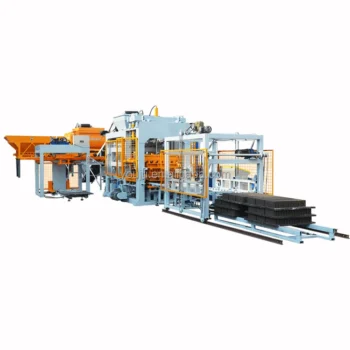
Several parameters on the LY4-10 deserve attention beyond the headline numbers. The 11 kW rated power covers both the hydraulic pump and the vibration motor, meaning continuous production in hot climates may push thermal limits if the hydraulic oil cooling is undersized. The 1600 × 1400 × 2100 mm footprint is compact for an automatic press, but the full assembly — crusher, screen, JQ350 mixer, and 6 m conveyor — requires considerably more floor space on site. The 70-litre hydraulic oil capacity and 15 kg mixer gearbox oil are consumables that must be sourced locally before first start-up. Voltage and frequency are not stated in the source data, which means the buyer must confirm the electrical specification before the machine enters production to avoid rewinding motors or replacing control transformers after arrival.
The Cost of Skipping Raw Material Validation
When a buyer orders based on catalogue output without testing local clay, the consequences compound quickly. The press cycles normally, but demoulding failures rise, pallet cleaning intervals shorten, and rejected bricks accumulate faster than the line can sort them. Labour that was budgeted for stacking and curing ends up reworking broken product. In the worst cases, the buyer has to reformulate the mix entirely, sourcing different additives or blending in sand that was not part of the original project budget [NEED_CITE: field reports on clay variability in interlocking brick projects]. All of this was preventable with a sample test and a confirmed moulding cycle per format before the purchase order was signed.
Why Specification Alignment Matters Here
Block machinery is our single focus, so the LY4-10 is specified as a matched system — press, JQ350 mixer, conveyor, and moulds — rather than assembled from unrelated suppliers. Machine configuration is set against the buyer’s actual clay sample, target interlocking profile, and site conditions, not a default catalogue setting. Mould design covers the interlocking formats the buyer’s market sells, including custom profiles from buyer-supplied drawings. Automation is full automatic on the LY4-10, allowing single-operator production from the start, with no forced upgrade path. Installation includes on-site assembly of the machine, crusher, screen, mixer, and conveyor with operator training on the specific formats being produced.
Documentation & Verification
- Capacity calculation document stating the interlocking brick format and dimensions assumed for the output figure
- Mould drawing and format list confirming available interlocking profiles and the screw-adjustment height range
- Voltage, frequency, and PLC display language confirmation sheet signed off before production begins
- Factory test record using the buyer’s submitted clay-cement sample and target block dimensions
- Hydraulic and electrical schematic with oil specification and circuit ratings for local maintenance teams
Installation, Commissioning & Support
- On-site assembly of the LY4-10 press, crusher, screen, JQ350 mixer, and 6 m conveyor by trained technicians
- Foundation and curing area layout matched to the 1600 × 1400 mm machine footprint and pallet flow requirements
- Electrical connection verified against the confirmed voltage and frequency before the 11 kW motor is energised
- First-run parameter tuning using the buyer’s local clay-cement mix to validate the moulding cycle and brick density
- Single-operator training covering PLC controls, mould change procedure, and screw-adjustable brick height setting
- Wear parts list and hydraulic oil specification provided for local sourcing of the 70 L anti-wear oil supply
What to Include With Your Enquiry
Provide the interlocking brick profile your market buys most — include dimensions, interlock depth, and whether the face is smooth or textured. Send a sample of the local clay or soil you intend to use, along with the cement brand and ratio you plan to run. Confirm your site voltage, frequency, and preferred PLC display language so the automatic soil clay interlocking brick making machine specifications can be locked before production.
Frequently Asked Questions
Q: The 11520 pcs/day figure — which interlocking brick format is it based on?
A: That number requires confirmation. Output depends on the specific mould profile, brick thickness, and clay-cement mix used during the calculation. We provide a per-format capacity document showing the cycle time and daily total for your chosen interlocking design so there is no ambiguity at commissioning.
Q: Which interlocking mould profiles are available, and can you build from my drawings?
A: Standard interlocking profiles are available for common housing and paving formats. Custom moulds can be manufactured from buyer-supplied drawings, including non-standard cavity depths and surface textures. A mould drawing and format list is issued for approval before tooling enters production.
Q: How long does a mould change take, and what tools are needed?
A: The LY4-10 uses a screw-adjustable brick height mechanism and interchangeable mould boxes. Changeover requires basic hand tools and is designed for a single operator. The exact procedure and estimated time are documented in the operation manual and covered during on-site training.
Q: How is the clay-cement mix validated before the machine ships?
A: We request a sample of the buyer’s local clay or soil and the intended cement ratio. A factory test runs that exact mix through the LY4-10 to confirm compaction, demoulding behaviour, and block density. Results are recorded and shared before the machine is cleared for dispatch.
Q: What voltage and PLC language will the machine arrive with?
A: Voltage, frequency, and PLC display language are not preset to a default. Each is confirmed with the buyer before production begins, and a written confirmation sheet is included in the documentation package so there are no electrical or interface surprises at installation.