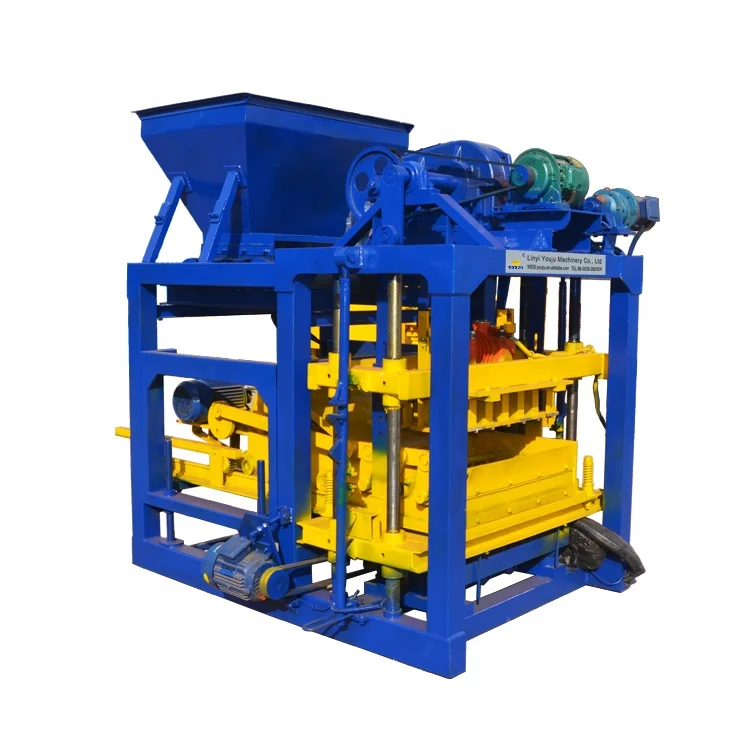
Description
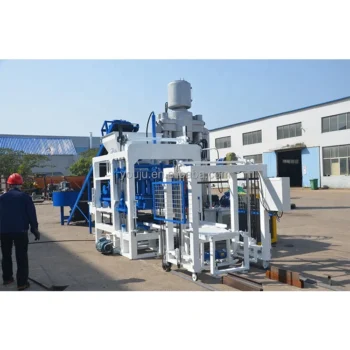
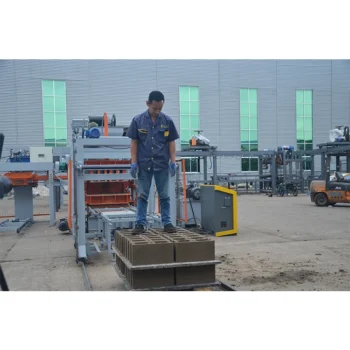
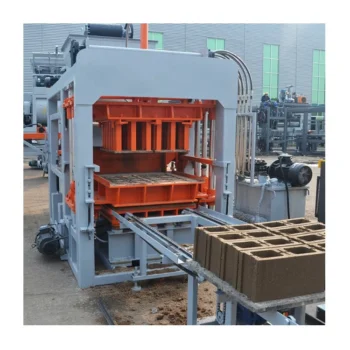
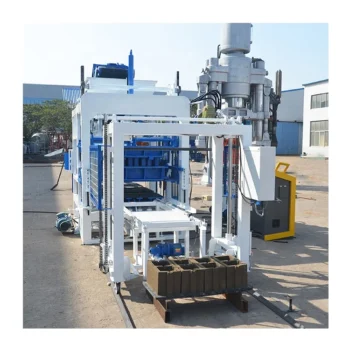
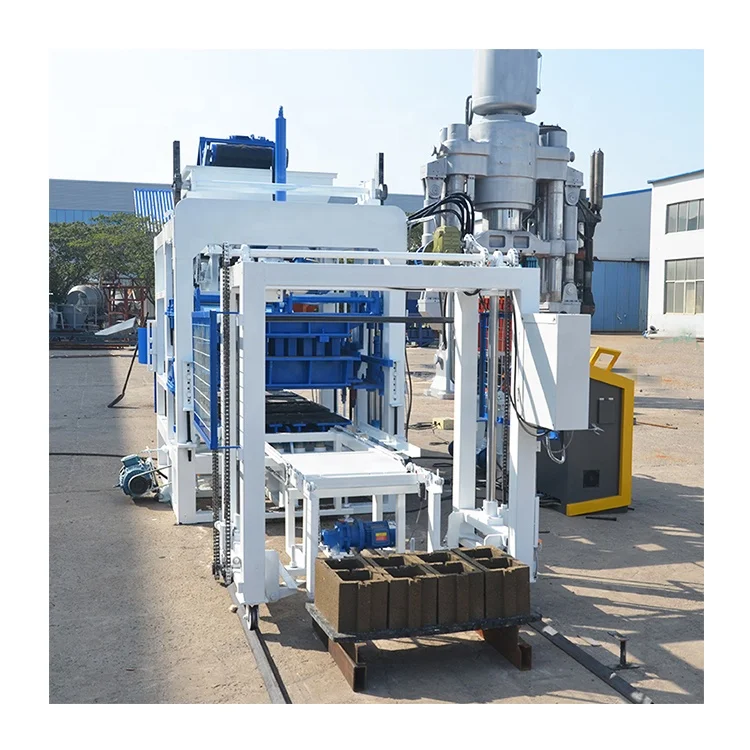
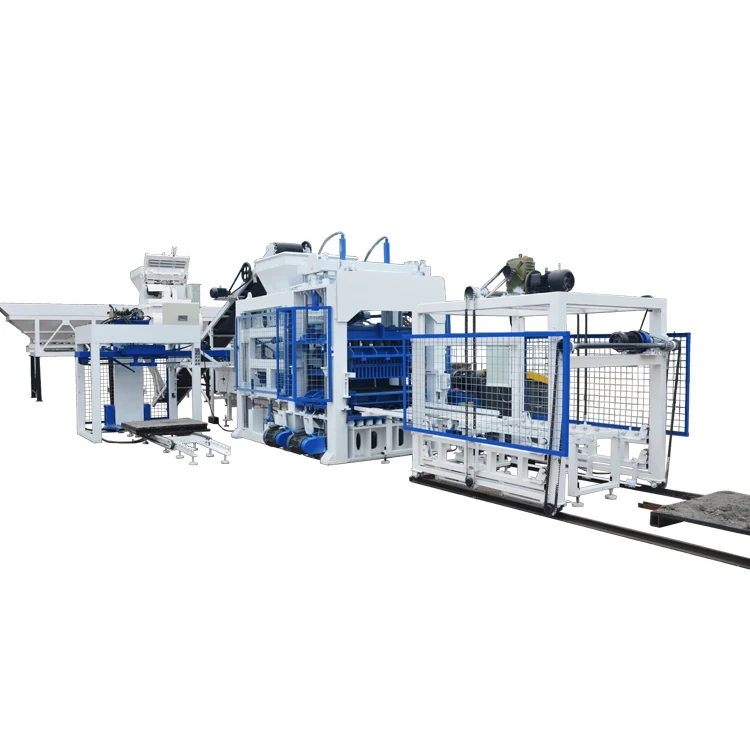
Matched System Design — the QTJ4-25 block machine, moulds, and pallets are specified together against your local aggregate and target format rather than shipped as standalone components.
Technical Specifications
| Parameter | Value |
|---|---|
| Model | QTJ4-25 |
| Product Type | Automatic Concrete Block Making Machine |
| Overall Dimensions (L×W×H) | 3000×1800×2680 mm |
| Vibration Force | 60 kN |
| Main Vibration Form | Platform Vibration |
| Vibration Frequency | 2800–4500 r/min |
| Pallet Size | 850×480 mm |
| Molding Cycle | 25 s (basis to be confirmed per format) |
| Overall Power | 16.58 kW |
| Total Mass | 3.5 T |
| Demolding Method | Mechanical |
| Recommended Factory Area | 300 m² |
| Output Capacity | 580 pcs/h based on 400×200×200 mm hollow block (4 pcs/mould) |
| Output Capacity | 1400 pcs/h based on 240×115×90 mm multi-cellular brick (9 pcs/mould) |
| Output Capacity | 3300 pcs/h based on 240×115×53 mm solid brick (21 pcs/mould) |
| Daily Output | 4640 pcs/day (8 h, 400×200×200 mm hollow block) |
| Daily Output | 11200 pcs/day (8 h, 240×115×90 mm brick) |
| Daily Output | 26400 pcs/day (8 h, 240×115×53 mm solid brick) |
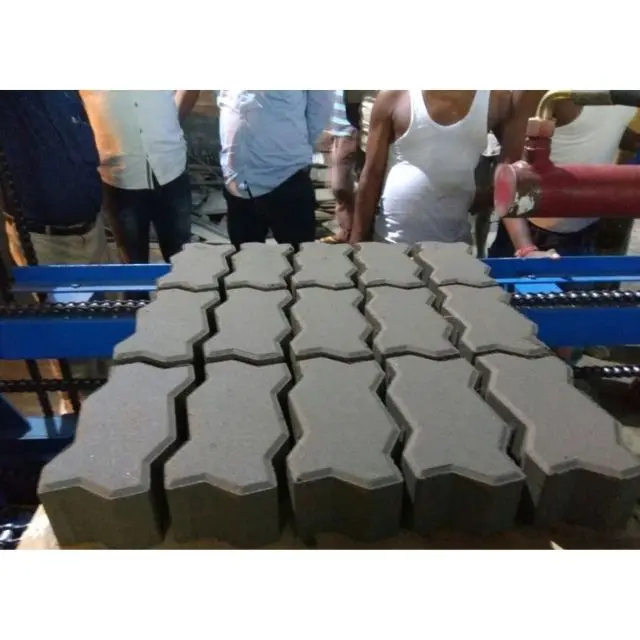
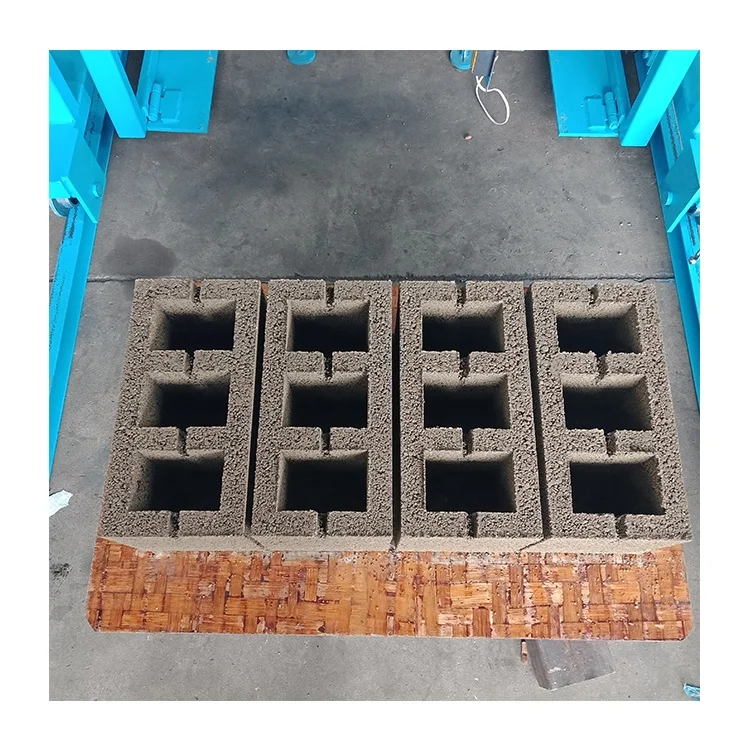
| Mould Format Options | Hollow block, solid brick, porous block, paver, interlocking block (exchangeable) |
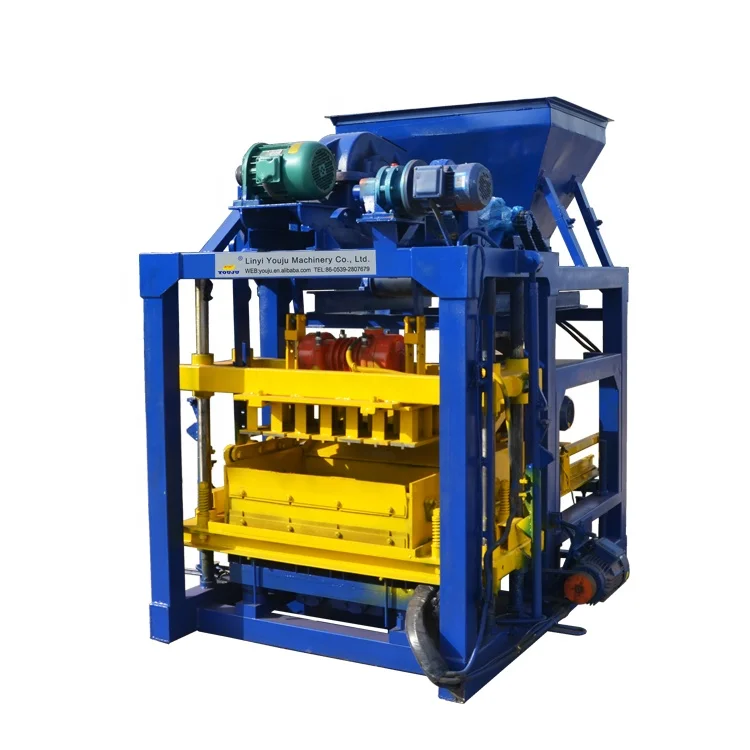
| Guide Column | Four-column with overlong guide design |
| Frame Material | National standard manganese steel, chrome-plated |
| Automation Level | Semi-automatic (mechanical demolding, platform vibration, manual pallet handling implied) |
| Voltage & Frequency | Not specified in source (confirm with buyer site) |
| Control System | Not specified in source (confirm PLC / manual panel) |
| Warranty | 1 year for whole machine (excluding spare parts) |
Application Suitability
| Application | Material or Output |
|---|---|
| Hollow block production for wall construction | Crushed stone, sand, cement, fly ash, gravel, slag |
| Solid brick manufacturing for load-bearing structures | Cement, dust, crushed stone aggregates |
| Paver and interlocking block production for landscaping | Cement, sand, colored pigments, fine aggregates |
| On-site block production for contractors | Locally sourced sand, gravel, cement blends |
What the QTJ4-25 Block Machine Specifications Leave Out About Real Capacity
A cycle time of 25 seconds only applies when the mix design, aggregate grading, and block format are all matched to the machine’s vibration profile.
Catalogue sheets often quote a single hourly number without stating which block format it assumes. I have seen buyers in the Middle East order machines based on a headline figure, only to find that the local sand — higher in clay content than the factory test material — extends the actual molding cycle well beyond the stated time. The result is daily output that barely reaches half the expected volume, and a construction site left waiting for bricks. When evaluating QTJ4-25 block machine specifications, the honest question is not "how many pieces per hour" but "how many pieces of my specific block format, with my local raw materials." [NEED_CITE: impact of aggregate grading and moisture on concrete block cycle time]
Mould Format and Honest Daily Output
The QTJ4-25 supports exchangeable moulds across hollow blocks, solid bricks, porous blocks, pavers, and interlocking formats. Each format carries its own cycle time and pieces-per-mould count, so daily output varies substantially. A buyer producing 400×200×200 mm hollow blocks at 4 pieces per mould sees a different throughput than one running 240×115×53 mm solid bricks at 21 pieces per mould. Stating the QTJ4-25 block machine specifications per format prevents the mismatch between quoted capacity and actual production.
Vibration Force and Block Density Matching
The platform vibration system delivers 60 kN across a frequency range of 2800–4500 r/min, with dual motors beneath the vibration table and one on the upper mould. This arrangement compacts the concrete mix from both directions, which matters when the target block demands consistent wall thickness and compressive strength. If the local aggregate is coarse or poorly graded, the vibration profile must be adjusted — otherwise blocks emerge with uneven density and fail strength testing. [NEED_CITE: relationship between vibration frequency and concrete compaction density]
Reading the Core QTJ4-25 Block Machine Specifications for Production Decisions
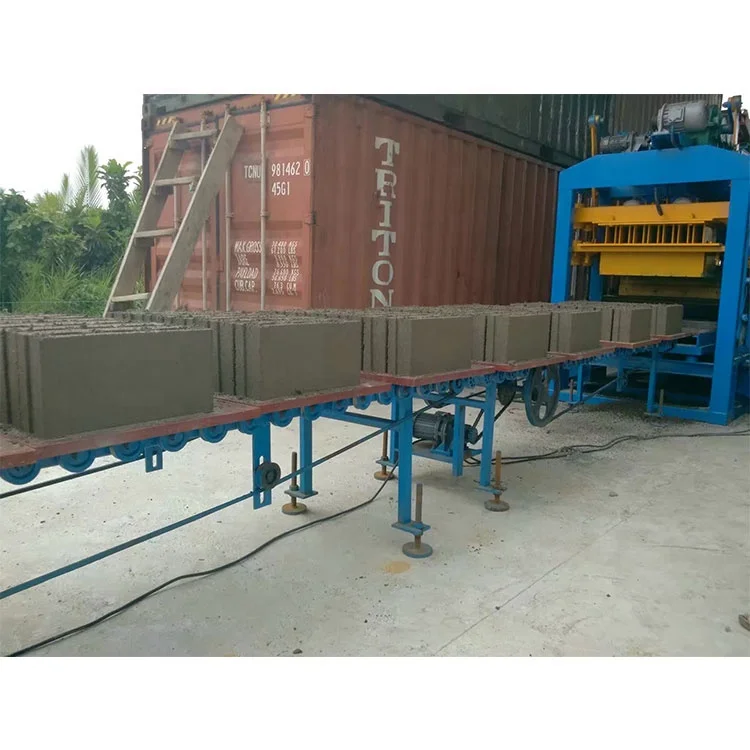
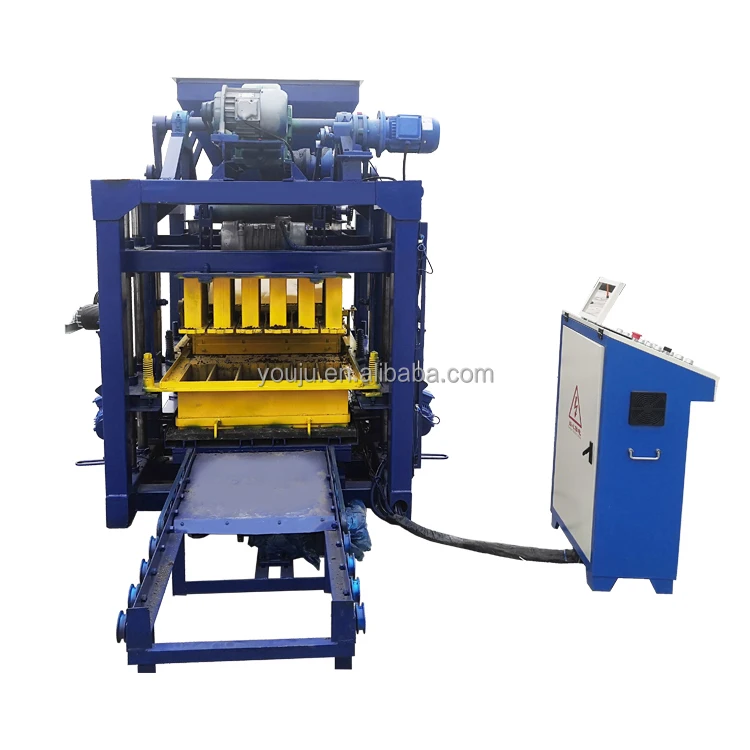
The 850×480 mm pallet size determines how many blocks are produced per cycle and how the output moves through curing. Buyers must check this dimension against the forklifts and curing racks already on site; a pallet that does not match existing handling equipment creates a bottleneck after the press. The 16.58 kW overall power rating requires a dedicated circuit with correct voltage and frequency — parameters not pre-set at the factory and confirmed only after the buyer provides site electrical data. The four-column overlong guide design with chrome-plated manganese steel resists wear during repeated demolding, maintaining block dimensional accuracy over extended production runs. The 300 m² recommended factory area accounts for the press, raw material storage, and pallet circulation but does not include curing yard space.
The Hidden Cost of Ignoring Pallet and Voltage Alignment
When pallet size is chosen without checking the buyer’s curing area layout, blocks pile up on the production floor because forklifts cannot stack them efficiently. Similarly, when voltage and frequency are assumed rather than confirmed before production, the machine arrives and cannot run until a transformer or frequency converter is sourced locally — sometimes delaying commissioning by weeks. These are not engineering failures but specification gaps that surface only after delivery. I have watched machines sit idle on site because the control panel language was not confirmed and operators could not read the fault codes. [NEED_CITE: common causes of delayed commissioning for imported industrial machinery]
Why Source the QTJ4-25 Through a Format-Matched Approach
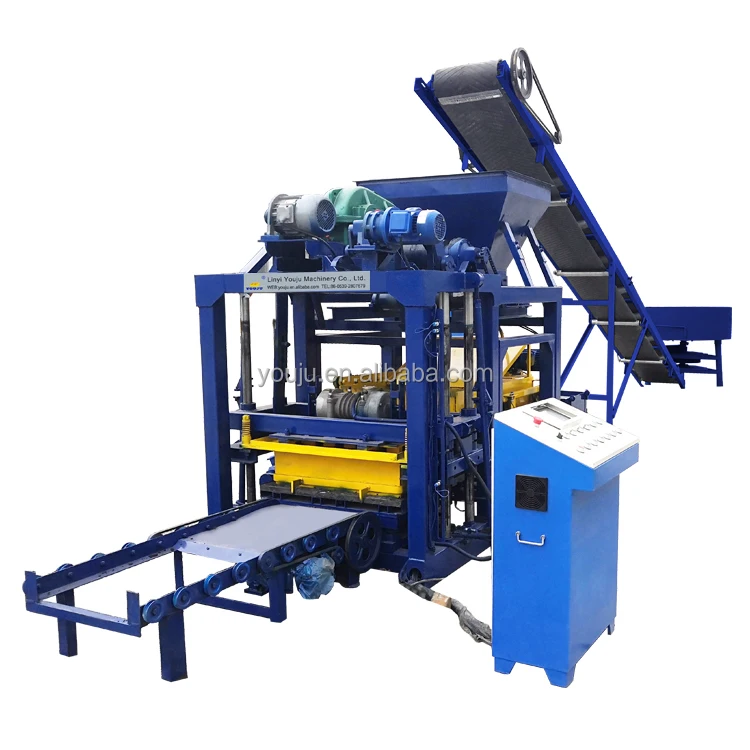
The machine, mould, pallet, and handling equipment are specified as one system, not assembled from separate catalogue pages. Configuration is set against the buyer’s actual mix design and local aggregate, not a default test condition. Mould design covers the formats the buyer’s market actually sells, including custom drawings when standard formats do not fit. The automation level is selectable — a buyer can begin with mechanical demolding and manual pallet handling, then add automatic stacking later. Factory test records document the cycle time and block quality using a mix profile agreed with the buyer before shipment.
Documentation & Verification
- Capacity calculation sheet stating output per block format with cycle time assumptions
- Mould drawing and format list covering every exchangeable mould included
- Voltage, frequency, and control panel language confirmation before production starts
- Hydraulic and electrical schematic matching the as-built machine configuration
- Factory test record on the buyer’s agreed mix design and target block format
- Packing photographs and customs documentation support for smooth clearance
Installation, Commissioning & Support
- Foundation must accommodate 3000×1800 mm footprint and 3.5 T total mass with vibration isolation
- Dedicated electrical circuit sized for 16.58 kW overall power with confirmed voltage and frequency
- Machine shipped partially dismantled; reassembly includes guide column alignment and vibration table leveling
- First production run verifies cycle time per block format using buyer’s local raw material sample
- Operator training covers mould change procedure, vibration frequency adjustment, and mechanical demolding sequence
- Wear parts list provided with recommended replacement intervals for guide columns and vibration motor mounts
Preparing a Meaningful Inquiry
To get a QTJ4-25 configuration that matches your site, send the target block format and dimensions, the daily output you need for that specific format, and a sample or description of your locally available sand and aggregate. Include your site voltage, frequency, and preferred control panel language so the machine leaves the factory ready to run. If you already have pallets, forklifts, or curing racks on site, share those dimensions so the pallet specification aligns with your existing handling setup.
Frequently Asked Questions
Q: How is the QTJ4-25 capacity calculated per block format?
A: Each output figure is based on a specific block dimension and pieces-per-mould count. For example, 580 pieces per hour applies to 400×200×200 mm hollow blocks at 4 per mould. Different formats yield different hourly and daily totals, so the capacity calculation sheet states the assumed format alongside every number.
Q: Which mould formats can the QTJ4-25 produce, and how long does a change take?
A: Exchangeable moulds cover hollow blocks, solid bricks, porous blocks, pavers, and interlocking formats. Mould change time depends on the on-site procedure and tools available. Request the documented change procedure so you can plan shift scheduling around format switches.
Q: How should the machine be configured for my local aggregate?
A: Send a raw material sample or detailed description of your locally available sand and crushed stone. The vibration frequency and compaction profile are then matched to your specific mix design, ensuring consistent block density and strength rather than relying on a generic factory default.
Q: What pallet size does the QTJ4-25 require and why does it matter?
A: The machine uses 850×480 mm pallets. This dimension must match your curing rack spacing and forklift capacity. If your existing equipment was sized for a different pallet, handling bottlenecks will appear after the press, reducing actual daily output below the rated figure.
Q: What documentation arrives with the machine before shipment?
A: The documentation package includes a capacity calculation sheet per block format, mould drawings, electrical and hydraulic schematics, voltage and language confirmation records, and a factory test record run on your agreed mix profile.