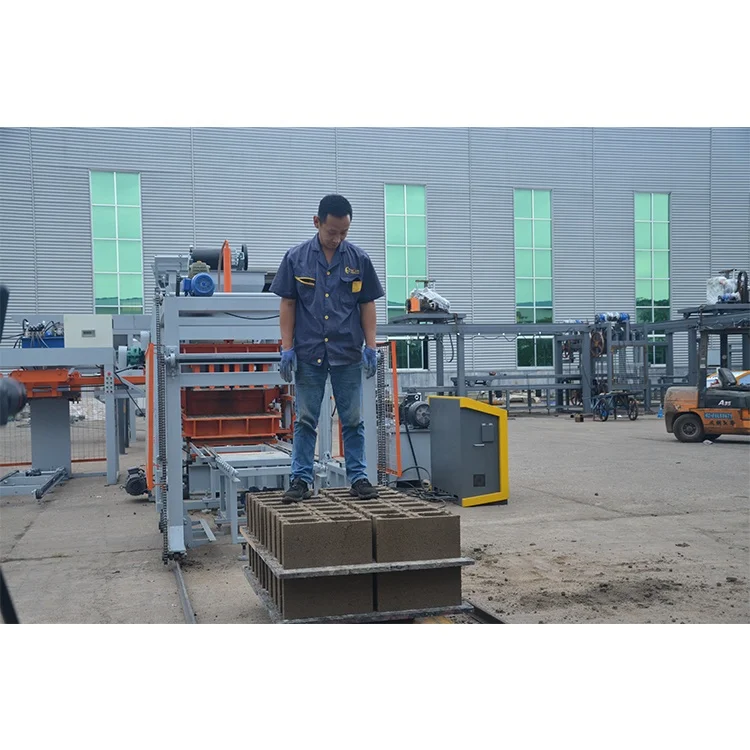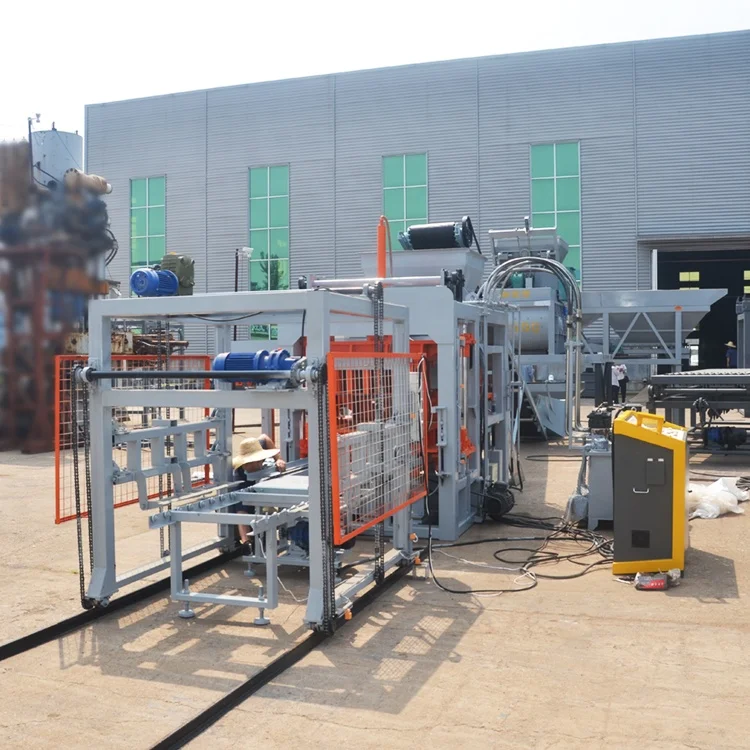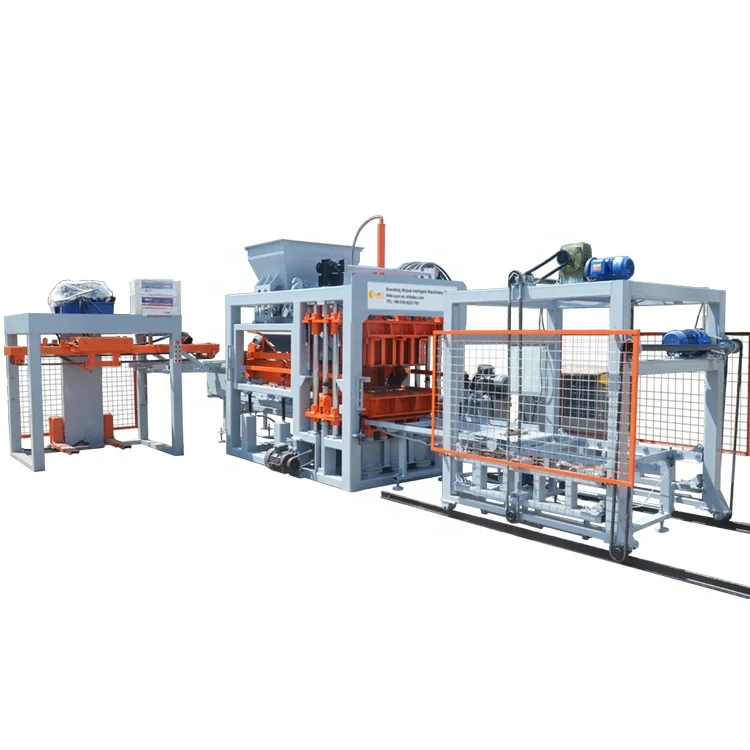
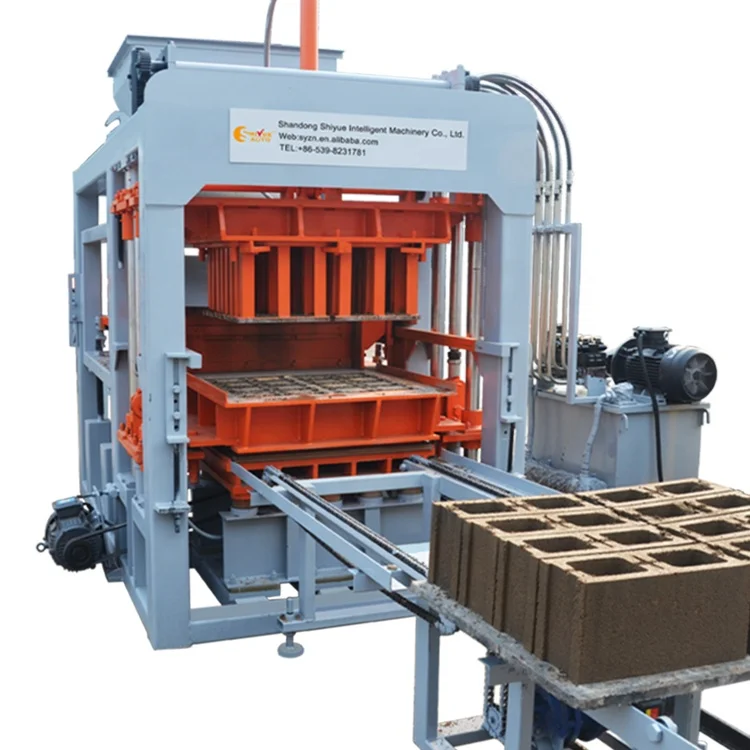

Description
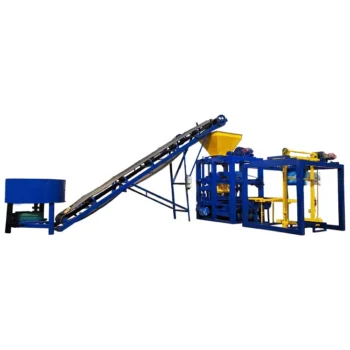
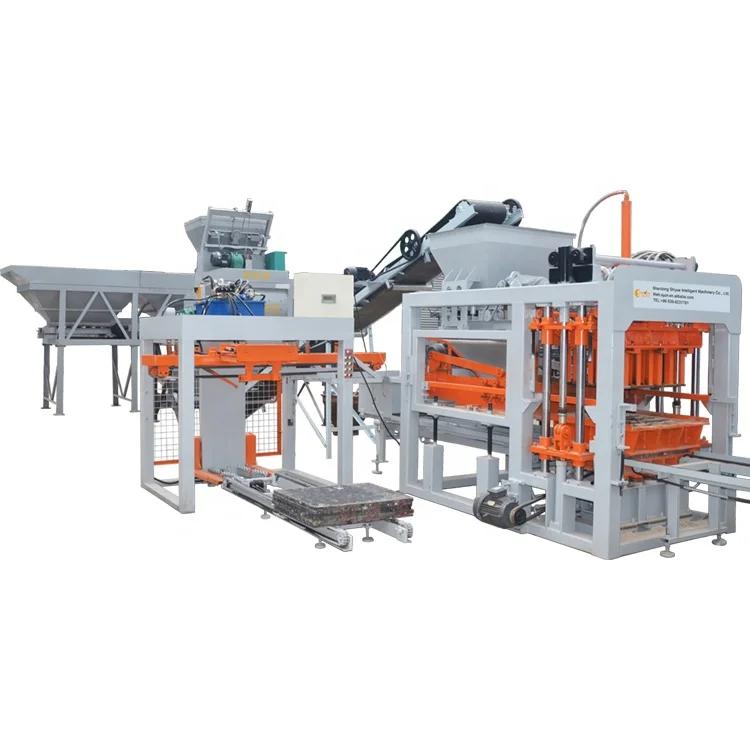
Matched system design — the QT6-15 is configured as a complete press, mould, pallet and handling package rather than a standalone machine, so cycle time and block strength align with your actual mix design and target format.
Technical Specifications
| Parameter | Value |
|---|---|
| Model | QT6-15 |
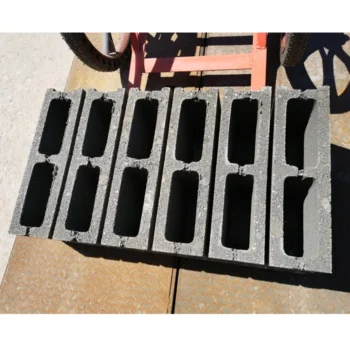
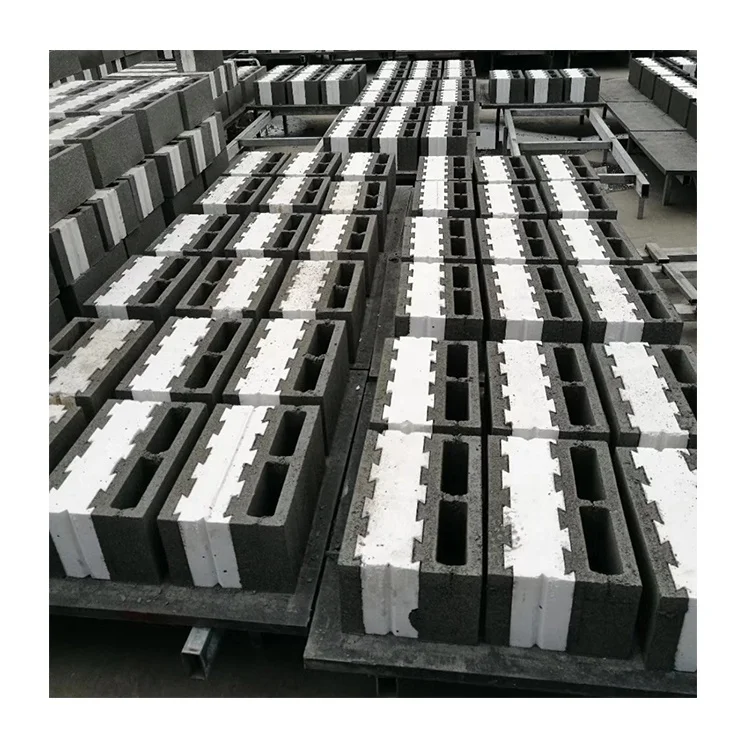
| Product Type | Hollow Brick Making Machine |
| Overall Dimensions | 8200×1700×2950 mm |
| Vibration Frequency | 0-60 Hz |
| Vibration Form | Platform Vibration |
| Moulding Mode | Automatic loading, vibration moulding |
| Pallet Size | 880×850 mm |
| Molding Cycle | 15-20 s (hollow block / solid brick); 20-25 s (paving brick formats) |
| Overall Power | 37 kW |
| Vibration Force | 45 kN |
| Total Mass | 7 T |
| Demolding Method | Hydraulic |
| Recommended Factory Area | 1200 m² |
| Control System | PLC with touch screen HMI, fault diagnosis system, safety interlock logic |
| Block Compressive Strength | >15 MPa |
| Hydraulic System | Independent integrated hydraulic station (isolated from dust and main machine vibration) |
| Output Capacity (Hollow block 400×200×200 mm) | 1,080–1,440 pcs/h | 8,640–11,520 pcs per 8 hr shift (basis: 6 pcs/mould, 15-20 s cycle) |
| Output Capacity (Hollow block 400×150×200 mm) | 1,440–1,920 pcs/h | 11,520–15,360 pcs per 8 hr shift (basis: 8 pcs/mould, 15-20 s cycle) |
| Output Capacity (Solid brick 240×115×53 mm) | 5,760–7,680 pcs/h | 46,080–61,440 pcs per 8 hr shift (basis: 32 pcs/mould, 15-20 s cycle) |
| Output Capacity (Rectangular paving brick 200×100×60 mm) | 2,160–2,880 pcs/h | 17,280–23,040 pcs per 8 hr shift (basis: 21 pcs/mould, 20-25 s cycle) |
| Output Capacity (Zigzag paving brick 225×112.5×60 mm) | 2,160–2,880 pcs/h | 17,280–23,040 pcs per 8 hr shift (basis: 15 pcs/mould, 20-25 s cycle) |
| Raw Material Adaptability | Waste ash, slag, and other aggregates; cement dosage adjustable |
| Automation Level | Automatic (PLC controlled, automatic loading and demoulding) |
| Mould Change Time | (basis not stated in source — confirm with supplier) |
| Voltage & Frequency | (basis not stated in source — confirm before commissioning) |
| PLC Display Language | (basis not stated in source — confirm target language) |
| Stacking Method | (basis not stated in source — confirm whether manual or automatic stacking is included) |
Application Suitability
| Application | Material or Output |
|---|---|
| Hollow block production for wall construction | Crushed stone, sand, fly ash, slag and cement blends |
| Solid brick manufacturing for load-bearing structures | Dense aggregate mixes with adjustable cement dosage |
| Rectangular paving brick laying for walkways and yards | High-strength concrete with fine aggregate grading |
| Interlocking zigzag paving for driveways and plazas | Interlocking profile moulds with standard concrete mixes |
| On-site block production for housing projects | Locally sourced waste ash and slag with cement binder |
What "Pieces per Hour" Leaves Out About the QT6-15
A single headline capacity figure hides the format, mould cavity count and cycle time that actually determine your daily output.
Many quotations list one output number for a hollow brick making machine without disclosing whether it refers to a 400×200×200 mm block at six per mould or a smaller format at a faster cycle. I have watched buyers sign contracts expecting a certain daily tonnage, only to discover on commissioning day that the quoted figure assumed a block size their market does not buy. The QT6-15 hollow brick making machine specifications break output down per format — from 8,640 pieces per shift for large hollow blocks up to 61,440 for standard solid bricks — so you can match the number to the product you actually sell [NEED_CITE: block format demand by regional construction market].
Cycle Time Varies by Block Format, Not Just by Machine
The QT6-15 runs a 15-20 second cycle for hollow blocks and solid bricks but shifts to a 20-25 second cycle for paving brick formats. This difference matters because paving bricks require longer vibration to compact the denser mix and achieve the surface finish buyers expect. When you plan daily output, the paving brick figure will always sit below the hollow block figure on the same machine, and that is by design rather than a shortfall.
Mould Cavity Count Drives the Real Multiplier
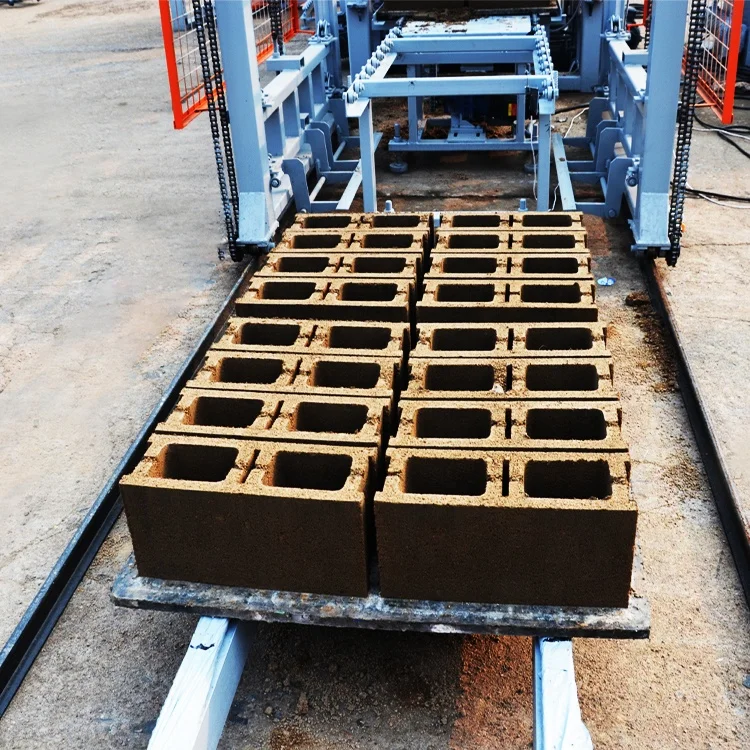
A 400×200×200 mm hollow block mould carries six cavities on the 880×850 mm pallet, while a 240×115×53 mm solid brick mould fits thirty-two cavities on the same pallet. The hollow brick making machine specifications therefore show a wide output range — not because the press runs faster, but because more cavities fill each cycle. Always ask which cavity count sits behind any capacity claim before you size your curing area and raw material supply.
Vibration Force and Mix Design Must Agree
The platform vibration system delivers up to 45 kN at an adjustable 0-60 Hz frequency. This range lets the operator tune the press to different aggregate types — from coarse crushed stone to fine fly ash blends. I once saw a mid-tier block machine produce inconsistent strength because the vibration frequency was set for river sand while the plant was actually using volcanic scoria. Matching the hollow brick making machine specifications to your local aggregate avoids that trap [NEED_CITE: effect of aggregate density on vibration tuning].
Hydraulic Isolation and Consistent Demolding
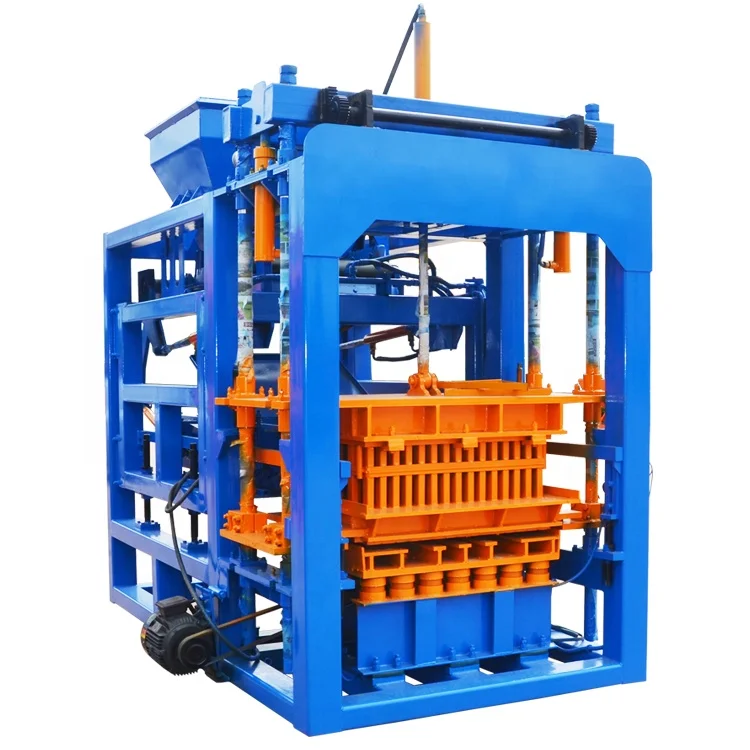
The QT6-15 mounts its hydraulic station as an independent unit physically separated from the main press frame. Dust and vibration from the moulding table cannot reach the valve block, which keeps oil cleanliness higher and seal life longer. Consistent hydraulic pressure means the demolding stroke repeats within tight tolerances, protecting block edges and reducing breakage at the pallet transfer point. This layout is one of the hollow brick making machine specifications that directly affects long-term maintenance intervals.
Choosing the Wrong Pallet Size Creates a Hidden Bottleneck
The 880×850 mm pallet dimension dictates how many blocks fit per cycle, but it also determines whether your existing curing racks and forklifts can handle the output. A pallet that is too wide for your rack slots forces you to rebuild the curing area before the first production run. A pallet material that swells in high humidity warps under load, causing block thickness variation. Confirming pallet compatibility against your site conditions is part of sizing the line correctly [NEED_CITE: pallet material behaviour in tropical curing environments].
Why Procurement Here Reduces Configuration Risk
Machine, mould, pallet and handling are specified as one matched system rather than assembled from separate suppliers, so the 37 kW power draw, the 45 kN vibration force and the pallet dimensions are all validated together before the press ships. Configuration is set against the buyer’s actual mix design and target block format, not pulled from a catalogue default. Mould drawings are provided for every format the buyer’s market sells, including custom profiles. Automation level is selectable, so a plant can start with the standard automatic loading and demoulding package and add stacking later. Factory test records document the exact block format and cycle time achieved before the machine is crated.
Documentation & Verification
- Line layout showing capacity calculation stated per block format for the QT6-15
- Mould drawing and format list covering hollow, solid and paving profiles
- Hydraulic and electrical schematic matching the shipped configuration
- Voltage, frequency and PLC display language confirmation sheet
- Factory test record with cycle time measured on your target block format
- CE declaration and packing photographs for customs and insurance
Installation, Commissioning & Support
- Foundation plan sized for the 8200×1700 mm footprint and 7 T operating mass
- Dedicated power circuit rated for the 37 kW total load at confirmed voltage
- Hydraulic station pre-filled and leak-tested before dispatch, topped up on site
- PLC touch screen set to target language and fault diagnosis logic verified at startup
- Mould change procedure trained with your operators on the formats you will produce first
- Wear parts list identifying hydraulic seals and vibration table bearings for initial stocking
What to Prepare Before Requesting a Quote
Provide the exact block formats you sell, the daily volume you need for each, and a sample of your local aggregate so the vibration and hydraulic settings can be matched before production begins. Confirm your site voltage, frequency and the language your operators read, along with whether your curing area and forklifts suit the 880×850 mm pallet. Sharing these details up front lets the quotation state capacity per format instead of a single headline number.
Frequently Asked Questions
Q: How is QT6-15 capacity calculated per block format, and why do different formats show different output numbers?
A: Output depends on mould cavity count and cycle time. A 400×200×200 mm hollow block mould has six cavities and runs a 15-20 second cycle, giving 8,640–11,520 pieces per eight-hour shift. A solid brick mould fits thirty-two cavities on the same pallet, so the same cycle yields 46,080–61,440 pieces. Always check which format a quoted number assumes.
Q: How do I match vibration force and hydraulic pressure to my local aggregate and mix design?
A: The platform vibration system covers 0-60 Hz and 45 kN. Coarse, dense aggregates typically need higher frequency and shorter duration, while lightweight ash blends require lower frequency with longer vibration. Share a sample of your aggregate and target cement dosage so the press can be tuned and tested before shipment.
Q: What is the mould change procedure and how long does it take to switch between hollow and paving formats?
A: The QT6-15 uses hydraulic demolding and a mould clamping frame. Exact change time depends on the mould design and whether quick-release clamps are fitted. Request the mould change procedure document and confirm the time in writing so you can plan shift schedules around format rotation.
Q: Which pallet material is recommended for 880×850 mm pallets given my curing method and climate?
A: Bamboo-composite, hardwood and PVC pallets each behave differently under steam curing, sun drying or high humidity. The pallet must resist warping across the 880×850 mm span to keep block thickness consistent. Share your curing method and local climate so the correct pallet material is included in the quotation.
Q: What block compressive strength can I expect, and how does it relate to my market’s building code?
A: The QT6-15 is rated above 15 MPa when the mix design and vibration settings are matched to the aggregate. Regional building codes may require specific strength classes for load-bearing or non-load-bearing walls. Provide your target standard so the test record documents compliance on your chosen format.