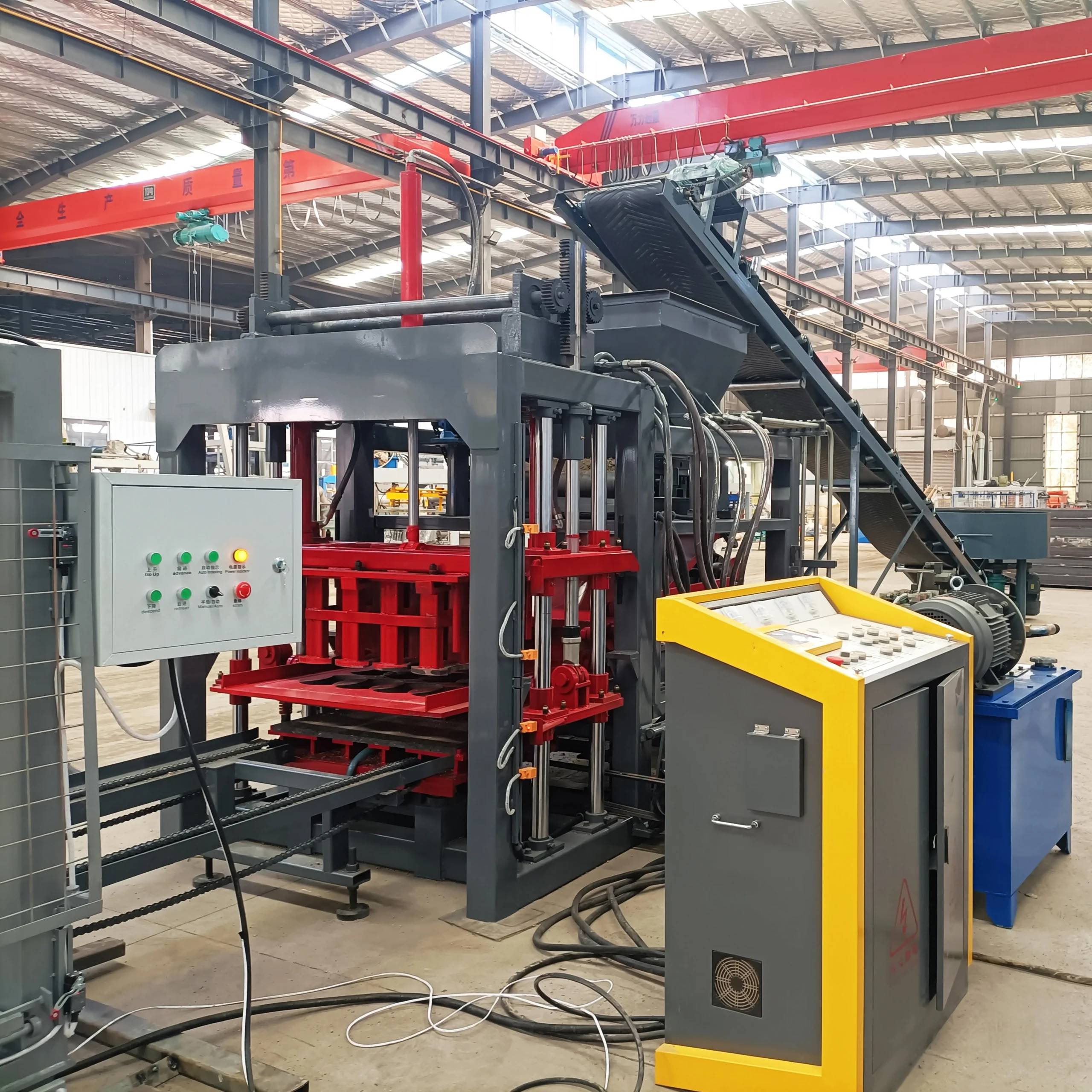
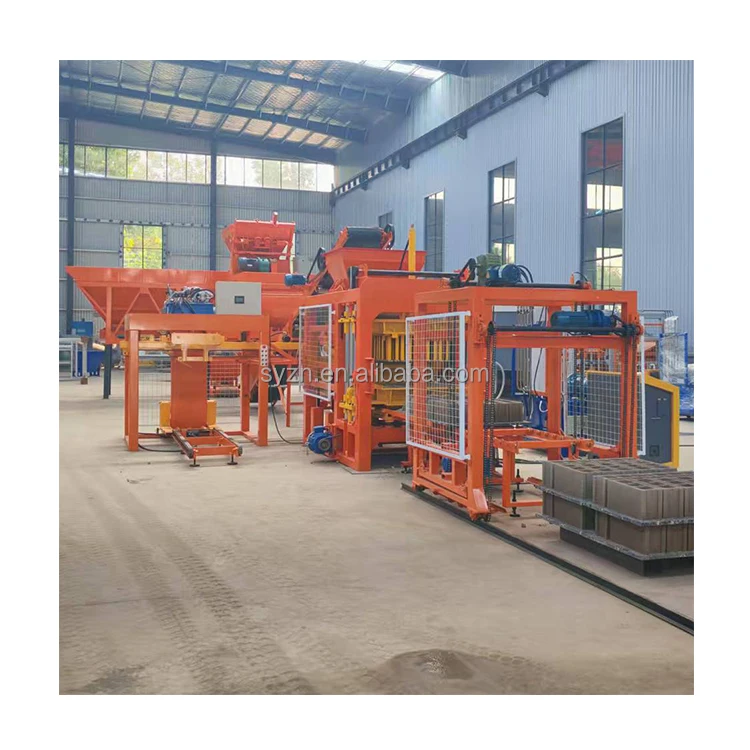
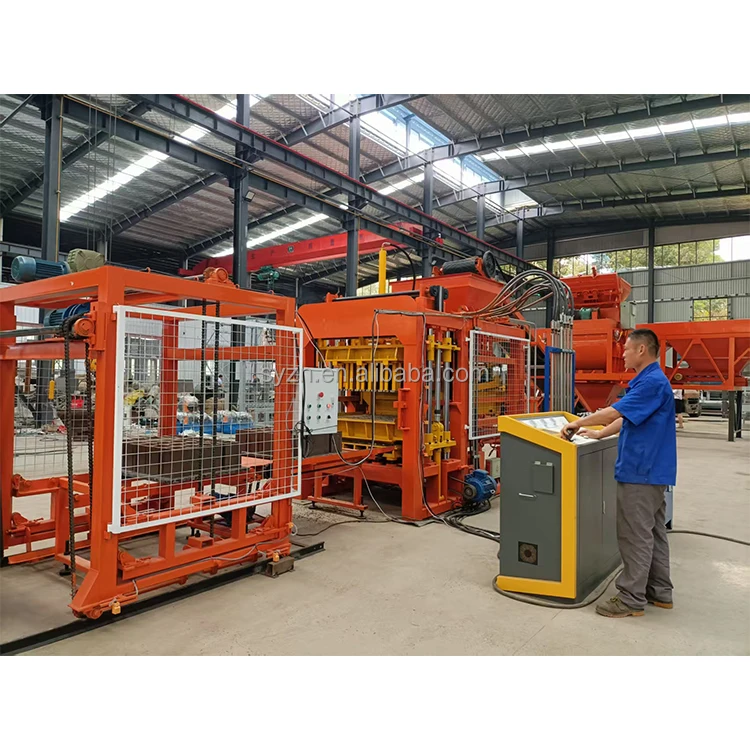
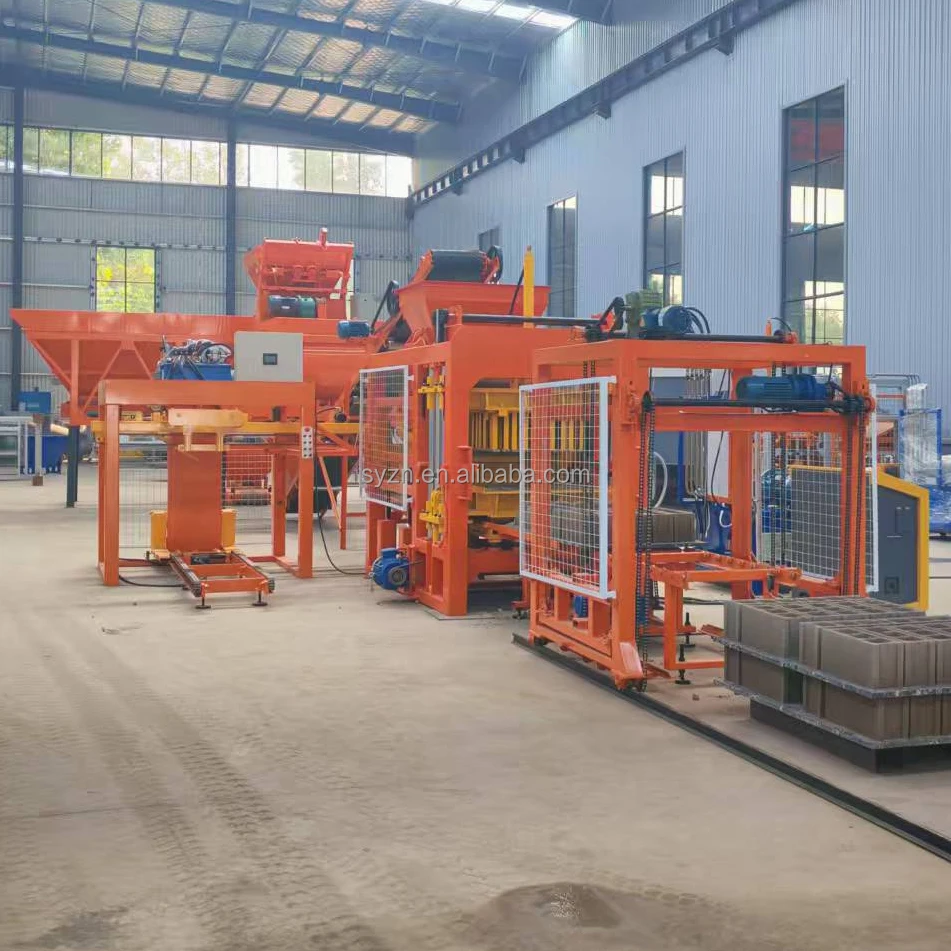


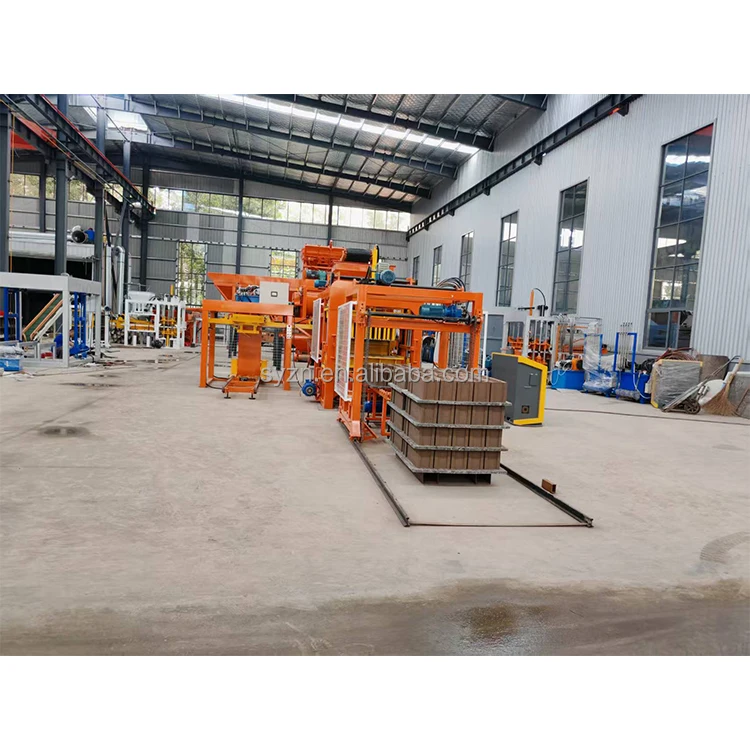
Description
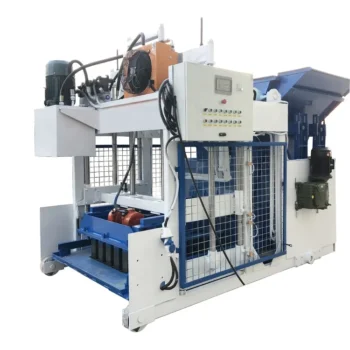
Configuration matched to your local aggregate and target block format — vibration force, hydraulic pressure, and mould cavity count are selected after reviewing your actual mix design, so the QT6-15 block machine specifications reflect what your plant will produce, not a catalogue default.
Technical Specifications
| Parameter | Value |
|---|---|
| Model | QT6-15 |
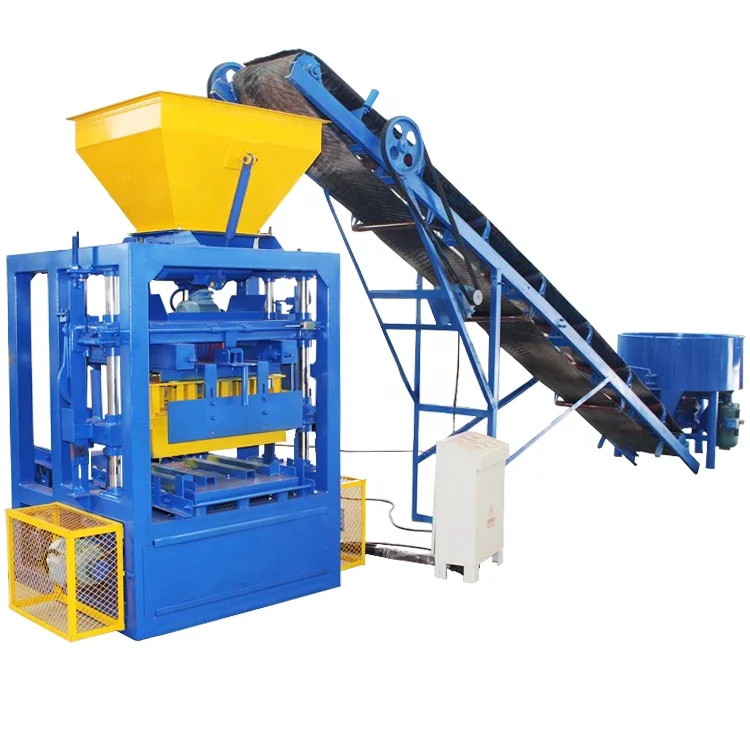
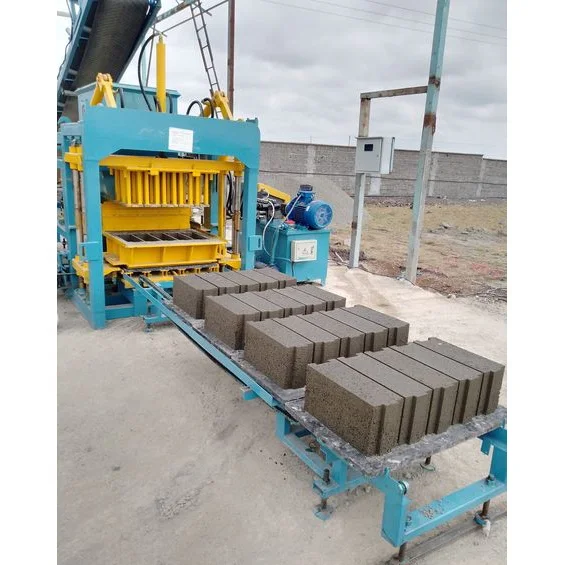
| Product Type | Automatic Concrete Block Making Machine |
| Overall Dimensions | 8200 × 1700 × 2950 mm |
| Total Mass | 7 T |
| Overall Power | 37 kW |
| Vibration Form | Platform vibration |
| Vibration Frequency | 0–60 Hz (adjustable) |
| Vibration Force | 45 kN |
| Moulding Mode | Automatic loading with vibration moulding |
| Demolding Method | Hydraulic |
| Pallet Size | 880 × 850 mm |
| Molding Cycle | 15–25 s depending on block format |
| Control System | PLC with touch screen HMI and fault diagnosis |
| Hydraulic System | Independent integrated hydraulic station |
| Recommended Factory Area | 1,200 m² |
| Block Compressive Strength | ≥ 15 MPa (subject to mix design and curing) |
| Output — Hollow Block 400×200×200 mm | 8,640–11,520 pcs / 8 hr (6 pcs per mould, 15–20 s cycle) |
| Output — Hollow Block 400×150×200 mm | 11,520–15,360 pcs / 8 hr (8 pcs per mould, 15–20 s cycle) |
| Output — Solid Brick 240×115×53 mm | 46,080–61,440 pcs / 8 hr (32 pcs per mould, 15–20 s cycle) |
| Output — Rectangular Paver 200×100×60 mm | 17,280–23,040 pcs / 8 hr (21 pcs per mould, 20–25 s cycle) |
| Output — Zigzag Paver 225×112.5×60 mm | 17,280–23,040 pcs / 8 hr (15 pcs per mould, 20–25 s cycle) |
| Raw Material Adaptability | Cement-based mixes with waste ash, slag, and local aggregate |
| Safety Features | Interlock logic circuit, built-in fault diagnosis |
| Warranty | 1 year for whole machine (excluding spare parts) |
| Standards | CE declaration where applicable |
Application Suitability
| Application | Material or Output |
|---|---|
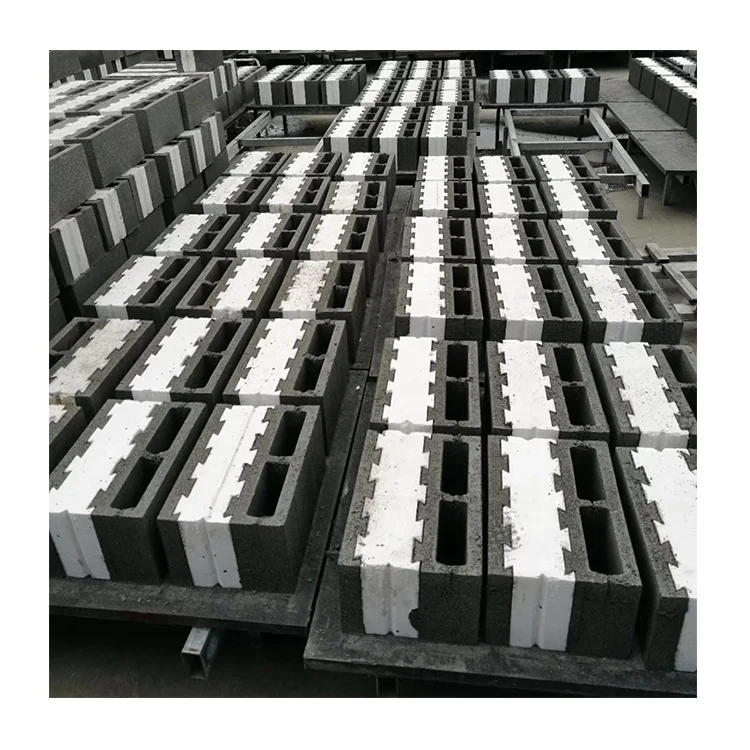
| Hollow block production for wall construction | Cement, crushed stone, and sand mixes; 400×200×200 mm and 400×150×200 mm formats |
| Solid brick manufacturing | Cement and fine aggregate blends; standard 240×115×53 mm bricks |
| Rectangular paving block for roads and walkways | High-strength cement and aggregate mixes; 200×100×60 mm interlocking pavers |
| Zigzag interlocking paver production | Cement, sand, and slag blends; 225×112.5×60 mm format |
| On-site block production for housing projects | Locally sourced aggregate with cement binder; format matched to project drawings |
| Kerbstone and porous brick manufacturing | Specialised moulds with adjusted vibration parameters for permeable or heavy-duty formats |
What the QT6-15 Block Machine Specifications Leave Out of a Simple "Cycles per Hour" Quote
Cycle time means nothing unless you know which block format and mould cavity count it was measured on.
I once quoted an African client a daily output based on a 15-second cycle. The number looked strong on paper. What the spreadsheet did not show was that their river sand carried a high clay content, which absorbed vibration energy and forced us to extend the cycle to 22 seconds while increasing hydraulic pressure. Real daily volume dropped noticeably from the original projection [NEED_CITE: effect of aggregate clay content on block compaction cycle time]. That experience changed how I present the QT6-15 automatic block making machine capacity by format — every output figure here is tied to a named block size, a stated cavity count, and a measured cycle range, so you can cross-check against your own market demand before you commit.
Mould Cavity Count and Cycle Time Define Your Real Daily Volume
A machine that presses six hollow blocks per cycle in 18 seconds is a different asset from one pressing thirty-two solid bricks in the same window. The QT6-15 block machine specifications above list each format separately because a single blended number hides the trade-off. When a buyer’s primary product is the 400×200×200 mm hollow block, the six-cavity mould and 15–20 second cycle set the ceiling; switching to solid bricks later means swapping the mould and recalibrating the vibration table, not simply pressing a button.
Matching Vibration Force to Your Local Aggregate
The 45 kN platform vibration is adjustable across a 0–60 Hz range, but the useful setting depends entirely on what your mixer delivers. Coarse crushed granite responds to a different frequency envelope than fine river sand with residual silt. We run a sample of your aggregate through a trial press and log the frequency that reaches target density before finalising the QT6-15 automatic block making machine capacity by format for your quotation [NEED_CITE: vibration frequency selection for concrete block compaction].
Why Pallet Size Decides Your Curing Yard Layout
The 880 × 850 mm pallet is not arbitrary. It determines the spacing of curing racks, the turning radius of the forklift that moves wet blocks to the yard, and the stacking height before blocks cure enough to handle. A buyer who already owns a fleet of narrow-aisle forklifts may find the pallet dimension incompatible with existing racking. We confirm pallet size against your curing area and handling equipment before the machine enters production, because retrofitting a yard after commissioning is far more expensive than adjusting the specification up front.
Reading the Numbers That Actually Matter
Hydraulic pressure and vibration force work together to compact the mix; neither alone guarantees block strength. The QT6-15’s independent integrated hydraulic station sits isolated from the main vibration table, which keeps demolding pressure consistent and extends seal life. The 37 kW overall power rating covers the hydraulic pump, vibration motor, and conveyor drives simultaneously, so a site electrician can size the incoming supply without guessing. PLC control with touch screen HMI and fault diagnosis reduces operator dependency — the interlock logic circuit prevents the press from cycling if a pallet is misaligned, which is where most cracked blocks originate on semi-automatic lines.
The Cost of Skipping the Format Conversation
Buyers who confirm a machine without specifying their primary block format often discover, weeks after arrival, that the standard mould produces a size their local market does not purchase. The machine runs fine; the blocks simply sit in the yard. Custom moulds then have to be shipped separately, and the vibration parameters need re-tuning for the new cavity geometry. All of this could have been resolved during the quotation stage with a single conversation about which formats your distributors actually sell [NEED_CITE: common causes of block plant under-utilisation after commissioning].
Why Buyers Specify Here Before Placing an Order
Block machinery is the only product line this workshop builds, so the press, mould, pallet, and handling equipment are specified as one matched system rather than sourced from separate vendors. Configuration is set against your actual mix design and target block format, not a catalogue default. Mould design covers the formats your market moves, and custom drawings are available when standard cavities do not match your specification. Automation level is selectable — you can start with semi-automatic pallet handling and add automatic stacking later without replacing the press. Installation support includes operator training on the PLC interface and fault diagnosis routines.
Documentation & Verification
- Line layout showing the QT6-15 footprint within your 1,200 m² factory area
- Capacity calculation sheet stating block format, cavity count, and cycle time for every output figure
- Mould drawing confirming dimensions and compatible 880 × 850 mm pallet size
- Hydraulic and electrical schematic with voltage and frequency noted for your site
- Factory test record run on your specified mix design, not generic material
- CE declaration included where applicable to your import market
Installation, Commissioning & Support
- Foundation plan aligned to the 8,200 × 1,700 mm machine footprint and 7 T operating mass
- Dedicated 37 kW power circuit with voltage and frequency confirmed before production
- Machine shipped in dismantled state with reassembly supervised on site
- PLC touch screen language set to your operator preference before commissioning
- Operator training covering mould change procedure and fault diagnosis response
- Wear parts list and first replacement schedule provided at handover
What We Need to Size the QT6-15 Correctly
Tell us the block formats your market currently buys, the daily volume you need for each, and the aggregate source you plan to use. Share your site voltage, frequency, and the language your operators read, so the PLC and electrical panel arrive ready to run. If you already have curing racks and forklifts on site, send the dimensions so we can confirm pallet compatibility before the machine is built.
Frequently Asked Questions
Q: How is the QT6-15’s capacity calculated per block format, and what does each figure assume?
A: Every output number in the specification table is based on a stated mould cavity count and a measured cycle time range for that specific block format. The hollow block figures assume six or eight cavities at 15–20 seconds; paver figures assume 15 or 21 cavities at 20–25 seconds. No single blended number is used.
Q: Which mould options are available, and how long does a change take?
A: Standard moulds cover hollow blocks, solid bricks, rectangular pavers, and zigzag pavers in the dimensions listed above. Custom moulds can be designed to buyer drawings. Mould change involves unbolting the existing cavity plate and fitting the replacement; the exact time depends on operator familiarity and is covered during on-site training.
Q: Can the vibration force and hydraulic pressure be adjusted to my mix design?
A: Yes. The 0–60 Hz vibration frequency and 45 kN force are adjustable, and the independent hydraulic station allows pressure tuning. We request a sample of your local aggregate and run a trial press to confirm the settings that achieve your target block compressive strength before finalising the machine configuration.
Q: What pallet size does the QT6-15 require, and how should I plan my curing area?
A: The machine uses an 880 × 850 mm pallet. Your curing racks, forklift aisle width, and stacking height should all be planned around this dimension. We confirm pallet compatibility against your existing handling equipment during the quotation stage to avoid yard modifications after commissioning.
Q: How are voltage, frequency, and PLC language confirmed before shipment?
A: These three items are written into the order specification after your initial inquiry. The electrical panel is wired to your site voltage and frequency, and the PLC touch screen is loaded with your chosen language before the factory test. Any change after production starts may affect lead time, so early confirmation is important.