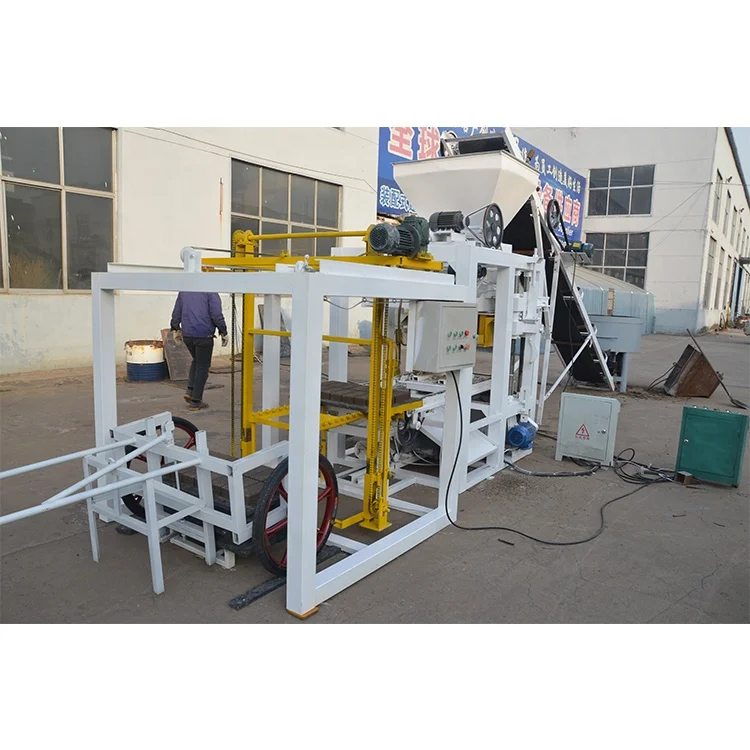
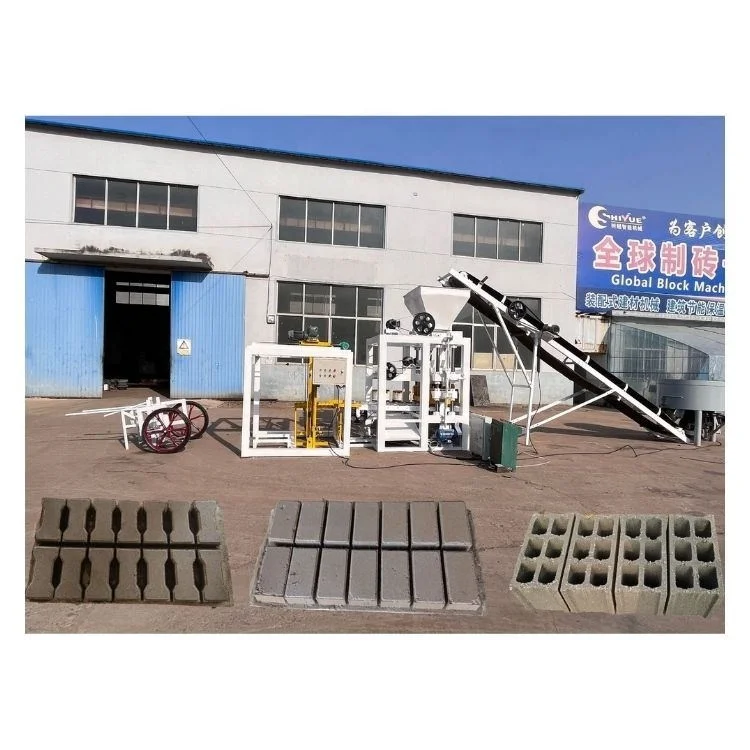
Description
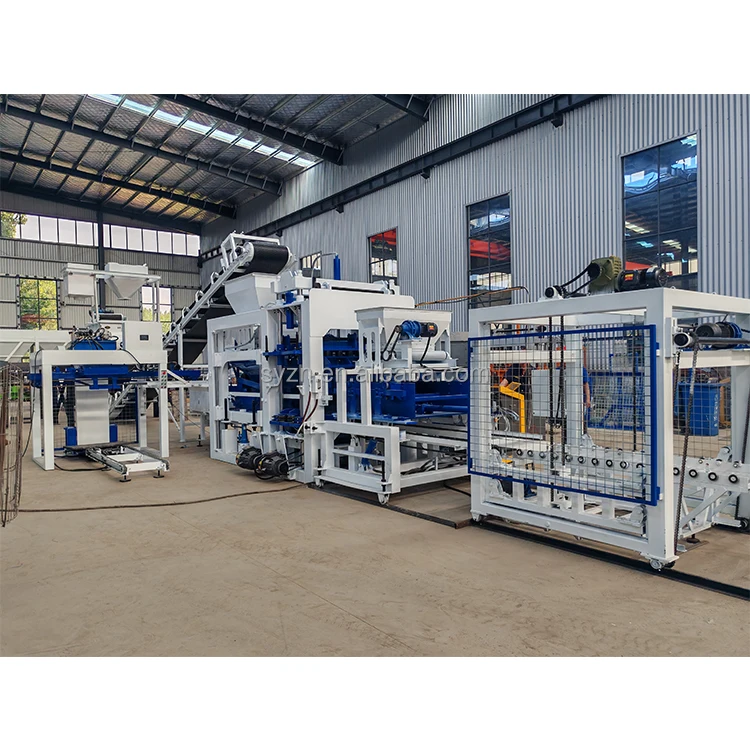
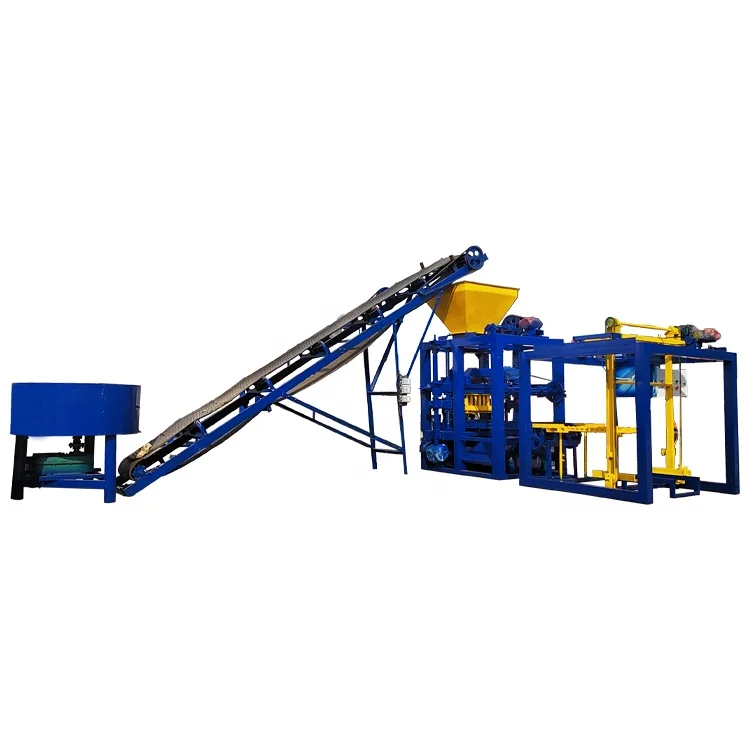
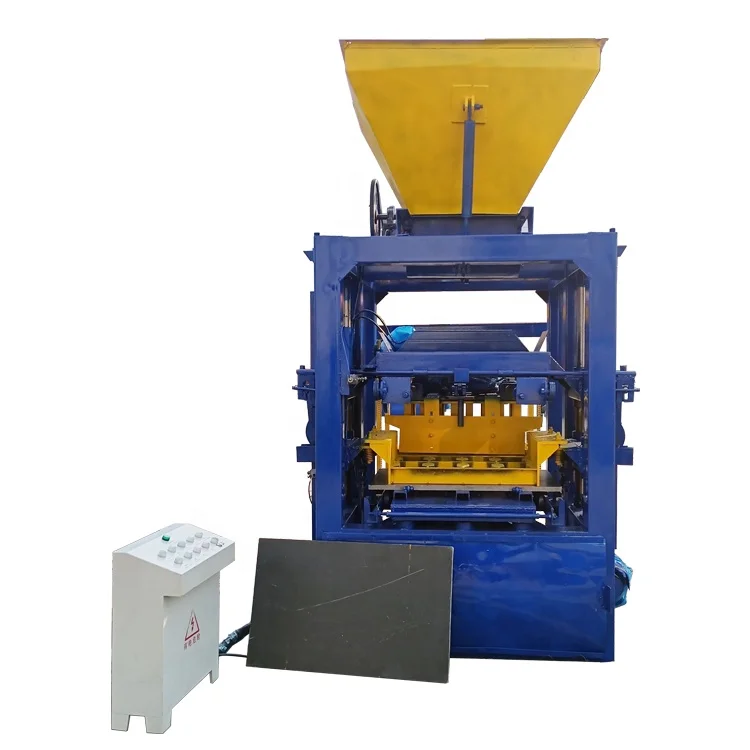
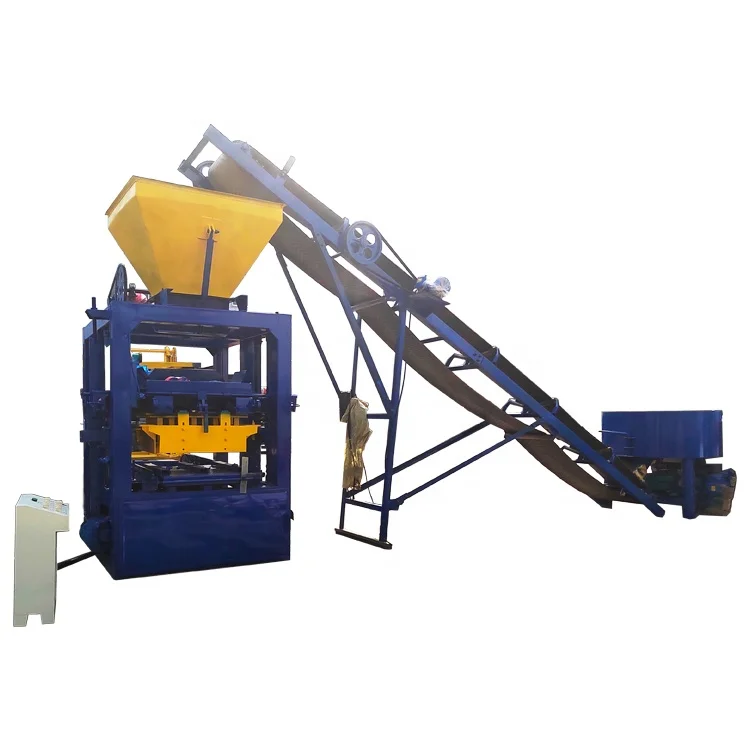
Configuration Matched to Your Block Format — Every QTJ4-24 proposal we send starts with your local aggregate sample and the exact block dimensions you sell, so the machine arrives configured for what you actually produce rather than a catalogue default.
Technical Specifications
| Parameter | Value |
|---|---|
| Model | QTJ4-24 / QT4-24 |
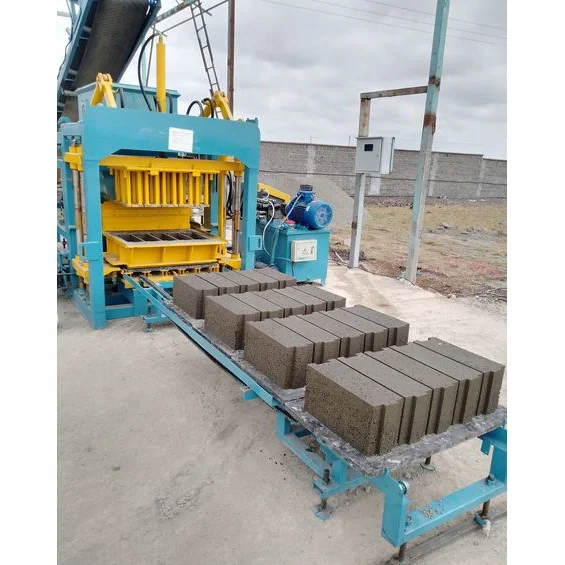
| Product Type | Semi Automatic Concrete Block Making Machine |
| Overall Dimensions (L×W×H) | 3600mm × 1700mm × 2560mm |
| Net Weight | 3.5T |
| Main Machine Power | 11.95 kW |
| Pallet Size | 900mm × 450mm |
| Moulding Cycle | 24–26s (basis not stated in source — confirm block format and material) |
| Vibration Type | Table vibration feeding, fluctuation vibration moulding |
| Automation Level | Semi-automatic with electrical-mechanical interworking |
| Feeding Method | Manual feeding, two feed paths |
| Recommended Mixer | JQ350 or JQ500 vertical mixer |
| Recommended Conveyor | 6m or 8m belt conveyor |
| Wiring Specification | General power 3×16mm², Main machine 3×6mm², Mixer 3×4mm², Conveyor 3×2.5mm² |
| Mould Formats | 400×200×200mm (4 pcs/mould), 390×240×190mm (3 pcs/mould), 390×120×190mm (6 pcs/mould), 240×115×53mm (21 pcs/mould) |
| Warranty | 1 year for whole machine (excluding spare parts) |
Application Suitability
| Application | Material or Output |
|---|---|
| Small-scale hollow block production | Crushed stone, sand, cement, and water mix for 400×200×200mm structural blocks |
| Standard brick manufacturing for local construction | River sand or manufactured sand with cement for 240×115×53mm solid bricks |
| Paving brick and multicellular brick runs | Fine aggregate blends for 390×120×190mm cellular formats |
| On-site block production for housing projects | Locally sourced aggregate and cement for 390×240×190mm wall blocks |
What "24-Second Cycle" Actually Means for Your Daily Output
Cycle time varies by block format, and quoting a single number hides the real production picture.
I remember a buyer who ordered a machine based on a headline cycle figure, only to discover his best-selling format — a 21-piece standard brick mould — ran a different rhythm than the hollow block the factory tested with. His daily count fell well short of what he had budgeted for. The QTJ4-24 block machine specifications list four distinct mould formats, each with its own piece-per-mould count, which means your realistic daily output depends entirely on which format dominates your order book [NEED_CITE: block machine capacity calculation standards by format].
Mould Format Selection and Market Fit
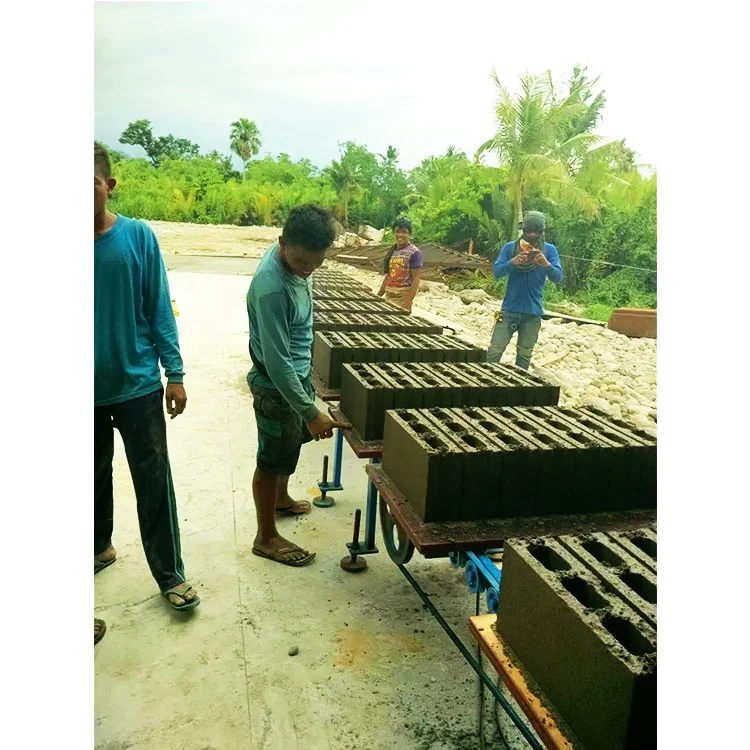
The four mould options on the QTJ4-24 cover the range most small-to-mid-scale block plants need: large hollow blocks for load-bearing walls, cellular blocks for partition walls, and standard solid bricks for general masonry. Choosing the right primary format determines your mixer sizing, conveyor length, and pallet inventory. A plant focused on standard bricks at 21 pieces per mould will consume pallets and raw material at a different rate than one running 4-piece hollow blocks, and the semi automatic block machine how to choose question starts with this format decision.
Vibration System and Block Density
Table vibration during feeding settles the mix evenly across the mould cavity before the main compaction stroke. Fluctuation vibration during moulding then drives the aggregate particles into a tighter arrangement. This two-stage approach matters when your local aggregate includes irregular crushed stone rather than smooth river gravel, because uneven particle packing leads to weak corners and rejected blocks [NEED_CITE: vibration compaction principles for concrete block production].
Pallet Size, Curing Area, and Material Flow
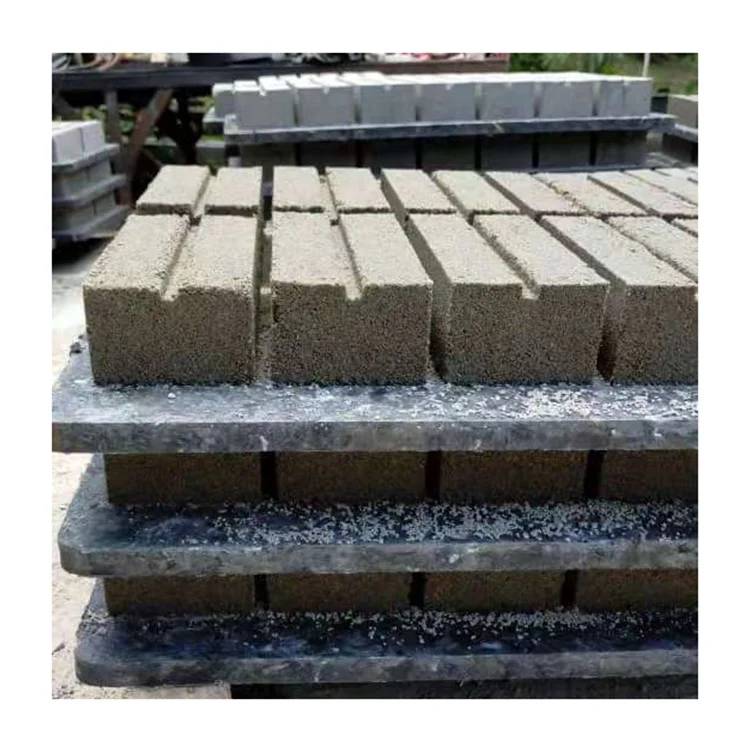
The 900mm × 450mm pallet is the interface between the press and everything downstream. Before confirming an order, measure your curing rack spacing and forklift fork width against this dimension. A pallet that does not match your existing curing infrastructure forces you to rebuild the drying yard or handle blocks manually off the press — a bottleneck that cancels any cycle time advantage the machine itself offers.
Wiring and Power Infrastructure
The QTJ4-24 draws 11.95 kW on the main machine alone, with additional load from the JQ350 or JQ500 mixer and the belt conveyor. The specified wiring gauges — 3×16mm² for general power, 3×6mm² for the main machine — assume standard copper conductors at the voltage and frequency of the destination market. Confirming these electrical details before production avoids a situation where the machine arrives and sits unpowered while the site electrician sources different cable or a step-down transformer.
The Cost of Skipping Mix Verification
When a machine is configured for a standard sand-cement ratio and the buyer’s local supply is weathered sand or crusher dust, the mix behaves differently under vibration. Blocks may emerge with surface crumbling or fail compressive strength tests after curing. This is not a machine defect — it is a configuration mismatch that could have been caught with a sample test before the order was finalized [NEED_CITE: aggregate compatibility testing for block making].
Why Sourcing from a Block-Line Specialist Matters
Shandong Shiyue Intelligent Machinery focuses exclusively on block machines, moulds, pallets, and handling equipment. That single-focus approach means the QTJ4-24 arrives with its mixer, conveyor, pallet specification, and mould set chosen as one system rather than assembled from separate vendors. Configuration is set against your mix design and target block format, not a catalogue default. Mould design covers the formats your market actually buys, including custom drawings. Automation level is selectable, so you can start with this semi-automatic press and move to a higher-automation line later. Installation support includes operator training so your crew understands mould change procedure and daily maintenance from the first shift.
Documentation & Verification
- Line layout showing QTJ4-24 placement with mixer and conveyor spacing
- Capacity calculation sheet stating block format assumed for each output figure
- Mould drawing and format list for all four mould options confirmed before production
- Pallet specification matched to your curing rack and forklift dimensions
- Voltage, frequency, and wiring gauge confirmation document
- Factory test record run on your specified block format before dispatch
Installation, Commissioning & Support
- Foundation pad leveled for the 3600mm × 1700mm machine footprint with anchor bolt template
- Dedicated 3-phase circuit sized for 11.95 kW main machine plus mixer and conveyor loads
- Machine arrives partially assembled; vibration table and hopper require on-site bolting
- First-run commissioning covers mould alignment, vibration timing, and cycle adjustment per format
- Operator training on manual feeding technique and electrical-mechanical interlock safety sequence
- Wear parts list and spare mould inventory recommendation provided at handover
What to Include in Your Inquiry
Tell us which block format sells best in your market, your target daily output for that format, and the type of sand or aggregate you can source locally. Include your site voltage and frequency, the curing space you have available, and whether you need the mixer and conveyor quoted as part of the line. If you have an existing forklift or curing rack system, share the dimensions so we can confirm pallet compatibility before building your QTJ4-24.
Frequently Asked Questions
Q: How is daily output calculated for each of the four mould formats on the QTJ4-24?
A: Daily output depends on the moulding cycle per format, the number of pieces per mould, your shift length, and the time spent on mould changes and pallet handling. We provide a capacity calculation sheet that states the assumed block format for every output figure, so you can see realistic production numbers for the specific block you intend to sell rather than a single headline claim.
Q: What pallet size does the QTJ4-24 require, and how do I verify compatibility?
A: The machine uses a 900mm × 450mm pallet. Before ordering, check that this dimension fits your curing rack slot width, stacking height, and forklift fork spacing. If your existing infrastructure was built around a different pallet size, we discuss options during the proposal stage to avoid costly yard modifications after delivery.
Q: Can the QTJ4-24 be configured for my local aggregate instead of a standard recipe?
A: Yes. We request a sample of your local sand or crushed aggregate and run a mix trial before finalizing the machine setup. This ensures the vibration force and feeding method are matched to your material’s particle shape and grading, which directly affects block density and surface finish.
Q: What voltage and frequency options are confirmed before the QTJ4-24 ships?
A: Voltage, frequency, and control panel labeling language are confirmed during the proposal stage and documented before production begins. This prevents commissioning delays caused by mismatched electrical supply or unreadable operator displays at your site.
Q: How long does a mould change take on this semi-automatic machine?
A: Mould change involves loosening the clamping bolts, lifting the current mould, positioning the new one, and realigning the vibration table. The exact time depends on operator experience and whether you have a dedicated mould change kit on site. We include the procedure in the operation manual and cover it during operator training.