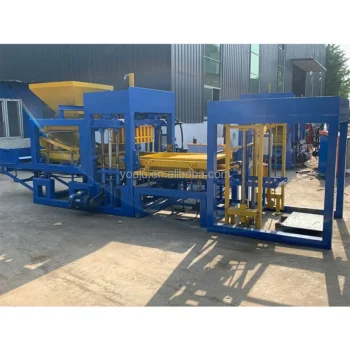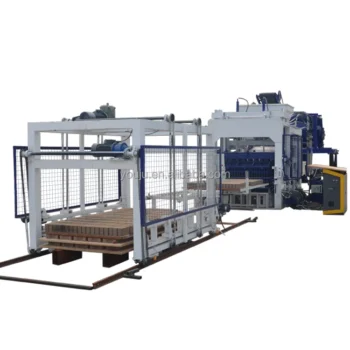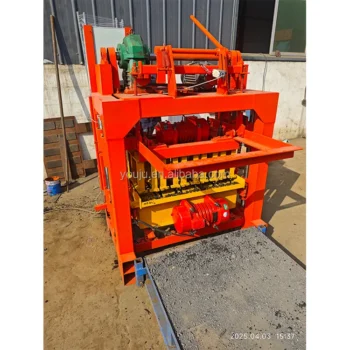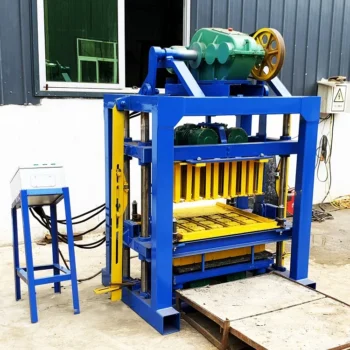
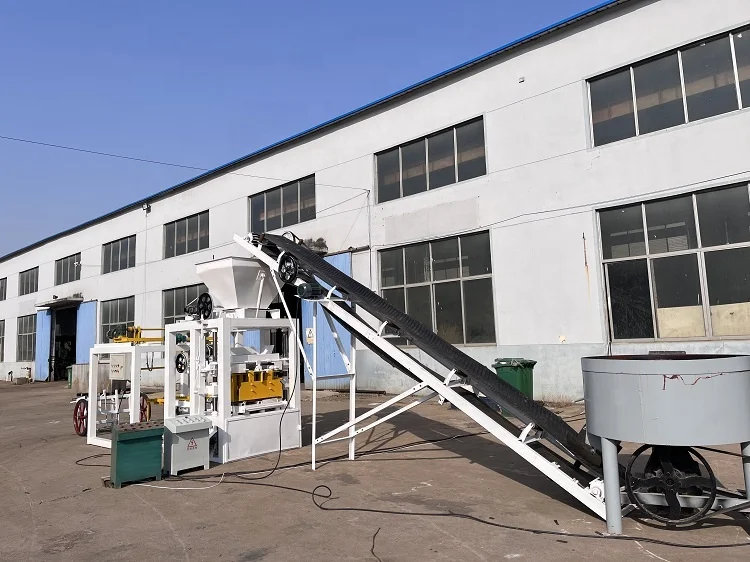

Description
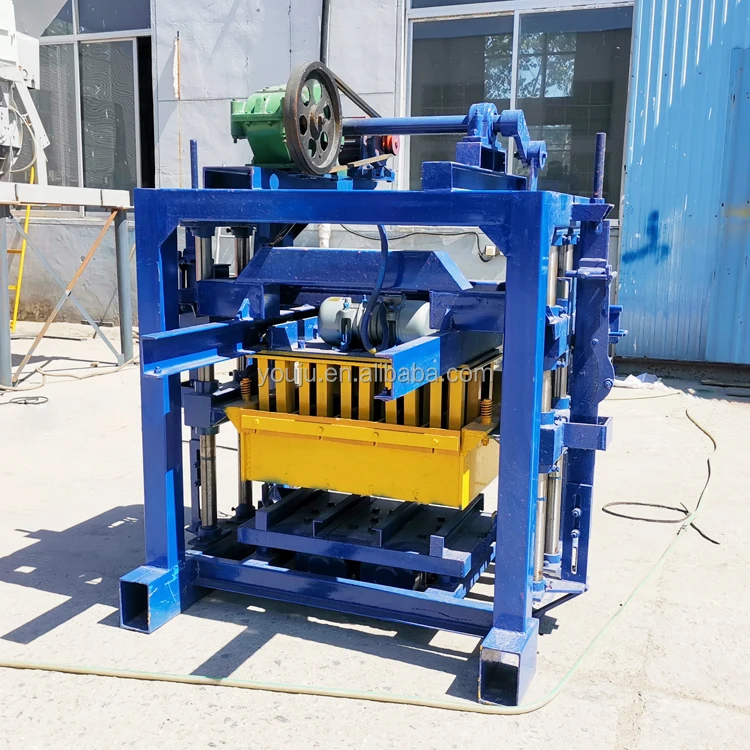
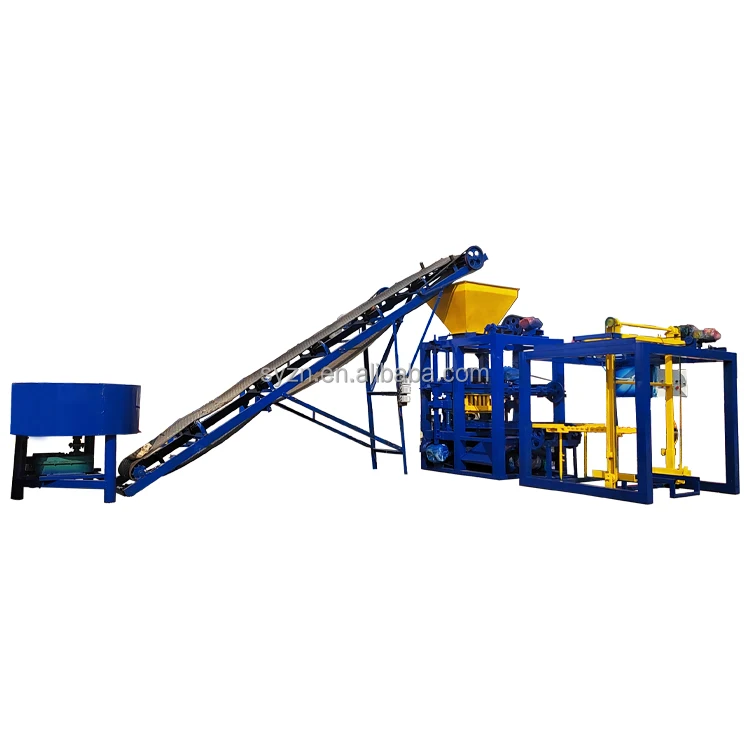
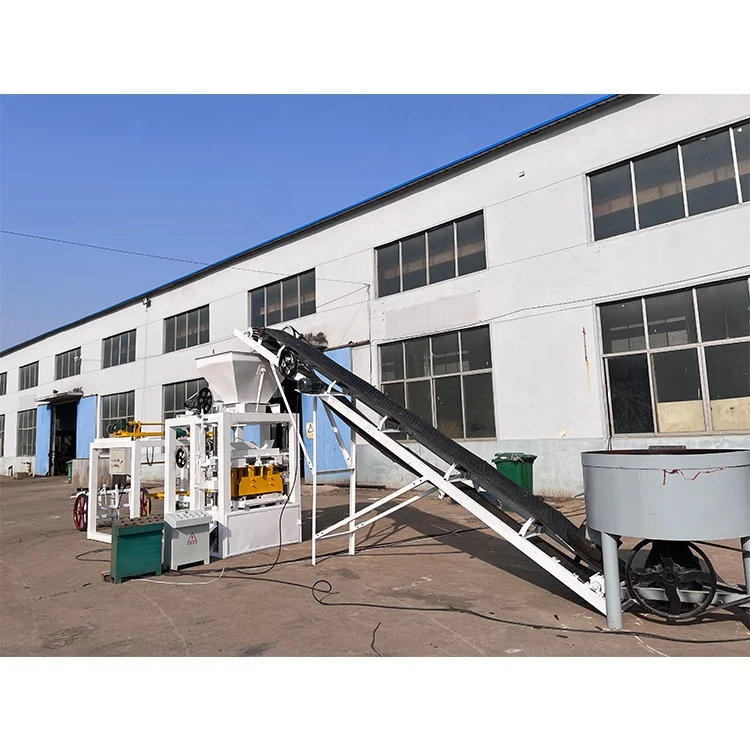
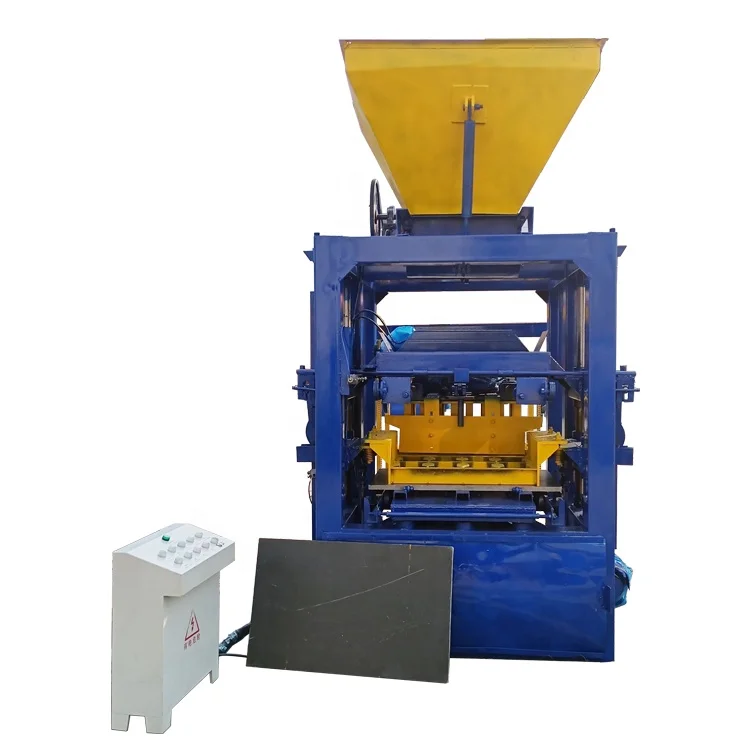
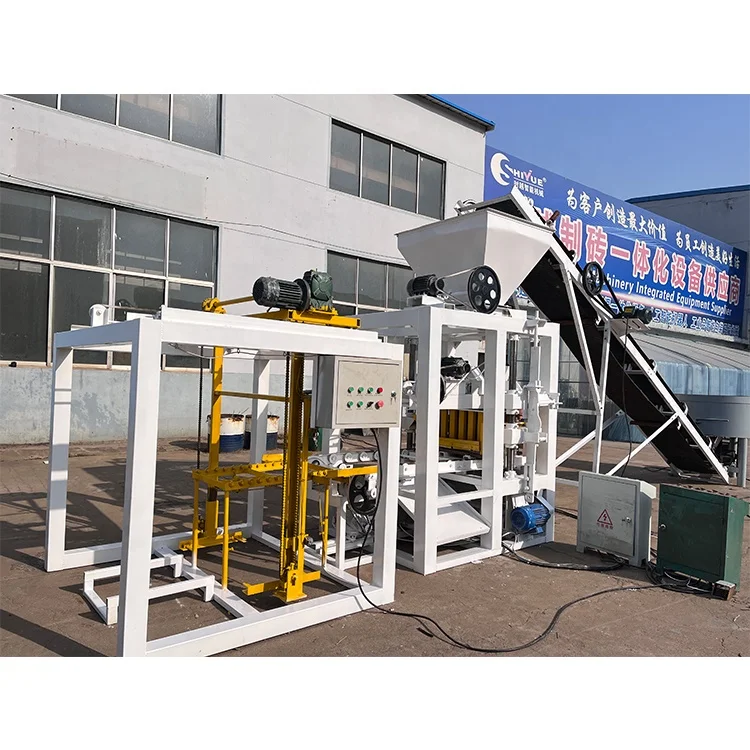
Mould-to-Format Matching — The QTJ4-24 is configured against the specific block format and local aggregate you intend to produce, ensuring cycle time and vibration settings reflect real output rather than catalogue defaults.
Technical Specifications
| Parameter | Value |
|---|---|
| Model | QTJ4-24 |
| Product Type | Semi-Automatic Concrete Block Making Machine |
| Overall Dimensions (L×W×H) | 3600×1700×2560 mm |
| Pallet Size | 850×450 mm |
| Molding Cycle | 24–26 s (basis not stated in source) |
| Total Power | 11.95 kW |
| Vibration Force | 45 kN |
| Vibration System | 2×3 kW lower vibrators + 2×1.5 kW upper vibrators |
| Net Weight | 2 T |
| Molding Method | Mechanical |
| Reducer for Mold Lifting | 350-type |
| Material Distribution | Full-automatic spiral |
| Raw Materials | Cement, sand, stone |
| Automation Level | Semi-automatic |
Application Suitability
| Application | Material or Output |
|---|---|
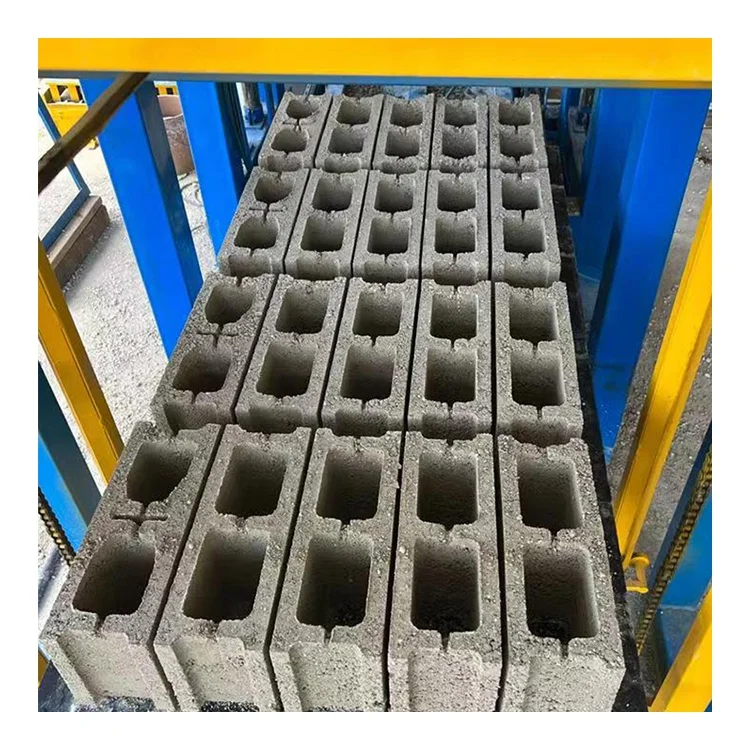
| Hollow Block Production | Cement, sand, crushed stone aggregate |
| Solid Block Manufacturing | Cement, sand, stone dust |
| Interlocking Brick Formation | Cement, sand, fine aggregate |
| Paving Brick Production | Cement, sand, coarse aggregate |
What "24-Second Cycle" Actually Means for Daily Output
Cycle times are meaningless unless tied to a specific block format and material density.
When evaluating semi-automatic block making machine specifications, a headline cycle time often hides the reality of production. If the machine is set up for a lightweight solid block but the buyer intends to run dense hollow blocks with a different aggregate mix, the vibration time must be extended to achieve adequate compaction. This discrepancy is the primary reason real daily output falls far short of initial expectations [NEED_CITE: impact of aggregate density on vibration cycle times]. The focus must remain on matching the machine’s vibration force and molding parameters to the actual product being sold in the local market.
Aligning Vibration Force with Local Aggregate
The 45 kN vibration force generated by the dual upper and lower vibrator setup is not a universal setting. Different local aggregates—ranging from smooth river sand to angular crushed volcanic rock—require distinct vibration profiles to achieve proper interlocking and density. If the force is too low for a coarse mix, the block faces will be porous and structurally weak. If too high for a fine sand mix, the material can segregate within the mould cavity, leading to inconsistent wall thickness in hollow blocks.
Pallet Logistics and Curing Area Integration
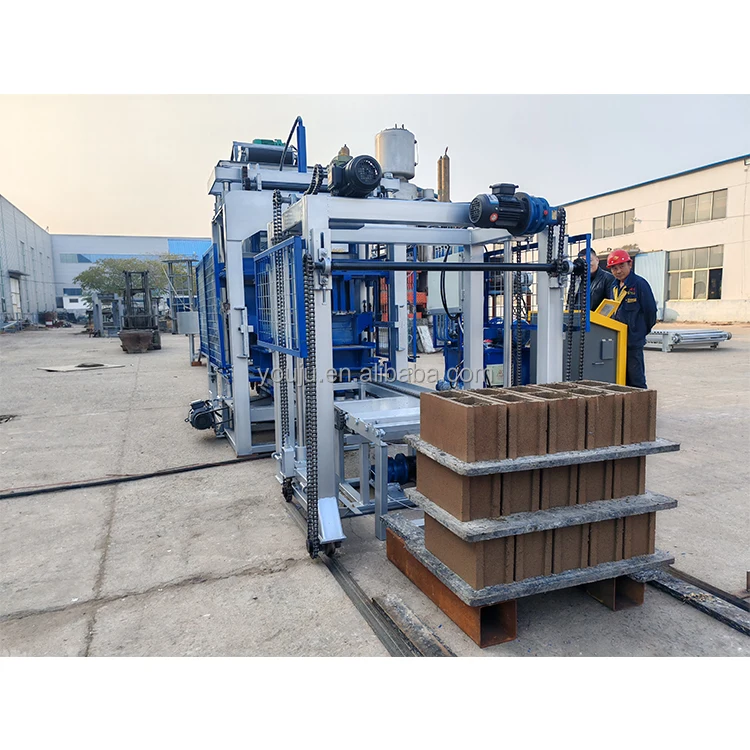
The 850×450 mm pallet size dictates not only the block layout per cycle but also the entire downstream curing logistics. This dimension must align with the existing curing rack systems and the lifting capacity of the forklifts already on site. A mismatch here forces manual re-stacking or requires investment in entirely new handling equipment, negating the efficiency of the press itself [NEED_CITE: pallet sizing standards for concrete block curing racks]. The semi-automatic nature of this tier means pallet handling is manual, making the weight and material of the pallet crucial for operator endurance over a full shift.
Interpreting the Mechanical Molding System
Unlike fully hydraulic systems, the mechanical molding method relies on a 350-type reducer for mold lifting and a full-automatic spiral for material distribution. The spiral feeder ensures uniform material spread across the mould cavity before vibration begins, which is essential for dimensional consistency in interlocking pavers where tight tolerances are required. The total power draw of 11.95 kW makes this unit viable for sites with limited electrical infrastructure, provided the voltage and frequency are confirmed prior to production [NEED_CITE: industrial voltage stability requirements for mechanical presses].
The Hidden Cost of Unverified Mix Designs
When the machine arrives configured for a standard sand-cement ratio that the buyer cannot source locally, production stops before it begins. Forcing a change in material to suit the machine rather than the other way around increases raw material costs and alters the block’s thermal and structural properties. Furthermore, if the PLC display language and control voltage are unconfirmed before shipment, commissioning is delayed while technicians wait for translators or step-down transformers, leaving the equipment idle on the factory floor.
Why Sourcing From a Single Focus Point Matters
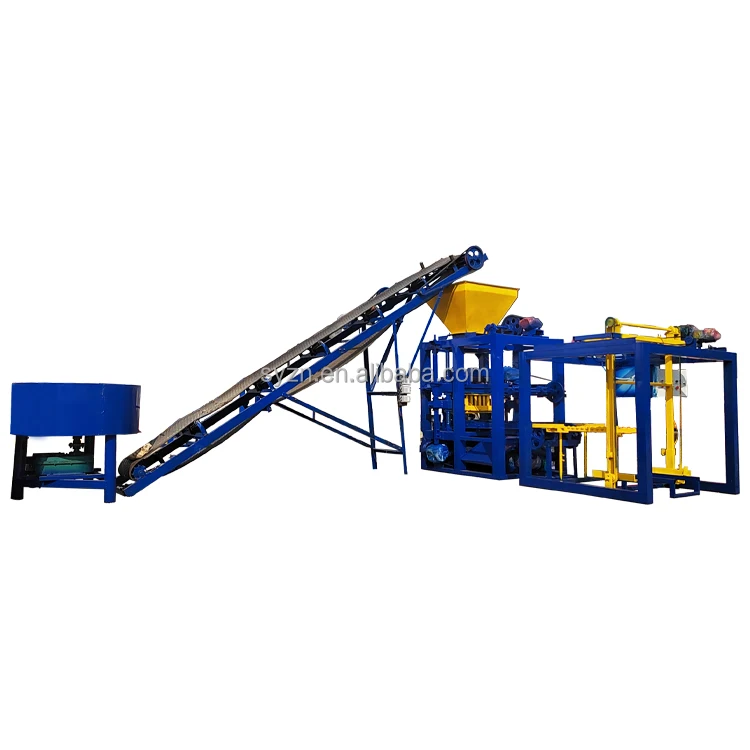
Because block machinery is the single focus here, the QTJ4-24 is specified as a matched system including the mould, pallet, and handling requirements. The configuration is set against the buyer’s actual mix design and target block format, not a generic default. Mould design is provided for the specific formats the local market demands, including custom drawings if necessary. This approach ensures that when the first replacement parts or new moulds are needed, they are compatible and available, preventing long-term downtime.
Documentation & Verification
- Line layout and capacity calculation stating the block format assumed for each output figure.
- Mould drawing and format list confirming which products the quoted mould set produces.
- Pallet specification matched to the curing rack system and forklift capacity.
- Voltage, frequency, and control language confirmation before production starts.
- Factory test record on the specific block format and material mix provided.
Installation, Commissioning & Support
- Foundation preparation must accommodate the 3600×1700 mm footprint and dynamic vibration loads.
- Electrical supply requires stable voltage matching the 11.95 kW total power requirement and motor specifications.
- Mechanical assembly includes mounting the 350-type reducer and aligning the spiral feeder.
- Vibration force calibration to the specific local aggregate and cement ratio provided by the buyer.
- Operator training covers mould change procedures and manual pallet handling safety protocols.
- Wear parts list provided with focus on high-friction components in the vibration and feeding systems.
Project Parameters Required for Proposal
To determine if this platform fits the production requirements, please provide the specific block formats intended for the local market and the daily volume required for each. Details regarding the local aggregate type and available curing space are necessary to select the correct pallet and vibration settings. Finally, confirm the site’s voltage and frequency to ensure the electrical package matches the infrastructure.
Frequently Asked Questions
Q: How is the daily output calculated for different block formats on this machine?
A: Daily output is not a single number; it is calculated based on the molding cycle required for each specific block format and the density of the local aggregate. A standard solid block may run faster than a complex interlocking paver that requires extended vibration for surface finish. We provide a capacity table stating the output for each format rather than a single maximum figure.
Q: Can the pallet size be changed to match my existing curing racks?
A: The standard pallet size is 850×450 mm, which dictates the mould design and block layout per cycle. While the machine frame is fixed, the mould and pallet system must be specified together. If your existing racks require a different dimension, the entire mould and feeding configuration must be reviewed to ensure the machine can accommodate the alternative size.
Q: How does the vibration system handle different types of stone aggregate?
A: The system uses a combination of upper and lower vibrators totaling 45 kN of force. The intensity and duration of vibration must be adjusted based on whether the aggregate is fine sand or coarse crushed stone. Proper adjustment ensures the concrete consolidates fully in the mould corners without segregating the mix, which is vital for block strength.
Q: What is involved in changing from hollow blocks to paving bricks?
A: Changing formats involves replacing the mould box and adjusting the material distribution height. On this semi-automatic tier, the operator manually handles the pallet change and mould alignment. The time required depends on the specific mould lifting mechanism and the operator’s familiarity with the locking system, which is covered during initial training.
Q: Are voltage and control language options confirmed before the machine is built?
A: Yes, electrical specifications including voltage, frequency, and the language for any control interfaces must be confirmed during the proposal stage. This ensures that upon arrival, the machine can be connected directly to the site power without the need for external transformers or translation of operational parameters, allowing immediate commissioning.