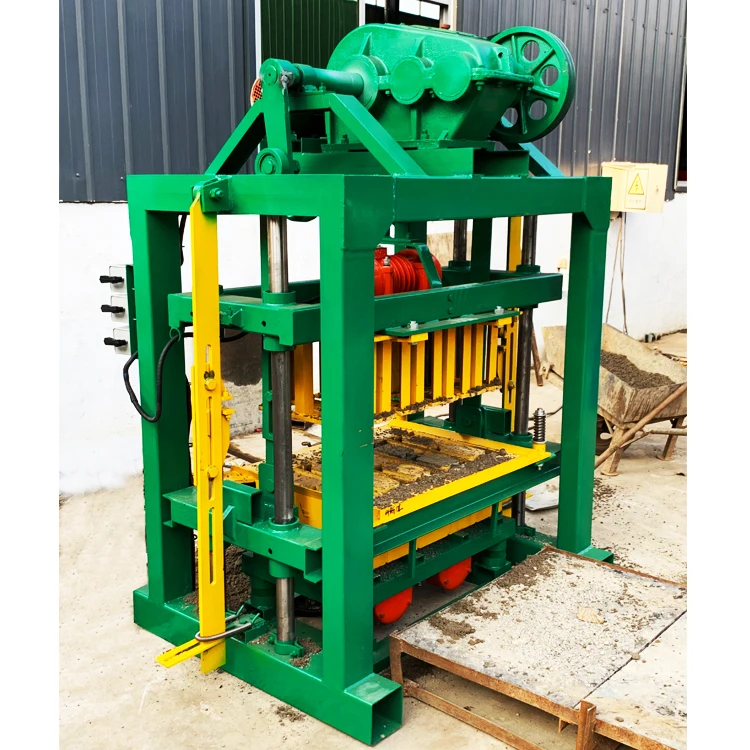
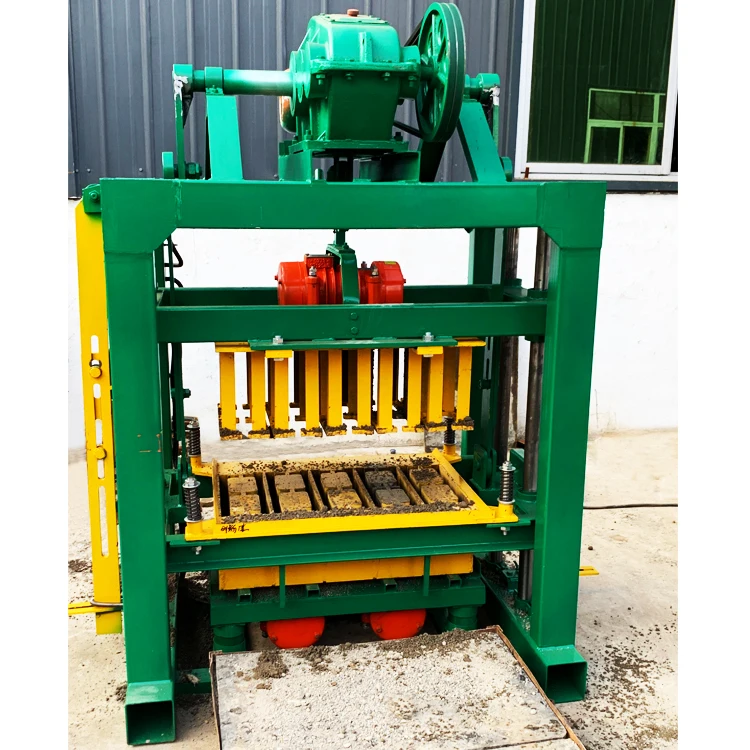
Description
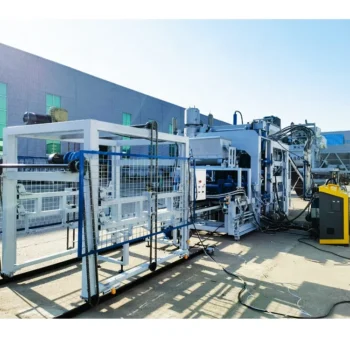
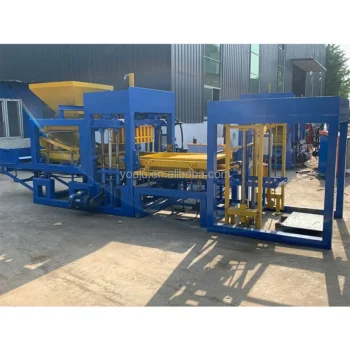
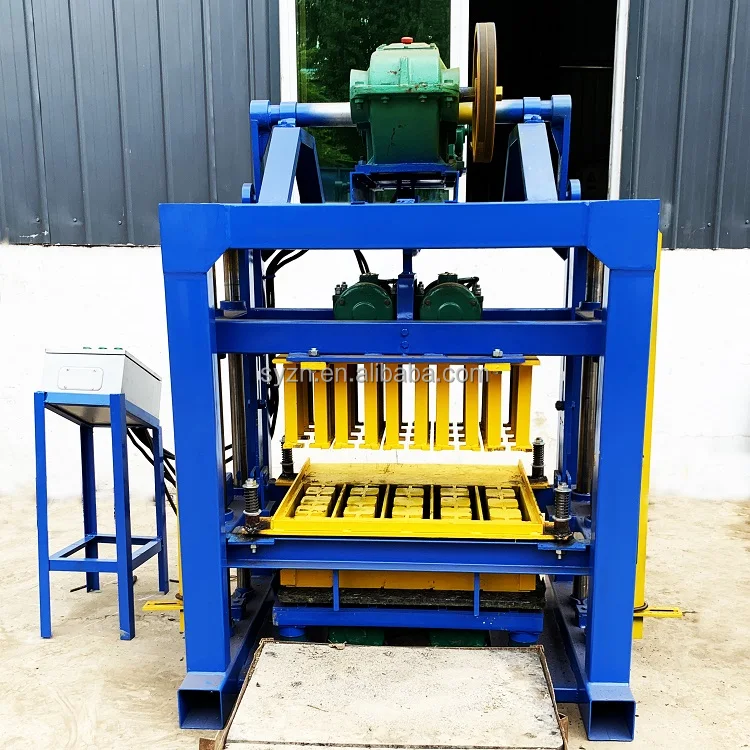
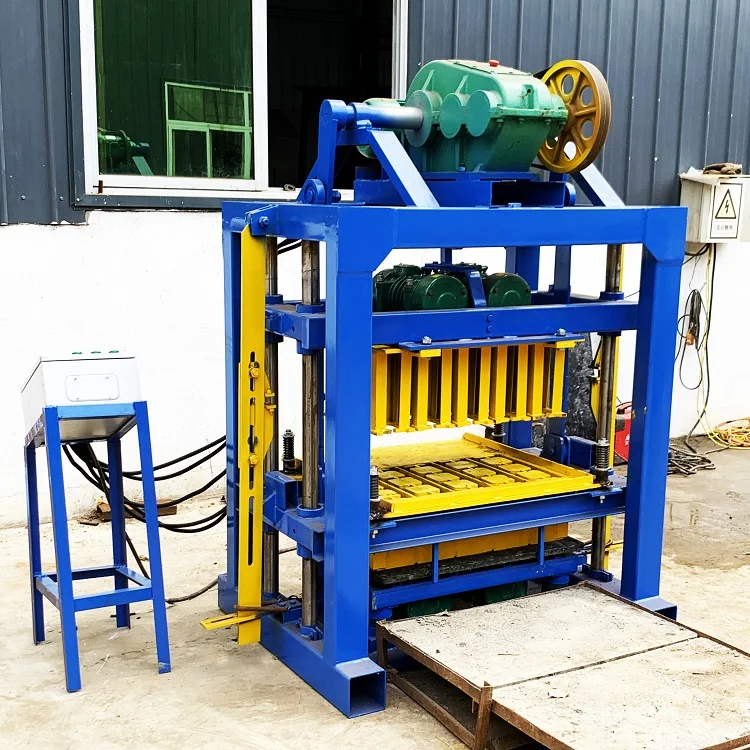
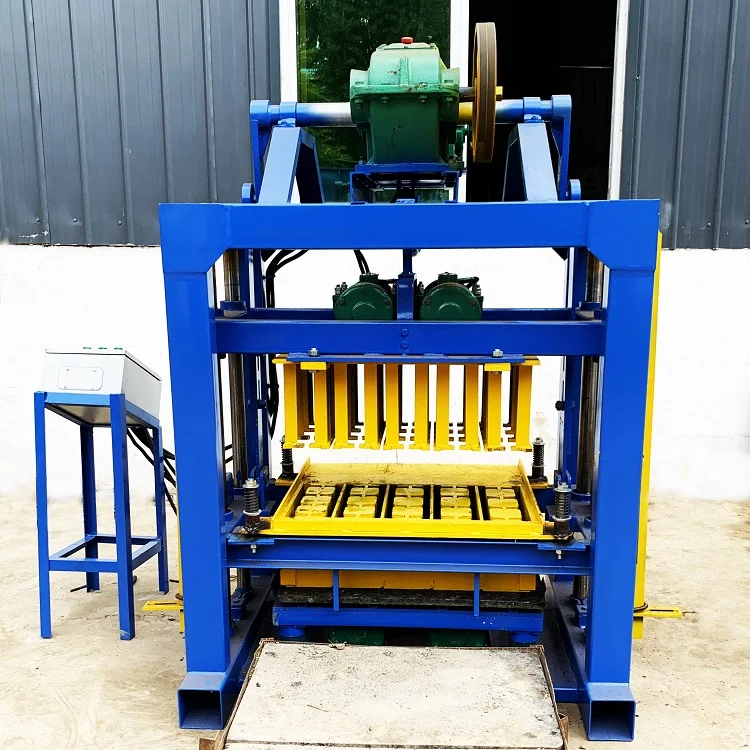
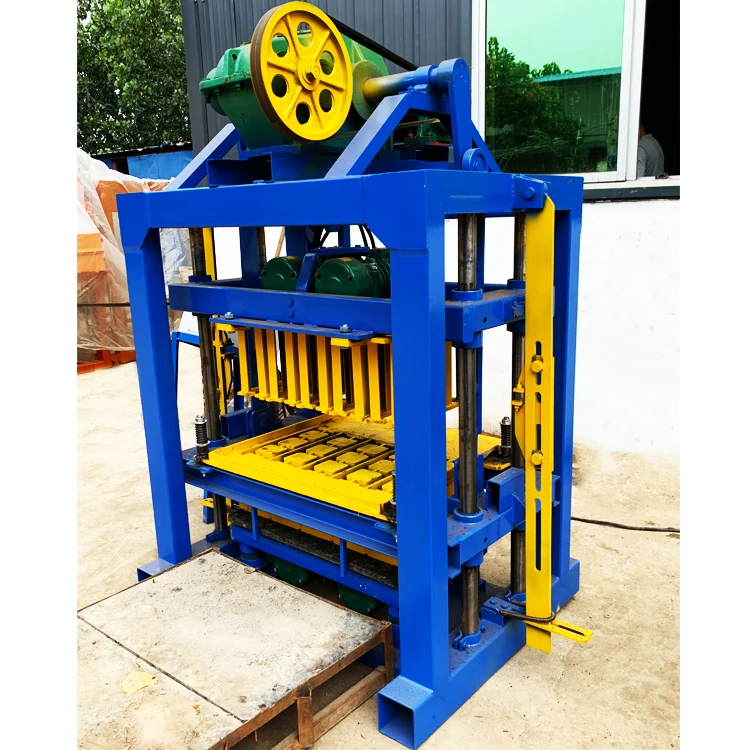
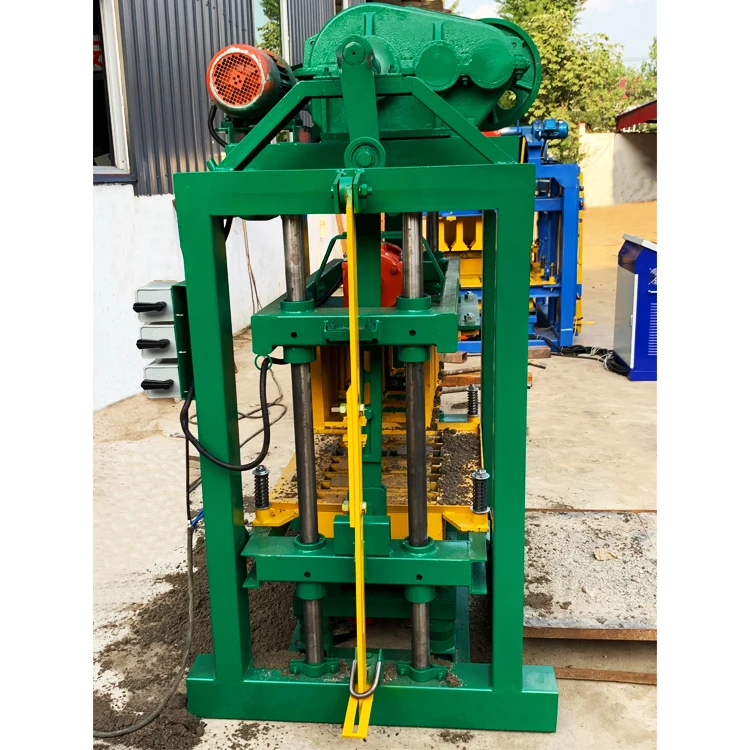
Matched System Configuration — the QTJ4-40 block machine, moulds, and 850×450 mm pallets are specified together against your actual mix design rather than quoted as isolated components from separate suppliers.
Technical Specifications
| Parameter | Value |
|---|---|
| Model | QTJ4-40 |
| Product Type | Manual Cement Block Making Machine |
| Capacity (Hollow Block) | 2880 pcs / 8 hours (based on 400×200×200mm, 4 pcs per mould) |
| Capacity (Hollow Block) | 4000 pcs / 8 hours (based on 400×150×200mm, 5 pcs per mould) |
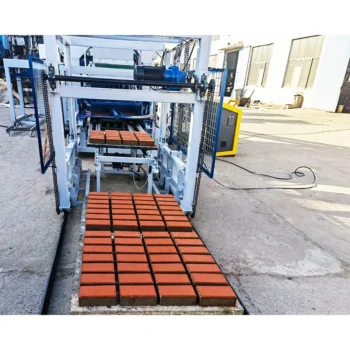
| Capacity (Paver Block) | 7200 pcs / 8 hours (based on 225×112.5×60mm, 9 pcs per mould) |
| Hourly Output | 360 pcs (400×200×200mm) / 500 pcs (400×150×200mm) / 900 pcs (225×112.5×60mm) |
| Main Vibration Form | Platform Vibration |
| Vibration Frequency | 2800 r/min |
| Pallet Size | 850×450 mm |
| Raw Material Ratio (Guide) | Cement 8–10%, Sand 30–40%, Stone 50–60% (approx. 1:4:5) |
| Machine Weight | 1 T |
| Overall Dimensions (L×W×H) | 1350×1460×1800 mm |
| Factory Area Required | 200 m² |
| Worker Requirement | 1–3 people |
| Automation Level | Semi-automatic (top die push/pull, automatic scraper, manual pallet handling) |
| Mould Options | 4 pcs (400×200×200mm), 5 pcs (400×150×200mm), 9 pcs (225×112.5×60mm) |
| Voltage & Frequency | Configurable (basis to be confirmed) |
| Hydraulic Pressure | Confirm with manufacturer |
| Control System Language | Configurable (basis to be confirmed) |
Application Suitability
| Application | Material or Output |
|---|---|
| Small-Scale Block Production Plants | Concrete, cement, fly ash, crushed stone, sand, dust, gravel, slag |
| On-Site Construction Block Manufacturing | Hollow/solid blocks for local building and housing projects |
| First Plant Entrepreneur Setup | Interlocking blocks, pavers, and colored pavers for regional distribution |
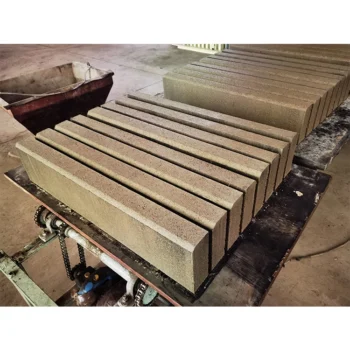
| Building Material Distributors | Adding curbstone and 225×112.5×60mm paver formats to existing ranges |
What "Output Up To 900 Pieces" Leaves Out When Choosing a QTJ4-40 Block Machine
Headline capacity numbers are meaningless without the exact block format and cycle time attached to them.
When a buyer sees a manual block machine quoted at a single high number, they often budget their entire business plan around that figure. Then the machine arrives, they load the 400×200×200mm hollow block mould, and the real output drops to roughly a third of what they expected. The disappointment is not the machine’s fault — it is the quotation’s fault. A realistic QTJ4-40 block machine specification sheet must break output down per format so the buyer can match the machine to the product their market actually demands [NEED_CITE: block machine capacity calculation standards per format].
Honest Capacity by Format and Local Aggregate Matching
The QTJ4-40 stationary block machine produces 360 pieces per hour on the large 400×200×200mm hollow format, 500 pieces per hour on the 400×150×200mm hollow format, and 900 pieces per hour on the smaller 225×112.5×60mm interlocking or paver block. These figures assume standard river sand and crushed stone. When local aggregate shifts to volcanic ash, lightweight pumice, or high-clay river sand, the vibration frequency and manual feed rhythm must be recalibrated to maintain block density and wall thickness consistency.
Mould Selection and Format Flexibility for Regional Markets
A buyer in one region may need hollow blocks for structural walls, while a buyer fifty kilometers away sells mostly paving stones. This manual cement block making machine accommodates that shift through interchangeable moulds rather than requiring a completely new press. The 850×450 mm pallet size stays constant across all three standard formats, meaning curing racks and forklifts do not need to be replaced when the product mix changes [NEED_CITE: pallet size standardization in block production lines].
Platform Vibration, Scraper Mechanics, and Compaction Density
The 2800 r/min platform vibration is matched to the 1 T machine weight and the 850×450 mm pallet area to compact concrete evenly from edge to center. The semi-automatic top die push-and-pull mechanism, combined with the automatic scraper, ensures each mould cavity receives a consistent volume of raw material before vibration begins. This reduces the reliance on operator judgment for fill depth, which is where most density variation originates in manually-fed block presses.
The Cost of Skipping Voltage and Language Confirmation
When voltage, frequency, and PLC display language are left unconfirmed before the QTJ4-40 block machine ships, the machine sits idle on arrival while electricians source step-down transformers or operators struggle with unfamiliar control text. Commissioning delays of several weeks are common in these cases, and the buyer pays for both the idle crew and the missed delivery windows to their own customers. Confirming these details during the quotation stage costs nothing and prevents expensive on-site troubleshooting [NEED_CITE: voltage and frequency standards by export market].
Why Specification Matching Matters at This Investment Level
The QTJ4-40 is specified as one matched system — machine, mould, pallet, and scraper — rather than assembled from separate suppliers who each optimize for their own component. Configuration is set against the buyer’s actual mix design and target block format, not a catalogue default that assumes ideal materials. Mould design covers the formats the buyer’s local market actually purchases, and custom drawings are available when standard sizes do not match regional building codes. The 200 m² factory footprint and 1–3 worker requirement make this press viable for entrepreneurs and contractors who do not yet have the volume to justify a fully automatic line. Documentation includes line layout with capacity calculations stated per format, pallet specifications matched to existing curing areas, and factory test records on the buyer’s specified block dimensions before dispatch.
Documentation & Verification
- Line layout and capacity calculation stating the block format assumed for each QTJ4-40 output figure.
- Mould drawing and format list confirming which of the three standard moulds are included and which are optional.
- Pallet specification sheet for the 850×450 mm size, matched to the buyer’s curing rack and forklift dimensions.
- Factory test record on the buyer’s requested hollow or paver block format before dispatch.
- Operation and maintenance manual covering scraper adjustment, vibration motor servicing, and mould change procedure.
- Wear parts and mould list with part numbers for first replacement ordering.
Installation, Commissioning & Support
- Foundation pad leveled for the 1350×1460×1800 mm footprint with anchor bolt provisions for the 1 T machine weight.
- Dedicated electrical circuit sized to the confirmed voltage and frequency, separate from welding or lighting loads.
- Semi-automatic scraper calibration and top die stroke adjustment completed during first-day commissioning.
- Operator training on manual pallet feed rhythm matched to the 2800 r/min platform vibration cycle.
- First production run on the buyer’s local aggregate to verify the 1:4:5 raw material ratio produces target block strength.
- Wear parts list provided with recommended reorder intervals for scraper blades and mould liner plates.
Sizing the QTJ4-40 to Your Actual Production Requirements
To move past catalogue figures and into a firm configuration, share the block format your market buys most, the daily output you need on that specific format, and the local aggregate you will be feeding. Include your workshop dimensions, existing curing rack layout, and the voltage and frequency available on-site so the machine electricals and pallet size can be confirmed before production begins.
Frequently Asked Questions
Q: How is the QTJ4-40 block machine capacity calculated per format?
A: Capacity is measured by running each mould format through a full eight-hour shift and counting finished pieces. The 2880-piece figure applies only to the 400×200×200mm hollow block at four per mould. Smaller paver formats yield more pieces per cycle but each piece sells for less, so revenue planning must use the format your market actually orders, not the highest headline number.
Q: Which moulds come with the machine, and can I request custom drawings?
A: The standard package includes the moulds specified at order — typically the 4-piece hollow and 9-piece paver. Custom moulds can be designed to buyer drawings for non-standard kerbstone or interlocking formats. Mould change on this semi-automatic press is manual, so buyers switching formats frequently should discuss quick-release options during the quotation stage.
Q: How does the 850×450 mm pallet size affect my curing area planning?
A: Pallet dimensions determine curing rack spacing, forklift tine width, and the total square meters needed for a multi-day cure cycle. The 850×450 mm size is specified so buyers can confirm their existing racks accommodate it before the machine ships. Changing pallet size after delivery would require new racks and possibly new handling equipment across the entire curing yard.
Q: What happens when my local aggregate differs from the standard 1:4:5 ratio?
A: The raw material ratio is a starting guideline, not a fixed recipe. Volcanic ash, high-clay sand, or lightweight pumice each absorb water differently and require adjusted cement percentages to reach target block strength. We run a parameter calibration on a sample of your actual aggregate before confirming the vibration frequency and feed settings for your specific QTJ4-40 configuration.