Description
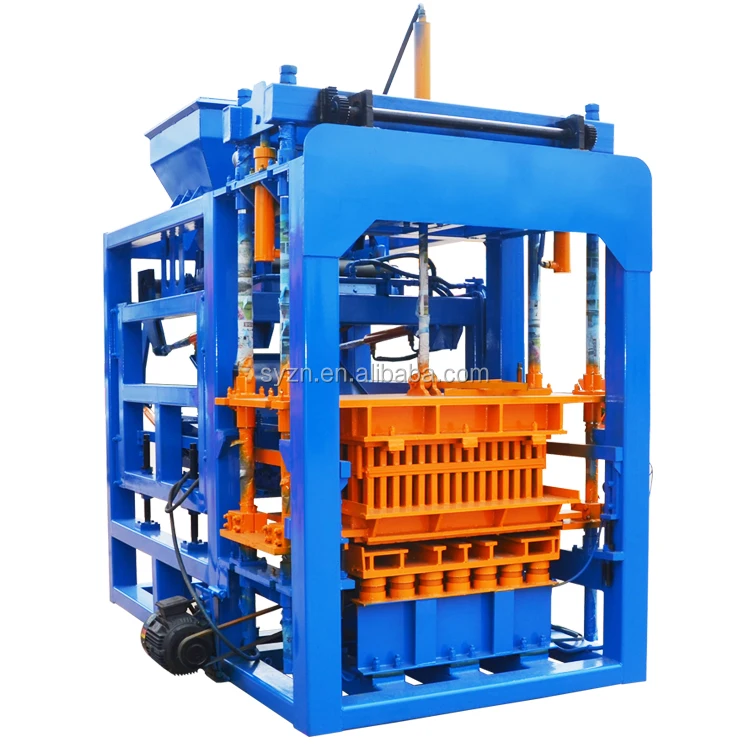
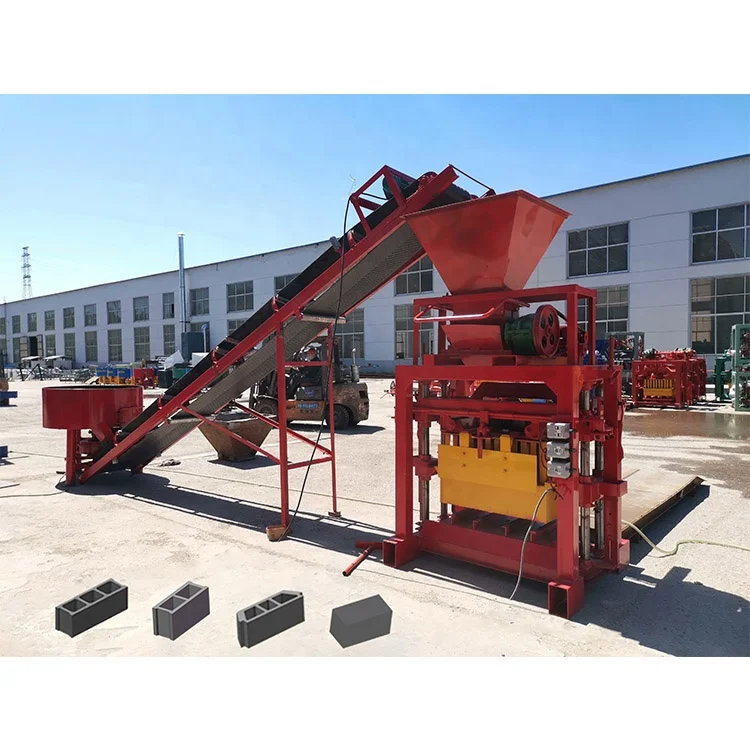
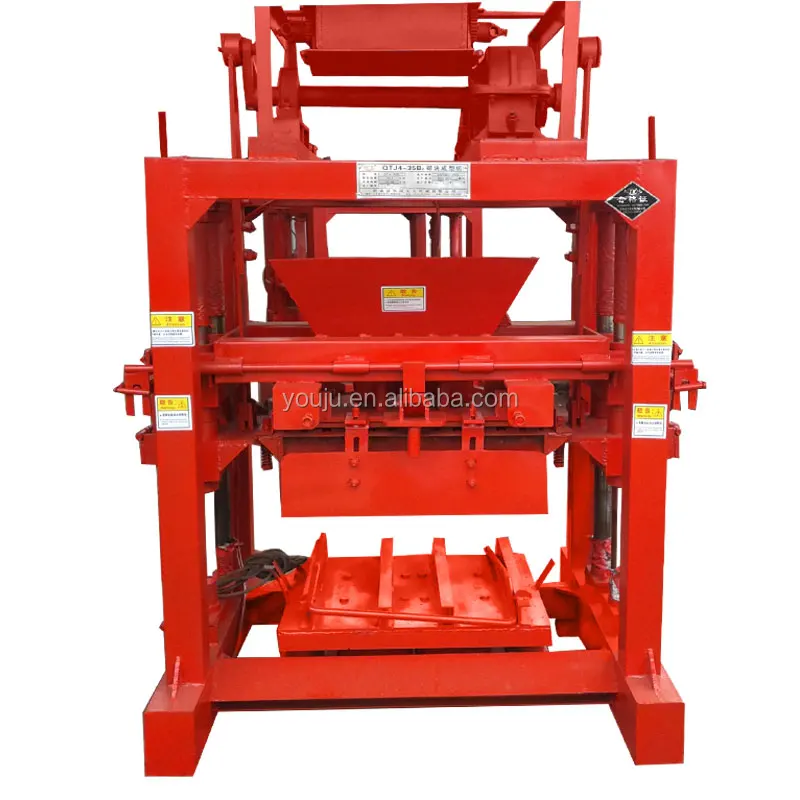
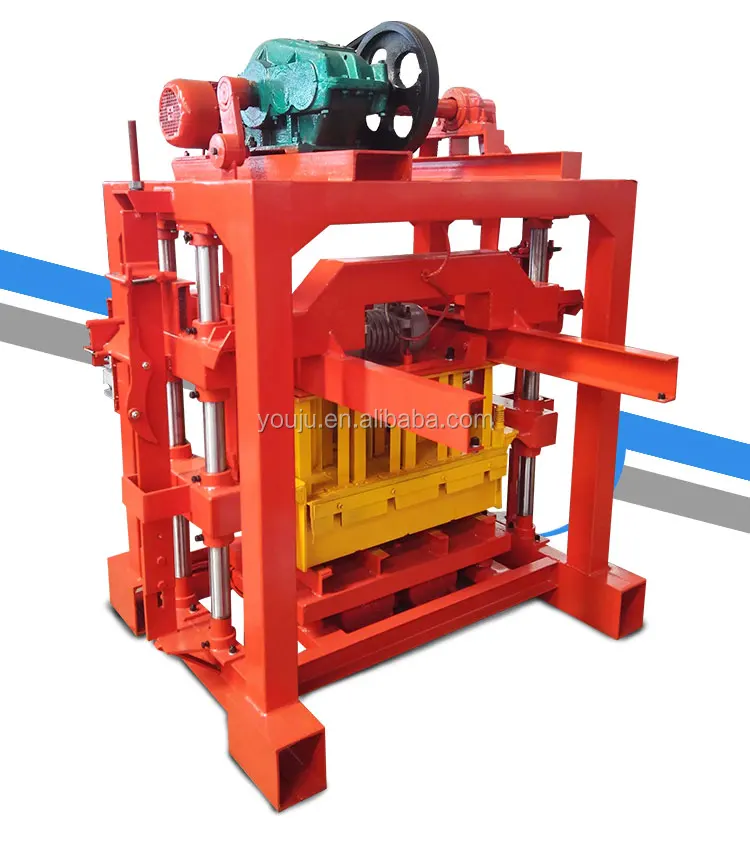
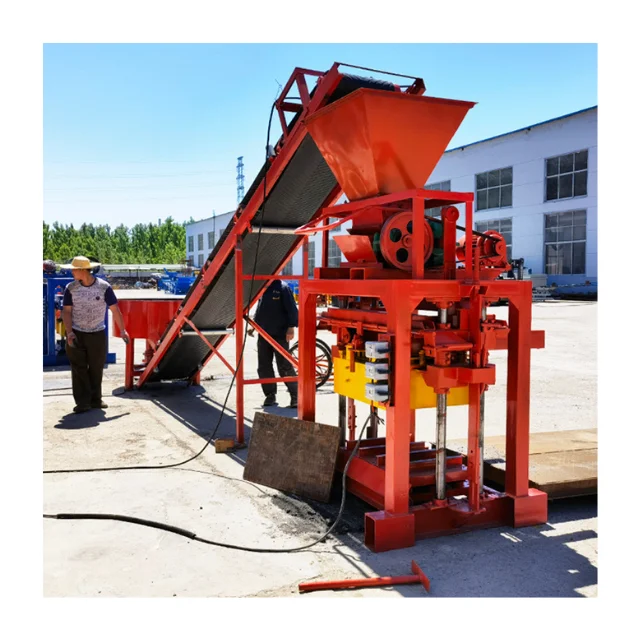
Matched System Sizing — every QTJ4-35 configuration we ship is specified against the buyer’s actual block format, local aggregate and curing footprint rather than a catalogue default, so the machine, mould, pallet and handling arrive as one working line.
Technical Specifications
| Parameter | Value |
|---|---|
| Model | QTJ4-35 |
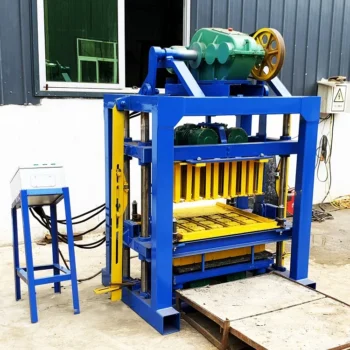
| Product Type | Stationary Manual Block Making Machine |
| Overall Dimensions (L×W×H) | 2050 x 1660 x 1900 mm |
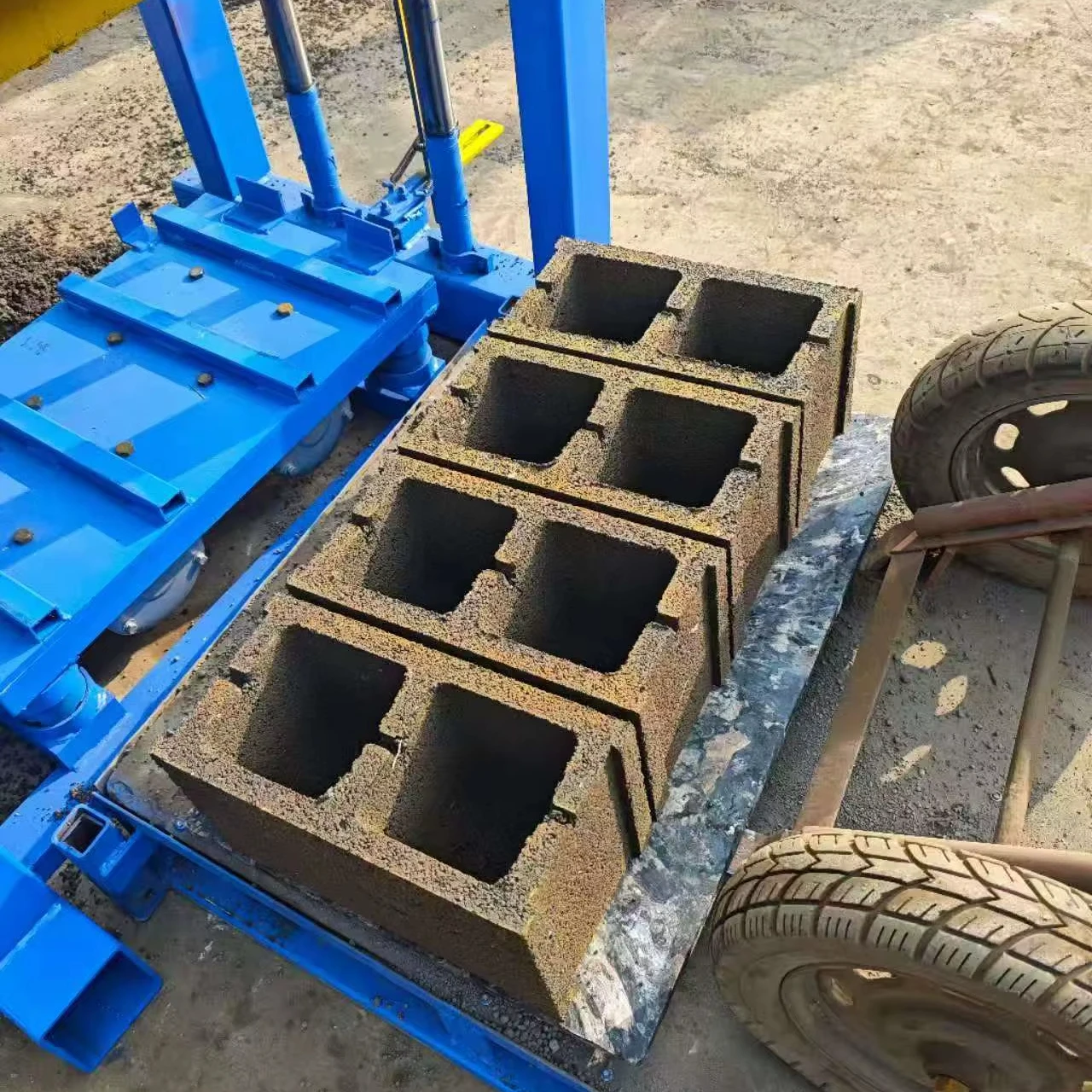
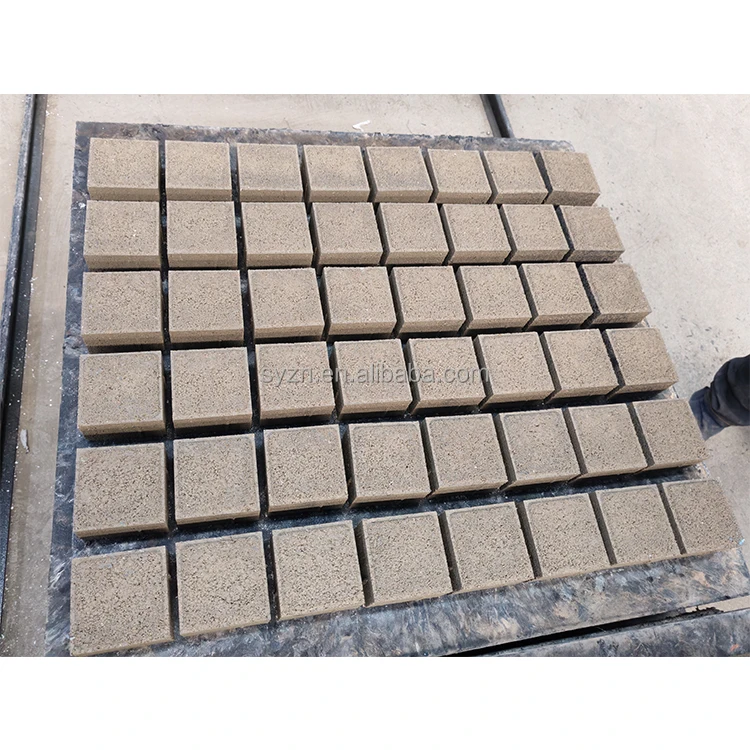
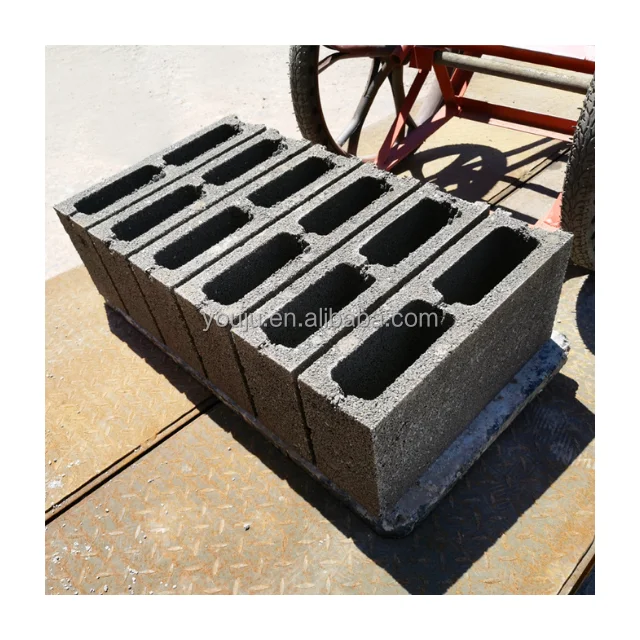
| Mould Format Options | 390×190×190 mm (4 pcs/mould), 390×240×190 mm (3 pcs/mould), 390×120×190 mm (6 pcs/mould), 240×115×53 mm (21 pcs/mould) |
| Molding Cycle | 35 seconds |
| Output Capacity | 3200 pcs/day (basis not stated in source — confirm block format, material and shift length) |
| Pallet Size | 850 x 450 mm |
| Overall Power | 9.7 kW |
| Vibration Form | Platform Vibration |
| Vibration Force | 32 kN |
| Control System | Manual operation |
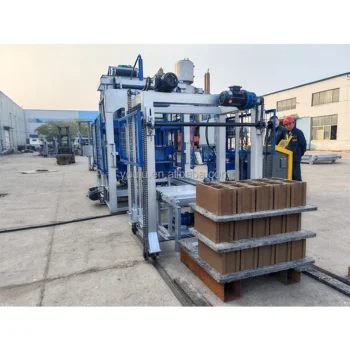
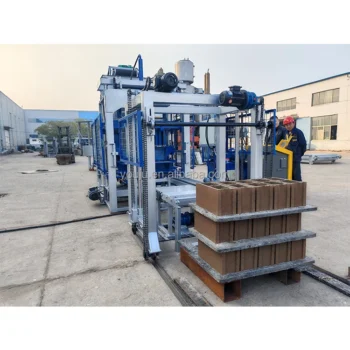
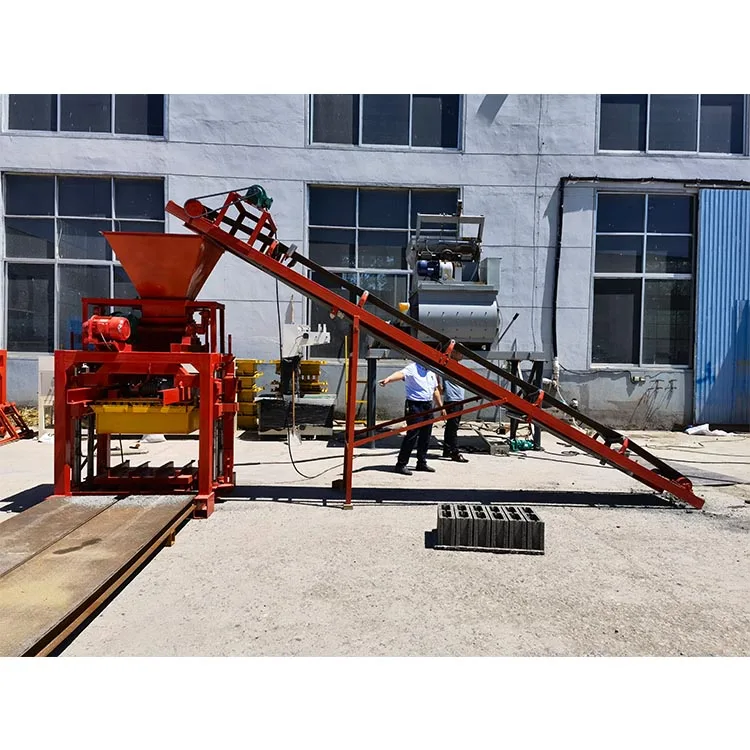
| Automation Level | Standalone host or configurable with belt conveyor and mixer |
| Hydraulic Pressure | Not applicable (vibration-based forming) |
| Assembly State | Standalone host or simple production line configuration |
Application Suitability
| Application | Material or Output |
|---|---|
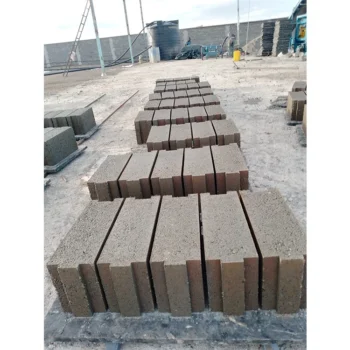
| Small-scale hollow block plant | River sand, gravel and cement producing 390×190×190 mm hollow blocks |
| On-site contractor production | Crushed stone and mechanism sand for solid block formats at project locations |
| First-time block plant entrepreneur | Fly ash, cinder or slag blended with cement for standard masonry units |
| Lightweight block manufacturing | Pumice stone, perlite, shale or ceramic aggregate for reduced-density blocks |
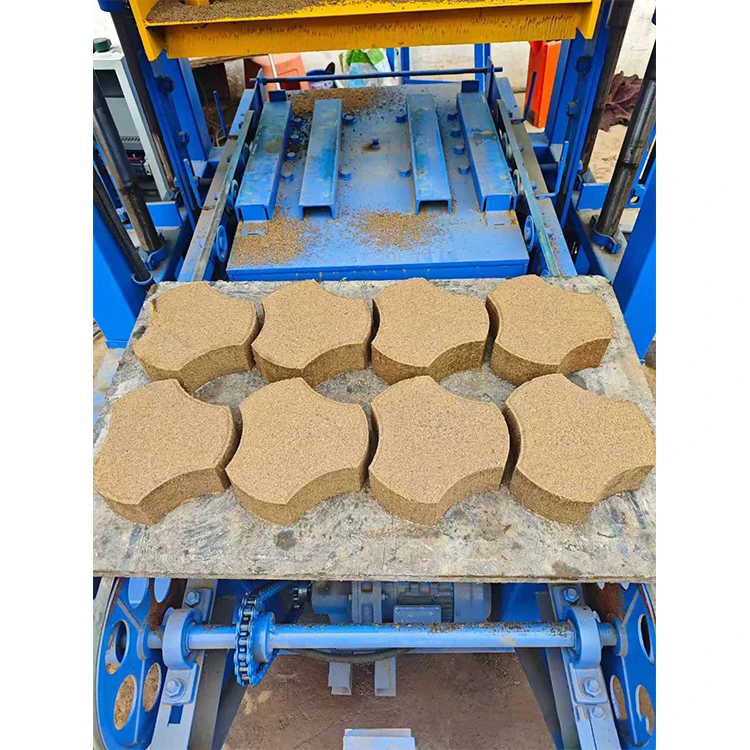
| Paving and kerb production | Selected fine aggregate for interlocking and solid formats within mould range |
What "3,200 Pieces per Day" Actually Means for the QTJ4-35 Stationary Block Machine
The headline capacity figure only holds true when the block format, mix design and shift hours all match the original test conditions — change any one of those and the real daily output shifts.
I have watched buyers receive a machine rated at a certain daily output, install it, run their local aggregate through it, and then wonder why the pallets coming off the line look nothing like the brochure promised. The QTJ4-35 stationary block machine specifications sheet may show a single number, but that number was derived using a specific mould, a specific vibration duration and a specific mix. When a buyer in West Africa runs laterite-rich gravel instead of standard river sand, the 32 kN platform vibration behaves differently. The block may form, but density and edge quality drift. Without recalibrating cycle timing and moisture content to the actual material, daily throughput and block strength both suffer [NEED_CITE: impact of aggregate grading on vibration-formed block density].
Mould Format Determines Real Output, Not the Brochure
The QTJ4-35 supports four standard mould formats ranging from large hollow blocks at four pieces per mould down to solid bricks at twenty-one pieces per mould. Each format changes the cycle economics entirely. A buyer producing 390×190×190 mm hollow blocks gets four units per 35-second cycle, while the same machine running 240×115×53 mm solid bricks produces twenty-one. That difference compounds across a shift and explains why a single daily capacity figure cannot cover every format. Specifying the machine without first confirming which block format dominates the buyer’s market leads to unrealistic production planning from day one.
Platform Vibration Must Match the Mix, Not Just the Mould
The 32 kN vibration force delivered through the platform is a fixed mechanical input, but how that energy transfers into block density depends entirely on the aggregate particle shape, moisture content and cement ratio feeding the mould. Coarse, angular crushed stone absorbs vibration differently than rounded river gravel. If the QTJ4-35 stationary block machine is set up assuming one material profile and then fed another, the resulting blocks may show inconsistent compaction, weak corners or surface cracking [NEED_CITE: vibration energy transfer in concrete block forming with varying aggregate profiles]. Matching vibration parameters to the buyer’s confirmed mix design before the machine leaves the factory prevents costly on-site troubleshooting.
Reading the QTJ4-35 Specifications Beyond the Numbers
The 850 x 450 mm pallet size is not an arbitrary choice — it defines the curing rack dimensions, the forklift tine spacing and the floor area required for block curing. A buyer whose existing curing racks are sized for 900 x 500 mm pallets will face a mismatch that forces either new racks or reduced handling efficiency. The 9.7 kW total power draw means the machine can run on a standard three-phase supply without a dedicated transformer in most markets, but voltage and frequency must still be confirmed before the electrical panel is wired. The manual control system keeps the operator directly responsible for pallet feeding and block removal, which suits low-volume plants where automation investment is not yet justified but means labour planning must account for hands-on operation throughout the shift. The 2050 x 1660 x 1900 mm footprint allows installation in a compact workshop, yet clearance for pallet movement on both the feed and discharge sides still needs adequate planning.
The Hidden Cost of Skipping Format and Material Verification
When a buyer orders based on a headline capacity number without confirming which block format that number assumes, the machine arrives and the real production begins at a fraction of the expected rate. Operators push the cycle faster to compensate, which reduces vibration compaction time and weakens the blocks. Customers complain, returns increase and the buyer blames the machine rather than the specification gap. Similarly, if pallet size was never checked against the curing area and forklift already on site, every pallet movement becomes a manual workaround that slows the entire line. These mismatches do not show up on a quotation — they surface only after the machine is bolted to the floor and the first shift begins [NEED_CITE: common causes of block machine underperformance after installation].
Why Source the QTJ4-35 Through a Matched-System Approach
Block machinery is our single focus, which means the QTJ4-35 is never shipped as an isolated press. The mould, pallet, mixer and conveyor are specified together so that cycle times align and the press is not left waiting for material or pallets. Configuration is set against the buyer’s actual mix design and target block format rather than a catalogue default, ensuring vibration force and cycle timing are appropriate from the first run. Mould design covers the formats the buyer’s market actually sells, with custom drawings available when standard formats do not match local demand. Automation level is selectable, so a buyer can start with the standalone host and add conveyor and mixer stations as volume grows. Installation support includes operator training focused on the specific mould formats and mix design the buyer will run, not generic machine operation.
Documentation & Verification
- Line layout and capacity calculation stating the exact block format and cycle time assumed for the QTJ4-35
- Mould drawing and format list confirming which of the four standard sizes match the buyer’s market
- Pallet specification sheet cross-referenced with the buyer’s existing curing rack dimensions and forklift capacity
- Voltage and control language confirmation document signed off before electrical panel assembly
- Factory test record run on the buyer’s confirmed block format before dispatch
Installation, Commissioning & Support
- Foundation pad sized for the 2050 x 1660 mm footprint with vibration isolation to prevent resonance transfer
- Dedicated three-phase circuit rated for the 9.7 kW total draw with voltage confirmed before panel wiring
- Host machine ships standalone or with 6 m belt conveyor and mixer, assembled on site to match workshop layout
- First-run parameter setting covers vibration duration, feed volume and moisture ratio for the buyer’s specific aggregate
- Operator training covers manual pallet feeding rhythm, mould change procedure and daily vibration platform inspection
- Wear parts list provided for the platform springs, mould liners and pallet surfaces specific to the QTJ4-35
What We Need to Specify Your QTJ4-35 Correctly
To configure the QTJ4-35 stationary block machine for your actual production conditions, share the primary block format your market demands, the local aggregate type you will use and the daily volume you need to sustain. Include your site voltage and frequency so the electrical system is wired correctly before shipment. If you already have curing racks and forklifts on site, provide their dimensions so the 850 x 450 mm pallet specification can be verified or adjusted before the line is finalized.
Frequently Asked Questions
Q: How is the 3,200 pcs/day capacity calculated, and which block format does it assume?
A: That figure is based on a specific mould format, cycle time and shift duration, but the source documentation does not state which format was used. We recalculate realistic daily output once you confirm your primary block format, local mix design and planned shift hours, so the number you plan against reflects your actual conditions.
Q: Can the vibration force be matched to my local aggregate for consistent block strength?
A: The 32 kN platform vibration is a fixed mechanical output, but cycle timing and moisture ratio can be adjusted to suit your aggregate profile. We review your material sample data before finalizing machine settings so compaction density and block strength remain consistent across production runs.
Q: What does the mould change procedure involve on this machine?
A: The QTJ4-35 uses a manual mould change that requires the operator to unbolt the current mould, lift it from the platform and secure the replacement. Planning format changes at shift start or break times prevents mid-run disruptions and keeps production time focused on forming rather than changeover.
Q: Is the 850 x 450 mm pallet compatible with my existing curing setup?
A: That depends on your curing rack spacing and forklift tine width. We ask for those dimensions during the inquiry stage so the pallet specification is confirmed against your existing handling equipment before the machine ships, avoiding on-site mismatches that slow pallet movement.
Q: What electrical supply does the QTJ4-35 require at my site?
A: The machine draws 9.7 kW total and requires a stable three-phase supply. Voltage and frequency vary by market, so we confirm your site specifications before wiring the control panel to prevent commissioning delays once the machine arrives.