

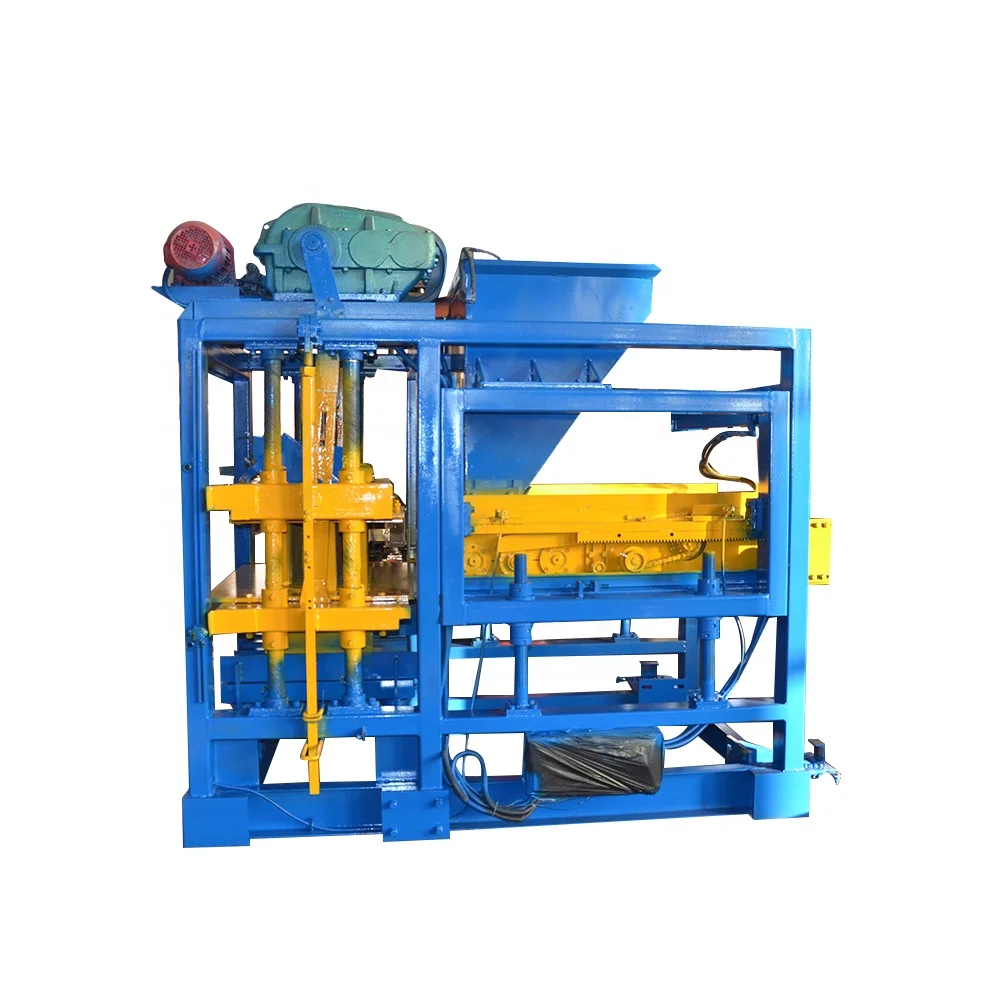
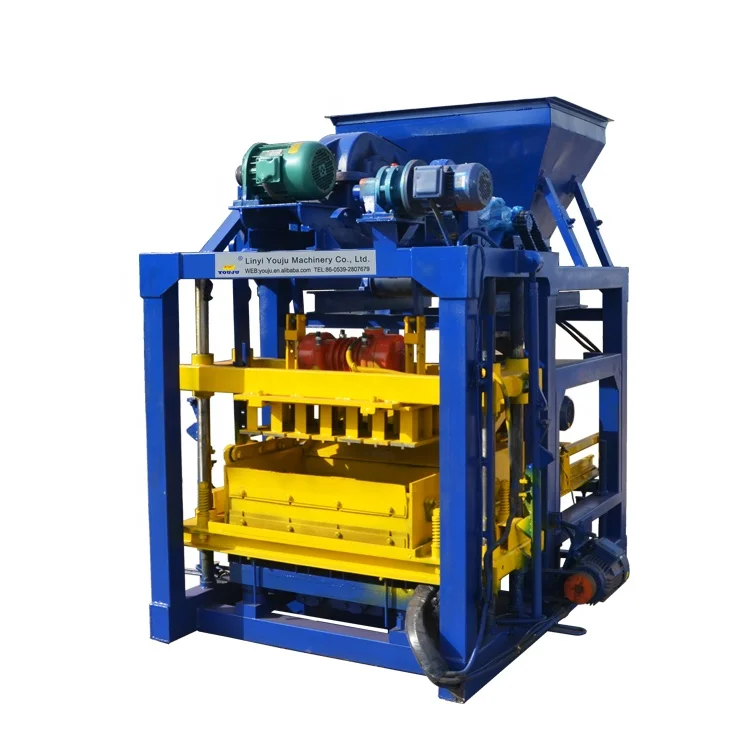
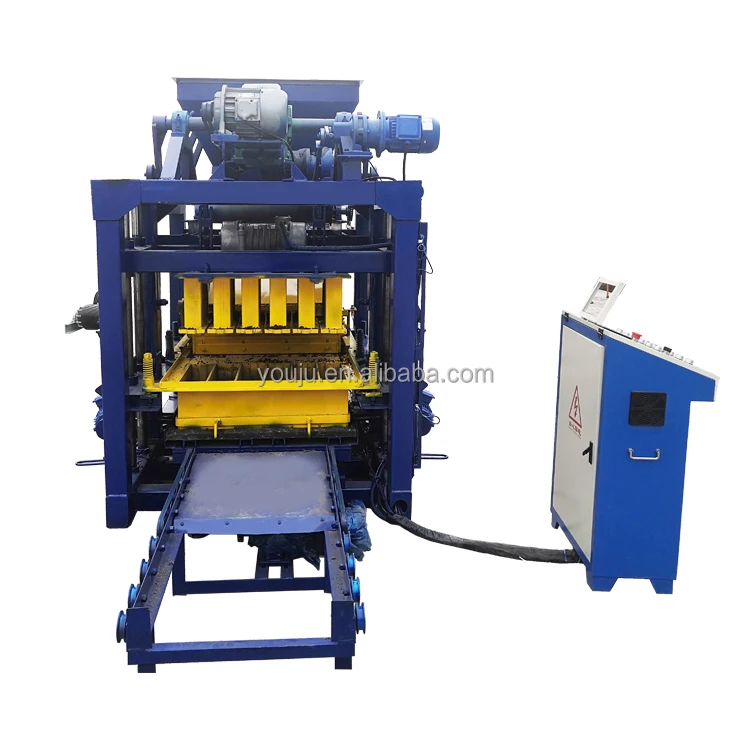
Description
Mould-to-Market Match — QTJ4-25 block making machine specifications are calculated against the exact hollow, solid, or paver format your local market demands, not a generic cycles-per-hour claim.
Technical Specifications
| Parameter | Value |
|---|---|
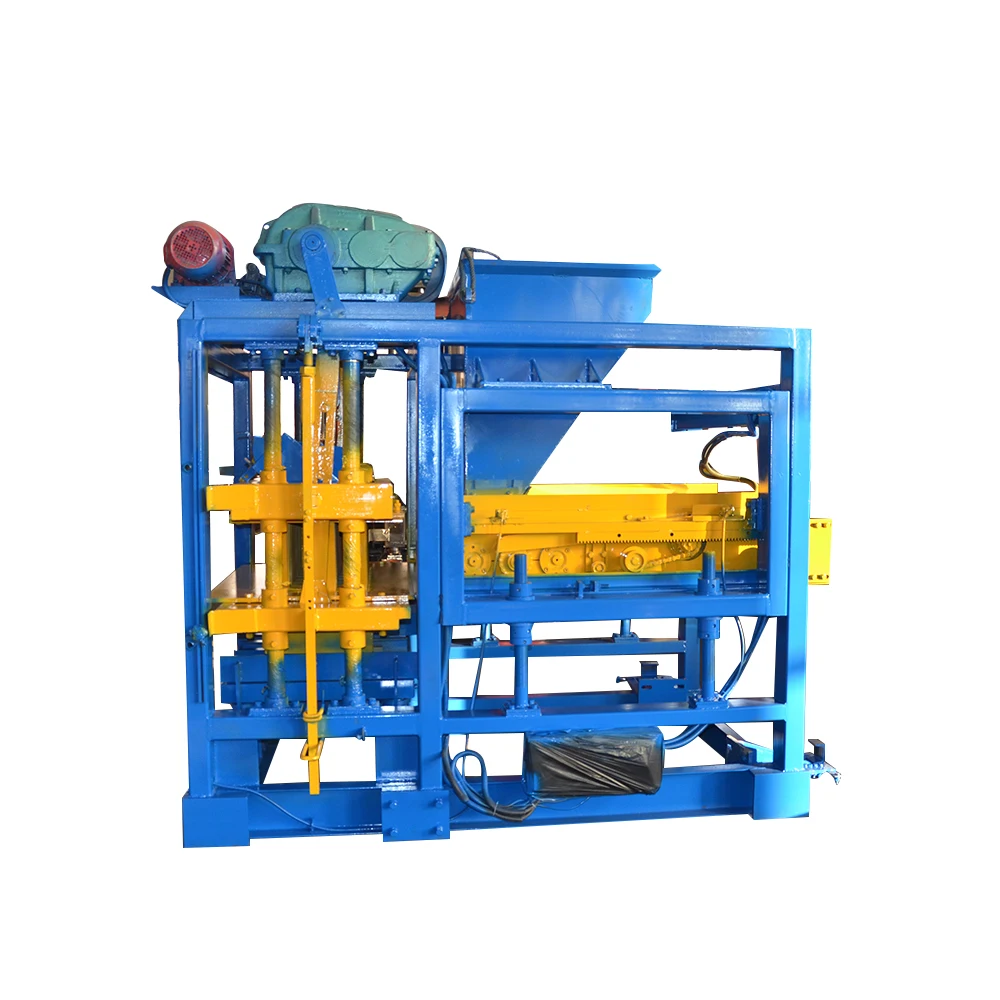
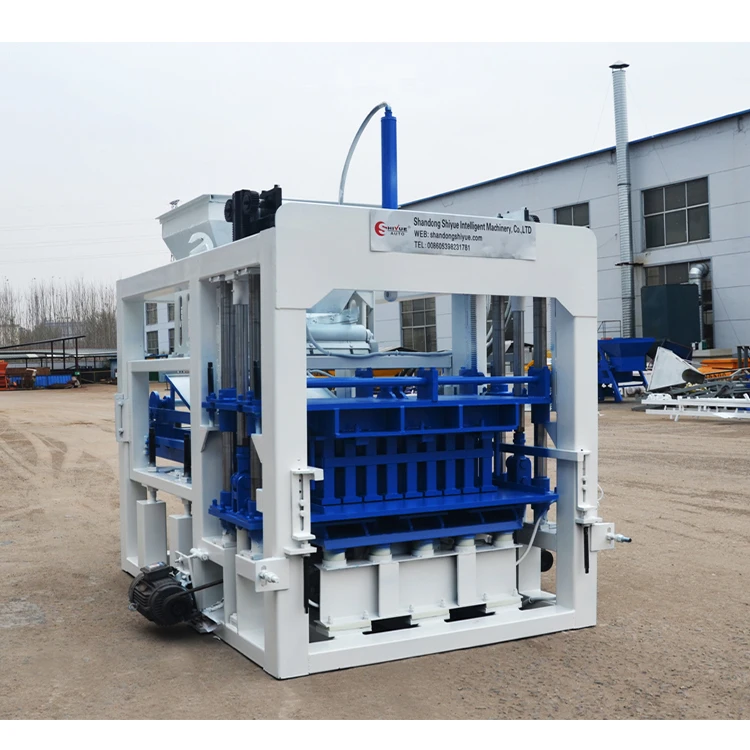
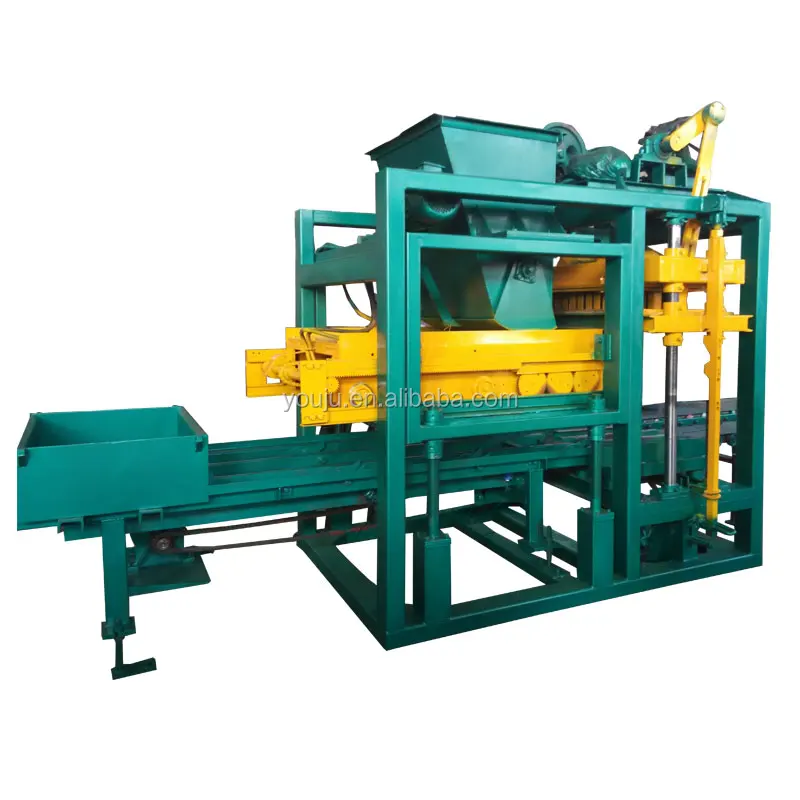
| Model | QTJ4-25 |
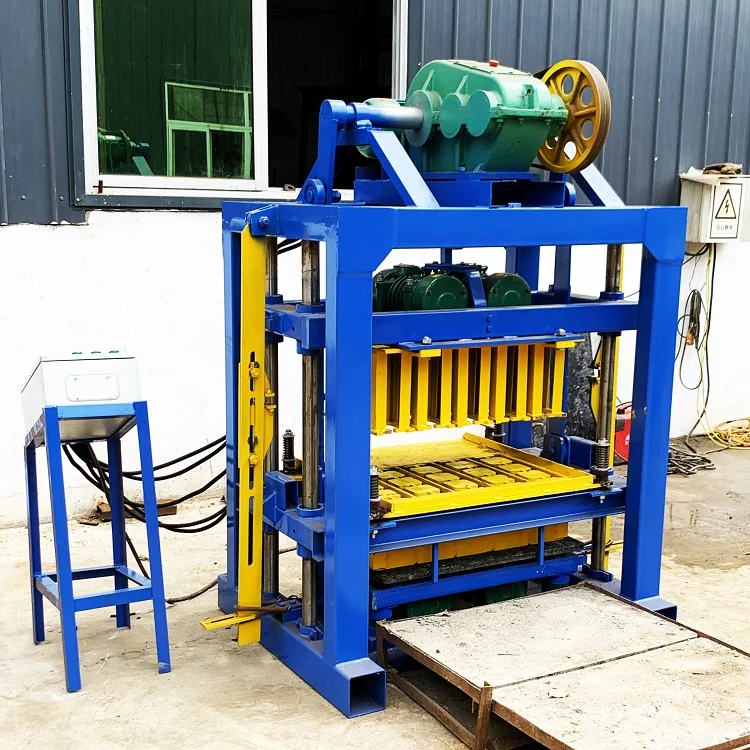
| Product Type | Semi-Automatic Concrete Block Making Machine |
| Rated Power | 17.9 kW |
| Control System | PLC |
| Overall Dimensions | 6400 × 1500 × 2700 mm |
| Net Weight | 2500 kg |
| Molding Cycle | 25 s |
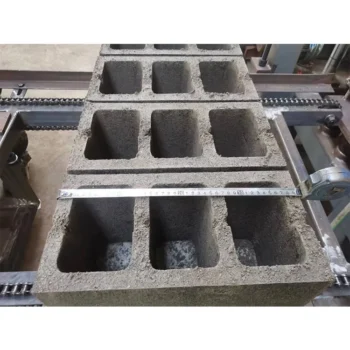
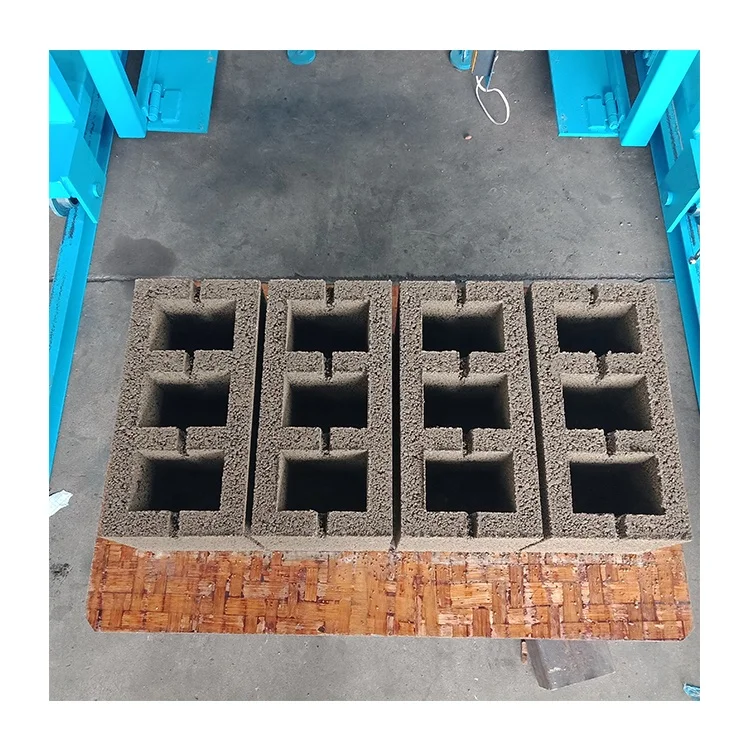
| Output Capacity | 960 pcs/h, 7680 pcs/day (basis: 400×200×200 mm hollow block, 4 pcs/mould) |
| Pallet Size | 850 × 550 × 20 mm |
| Vibration Frequency | 2800 r/min |
| Vibration Force | 60 kN |
| Mould Format | Hollow, solid, paver (8 inch, 6 inch, 5 inch, 4 inch; other sizes on request) |
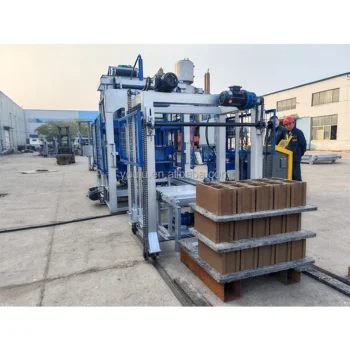
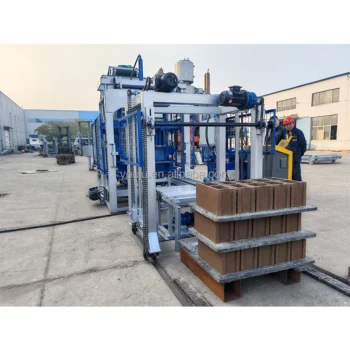
| Assembly State | Host machine + 1 set block mould + JQ350 mixer |
| Hydraulic System | Hydraulic station adopted for high pressure |
| Stacking Method | Manual |
Application Suitability
| Application | Material or Output |
|---|---|
| Hollow Block Production | Crushed stone, cement, sand for 8-inch and 6-inch structural walls |
| Solid Block Manufacturing | Dense aggregate blends for load-bearing masonry units |
| Paving Block Production | Fine aggregate and pigment mixes for interlocking driveway and walkway pavers |
| On-Site Construction Block Making | Local quarry dust and cement blends for project-specific housing contractors |
What "960 Pieces Per Hour" Actually Means for the QTJ4-25 Block Making Machine
Quoted capacity only holds true when the machine, mould, and block format are specified as a single matched system.
Many buyers discover their daily output falls short of the catalogue figure because the stated cycles-per-hour assumed a specific block size that does not match their market. When I started in the assembly workshop, I saw machines dispatched with a 4-inch mould while the buyer expected 8-inch hollow block throughput. The QTJ4-25 block making machine specifications must be anchored to the format you actually sell. [NEED_CITE: capacity calculation methods in concrete block production]
Format-Specific Cycle Time and Real Daily Output
A 25-second moulding cycle delivers the rated throughput only when the reference 400×200×200 mm hollow block is produced. Switching to a smaller solid block format alters the pieces-per-mould count and changes the effective daily tally. Buyers evaluating the QTJ4-25 block making machine specifications should request a line layout document that states the assumed block format for every output figure quoted.
Pallet Matching and Curing Area Constraints
The 850 × 550 × 20 mm pallet size dictates how many blocks fit per rack and how your existing forklift will handle them. A mismatch here means manual restacking or purchasing new handling equipment after arrival. [NEED_CITE: pallet sizing standards for concrete block curing]
Vibration Force, Hydraulic Pressure, and Mix Design Alignment
The 60 kN vibration force at 2800 r/min works in tandem with the hydraulic station to compact the mix into consistent density. However, if your local aggregate has high clay content or unusual moisture, the vibration and pressure settings must be adjusted before commissioning. I now insist on running a trial block with the buyer’s actual raw material before any machine leaves the factory.
Mould Change Flexibility and Format Range
The host machine accepts moulds for 8-inch, 6-inch, 5-inch, and 4-inch hollow blocks, plus solid and paver formats. The QTJ4-25 block making machine specifications include one mould set; additional formats are ordered separately. Mould change time on site is a critical factor — if it takes most of a shift, the format flexibility you paid for is effectively cancelled out. [NEED_CITE: typical mould change procedures on semi-automatic block machines]
The Hidden Cost of Unconfirmed Voltage and PLC Language
Arriving at a job site to find the PLC display is in a language your operators cannot read, or the voltage does not match your transformer, delays commissioning by days. These parameters must be documented and confirmed before production begins. [NEED_CITE: industrial voltage and frequency standards by destination market]
Why Source the QTJ4-25 from a Format-First Supplier
- Machine, mould, and pallet specified together against your target block format, not assembled from separate catalogue defaults.
- Configuration set against your actual mix design and local aggregate, verified by trial block before dispatch.
- Mould design available for the formats your market sells, including custom drawings to buyer specifications.
- Automation level selectable, allowing a semi-automatic entry point with a future upgrade path.
- Installation and commissioning support includes operator training on the exact formats included in your order.
Documentation & Verification
- Line layout and capacity calculation stating the block format assumed for the 960 pcs/h figure.
- Mould drawing and format list confirming the exact sizes included and available for future order.
- Pallet specification sheet matched to your curing area dimensions and forklift capacity.
- Voltage, frequency, and PLC display language confirmation documented before production begins.
- Factory test record on your specified block format before dispatch.
Installation, Commissioning & Support
- Foundation prepared for 6400 × 1500 mm footprint with anchor bolt template provided.
- 17.9 kW rated power requires a dedicated circuit with confirmed voltage and frequency before connection.
- Host machine and JQ350 mixer shipped as a matched assembly for straightforward on-site setup.
- First-run parameter tuning uses your local aggregate and mix design to verify block density.
- Operator training covers mould change procedure for each format included in your order.
- Wear parts list provided with recommended reorder intervals for hydraulic and vibration components.
Next Steps for a Format-Accurate Quotation
Share your target block format, required daily output, and local raw material details. Confirm your site voltage, frequency, and preferred PLC display language. Let us know your existing curing area dimensions and forklift capacity so the pallet specification is matched before the QTJ4-25 block making machine specifications are finalized for your line.
Frequently Asked Questions
Q: How is the QTJ4-25 output capacity calculated, and what block format is it based on?
A: The rated 960 pieces per hour and 7680 pieces per day are based specifically on the 400×200×200 mm hollow block with four pieces per mould. If your target format differs, the effective daily output changes accordingly. We provide a capacity calculation document that states the assumed block format for every figure quoted.
Q: Which mould formats are included, and how long does a mould change take on site?
A: One mould set is included with the host machine, available in 8-inch, 6-inch, 5-inch, or 4-inch hollow block, as well as solid and paver formats. Additional moulds are ordered separately. Mould change time depends on operator familiarity, and training covers the procedure for each format in your order.
Q: How should pallet size and material be selected to match my curing area and handling equipment?
A: The standard 850 × 550 × 20 mm pallet must align with your curing rack dimensions and forklift capacity. We confirm your existing handling setup before finalizing the pallet specification to avoid restacking or new equipment purchases after delivery.
Q: What voltage, frequency, and PLC language options are available before shipment?
A: Voltage and frequency are configured to match your destination market’s industrial supply, and the PLC display language is set to your preference. All three parameters are documented and confirmed before production begins to prevent commissioning delays on site.