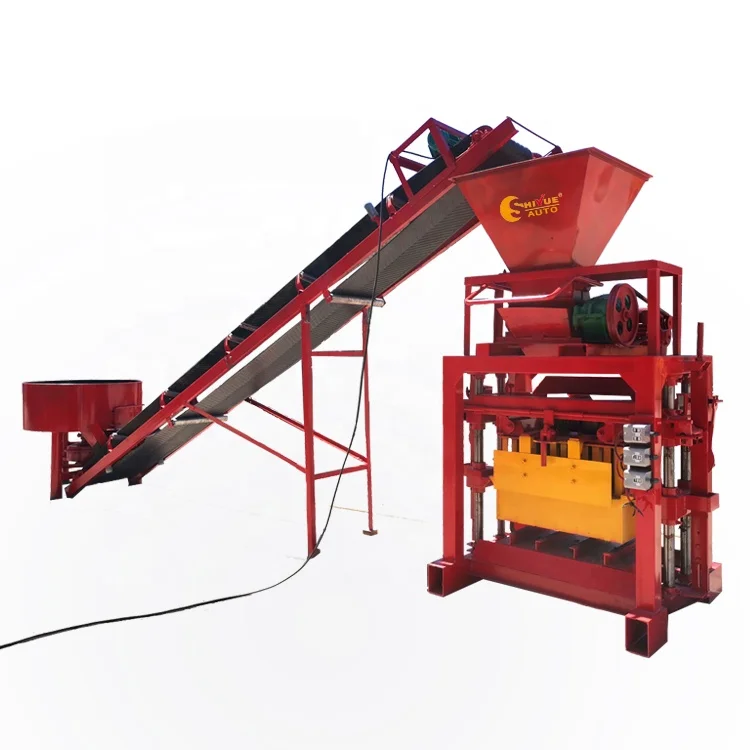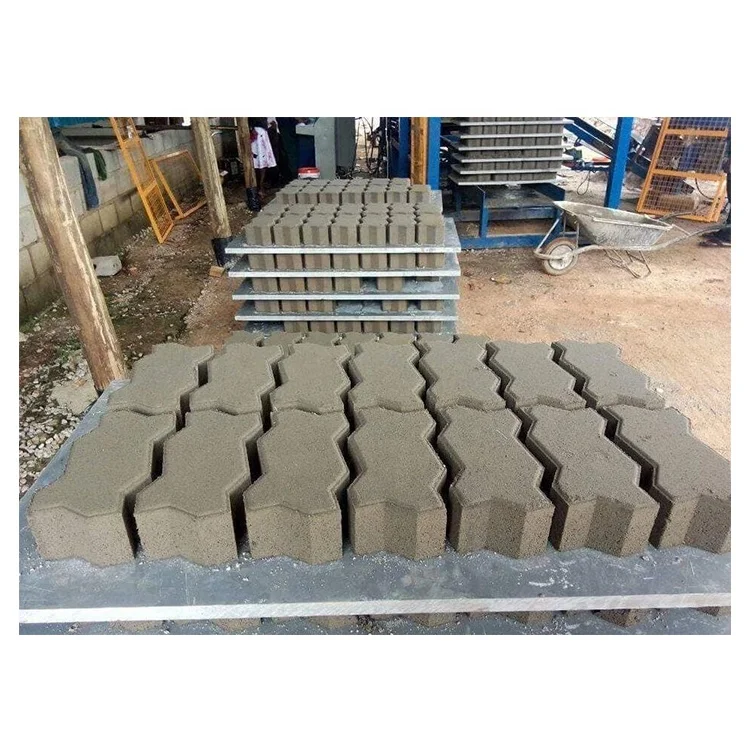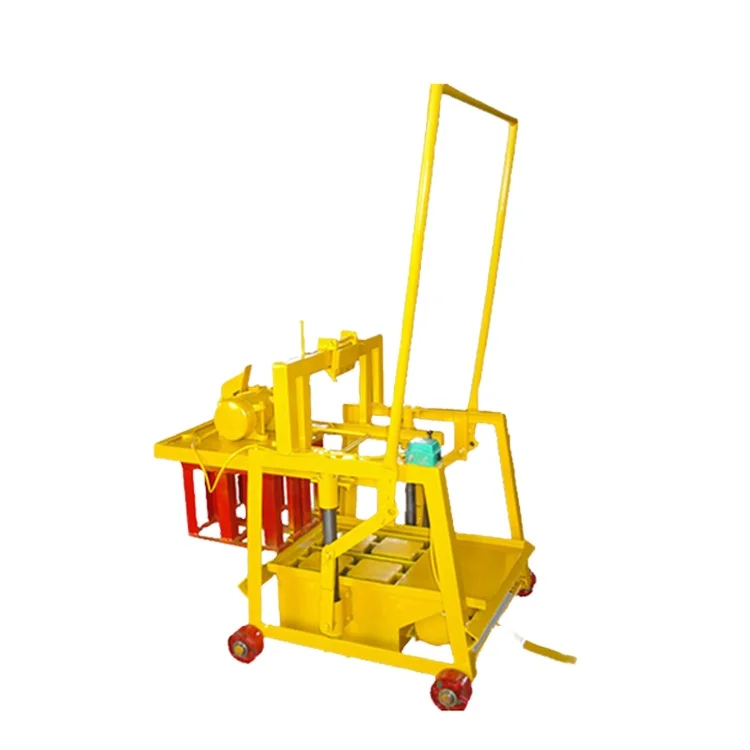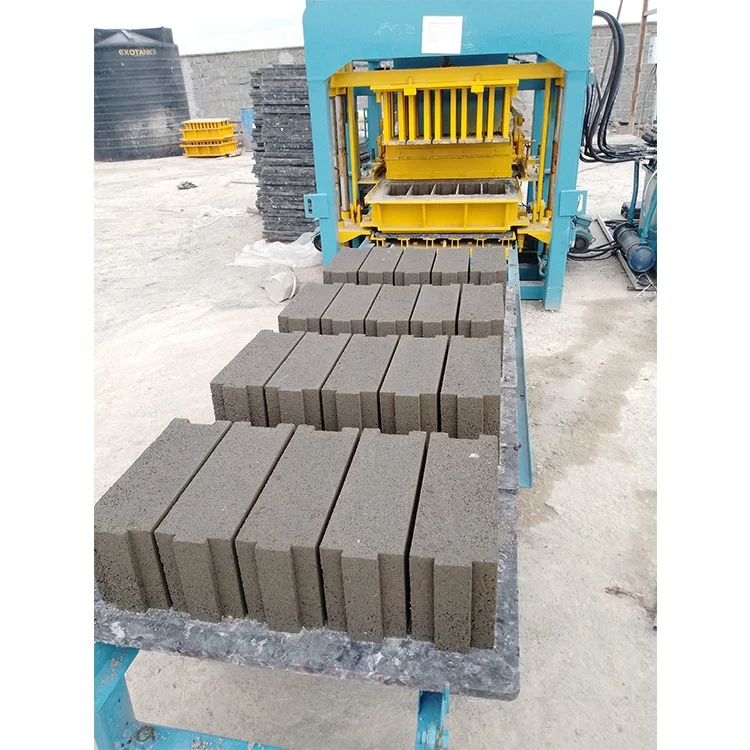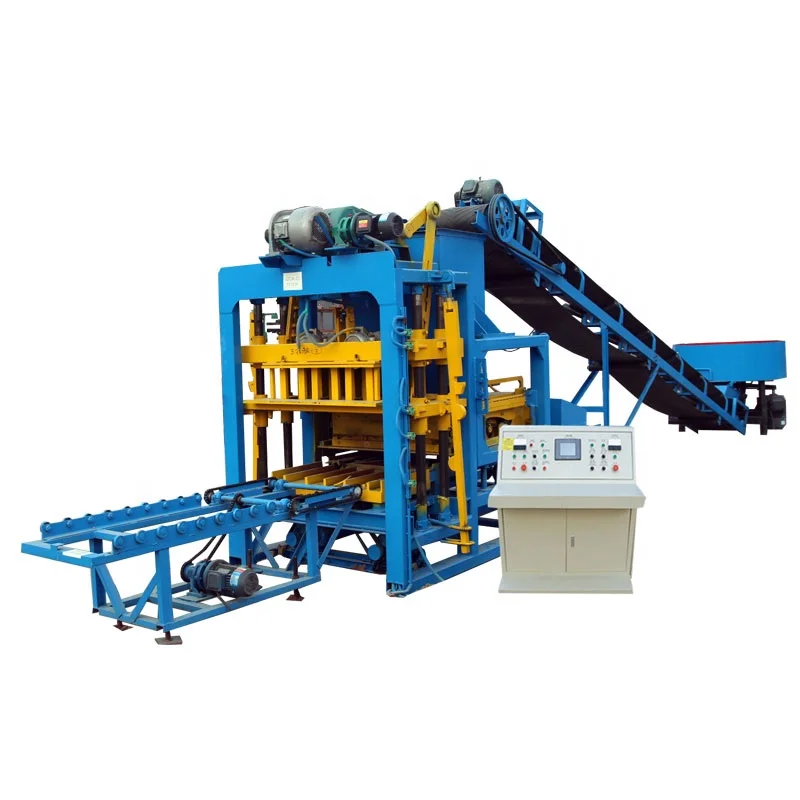


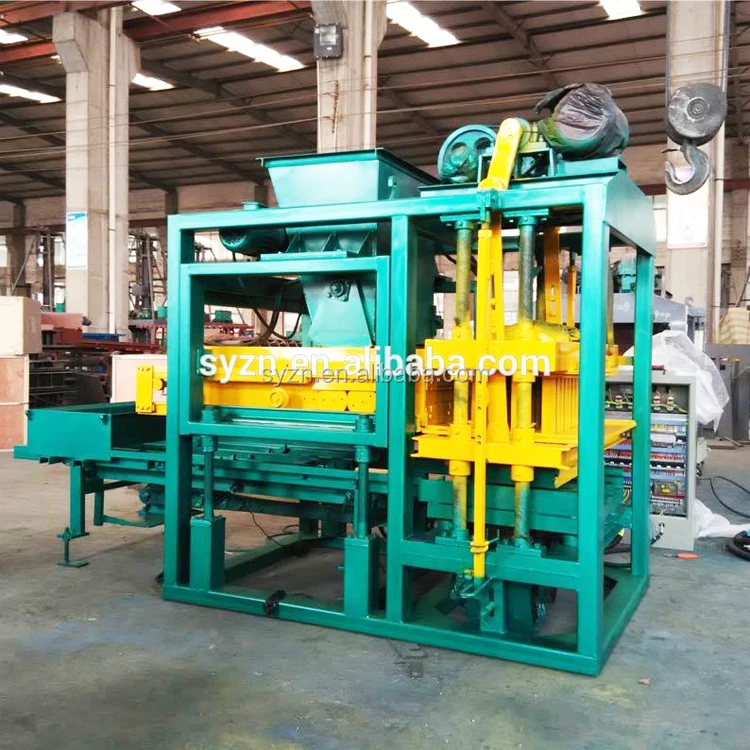

Description
Honest Capacity by Format — The QTJ4-25 block making machine is configured against the buyer’s actual block size, local aggregate and daily volume target, so every output figure here is tied to a specific mould and mix rather than a generic cycle count.
Technical Specifications
| Parameter | Value |
|---|---|
| Model | QTJ4-25 |
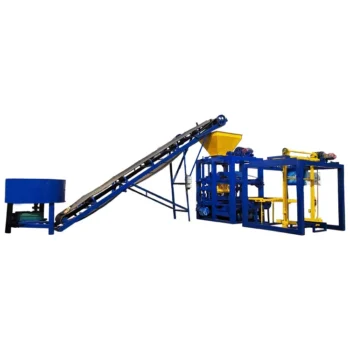
| Product Type | Automatic Concrete Block Making Machine |
| Overall Dimensions (L×W×H) | 6400×1500×2700 mm |
| Molding Cycle | 25 s |
| Vibration Frequency | 2800–5100 r/min |
| Exciting Power (Vibration Force) | 60 kN |
| Total Power | 17.9 kW |
| Mixer Model | JQ350 |
| Pallet Size | 850×550×20 mm |
| Net Weight | 2500 kg |
| Control System | PLC with automatic plate-supplying, material-disturbing and brick-discharging |
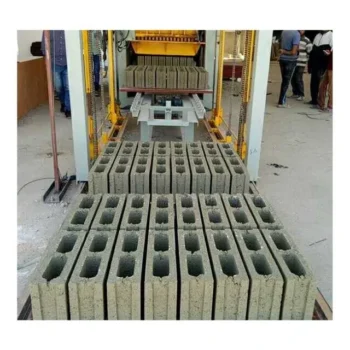
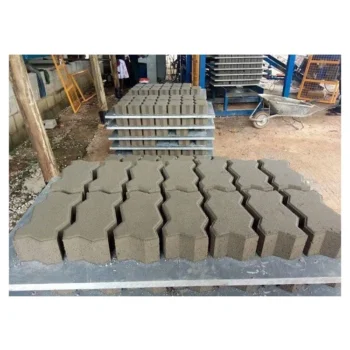
| Applied Products | Concrete hollow blocks (8 inch, 6 inch), solid brick |
| Raw Materials | Crushed stones, sand, cement, dust, fly ash |
| Output – Hollow Block 390×190×190 mm | 480 pcs/hr, 3800 pcs/8hr |
| Output – Hollow Block 400×150×200 mm | 600 pcs/hr, 4800 pcs/8hr |
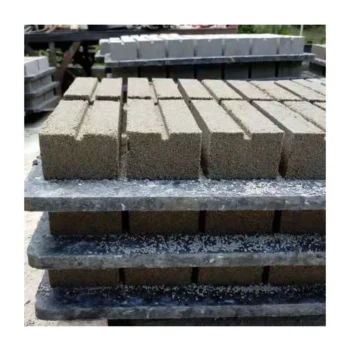
| Output – Solid Brick 240×115×53 mm | 2100 pcs/hr, 17000 pcs/8hr |
| Automation Level | Semi-automatic (automatic plate-supplying, material-disturbing, brick-discharging) |
| Hydraulic Pressure | Not stated in source (basis to be confirmed) |
| Voltage & Frequency | Not stated in source (basis to be confirmed) |
| PLC Display Language | Not stated in source (basis to be confirmed) |
| Mould Change Time | Not stated in source (basis to be confirmed) |
| Stacking Method | Not stated in source (basis to be confirmed) |
Application Suitability
| Application | Material or Output |
|---|---|
| Small-to-medium hollow block plant | 390×190×190 mm or 400×150×200 mm hollow blocks from crushed stone, sand and cement |
| On-site contractor production | Standard 8-inch and 6-inch hollow blocks using locally available aggregate |
| Solid brick line for masonry supply | 240×115×53 mm solid bricks from cement, sand and fly ash blends |
| Format addition to existing range | Hollow block or solid brick moulds fitted to expand a producer’s catalogue |
What "480 Blocks per Hour" Really Means on the Shop Floor
Capacity only matters when the block format and mould are named alongside the number.
Most quotations I review list a single output figure without saying which block size it assumes. A buyer sees "480 per hour" and plans a shift around it, only to find the number applies to a format their market does not buy. With the QTJ4-25 block making machine specifications, every capacity line is anchored to a specific mould: 480 pcs/hr for 390×190×190 mm hollow blocks, 600 pcs/hr for 400×150×200 mm hollow blocks, and 2100 pcs/hr for 240×115×53 mm solid bricks. Without that anchoring, a capacity number is just a marketing placeholder. I once saw a contractor order a machine based on a headline figure, then discover the actual format they needed cut daily volume nearly in half. [NEED_CITE: common discrepancies between quoted and realized block plant output]
Matching Vibration to Your Aggregate, Not a Default Setting
The QTJ4-25 delivers an exciting force of 60 kN across a vibration frequency range of 2800–5100 r/min. That range exists because different aggregates compact differently. River sand with fine gradation needs a different frequency profile than crushed basalt with coarse particles. When the vibration settings are left at a factory default, the resulting blocks can show uneven density from one batch to the next. We set the QTJ4-25 block making machine vibration parameters against the buyer’s own material sample before the machine leaves the workshop.
Pallet Size as a Line Constraint, Not an Afterthought
The pallet dimension of 850×550×20 mm determines how the curing yard is laid out, what spacing the racks need, and which forklift tine width will work. If pallet size is chosen after the machine arrives, the buyer often discovers that existing curing racks are the wrong gauge or that the forklift cannot slide under a loaded pallet cleanly. Confirming pallet specification against the buyer’s current handling equipment is a step that belongs in the configuration discussion, not on the commissioning day. [NEED_CITE: pallet handling mismatches during block plant commissioning]
Reading the Core Parameters for Real Production Impact
Vibration force and frequency together govern how tightly the concrete mix is compacted inside the mould cavity. The 60 kN exciting force on the QTJ4-25 is paired with a 25-second molding cycle, meaning the mix must reach full compaction within that window. If the local aggregate is angular and poorly graded, the vibration may need the upper end of the 2800–5100 r/min range to achieve the same density a smoother aggregate would deliver at lower frequency. The PLC control handles plate-supplying, material-disturbing and brick-discharging automatically, which keeps the cycle consistent regardless of operator skill. Total installed power of 17.9 kW, including the JQ350 mixer, keeps the electrical demand within the range of a standard small-plant supply without requiring a dedicated high-voltage line. The 2500 kg net weight and 6400×1500×2700 mm footprint mean the machine can be set on a prepared concrete slab without deep foundation work, though the vibration forces do require a level and stable base to avoid resonance transfer to adjacent structures.
The Cost of Skipping Configuration Checks
When the voltage and frequency are not confirmed before production, the machine may arrive with a motor wound for a supply that does not match the local grid. Commissioning then stalls while a transformer is sourced or a motor is rewound. I have seen PLC displays ship in a language the operators cannot read, turning a training session into a guessing game. [NEED_CITE: commissioning delays caused by unconfirmed electrical specifications] When the mould format is assumed rather than specified, the first production run yields blocks that do not match the dimensions the buyer’s customers expect. These are not quality failures — they are configuration failures, and every one of them is avoidable if the questions are asked before the order is placed.
Why Procurement Starts with the Block, Not the Machine
Block machinery is the only product line here, so the QTJ4-25 is specified as part of a matched system of machine, mould, pallet and handling rather than assembled from separate suppliers. Mould design covers the formats the buyer’s market actually sells, and custom mould drawings are available when standard formats do not match local demand. Configuration is set against the buyer’s mix design and local aggregate, not pulled from a catalogue default. Automation level is selectable, so a buyer can start with the semi-automatic arrangement of the QTJ4-25 and plan an upgrade path as volume grows. Installation includes operator training so the crew understands how vibration settings, cycle timing and mix proportions interact. [NEED_CITE: single-focus machinery sourcing versus multi-product catalog suppliers]
Documentation & Verification
- Line layout with capacity calculation tied to each specific block format and mould
- Mould drawing showing cavity count and exact block dimensions for every format ordered
- Pallet specification sheet cross-checked against buyer’s curing rack and forklift
- Voltage, frequency and PLC display language confirmed in writing before production starts
- Factory test record covering the buyer’s target block format and mix proportions
- Operation and maintenance manual with wear parts and mould replacement list
Installation, Commissioning & Support
- Prepared concrete slab required to handle 2500 kg machine weight and vibration loads
- Power supply must match confirmed voltage and frequency for the 17.9 kW total connected load
- Machine shipped in dismantled state with reassembly guided by hydraulic and electrical schematics
- First-run commissioning includes vibration tuning to the buyer’s actual aggregate sample
- Operator training covers PLC interface, mould change procedure and daily maintenance points
- Wear parts list and mould spares identified before shipment for early replacement planning
What to Include in Your Inquiry
Send the block formats your market buys, including exact dimensions and whether hollow or solid. Provide a sample or lab report of your local aggregate — sand source, crushed stone type and gradation — so vibration and pressure settings can be matched before production. State your site voltage, frequency and preferred PLC display language to avoid commissioning delays. If you already have curing racks or forklifts on site, share their specifications so pallet size is confirmed against your existing equipment.
Frequently Asked Questions
Q: How is the QTJ4-25 capacity verified for each block format?
A: Each output figure is tied to a specific mould and block dimension — 480 pcs/hr for 390×190×190 mm hollow blocks, 600 pcs/hr for 400×150×200 mm, and 2100 pcs/hr for 240×115×53 mm solid bricks. The capacity calculation document states the exact format assumed so buyers can plan shifts around realistic numbers rather than a single generic claim.
Q: Which mould options are available and how does a mould change work?
A: Moulds are supplied for the hollow block and solid brick formats listed in the specifications, and custom mould drawings can be produced to match non-standard local formats. Mould change time is confirmed during configuration and depends on the mould fixing arrangement. Buyers should request the mould format list and change procedure as part of the quotation package.
Q: How is the machine configured to match my local aggregate?
A: Vibration frequency and exciting force are adjusted based on the buyer’s aggregate sample and mix design. Coarse, angular crushed stone typically requires a different frequency setting than fine river sand to achieve consistent compaction. The configuration proposal includes the recommended vibration parameters so block strength remains uniform across production batches.
Q: What pallet size is used and how does it affect my curing layout?
A: The QTJ4-25 uses 850×550×20 mm pallets. This dimension determines curing rack spacing, forklift tine requirements and yard layout. Buyers are asked to share their existing handling equipment specifications before the order so pallet material and size are confirmed compatible with the curing infrastructure already in place.
Q: Are electrical specifications confirmed before the machine ships?
A: Voltage, frequency and PLC display language are confirmed in writing before production begins. This prevents commissioning delays caused by motor rewinding or transformer sourcing after the machine arrives. The confirmation is documented alongside the factory test record so the buyer has a complete specification package at handover.