
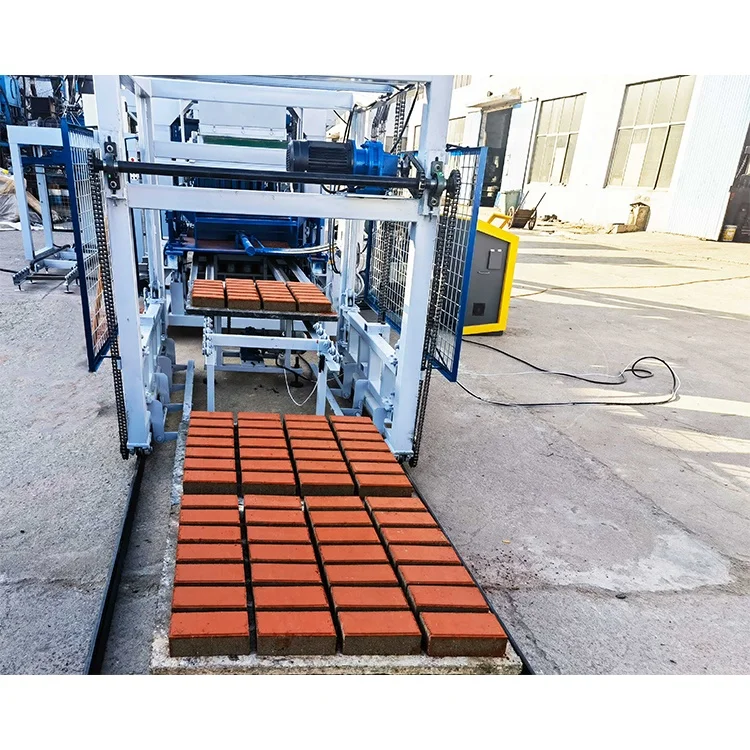


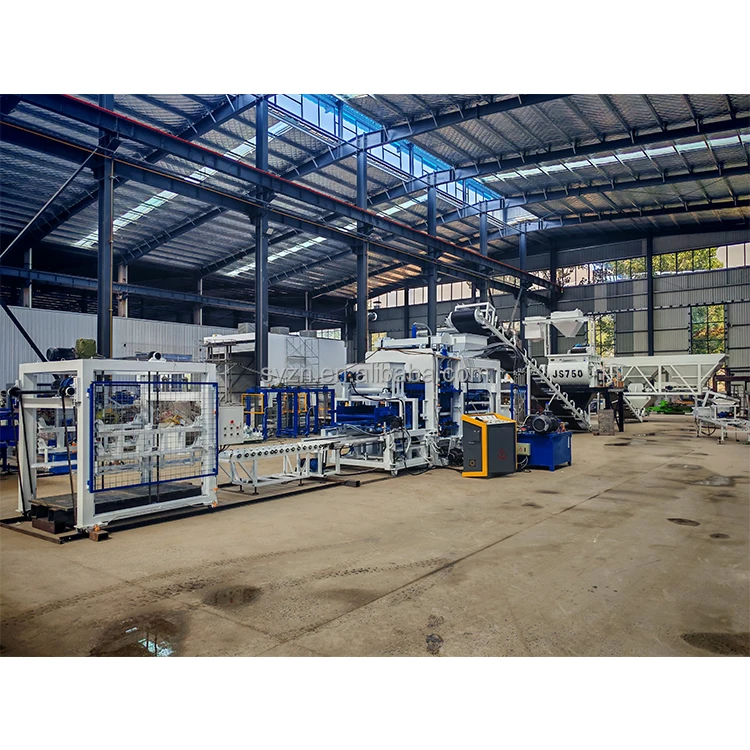
Description
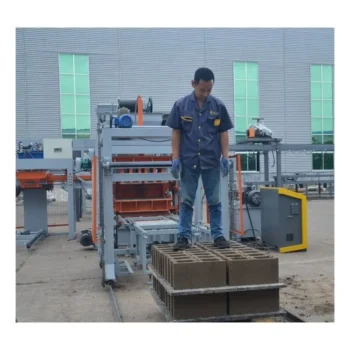
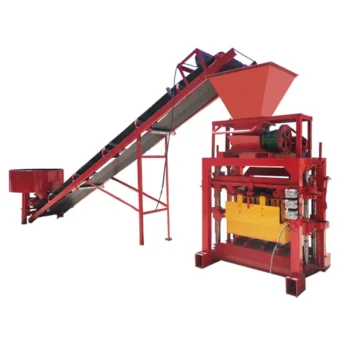
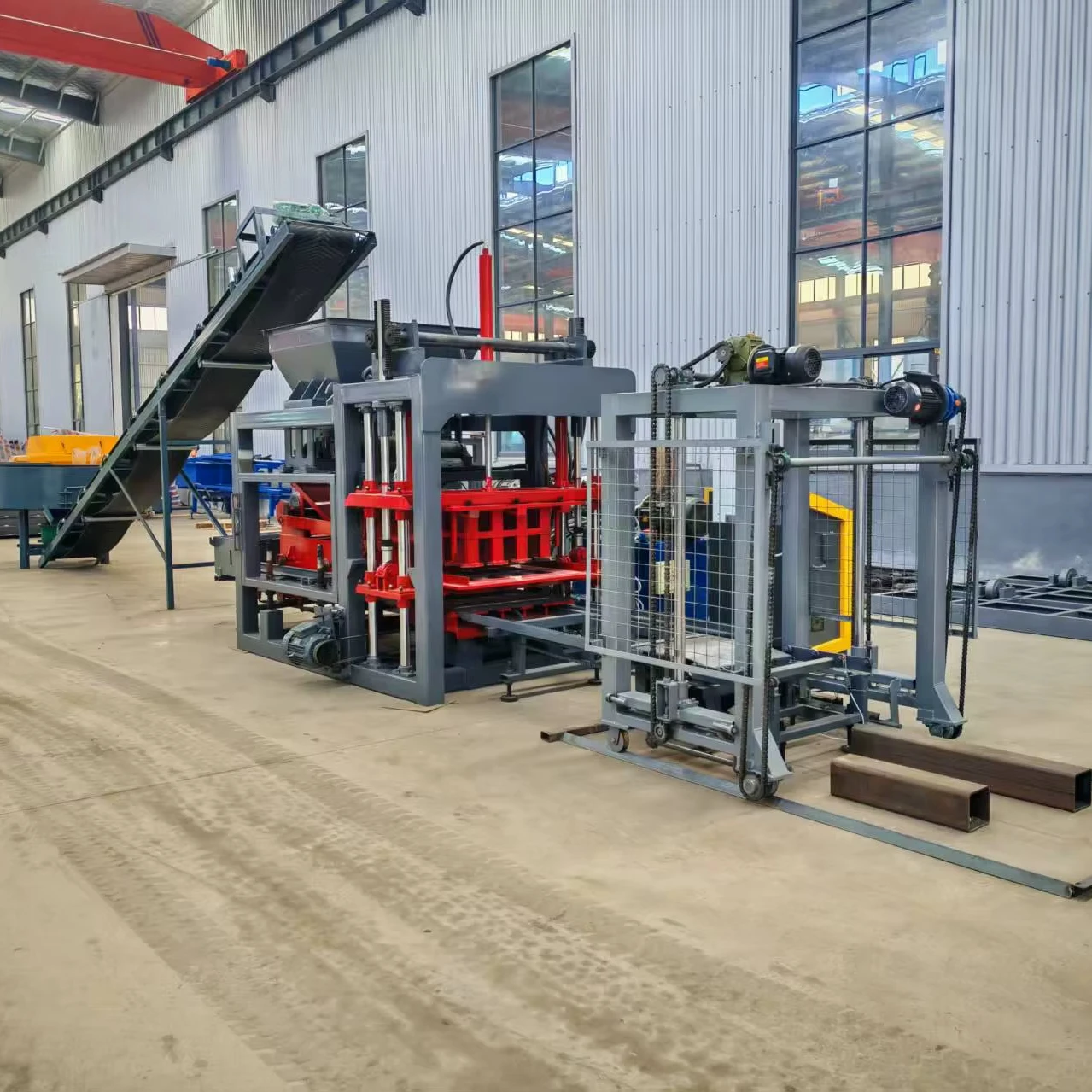
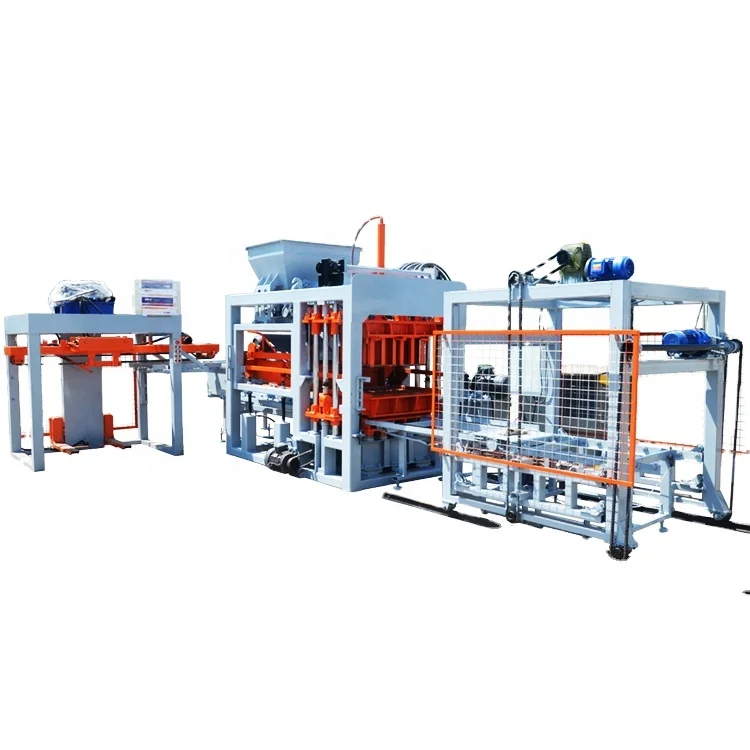
Matched System Configuration — The QT8-15 is specified against your actual block format, local aggregate and target output, with machine, mould, pallet and handling aligned as one working unit rather than separate components.
Technical Specifications
| Parameter | Value |
|---|---|
| Model | QT8-15 |
| Product Type | Full Automatic Hydraulic Block Making Machine |
| Overall Dimensions (L×W×H) | 8300×1860×3000 mm |
| Rated Pressure | 21 MPa |
| Main Vibration Form | Platform Vibration |
| Vibration Frequency | 2800–4500 r/min |
| Vibration Force | 45 kN |
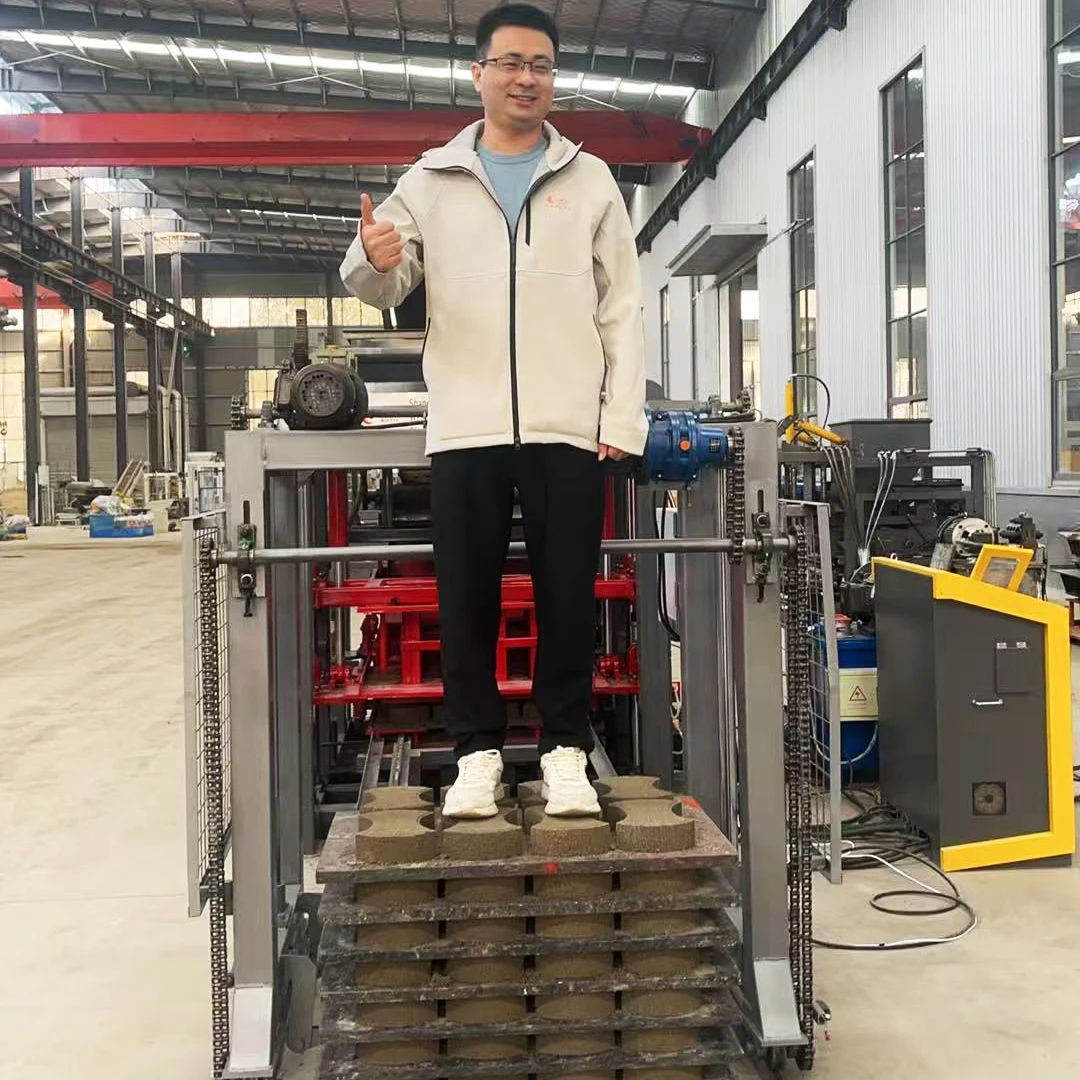
| Pallet Size | 950×900 mm |
| Molding Cycle | 15–20 s (basis to be confirmed per block format) |
| Overall Power | 55.5 kW |
| Total Mass | 8 T |
| Demolding Method | Hydraulic |
| Required Factory Area | 300 m² |
| Automation Level | Full Automatic |
| Control System | PLC (brand and language to be confirmed) |
| Voltage & Frequency | Configurable (to be confirmed before commissioning) |
Application Suitability
| Application | Material or Output |
|---|---|
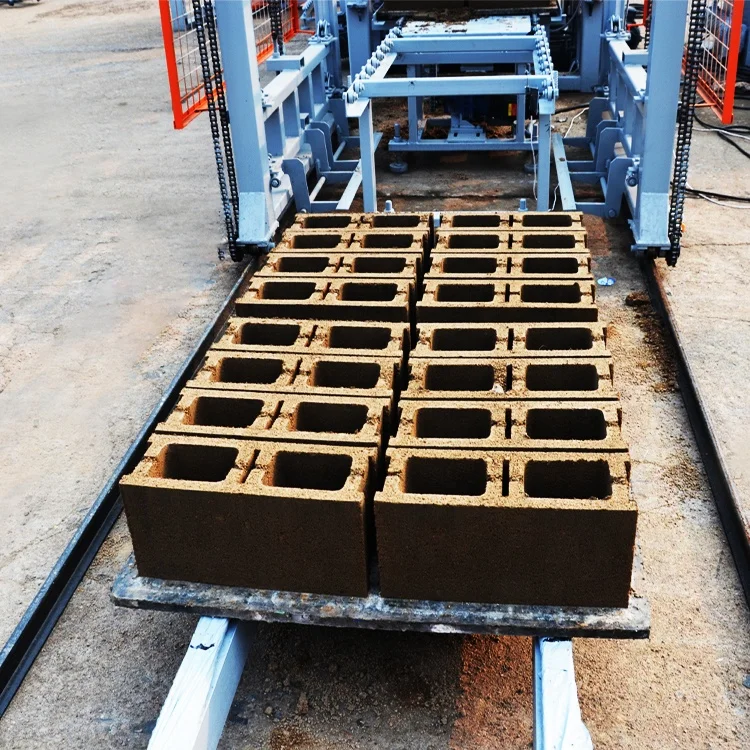
| Hollow block production for commercial and residential walls | Crushed stone, sand, cement, fly ash, gravel |
| Solid block manufacturing for load-bearing structures | Concrete mix with local aggregate and cement |
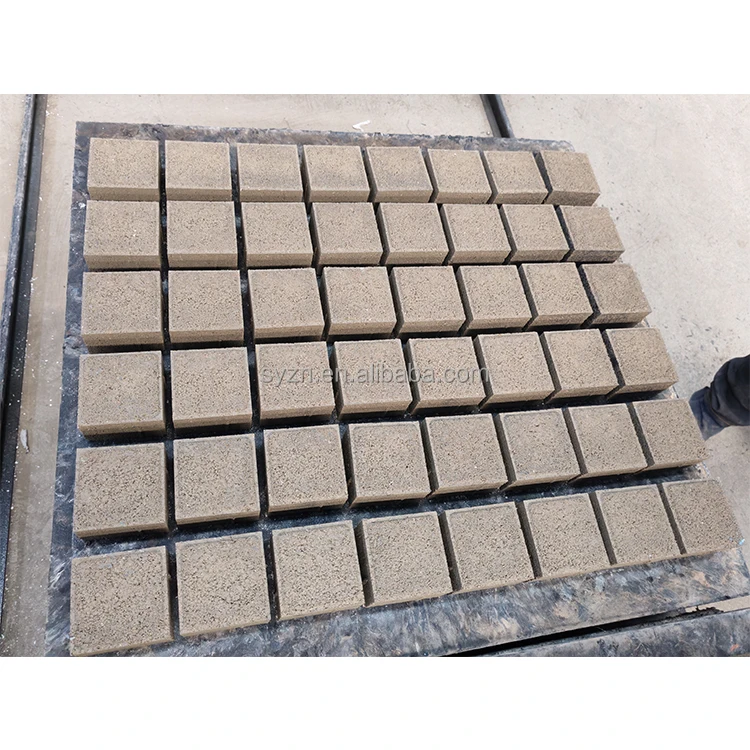
| Interlocking paver production for driveways and walkways | Colored concrete mix, fine sand, cement |
| Curbstone and kerb production for road infrastructure | High-strength concrete mix, crushed stone, slag |
| Porous block and permeable paver runs | Open-graded aggregate, cement, specialized mix designs |
What the QT8-15 Block Machine Specifications Don’t Tell You
Capacity numbers without a block format attached are meaningless for production planning.
I spent years flying across Latin America fixing machines that had been quoted on a single cycle count. One QT8-15 Full Automatic Block Machine in Colombia sat idle for weeks because the buyer received a catalogue capacity figure that assumed a hollow block format, while their market demanded interlocking pavers with a completely different cycle profile. The machine was never wrong — the specification sheet was. When evaluating the QT8-15 block machine specifications, every output figure must state which block format, pallet load pattern and mix design it assumes [NEED_CITE: block machine capacity calculation standards by format].
Format-Specific Cycle Time and Honest Output Calculation
The QT8-15 block machine specifications list a molding cycle of 15–20 seconds, but that range spans multiple block formats. A standard hollow block may complete its press cycle at the lower end, while a dense interlocking paver with a face-mix layer requires the full 20 seconds plus additional pallet transfer time. The realistic daily output depends entirely on which format you run and how many hours the line operates between mould changes.
Mould Matching to Local Market Demand
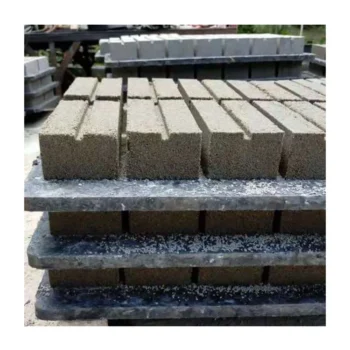
The press accepts moulds for hollow, solid, interlocking, paver and curbstone formats. The critical step is confirming which formats your local construction market actually purchases, then verifying that the mould drawing, compaction profile and demolding stroke suit your specific aggregate. A mould designed for river sand behaves differently than one tuned for crushed basalt, and mismatching them produces inconsistent block density across the pallet.
Matching Hydraulic Pressure and Vibration to Your Mix
The 21 MPa rated pressure and 45 kN platform vibration force work together to compact the concrete mix into a dense, uniform block. Pressure alone pushes the material into the mould cavity, while vibration settles the aggregate and eliminates voids. If your local mix uses a high proportion of fine dust or fly ash, the vibration frequency range of 2800–4500 r/min must be tuned to that material — otherwise the blocks emerge with weak cores or surface cracks [NEED_CITE: hydraulic pressure and vibration force matching for concrete block density].
The Cost of Skipping the Pallet and Handling Conversation
A 950×900 mm pallet size sounds like a minor line item until the machine arrives and the buyer discovers their existing curing racks only accept 850 mm widths. Pallets that do not match the curing area force manual restacking, and a pallet material chosen without regard to local humidity leads to warping within months. When the stacking and curing handling equipment is left out of the quotation, the "full automatic" press ends up feeding blocks that workers stack by hand — negating the automation investment [NEED_CITE: pallet size and curing rack compatibility in block production plants].
Why the Specification Sheet Must Match the Quotation
The QT8-15 is built around a single-focus block machinery approach, meaning the press, moulds, pallets and handling are specified as one matched system. Configuration is set against your actual mix design and local aggregate, not a catalogue default. Mould design covers the formats your market sells, and custom drawings are available when standard formats do not match local building codes. Automation level is selectable, so you can commission the line semi-automatic and plan a future upgrade path.
Documentation & Verification
- Line layout and capacity calculation stating the block format assumed for each output figure
- Machine specification sheet confirming hydraulic pressure, vibration force and pallet dimensions
- Mould drawing and format list covering all block types intended for production
- Voltage, frequency and PLC display language confirmed in writing before production
- Factory test record run on buyer-specified block format before dispatch
- Hydraulic and electrical schematic for on-site maintenance reference
Installation, Commissioning & Support
- Foundation must support 8 T total mass across the 8300 mm machine length with level tolerance verified
- 55.5 kW overall power requires dedicated circuit with voltage and frequency confirmed before wiring
- PLC display language and control parameters set during on-site commissioning to match operator preference
- First production run validates molding cycle and demolding stroke against buyer’s local aggregate mix
- Mould change procedure and tool list reviewed with operators during training session
- Wear parts list and hydraulic seal kit supplied with initial shipment for first replacement cycle
What to Include in Your Next Inquiry
To receive a configuration proposal that reflects your actual production needs, specify the block format and dimensions you intend to produce, along with the target daily output per format. Include your local raw material source and any aggregate test data available, plus the voltage, frequency and control language required at your site. Confirm the pallet size that matches your existing curing racks and forklift, and note whether automatic stacking and cubing are required or if manual handling fits your current labor setup.
Frequently Asked Questions
Q: How is the QT8-15 output capacity calculated, and which block format is it based on?
A: Capacity is calculated per block format, not as a single catalogue number. Each output figure states the assumed block dimensions, pallet load pattern and mix design. A hollow block cycle differs from an interlocking paver cycle, so the quotation includes a format-specific capacity sheet rather than a generic cycles-per-hour claim.
Q: Which mould formats are available, and can custom moulds be designed to my drawings?
A: Standard moulds cover hollow, solid, paver, interlocking and curbstone formats. Custom moulds are designed to buyer drawings when local building codes or market preferences require non-standard dimensions. Each mould is matched to the buyer’s aggregate type and target block strength before production.
Q: How does the pallet size relate to my existing curing racks and forklift?
A: The 950×900 mm pallet must align with your curing rack spacing and forklift tine width. Confirming these dimensions before ordering prevents costly restacking on arrival. Pallet material is also selected based on local humidity and expected curing cycle duration.
Q: What voltage, frequency and control language options are confirmed before shipment?
A: Voltage and frequency are confirmed in writing to match the buyer’s local power grid. The PLC display language is set to the operator’s preferred language before the machine ships, avoiding commissioning delays caused by untranslated control menus on site.
Q: How long does a mould change take on the QT8-15, and what tools are required?
A: Mould change time depends on the format switch and whether quick-release clamps are specified. The quotation includes a mould change procedure sheet listing required tools and estimated changeover duration, so buyers can plan format rotation without losing a full shift to setup.