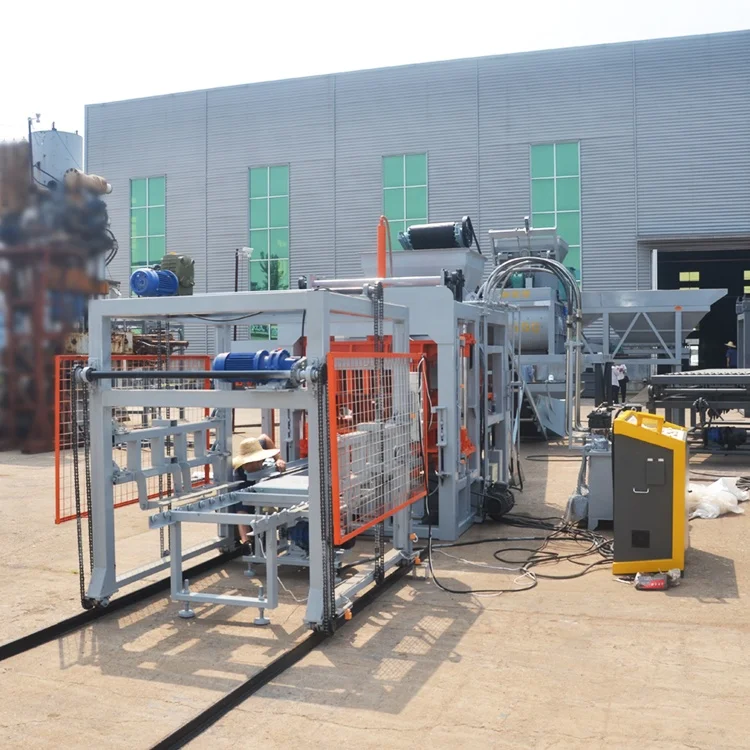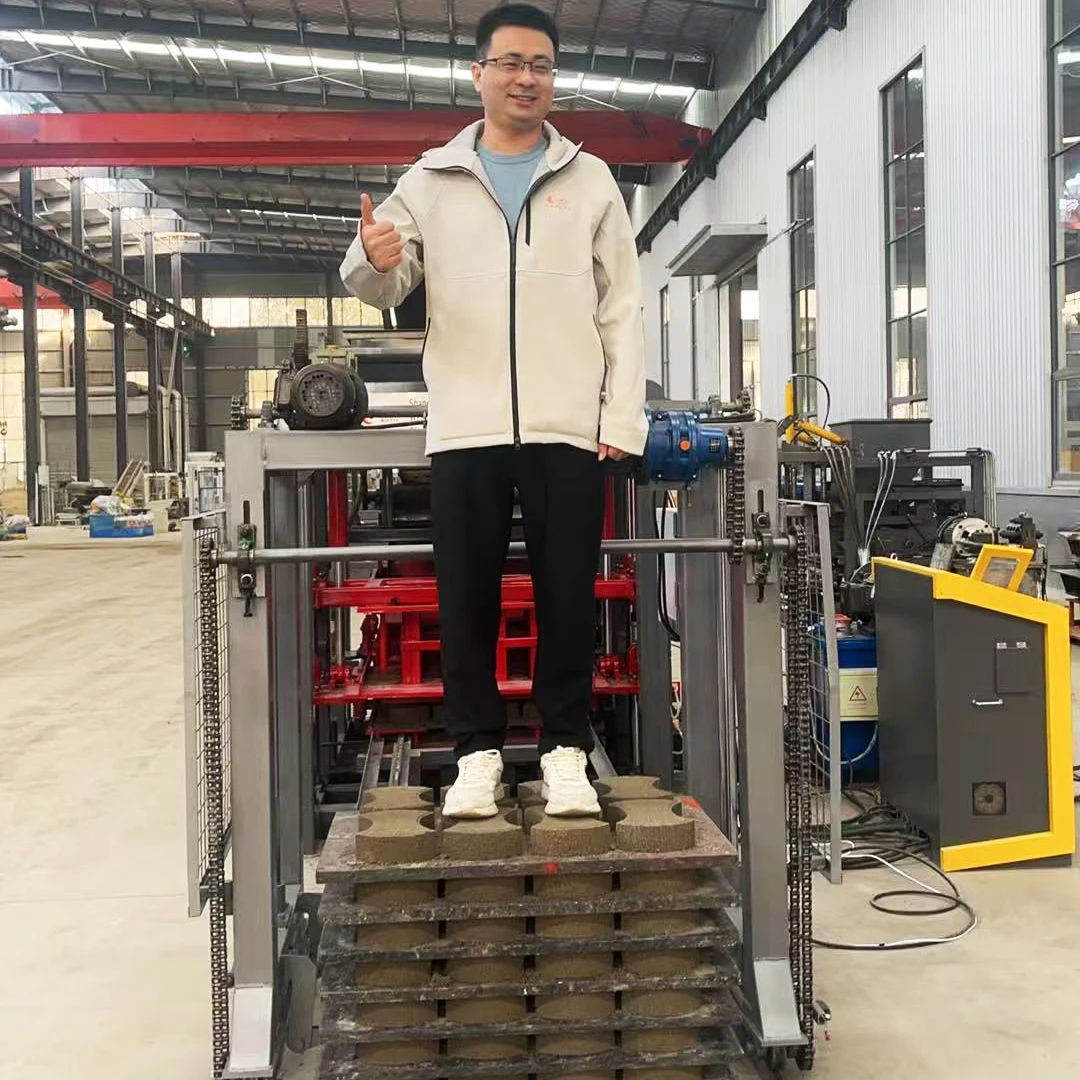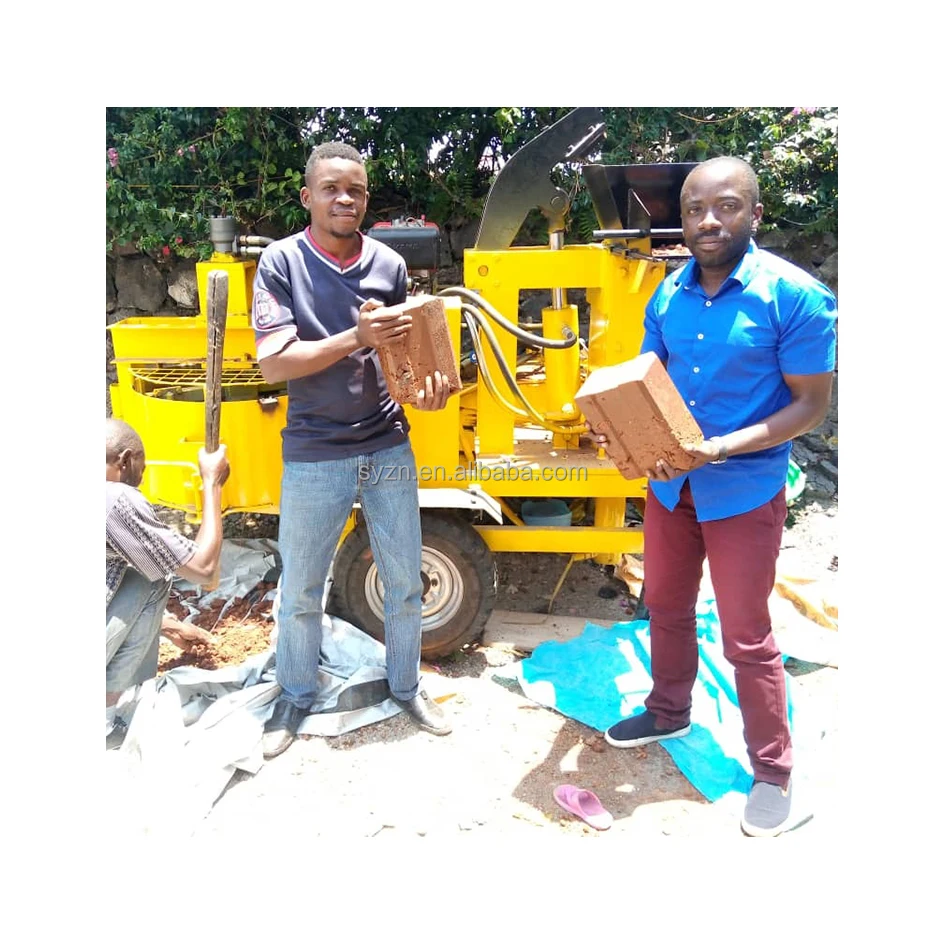
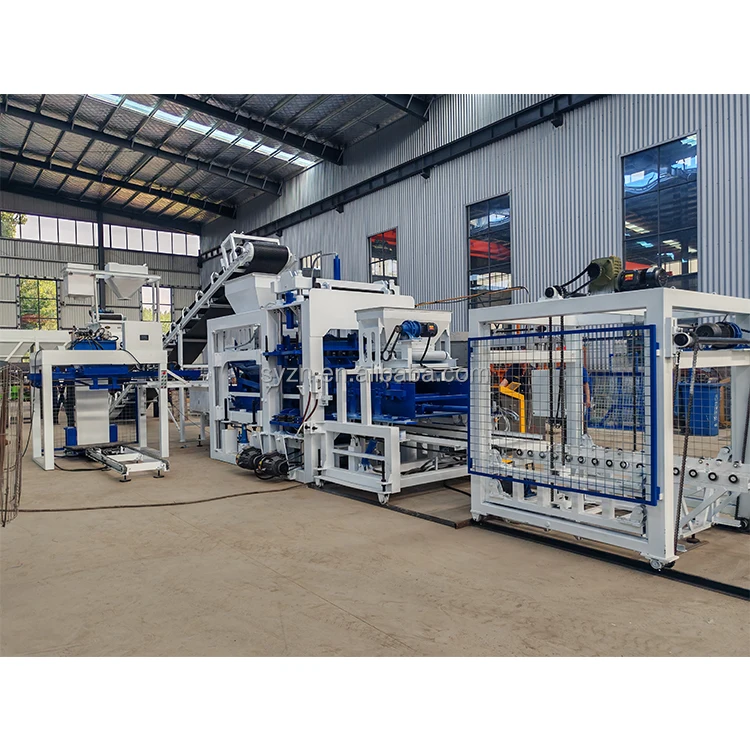

Description
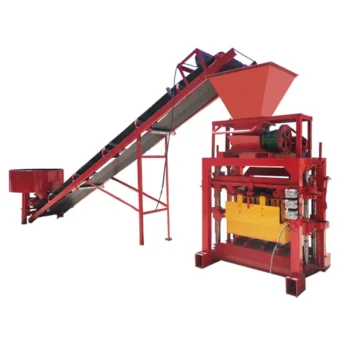
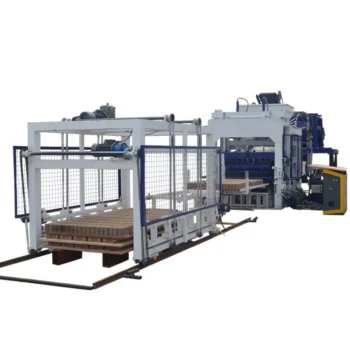
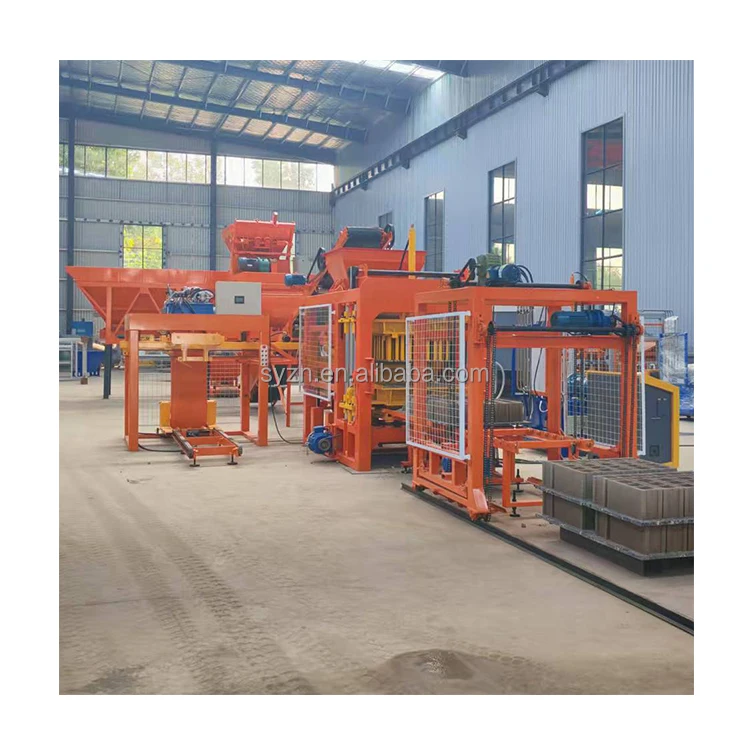
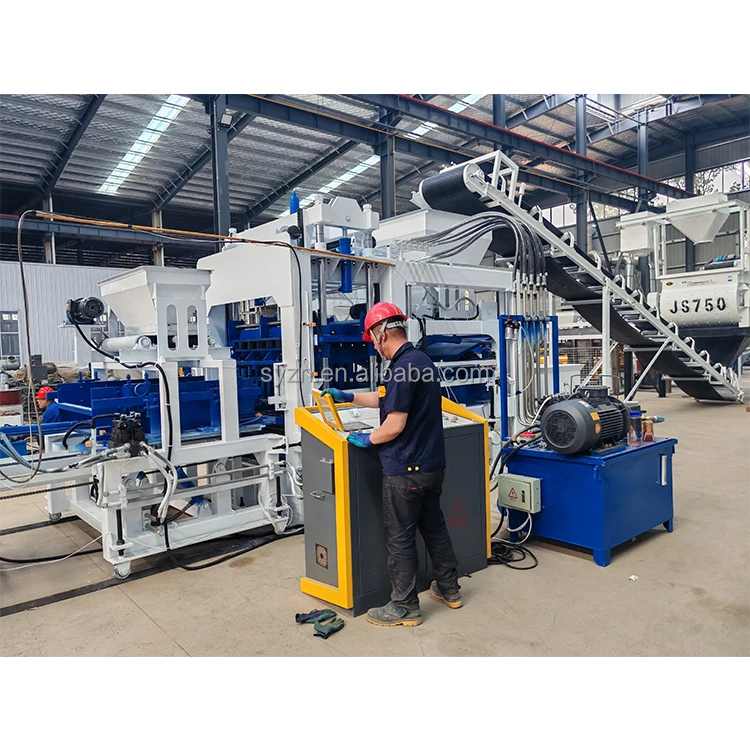
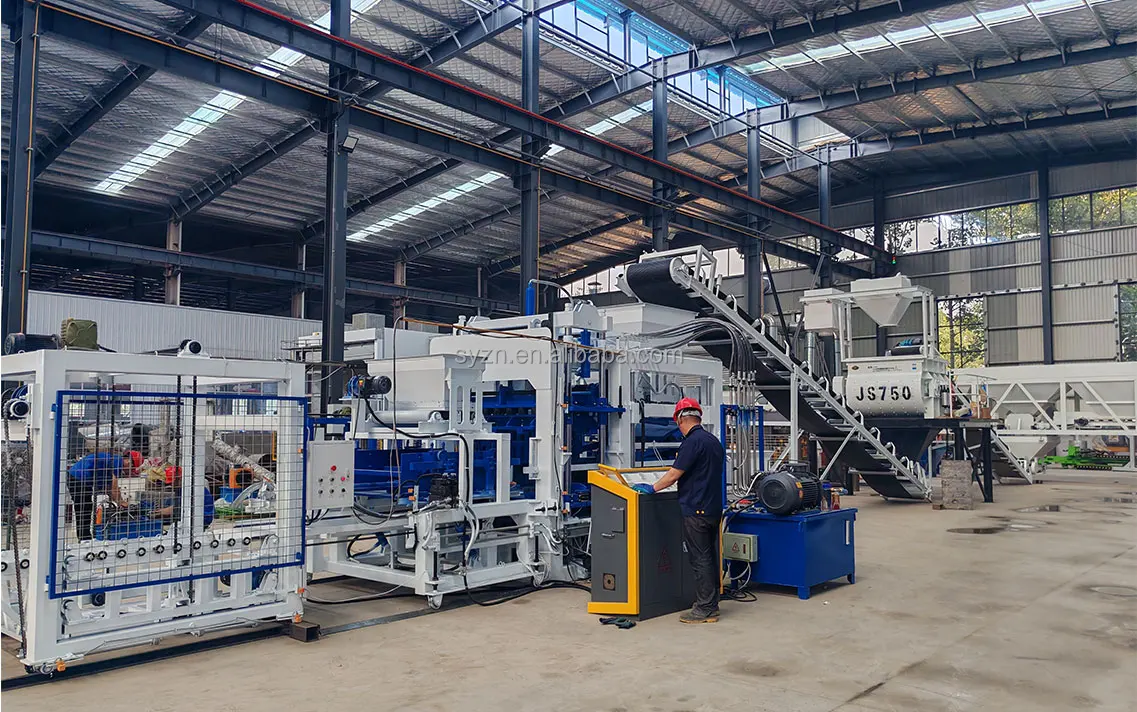
Matched System Spec — QT8-15 block making machine specifications are defined against the buyer’s actual mould format and local aggregate, not a catalogue default.
Technical Specifications
| Parameter | Value |
|---|---|
| Model | QT8-15 |
| Product Type | Hydraulic Block Making Machine |
| Overall Dimensions (L×W×H) | 8300 × 1860 × 3000 mm |
| Total Mass | 8 T |
| Rated Pressure | 21 MPa |
| Vibration Force | 45 kN |
| Main Vibration Form | Platform Vibration |
| Vibration Frequency | 2800–4500 r/min |
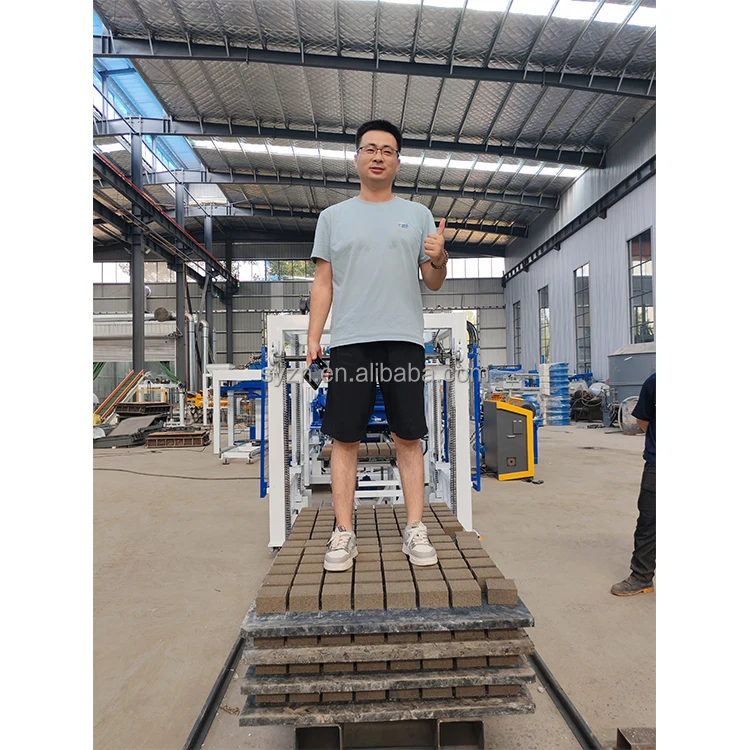
| Pallet Size | 950 × 900 mm |
| Molding Cycle | 15–20 s (basis to be confirmed) |
| Overall Power | 55.5 kW |
| Demolding Method | Hydraulic |
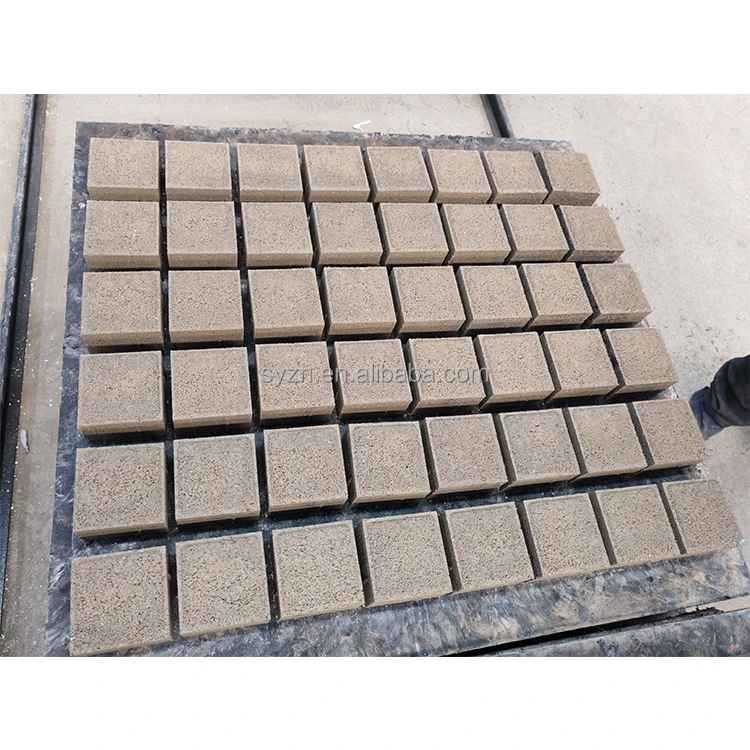
| Applied Products | Concrete blocks, hollow/solid blocks, pavers, interlocking blocks, curbstone, colored pavers |
| Raw Material | Crushed stone, sand, cement, dust, fly ash, gravel, slag |
| Voltage & Frequency | Configurable (basis to be confirmed) |
| Control System | PLC-based (basis to be confirmed) |
| Output Capacity | (basis not stated in source) |
| Warranty | 1 year for the whole machine (excluding spare parts) |
Application Suitability
| Application | Material or Output |
|---|---|
| Hollow block production for commercial walls | Crushed stone, sand, cement blends with fly ash substitution |
| Solid block manufacturing for load-bearing structures | Gravel, slag, and cement at higher compaction ratios |
| Interlocking paver production for driveways and walkways | Colored cement, fine aggregate, and stone dust |
| Kerbstone and curb units for road edges | Coarse aggregate with cement binder under maximum vibration |
| Porous brick for permeable pavement systems | Graded aggregate with controlled cement content |
What "15–20 Seconds Molding Cycle" Actually Means for Your Daily Output
A cycle range only becomes a real capacity number once the block format, wall thickness, and mix design are locked in.
Most quotations list the QT8-15 block making machine specifications with a single cycle figure and leave the buyer to assume that number applies to every mould they might run. In practice, a 400×200×200 mm hollow block demands a longer vibration window than a 60 mm thick paver, and a mix with high clay content needs more compaction time than clean crushed stone. When the cycle is treated as a constant instead of a variable tied to format, daily output projections collapse on the first day of production [NEED_CITE: block format assumptions in capacity quotations]. That gap between quoted cycles and format-specific reality is what turns a planned two-shift operation into a bottleneck that forces overtime and late deliveries.
How Vibration Force and Hydraulic Pressure Define Block Density
The QT8-15 pairs a 45 kN vibration force with 21 MPa hydraulic pressure through platform vibration. Vibration frequency is adjustable across 2800–4500 r/min, which lets the operator tune the compaction profile to match the specific aggregate gradation being fed. When fly ash replaces a portion of the sand, a higher frequency with shorter dwell time typically produces a denser block, while coarse crushed stone benefits from lower frequency with longer vibration to let the mix settle fully before hydraulic pressure completes the compaction stroke.
Pallet Size, Curing Area, and the Forklift You Already Own
The 950 × 900 mm pallet size on this QT8-15 block making machine is not an arbitrary number — it must match the curing rack spacing and the forklift tine width already on site. A plant that invested in 1100 mm wide racks will find these pallets incompatible, forcing a full rack replacement before a single block is cured. Confirming pallet dimensions against existing infrastructure is one of the specification checks that prevents costly mismatches after the machine arrives [NEED_CITE: pallet and curing rack compatibility standards].
Reading the Core Specs Beyond the Datasheet
The 21 MPa rated pressure and 45 kN vibration force work as a matched pair: pressure alone compresses the mix, but without sufficient vibration the aggregate particles do not rearrange into a tight matrix, leaving weak zones inside the block. Platform vibration — as opposed to mould-only vibration — ensures the entire pallet surface receives uniform energy, which is critical when producing thin pavers alongside tall hollow blocks on the same machine. The 55.5 kW overall power rating covers the hydraulic pump, vibration motor, and conveyor drives simultaneously, so electrical supply planning must account for peak draw during the compaction stroke rather than average consumption. Molding cycle figures of 15–20 seconds will shift depending on whether the mix uses fine sand or coarse gravel, making it necessary to run sample batches before finalizing the production schedule.
When a Mismatched Configuration Silently Erodes Margins
Choosing a pallet size without checking it against the curing yard layout means blocks sit on the production floor waiting for rack space, slowing the entire line. Selecting a vibration frequency that suits one aggregate but not the next causes inconsistent block strength across batches, triggering rejection at the construction site. Omitting voltage and PLC language confirmation before shipment leads to commissioning delays that stretch into weeks while replacement components are sourced overseas [NEED_CITE: electrical standard mismatches in exported machinery]. Each of these errors is invisible on the quotation sheet but shows up immediately on the factory floor.
Why Sourcing the QT8-15 Through a Format-Matched Process Matters
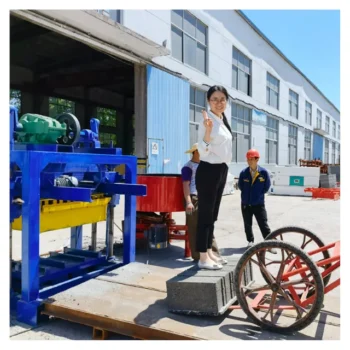
Block machinery is a single focus here, which means the QT8-15 block making machine, its moulds, pallets, and handling equipment are specified as one matched system rather than assembled from separate suppliers. The configuration is set against the buyer’s actual mix design and local aggregate, not pulled from a catalogue default. Mould design covers every format the buyer’s market sells, and custom mould drawings are accepted. Automation level is selectable, allowing a buyer to start with semi-automatic pallet handling and add automatic stacking later. Installation support includes operator training that covers mould change procedures and PLC parameter tuning specific to the buyer’s production targets.
Documentation & Verification
- Line layout with capacity calculation stating each block format assumed for output figures
- Mould drawing set and format list covering hollow, solid, paver, and kerbstone options
- Voltage, frequency, and PLC display language confirmation sheet signed before production
- Hydraulic and electrical schematic for local maintenance team reference
- Factory test record on buyer’s specified block format and mix proportions
- Packing photographs with container loading plan for shipment tracking
Installation, Commissioning & Support
- Foundation must support 8 T static mass across 8300 × 1860 mm footprint with anchor bolt provisions
- 55.5 kW total power requires a dedicated circuit with voltage and frequency confirmed before wiring
- Machine ships partially assembled; hydraulic lines and vibration motor connected on site
- First-run commissioning includes vibration frequency tuning across 2800–4500 r/min for buyer’s aggregate
- Operator training covers PLC navigation, mould change sequence, and daily maintenance checkpoints
- Wear parts list and mould inventory provided with recommended reorder intervals
What to Prepare Before Requesting a Quotation
To get an accurate configuration for the QT8-15, share the block formats your market sells — including dimensions, wall thickness, and strength class. Provide a sample or lab report of your local aggregate and sand so the mix design can be matched to the vibration settings. Confirm the voltage and frequency at your site, the PLC display language your operators need, and whether your existing curing racks and forklifts are sized for 950 × 900 mm pallets.
Frequently Asked Questions
Q: How is QT8-15 capacity calculated per block format?
A: Each capacity figure is tied to a specific mould — for example, a 400×200×200 mm hollow block yields fewer units per cycle than a 200×100×60 mm paver because the mould cavities differ. We calculate daily output based on the molding cycle for your chosen format, the number of cavities per mould, and your planned shift hours, so the number reflects what your line will actually produce.
Q: How do I match vibration force and hydraulic pressure to my local aggregate?
A: Coarse crushed stone needs lower vibration frequency with longer dwell time, while fine fly ash blends respond better to higher frequency with shorter cycles. We request a sample of your aggregate and run test batches to set the 2800–4500 r/min range and 21 MPa pressure to achieve consistent block density for your specific mix.
Q: What affects mould change time on this machine?
A: Mould change speed depends on the clamping mechanism, the weight of the mould set, and whether the operator has a dedicated change jig. On the QT8-15, the hydraulic demolding system releases the mould assembly, and a well-practiced team can complete a format switch within a defined window that we specify in the commissioning training session.
Q: Which pallet size should I choose for my curing setup?
A: The standard 950 × 900 mm pallet must align with your curing rack width and forklift tine spacing. If your racks were built for a different dimension, you face a choice between replacing racks or requesting a custom pallet size — both options are available, but the decision must be made before the machine enters production.
Q: Can I order custom moulds to my own block drawings?
A: Custom moulds are designed to buyer-supplied drawings or to dimensions we develop together based on your market requirements. Lead time depends on mould complexity and cavity count, and each custom mould is test-run on the QT8-15 at the factory before shipment to verify block dimensions and demolding clearance.