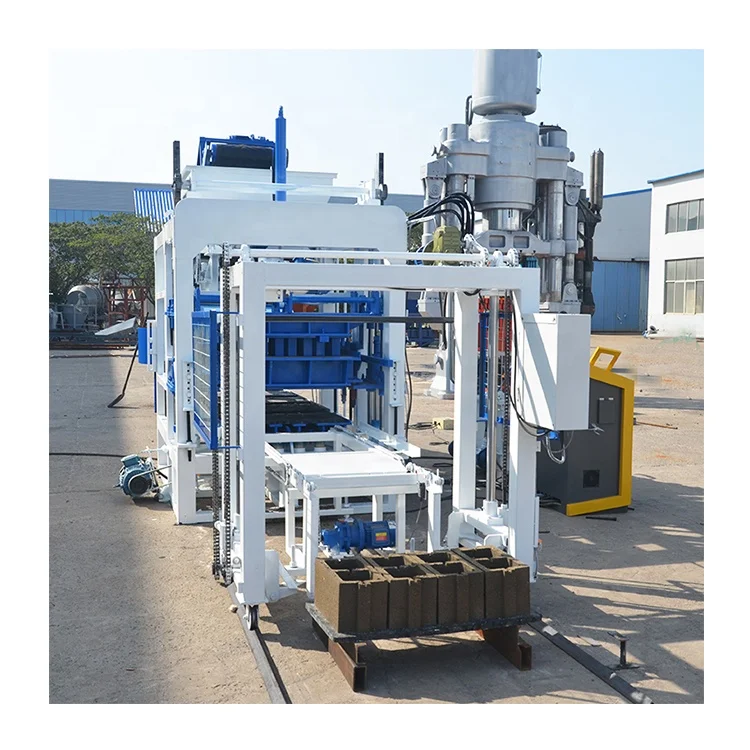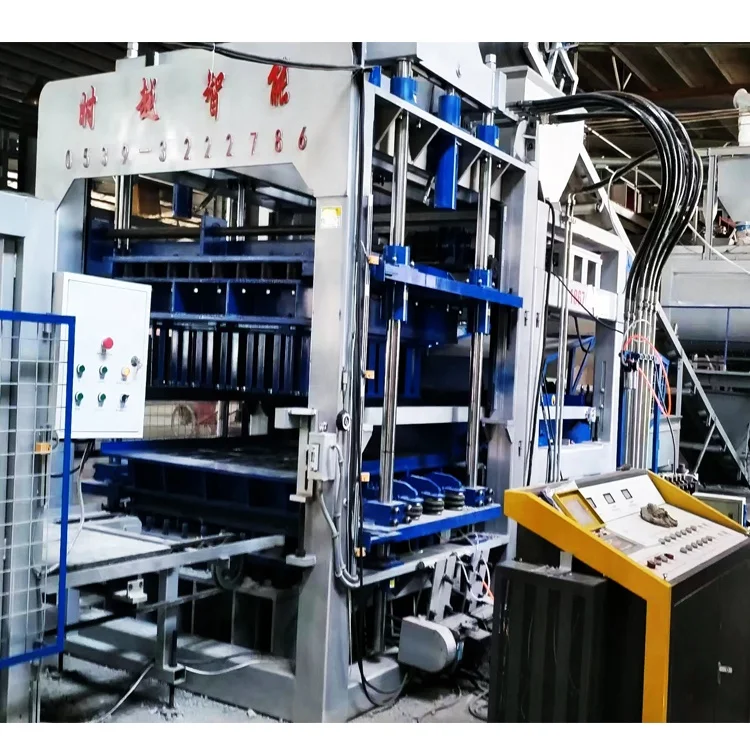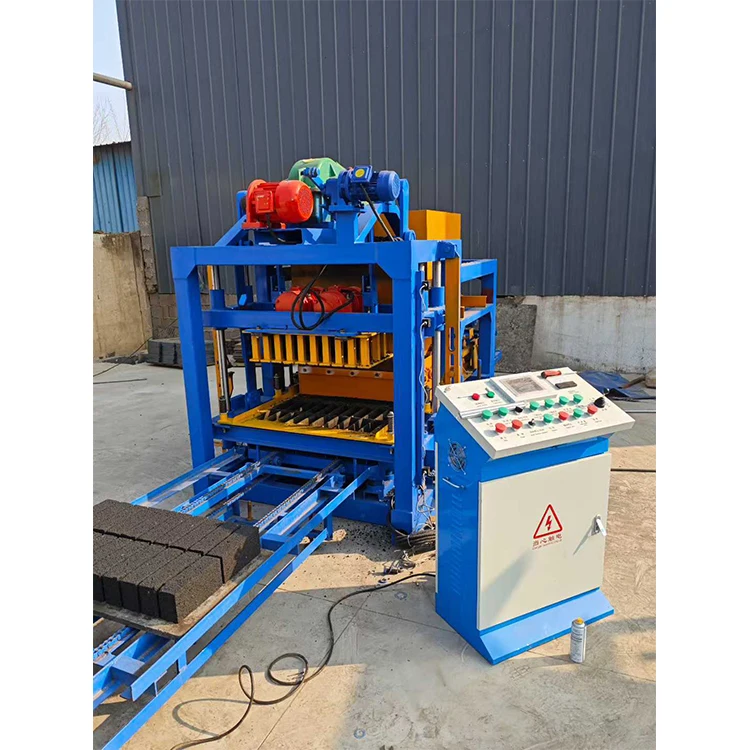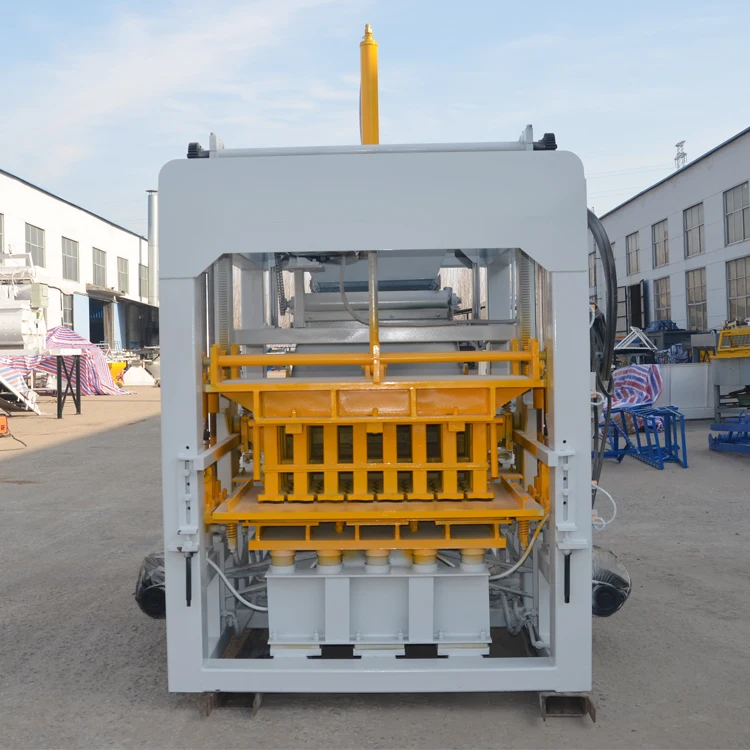
Description
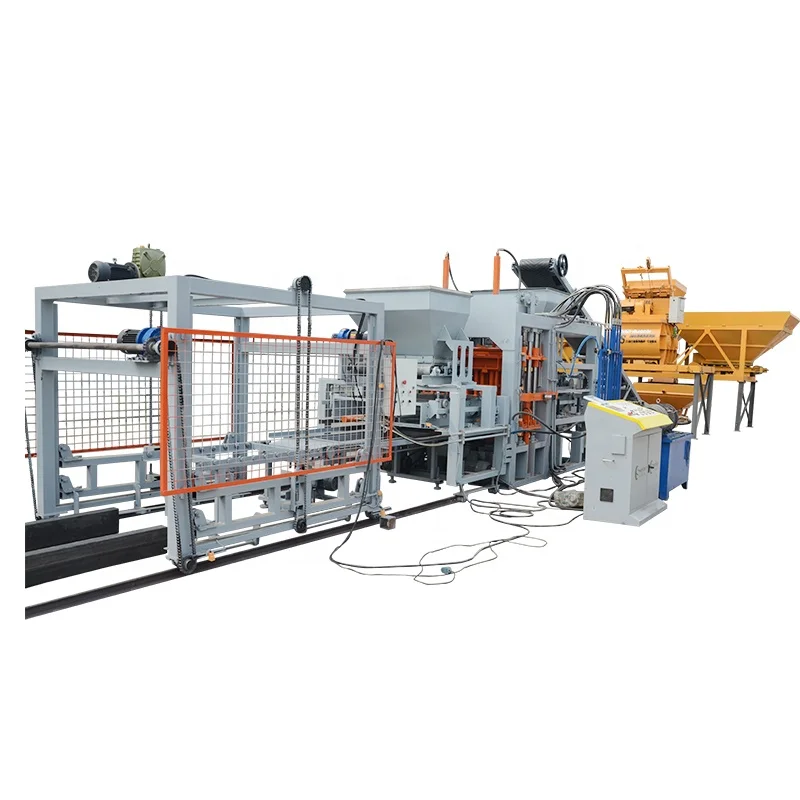
Block Machinery as a Single Focus — every QT5-15 configuration starts with the buyer’s actual block format and local aggregate, not a catalogue default.
Technical Specifications
| Parameter | Value |
|---|---|
| Model | QT5-15 |
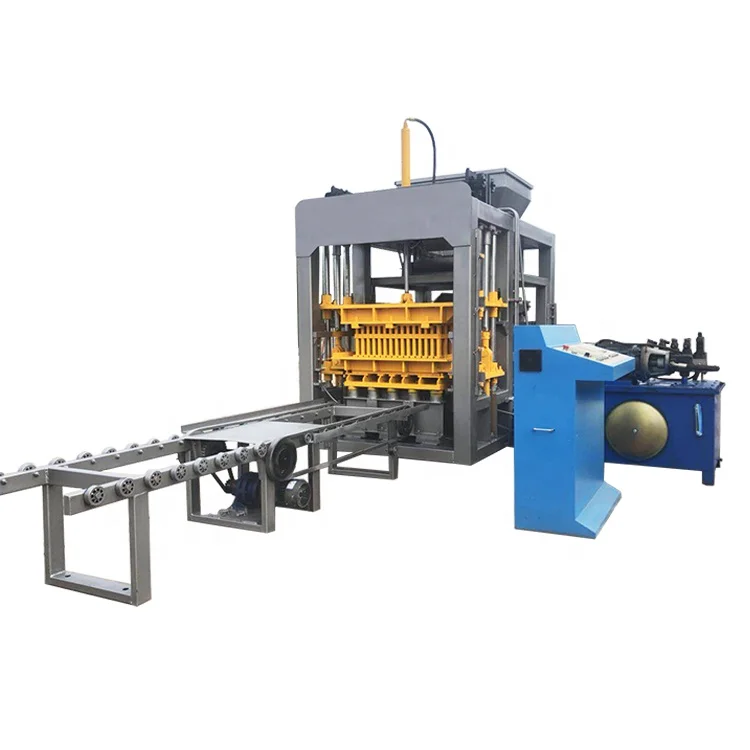
| Product Type | Hydraulic Automatic Concrete Block Making Machine |
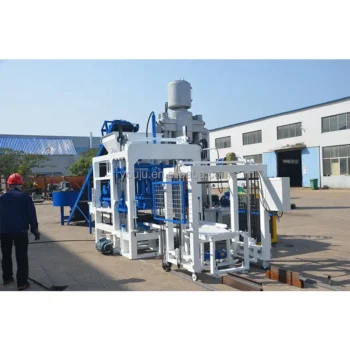
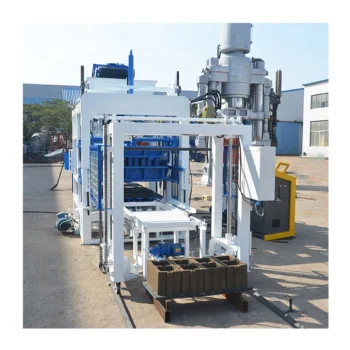
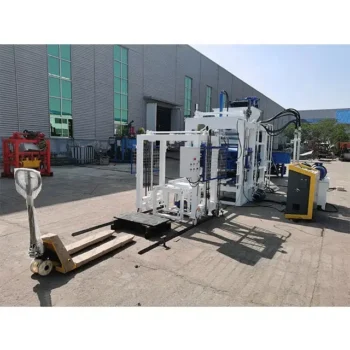
| Overall Dimensions (L×W×H) | 7400×1950×2800 mm |
| Rated Pressure | 21 MPa |
| Main Vibration Form | Platform Vibration |
| Vibration Frequency | 2800–4500 r/min |
| Vibration Force | 40 kN |
| Pallet Size | 1100×550 mm |
| Moulding Cycle | 15–20 s |
| Total Mass | 6 T |
| Demolding Method | Hydraulic |
| Factory Area | 600 m² |
| Control System | PLC intelligent control with man-machine interface, fault diagnosis system and remote control function |
| Automation Level | Automatic |
| Raw Materials | Crushed stone, sand, cement, dust, fly ash, gravel, slag |
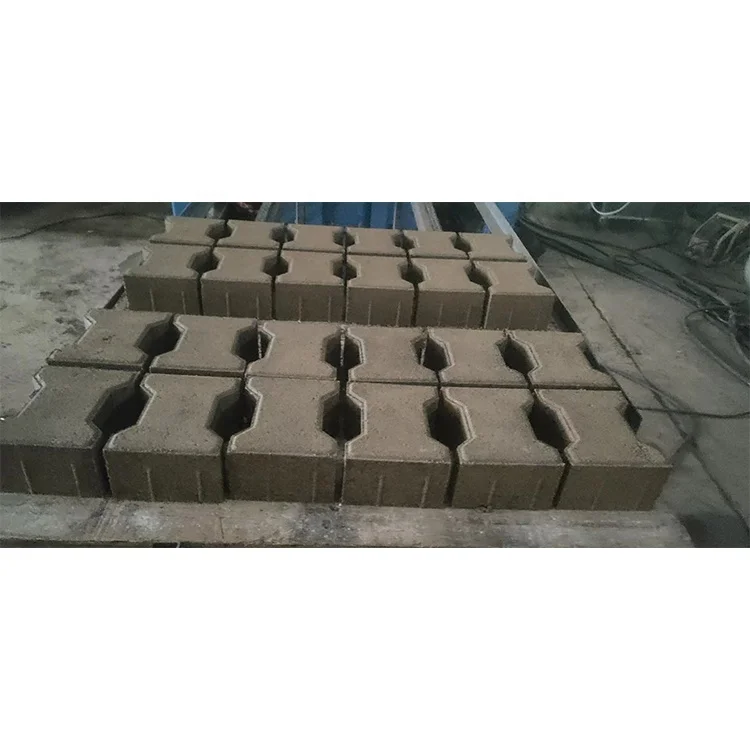
| Output — Hollow Brick (400×200×200 mm, 5 pcs/mould, 15–20 s cycle) | 7,200–9,600 pcs/day |
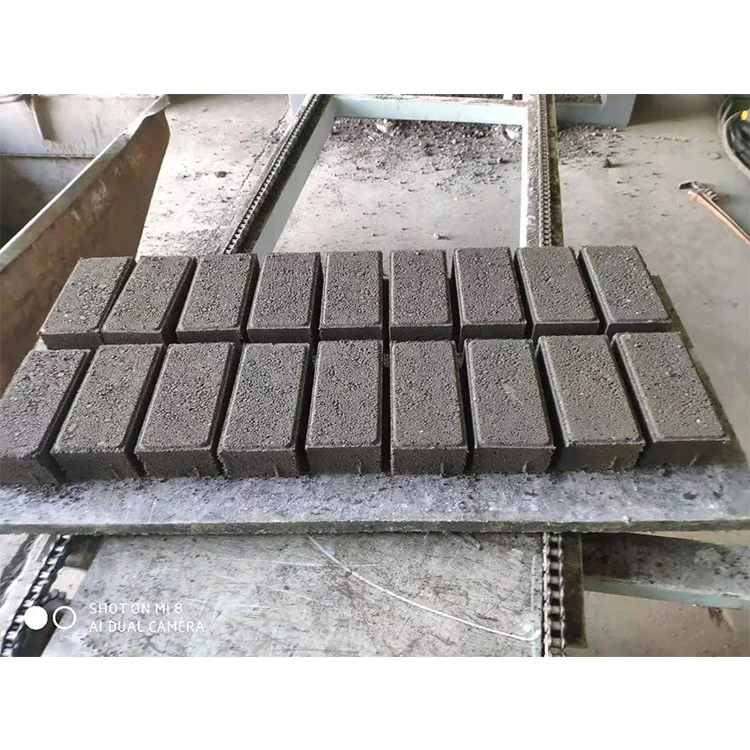
| Output — Porous Brick (240×115×90 mm, 16 pcs/mould, 16–20 s cycle) | 23,040–28,800 pcs/day |
| Output — Standard Brick (240×115×53 mm, 32 pcs/mould, 13–15 s cycle) | 61,440–70,892 pcs/day |
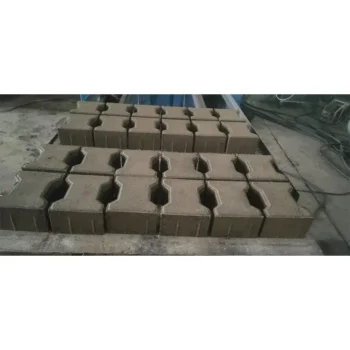
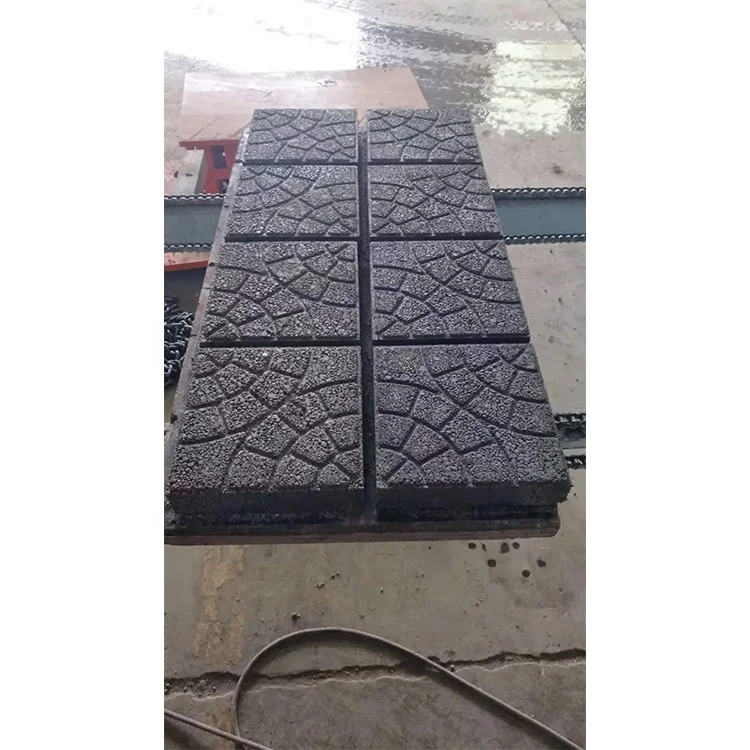
| Applied Products | Hollow blocks, solid blocks, pavers, interlocking blocks, curbstone, colored pavers |
| Voltage & Frequency | Configurable — confirm before shipment |
| PLC Display Language | Configurable — confirm before shipment |
Application Suitability
| Application | Material or Output |
|---|---|
| Hollow block production for load-bearing and partition walls | Crushed stone, sand, cement, fly ash blended to local aggregate grading |
| Solid and standard brick manufacturing | Local gravel, slag, cement with fine aggregate proportioning |
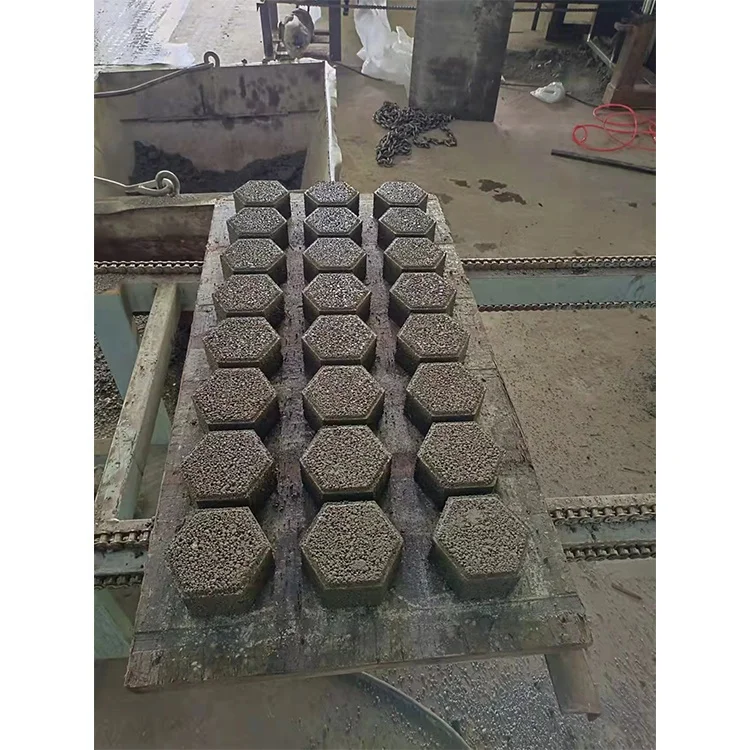
| Interlocking and hexagon paver production | Colored face-mix concrete with higher cement content |
| Curbstone and kerb production | Coarse aggregate with high-strength mix designs |
| Porous and permeable brick for drainage systems | Open-graded aggregate with controlled cement ratio |
| Multi-format plants switching between block types | Single pallet size supporting multiple mould formats on one line |
What the QT5-15 Automatic Block Machine Specifications and Mould Capacity Figures Actually Mean
Every capacity number on this page is tied to a specific block format, mould cavity count, and cycle range — never a generic "pieces per hour" claim.
Capacity quoted without naming the block format is one of the most common reasons buyers feel misled after delivery. A machine that produces over 60,000 standard bricks per day might yield fewer than 10,000 hollow blocks on the same shift because each format demands a different cavity count, vibration duration, and demolding stroke. When I first started specifying QT5-15 automatic block machine specifications and mould capacity for export orders, I learned that the gap between a headline figure and the buyer’s real product could cost an entire production season before anyone noticed. [NEED_CITE: block format and cycle time assumptions in machine quotations]
How Block Format Determines Real Daily Output
The QT5-15 platform supports multiple mould formats on a single 1100×550 mm pallet. Switching from hollow blocks to standard bricks changes the mould cavity count from 5 to 32 per press cycle, which is why the daily output figures differ so sharply across formats. The QT5-15 automatic block machine specifications and mould capacity data above lists each format with its assumed cycle time so buyers can size their plant against the product their market actually purchases. A paver producer switching to interlocking hexagon bricks will see the cycle lengthen because the mould geometry requires longer vibration to achieve full compaction.
Matching Vibration Force to Mix Design and Format
The 40 kN vibration force at 2800–4500 r/min works across formats, but the optimal frequency setting depends on the aggregate grading and cement ratio the buyer sources locally. [NEED_CITE: vibration frequency selection based on aggregate size and block density targets] Coarse crushed stone needs higher amplitude to consolidate, while fine sand mixes with fly ash respond better at the upper frequency range. Platform vibration ensures the entire pallet receives uniform energy, which matters when a single mould produces five large hollow blocks that must all reach the same green strength before handling.
Hydraulic Pressure and Consistent Block Density
The 21 MPa rated pressure applied during hydraulic demolding controls how cleanly the mould releases the compacted block. Insufficient pressure causes surface spalling on textured pavers, while excessive pressure can crack thin-walled hollow blocks. This balance is where the QT5-15 automatic block machine specifications and mould capacity intersect with the buyer’s mix design — the machine delivers consistent force, but the mix must be tuned to that force. A producer running high-slag content for cost savings may need to adjust the pressing time compared to a straight cement-sand formula.
Reading the Specifications Against Your Production Plan
The 15–20 second moulding cycle listed for the QT5-15 is a range, not a fixed number. The actual cycle the PLC settles on depends on the block height, the vibration time needed for full compaction, and the hydraulic return speed. Pallet size at 1100×550 mm defines the maximum mould footprint and, by extension, the curing rack dimensions and forklift capacity the buyer needs downstream. The 6 T total mass reflects the structural steel required to absorb repeated vibration without frame fatigue, which directly affects long-term block dimensional accuracy. Factory area of 600 m² accounts for the press, raw material feed, and pallet circulation but not the curing yard, which varies with climate and block type.
The Cost of Specifying the Wrong Mould or Pallet Configuration
Ordering a QT5-15 with moulds sized for a block format the local market does not buy leaves the machine idle or forces the buyer into a product nobody wants. [NEED_CITE: mismatch between machine mould inventory and local market demand in block production] A pallet material chosen without considering the buyer’s curing yard surface can cause pallet warping in sun-dried operations or premature wear on steam-cured lines. When the pallet size does not match the existing forklift tine spacing, every pallet move becomes a manual handling risk. These are not machine defects — they are specification gaps that surface only after the container arrives.
Why Sourcing the QT5-15 Through a Block-Line Specialist Matters
Block machinery is the single product focus here, so the press, mould, pallet, and handling equipment are specified as one matched system rather than assembled from separate suppliers. Every QT5-15 configuration is set against the buyer’s actual mix design and target block format, not pulled from a catalogue default. Custom mould design to buyer drawings means formats like hexagon pavers or region-specific interlocking bricks can be engineered before the machine ships. The automation level is selectable, allowing a buyer to start with semi-automatic pallet handling and add stacking later. Installation support includes operator training on the PLC fault diagnosis system so the first week of production does not require a flown-in technician. [NEED_CITE: integrated block line specification versus component-by-component sourcing]
Documentation & Verification
- Line layout showing QT5-15 station spacing for 1100×550 mm pallet circulation
- Capacity calculation sheet stating hollow block, porous brick, and standard brick formats assumed
- Mould drawing and format list confirming included and optional cavity designs
- Pallet specification matched to buyer’s curing area and forklift capacity
- Voltage, frequency, and PLC display language confirmation form before production
- Factory test record on the buyer’s selected block format before dispatch
Installation, Commissioning & Support
- Foundation plan based on 7400×1950 mm footprint and 6 T operating mass
- Dedicated power circuit sized for the buyer’s confirmed voltage and frequency
- Machine dismantling for container loading and reassembly sequence at site
- PLC parameter setup for the buyer’s first mould format during commissioning
- Operator training on fault diagnosis and remote control function
- Wear parts list covering hydraulic seals and vibration components for first-year spares
What We Need to Specify Your QT5-15 Correctly
To match the QT5-15 to your actual production plan, share the block formats your market sells, the local aggregate types available, and the daily volume you need per format. Tell us your site voltage and frequency, the PLC display language your operators require, and the pallet handling equipment you already have on the floor. If you are adding this machine to an existing line, provide the curing rack dimensions and forklift specifications so the pallet size aligns.
Frequently Asked Questions
Q: How is daily output calculated for each block format on the QT5-15, and what cycle time does each format assume?
A: Each output figure is based on a specific block dimension, cavity count per mould, and a stated cycle range. Hollow brick capacity of 7,200–9,600 pcs/day assumes 400×200×200 mm blocks, 5 cavities, and a 15–20 second cycle. Standard brick figures assume 32 cavities at a 13–15 second cycle. Actual throughput depends on the operator’s mix consistency and pallet circulation speed.
Q: Which mould formats are available for the 1100×550 mm pallet, and can custom moulds be designed?
A: The pallet supports hollow blocks, solid bricks, porous bricks, interlocking pavers, hexagon pavers, and curbstones within the 1100×550 mm footprint. Custom moulds can be engineered from buyer drawings for region-specific formats. Each mould design is verified against the 40 kN vibration force and 21 MPa hydraulic pressure to confirm achievable block density.
Q: How long does a mould change take, and what is needed to switch between hollow blocks and pavers?
A: Mould change involves releasing the hydraulic clamps, lifting the current mould, setting the new one, and adjusting PLC cycle parameters for the new format. The exact duration depends on the operator’s familiarity and whether quick-change tooling is specified. Switching from hollow blocks to pavers typically also requires adjusting vibration frequency and pressing time in the control interface.
Q: What block strength can be expected with the 40 kN vibration force and 21 MPa pressure using local aggregates?
A: Achievable block strength depends on the cement-to-aggregate ratio, aggregate grading, and curing method in addition to the machine’s vibration and pressure settings. The QT5-15 delivers consistent compaction energy, but the mix design must be validated against the buyer’s local materials. A trial run with the buyer’s actual raw materials is the reliable way to confirm target compressive strength.
Q: How should pallet size and material be chosen to match existing curing and handling equipment?
A: The 1100×550 mm pallet must fit the buyer’s curing rack spacing and forklift tine width. Material selection — bamboo, PVC, or steel — depends on whether curing is sun-dried, steam-based, or rack-stored, as each environment affects pallet lifespan differently. Confirming these details before order ensures the pallet specification does not become a bottleneck after delivery.