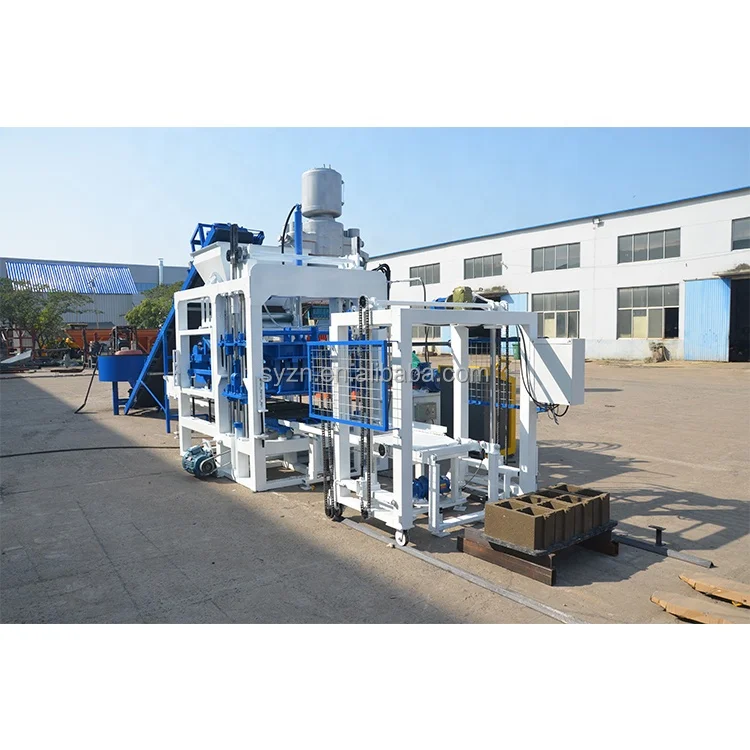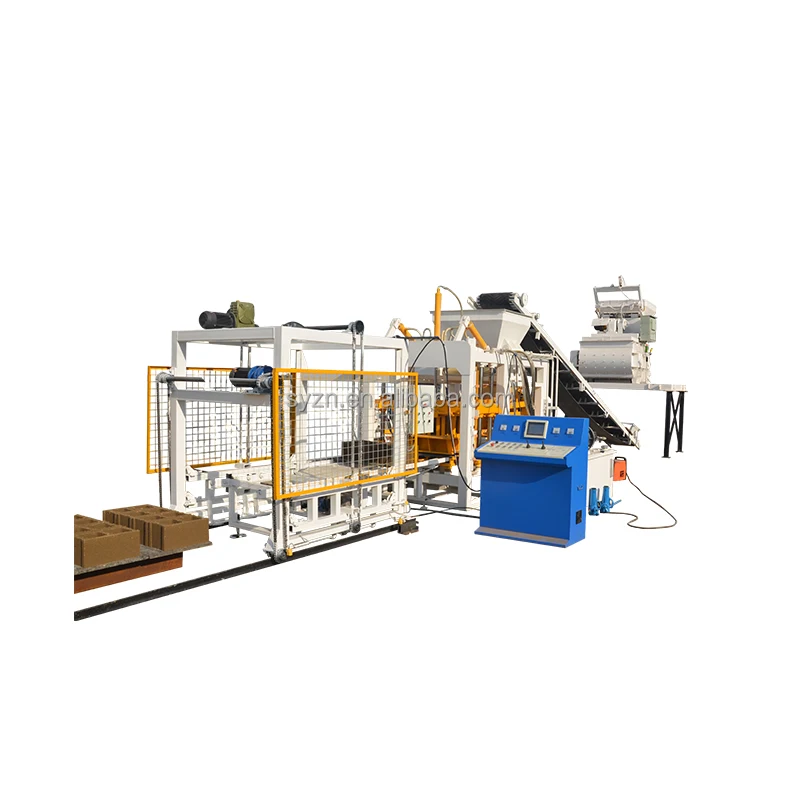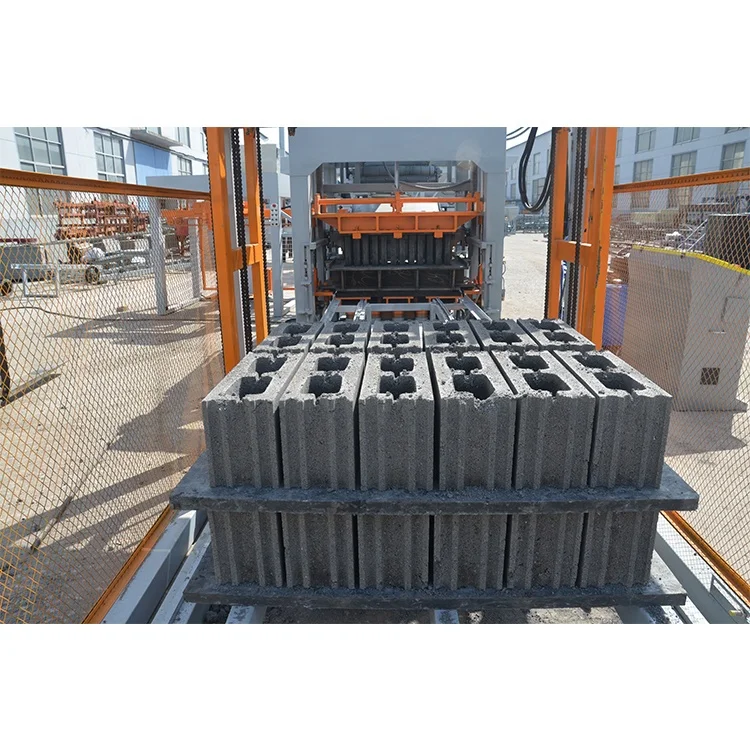
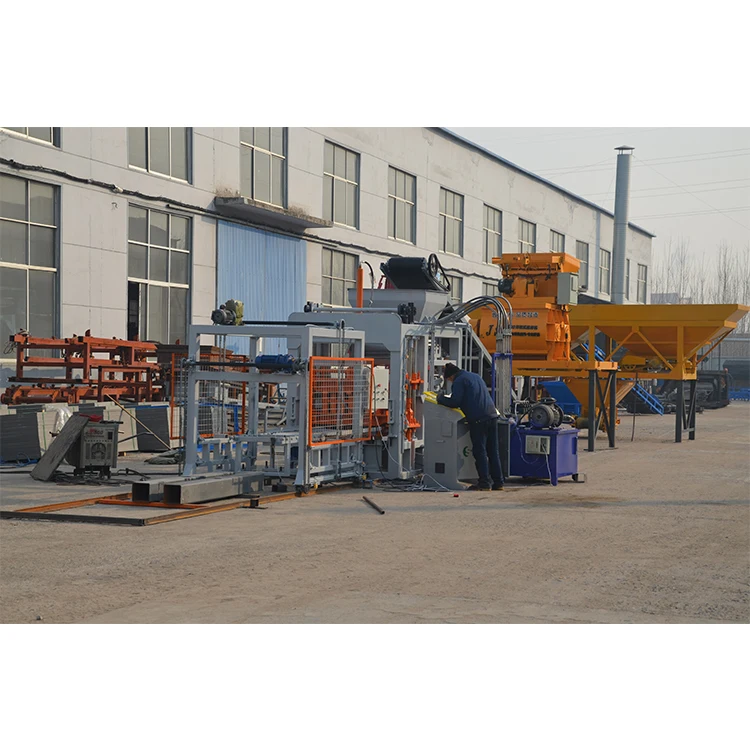
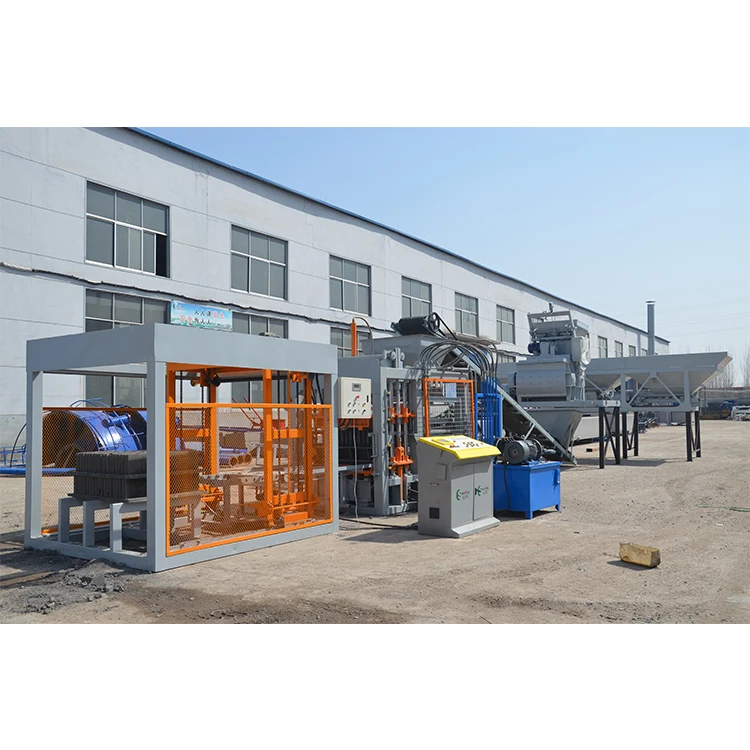
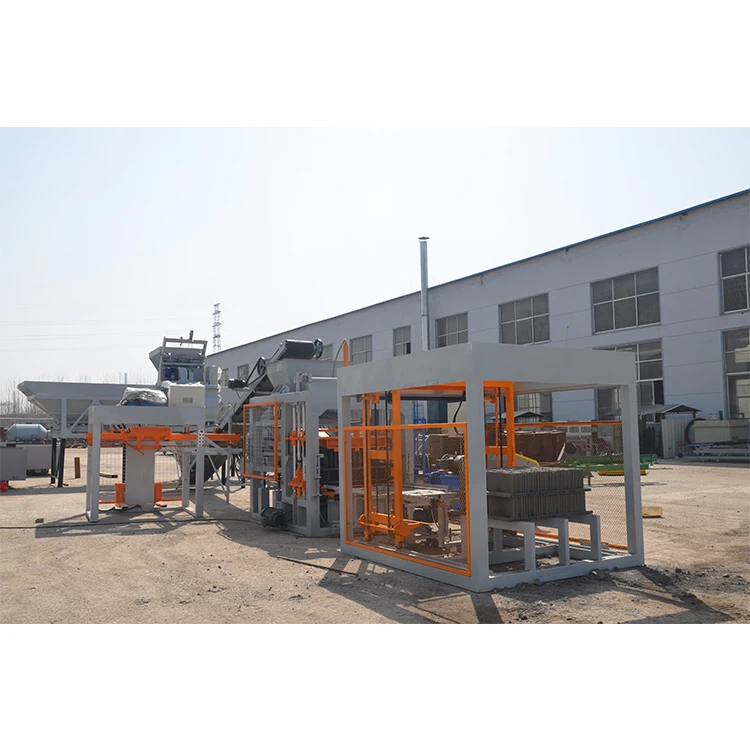

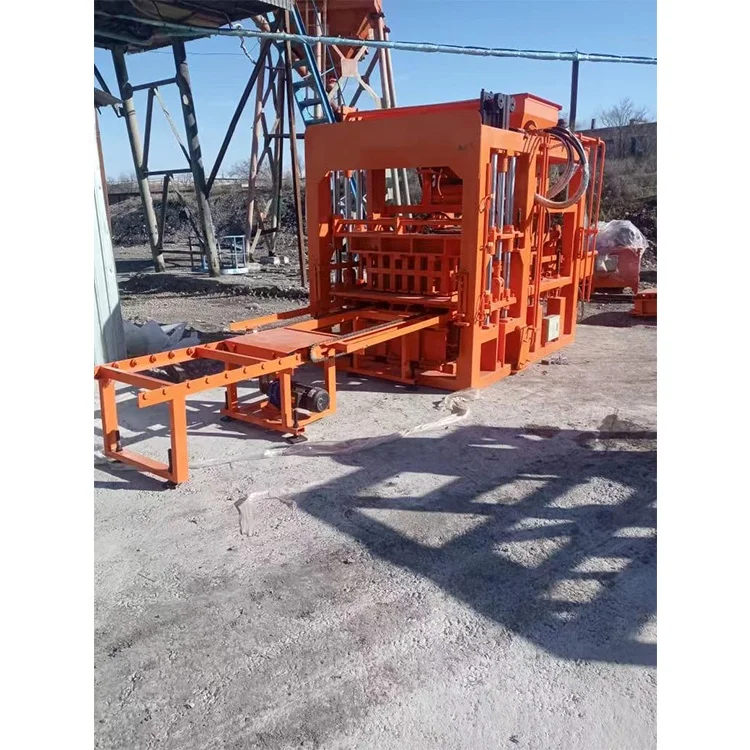
Description
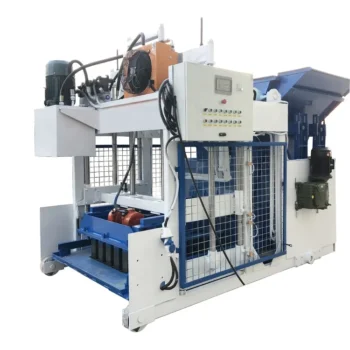
Matched System Sizing — every QT5-15 configuration starts from your actual block format, local aggregate sample, and pallet handling setup, not a catalogue default, so cycle times and output figures reflect what the machine will produce on your site.
Technical Specifications
| Parameter | Value |
|---|---|
| Model | QT5-15 |
| Product Type | Fully Automatic Concrete Block Making Machine |
| Overall Dimensions (L×W×H) | 7100×1600×2610 mm |
| Molding Cycle | 15 s (basis not stated in source — confirm block format / material / thickness) |
| Vibration Frequency | 0–60 Hz |
| Exciting Power (Vibration Force) | 40 kN |
| Rated Power | 33.5 kW |
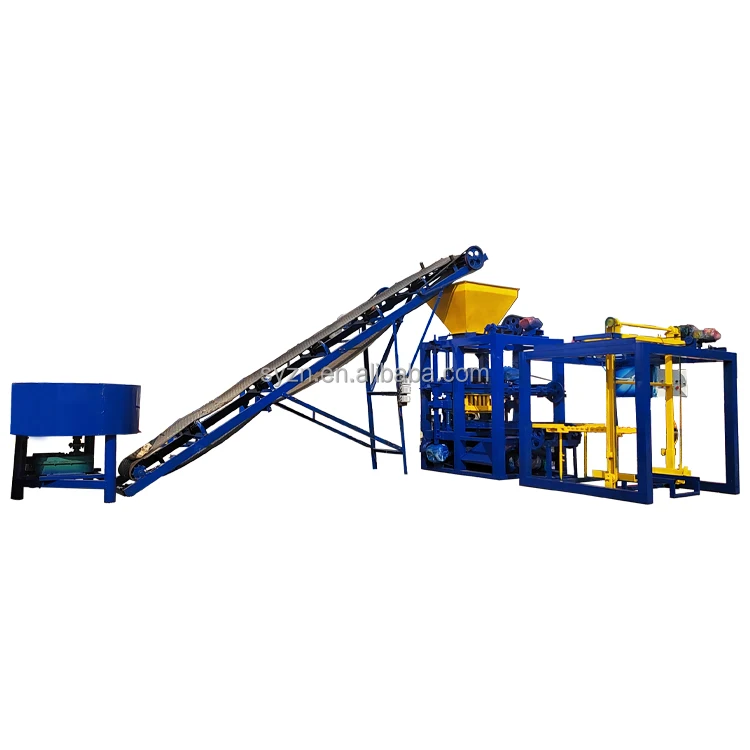
| Mixer Model | JS500 |
| Pallet Size | 1100×550 mm |
| Total Weight | 5 T (source value — verify against manufacturer catalog) |
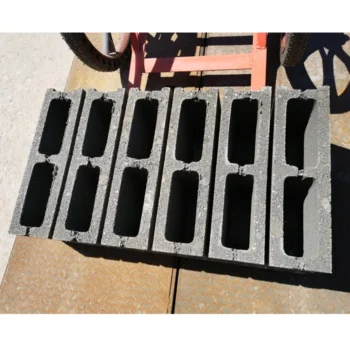
| Applied Products | Paver, solid block, hollow block, curbstone |
| Raw Materials | Crushed stones, sand, cement, dust, fly ash |
| Control System | PLC control system |
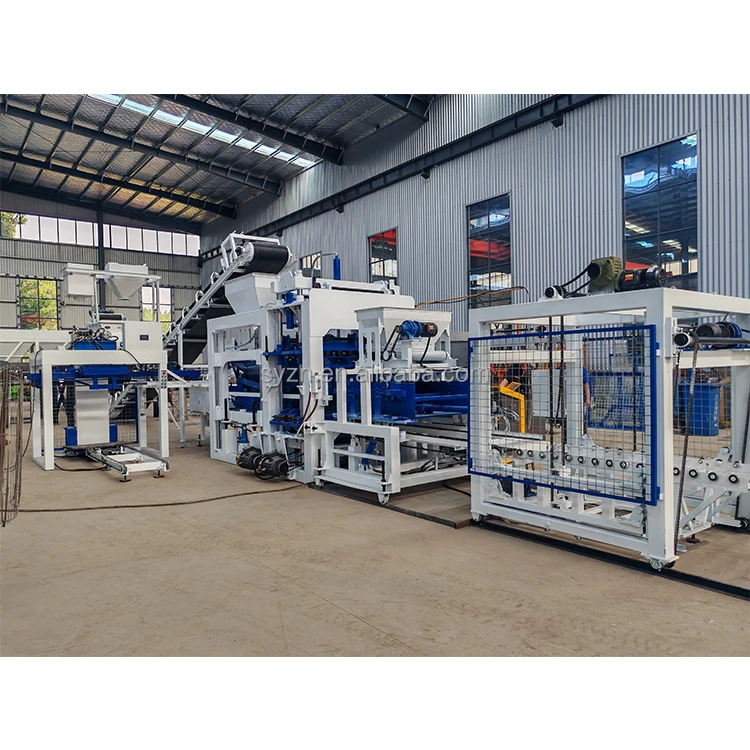
| Automation Level | Fully automatic (includes pallet feeder, brick conveyor, block sweeper) |
| Hydraulic Station | Included (high pressure, stable operation) |
| Output Capacity | 450 pcs/h hollow block 400×200×200 mm / 540 pcs/h hollow block 400×150×200 mm / 720 pcs/h solid brick 400×100×200 mm |
| Output per 8h Shift | 3600 pcs (400×200×200 hollow) / 4320 pcs (400×150×200 hollow) / 5760 pcs (400×100×200 solid) |
| Stacking Method | Manual hydraulic trolley included (automatic stacking not stated) |
| Voltage & Frequency | Configurable (basis to be confirmed) |
Application Suitability
| Application | Material or Output |
|---|---|
| Hollow block production for residential and commercial walls | Crushed stone, sand, cement, fly ash |
| Solid brick manufacturing for load-bearing structures | Crushed stones, cement, dust |
| Paving block and kerbstone for municipal and road projects | Sand, cement, aggregate blends |
| On-site block production for development and housing contractors | Locally sourced aggregate matched to mix design |
What "Pieces per Hour" Leaves Out About Block Machine Capacity
A cycle time figure means nothing without the block format it was measured on.
When I was commissioning a block plant in Kenya, the buyer had ordered based on a headline capacity number. Once we ran the local volcanic aggregate — heavier and more abrasive than standard river sand — the vibration force and hydraulic pressure could not compact the mix properly. An entire shift of hollow blocks failed strength testing. The QT5-15 block machine specifications address this directly: output is broken down by format. The machine produces 450 pieces per hour based on a 400×200×200 mm hollow block, 540 pieces per hour based on a 400×150×200 mm hollow block, and 720 pieces per hour based on a 400×100×200 mm solid brick. [NEED_CITE: block strength testing standards vary by export market] Without knowing which format a capacity figure assumes, a buyer cannot plan curing rack space, pallet inventory, or daily logistics. The 15-second molding cycle is a starting reference, but actual cycle duration shifts with material density, block height, and the degree of compaction the buyer’s market demands.
Format-Specific Output and Honest Capacity Planning
The QT5-15 block machine specifications list three distinct output tiers, each tied to a specific block format. This matters because a plant selling primarily hollow blocks for wall construction will run a very different daily volume than one focused on solid bricks for paving or partition walls. The 8-hour shift outputs — 3,600 pieces for the largest hollow block, 4,320 for the mid-size hollow, and 5,760 for the solid brick — let a technical buyer match the machine to actual market demand rather than guessing from a single aggregate number.
Mould Compatibility Across Your Product Range
This machine handles paver, solid block, hollow block, and curbstone formats. The 1100×550 mm pallet size defines the mould footprint and therefore how many blocks press per cycle. Buyers adding formats to an existing range need to confirm that the pallet size aligns with their current curing racks and forklift capacity. A mismatch here means either replacing the entire curing infrastructure or running a pallet size that wastes rack space. [NEED_CITE: pallet and curing rack dimension standards in concrete product manufacturing]
How Vibration Force and Hydraulic Pressure Shape Block Density
The 40 kN exciting power, adjustable vibration frequency from 0 to 60 Hz, and the included high-pressure hydraulic station work together to determine block density and compressive strength. Heavier aggregates like crushed volcanic rock need more vibration energy and sustained hydraulic pressure to achieve full compaction. If the QT5-15 block machine specifications are set against a lightweight sand mix but the buyer’s local quarry produces dense basalt, the blocks will emerge under-compacted and fail strength tests. The JS500 mixer ensures the raw material blend reaches the press uniformly, but the press itself must be tuned to that blend’s behavior under vibration. The 33.5 kW rated power supports the combined demand of the vibration motor, hydraulic pump, and conveyor systems without overload during peak compaction cycles.
The Hidden Cost of Skipping Mix Design Verification
When a machine arrives configured for a mix the buyer cannot source locally, the choices are limited: import the specified material at unsustainable cost, or run whatever is available and accept inconsistent block quality. I have seen plants shut down for weeks while waiting for the right sand grade to arrive at port. The pallet handling system, stacking method, and curing timeline all assume a certain block green strength coming off the press. If the mix is wrong, blocks crack during handling or crumble on the curing rack, and the entire downstream workflow breaks down regardless of how well the press itself performs. [NEED_CITE: impact of aggregate grading on concrete block compressive strength]
Why Sourcing the QT5-15 Through a Block-Line Specialist Matters
The machine, mould, pallet, and handling equipment are specified as one matched system rather than assembled from unrelated suppliers. Configuration is set against the buyer’s actual mix design and target block format, not a catalogue default. Mould design covers the formats the buyer’s market sells, with custom drawings available for non-standard dimensions. Automation level is selectable, so a plant can start with the included manual hydraulic trolley and pallet feeder and add automatic stacking later. Installation support includes operator training on the PLC control system, and mould and wear parts supply continues after commissioning.
Documentation & Verification
- Line layout and capacity calculation stating the block format assumed for each QT5-15 output figure
- Mould drawing and format list confirming included paver, hollow, solid, and curbstone types
- Pallet specification sheet matched to your curing rack dimensions and forklift capacity
- Hydraulic and electrical schematic for the 33.5 kW system with PLC control language confirmed
- Factory test record run on your specified raw material blend before dispatch
- Operation and maintenance manual covering JS500 mixer and vibration system service intervals
Installation, Commissioning & Support
- Foundation pad sized to the 7100×1600 mm footprint with vibration isolation for 40 kN exciting force
- Dedicated power circuit matching confirmed voltage and frequency for the 33.5 kW rated load
- Machine arrives with hydraulic station pre-assembled; pallet feeder and conveyor bolt on site
- PLC control system commissioned with display language and cycle parameters set to your block format
- Operator training covers mould changeover procedure and JS500 mixer batch consistency checks
- Wear parts list covers vibration system components and hydraulic seals with reorder lead times
What We Need to Size Your QT5-15 Configuration Correctly
To build an accurate line layout, we need your target block format and dimensions, the daily output your market absorbs, and a sample or lab report of your local aggregate and cement type. Confirm your existing pallet size, curing rack layout, and forklift specifications so the 1100×550 mm pallet system integrates without rework. Provide your site voltage, frequency, and preferred PLC display language to prevent commissioning delays once the machine arrives.
Frequently Asked Questions
Q: How is the QT5-15 output capacity calculated per block format, and what cycle time applies to each?
A: Output is stated per format: 450 pieces per hour based on a 400×200×200 mm hollow block, 540 pieces per hour based on a 400×150×200 mm hollow block, and 720 pieces per hour based on a 400×100×200 mm solid brick. The 15-second molding cycle is a baseline reference; actual cycle time depends on material density, block height, and compaction requirements for your market’s strength standard.
Q: Which mould formats are included as standard, and how long does a mould change take on this model?
A: The QT5-15 supports paver, solid block, hollow block, and curbstone moulds. Standard inclusion depends on your order configuration — specify which formats your market requires at inquiry stage. Mould changeover time varies with the specific format pair and operator familiarity; this is addressed during on-site training after commissioning.
Q: How should pallet size 1100×550 mm be matched to my curing area and existing forklift?
A: Confirm your curing rack shelf width, depth, and forklift fork spread before production begins. The 1100×550 mm pallet must clear your rack uprights and sit securely on your forklift tines. If your existing infrastructure uses a different pallet dimension, we adjust the specification before the mould and pallet feeder are built.
Q: What raw material mix design and local aggregate does this machine configuration assume?
A: The QT5-15 is configured to your submitted aggregate sample and target block strength. Raw materials include crushed stones, sand, cement, dust, and fly ash, but the vibration frequency and hydraulic pressure settings are tuned to your specific blend. We request a material sample or lab analysis before finalizing the machine configuration.
Q: Is the hydraulic pressure and vibration force adjustable to match different block strength requirements?
A: Yes. The vibration frequency adjusts from 0 to 60 Hz, and the hydraulic station delivers variable pressure. The 40 kN exciting power provides the compaction force, while the JS500 mixer ensures batch consistency. Settings are dialed in during commissioning based on your mix design and the compressive strength your local market requires.