Description
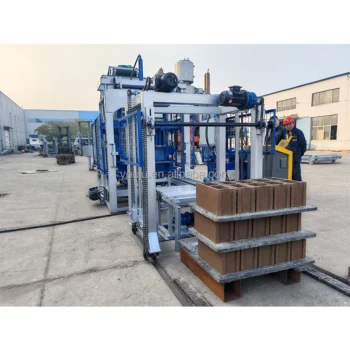
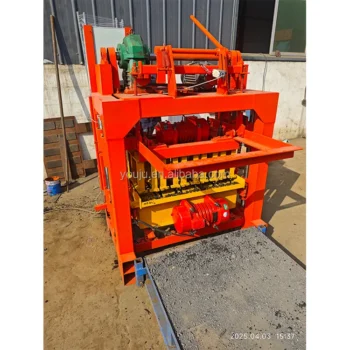
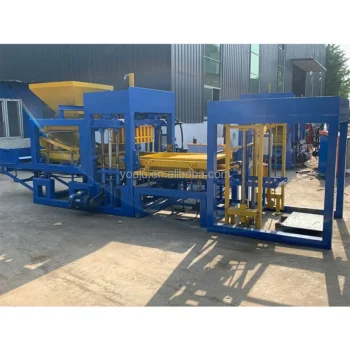
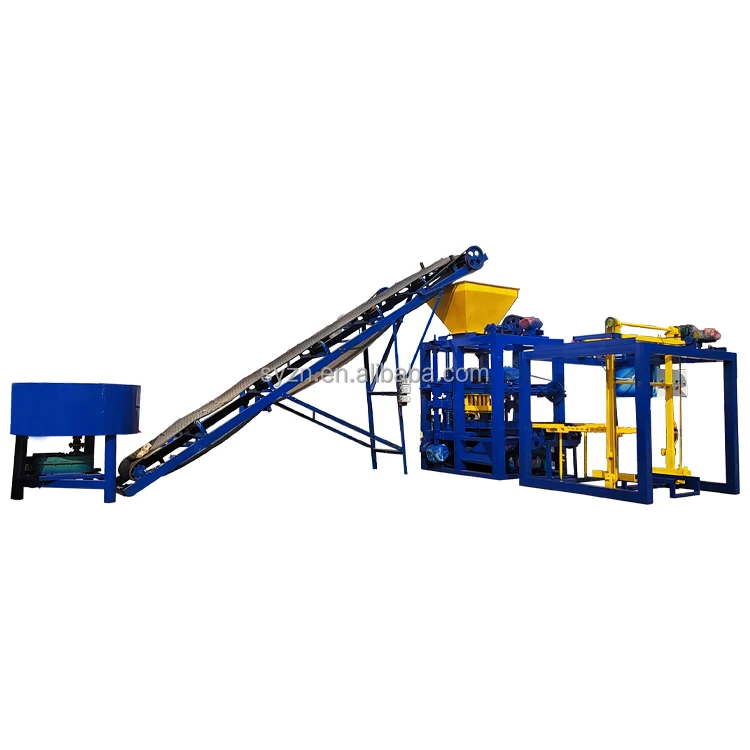
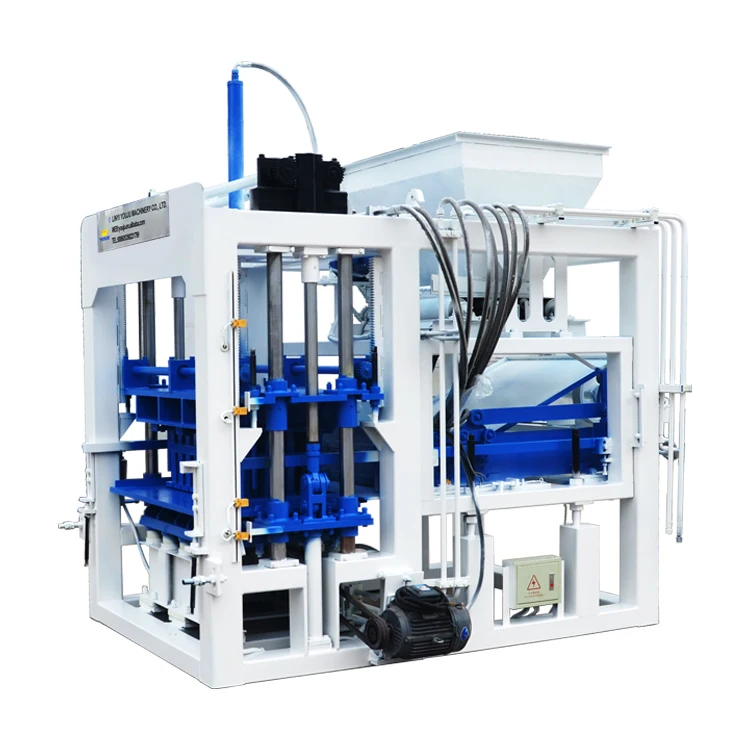
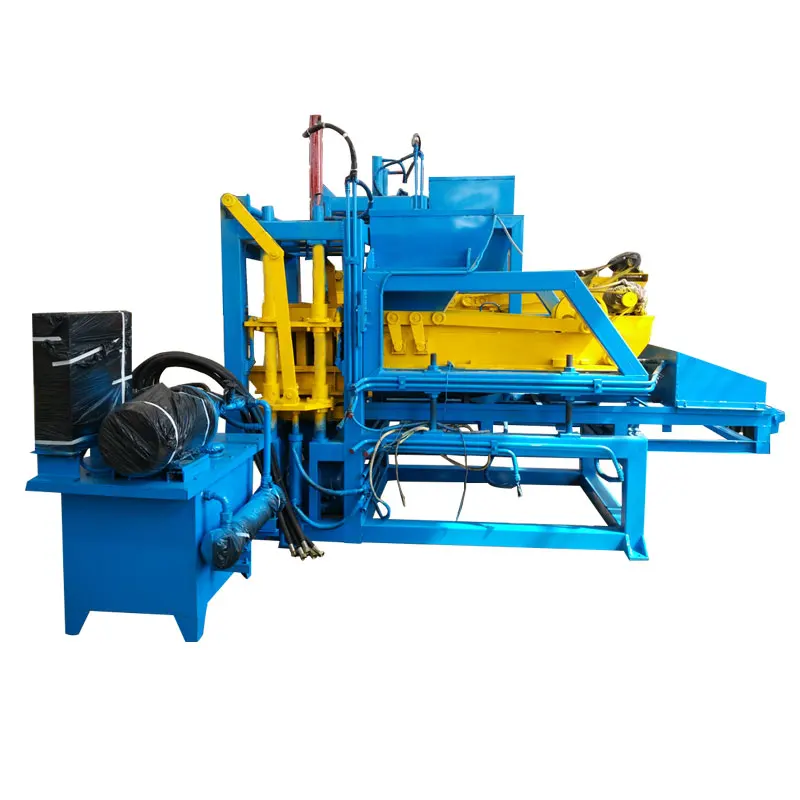
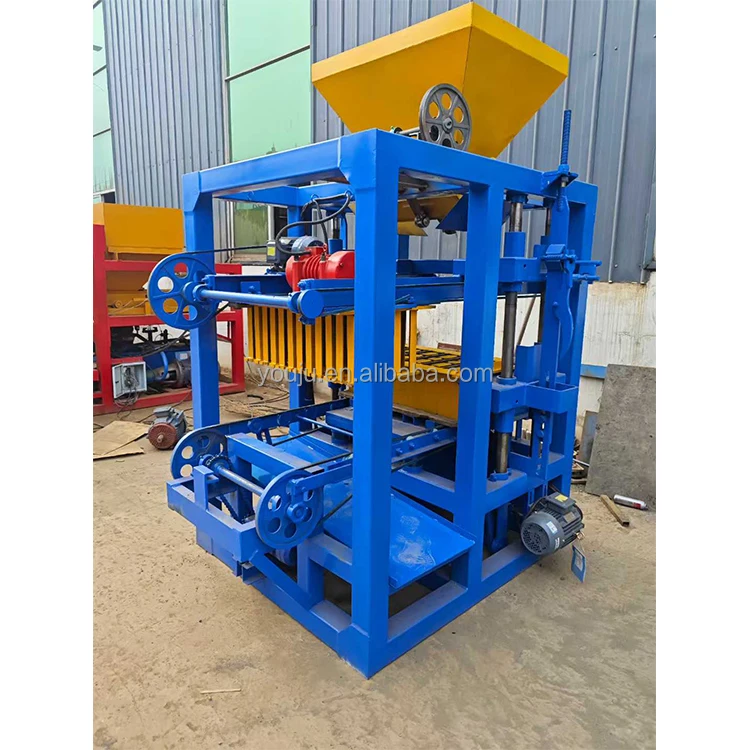
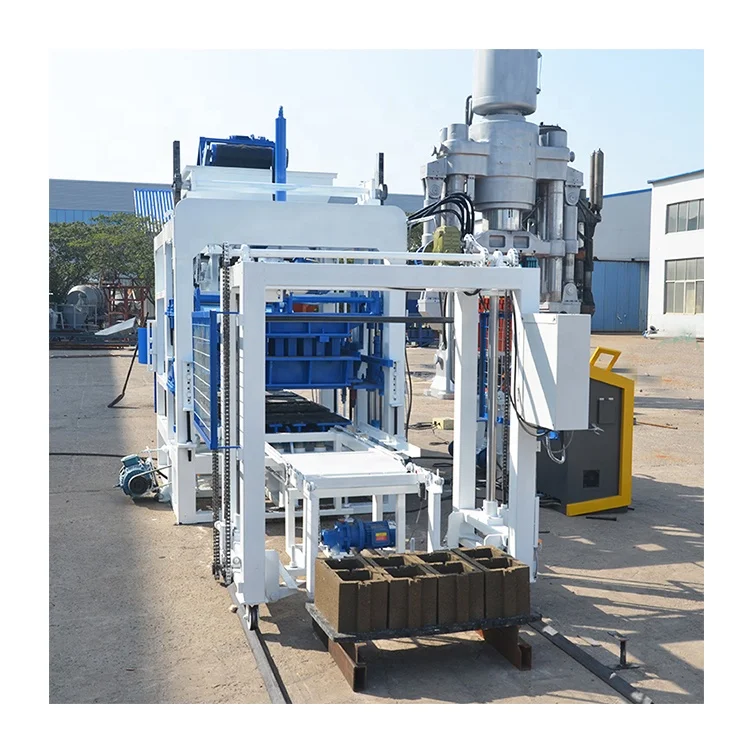
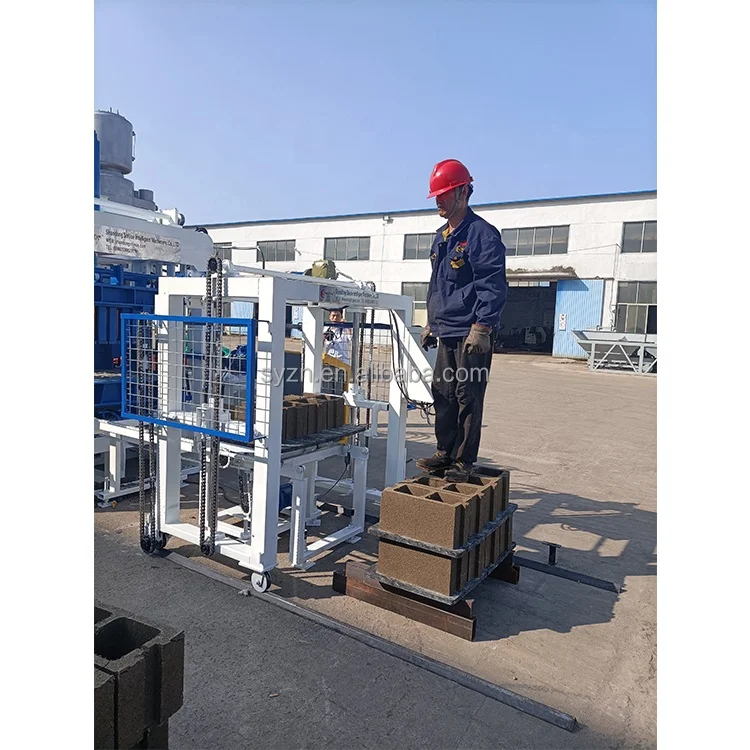
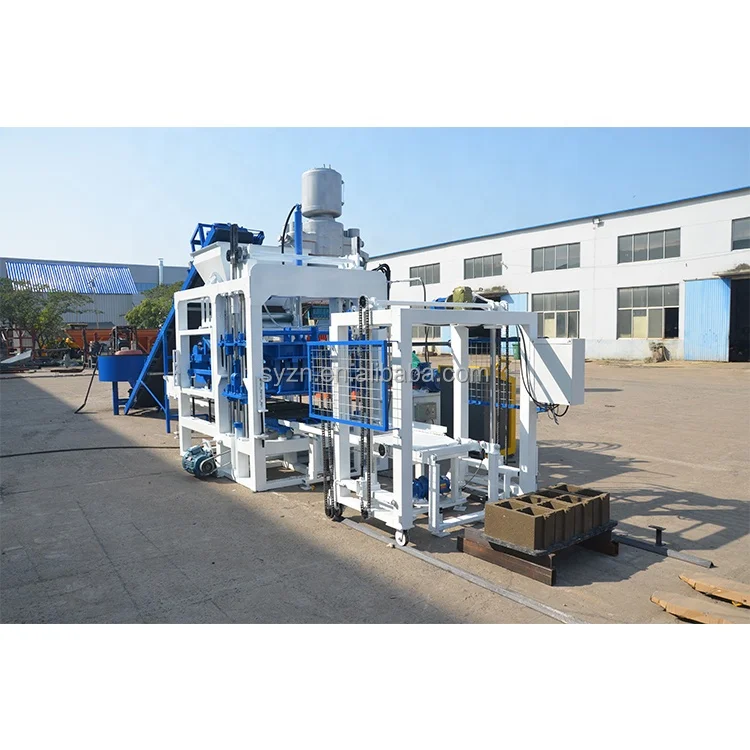
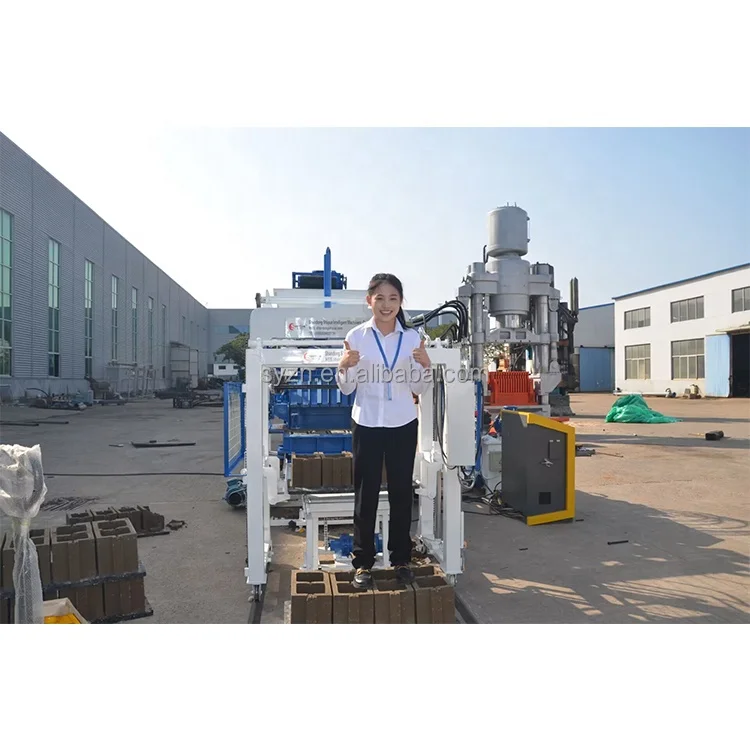
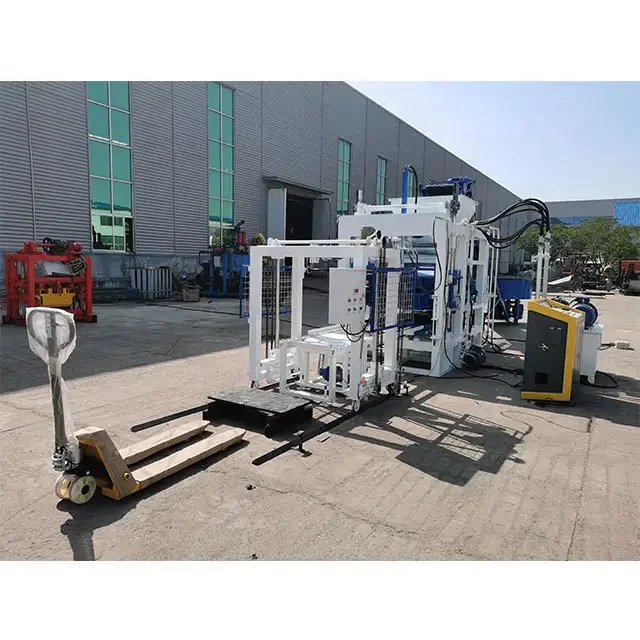
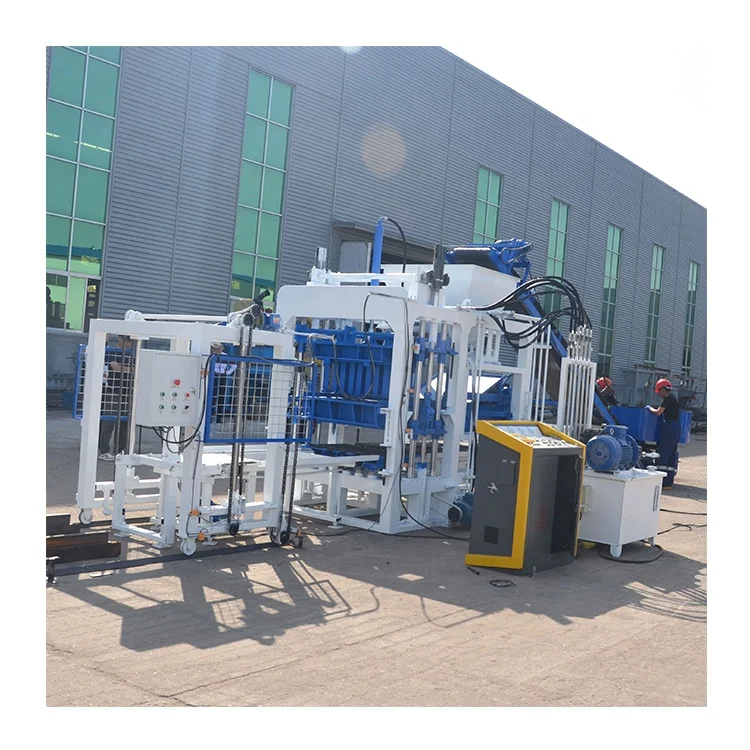
Matched Mould and Handling System — the QT4-15B line is specified around your block format and pallet inventory, not assembled from standalone catalogue items.
Technical Specifications
| Parameter | Value |
|---|---|
| Model | QT4-15B |
| Product Type | Automatic Concrete Block Making Machine |
| Vibration Mode | Multiaxis synchronizer vibration (vertically downward) |
| Hydraulic System | High thermal efficiency, low heat generation |
| Control System | Computer controlled, fully automatic |
| Guide Bearing | Long-period over-length guide bearing for upper mould and mould box alignment |
| Mixer System | Multiaxis forced mixer (adaptable to varied raw materials) |
| Rack Construction | High-strength steel with special welding technique (vibration shock resistant) |
| Automation Level | Fully automatic |
| Cycle Time | 15–20 seconds (across listed formats) |
| Mould Format & Capacity | 400×200×200 mm: 4 pcs/mould, 7,200–9,600 pcs/8hr (basis: stated format, cycle 15–20s) |
| Mould Format & Capacity | 400×150×200 mm: 5 pcs/mould, 8,640–11,520 pcs/8hr (basis: stated format, cycle 15–20s) |
| Mould Format & Capacity | 400×100×200 mm: 8 pcs/mould, 11,520–15,360 pcs/8hr (basis: stated format, cycle 15–20s) |
| Mould Format & Capacity | 200×100×60 mm: 16 pcs/mould, 23,040–30,720 pcs/8hr (basis: stated format, cycle 15–20s) |
| Mould Format & Capacity | 240×115×53 mm: 28 pcs/mould, 47,400–53,700 pcs/8hr (basis: stated format, cycle 15–20s) |
| Rated Power | To be confirmed with buyer voltage and frequency selection |
| Voltage & Frequency | Configurable to destination market (to be confirmed before production) |
| Pallet Size | To be confirmed against buyer curing area and forklift |
| Hydraulic Pressure | To be confirmed based on target block strength and mix design |
| Vibration Force | To be confirmed based on target block strength and mix design |
| Mould Change Time | To be confirmed with selected mould change system |
| Stacking Method | To be confirmed with automation level selection |
| Warranty | 1 year for whole machine (excluding spare parts) |
| Standards | CE (where applicable — verify for destination market) |
Application Suitability
| Application | Material or Output |
|---|---|
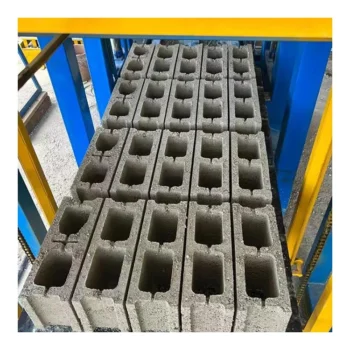
| Hollow block production | Crushed stone, sand, cement, fly ash blends targeting structural wall applications |
| Solid standard brick production | Dense aggregate mixes for load-bearing and partition walls |
| Paving brick and interlocking paver production | Fine aggregate and pigment blends for exterior surface courses |
| Multi-cellular brick production | Lightweight aggregate or aerated concrete mixes for thermal insulation blocks |
| On-site contractor block production | Locally sourced aggregate with portable batching setups at construction sites |
| Building material distributor product expansion | Multiple format changeovers across hollow, solid, and paver lines within one shift |
What the QT4-15B Block Machine Specifications Leave Unsaid About Daily Output
Capacity means nothing until you tie it to the exact block format your market actually buys.
I have walked into block yards in Colombia and Guatemala where the owner showed me a machine rated at thousands of pieces per hour, only to find the yard half-empty and the crew finishing early. The problem was never the press. The quotation listed a headline cycle rate based on a small paver format, while the plant’s bread-and-butter product was a 400×200×200 hollow block that ran a longer cycle and produced fewer pieces per mould. By the time the buyer realized the gap, the machine was already on the water. When evaluating QT4-15B block machine specifications, the honest move is to read capacity against the format you will run most days, not the format that makes the brochure look best [NEED_CITE: common mismatches between quoted cycle rates and actual block format output].
Format-Specific Capacity Instead of a Single Headline Number
The QT4-15B block machine specifications break output into five named formats, each with its own pieces-per-mould count and resulting hourly range. A hollow block at 400×200×200 mm yields four pieces per cycle, while a standard brick at 240×115×53 mm yields twenty-eight. That difference alone reshapes your shift plan, your pallet circulation count, and your curing rack space. Quoting capacity per format is how a technical buyer sizes a machine against a real order book rather than a catalogue promise.
Cycle Time Range and What Controls It
A 15–20 second cycle across listed formats means the press itself is not the bottleneck — raw material feed speed, pallet indexing, and mould fill consistency are. The multiaxis forced mixer must keep pace with the press, and the pallet feeder must deliver on time or the press sits idle. This is where the line matters more than the press alone, because every station upstream and downstream must match the QT4-15B cycle window to avoid dead seconds that compound across an eight-hour shift [NEED_CITE: block line station synchronization and cycle time matching].
Reading the Vibration and Hydraulic Specifications Together
Multiaxis synchronizer vibration delivers force vertically downward, which matters because off-axis vibration causes uneven compaction and dimension drift across the mould face. But vibration alone does not produce block strength. The hydraulic pressure must be set in relation to the vibration force and the buyer’s specific mix design. A dry mix with coarse crushed stone needs a different pressure-vibration balance than a wetter mix with fine sand. Configuring these two parameters against the actual aggregate available locally is what separates consistent block strength from batches that pass one day and fail the next.
What Over-Length Guide Bearings Change on the Shop Floor
The long-period over-length guide bearing on the QT4-15B keeps the upper mould and mould box aligned through thousands of cycles per shift. When guide bearings are short or undersized, the mould drifts under vibration load, and block dimensions creep outside tolerance within weeks. That drift forces the operator to adjust mix water content to compensate, which then changes block weight and strength. Precise alignment is not a luxury specification — it is the reason some machines still produce in-tolerance blocks after six months while others need mould shims every few weeks.
The Configuration Mistake That Costs More Than the Machine
A block machine configured for a mix the buyer cannot source locally forces a material change that was never in the project budget. I have seen plants in Central America receive machines tuned for river sand when the only available aggregate was crushed limestone. The result was blocks that crumbled at the edges and a production line that ran at a fraction of expected output until the mix was re-engineered from scratch. The QT4-15B multiaxis forced mixer is adaptable to varied raw materials, but that adaptability only matters if the machine is configured against the buyer’s actual aggregate sample before it ships, not against a default catalogue recipe [NEED_CITE: impact of local aggregate variation on block strength and machine configuration].
Why Sourcing the QT4-15B Here Is Different
Block machinery is the single focus here, which means the QT4-15B press, mould, pallet, and handling equipment are specified as one matched system rather than sourced from separate vendors and bolted together at the yard. Configuration is set against the buyer’s actual mix design and target block format, not a default line from a brochure. Mould design covers the formats the buyer’s market sells, with custom drawings available when standard formats do not match local building codes. Automation level is selectable, so a plant can begin with semi-automatic pallet handling and add stacking later. Installation support includes operator training and a wear parts list that arrives before the first replacement is due.
Documentation & Verification
- Line layout with capacity calculation stating block format assumed for each output figure
- Machine specification sheet matched to buyer’s mix design and local aggregate
- Mould drawing and format list confirming included and optional moulds
- Pallet specification tied to buyer’s existing curing area and forklift capacity
- Voltage, frequency, and PLC display language confirmation before production begins
- Factory test record on target block format before dispatch
Installation, Commissioning & Support
- Foundation plan based on QT4-15B rack dimensions and vibration load distribution
- Dedicated electrical circuit matching confirmed voltage and frequency before arrival
- Machine dismantled for container loading with reassembly sequence documented
- First-run commissioning with hydraulic pressure and vibration force set to buyer’s mix
- Operator training covering mould change procedure and cycle time adjustment per format
- Wear parts and mould list provided before shipment to prevent unplanned downtime
What to Include in Your QT4-15B Inquiry
To size the QT4-15B correctly, share the block format or formats your market sells, the daily volume you need per format, and the aggregate you can source locally with a sample if possible. Confirm your site voltage, frequency, and the PLC display language your operators will need. If you already have pallets, a curing yard, or a forklift in place, send the dimensions so the pallet and handling configuration fits what you have rather than forcing you to buy new ancillary equipment.
Frequently Asked Questions
Q: How is the QT4-15B capacity calculated, and what block format does each figure assume?
A: Every capacity figure for the QT4-15B is tied to a specific block format and its corresponding pieces-per-mould count. The hollow block at 400×200×200 mm produces four pieces per cycle, while the standard brick at 240×115×53 mm produces twenty-eight. Output ranges reflect a 15–20 second cycle across formats, so buyers can match the number to the product they actually run rather than a generic headline rate.
Q: What mould formats are available, and how long does a mould change take on this model?
A: The QT4-15B supports hollow blocks, solid bricks, paving bricks, and multi-cellular formats, with custom mould design available to buyer drawings. Mould change time depends on the selected changeover system and must be confirmed during configuration. Buyers who plan frequent format switches should discuss quick-change options before the machine enters production.
Q: How should the machine be configured to match my local aggregate and target block strength?
A: Configuration starts with the buyer’s aggregate sample and target block strength. The multiaxis forced mixer adapts to varied raw materials, but hydraulic pressure and vibration force must be balanced to the specific mix. The machine specification sheet is prepared against the buyer’s actual material profile rather than a default catalogue setting, ensuring consistent compaction and strength from the first production run.
Q: What pallet size does the QT4-15B require, and how does it relate to my existing setup?
A: Pallet size is confirmed during the configuration stage based on the mould format selected and the buyer’s existing curing area and forklift capacity. Choosing a pallet size that matches what the plant already handles avoids the cost and disruption of replacing curing racks and handling equipment after the machine arrives.
Q: What voltage, frequency, and PLC language options need to be confirmed before shipment?
A: Voltage and frequency must match the destination site supply, and the PLC display language should match the operator team’s working language. These parameters are confirmed before production begins to prevent commissioning delays after arrival. Buyers should provide site electrical specifications and preferred control language at the inquiry stage.