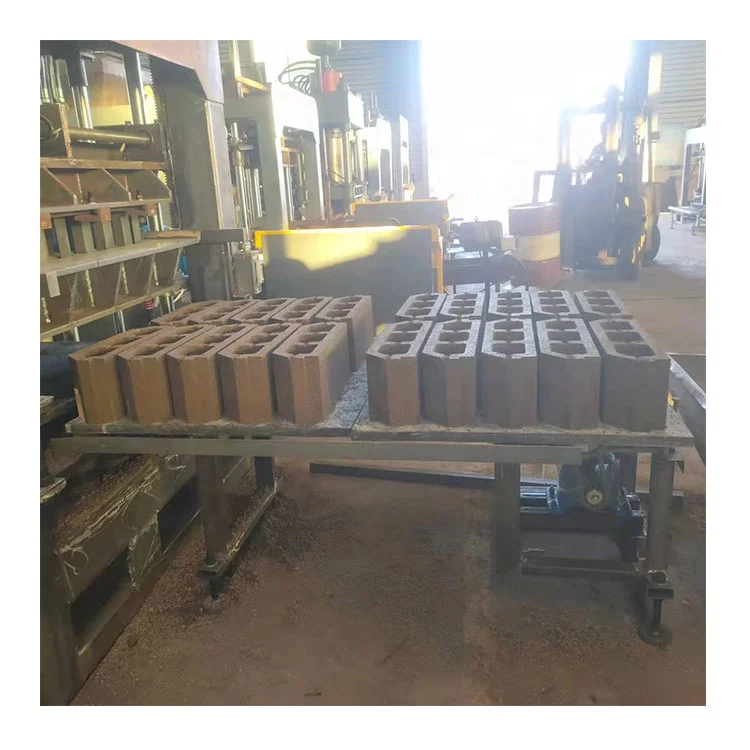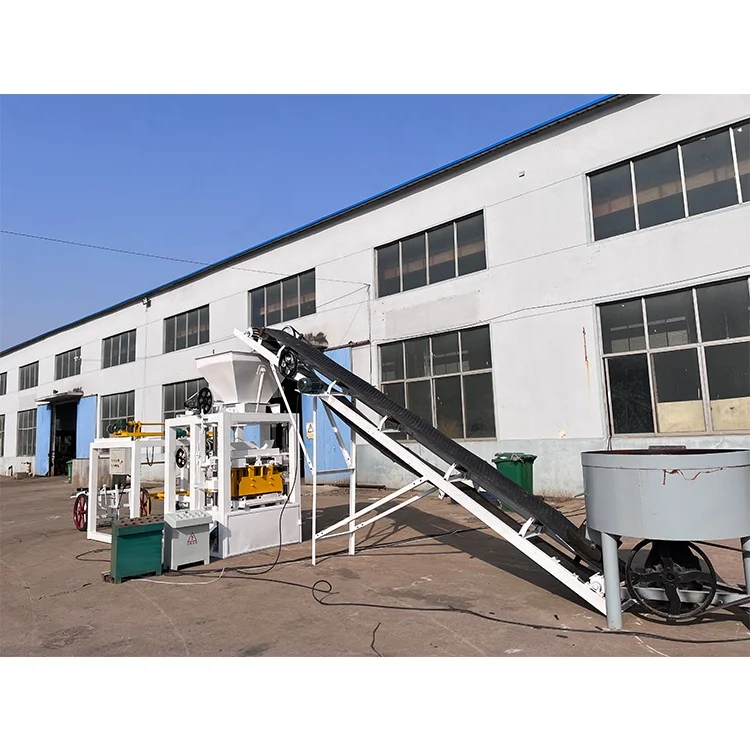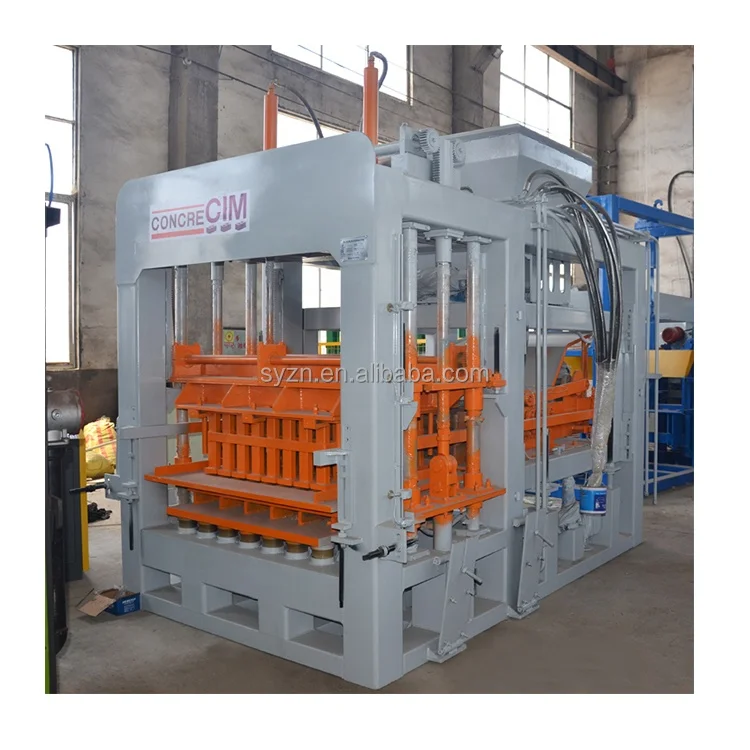
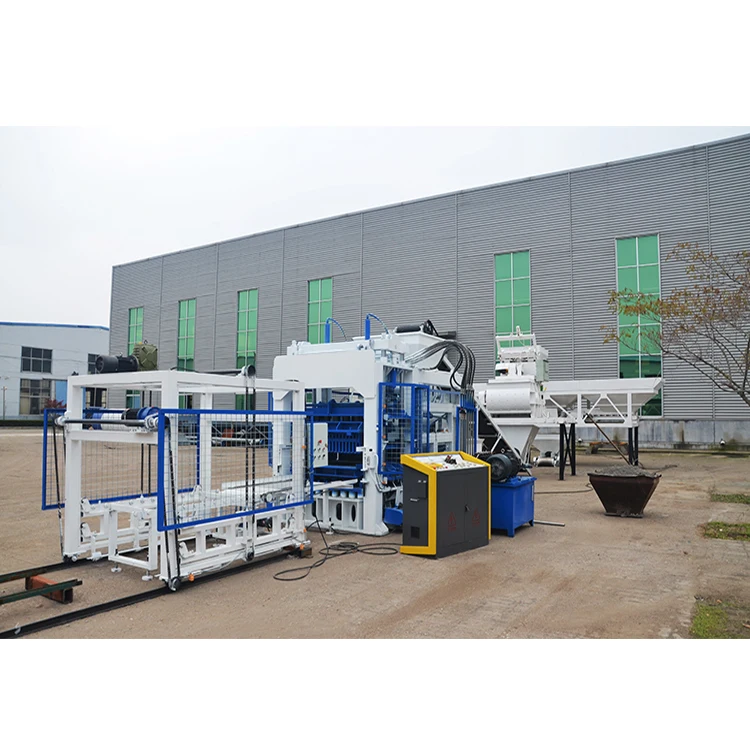


Description
Mould and press matched to format — every QT10-15 configuration starts from the block you actually sell, not a catalogue default, so pallet size, vibration profile and hydraulic pressure align with your local aggregate and target output.
Technical Specifications
| Parameter | Value |
|---|---|
| Model | QT10-15 |
| Product Type | Automatic Hydraulic Block Making Machine |
| Control System | PLC control cabinet |
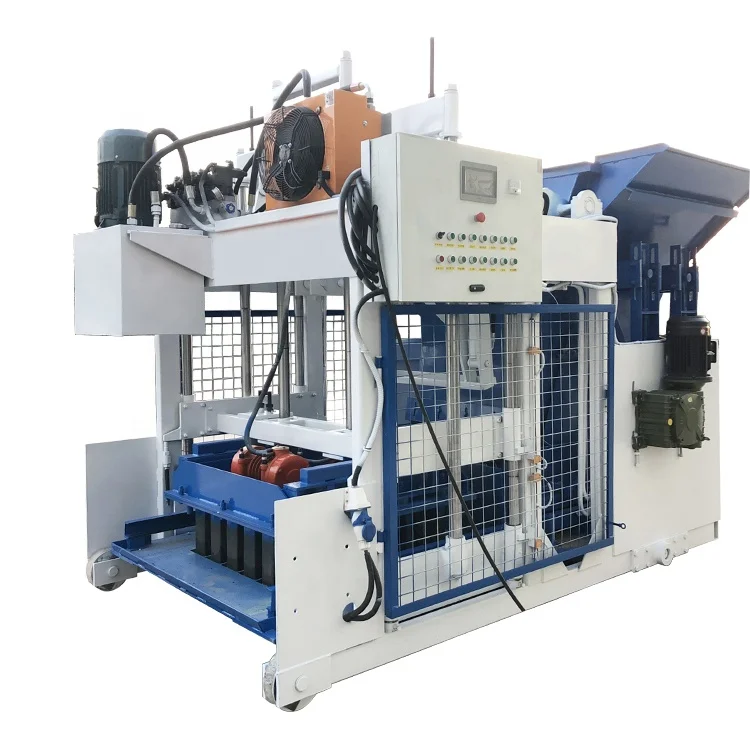
| Hydraulic System | Independent integrated hydraulic station |
| Vibration Mode | Vertical station mode resonance, automatic FM-AM |
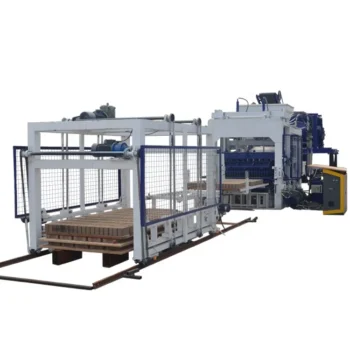
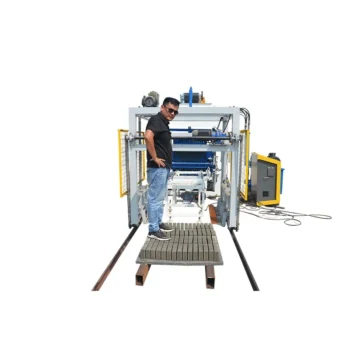
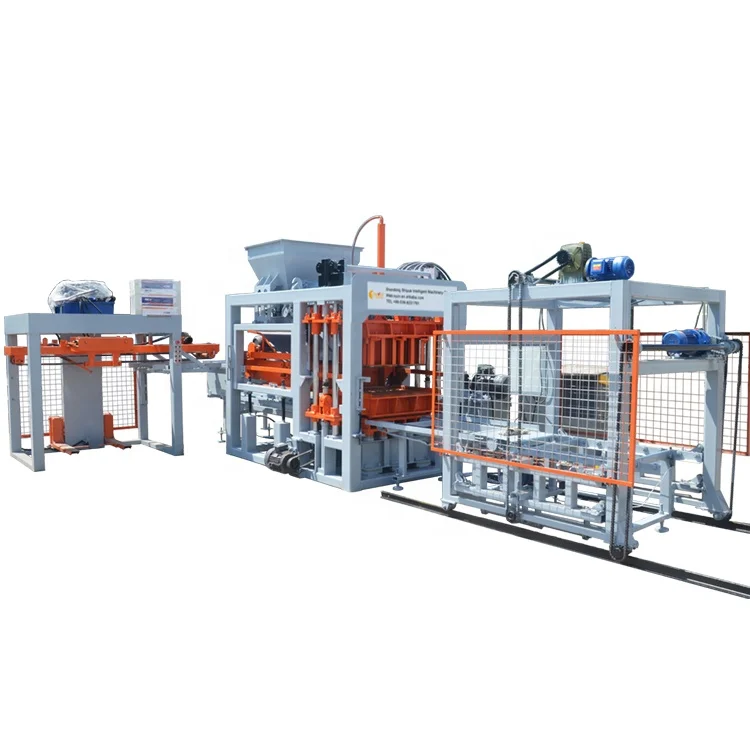
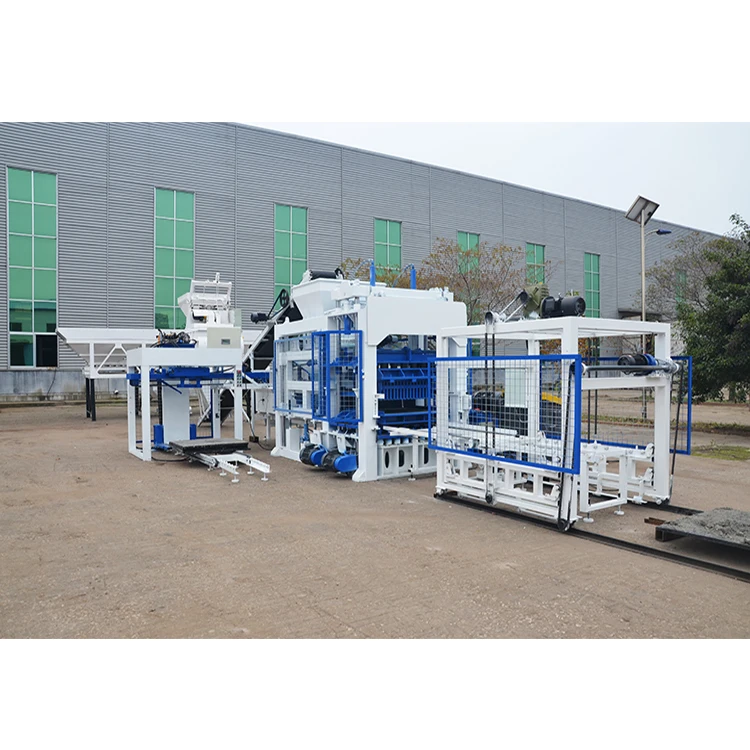
| Component List | Pallet feed machine, block making machine, storage hopper, conveyor, hydraulic unit, PLC control cabinet |
| Mould Change | Simple replacement of mould for multi-format production |
| Cycle Time (400×200×200mm hollow block) | 15–20s |
| Output Capacity (400×200×200mm hollow block) | 1,800–2,400 pcs/hour, 14,400–19,200 pcs/8hr |
| Cycle Time (400×150×200mm block) | 15–20s |
| Output Capacity (400×150×200mm block) | 2,160–2,880 pcs/hour, 17,280–23,040 pcs/8hr |
| Cycle Time (240×115×53mm solid brick) | 15–20s |
| Output Capacity (240×115×53mm solid brick) | 8,928–11,160 pcs/hour, 71,424–89,280 pcs/8hr |
| Cycle Time (200×100×60mm paving block) | 20–25s |
| Output Capacity (200×100×60mm paving block) | 5,184–6,480 pcs/hour, 41,472–51,840 pcs/8hr |
| Cycle Time (225×112.5×60mm interlocking brick) | 20–25s |
| Output Capacity (225×112.5×60mm interlocking brick) | 4,032–5,040 pcs/hour, 32,256–40,320 pcs/8hr |
| Automation Level | Automatic (PLC control, pallet feed, conveyor, storage hopper) |
| Warranty | 1 year for whole machine (excluding spare parts) |
Application Suitability
| Application | Material or Output |
|---|---|
| Hollow block production for commercial and residential walls | Crushed stone, river sand, cement, fly ash aggregates |
| Solid brick manufacturing for load-bearing masonry | Dense aggregate blends with standard cement ratios |
| Paving block production for roads and walkways | High-strength concrete mixes with fine and coarse aggregate |
| Interlocking brick for housing and retaining structures | Local volcanic or crushed stone aggregate with adjusted vibration profiles |
| Multi-format plants serving regional distributors | Format changeover across hollow, solid, paving and interlocking within shifts |
Why "Pieces per Hour" Means Nothing Without the Block Format
Capacity only matters when tied to the exact block size, mould cavity count and cycle time your plant will run.
Most quotations list a single headline number — something like "10,000 blocks per day" — without saying which format that assumes. On a QT10-15 automatic block making machine, the difference between running 400×200×200mm hollow blocks and 240×115×53mm solid bricks is enormous: one mould produces a handful of large units per cycle, while the other packs dozens of small units onto the same pallet. I once watched a contractor in Peru plan an entire housing project around a headline capacity figure, only to discover on commissioning day that the daily output for their specific interlocking format was roughly half what they had budgeted for. The machine was fine. The capacity assumption was not. [NEED_CITE: block format impact on daily output planning]
Format-Specific Capacity: What the Numbers Actually Mean
Every output figure for the QT10-15 is anchored to a named block dimension and a stated cycle window. For the 400×200×200mm hollow block, the 15–20 second cycle yields 1,800–2,400 pieces per hour. Switch to the 225×112.5×60mm interlocking brick at a 20–25 second cycle and the hourly count shifts to 4,032–5,040 pieces. These are not marketing ceilings — they reflect the mould cavity layout and the vibration dwell required for proper compaction at each format.
Matching Vibration to Aggregate, Not Just to the Mould
The vertical station mode resonance system on this QT10-15 automatic block making machine adjusts both frequency and amplitude automatically, which matters more than most buyers realize. In Peru, a customer was running volcanic aggregate with significantly lower density than standard quartz sand. The interlocking bricks cracked under light handling because the default vibration profile was designed for heavier material. Once the FM-AM parameters were re-tuned to the lighter aggregate, block integrity came in line. The hydraulic pressure curve also needed adjustment — higher initial pressure with a slower ramp — to compact the volcanic mix without trapping air pockets. [NEED_CITE: vibration frequency and aggregate density matching in block production]
Hydraulic Pressure and Vibration: The Compaction Partnership
The independent integrated hydraulic station sits apart from the main vibration zone, which prevents dust and resonant shock from degrading valve seals and hose fittings over long production runs. Hydraulic pressure and vibration force must be balanced against each other: too much pressure without sufficient vibration leaves dense but brittle blocks with internal voids; too much vibration without adequate pressure produces blocks that look solid on the outside but crumble at the edges. For the 200×100×60mm paving block format, the longer 20–25 second cycle allows the vibration to fully settle the fine aggregate before the hydraulic head applies final compaction. The PLC control cabinet coordinates these two forces per cycle, so operators do not need to manually adjust timing when switching between the hollow block and paving block moulds.
The Cost of Ignoring Pallet and Mould Compatibility
Pallet size seems like a minor detail until the machine arrives and the curing racks are three centimetres too narrow. Blocks stack unevenly, forklifts cannot grip the pallets properly, and the automatic pallet feed jams on misaligned returns. I have seen plants lose the better part of a shift every week simply because the pallet specification was never cross-checked against the curing area and handling equipment already on site. The same goes for mould selection: ordering a machine with only one or two moulds and assuming you can add formats later often means the vibration table and hydraulic stroke were never set up for the cavity layout of the third or fourth mould you eventually need. [NEED_CITE: pallet and mould compatibility issues in block plant commissioning]
Why Sourcing the Press and Moulds Together Matters
Block machinery as a single focus means the QT10-15 is specified as a matched system — press, mould, pallet and handling — rather than assembled from unrelated suppliers. Configuration is set against your actual mix design and local aggregate, not a catalogue default. Mould design covers the formats your market sells, including custom drawings when standard cavities do not match regional dimensions. Automation level is selectable, so a plant can begin with semi-automatic pallet handling and add automatic stacking and cubing later without replacing the press. Installation includes commissioning support with operator training at your site.
Documentation & Verification
- Line layout and capacity calculation stating each block format assumed
- Machine specification sheet with confirmed hydraulic and vibration ratings
- Mould drawing and format list covering every block type in your order
- Pallet specification matched to your curing area and forklift capacity
- Hydraulic and electrical schematic for local maintenance teams
- Voltage and control language confirmation before production begins
Installation, Commissioning & Support
- Foundation plan sized to the QT10-15 vibration load and overall footprint
- Dedicated power circuit matching confirmed voltage and frequency at your site
- Machine shipped in dismantled sections with reassembly guidance on arrival
- PLC control cabinet configured in your preferred operator language before dispatch
- On-site commissioning with parameter tuning for your local aggregate mix
- Wear parts and mould inventory list provided with recommended reorder intervals
What to Prepare Before Requesting a Quotation
To size the QT10-15 automatic block making machine correctly, share the block formats your market requires, including dimensions and target daily output for each. Provide details on your local raw materials — aggregate type, available cement grades, any fly ash or additives — so vibration and hydraulic settings can be matched before build. Confirm your site voltage, frequency and the language your operators need on the PLC display. If you already have curing racks, forklifts or pallets in place, send their dimensions so the pallet specification and handling layout integrate with what you have.
Frequently Asked Questions
Q: How is capacity calculated for each block format on the QT10-15?
A: Each capacity figure is tied to a specific block dimension, mould cavity count and cycle time window. For example, the 400×200×200mm hollow block runs at 15–20 seconds per cycle, producing 1,800–2,400 pieces per hour. The quotation includes a capacity table listing every format you plan to run, so you can plan daily output against realistic shift targets.
Q: How does the machine adapt to different local aggregates?
A: The vertical station mode resonance system adjusts vibration frequency and amplitude automatically, while the independent hydraulic station allows pressure curve tuning. During commissioning, both parameters are calibrated to your specific aggregate density and mix design. This prevents issues like weak interlocking bricks when using lighter volcanic or recycled aggregates.
Q: What is the actual mould change time between formats?
A: The QT10-15 uses a simple mould replacement design intended for format switching within a single shift. The exact time depends on mould size and operator familiarity, but the system is built so multi-product plants can run hollow blocks in the morning and paving blocks after lunch without losing a full day to changeover.
Q: How is pallet size selected for my curing setup?
A: Pallet dimensions are confirmed against your existing curing rack spacing, forklift capacity and floor area before the order is finalized. This prevents misalignment between the automatic pallet feed system and your curing infrastructure, which is a frequent source of commissioning delays on block lines.
Q: What documentation comes with the machine before shipment?
A: You receive a factory test record run on your target block format, hydraulic and electrical schematics, mould drawings with a complete format list, a pallet specification sheet and a confirmed voltage and control language record. These documents support customs clearance and on-site commissioning.