
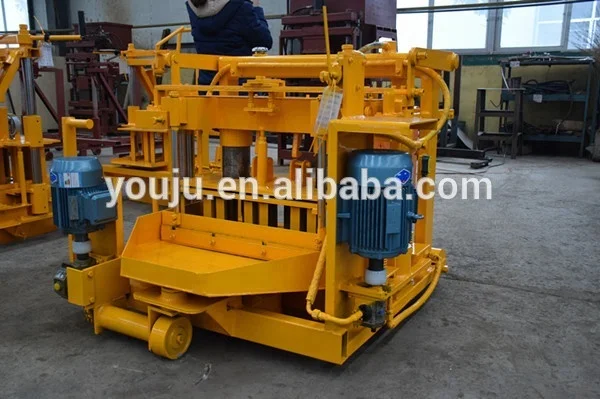
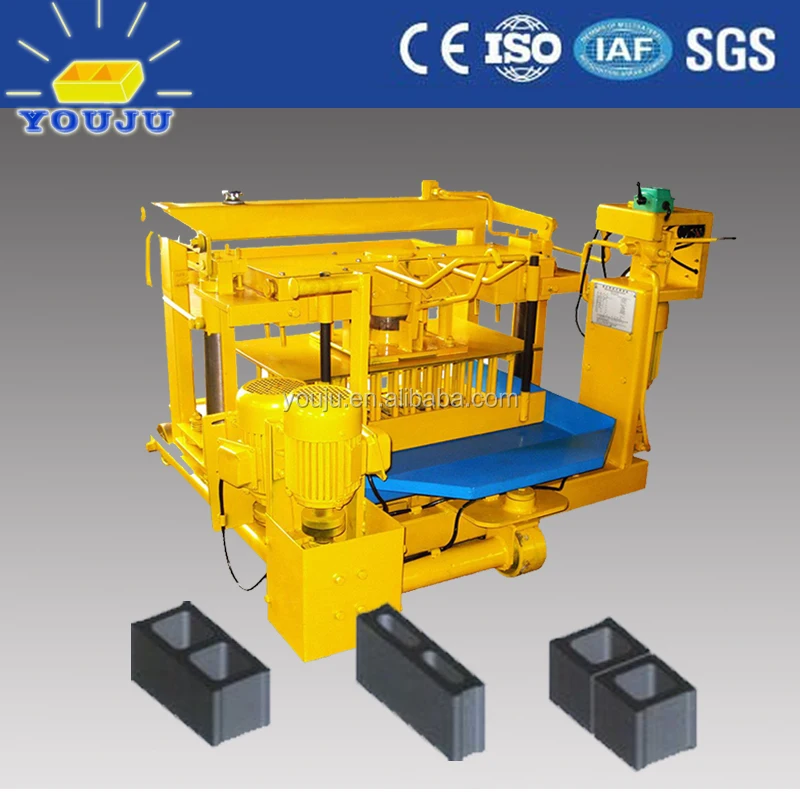
Description
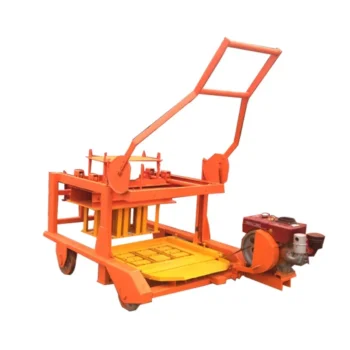
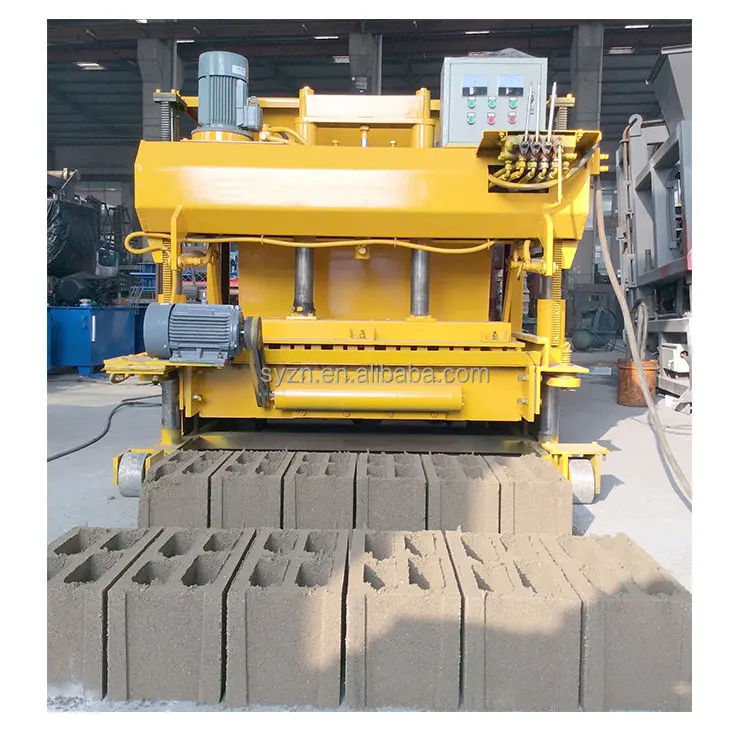
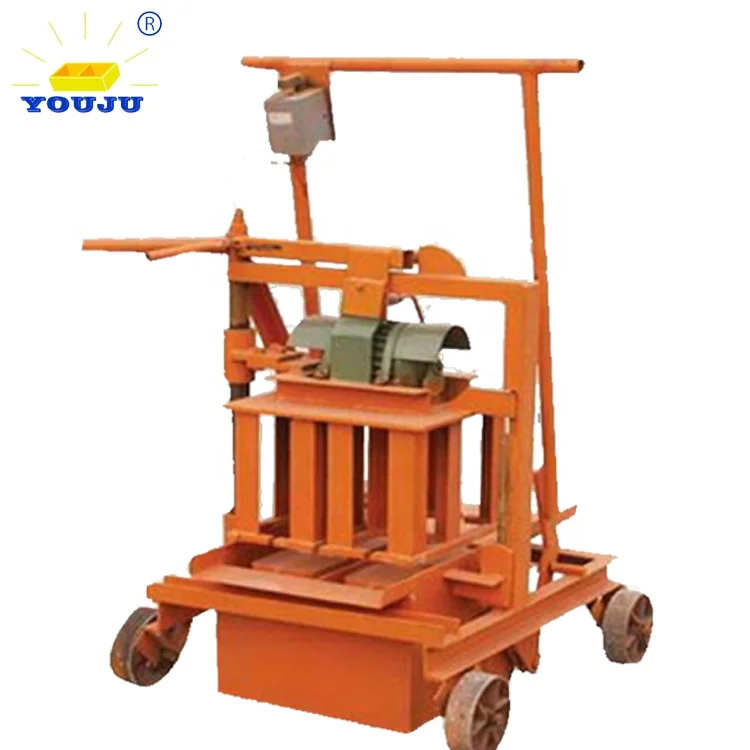
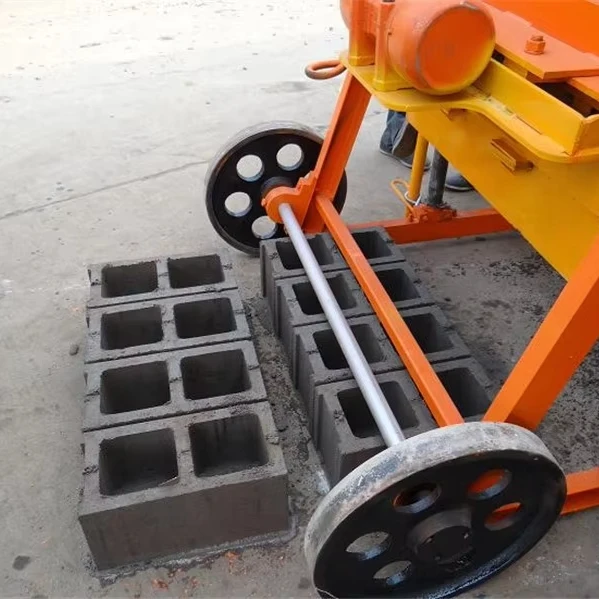
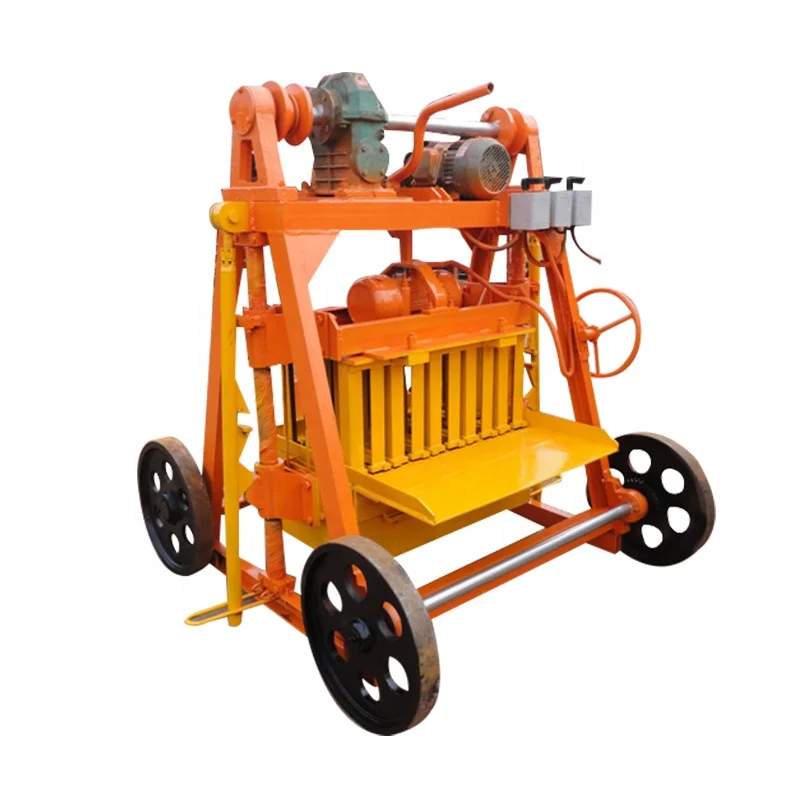
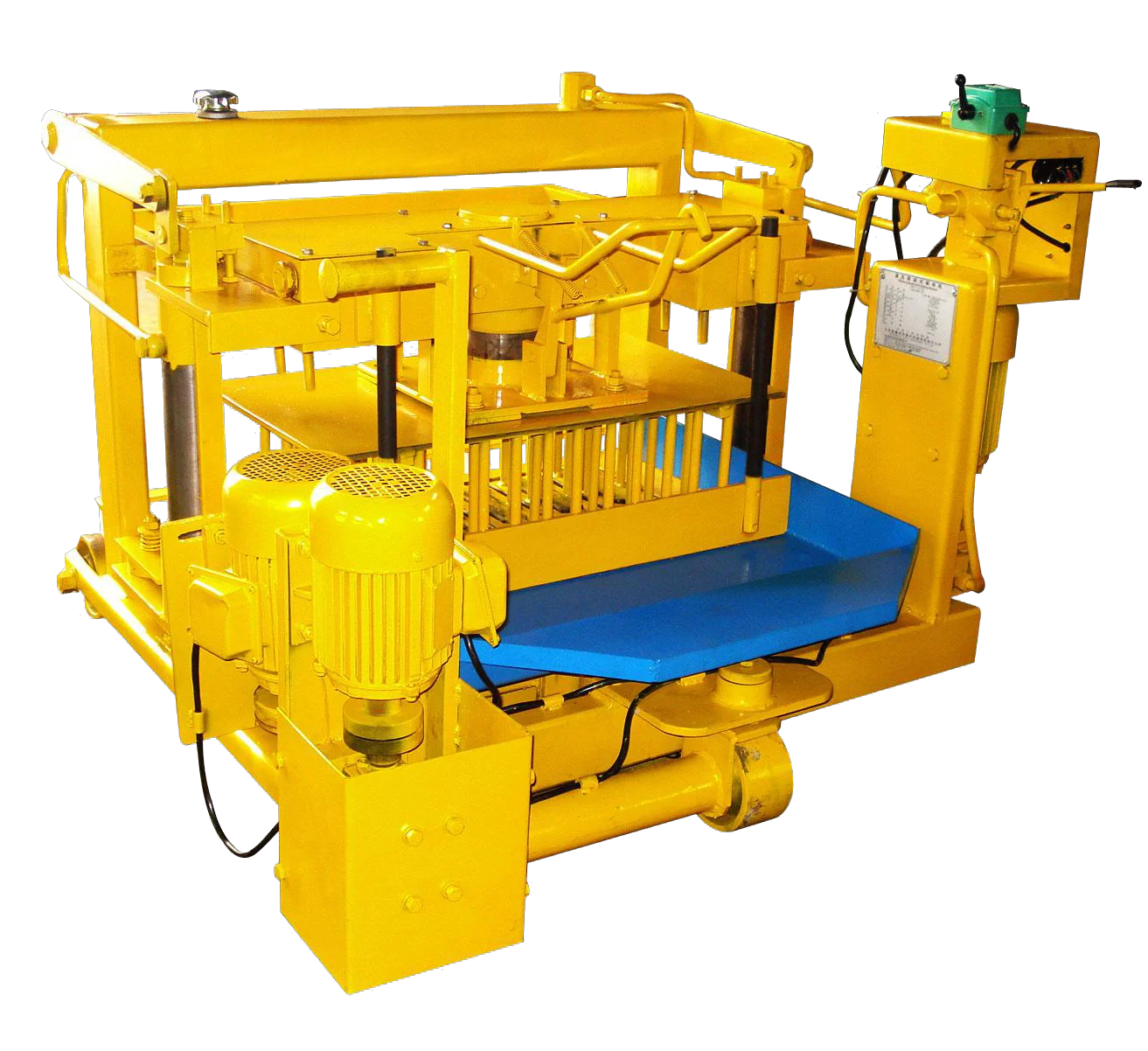
Block machinery single focus — the QMY4-30 mobile block machine is specified around the exact format your market actually sells, with capacity calculated per mould size rather than quoted as a generic cycle count.
Technical Specifications
| Parameter | Value |
|---|---|
| Model | QMY4-30 |
| Product Type | Mobile Concrete Block Making Machine |
| Rated Power | 5 kW |
| Molding Cycle Time | 30 seconds |
| Overall Dimensions (L×W×H) | 1200 × 1200 × 1100 mm |
| Net Weight | 950 kg |
| Raw Materials | Cement, sand, crushed stones, slag |
| Mould Format | Changeable for hollow block and solid brick |
| Output Capacity | 480 pcs/h based on 400×200×200 mm hollow block, 4 pcs/mould |
| Output Capacity | 600 pcs/h based on 400×150×200 mm hollow block, 5 pcs/mould |
| Output Capacity | 840 pcs/h based on 400×100×200 mm hollow block, 7 pcs/mould |
| Daily Output | 3,840 pcs/8h based on 400×200×200 mm hollow block |
| Daily Output | 4,800 pcs/8h based on 400×150×200 mm hollow block |
| Daily Output | 6,720 pcs/8h based on 400×100×200 mm hollow block |
| Vibration Force | Not stated in source — confirm with manufacturer |
| Pallet Size | Not applicable (mobile egg-laying type, blocks laid directly on ground) |
| Automation Level | Manual / semi-automatic (mobile egg-laying operation) |
| Voltage & Frequency | Not stated in source — confirm with manufacturer |
| Control System | Not stated in source — confirm with manufacturer |
| Warranty | One year |
Application Suitability
| Application | Material or Output |
|---|---|
| On-site hollow block production | Cement, sand, crushed stone and slag mixes, 400×200×200 mm to 400×100×200 mm formats |
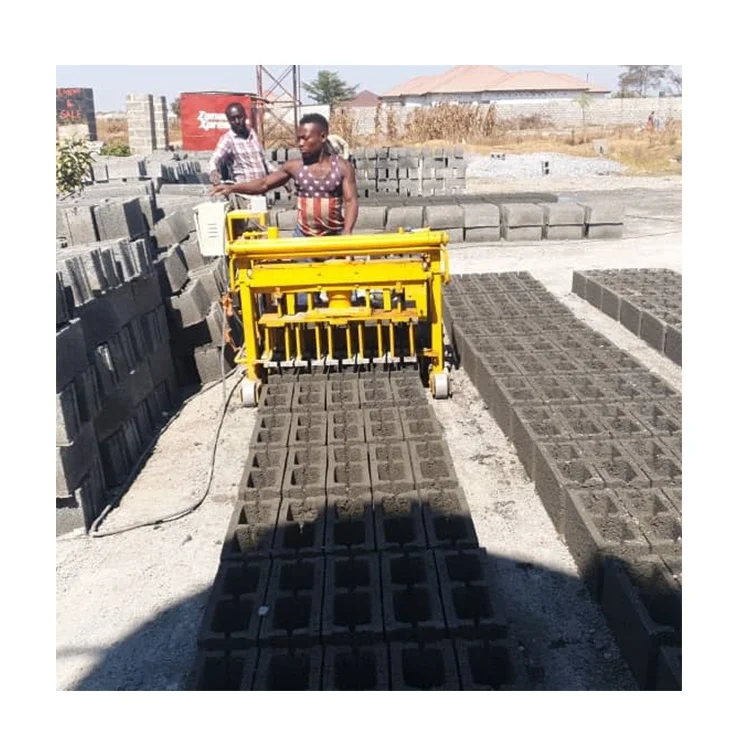
| Contractor block supply at building sites | Solid brick and hollow block laid directly on prepared ground without pallet infrastructure |
| First-operation block business | Low-investment start-up producing 3,840–6,720 hollow blocks per 8-hour shift depending on format |
| Rural and peri-urban project supply | Mobile egg-laying production on compacted earth or concrete floor using locally sourced aggregate |
What "480 Blocks per Hour" Leaves Out When Format Is Not Stated
Every output figure on this page is tied to a specific block dimension and mould cavity count.
Capacity sheets that quote a single number without naming the format create a false expectation. A buyer planning daily production around 400×200×200 mm hollow blocks will see a very different throughput than one running 400×100×200 mm partitions, even on the same machine with the same 30-second cycle. When the QMY4-30 mobile block machine specifications are reviewed per format, the gap between the highest and lowest daily output is substantial — a spread that disappears when only one headline number is shown. This is the kind of mismatch I have seen cause project delays when a contractor commits to a delivery schedule before checking which mould is actually installed [NEED_CITE: block format assumptions in mobile machine capacity quotations].
Format-by-Format Capacity Breakdown
The QMY4-30 completes a moulding cycle in 30 seconds. With four cavities for 400×200×200 mm hollow blocks, the machine produces 480 pieces per hour and 3,840 pieces across an 8-hour shift. Switch to a 5-cavity mould for 400×150×200 mm blocks and output rises to 600 pieces per hour, or 4,800 per shift. The smallest standard format — 400×100×200 mm — fills 7 cavities per cycle, reaching 840 pieces per hour and 6,720 per shift. These figures assume continuous operation with material fed and ground cleared between cycles.
Mould Change and Format Flexibility
The changeable mould system allows operators to switch between hollow block and solid brick formats. Mould change on a mobile egg-laying machine of this class involves removing the mould box, aligning the new unit, and securing it before resuming production. The time this takes directly affects how many format switches are practical within a single shift. Buyers who plan to run two or three formats in one day should confirm the physical changeover procedure before finalising their mould order, because each minute spent swapping tooling is a minute of lost cycle time [NEED_CITE: mould changeover procedures for mobile egg-laying block machines].
Vibration, Compaction and Local Aggregate
The QMY4-30 relies on mechanical vibration to compact the concrete mix inside the mould box. Because this is a mobile egg-laying type with no hydraulic pressing system stated, compaction quality depends heavily on the vibration force reaching the mix uniformly. I once saw a mobile block machine shipped to West Africa where the buyer substituted local laterite aggregate for standard sand. The vibration profile was set for a sand-based mix, and the laterite particles did not consolidate properly — half the blocks cracked before curing was complete. That experience reinforced a simple rule: vibration force must match the actual material going into the hopper, not the material listed in a catalogue default [NEED_CITE: effect of aggregate type on block compaction in mobile machines].
What Happens When Voltage and Frequency Are Assumed
A 5 kW motor configured for one voltage and frequency will draw incorrect current or fail to reach rated speed on another. When the QMY4-30 arrives at a site where the supply is 220 V / 60 Hz but the motor was wound for 380 V / 50 Hz, the machine either will not start or will run at reduced vibration frequency — directly lowering block density. Voltage and frequency confirmation must happen before production begins, not after the container is opened. Control system language is a secondary but equally practical issue: if the operator cannot read the display, troubleshooting becomes guesswork and cycle timing drifts without anyone noticing [NEED_CITE: voltage and frequency standards by export market].
The Cost of Skipping Material and Format Verification
When a buyer selects a mobile block machine based on a single headline capacity, the consequences compound through the production chain. Blocks that do not meet strength requirements are rejected by site inspectors, forcing rework. Moulds ordered in the wrong format sit unused while the correct ones are sourced internationally, adding weeks of downtime. A mix design that does not match local aggregate means either the block quality suffers or the buyer pays to import alternative sand — both outcomes erode the low-investment advantage that a mobile machine is supposed to provide [NEED_CITE: common causes of block rejection on construction sites using mobile machines].
Why Buyers Source This Machine Through a Block-Line Specialist
Block machinery is our single focus, which means the QMY4-30 is evaluated as part of a production system, not as a standalone press. Configuration is set against the buyer’s actual mix design, local aggregate and target block format rather than pulled from a catalogue default. Mould design covers the formats the buyer’s market sells, with custom drawings available for non-standard sizes. Voltage, frequency and control language are confirmed before production starts, preventing commissioning delays. Factory test records document performance on the specified block format, so the buyer knows what to expect before the machine leaves the workshop.
Documentation & Verification
- Capacity calculation sheet stating block format assumed for each output tier
- Mould drawing and format list confirming compatible hollow and solid block sizes
- Voltage and frequency confirmation record matched to site electrical supply
- Factory test record showing cycle time and block appearance on specified mix
- Wear parts list with mould and vibration component replacement intervals
Installation, Commissioning & Support
- Level compacted earth or concrete slab required; no fixed foundation for the 950 kg unit
- Dedicated 5 kW circuit with correct voltage and frequency confirmed before motor connection
- Mould alignment checked on-site during first egg-laying run to ensure uniform block release
- Operator training on cycle timing, material feeding rhythm and ground preparation
- Wear parts stock plan covering vibration springs, mould liners and hopper wear plates
What to Include With Your Enquiry
To size the QMY4-30 to your project, share the block formats your market sells, the daily output you need per format, and the local aggregate you plan to use. Specify your site voltage, frequency and preferred control language so the motor and electrical panel are configured before production. If you already have curing space or ground conditions that limit machine travel, describe those constraints so pallet-free operation can be planned accordingly.
Frequently Asked Questions
Q: How is the QMY4-30 output capacity calculated per block format?
A: Output is calculated from the 30-second cycle time and the number of cavities per mould. For 400×200×200 mm hollow blocks with 4 cavities, the machine produces 480 pieces per hour and 3,840 per 8-hour shift. For 400×100×200 mm blocks with 7 cavities, output reaches 840 per hour and 6,720 per shift. These figures assume continuous material supply and clear ground.
Q: Which block formats and mould sizes are compatible?
A: The QMY4-30 supports changeable moulds for hollow block and solid brick formats. Standard moulds cover 400×200×200, 400×150×200 and 400×100×200 mm hollow blocks. Custom moulds can be designed to buyer drawings for non-standard sizes. Confirming the target format before ordering ensures the correct mould cavity count and vibration profile.
Q: What raw material mix does the QMY4-30 require?
A: The machine processes cement, sand, crushed stones and slag. The mix design must match local aggregate characteristics — particle shape, grading and moisture absorption all affect compaction under vibration. Buyers using non-standard aggregate such as laterite should share sample test data so the vibration setting and mix ratio can be adjusted before production starts.
Q: What voltage and frequency details need confirming before production?
A: The 5 kW motor must be wound for the site’s exact voltage and frequency. Supplying the wrong combination causes reduced vibration frequency or motor failure. Control system language should also be confirmed so the operator can read cycle timers and fault codes. These details are finalised before the machine enters production.
Q: How long does a mould change take on the QMY4-30?
A: Mould change involves removing the current mould box, aligning the replacement and securing it before resuming the egg-laying cycle. The exact time depends on operator familiarity and tooling condition. Buyers planning multiple format switches per shift should request a changeover procedure guide and factor this time into daily capacity planning.