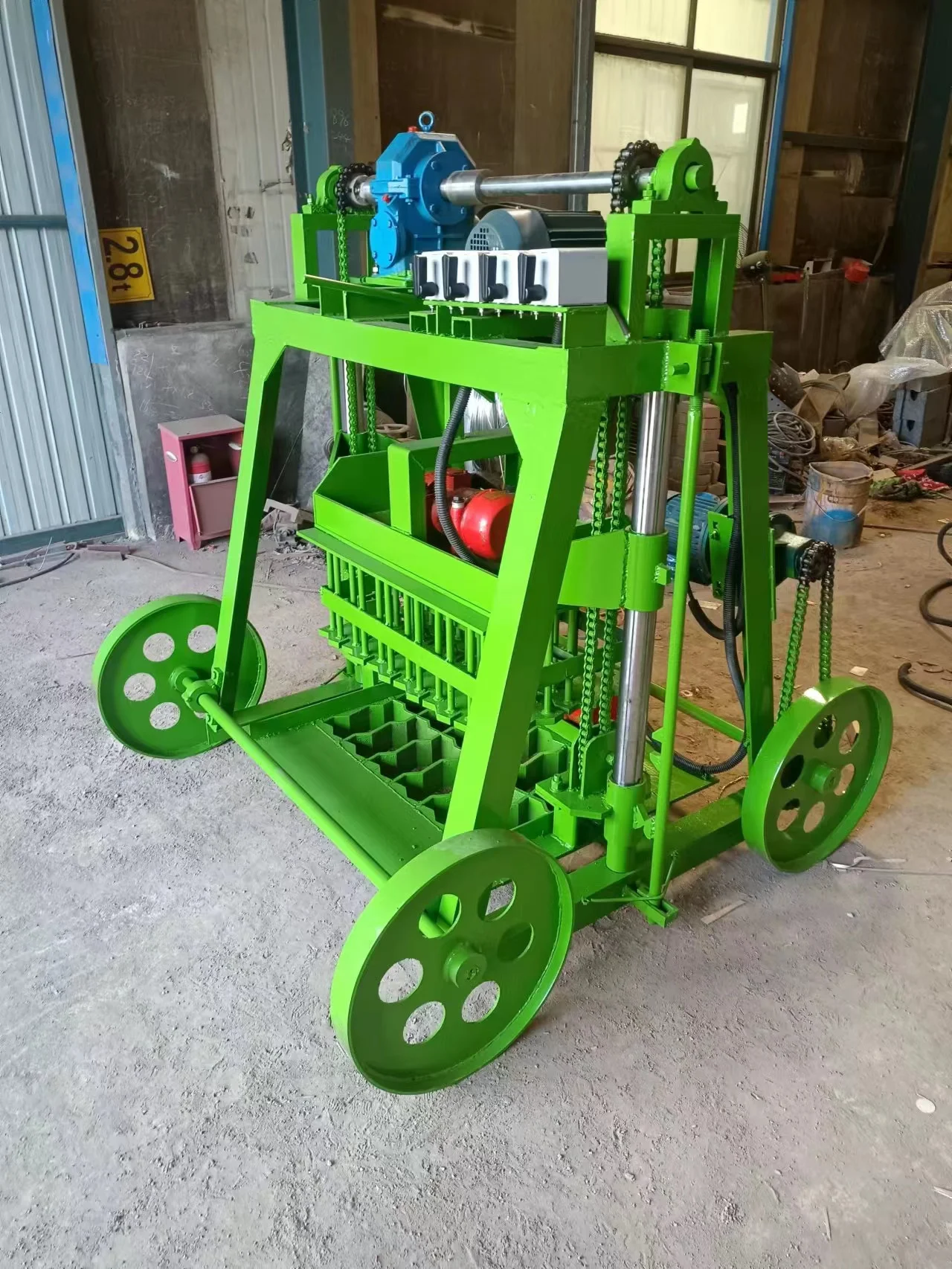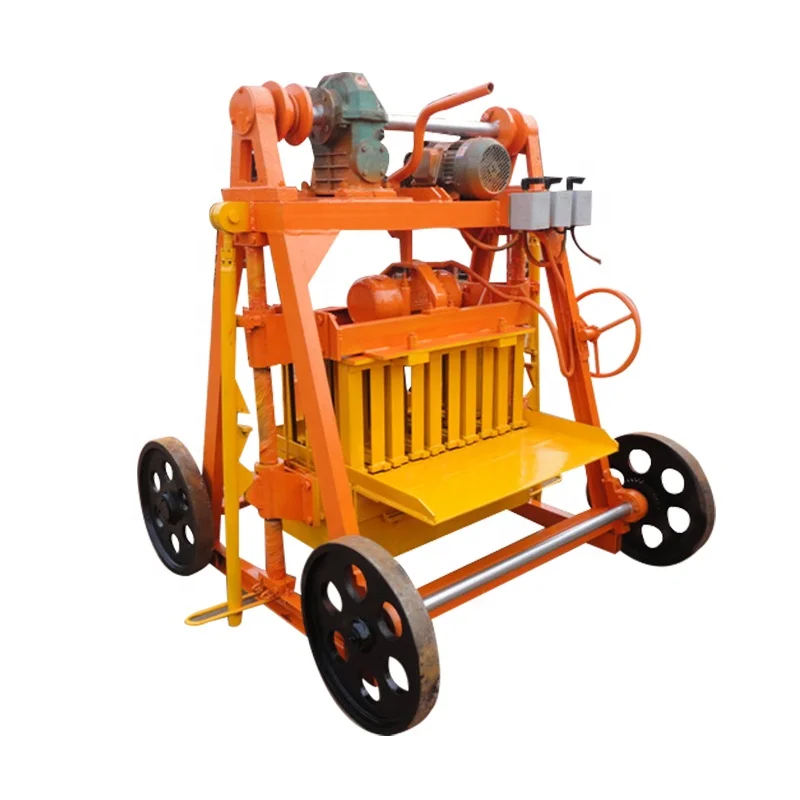

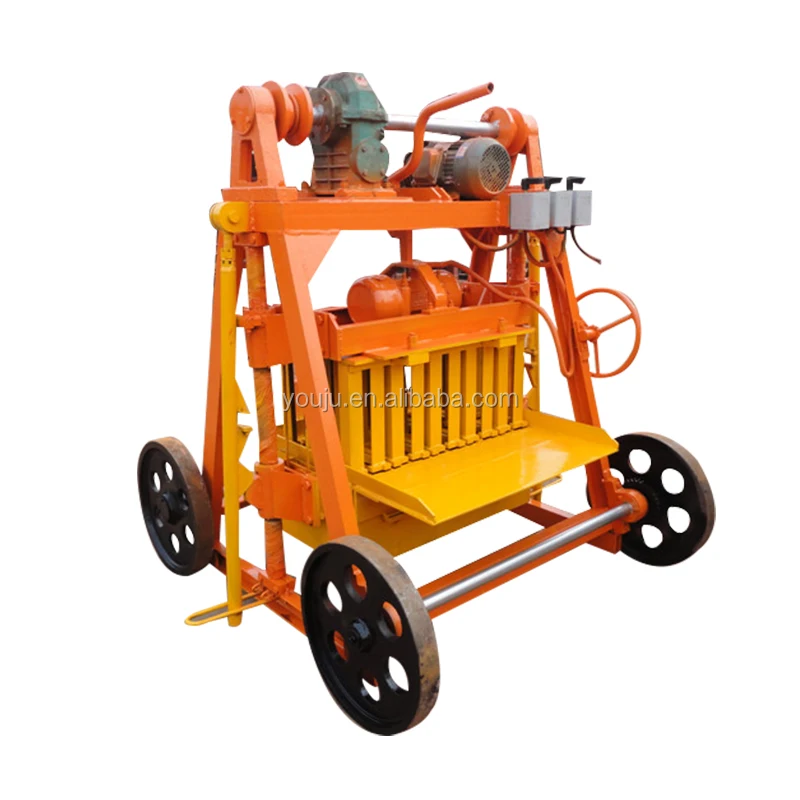
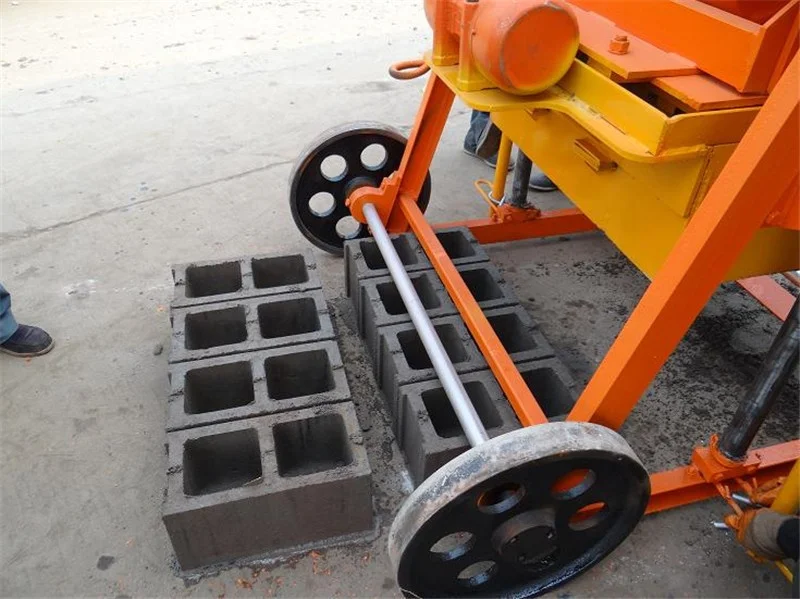


Description
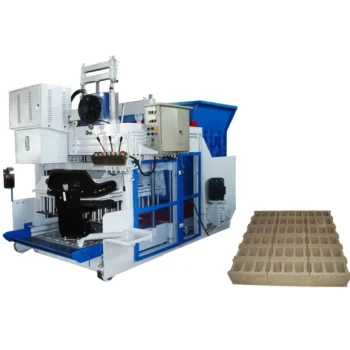
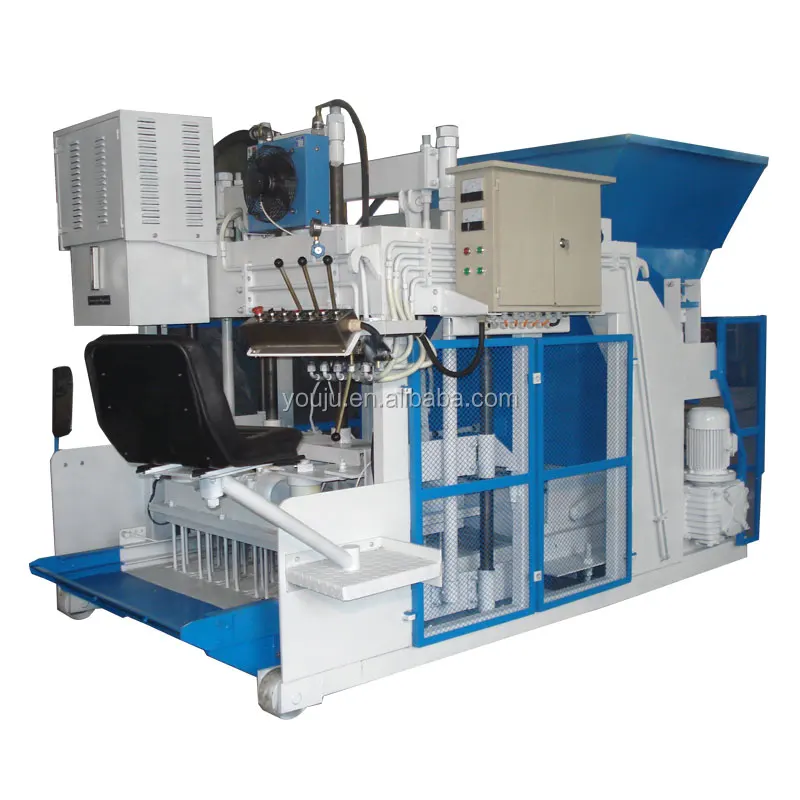
Format-Matched Capacity — every output figure for the QMJ4-45 egg laying block machine is stated against the exact hollow block dimension it produces, so your daily count holds up when you switch moulds.
Technical Specifications
| Parameter | Value |
|---|---|
| Model | QMJ4-45 |
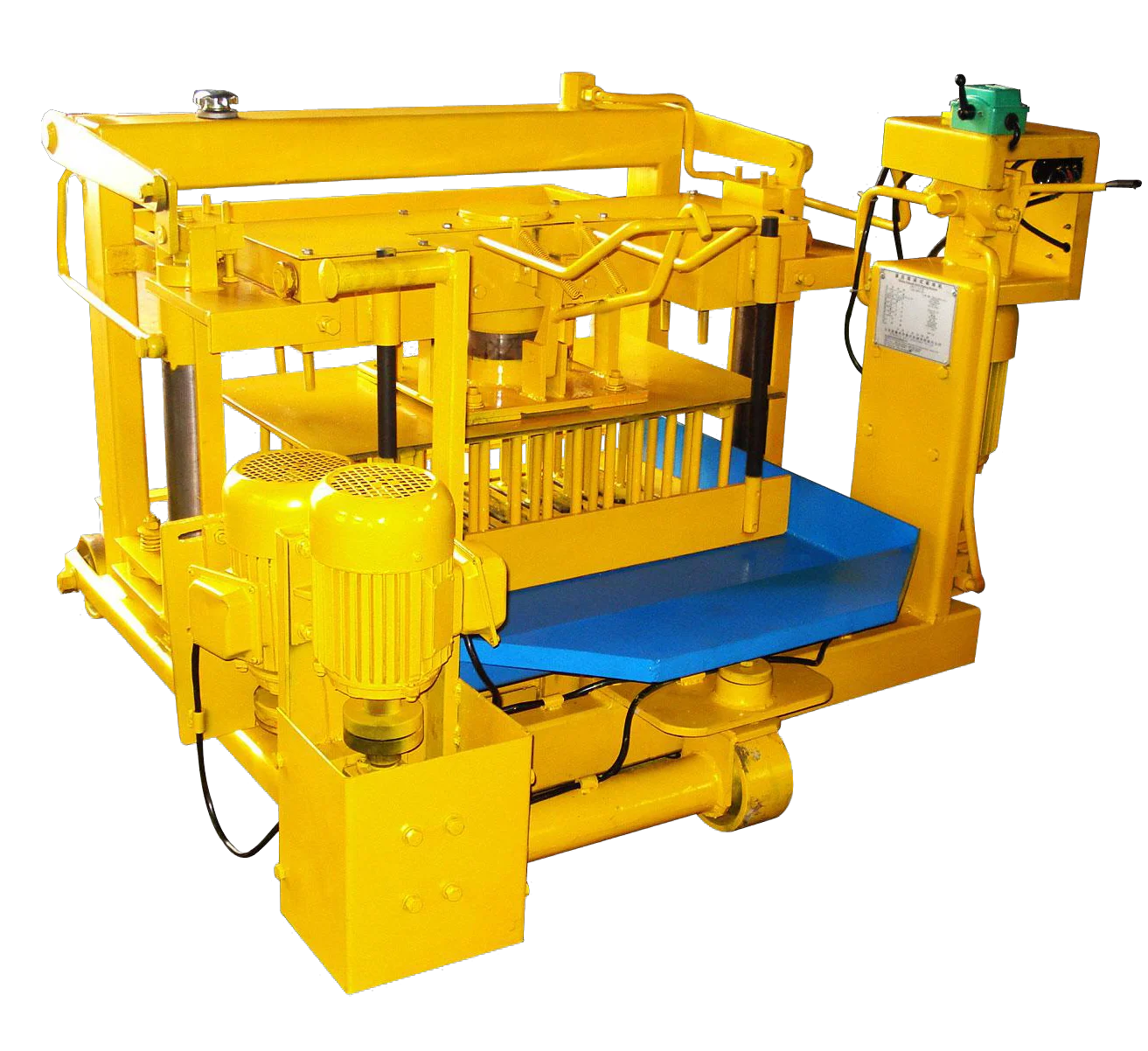
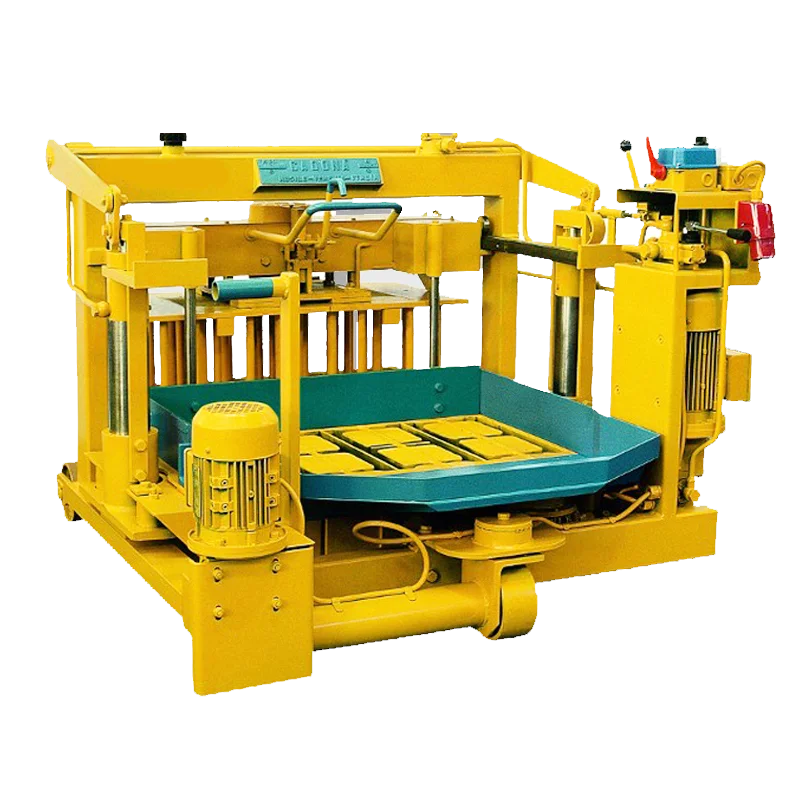
| Product Type | Egg Laying Block Making Machine |
| Compaction Method | Mould vibration |
| Vibration Frequency | 2400 r/min |
| Moulding Cycle | 40–45 s |
| Demould Method | Manual |
| Turning Method | Manual |
| Total Power | 6 kW |
| Power Source | Diesel or petrol engine |
| Pallet Requirement | None — lays blocks directly on the ground |
| Automation Level | Manual operation |
| Control System | Manual (no PLC) |
| Hollow Block 400×200×200 mm | 4 pcs/mould, approx. 3,000 pcs per 8-hour shift |
| Hollow Block 400×150×200 mm | 5 pcs/mould, approx. 3,500 pcs per 8-hour shift |
| Hollow Block 400×120×200 mm | 6 pcs/mould, approx. 4,500 pcs per 8-hour shift |
Application Suitability
| Application | Material or Output |
|---|---|
| On-site hollow block production for small building projects | Cement, crushed stone, sand, and water |
| DIY block manufacturing without a fixed plant | Local aggregate blended with cement at the build location |
| Mobile production across multiple job sites | Standard hollow block formats laid directly on compacted ground |
| Low-capital block startups in areas without pallet infrastructure | Hollow blocks in 400×200, 400×150, and 400×120 formats |
What "3,000 Blocks a Day" Actually Means on Site
Daily output depends entirely on which hollow block size your market buys, not on a single catalogue number.
When I first visited a contractor in West Africa who had ordered an egg laying block machine based on a headline capacity figure, the daily count was barely half of what he expected. The reason was simple: the quoted figure assumed a smaller block format, but his buyers wanted 400×200×200 mm hollow blocks, which take longer to compact and yield fewer pieces per mould. After a week of adjusting vibration timing and mix proportions to suit the local sand — which had a higher clay content than the manufacturer’s default test mix — we got consistent strength, but the output stayed at roughly 3,000 pieces for that format over an eight-hour shift. [NEED_CITE: block format impact on cycle time and daily output]
This is why we list egg laying block machine specifications by individual block dimension rather than collapsing them into one number.
Mould Options and Format Flexibility
The QMJ4-45 produces three standard hollow block formats: 400×200×200 mm at 4 pieces per mould, 400×150×200 mm at 5 pieces, and 400×120×200 mm at 6 pieces. Each format runs on a 40–45 second moulding cycle. Because the machine lays blocks directly on the ground, no pallet inventory is needed — a significant advantage for contractors working on remote sites where pallet storage and transport are impractical.
Vibration and Block Density in the Field
The 2,400 r/min vibration frequency drives compaction through the mould core. On earlier single-vibration designs, operators in humid climates reported uneven density between the top and bottom faces of taller blocks. The upgraded twice-vibration mould core on this egg laying block machine addresses that by distributing force across two pulses per cycle, producing more consistent wall thickness. [NEED_CITE: vibration frequency effect on concrete block compressive strength]
Reading the Specifications That Matter
The 6 kW total power rating is delivered through a diesel or petrol engine, removing any dependence on grid electricity. This matters on greenfield construction sites where temporary power may be unreliable or absent. The manual demould and turning methods keep the machine simple to maintain — there is no PLC to troubleshoot and no hydraulic valve bank to bleed. However, the operator must be trained to time each step of the 40–45 second cycle manually; inconsistent timing directly affects block density. The moulding capacity of 4 to 6 pieces per cycle is fixed by the chosen mould, so matching the egg laying block machine specifications to your target block format before ordering is essential to meeting daily output expectations.
The Cost of Choosing the Wrong Mould First
I have seen buyers order an egg laying machine with only one mould, then discover their local market has shifted to a narrower block format that the machine cannot produce without a custom mould and extended lead time. Others skip the spare wear parts list to save on the initial order, only to face weeks of downtime when the first mould liner wears through in abrasive local aggregate. [NEED_CITE: mould wear rates in high-silica aggregate environments] These are not manufacturing defects — they are configuration gaps that surface only after the machine is on site and running daily production.
Why Source This Machine Through Shiyue
Every QMJ4-45 is configured against the buyer’s actual block format, local aggregate, and target output before the order is confirmed. Mould drawings are supplied for each format included in the quotation, so you can verify dimensions against your market requirements. Capacity calculations state the block size assumed for every daily output figure. The engine type — diesel or petrol — is confirmed at the quotation stage to match fuel availability on your project site. Mould and wear parts lists with part numbers ship with the documentation, so replacements can be sourced before the first liner reaches end of life. [NEED_CITE: manufacturer documentation standards for block making machinery exports]
Documentation & Verification
- Capacity calculation sheet stating the hollow block format behind each daily output figure
- Mould drawing and format list confirming included sizes and custom mould options
- Engine specification sheet with fuel type and power curve
- Mould and wear parts list with part numbers for first replacements
- Factory test record on the buyer’s specified block format before dispatch
Installation, Commissioning & Support
- Level ground with compacted soil or concrete pad required; no fixed foundation needed for the 6 kW engine-driven unit
- Engine oil, fuel, and coolant topped to specification before first start; no electrical connection required for engine-powered models
- Operator trained on the 40–45 second manual cycle timing to maintain consistent block density across shifts
- First production run supervised to confirm vibration frequency and mix proportion match the target block strength
- Spare mould liners and vibration motor brushes supplied with the initial shipment to cover early wear
Before You Request a Quotation
Tell us which hollow block format your market currently sells in the highest volume, and what daily output you need at that format. Share your local sand and aggregate type — clay content and particle size directly affect how the vibration force compacts the mix. If your site has no grid power, confirm whether diesel or petrol is more readily available so we can match the engine accordingly.
Frequently Asked Questions
Q: How is daily output calculated, and which block format does each figure assume?
A: Each output figure is tied to a specific hollow block size. The 400×200×200 mm format yields approximately 3,000 pieces per eight-hour shift, the 400×150×200 mm format yields 3,500, and the 400×120×200 mm format yields 4,500. These figures assume a consistent 40–45 second cycle and do not include rest or mould-change time.
Q: Which hollow block sizes can the QMJ4-45 produce, and how long does a mould change take?
A: The machine handles three standard formats: 400×200, 400×150, and 400×120 mm, all at 200 mm height. Mould change is manual and typically takes one operator a portion of a shift. Custom moulds can be produced to buyer drawings if your market requires a non-standard dimension.
Q: What mix design and local aggregate work with this machine’s vibration force?
A: The 2,400 r/min vibration frequency compacts standard cement-sand-aggregate blends effectively. High-clay sands may require a cement adjustment or a longer vibration pulse to achieve target block strength. We review your local material before confirming the configuration.
Q: Is the machine diesel or petrol powered, and what does that mean for my site?
A: The QMJ4-45 can be fitted with either a diesel or petrol engine, confirmed at quotation stage. Diesel is typically preferred on construction sites with existing fuel supply chains, while petrol suits smaller operations. Neither option requires a grid electrical connection.