
Description
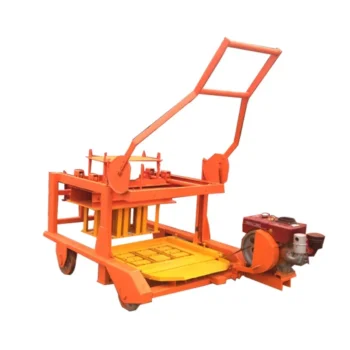
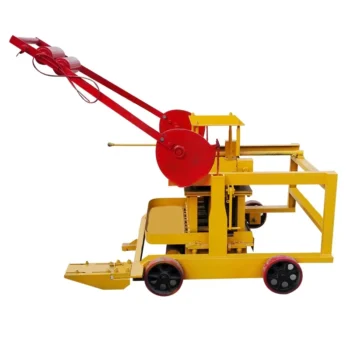
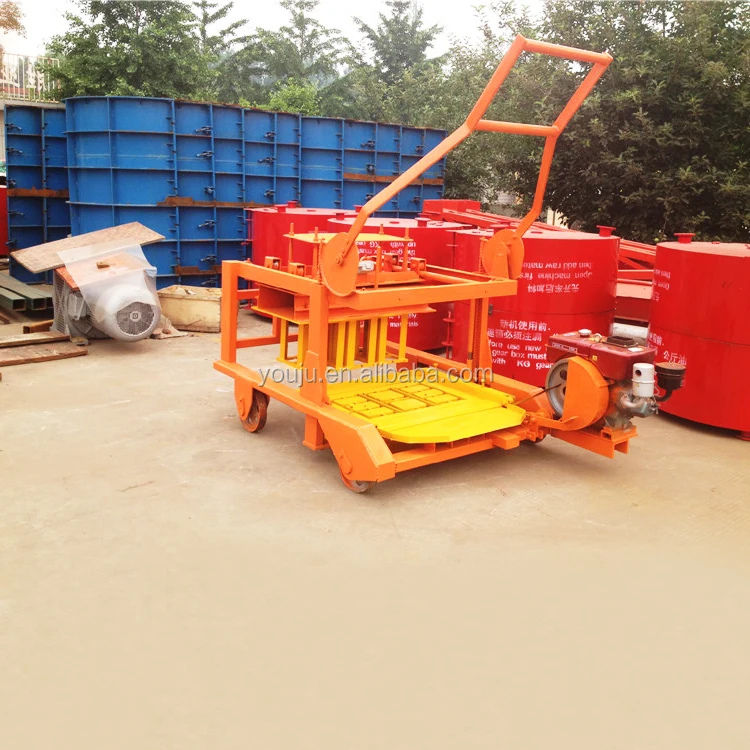
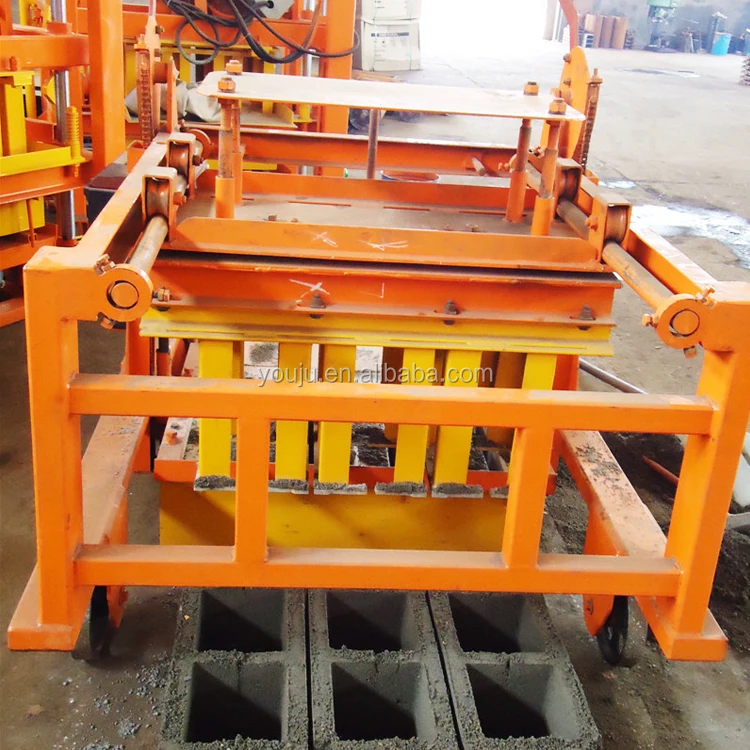
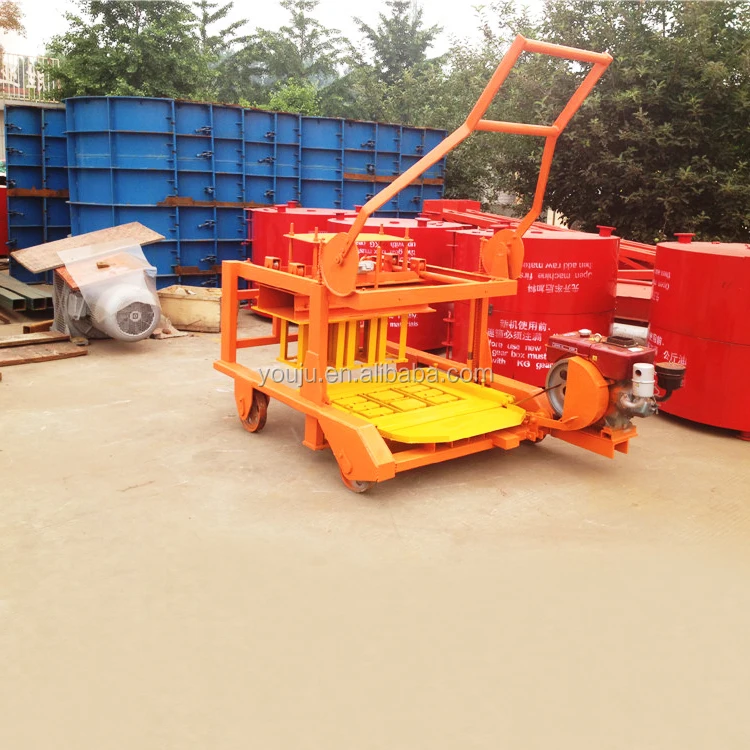
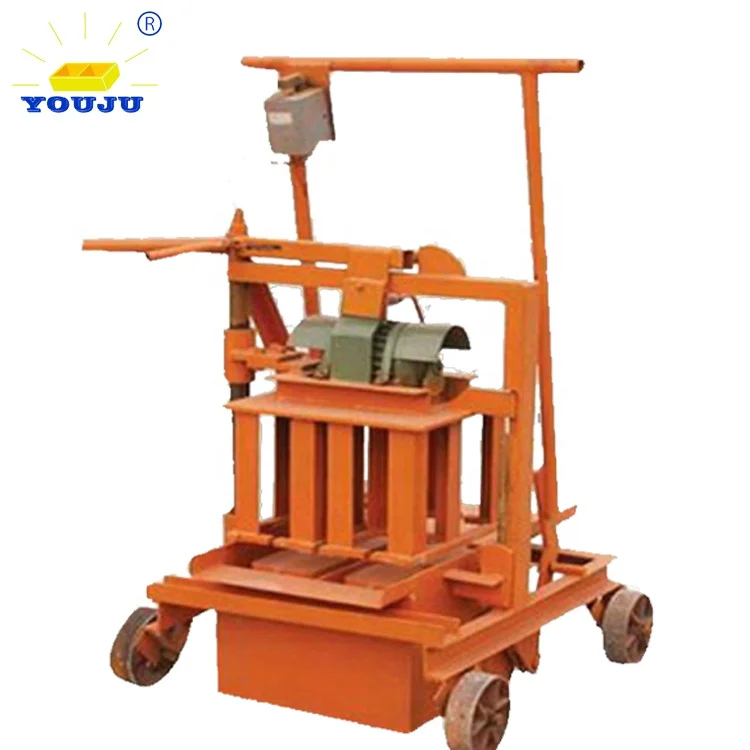
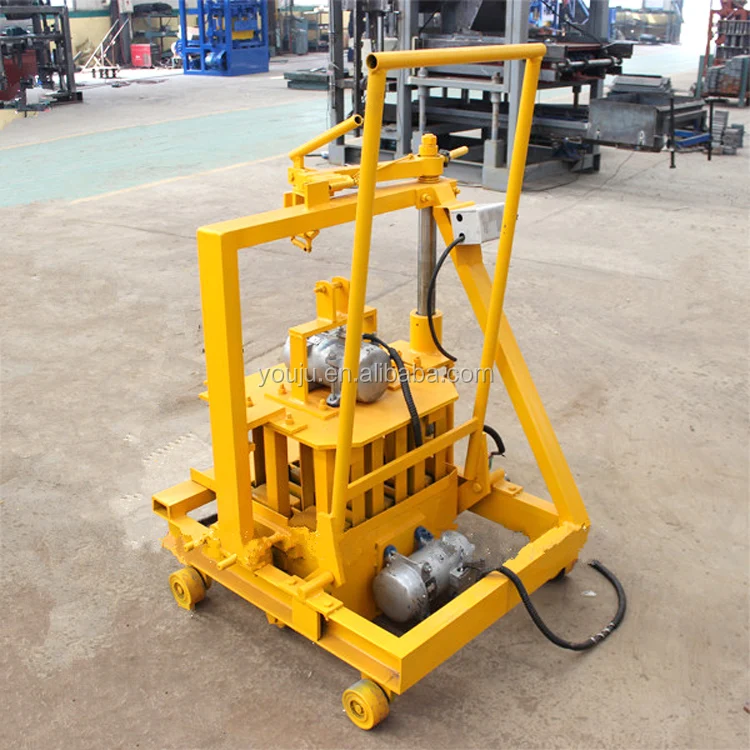
Matched Configuration — every QMJ2-45 mobile block machine leaves our works with moulds sized to the hollow format your market actually sells, not a default catalogue block.
Technical Specifications
| Parameter | Value |
|---|---|
| Model | QMJ2-45 |
| Product Type | Mobile Block Making Machine |
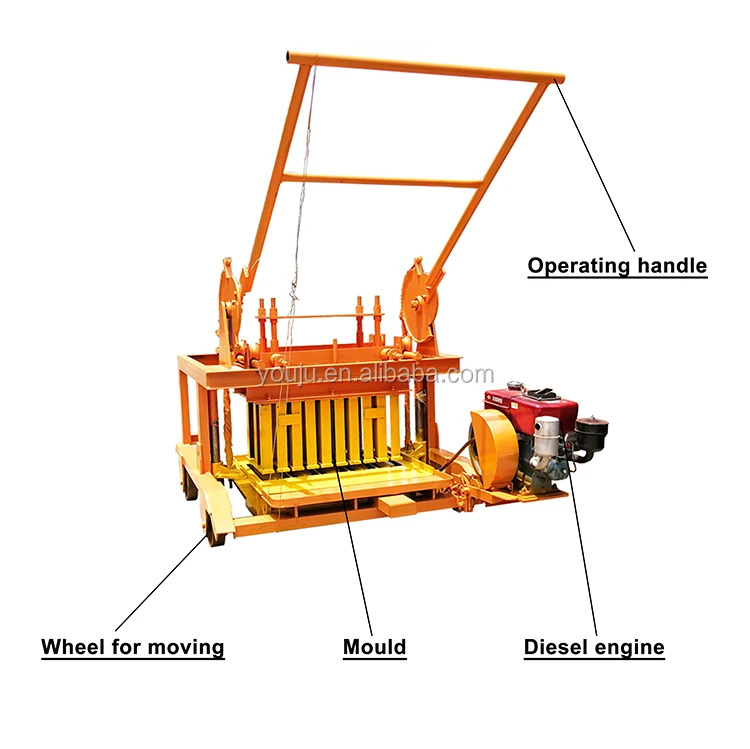
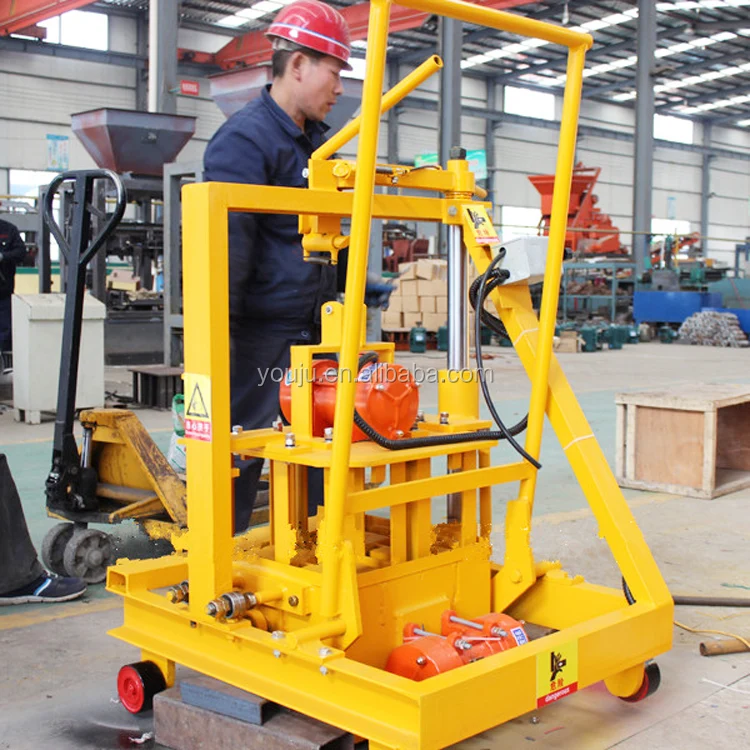
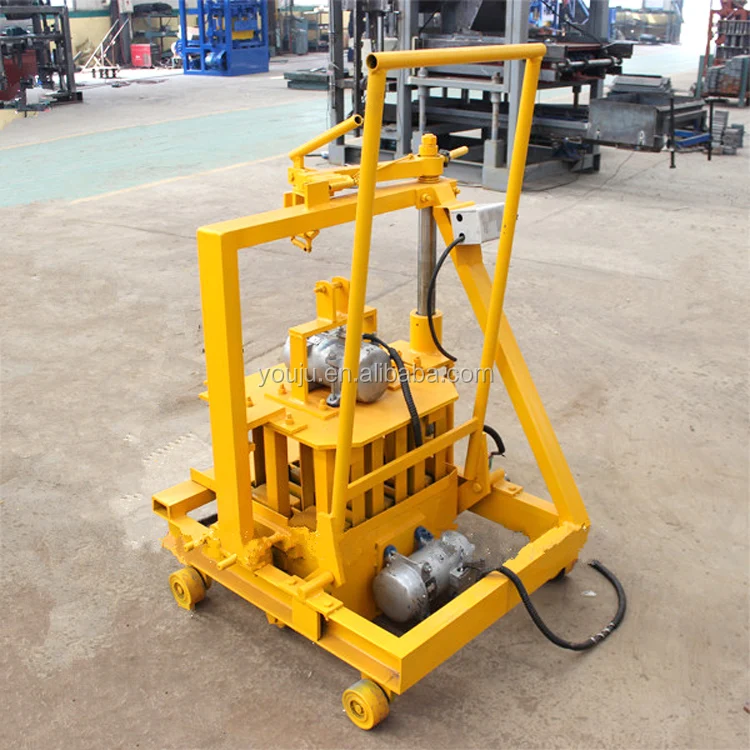
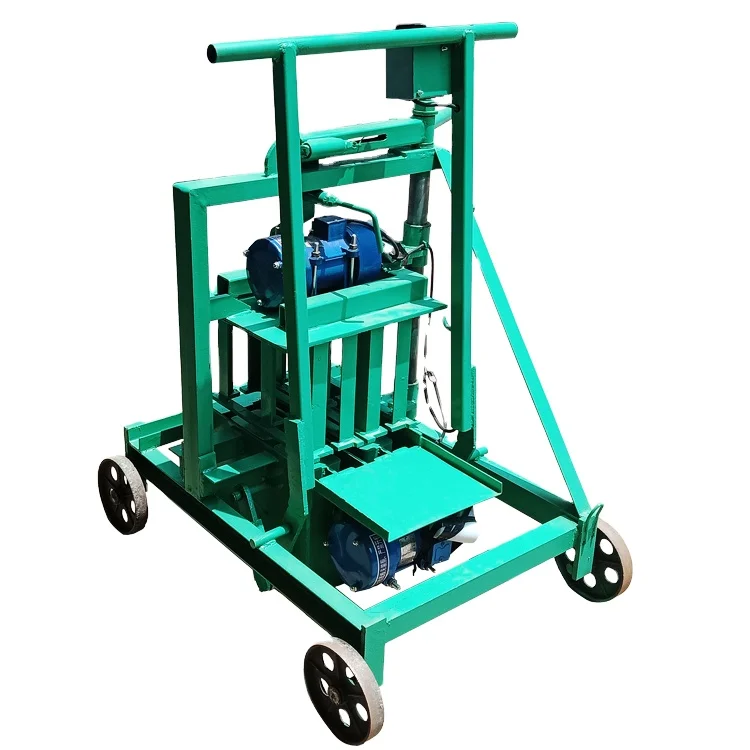
| Machine Type | Manual mobile block making machine (egg-laying type) |
| Pallet Requirement | None (no pallets required) |
| Labor Requirement | 1 to 3 workers |
| Moulding Cycle | 25-30 s (basis to be confirmed per block format) |
| Output (400×200×200 mm hollow) | 2 pcs/mould, 160 pcs/h, 1 280 pcs/8 hr |
| Output (400×150×200 mm hollow) | 3 pcs/mould (daily figure to be confirmed) |
| Output (400×100×200 mm hollow) | 4 pcs/mould, 320 pcs/h, 2 560 pcs/8 hr |
| Mould Change | Interchangeable moulds for different hollow brick formats |
| Vibration Force | Value to be confirmed (kN rating) |
| Hydraulic Pressure | Not applicable (manual / mechanical type) |
| Automation Level | Manual |
| Power Source | Electric motor (kW / voltage / frequency to be confirmed) |
| Standards | ISO 9001:2000, CE |
Application Suitability
| Application | Material or Output |
|---|---|
| On-site hollow block production for housing contractors | Concrete mix with local crushed aggregate and cement |
| First block plant for small-scale entrepreneurs | 400×200×200 mm, 400×150×200 mm and 400×100×200 mm hollow formats |
| Remote or space-constrained project sites | Pallet-free egg-laying production directly on cured ground |
| Distributors serving temporary infrastructure locations | Multiple hollow formats via on-site mould change |
What "Pieces per Hour" Hides When Choosing a Mobile Block Making Machine
The number is meaningless unless the hollow block format is written next to it.
At European construction fairs I have watched mobile block machine brochures quote a single hourly output, with no mention of the block size that produced the figure. Buyers then compare that headline against a 400×150×200 mm hollow block they actually sell and find the real daily tally far short of expectation. [NEED_CITE: capacity calculation standards for mobile concrete block equipment].
Format-by-Format Output You Can Actually Plan Around
The QMJ2-45 is rated at 160 pieces per hour based on a 400×200×200 mm hollow block with a 25-30 s cycle. Swap to 400×100×200 mm and the figure shifts to 320 pieces per hour because four cavities fill the same footprint. Stating the mobile block making machine specifications per format lets a contractor calculate real shift output against the wall area the masons will build that week.
Mould Swaps on a Housing Site, Not a Workshop
Changing hollow brick size on the QMJ2-45 means unbolting one mould and lowering the next into position — no hydraulics, no PLC menu dive. Crews working a multi-phase housing project can produce the thicker 200 mm block for external walls in the morning and switch to the 100 mm partition block after break, keeping the same machine footprint throughout the shift.
Why Vibration Force and Mix Moisture Matter More Than Cycle Speed
A 25-30 s cycle means nothing if the hollow block breaks when stripped. On egg-laying machines the vibration force and the water-to-cement ratio in the local aggregate are the variables that determine whether the green block holds its shape. I always ask for a sieve analysis and moisture reading of the buyer’s sand before confirming the motor kW — the wrong pairing leaves edges crumbling and rejection rates climbing. [NEED_CITE: relationship between aggregate grading and concrete block strength]
Reading the Specification Sheet Against Your Actual Site
Pallet requirement is listed as none, which removes the ongoing cost of timber or PVC pallets and the curing-rack logistics that come with them. Power source is electric, but kW, voltage and frequency must be confirmed against site supply before the motor is fitted. Automation level stays manual, so the labor plan should budget one to three workers for mixing, feeding and moving the machine.
The Cost of Skipping Aggregate Analysis
Send a QMJ2-45 to a site running unwashed sea sand or oversize gravel without adjusting the vibration force and you will see hollow blocks crack during stripping. [NEED_CITE: aggregate contamination effects on concrete block durability]. The machine itself is unchanged; the mix is the variable that decides whether the buyer keeps the crew running or shuts down for material replacement.
Why Buyers Keep Coming Back to This Range
The machine, mould and handling requirement are specified as one matched system, so a buyer does not arrive on site to discover a pallet size that the forklift cannot lift. Configuration is set against the buyer’s local aggregate and target hollow format rather than a catalogue default. Mould design covers the three hollow sizes listed above plus custom drawings when the local market demands a non-standard length. Automation level is selectable across the wider QMJ range, so a contractor can start with this manual egg-layer and move to a semi-automatic line when volume justifies it. Installation support includes operator training on mix proportioning and mould change, with a wear parts list shipped in the crate.
Documentation & Verification
- Capacity calculation sheet naming the exact hollow block format behind each output figure
- Mould drawing and cavity list for the three hollow brick sizes included
- Voltage, frequency and phase confirmation recorded before motor fitment
- Factory test record run on buyer-specified aggregate sample before dispatch
- Wear parts and replacement mould availability list packed with the machine
Installation, Commissioning & Support
- Level compacted ground required; no concrete foundation for the QMJ2-45 footprint
- Dedicated circuit sized to confirmed motor kW and voltage before first start
- Machine ships partially assembled; bolt-on vibration box and motor on arrival
- First-run parameter setting with operator present to dial in mix moisture
- Mould change drill practiced with crew so format swap fits inside one break period
What We Need from You Before Quoting
Send us the hollow block size your market buys, the daily volume your project schedule requires, and a sieve analysis of the sand and aggregate available within hauling distance of your site. Add the site voltage and frequency so the motor and control box leave the factory matched to your supply.
Frequently Asked Questions
Q: How is daily output calculated for each hollow block format?
A: We multiply pieces per mould by completed cycles per hour, using a 25-30 s cycle as the baseline, then extend over an eight-hour shift. The figure changes with format: 400×200×200 mm yields two pieces per mould, while 400×100×200 mm yields four. Each quotation states the format assumed.
Q: Can I order custom moulds for a local hollow block size?
A: Yes. Alongside the three standard hollow formats we build moulds to buyer-supplied drawings or to a sample block you ship to us. Cavity count, steel grade and carburisation depth are specified to match your daily volume before the mould enters production.
Q: How long does a mould change take on the QMJ2-45?
A: A trained two-person crew can remove one mould and seat the next inside a single break period using standard hand tools. No hydraulic lines or PLC parameters are involved because the machine is mechanical, so the swap does not require a technician.
Q: What local aggregate and mix design work with this machine?
A: Crushed stone or gravel up to 10 mm with washed sand and ordinary Portland cement is typical. We ask for a sieve analysis and moisture reading before shipment so vibration force and cycle time can be matched to the mix and green block strength stays consistent.
Q: What voltage and power supply must I confirm before shipping?
A: Motor kW, supply voltage, phase and frequency are confirmed on the order document. Supplying the wrong value delays commissioning or damages the motor, so we hold dispatch until your site electrical spec is signed off.