Description
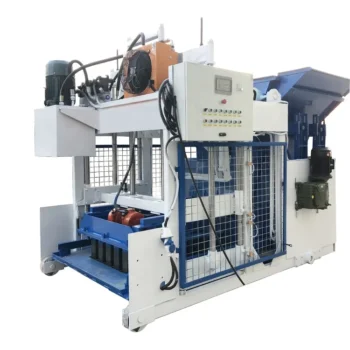
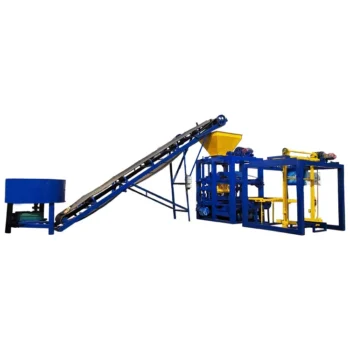
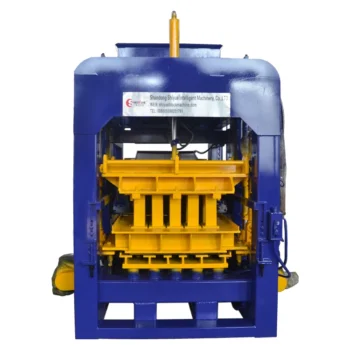
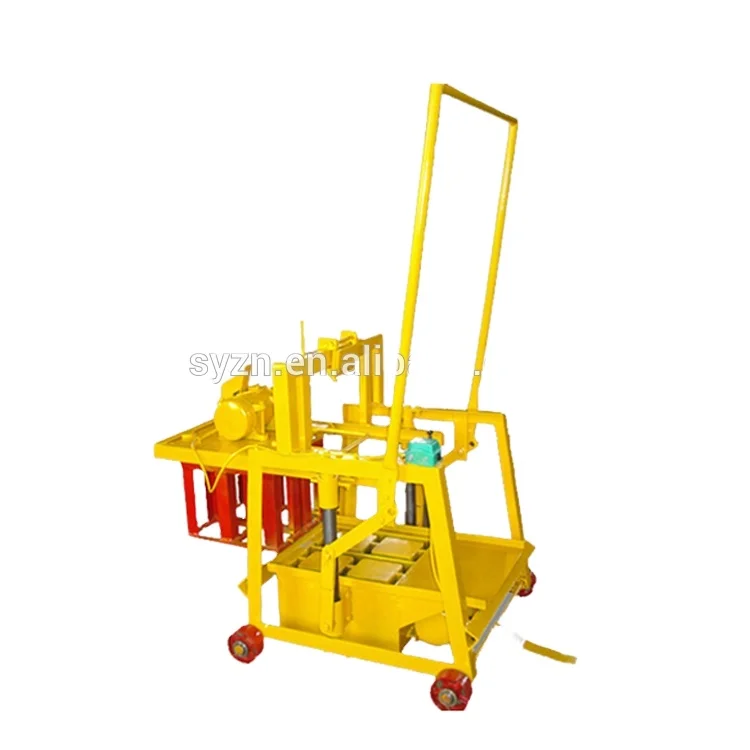
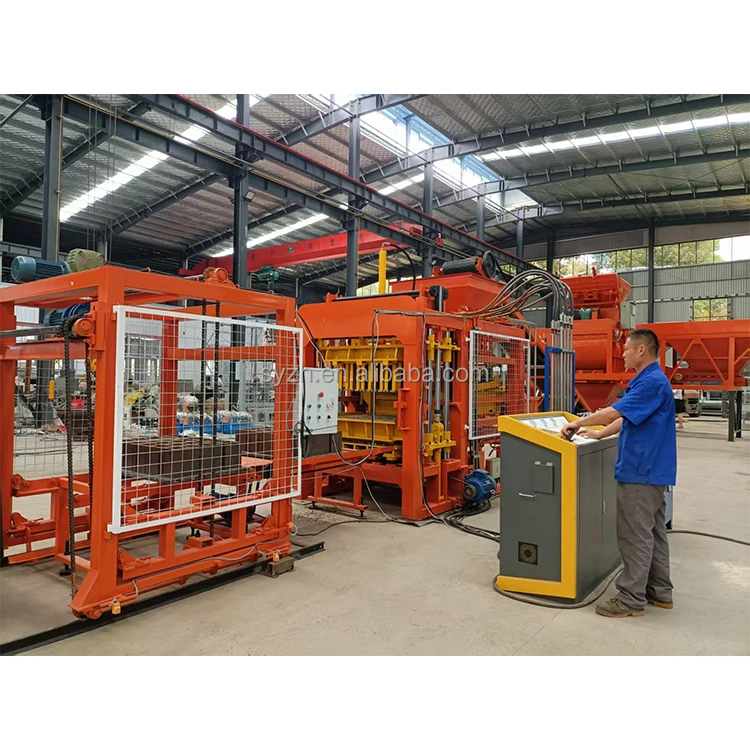
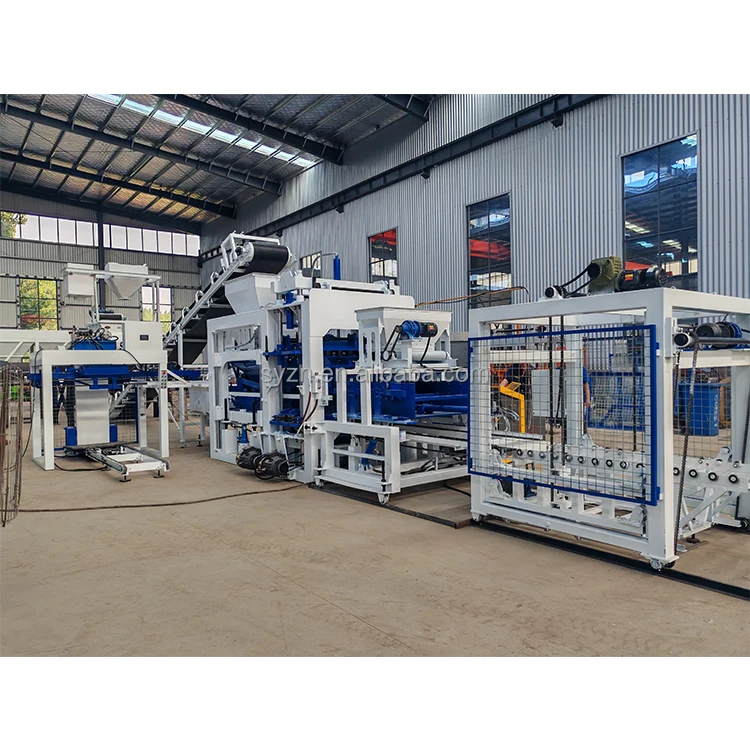
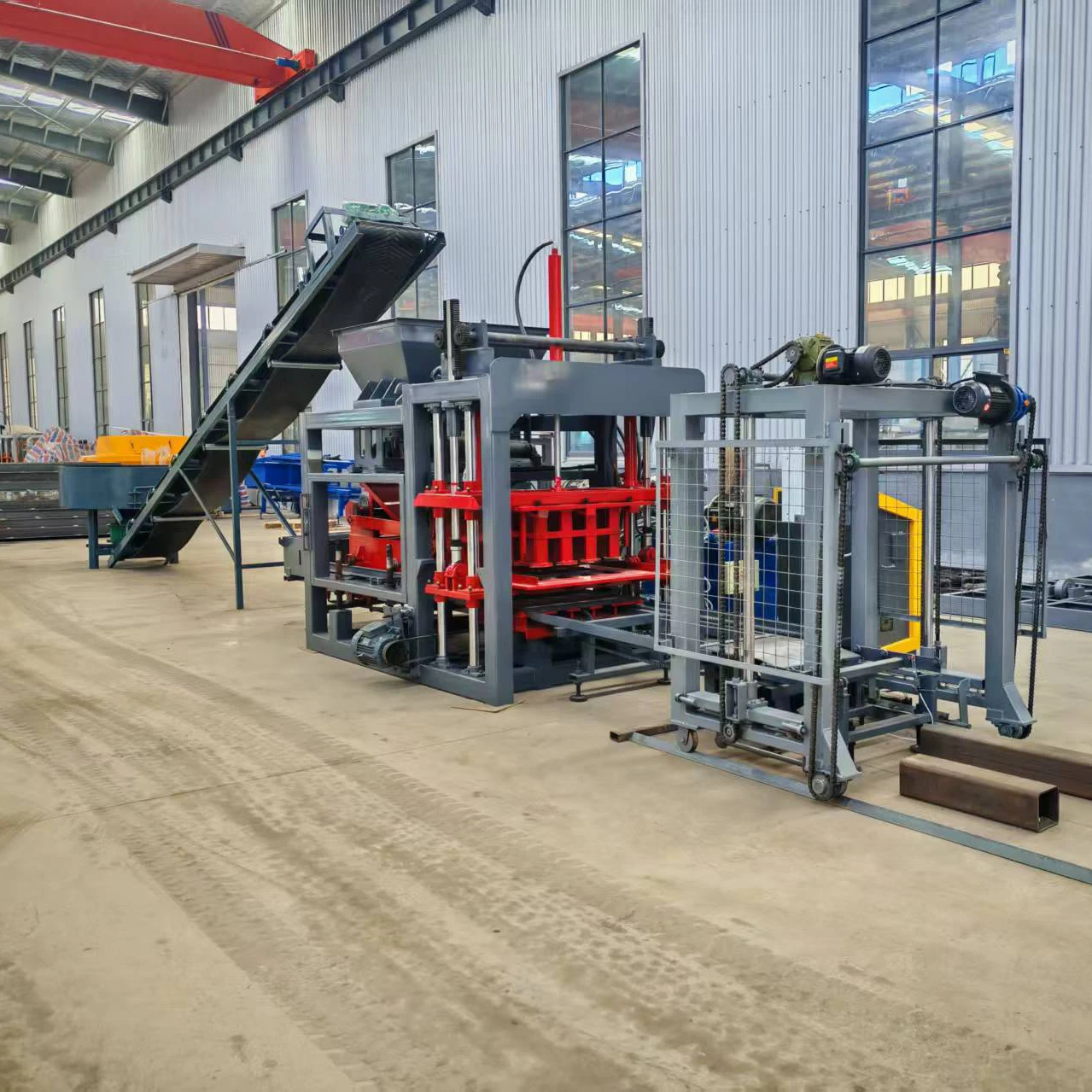
Configured to Your Block Format — the QT4-15A is specified around the exact paving, hollow, or solid block your market sells, with cycle time and output calculated per format rather than quoted as a single misleading figure.
Technical Specifications
| Parameter | Value |
|---|---|
| Model | QT4-15A |
| Product Type | Fully Automatic Concrete Block Making Machine |
| Overall Dimensions (L×W×H) | 4100 × 1600 × 2600 mm |
| Total Mass | 4 T |
| Overall Power | 18.45 kW (basis to be confirmed) |
| Rated Pressure | 16–21 MPa |
| Main Vibration Form | Platform Vibration |
| Vibration Frequency | 4200 r/min |
| Vibration Force | 55 kN |
| Pallet Size | 880 × 550 mm |
| Molding Cycle | 25–30 s (basis not stated in source) |
| Demolding Method | Hydraulic |
| Factory Area Required | 300 m² |
| Control System | PLC (language options to be confirmed) |
| Applied Products | Concrete blocks, hollow blocks, solid blocks, pavers, interlocking blocks, curbstone, colored pavers |
| Raw Materials | Crushed stone, sand, cement, dust, fly ash, gravel, slag |
| Voltage & Frequency | To be confirmed before production |
| Warranty | 1 year (whole machine, excluding spare parts) |
Application Suitability
| Application | Material or Output |
|---|---|
| Paving block production for municipal sidewalks and parking areas | Crushed stone and sand with cement binder |
| Hollow block manufacturing for load-bearing and partition walls | Fly ash, gravel, and cement blends |
| Interlocking brick production for landscaping and retaining walls | Sand and crusher dust with cement |
| Solid block output for residential and commercial masonry | Local river sand or manufactured sand with cement |
| Kerbstone and curb production for road infrastructure | Coarse aggregate and cement at high compaction |
What "25–30 Second Cycle Time" Leaves Out for QT4-15A Block Machine Specifications
Cycle time only means something when tied to a specific block format, mix design, and target strength.
A moulding cycle listed as 25–30 seconds on the QT4-15A block machine specifications sheet might hold true for a thin paving brick with a free-flowing aggregate blend, but the same machine pressing a tall hollow block with a sticky fly-ash mix will need longer vibration and slower demolding to avoid cracking. I have watched plants in Southeast Asia receive machines with a single cycle figure on the nameplate and then spend weeks adjusting parameters format by format [NEED_CITE: effect of mix moisture and aggregate grading on block press cycle time]. Until those real-world trials are done, any daily output number attached to this QT4-15A should be treated as a starting estimate, not a guarantee.
Matching Vibration Force to Your Local Aggregate
The platform vibration system runs at 4200 r/min with 55 kN force, which sits in a range suited to medium-density concrete products. When your local sand carries a high clay or silt content — common across many Southeast Asian river sources — the mix absorbs vibration energy differently, and the QT4-15A block machine specifications must be evaluated against that reality rather than a laboratory-grade aggregate. Hydraulic pressure between 16 and 21 MPa gives the operator a working window to compensate, but only if the machine is commissioned with your actual raw materials on site.
Why Pallet Size Is a Plant-Wide Decision, Not a Machine-Only One
The 880 × 550 mm pallet dimension dictates how many blocks sit on each board, how the boards stack in your curing yard, and whether your existing forklift can handle a full rack. Choosing this pallet size without cross-referencing your curing area layout means you may end up with boards that do not fit your racks or require a different forklift attachment [NEED_CITE: pallet dimension standards in concrete block production]. The QT4-15A configuration process confirms pallet size against your yard dimensions and handling equipment before the machine enters production, avoiding costly retrofitting after arrival.
Reading the Pressure and Vibration Numbers Together
Hydraulic rated pressure and vibration force are sometimes quoted separately on QT4-15A block machine specifications sheets, yet they work as a pair during compaction. Higher vibration frequency loosens the mix so that hydraulic pressure can pack it densely; too much vibration with insufficient pressure leaves a block that crumbles at the edges, while too much pressure with weak vibration traps air voids inside. The 16–21 MPa range combined with 55 kN vibration force on this model gives a mid-range compaction envelope suitable for pavers, hollow blocks, and interlocking bricks — provided the mix proportions and moisture content are dialed in during commissioning.
The Hidden Cost of Unconfirmed Voltage and Control Language
When voltage, frequency, and PLC display language are left unspecified until the machine arrives, commissioning stalls while transformers are sourced or control panels are reprogrammed [NEED_CITE: voltage and frequency standards by export market]. A plant in Indonesia once received a block press wired for a frequency that did not match the local grid, forcing a motor swap before the first test run. Confirming these QT4-15A block machine specifications before production begins removes a delay that otherwise sits on the critical path between unloading the container and pressing the first block.
Why Procurement Through This Channel Works for Format-Specific Buyers
Every configuration starts with the block format your market actually buys, not a catalogue default, so the mould list and capacity calculation reflect real product demand. Mould design extends to custom drawings when your project calls for a non-standard interlocking profile or kerbstone dimension. The machine, pallet, and handling equipment are specified as one matched system rather than sourced from separate vendors and assembled on site. Pallet size is confirmed against your existing curing racks and forklift capacity before the order is finalized. Automation level is selectable, letting a buyer start with semi-automatic pallet handling and add stacking later as volume grows.
Documentation & Verification
- Line layout and capacity calculation stating block format assumed for each output figure
- Mould drawing and format list covering every block type the machine will produce
- Pallet specification cross-referenced with your curing area and forklift capacity
- Voltage, frequency, and PLC display language confirmed before production starts
- Factory test record on your specified block format before container loading
- Operation and maintenance manual with wear parts and mould replacement list
Installation, Commissioning & Support
- 300 m² factory area required; foundation must support 4 T static mass plus dynamic vibration loads
- Overall power draw of 18.45 kW requires a dedicated circuit with confirmed voltage and frequency
- Machine ships dismantled for container loading; reassembly includes platform vibration alignment
- Commissioning includes cycle time and pressure tuning on your local aggregate and mix design
- Operator training covers PLC navigation, mould change procedure, and daily maintenance routines
- Wear parts list and hydraulic seal kit provided for the first replacement interval
What We Need from You to Build an Accurate Quotation
Share the specific block formats your market demands — dimensions, target compressive strength, and daily volume per format. Tell us your local sand source, aggregate type, and cement brand so we can match vibration and pressure settings to your actual mix. Confirm your plant voltage, frequency, and preferred PLC display language so the QT4-15A arrives ready for commissioning on day one.
Frequently Asked Questions
Q: How is output capacity calculated and which block format is assumed for each figure?
A: Output is calculated per format using the moulding cycle time, number of blocks per pallet, and realistic operating hours including pallet exchange and mould change. Each capacity line states the block dimensions and mix assumed, so you can compare figures against your actual product mix rather than a single generic number.
Q: How does vibration force and hydraulic pressure match my local aggregate and mix design?
A: The 55 kN vibration force and 16–21 MPa pressure range are evaluated against your aggregate grading, moisture content, and cement ratio during commissioning. If your sand carries high fines or clay content, vibration duration and pressure are adjusted so block strength remains consistent across production runs.
Q: What is the mould change time and how does it affect daily format flexibility?
A: Mould change time depends on the demolding mechanism and mould mounting system on your configuration. A quick-change setup lets you switch between pavers and hollow blocks within a fraction of a shift, while a bolt-on system may take longer. We confirm the expected change duration against your planned format rotation before finalizing the order.
Q: Which pallet size and material is specified, and how does it align with my curing setup?
A: The 880 × 550 mm pallet is selected or confirmed against your curing rack spacing, yard dimensions, and forklift capacity. Bamboo, steel, or composite pallet material is chosen based on your climate and handling intensity, ensuring boards last through repeated wet curing cycles without premature warping.
Q: What block formats and custom mould options are available for my market?
A: Moulds cover hollow blocks, solid blocks, paving stones, interlocking bricks, kerbstones, and porous bricks. Custom mould design is available to buyer-supplied drawings when your project requires a non-standard profile, with mould compatibility verified against the QT4-15A platform dimensions and vibration envelope before fabrication.