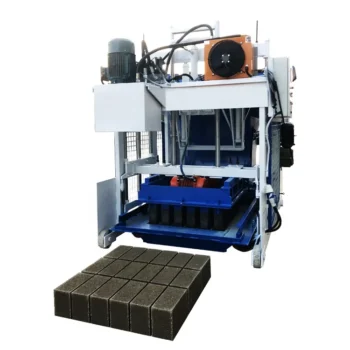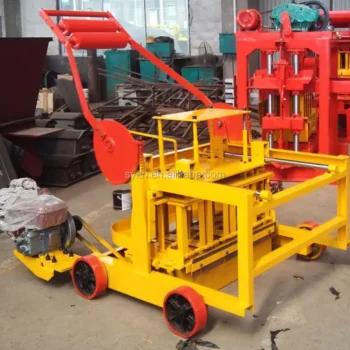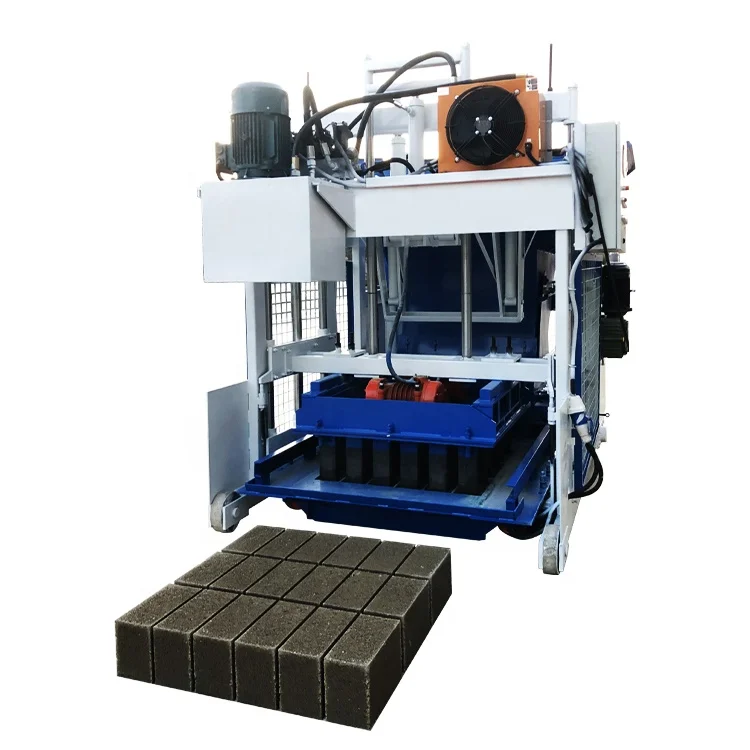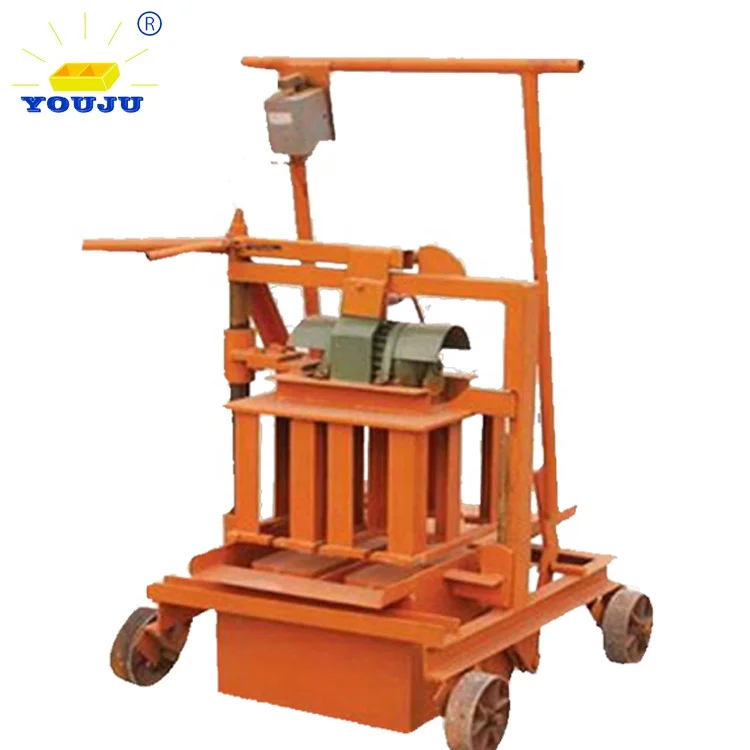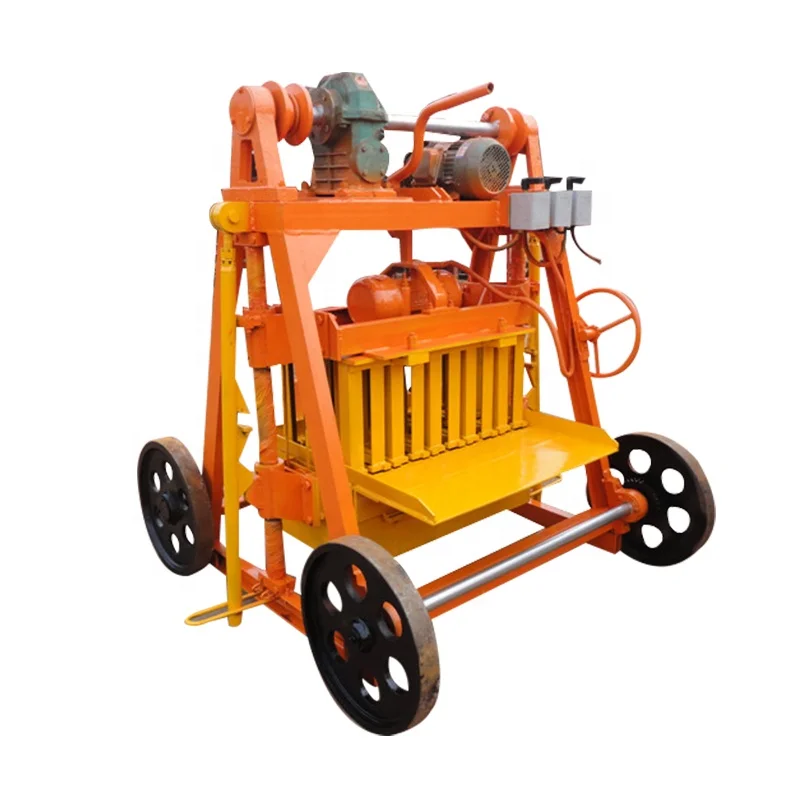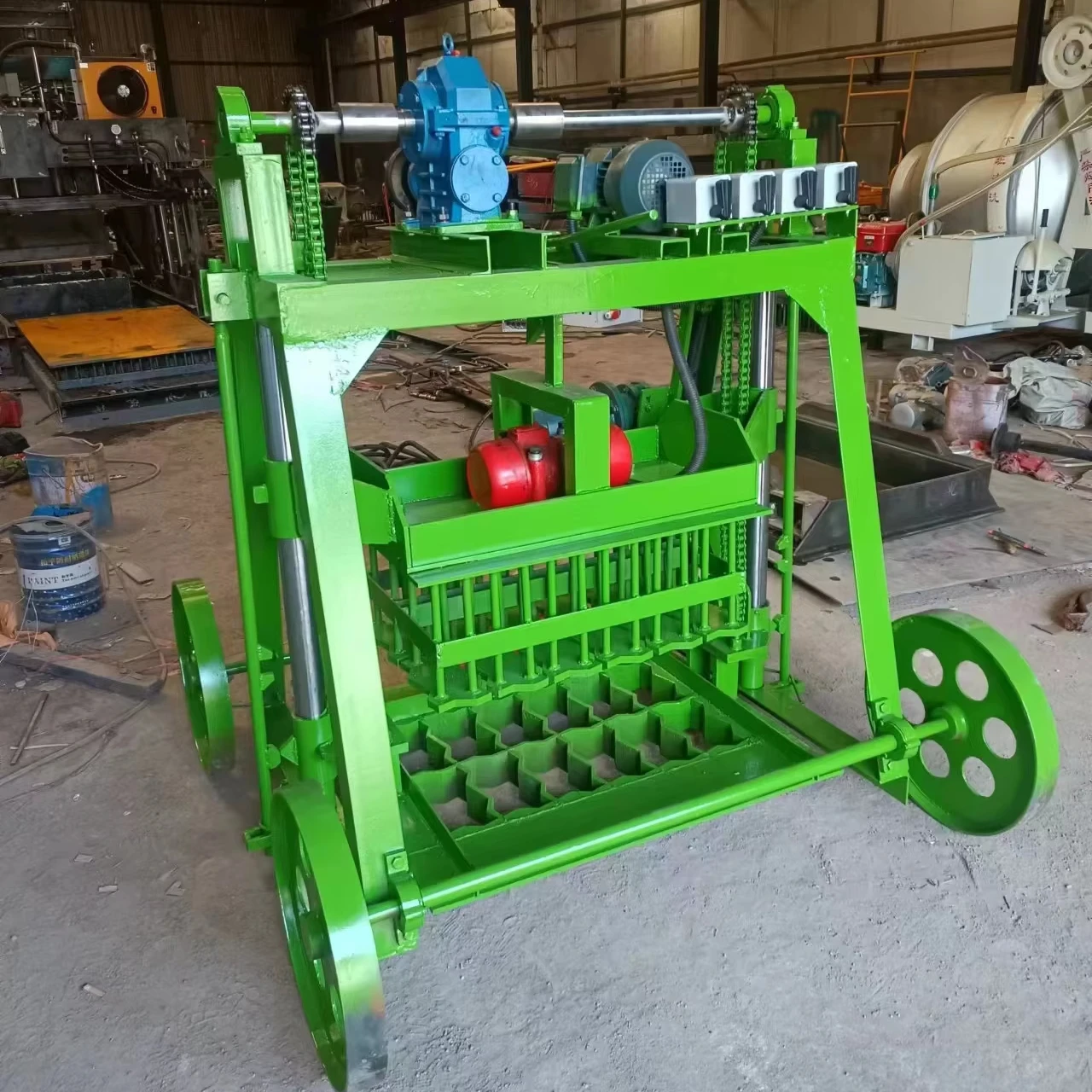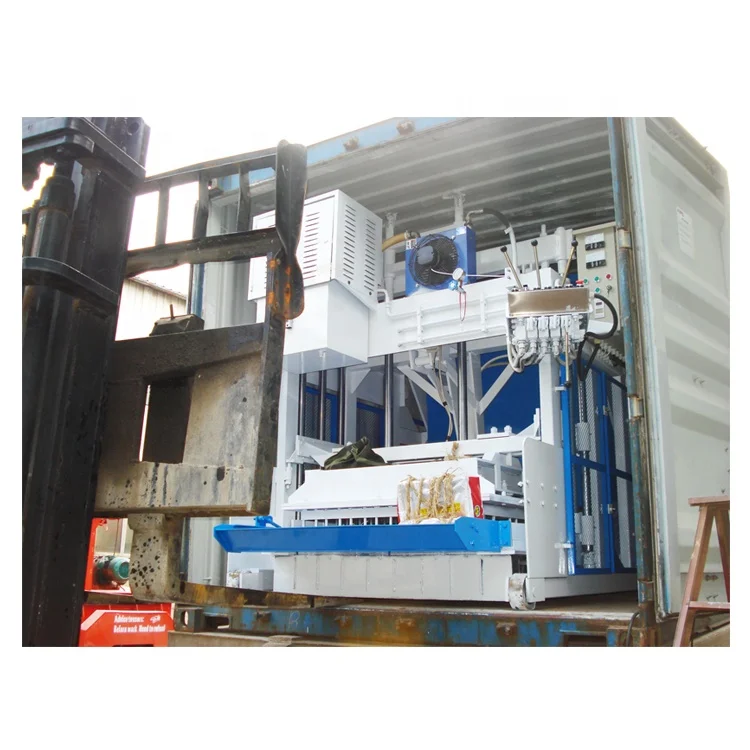

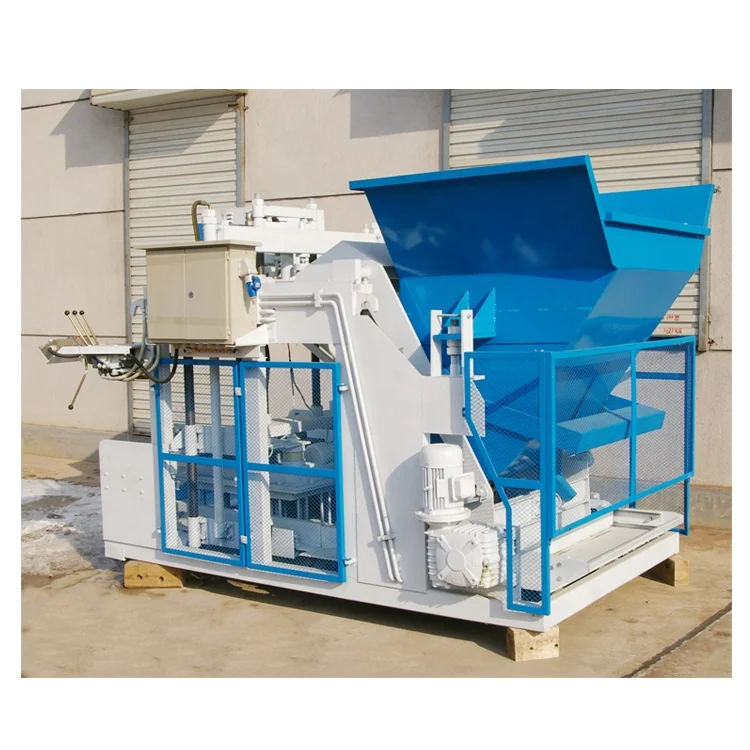
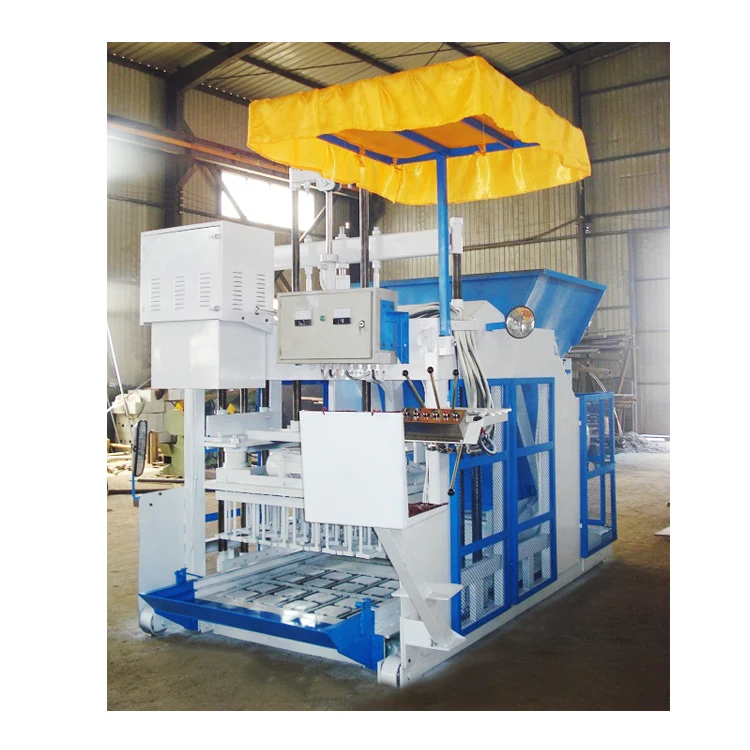
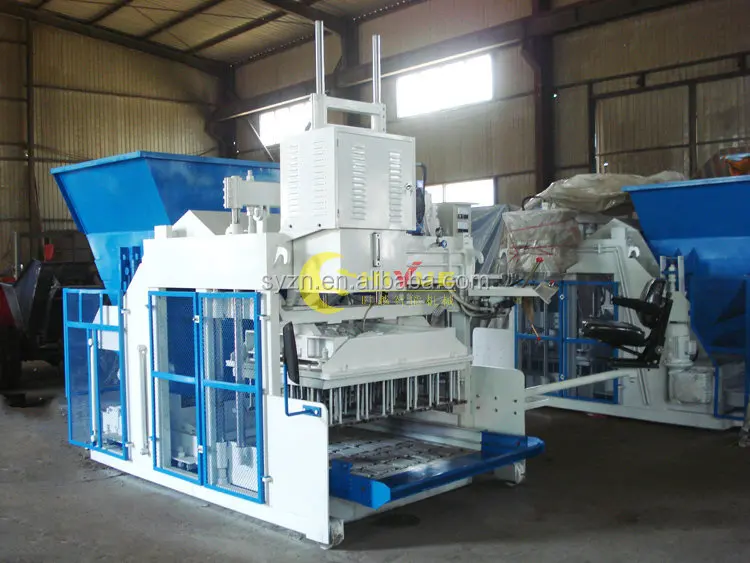
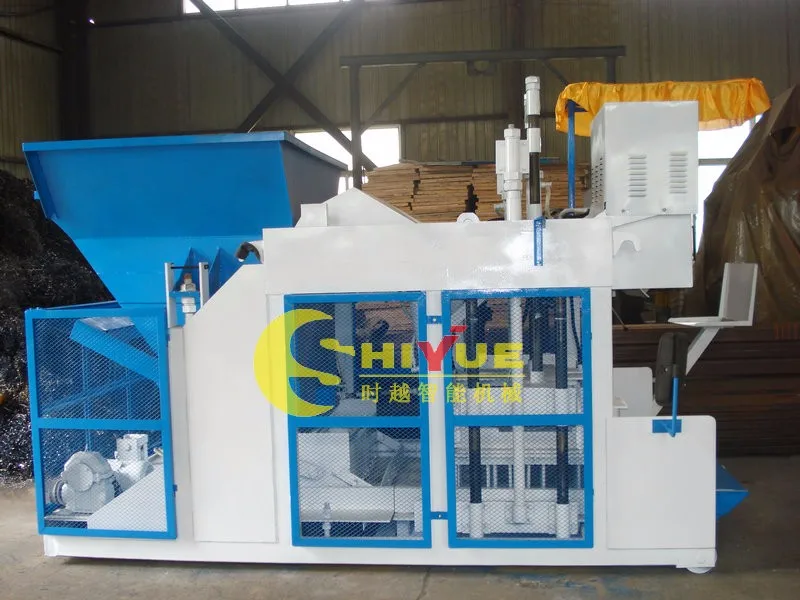
Description
Honest Capacity Data — Every output figure we quote for the QMY10-15 is tied to a specific block format and mix design, so your daily production plan starts with real numbers instead of catalog promises.
Technical Specifications
| Parameter | Value |
|---|---|
| Model | QMY10-15 |
| Product Type | Mobile Concrete Block Making Machine |
| Molding Capacity | 10 pcs/mold |
| Molding Cycle | 10s-15s |
| Total Power | 16 kW |
| Output Capacity | 11,000 pcs/day (8 hours) (basis not stated in source — confirm block format / material / thickness) |
| Vibration System | Two vibration motors |
| Hydraulic System | Controls upper and lower demould |
| Steering | Hydraulic steering |
| Walking | Electric walking |
| Heat Dissipator | Equipped for hydraulic oil cooling |
| Pallet Requirement | No pallets needed |
| Basic Equipment | QMY10-15 Host Machine, JS7500 Concrete Mixer, Dump Truck |
| Optional Equipment | PL1200 Batching Machine, Cement Silo, Screw Conveyor, Loader |
Application Suitability
| Application | Material or Output |
|---|---|
| On-site hollow block production | Crushed stone, river sand, and cement mixes |
| Housing project solid blocks | Local aggregate with cement binder |
| Paving block manufacturing on-site | Fine aggregate and cement for interlocking formats |
| Mobile brick production without fixed plant | Various concrete mixes compatible with local supply |
What "11,000 Pieces per Day" Actually Means for Mobile Block Machine Specifications
Capacity figures only matter when they name the exact block format, wall thickness, and mix design behind the number.
When a mobile block machine data sheet lists a daily output without stating which block size it assumes, buyers frequently discover on-site that their actual production falls well short of expectation. I have seen contractors plan an entire housing phase around a number that was based on a thin solid block, only to find the machine needs a longer cycle for the hollow format their market demands. With the QMY10-15, the 11,000 pcs/day figure must be validated against your specific block dimensions and local aggregate before it becomes a reliable planning number [NEED_CITE: block format impact on cycle time and daily output]. That is why we run a factory test with your actual material sample before the machine leaves our workshop.
Matching the Press to Your Block Format
The QMY10-15 molds ten units per cycle with a molding window of ten to fifteen seconds, but where that cycle lands depends entirely on the block format you run. Hollow blocks with thin walls need a carefully timed vibration and demould sequence to avoid collapse, while solid blocks allow a shorter cycle. This mobile block machine lets you change molds for different formats, but each format has its own realistic cycle time. We map those times during the factory test so you know what to expect before commissioning.
Local Aggregate and Mix Design on Site
I once had a customer send back photos of crumbling blocks after arrival, and it turned out the machine was tuned for standard river sand while his local supply was volcanic aggregate with completely different absorption and particle shape characteristics. That experience changed how we handle every order. Now we request material samples and run a full trial on the QMY10-15 before dispatch. The dual vibration motors and hydraulic demould system give us enough adjustment range to compensate for most aggregate variations, but only if we know what we are working with [NEED_CITE: effect of aggregate type on concrete block strength and density].
Reading the Core Parameters
The 16 kW total power rating covers both vibration motors and the hydraulic pump that controls upper and lower demould. On a construction site where power supply may already be stretched, this draw must be factored into your generator sizing or grid connection plan. The hydraulic steering and electric walking systems mean the machine repositions between production runs without external equipment, but the electric walking motor adds to the continuous load. The heat dissipator fitted to the hydraulic circuit keeps oil temperature stable during long shifts in hot climates, which directly affects demould consistency over an eight-hour day. Without this cooling, hydraulic pressure can drift, causing blocks to stick in the mold or release unevenly.
The Cost of Skipping Configuration Checks
When voltage and frequency are not confirmed before shipment, a mobile block machine arrives on-site and simply will not start, or worse, the vibration motors run at the wrong speed, producing blocks that do not meet strength requirements. I have watched a machine sit idle for weeks while the buyer sourced a voltage converter that should have been specified at order stage. Language settings on the control interface are another frequent oversight. When the operator cannot read the prompts, mistakes in cycle timing and mold changes become routine [NEED_CITE: common commissioning delays in exported concrete block machinery]. These are not machine defects; they are specification gaps that a proper pre-shipment checklist prevents entirely.
Why Source the QMY10-15 Through This Process
Block machinery is our single focus, which means the QMY10-15 host machine, the JS7500 mixer, and the optional batching equipment are specified as one matched system rather than assembled from unrelated suppliers. We set the vibration force and hydraulic pressure against your actual mix design, not a catalog default. Every mold we supply is designed for the formats your local market sells, and we provide custom mold drawings when standard formats do not cover your needs. The automation level on the line is selectable, so you can begin with manual handling and add pallet feeders or stackers later. Our installation support includes operator training on mold changes and daily maintenance routines specific to this mobile configuration.
Documentation & Verification
- Line layout showing QMY10-15 positioning with JS7500 mixer and material flow
- Machine specification sheet confirming 16 kW power and vibration motor ratings
- Mold drawing and format list for every block type in your order
- Factory test record demonstrating actual cycle times with your material sample
- Voltage and control language confirmation signed before production begins
Installation, Commissioning & Support
- Site ground must be level and compacted to support the QMY10-15 weight during vibration cycles
- 16 kW power supply requires a dedicated circuit with correct voltage and frequency confirmed beforehand
- Machine arrives assembled; hydraulic steering and electric walking allow immediate repositioning on site
- First-day commissioning includes cycle time verification against the block format you will produce
- Operator training covers mold change procedure and hydraulic demould adjustment for your mix
- Wear parts list with reorder codes for vibration motor mounts and hydraulic seals
What We Need to Size Your Machine Correctly
To give you a capacity figure you can actually plan around, we need to know which block formats your market demands, including dimensions and wall thickness. Tell us what aggregate and sand are available locally so we can arrange a material test. And confirm your site voltage, frequency, and preferred control language so the QMY10-15 arrives ready to run from day one.
Frequently Asked Questions
Q: How is the 11,000 pcs/day capacity calculated and for which block format?
A: That figure is based on an eight-hour shift but the source does not state which block format or mix was assumed. Before we quote it as your planning number, we run a factory test with your chosen mold and material to establish the real cycle time, then calculate daily output from that verified data.
Q: What block formats can the QMY10-15 produce with mold changes?
A: The machine accepts interchangeable molds for hollow blocks, solid blocks, and paving blocks. Each format has its own cycle time within the ten to fifteen second range, and we supply mold drawings matched to the dimensions your local market requires.
Q: How does local aggregate affect block strength and machine configuration?
A: Different aggregates absorb water at different rates and have varying particle shapes, which changes mix consistency and compaction behavior. We test your specific material before shipment and adjust vibration force and demould timing so the QMY10-15 produces blocks that meet strength requirements with your local supply.
Q: What is the actual mold change time between different block formats?
A: Mold change time depends on the operator’s familiarity with the system and the specific mold design. During commissioning, we train your team on the procedure and record the actual changeover time so you can plan format switches without losing a significant portion of your production shift.