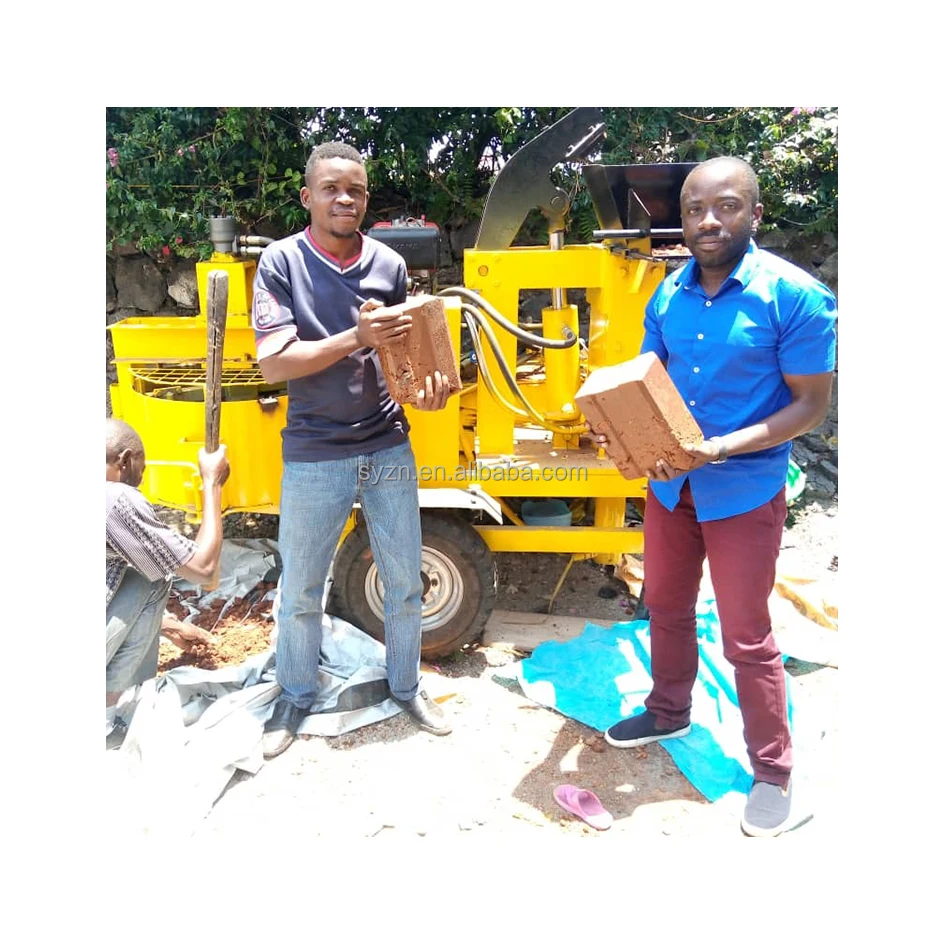
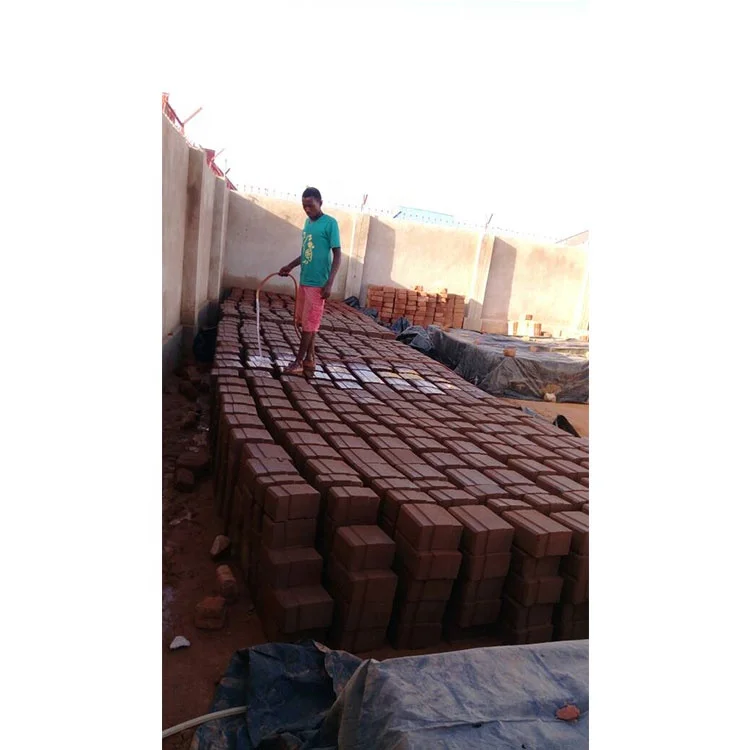
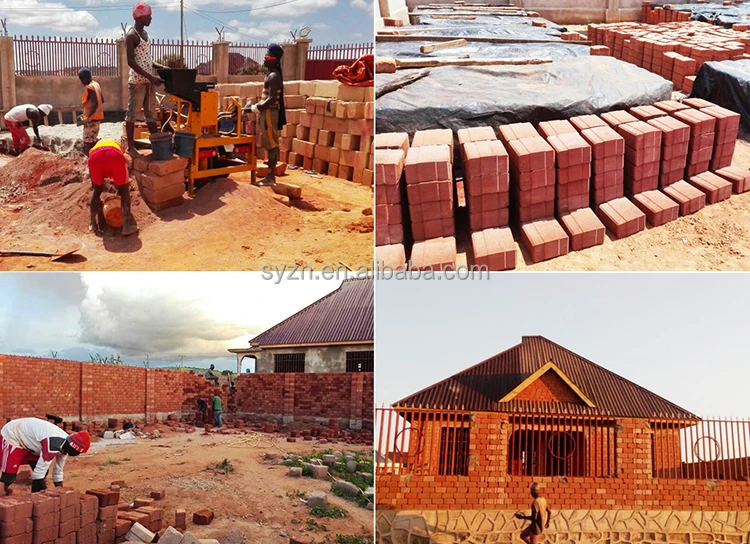
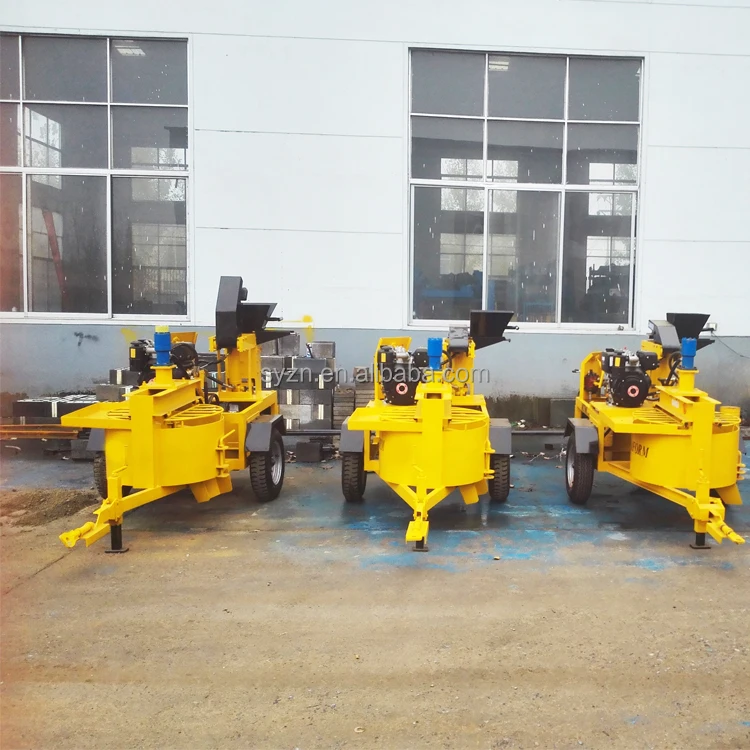
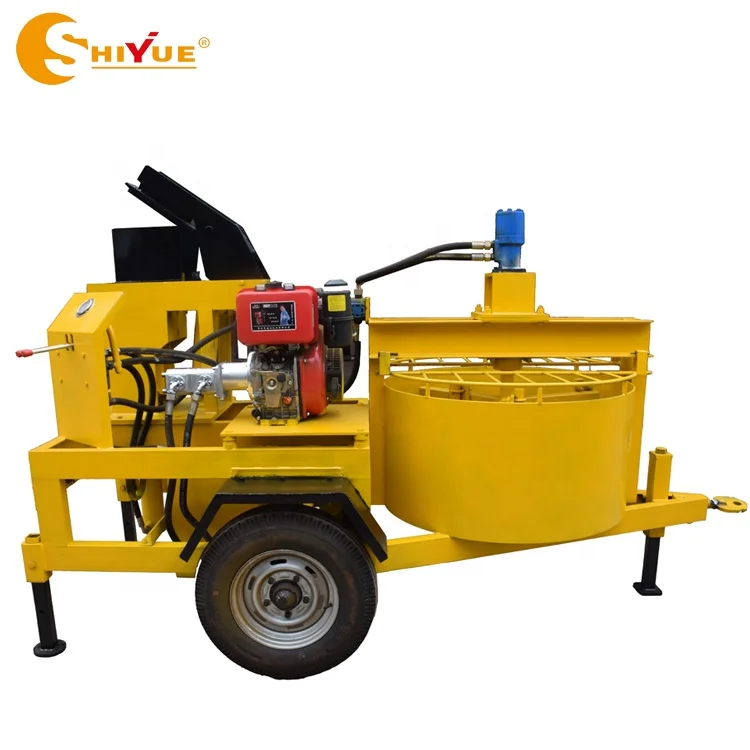

Description
Mould-First Sizing — every M7MI output figure we quote names the interlocking block format it was measured on, so your daily count holds up once production starts.
Technical Specifications
| Parameter | Value |
|---|---|
| Model | M7MI |
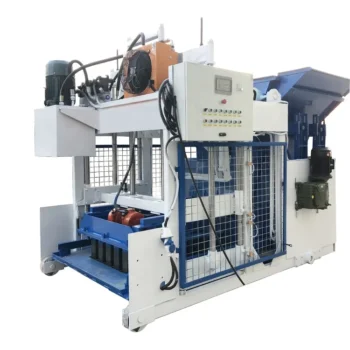
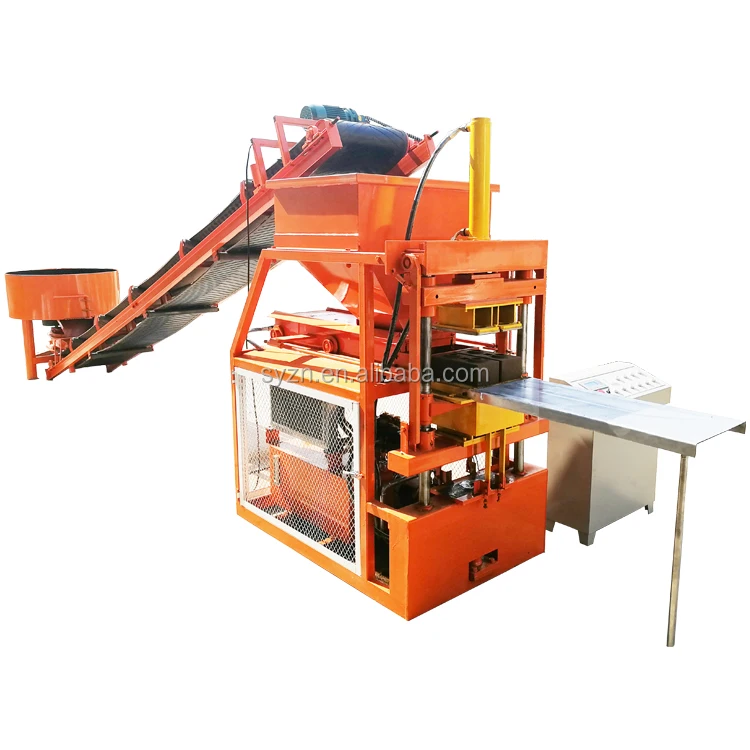
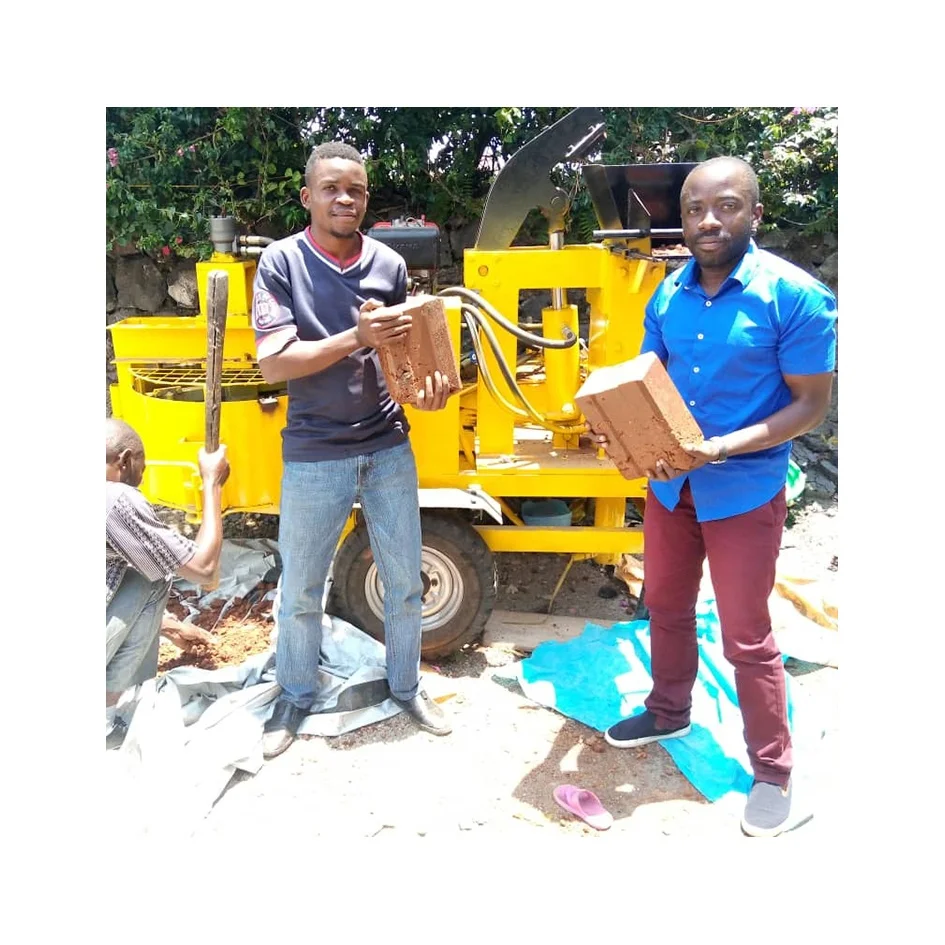
| Product Type | Hydraulic Clay Interlocking Block Making Machine |
| Engine Type | Diesel Engine |
| Hydraulic Pressure | 16 MPa |
| Overall Dimensions (L×W×H) | 3200×1100×1500 mm |
| Net Weight | 1100 kg |
| Molding Cycle | 15–20 s (depending on block format and mix consistency) |
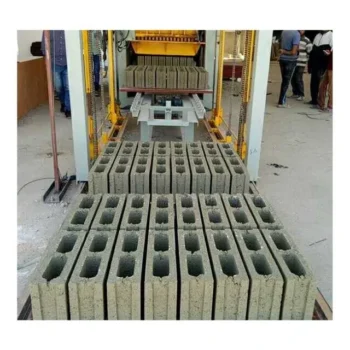
| Output Capacity | 1600 pcs/8hr based on 300×150×100mm interlocking block, 1 pc/mould, 20s cycle (2200 pcs/day basis not stated in source) |
| Raw Materials | Clay, soil, concrete |
| Mould System | Interchangeable moulds for different interlocking block formats |
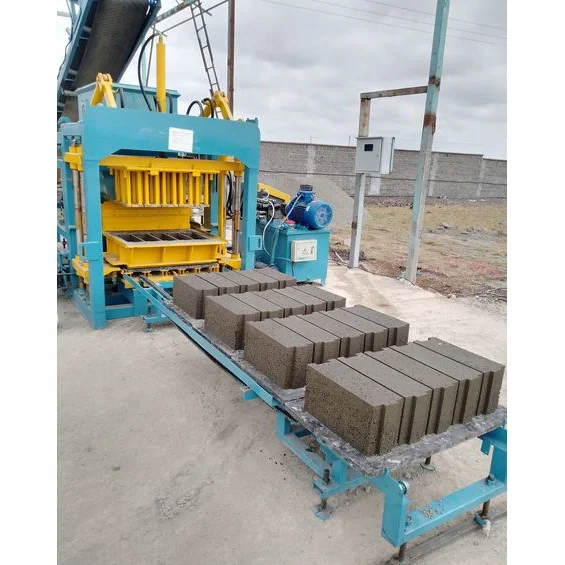
| Block Locking Method | Dry-stack interlocking (no mortar required for assembly) |
| Automation Level | Manual / semi-manual operation |
| Power Source | Diesel (suitable for sites without grid electricity) |
Application Suitability
| Application | Material or Output |
|---|---|
| On-site housing projects in remote areas | Local clay or laterite soil, no grid power required |
| Small-scale interlocking block plants | Clay-soil-cement blends, multiple block profiles from one press |
| Contractor self-supply for wall construction | Dry-stack interlocking blocks, mortar-free assembly |
| Building material distributors expanding format range | Concrete-based interlocking pavers and wall blocks |
What "2200 Pieces per Day" Actually Means for Your Block Format
A single daily output number hides the block format it assumes — and that assumption decides whether your plant runs profitably or idles before lunch.
Catalogue capacity for the M7MI hydraulic clay interlocking block machine specifications is sometimes quoted as a blanket daily total without naming which block size was used to calculate it. On a job site in West Africa, I watched a crew wait forty minutes for a mould swap that was supposed to take ten, because the bolt pattern and alignment dowels had never been matched to the profile the buyer actually sold. The machine ran, but the output never came close to what the invoice implied [NEED_CITE: block machine capacity assumptions in product catalogues]. When cycle time, mould size and mix moisture are all stated per format, the number you plan against is the number you get.
Matching Block Profile to the Mould Before Shipment
Interlocking block markets differ from one country to the next — a profile that sells in Kenya may sit unsold in Peru. The M7MI hydraulic clay interlocking block machine specifications include an interchangeable mould system, but interchangeability only matters if the right profiles are in the crate when the machine arrives. We confirm the exact interlocking geometry, lug depth and wall thickness against your market sample or drawing before the mould goes into machining.
Diesel Power Where the Grid Ends
A diesel-driven press removes the dependency on grid stability and transformer capacity that delay commissioning on rural sites. The M7MI carries its own engine, so production can begin the day the machine is offloaded and levelled — no waiting for an electrician to run a dedicated three-phase line across a field [NEED_CITE: off-grid construction equipment deployment challenges]. Fuel specification and ambient temperature still need confirming at inquiry stage, because an engine tuned for moderate climates can lose torque in high-altitude tropical heat.
Reading the Core Specs Against Real Production
Sixteen megapascals of hydraulic pressure is the compaction force applied to the soil-clay mix inside the mould box. For clay-based interlocking blocks, this pressure level is sufficient to achieve the density needed for dry-stack load-bearing walls when the mix moisture is held within a narrow window. The 15–20 second molding cycle range reflects how a wetter mix flows faster but requires longer dwell time before the block can be lifted without edge damage. Mould change procedure is manual, using locating pins and clamping bolts; the time this takes depends on how many format changes your production schedule demands per shift. Net weight of 1100 kg and overall dimensions of 3200×1100×1500 mm mean the machine can be transported on a standard flatbed and positioned with a site forklift or chain block, without a special low-loader or crane permit [NEED_CITE: mobile block machine transport and site preparation requirements].
When the Wrong Mix Reaches the Press
A machine configured for a clay-soil ratio that does not match what the buyer can actually source locally forces a choice: ship in different raw material at extra cost, or run an untested mix and accept inconsistent block density. I have seen interlocking blocks crumble at the lug joint because the laterite content was higher than the mould was designed for, and the hydraulic pressure could not compensate for the coarser aggregate. The fix is never just a pressure adjustment — it is a new mould tolerance, a revised cycle time, and sometimes a different block profile altogether.
Why Buyers Source This Machine Here
Block machinery is our single product focus, which means the M7MI press, its moulds and the pallets it uses are specified as a matched set rather than assembled from separate suppliers. Configuration is worked out against your actual mix design and target block format before quotation, not copied from a catalogue default. Custom mould profiles are designed from your drawings or market samples. Automation level is selectable — a buyer can begin with manual pallet handling and add semi-automatic feeding later as volume grows. Installation support includes operator training on mould change, mix proportioning and daily maintenance routines.
Documentation & Verification
- Line layout showing block format assumed for each output figure
- Mould drawing and interlocking profile list confirmed before production
- Diesel engine specification sheet with fuel grade and ambient temperature range
- Factory test record documenting cycle time and block dimensions achieved
- Hydraulic and mechanical schematic for on-site troubleshooting
Installation, Commissioning & Support
- Levelled concrete pad or compacted gravel base, 3200×1100 mm footprint clearance
- Diesel fuel supply and daily engine oil check schedule included in manual
- Machine shipped as a single skid, offloaded with a 2-tonne forklift minimum
- First-run parameter setting for hydraulic pressure and mould alignment on your soil sample
- Mould change training covering bolt torque sequence and lug clearance check
- Wear parts list identifying hydraulic seals and mould liner replacement intervals
What to Include in Your Inquiry
Send the exact interlocking block profile your market demands — a sample block, a drawing, or the name and dimensions of the profile currently selling in your area. We also need your local soil or clay type, the moisture range you can hold during production, and whether your site has any existing material handling equipment such as mixers or conveyors that the press must integrate with.
Frequently Asked Questions
Q: How is daily output calculated and which block format does it assume?
A: Every output figure we quote names the block dimensions, number of cavities per mould and cycle time used in the calculation. The 1600 pieces per 8-hour shift figure is based on a 300×150×100mm interlocking block at one piece per mould with a 20-second cycle. If your format is larger or the mix requires a longer dwell, the recalculated capacity is stated in your proposal.
Q: Which interlocking block profiles can the M7MI produce?
A: The mould system accepts interchangeable cassettes for various interlocking geometries. Standard profiles are available, and custom profiles are machined from your drawings or a physical sample block. Each new profile comes with its own documented cycle time and recommended mix ratio before the mould is shipped.
Q: How does the diesel engine match my site conditions?
A: Engine specification is confirmed against your altitude, ambient temperature range and locally available diesel grade. High-altitude or extreme-heat sites may require a different air filter specification or cooling arrangement. The engine data sheet is included in your pre-shipment documentation for local mechanic reference.
Q: What soil mix is required and how is block strength verified?
A: We test your soil sample at our factory to determine the clay-to-aggregate ratio and moisture window that produce adequate density at 16 MPa. A factory test record documents the block dimensions and visual quality achieved during the pre-shipment run using that confirmed mix.
Q: What documentation supports customs clearance and commissioning?
A: The documentation package includes a commercial invoice, packing list, hydraulic and mechanical schematic, diesel engine certificate, factory test record and operation manual in your chosen language. These documents are prepared to support import clearance in most jurisdictions and to guide on-site commissioning.