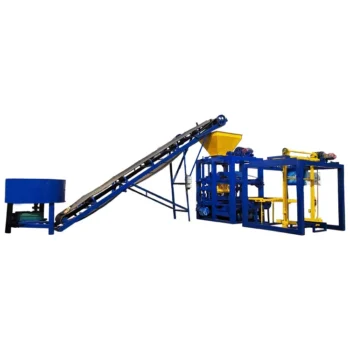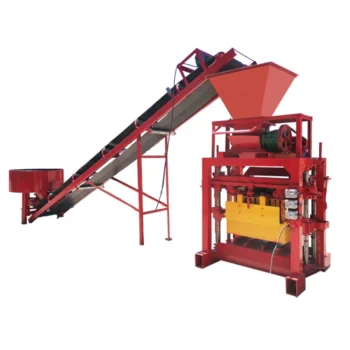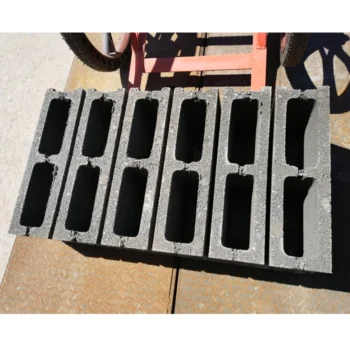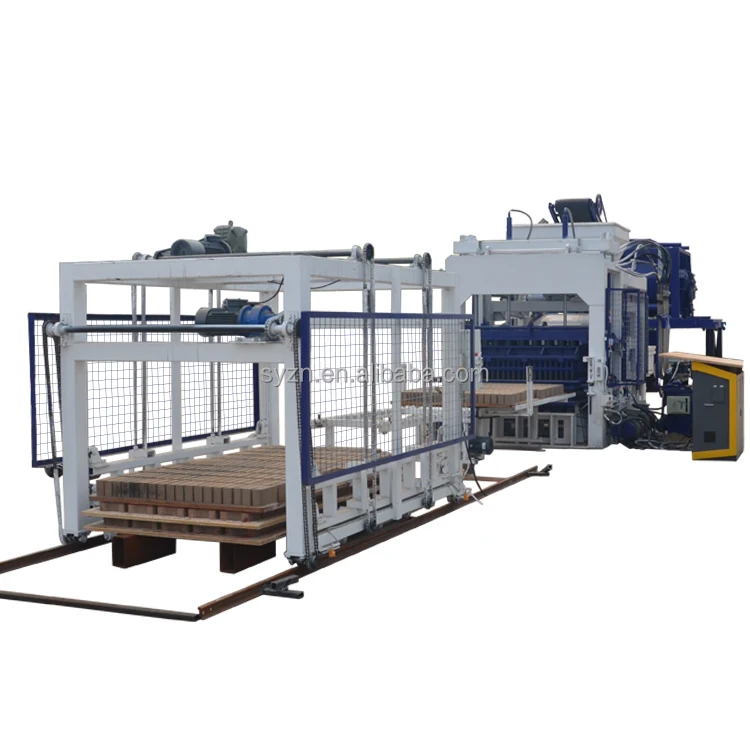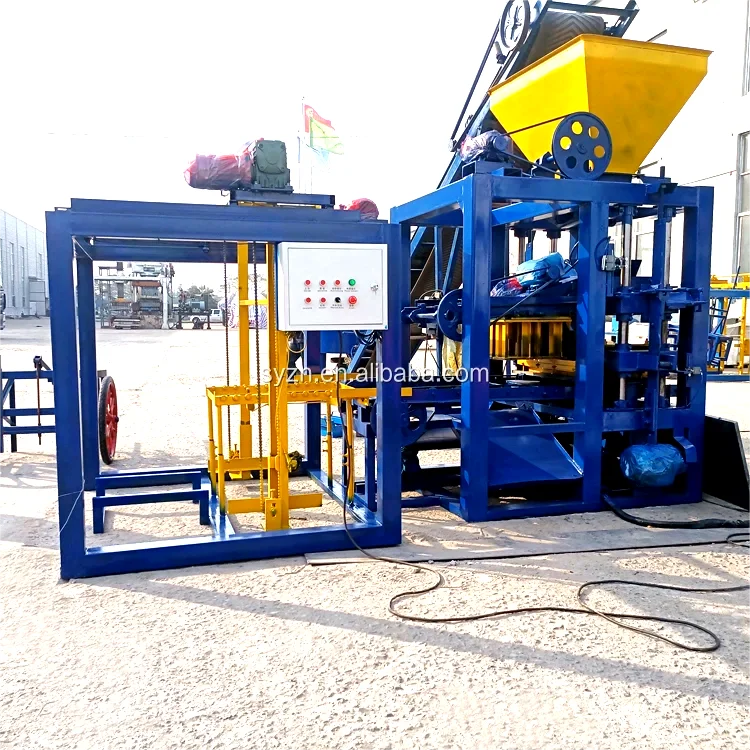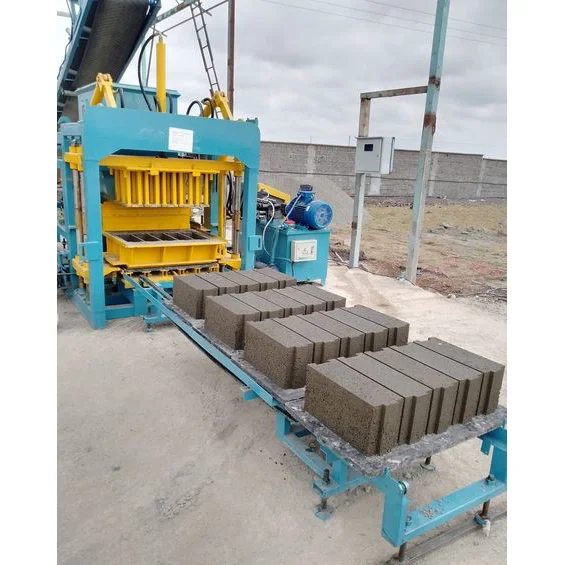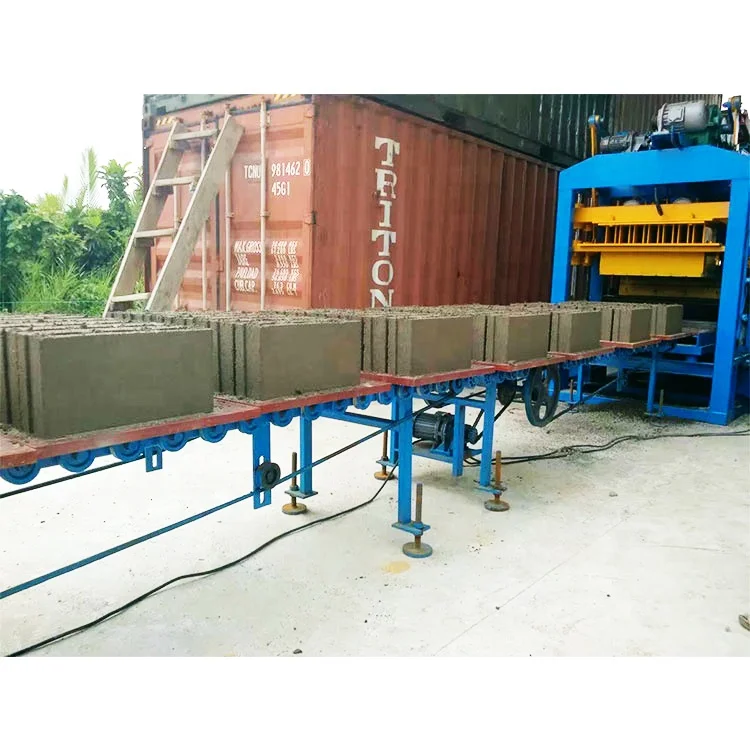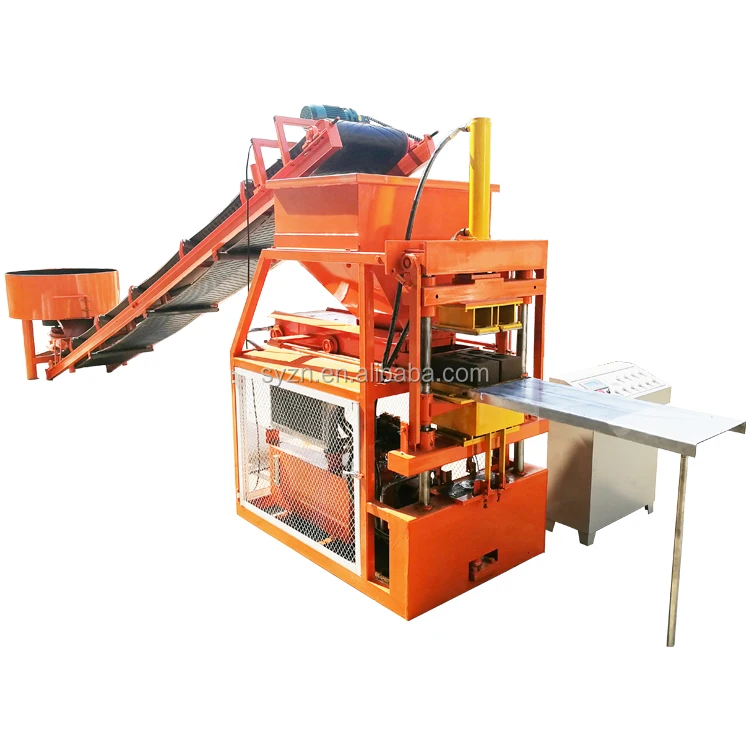
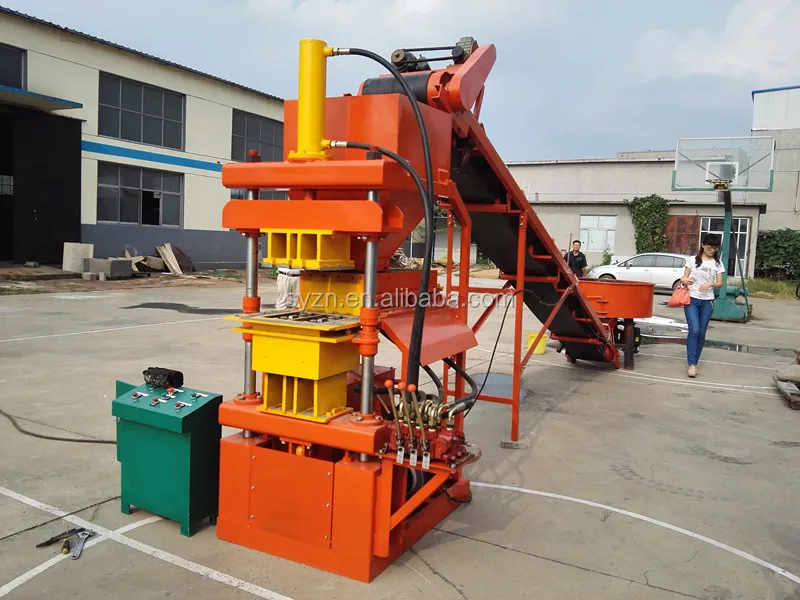
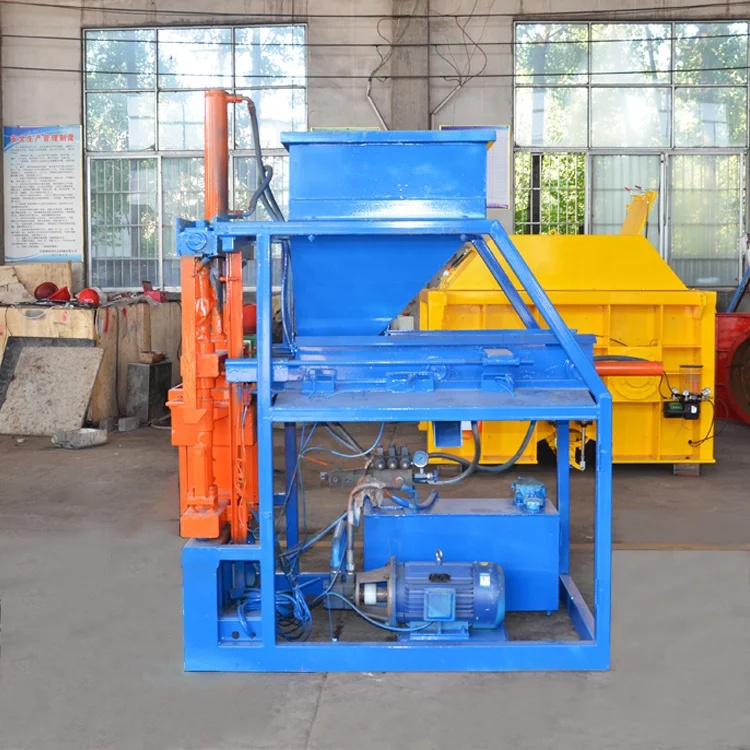
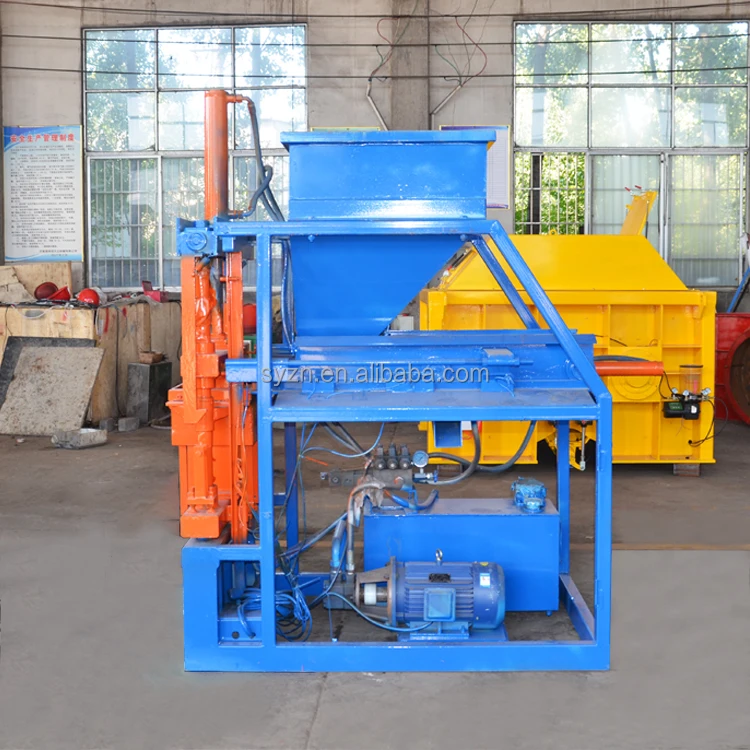

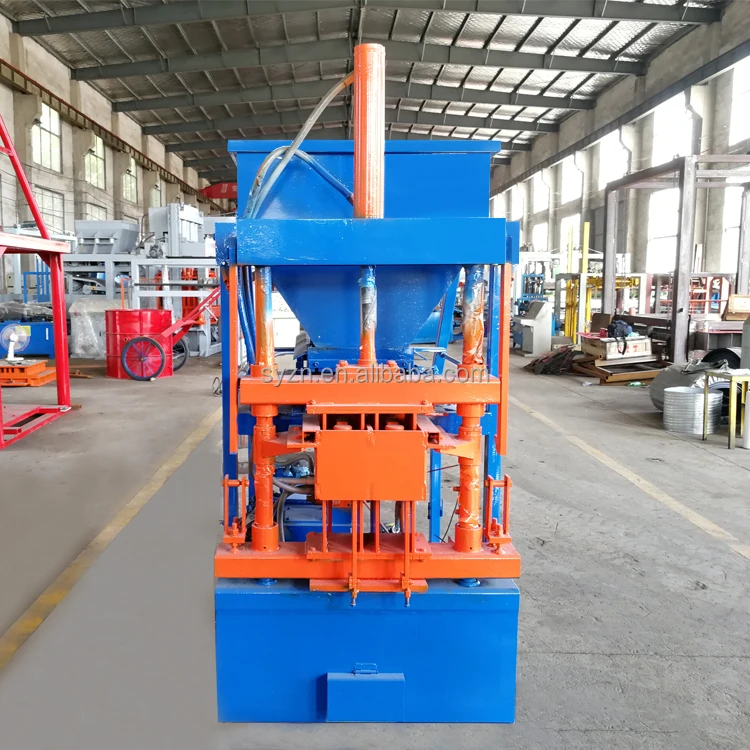
Description
Matched to Your Mix and Market — Every output figure for the LY2-10 is tied to a named interlocking block size and raw material, not a single catalogue claim that ignores what you actually produce on site.
Technical Specifications
| Parameter | Value |
|---|---|
| Model | LY2-10 |
| Product Type | Clay Interlocking Brick Making Machine |
| Machine Power | 7.5 kW |
| Molding Cycle | 10 seconds |
| Output Capacity | 6,000 pcs / 8 hours (based on 300×150×100 mm, 250×125×75 mm, or 230×220×115 mm interlocking block) |
| Mould Format Options | 300×150×100 mm / 250×125×75 mm / 230×220×115 mm |
| Raw Materials | Clay, soil, earth, mud, concrete, cement, fly ash |
| Overall Dimensions (L×W×H) | 1300×1800×2400 mm |
| Automation Level | Semi-automatic |
| Key Features | Interlocking block production, multiple mould formats, raw material flexibility |
Application Suitability
| Application | Material or Output |
|---|---|
| Interlocking clay brick production | Clay, soil, earth, mud |
| Cement and fly ash block production | Concrete, cement, fly ash |
| Small-scale brick plant setup | Semi-automatic operation for lower initial investment |
| On-site construction block manufacturing | Mobile format flexibility without a fixed factory layout |
What "6,000 Pieces per 8 Hours" Actually Means
The capacity figure only holds when the block format, mix design, and mould match the assumptions stated on the spec sheet.
I have watched contractors in South Asia and Africa sign off on a daily output number without asking which brick size it was based on. When the machine arrives and they run a different format or a local clay with higher silt content, the cycle stretches and the daily tally drops sharply. The clay interlocking brick making machine specifications here tie every throughput claim to a specific block dimension so your planning starts from reality, not optimism [NEED_CITE: block format and cycle time correlation in interlocking brick production].
Mould Formats and Honest Cycle Times
The LY2-10 ships with three interlocking block moulds: 300×150×100 mm, 250×125×75 mm, and 230×220×115 mm. Each format carries the same 10-second molding cycle in the capacity table, but the actual pieces per shift depend on how your local clay or fly ash mix behaves under pressure. This is why clay interlocking brick making machine specifications must always be read alongside your raw material test, not in isolation.
Raw Material Compatibility and Local Sourcing
The machine accepts clay, soil, earth, mud, concrete, cement, and fly ash. In practice, I have seen projects stall because the buyer’s local aggregate contained more fines than the default mix design assumed, forcing a material substitution after installation. The configuration should be set against a sample of what you can actually source within hauling distance of your site, not against a textbook formula [NEED_CITE: raw material variability in block production].
Reading the Specs That Matter Most
The 7.5 kW motor must deliver enough force to compact your specific mix within the 10-second cycle. If your clay has high moisture or your fly ash is coarse, the vibration force and hydraulic pressure need adjustment to reach target block strength. The overall dimensions of 1300×1800×2400 mm define your floor space and headroom requirements, while the semi-automatic control level means an operator handles pallet transfer and stacking — plan your labour around that reality. Voltage and frequency remain unconfirmed in the source data, so specifying your local supply before production avoids commissioning delays.
The Hidden Cost of Skipping Format Verification
When a buyer accepts a single output number without checking which mould format it assumes, the first week of production reveals the gap. Operators push the machine harder, cycle times drift, and block edges crack from rushed demoulding. I have visited sites where the interlocking brick format the market actually demanded was not the one used for the capacity quote, leaving the plant running at a fraction of the promised throughput [NEED_CITE: mismatch between quoted capacity and actual block format demand].
Why Source This Machine Through a Format-First Approach
The machine, mould, pallet, and handling equipment are specified as one matched system rather than assembled from separate suppliers. Configuration is set against your actual mix design and target block format, not a catalogue default. Mould design covers the formats your market sells, with custom drawings available. The automation level starts at semi-automatic and can be upgraded as volume grows. Installation support includes operator training on the specific formats you will run.
Documentation & Verification
- Machine specification sheet confirming hydraulic pressure and vibration force matched to your mix
- Capacity calculation stating the exact block format assumed for the 6,000 pcs figure
- Mould drawing and format list for all three interlocking block sizes
- Voltage and frequency confirmation document before production begins
- Factory test record on your specified raw material before dispatch
- Operation and maintenance manual covering mould change procedure
Installation, Commissioning & Support
- Floor space allocation based on 1300×1800×2400 mm footprint plus operator clearance
- Dedicated electrical circuit sized for 7.5 kW motor start-up current
- On-site assembly and leveling with anchor bolt placement guidance
- First-run parameter tuning against your local clay or fly ash sample
- Operator training on 10-second cycle timing and mould change sequence
- Wear parts list covering high-friction components in the mould and press
Next Steps for Your Inquiry
Send your target interlocking block format, the raw material you plan to use locally, and your site voltage and frequency. Include your daily output goal so the capacity calculation can be verified against the mould you will actually run. If you have existing pallets or curing racks, share their dimensions to confirm compatibility.
Frequently Asked Questions
Q: How is the 6,000 pcs per 8 hours capacity verified for the LY2-10?
A: The figure is based on a 10-second molding cycle using one of the three listed interlocking block formats: 300×150×100 mm, 250×125×75 mm, or 230×220×115 mm. If your local raw material requires a longer cycle to reach target strength, the daily output will adjust accordingly. A factory test on your actual mix confirms the realistic throughput before shipment.
Q: What voltage and frequency will the machine ship with?
A: Voltage and frequency are not stated as defaults and must be confirmed before production. Your local supply standard — typically 380V/50Hz or 440V/60Hz depending on the market — should be specified in the inquiry so the motor and control panel are built to match. This avoids rewiring or transformer costs after arrival.
Q: How long does a mould change take on the LY2-10?
A: The semi-automatic design allows mould change within a shift using standard hand tools. The exact time depends on operator familiarity and whether the new mould is pre-staged beside the press. The operation manual covers the bolt sequence and alignment checks to keep format switching practical during a working day.
Q: Can the machine be configured for my local clay or fly ash mix?
A: Yes. The configuration is set against a sample of your actual raw material, not a generic formula. The factory test runs your mix through the specified mould to verify block strength and surface finish before dispatch. If your clay has high silt or your fly ash is coarse, vibration force and pressure settings are adjusted to match.