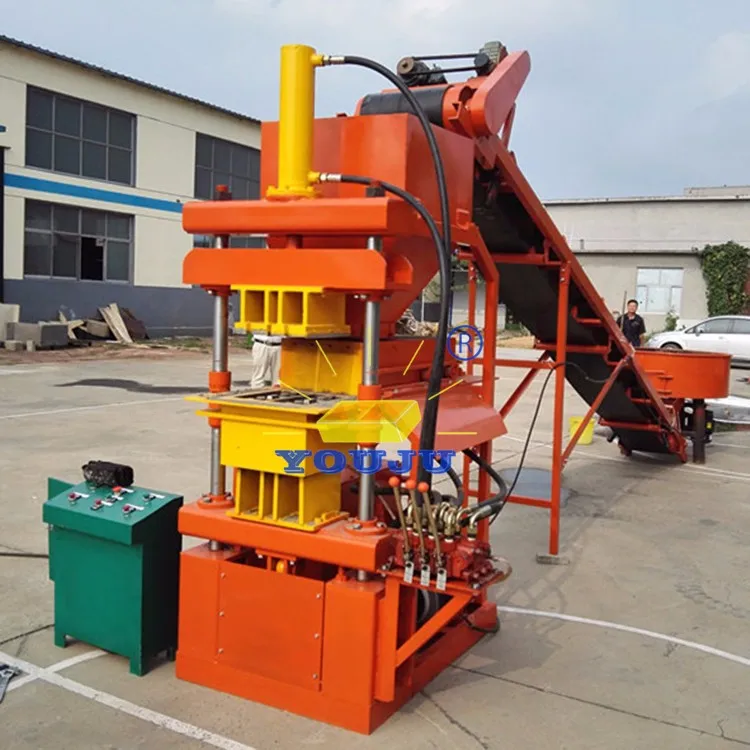
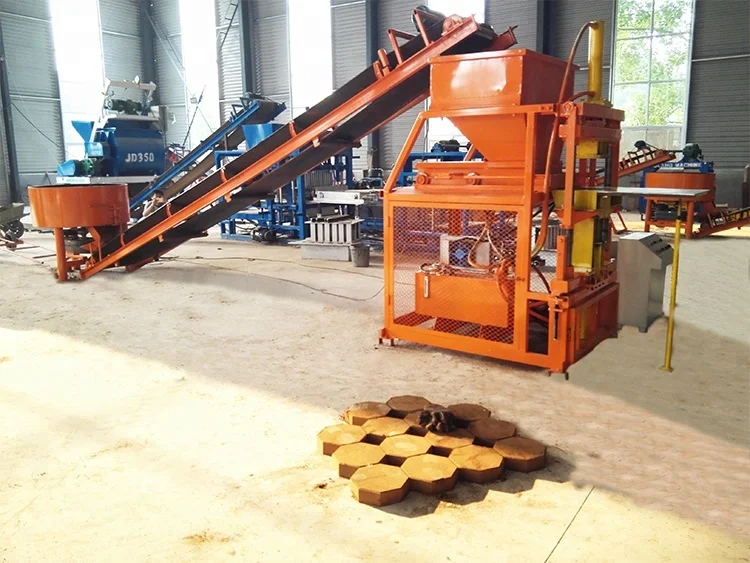
Description
Matched System Approach — machine, mould and block format specified as one unit so the interlocking brick size behind every capacity figure is transparent before the order is placed.
Technical Specifications
| Parameter | Value |
|---|---|
| Model | LY2-10 |
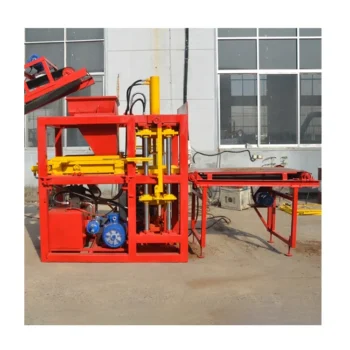
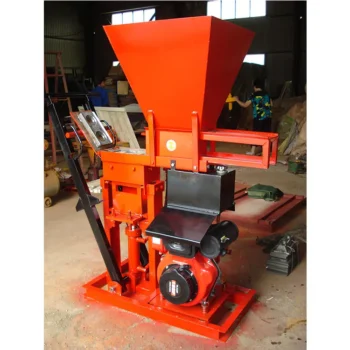
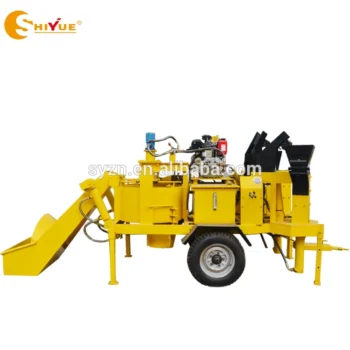
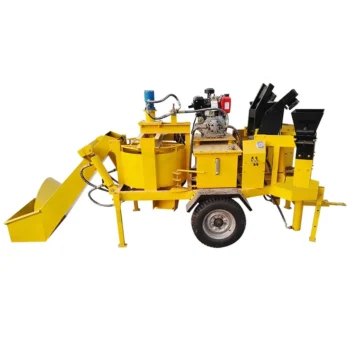
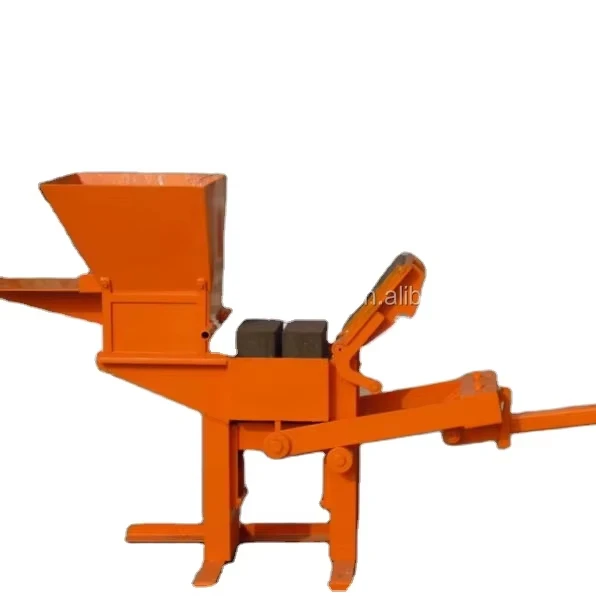
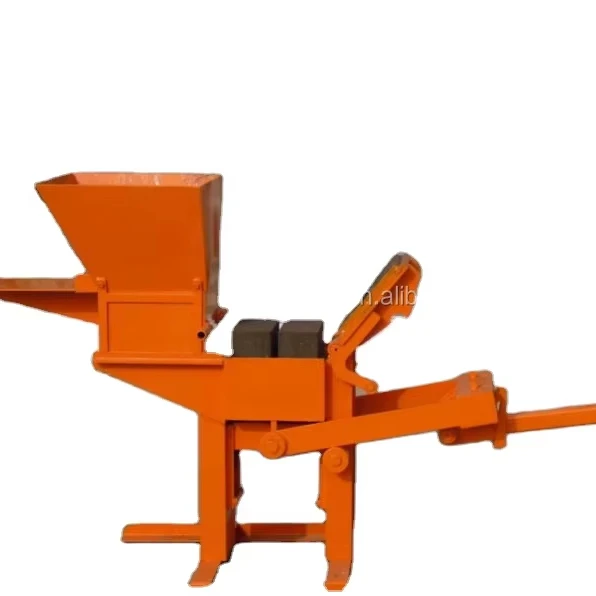
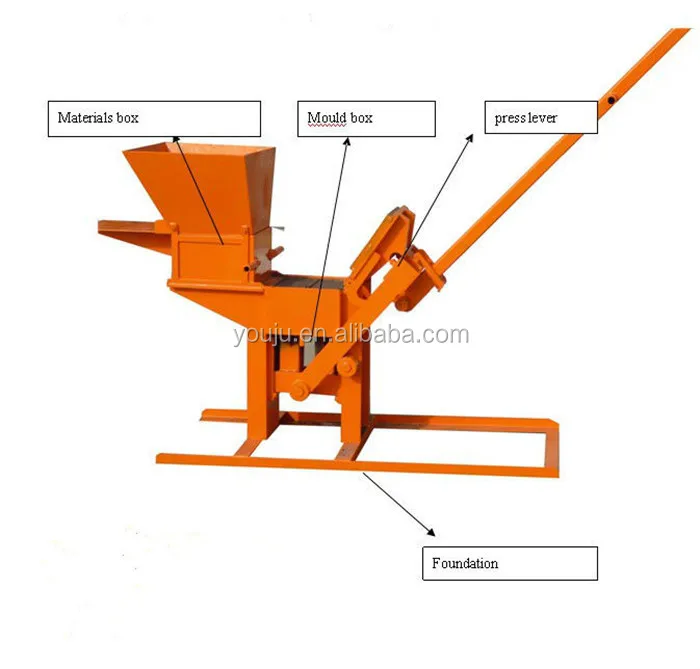
| Product Type | Clay Interlocking Brick Making Machine |
| Rated Power | 7.5 kW |
| Hydraulic Pressure | 16 MPa |
| Control System | Semi-automatic (material feeding, mould pressing and mould lifting automatic) |
| Cycle Time | 10 s |
| Productivity | 750 pcs/hour (based on 300×150×100 mm or 250×125×75 mm interlocking block, 2 pcs/mould) |
| Output Capacity | 6,000 pcs per 8-hour shift (based on 300×150×100 mm or 250×125×75 mm interlocking block, 2 pcs/mould) |
| Output Capacity (alternate) | 3,000 pcs per 8-hour shift (basis not stated in source — confirm block format / material / thickness) |
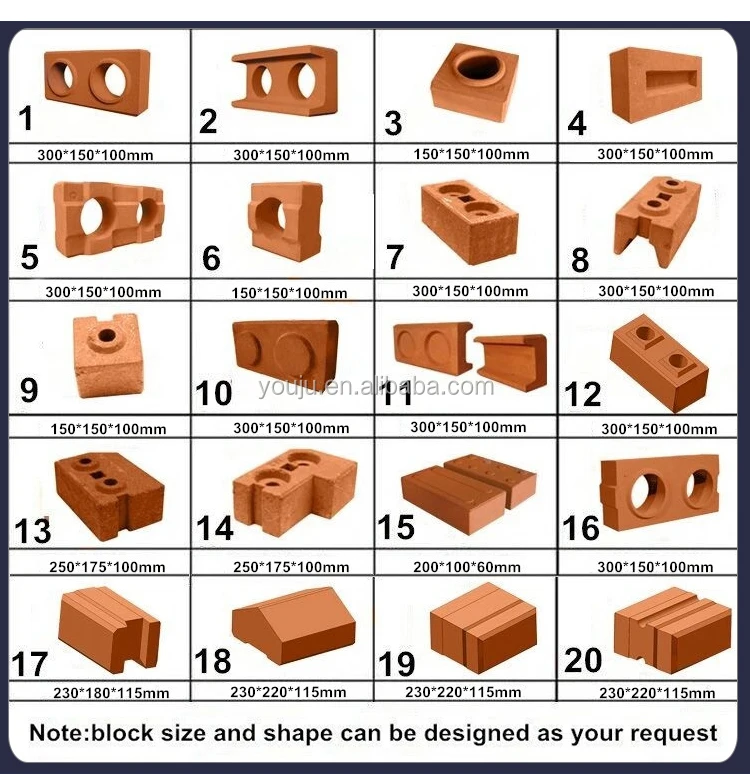
| Mould Format | 300×150×100 mm / 250×125×75 mm (interlocking) |
| Pcs per Mould | 2 |
| Workers Required | 1–3 people |
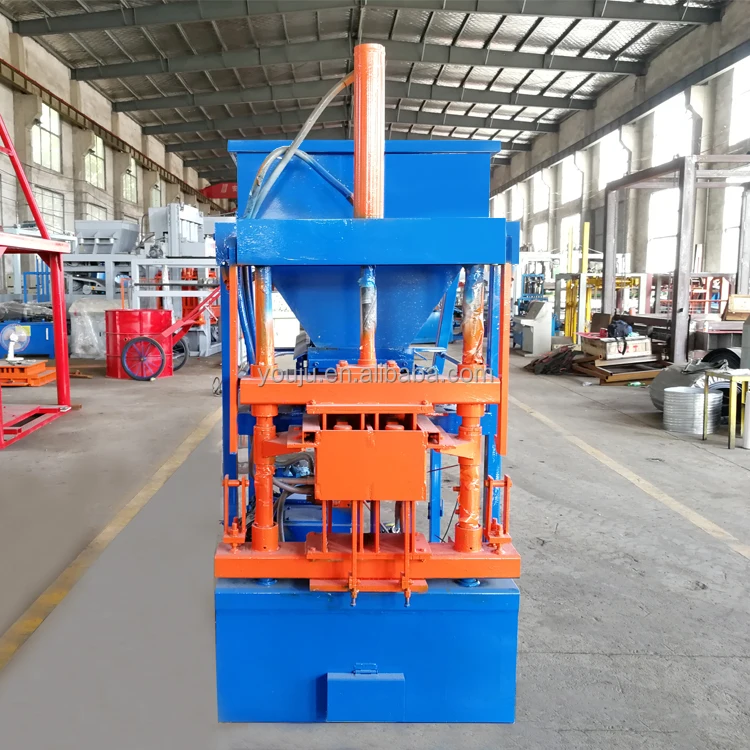
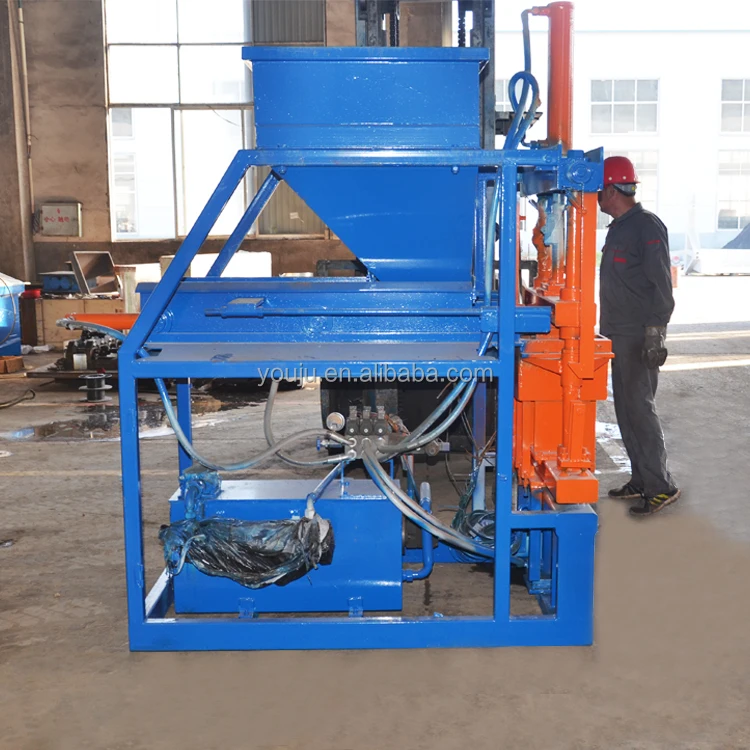
| Overall Dimensions (L×W×H) | 1,300 × 1,200 × 1,900 mm |
| Net Weight | 1,200 kg |
| Raw Material Compatibility | Clay, soil, earth, mud, concrete, cement, fly ash |
| Automation Level | Semi-automatic |
| Voltage & Frequency | Configurable to destination market (confirm before production) |
| Certification | CE declaration available (scope to confirm) |
| Warranty | One year for the whole machine |
Application Suitability
| Application | Material or Output |
|---|---|
| Small interlocking brick plant | Locally sourced clay or laterite soil stabilised with cement |
| On-site contractor production | Excavated earth from the building site mixed with a cement binder |
| Community housing projects | Compressed earth blocks from red soil and fly ash blends |
| Product line extension for concrete plants | Cement-based interlocking pavers alongside existing hollow block output |
| Rural building material supply | Sun-dried or hydraulically pressed mud bricks from alluvial soil |
What "750 Pieces per Hour" Leaves Out About Clay Interlocking Brick Machine Specifications
Capacity numbers are meaningless without the block format and material that produced them.
I spent years commissioning block machines across West and East Africa, and one pattern repeats: a buyer orders a machine based on a headline cycle time, then watches daily output fall well short once local clay is fed into the hopper. The reason is almost always a mismatch between the quoted capacity and the format the buyer’s market actually purchases. The 750 pcs/hour figure for the LY2-10 clay interlocking brick machine specifications holds only when pressing 300×150×100 mm or 250×125×75 mm interlocking blocks at two pieces per mould with a ten-second cycle. Switch to a larger format or a high-clay mix that demands longer dwell, and the real throughput drops accordingly [NEED_CITE: effect of clay plasticity on hydraulic press cycle time]. When the sales sheet does not state the format behind the number, the buyer is guessing.
Matching Mould Format to the Brick Your Market Actually Buys
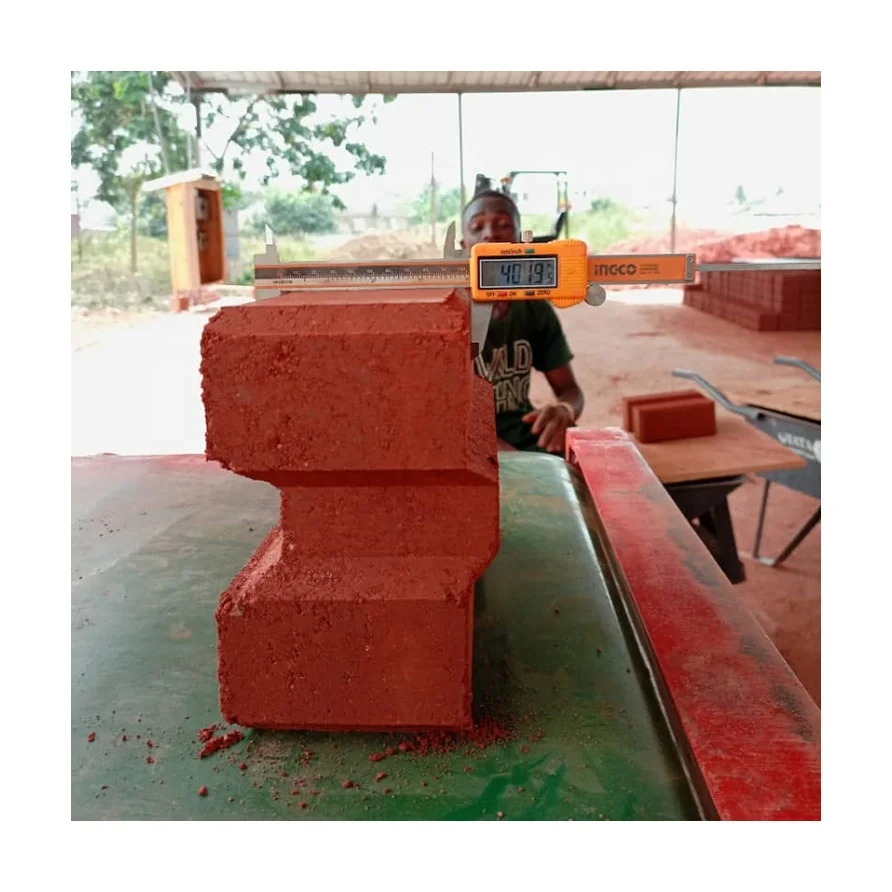
Interlocking bricks sell in the sizes local builders specify, not the sizes a catalogue defaults to. The LY2-10 ships with mould cavities for 300×150×100 mm and 250×125×75 mm, covering the two most requested formats in sub-Saharan housing projects. Before the machine leaves the factory, the mould drawing is sent to the buyer for sign-off, so there is no surprise when the first brick comes off the press.
Semi-Automatic Control Without the Complexity Gap
The control system automates material feeding, mould pressing and mould lifting while leaving pallet handling to the operator. For a first-time plant owner hiring from the local labour pool, this keeps the learning curve short: one to three workers can run a shift without prior hydraulic press experience. The PLC display language is confirmed before dispatch so operators read instructions in a language they work in daily.
How Hydraulic Pressure and Soil Behaviour Interact on Every Cycle
The 16 MPa hydraulic pressure rating must overcome the compressibility of the specific soil-cement blend being fed. Sandy laterite responds well to shorter, high-pressure strokes, while high-clay soils with greater plasticity need the ram to hold pressure longer so moisture has time to escape [NEED_CITE: soil stabilisation guidelines for compressed earth blocks]. If the pressure is set too low for a plastic mix, bricks leave the mould with soft edges and crack during curing. The pressure and cycle parameters are adjusted during commissioning against the buyer’s own soil sample, not left at a factory default.
The Cost of Skipping a Soil Sample Before You Order
I have watched containers arrive at sites where the local red soil contained far more fine clay than the machine was configured for. Bricks crumbled at the interlocking lips, rejection rates climbed, and the contractor spent weeks re-sourcing sand to dilute the mix. Sending a soil sample before the mould and pressure settings are locked avoids this. The test reveals whether the raw material needs screening, a cement ratio adjustment, or a different dwell time inside the mould [NEED_CITE: compressed earth block material testing standards].
Why This Machine Is Specified Differently from a Generic Catalogue Order
Block machinery is the only product line we build, which means the press, mould, pallet and handling equipment are matched as a single system rather than sourced from separate vendors. Every LY2-10 is configured against the buyer’s actual mix design and target block format, not a default table. Mould cavities are cut to the interlocking profile the buyer’s construction market demands, and custom drawings are welcome. Voltage, frequency and control language are confirmed in writing before production begins, so the machine can be commissioned the week it clears customs rather than sitting idle while a transformer is ordered.
Documentation & Verification
- Line layout showing the LY2-10 footprint and pallet flow path
- Capacity calculation sheet stating the interlocking format assumed
- Mould drawing with interlocking lug profile for buyer sign-off
- Hydraulic and electrical schematic matching the destination voltage
- Factory test record on the buyer’s specified block format before dispatch
- Operation and maintenance manual in the confirmed control language
Installation, Commissioning & Support
- Foundation pad sized to the 1,300 × 1,200 mm machine footprint with anchor bolt template
- Dedicated circuit matching the confirmed kW rating and local voltage
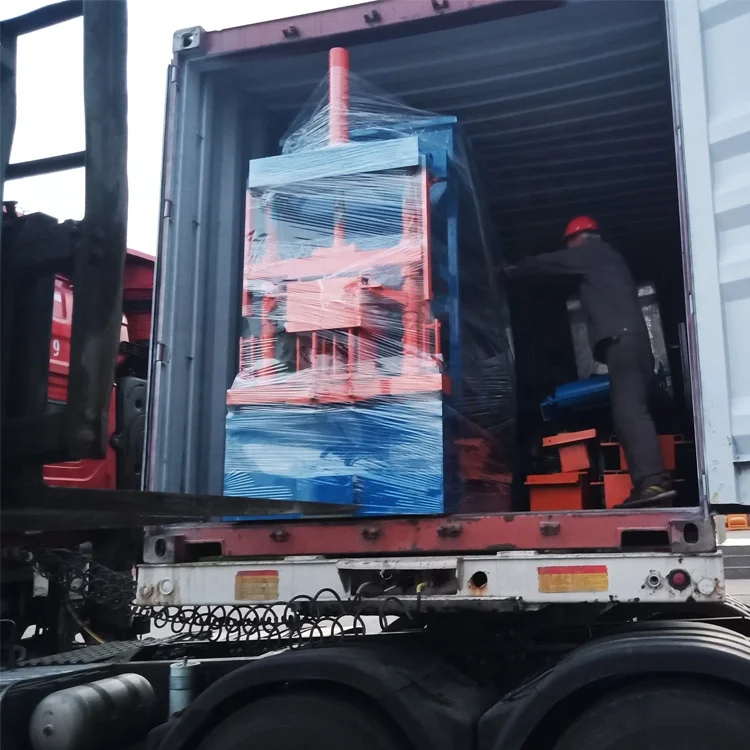
- Machine shipped as a single skid; re-assembly limited to hopper and guard panels
- First-run parameter tuning against the buyer’s soil-cement sample on site
- Operator training covering mould change, hydraulic pressure checks and daily greasing
- Wear parts list with mould liner and hydraulic seal part numbers for reorder
What to Include in Your Inquiry
Send the target interlocking brick size, the daily output you need, and a description or lab result of the soil or clay you plan to use. Include your site voltage and frequency so the motor and control panel can be wound and wired before the machine ships. If you already have a curing area or forklift in place, share the pallet dimensions you are working with so the feed system can be aligned.
Frequently Asked Questions
Q: How is daily output calculated, and which block format does the capacity figure assume?
A: The 6,000 pieces per eight-hour shift figure is based on pressing 300×150×100 mm or 250×125×75 mm interlocking blocks, two per mould, at a ten-second cycle. If your market requires a different size, the cycle time and pieces per mould change, so we recalculate output for your exact format before you commit.
Q: What mould formats are available, and how long does a mould change take?
A: The LY2-10 ships with mould cavities for 300×150×100 mm and 250×125×75 mm interlocking bricks. Additional formats can be designed to buyer drawings. A trained operator completes a mould swap within a single shift break once the bolts and alignment pins are familiar, keeping format flexibility practical on the shop floor.
Q: Can hydraulic pressure and cycle time be adjusted to match my local clay mix?
A: Yes. The 16 MPa hydraulic system allows pressure and dwell adjustments during commissioning. We ask buyers to send a soil sample so we can run a test batch and set the ram profile to suit the plasticity and moisture content of the actual material, rather than shipping a factory-default setting.
Q: What voltage, frequency and control language options can I specify?
A: Voltage and frequency are configured to the destination market before production — common ranges include 220 V, 380 V and 415 V at 50 Hz or 60 Hz. The semi-automatic control panel display language is confirmed in writing so operators can read prompts and fault codes in their working language from day one.
Q: What documentation arrives with the machine?
A: Each LY2-10 ships with a capacity calculation stating the assumed block format, mould drawing, hydraulic and electrical schematic, factory test record, operation manual in the confirmed language, and a wear parts list with reorder part numbers for mould liners and hydraulic seals.