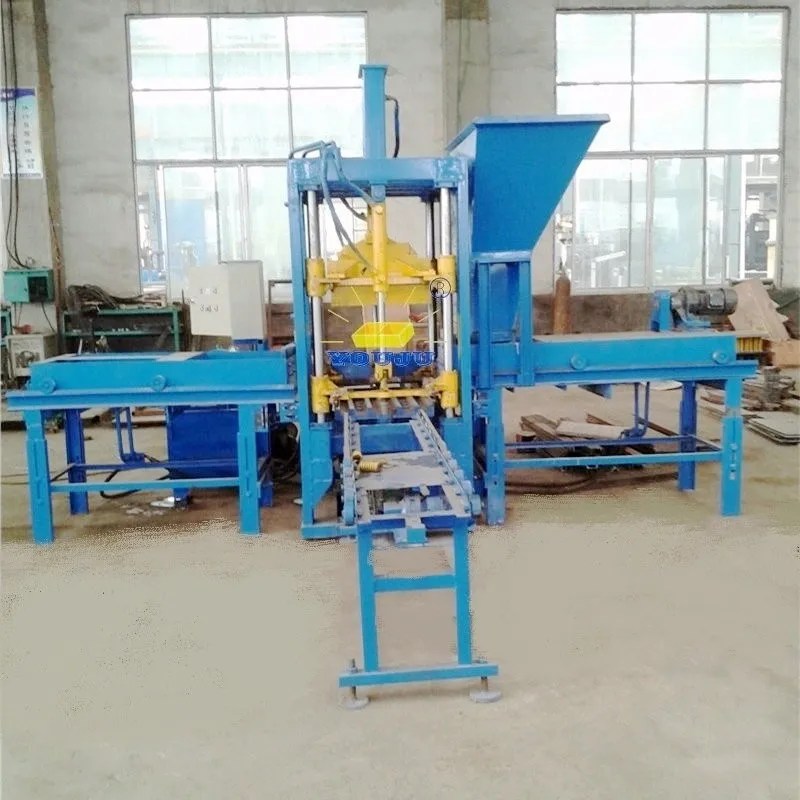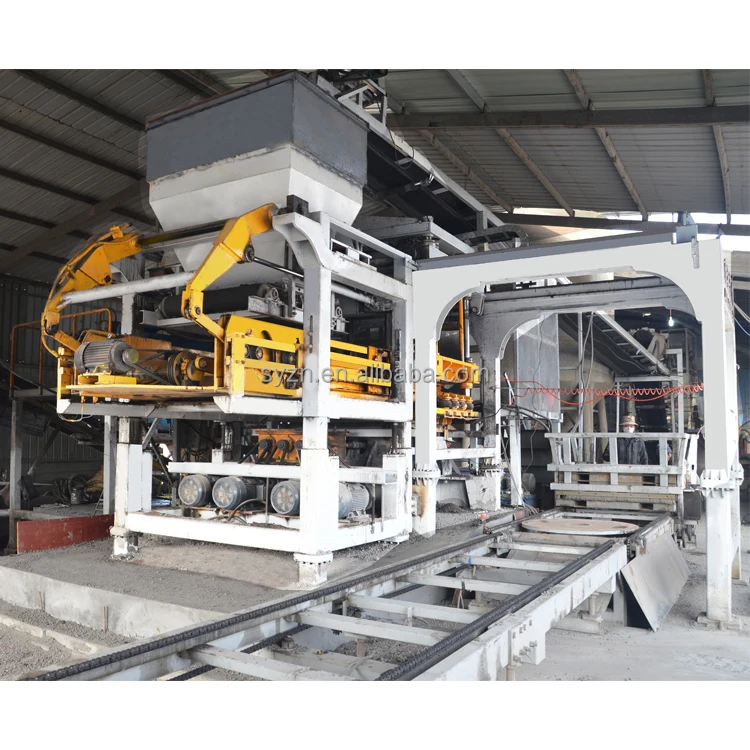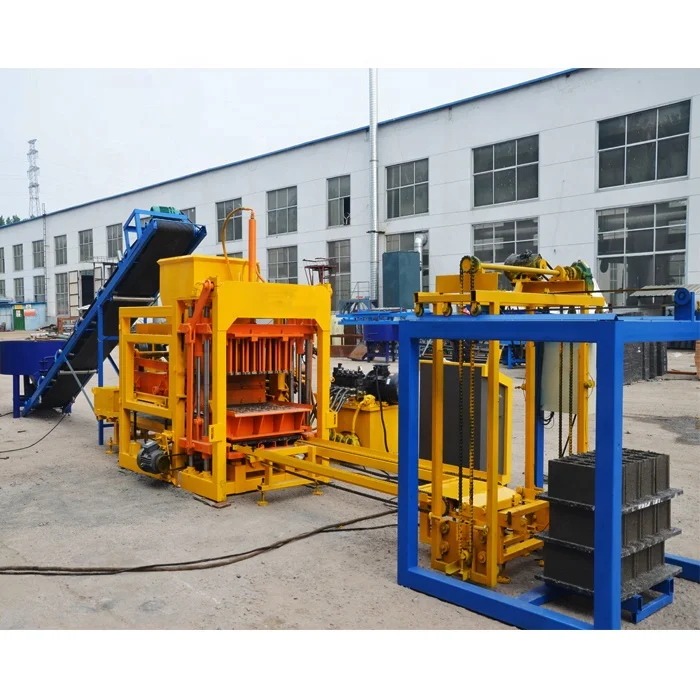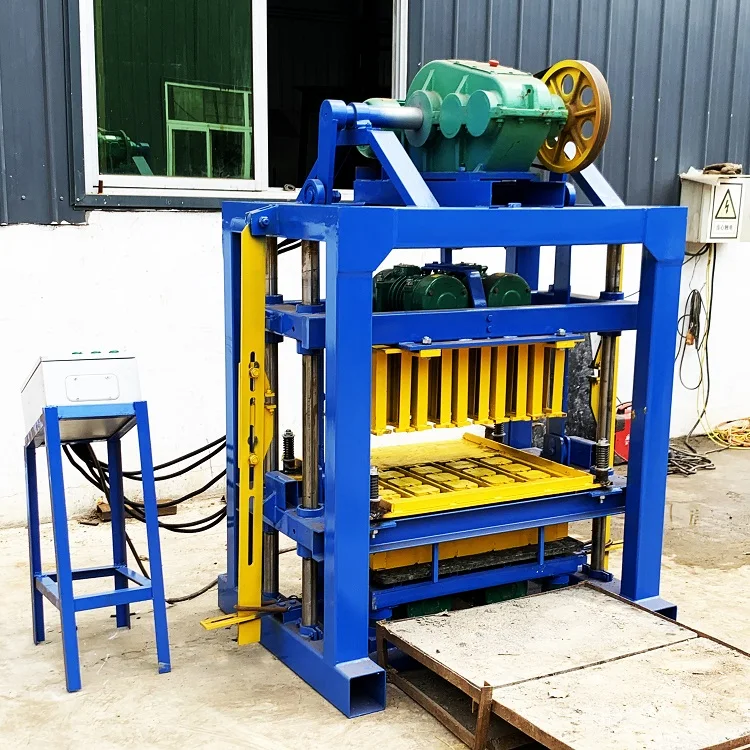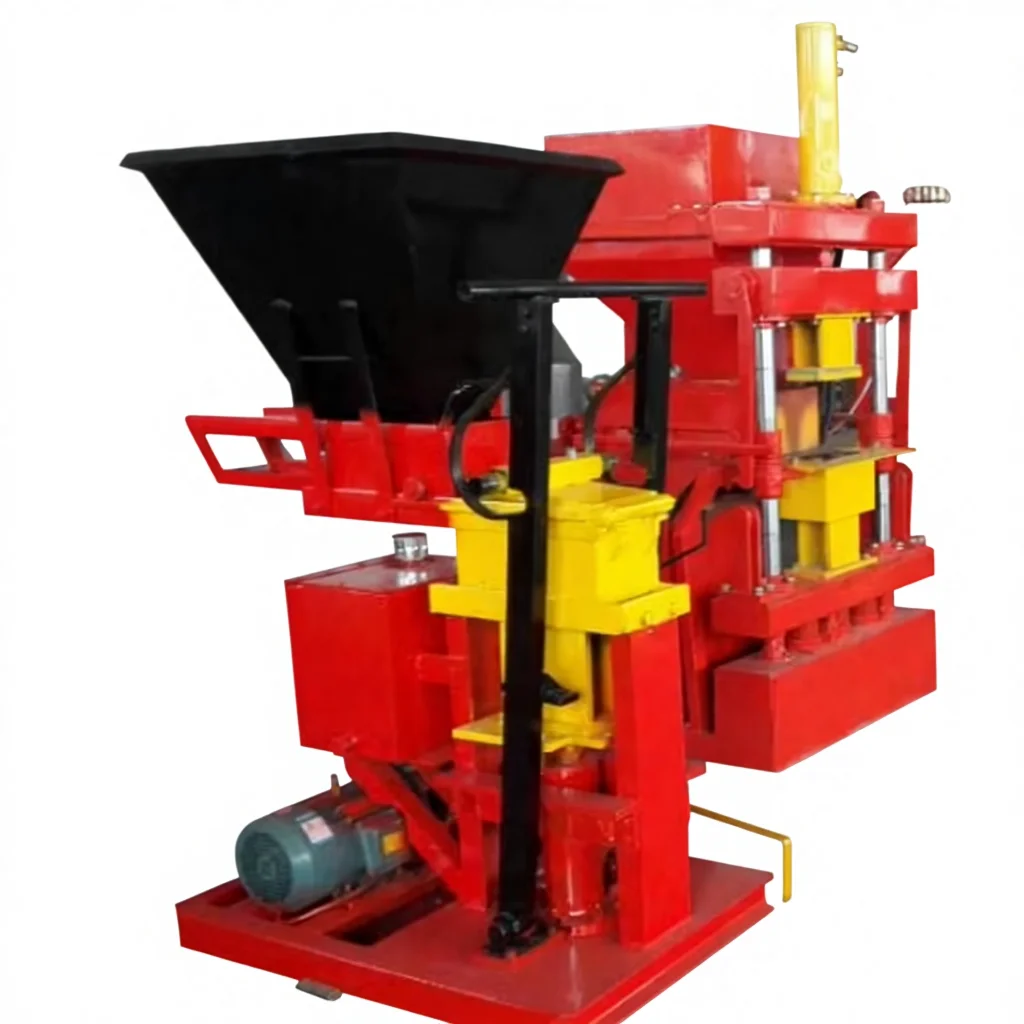
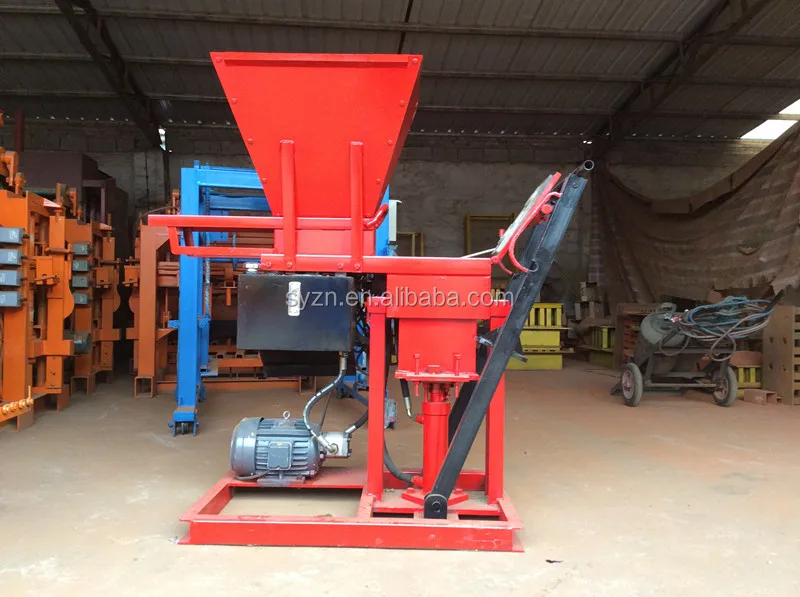
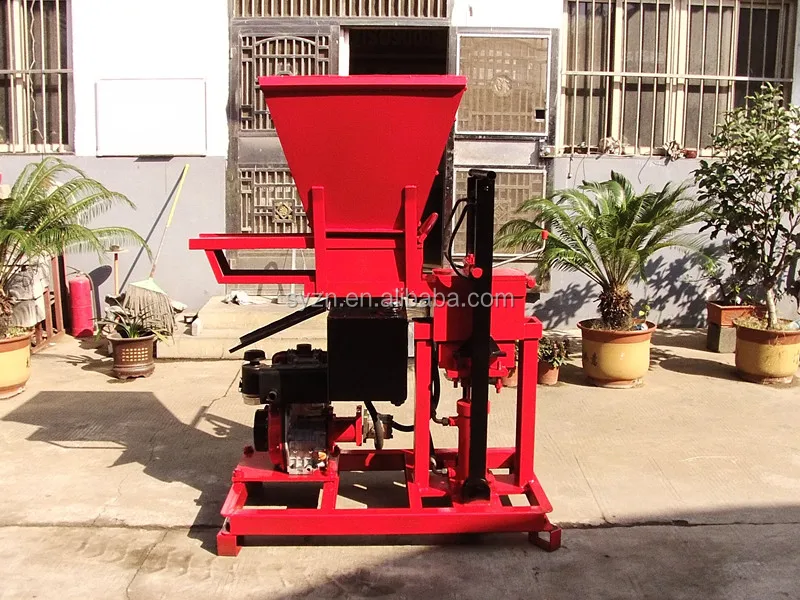
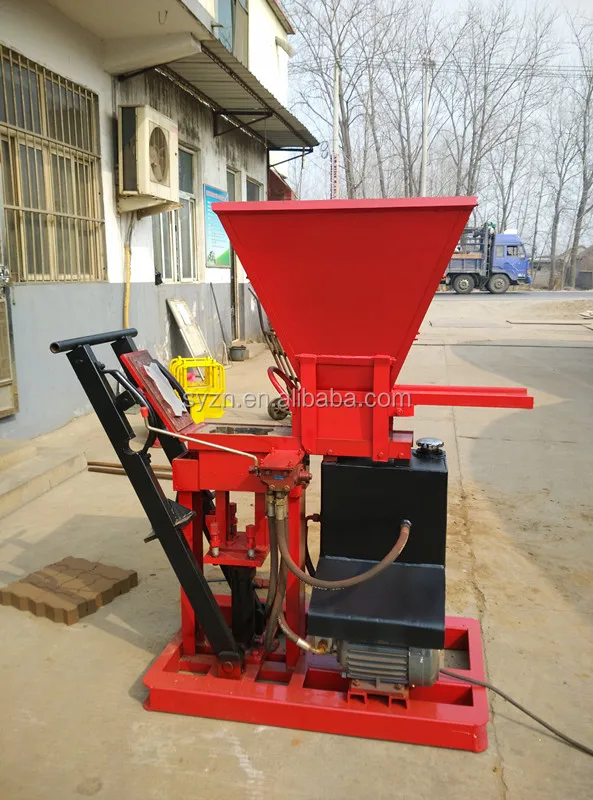
Description
Honest capacity by format — every ECO BRAVA output figure is calculated against a specific interlocking block size and mould configuration, not a single headline number.
Technical Specifications
| Parameter | Value |
|---|---|
| Model | ECO BRAVA |
| Product Type | Interlocking Clay Brick Making Machine |
| Rated Power | 5.5 kW (electric motor) or 12 Hp (diesel engine) |
| Molding Cycle | 15-20s based on 300×150×100mm interlocking block (basis not stated for other formats) |
| Output Capacity | 1440-1920 pcs/8hours based on 300×150×100mm interlocking block, 1 pc/mould |
| Rated Pressure | 16-20 MPa |
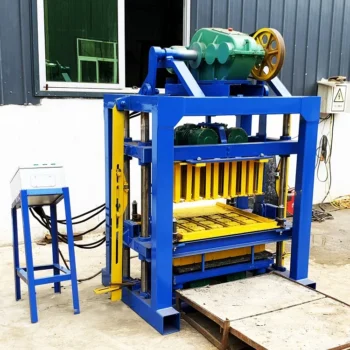
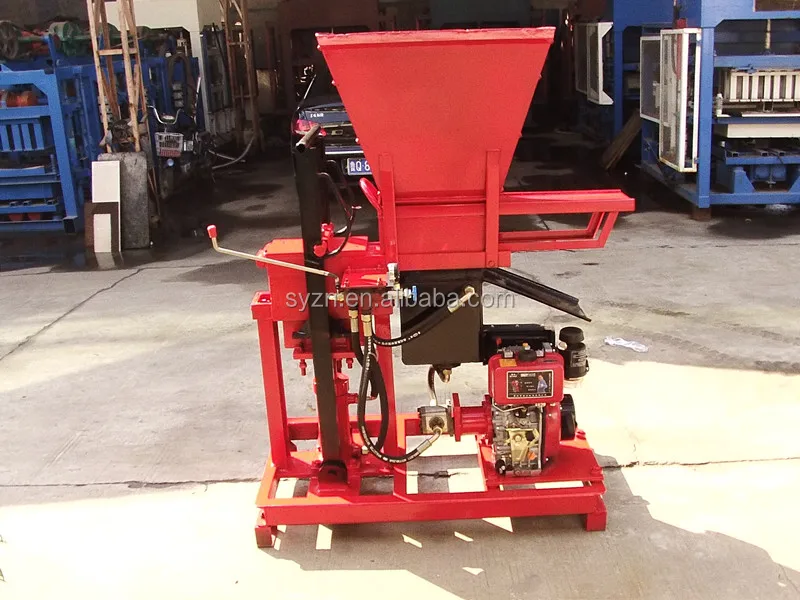
| Overall Dimensions | 1100×750×1700 mm |
| Net Weight | 400 kg |
| Automation Level | Semi-automatic (material feeding, mould pressing and mould lifting automatic) |
| Power Source Options | Diesel engine or electric motor |
| Voltage | Configurable to buyer’s local voltage and frequency (confirm before order) |
| Mould System | Interchangeable moulds for different block, brick and floor formats |
| Raw Materials | Clay, soil, mud, cement, concrete |
| Control System | Relay logic or PLC (confirm before order) |
| Certification | To be confirmed (CE or other applicable) |
Application Suitability
| Application | Material or Output |
|---|---|
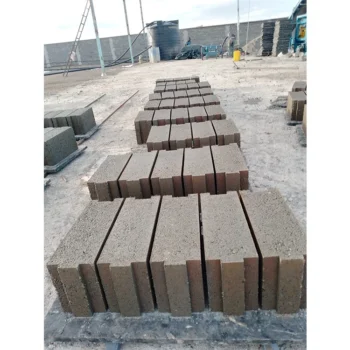
| On-site interlocking brick production for housing projects | Local clay or soil mixed with cement |
| Small-scale brick workshops with uncertain grid supply | Diesel-powered operation on clay and mud |
| Concrete product manufacturers adding interlocking formats | Cement and concrete with standard aggregates |
| Entrepreneurship-level first brick plants | Low-capital semi-automatic production on soil and clay |
Why "1440 Pieces per Day" Needs a Format Attached
Capacity is meaningless without the block size it assumes.
I have watched contractors in West Africa sign for interlocking clay brick making machine specifications that promised high daily output, only to find the figure assumed a small solid brick — not the 300×150×100mm interlocking block their market actually buys. When the real product format is larger, each cycle produces fewer pieces, and daily throughput drops noticeably. The ECO BRAVA 1440-1920 pcs/8h figure is calculated on a 300×150×100mm interlocking block at 1 pc per mould. Ask any supplier to state which format their headline capacity assumes, and compare on that basis [NEED_CITE: capacity calculation methods in block machinery quotations].
Matching Machine Pressure to Your Local Clay
The 16-20 MPa rated pressure on this interlocking clay brick making machine is set for clay and soil mixes typical in small-scale interlocking production. Pressure alone does not guarantee block strength — it must be paired with the correct moisture content and cement ratio for your specific soil profile. In laterite-rich regions, for instance, the iron oxide content changes how the material compacts under hydraulic force. Getting a soil sample tested before ordering allows the pressure setting to be confirmed against your actual raw material rather than a catalogue default.
Mould Change and Format Flexibility in Practice
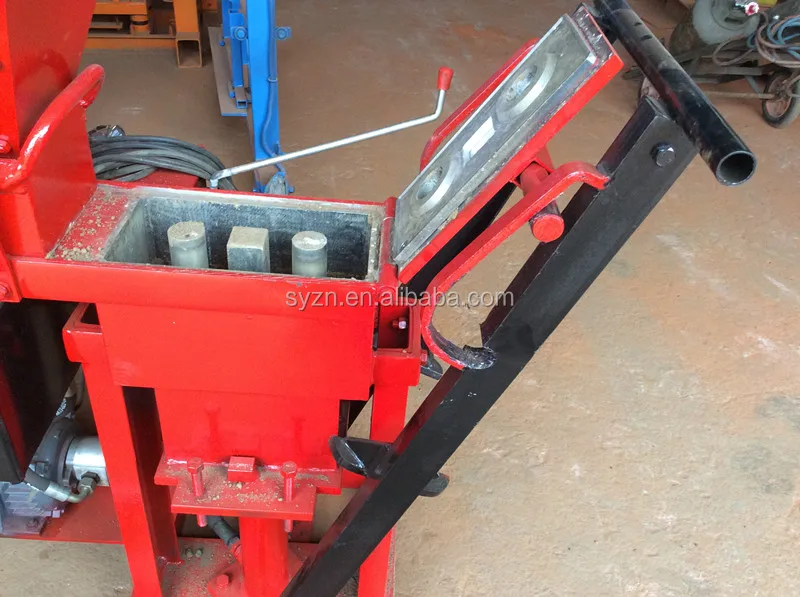
The interchangeable mould system means one ECO BRAVA press can produce multiple interlocking profiles, solid bricks and floor tiles without buying separate machines. The practical question buyers should ask is how long a mould swap takes on-site and what tools are required. If a format change consumes most of a working shift, the flexibility you paid for disappears from your production schedule. Confirm the changeover procedure and required tooling before the machine ships [NEED_CITE: mould change procedures for stationary block machines].
Reading the Specs That Matter for Block Quality
The semi-automatic cycle covers material feeding, pressing and mould lifting, which removes several manual steps while keeping the initial investment within reach for a first-time plant owner. At 400 kg net weight and 1100×750×1700 mm overall dimensions, the machine can be positioned on a prepared concrete pad without heavy foundation work. The dual power option — 5.5 kW electric motor or 12 Hp diesel engine — addresses sites where grid reliability is uncertain, a common reality across rural project locations. Voltage must be confirmed to your local standard before production begins, because rewiring a motor on arrival delays commissioning by days and risks insulation damage if frequency is mismatched. The 15-20s cycle time applies specifically to the 300×150×100mm interlocking block; other formats will have different cycle durations that should be verified during factory testing.
What Happens When Voltage and Frequency Are Skipped
I once arrived at a site in South Asia where a brick machine had been shipped without confirming local voltage and frequency. The grid ran a non-standard configuration, and the motor overheated within the first hour of operation. The contractor lost a full week waiting for a replacement winding. With the ECO BRAVA, voltage and frequency must be locked in before production starts. Skipping this step risks motor failure, PLC communication errors and control panel damage that no amount of on-site troubleshooting can fix quickly [NEED_CITE: industrial motor voltage and frequency mismatch consequences].
Why This Machine Is Specified as a System, Not a Standalone Press
Block machinery is our single focus, which means the ECO BRAVA is configured against your actual mix design, local aggregate and target block format — not pulled from a catalogue default. Mould design covers the interlocking profiles your market sells, with custom drawings available for non-standard formats. The semi-automatic level is selectable, so you can start with manual pallet handling and add automation later as production volume grows. Installation and commissioning support includes operator training on your specific material. Every machine ships with a factory test record showing cycle time and block strength against your confirmed mix, not generic numbers from a different material [NEED_CITE: factory acceptance testing standards for block making equipment].
Documentation & Verification
- Capacity calculation sheet stating the interlocking block format assumed for each output figure
- Mould drawing and format list showing which interlocking profiles are included
- Voltage, frequency and control language confirmation documented before production
- Factory test record showing cycle time and block strength on your actual clay or soil mix
- Hydraulic and electrical schematic for on-site maintenance reference
Installation, Commissioning & Support
- Machine weighs 400 kg and sits on a prepared concrete pad without deep foundation work
- 5.5 kW motor or 12 Hp diesel requires a dedicated circuit sized to local electrical code
- Arrives assembled; position and level on-site, connect power, and begin material trials
- First-day commissioning includes pressure adjustment to match your clay moisture and cement ratio
- Operator training covers semi-automatic feed cycle, mould lifting and daily maintenance checkpoints
- Wear parts list and mould inventory documented at handover for reorder planning
Before You Send the Inquiry
To size the ECO BRAVA correctly for your project, share the interlocking block format your market demands, the type of clay or soil available locally, and your target daily output. Confirm your site voltage, frequency and whether diesel or electric power suits your operation. If you already have pallets or a curing area, include those dimensions so the mould and handling setup aligns with what is already in place.
Frequently Asked Questions
Q: How is the 1440-1920 pcs/8h capacity calculated and which block format does it assume?
A: This figure is based on a 300×150×100mm interlocking block with one piece per mould and a 15-20s molding cycle. If your target format is larger or smaller, the daily output will differ. We provide a capacity calculation sheet tied to your specific block size before you commit.
Q: Which interlocking brick profiles are available as standard moulds?
A: Standard moulds cover the most common interlocking profiles used in housing construction. If your market requires a specific profile not in the standard range, custom mould design is available based on your drawings. Lead time for custom moulds depends on complexity and is confirmed at inquiry stage.
Q: What clay or soil mix design is needed at 16-20 MPa?
A: The pressure range suits clay-soil mixes with a typical cement addition. Exact ratios depend on your local material’s plasticity and moisture content. We request a soil sample or lab report before production so the pressure and cycle settings match what you will actually run on-site.
Q: Is the control system PLC-based and can the display language be changed?
A: Control configuration depends on the build specification confirmed at order. If PLC is selected, display language can be set to match your operator’s preference. This must be documented before production to avoid delays during commissioning.