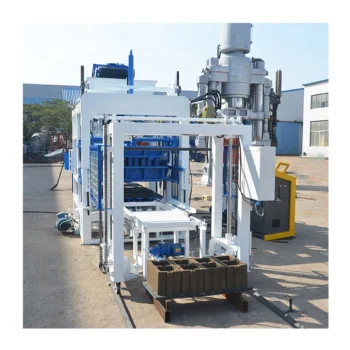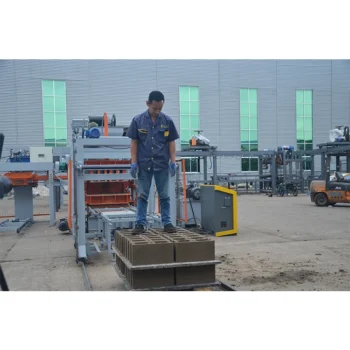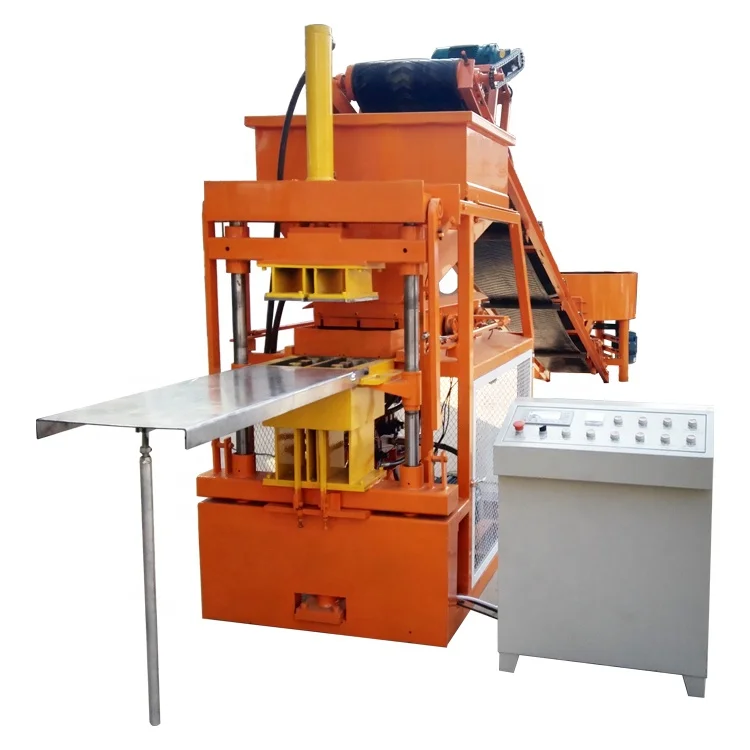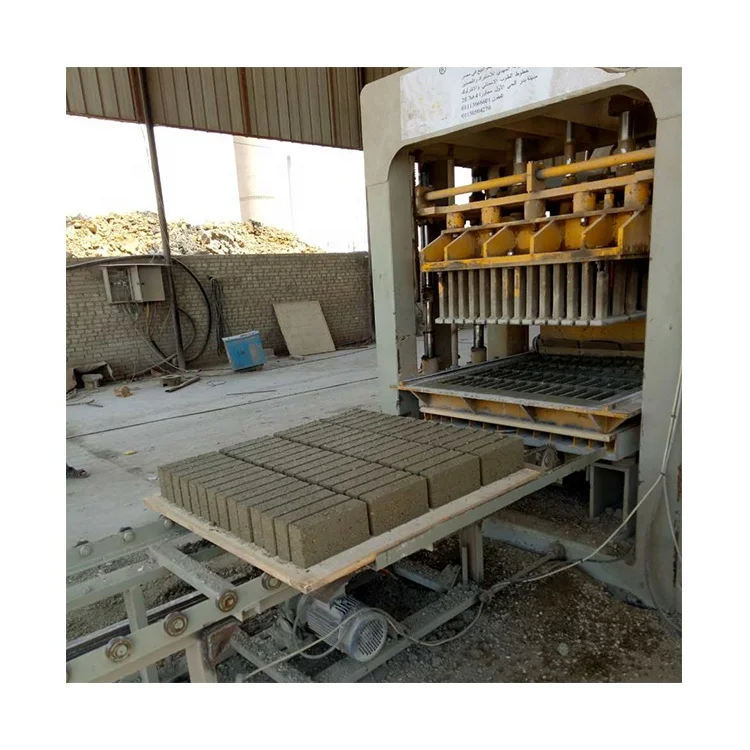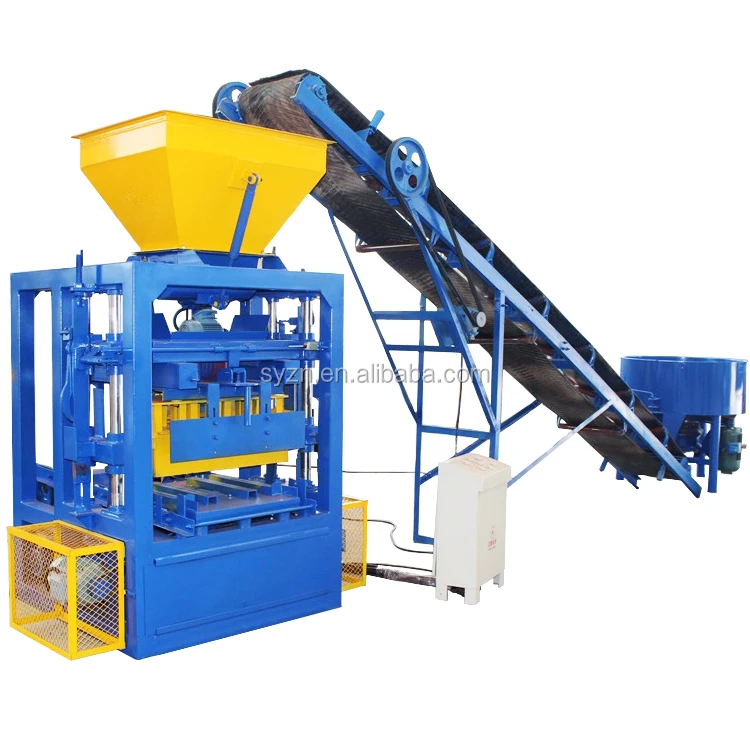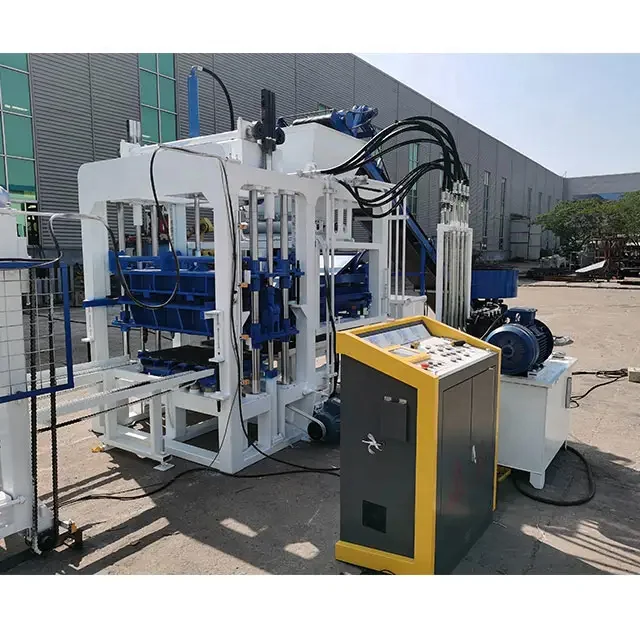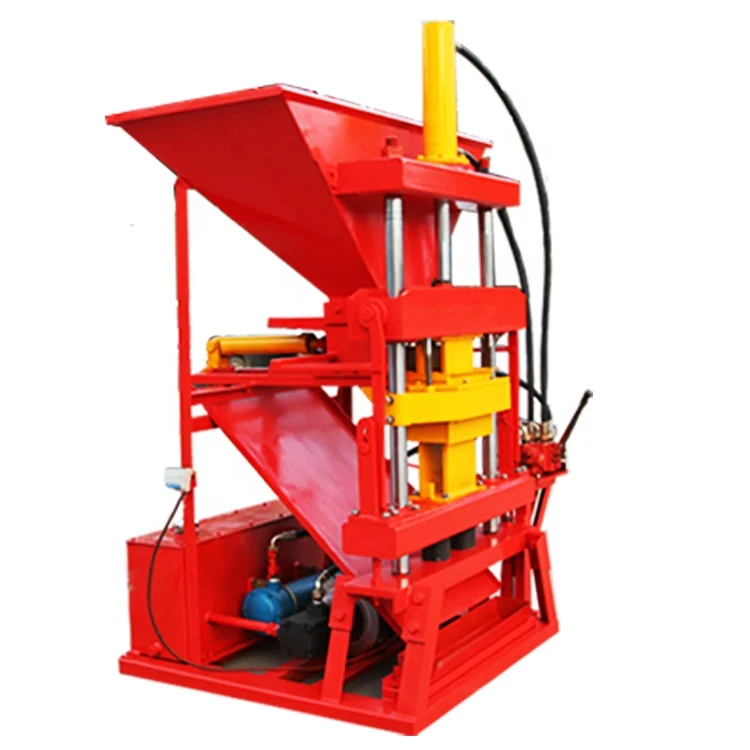
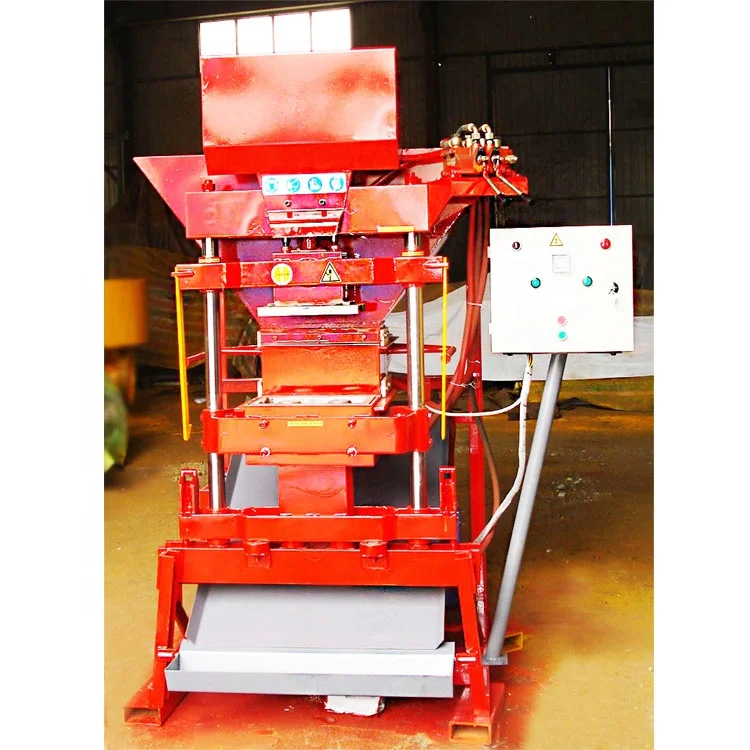
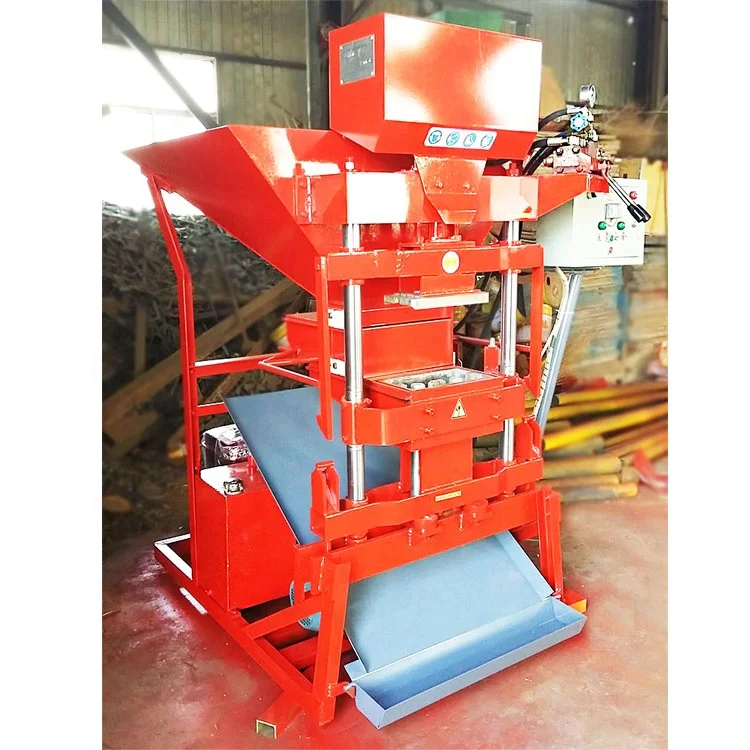

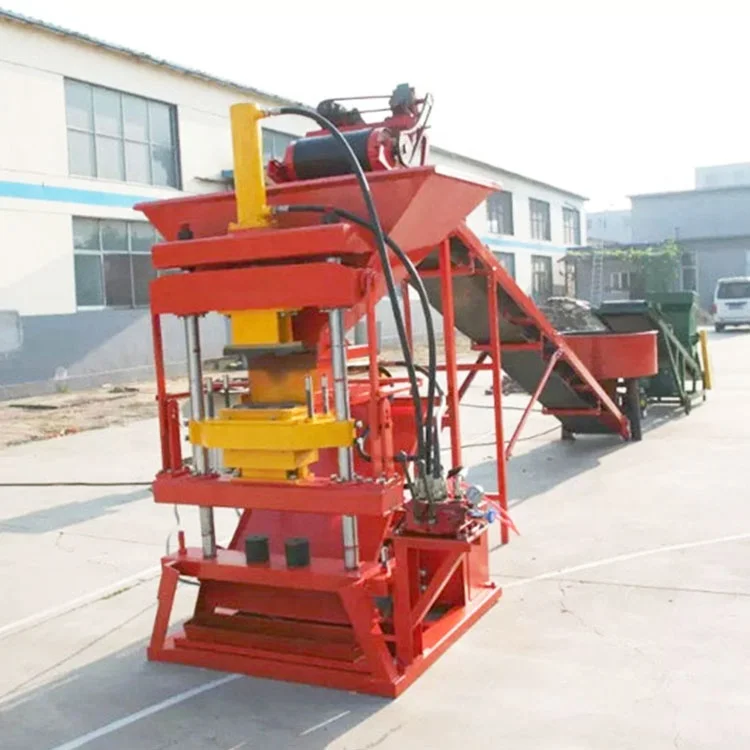
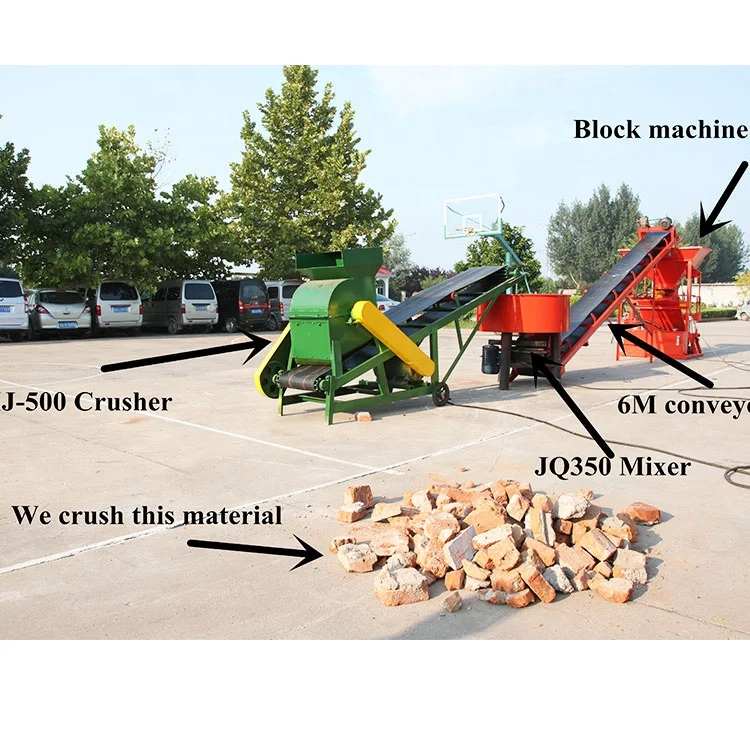
Description
Format-Matched Configuration — every ECO2700 parameter is set against your actual interlock brick drawing, local soil sample, and target block strength, not a catalogue default.
Technical Specifications
| Parameter | Value |
|---|---|
| Model | ECO2700 |
| Product Type | Manual Interlock Brick Machine |
| Production Capacity | 3,000–4,000 blocks per 8-hour shift (basis not stated in source — confirm block format, material and wall thickness before quoting output) |
| Machine Dimensions | 1,600 × 1,300 × 2,400 mm |
| Total Weight | 900 kg |
| Power Source | Electric motor |
| Forming Method | Hydraulic press |
| Forming Cycle | 10–15 s per mould stroke |
| Operating Staff | 1–2 workers |
| Mould Options | Custom to customer drawing; interlock blocks and pavers |
| Compatible Raw Materials | Clay, soil, cement blends, or construction dregs |
Application Suitability
| Application | Material or Output |
|---|---|
| Small-scale interlock brick production for housing projects | Local clay or laterite soil mixed with cement |
| On-site paver manufacturing for road and walkway contractors | Crushed stone, sand and cement blends |
| Start-up brick plant with limited capital | Soil-cement mix using available excavation material |
| Community-scale building material supply | Recycled construction dregs blended with binder |
Why "3,000 to 4,000 Blocks per Day" Means Nothing Without the Format
Capacity only becomes real once you name the exact interlock profile, wall thickness, and raw material you intend to run.
Most quotations list a single daily figure that silently assumes a thin paver or a small solid block. When your market actually sells a 250 mm interlocking wall block, the same cycle produces far fewer units per shift because each stroke fills a larger cavity and requires longer compaction. I have watched projects stall because the daily number on paper never matched the block the site actually needed. The ECO2700 manual interlock brick machine specifications must therefore be read against your chosen mould, not in isolation [NEED_CITE: block format impact on cycle-based capacity claims].
Matching Mould Geometry to Your Block Format
Every interlock profile — whether a double-T wall block, a channel lock, or a flat-face paver — changes the volume of material the hydraulic ram must compress in a single stroke. The ECO2700 accepts custom moulds built to your drawing, so the cavity depth, tongue-and-groove profile, and overall footprint are set before production begins. A deeper cavity extends the 10–15 s forming cycle toward the upper end, while a shallow paver mould keeps it at the lower boundary.
Raw Material Behaviour Under Hydraulic Pressure
Clay-rich soils respond very differently to press force than sandy or volcanic ash blends. With high-plasticity clay, excess moisture turns the mix into a paste that sticks to the mould walls, lengthening de-moulding time and damaging the interlock tongue. Sandy soil, on the other hand, needs enough cement binder and hydraulic pressure to hold the interlock geometry after ejection. The manual interlock brick machine specifications should therefore be accompanied by a mix-design note that records your local material, cement percentage, and optimum moisture content [NEED_CITE: soil-cement mix design for compressed interlock blocks].
Reading the Core Parameters
The 900 kg machine weight gives the ECO2700 enough mass to resist vibration transfer during the hydraulic press stroke, keeping the interlock edges sharp rather than blurred by frame resonance. The 10–15 s forming cycle is a range, not a fixed number: a simple rectangular paver sits at the fast end, while a tall interlocking wall block with deep shear keys sits at the slow end. Because only one to two workers operate the unit, pallet handling and block stacking are manual tasks — a factor that directly influences realistic shift output. The electric motor must be matched to the voltage and frequency at your site; a 50 Hz motor running on a 60 Hz supply will overspeed the hydraulic pump and alter the pressure curve.
The Hidden Cost of Ignoring Format-Specific Cycle Time
When a buyer treats the quoted daily capacity as a universal figure, the first consequence is an under-sized curing yard. Blocks stacked too tightly before initial set crack along the interlock tongue, producing waste that is not visible until the mason tries to lay them. Labour planning also suffers: a crew sized for the higher number finds itself waiting on the press, and overtime costs erode the margin the project was bid on [NEED_CITE: curing and stacking practice for compressed soil-cement blocks].
Why Procurement Through a Format-Focused Supplier Matters
Block machinery is the single product focus here, so the ECO2700, its mould, and the supporting pallet dimensions are specified as one matched set rather than sourced separately. Configuration is built around your actual soil sample and the interlock profile your market sells, not a generic catalogue entry. Mould design work covers the formats your region demands, and custom drawings are accepted when standard profiles do not fit. Documentation arrives with the machine — capacity calculations state which block format was assumed, so there is no ambiguity on site. Commissioning support includes operator training on mould change procedure and hydraulic pressure adjustment for different mix ratios.
Documentation & Verification
- Capacity calculation sheet naming the exact interlock block format and assumed mix ratio
- Custom mould drawing with dimensional tolerances before mould fabrication begins
- Hydraulic circuit schematic showing pressure settings matched to your soil-cement blend
- Factory test record with actual cycle times on your specified block profile
- Packing photographs confirming machine and mould condition before container loading
Installation, Commissioning & Support
- Foundation slab must be level within 5 mm across the 1,600 × 1,300 mm footprint to prevent frame twist
- Dedicated circuit with correct voltage and frequency confirmed before motor wiring
- Hydraulic pressure calibrated on-site using your local soil-cement sample
- Mould alignment checked with feeler gauge after first fifty strokes
- Spare hydraulic seals and mould wear liners shipped with the initial order
- Operator trained on manual pallet loading rhythm to match the 10–15 s cycle
What to Include in Your Inquiry
Send the exact interlock block drawing or a photograph of a sample your market currently uses, along with the target daily output in that specific format. Include a description or lab result of your local soil or aggregate, the cement percentage you plan to run, and the voltage and frequency available on site. If you already have pallets or a curing yard, state their dimensions so the mould and handling sequence can be matched.
Frequently Asked Questions
Q: What block format is the 3,000–4,000 daily output based on?
A: The published range does not state a reference format, so it must be confirmed against your chosen interlock profile, wall thickness, and raw material. A shallow paver mould will reach the upper end, while a deep wall block pushes output toward the lower end. Always request a capacity sheet that names the exact block before committing.
Q: Which interlock profiles can the ECO2700 produce?
A: The machine accepts custom moulds built to customer drawings, covering double-T wall blocks, channel-lock blocks, flat-face pavers, and other interlocking formats. Send your block drawing or a physical sample so the mould cavity, tongue depth, and overall dimensions are matched precisely.
Q: How does local soil type affect cycle time and block strength?
A: Clay-heavy soils require tighter moisture control and may extend the forming cycle toward 15 s to achieve full compaction. Sandy or volcanic soils compact faster but need sufficient cement binder. A mix-design trial using your actual material confirms the pressure setting and optimum moisture for consistent interlock block strength.
Q: Can the ECO2700 run on both 50 Hz and 60 Hz power supplies?
A: The electric motor must be specified for the frequency at your site. A 50 Hz motor on a 60 Hz supply will drive the hydraulic pump faster, changing the pressure profile and potentially damaging seals. Confirm your local voltage and frequency during inquiry so the correct motor is installed before shipment.