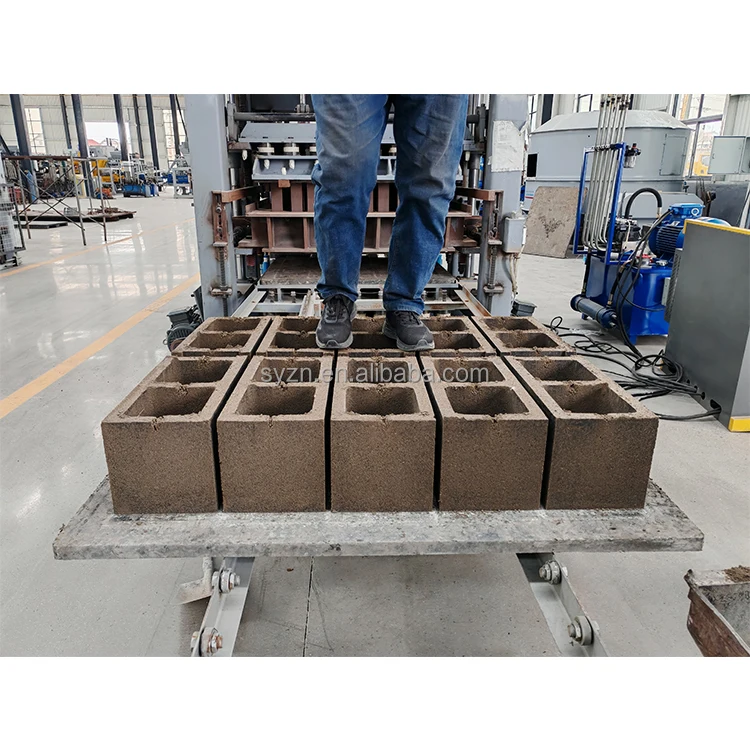
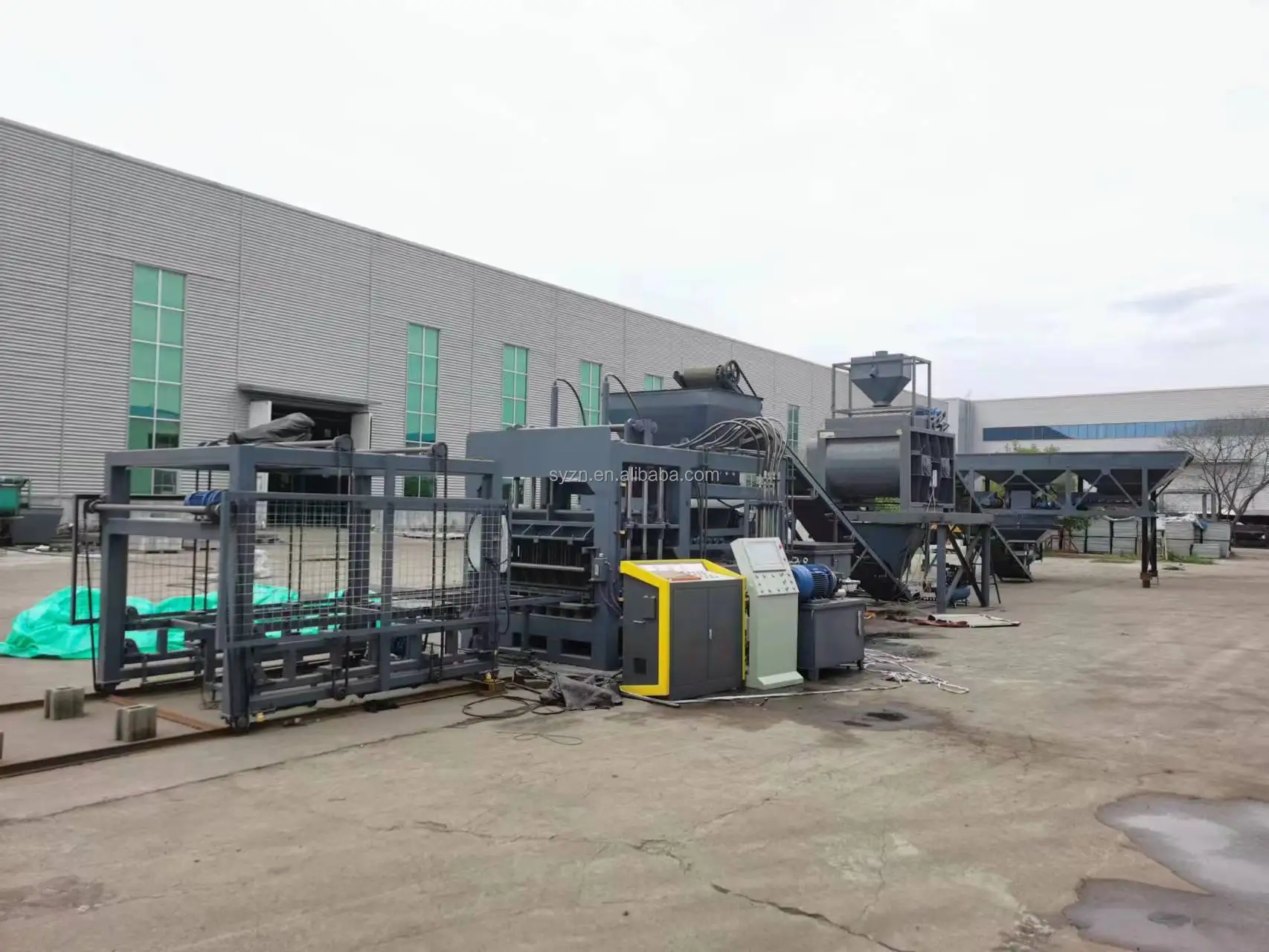
Description
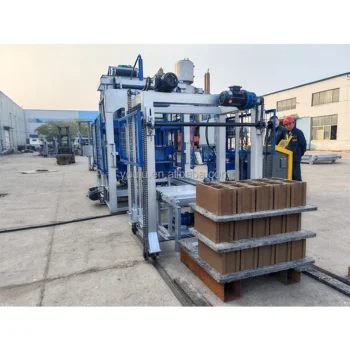
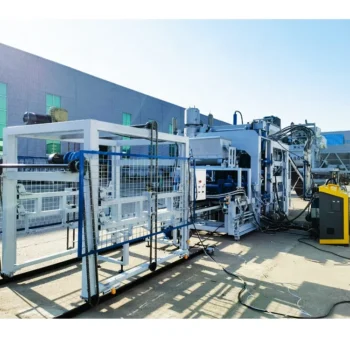
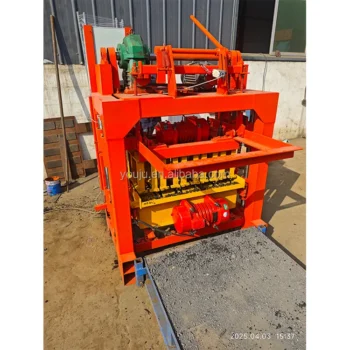
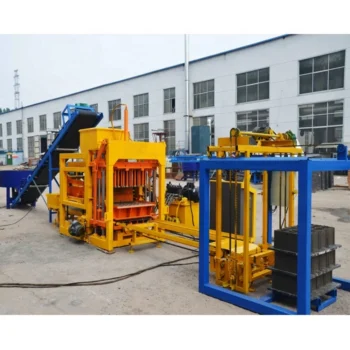
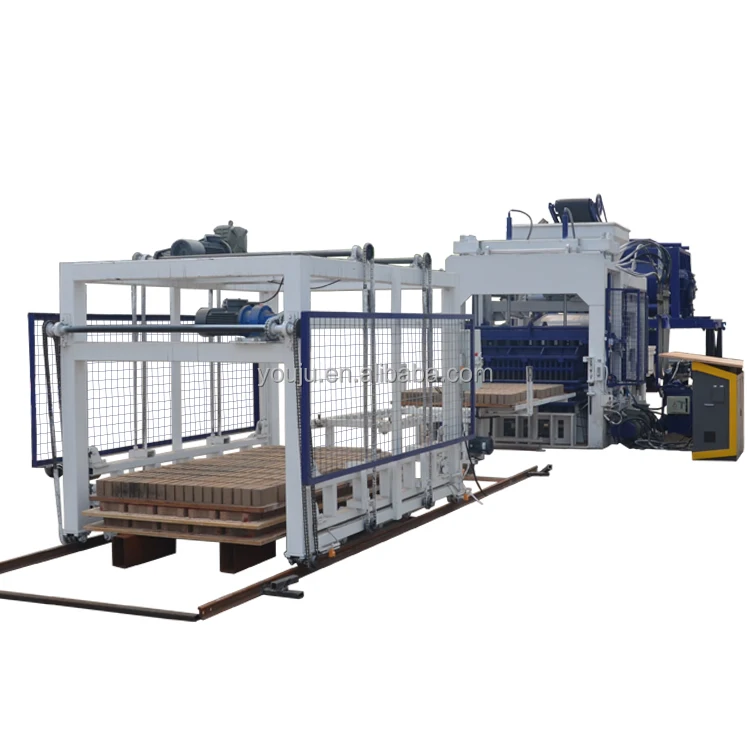
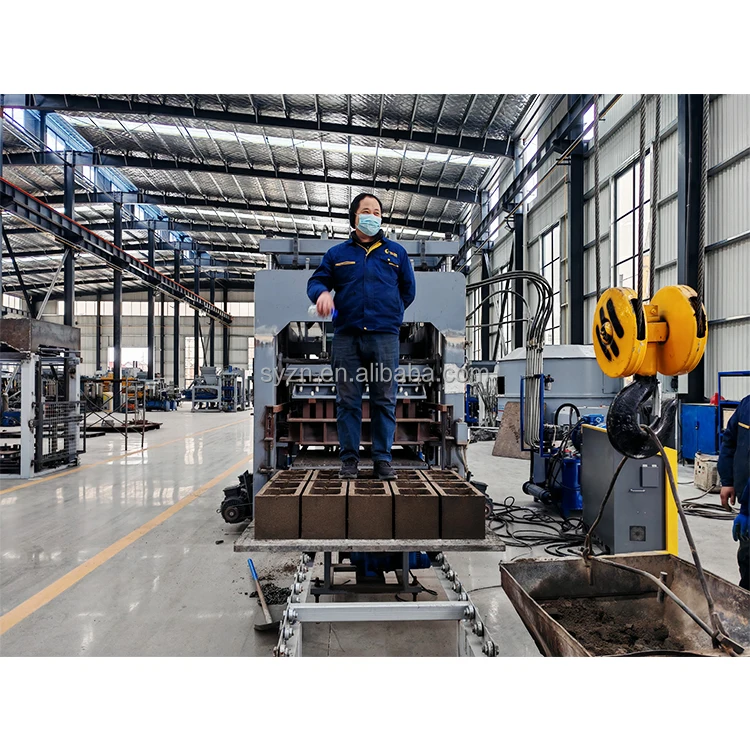
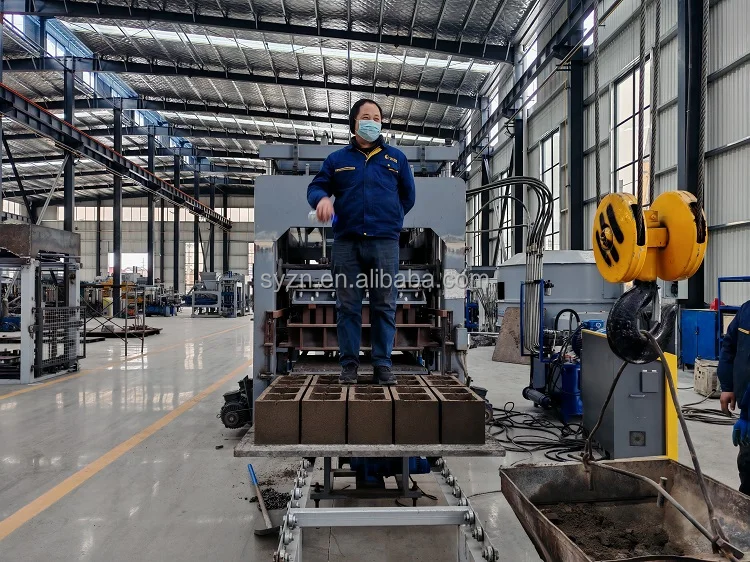
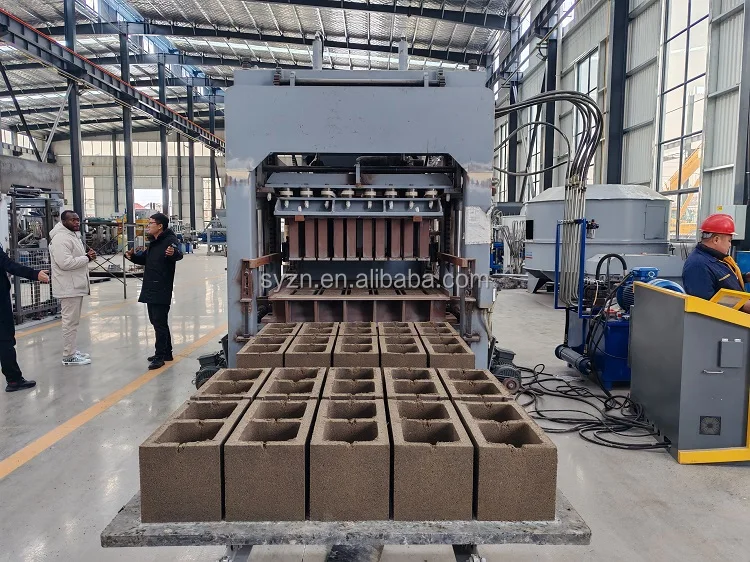
Matched System Configuration — Every QT5-15 block machine is quoted with its mould, pallet, and handling equipment specified as one unit against the buyer’s actual block format and mix design.
Technical Specifications
| Parameter | Value |
|---|---|
| Model | QT5-15 |
| Product Type | Automatic Hydraulic Concrete Block Making Machine |
| Overall Dimensions (L×W×H) | 7400×1950×2800mm |
| Rated Pressure | 21 MPa |
| Main Vibration Form | Platform Vibration |
| Vibration Frequency | 2800–4500 r/min |
| Pallet Size | 1100×550mm |
| Molding Cycle | 15–25s (basis to be confirmed by block format and material) |
| Overall Power | 26.5 kW |
| Demolding Method | Hydraulic |
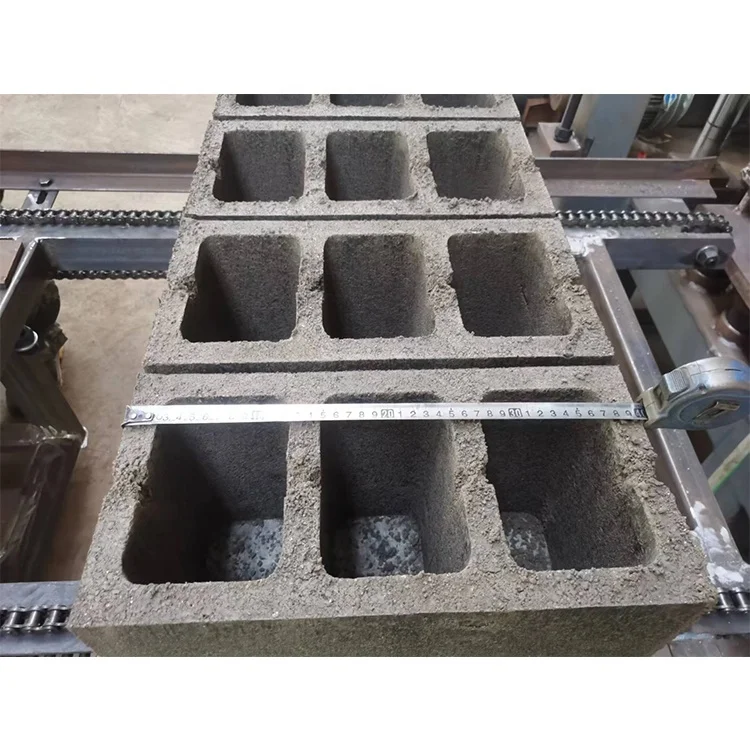
| Output — Hollow Brick 400×200×200mm | 5 pcs/mould, 16–20s cycle, ~1800 pcs/h |
| Output — Hollow Block 400×150×200mm | 6 pcs/mould, 15–20s cycle, ~1300 pcs/h |
| Output — S Paver 225×112.5×60mm | 16 pcs/mould, 15–17s cycle, ~3700 pcs/h |
| Applied Products | Concrete hollow/solid blocks, pavers, interlocking blocks, curbstone, colored pavers |
| Raw Materials | Crushed stone, sand, cement, fly ash, gravel, slag, dust |
| Voltage & Frequency | To be confirmed before production |
| Control System | To be confirmed (PLC brand and display language) |
| Automation Level | To be confirmed (stacking and pallet handling configuration) |
Application Suitability
| Application | Material or Output |
|---|---|
| Hollow block production for building walls | Crushed stone, sand, and cement with fly ash or slag replacement |
| Solid load-bearing block manufacturing | Gravel and cement blends requiring high compaction density |
| S-type paving blocks for driveways and walkways | Fine aggregate and colored pigment mixes on 1100×550mm pallets |
| Interlocking brick for retaining walls | Sand-cement blends with interlocking profile moulds |
| Curbstone and kerb production | Coarse aggregate mixes with hydraulic demolding for clean edge release |
| Colored paver production for landscape projects | Cement, sand, and oxide pigments on smooth-finish pallets |
What "1800 Blocks per Hour" Actually Depends On
The QT5-15 block machine specifications change meaning the moment you name the block format and the raw material feeding your mixer.
I spent years on the assembly floor before moving into technical sales, and the most common call I get from frustrated buyers starts the same way: they were quoted a single output number, and their actual daily production falls far short. With the QT5-15, 1800 pcs/h applies only to a 400×200×200mm hollow brick at a 16–20 second cycle. Switch the mould to a 400×150×200mm hollow block, and you are looking at roughly 1300 pcs/h on a 15–20 second cycle. Move to S pavers at 225×112.5×60mm, and the cycle drops to 15–17 seconds with 3700 pcs/h — a completely different production reality. When the local aggregate has high clay content, the vibration frequency must be tuned or block strength drops noticeably, cutting usable output further. [NEED_CITE: effect of clay content in aggregate on concrete block compressive strength]
Matching Cycle Time to the Block Format Your Market Buys
Every market has a dominant block format, and the QT5-15 block machine specifications only matter once you anchor them to that format. The 15–25 second molding cycle range covers everything from lightweight hollow blocks that release quickly to dense interlocking pavers that need full hydraulic pressure dwell time. What separates a realistic production plan from an optimistic one is knowing which end of that cycle range your target block occupies. The platform vibration system operating between 2800 and 4500 r/min is adjustable, so the energy delivered into the mould matches the density your block format demands rather than running at a single default setting.
Why Pallet Size Decisions Happen Before the Order Is Signed
The 1100×550mm pallet size on the QT5-15 determines not only what fits in the press but what fits in your curing area, on your racks, and under your forklift tines. Buyers who confirm pallet dimensions against their existing curing infrastructure before signing avoid a situation where blocks are produced efficiently but sit on pallets that do not stack properly in the yard. Pallet material — whether bamboo, PVC, or steel — also influences block surface finish and lifespan in the curing environment. This is a configuration conversation, not an afterthought. [NEED_CITE: pallet material selection for concrete block curing environments]
Reading the Specifications Table for Production Impact
The 21 MPa rated hydraulic pressure and platform vibration together determine how tightly compacted each block leaves the mould. Higher pressure with insufficient vibration leaves weak cores in tall hollow blocks; strong vibration with low pressure produces blocks that crumble at the edges during demolding. The QT5-15 balances these forces, but the correct balance point shifts depending on whether your mix is heavy on crushed stone or fly ash. The 26.5 kW overall power rating covers the hydraulic pump, vibration motor, and conveyor drives running simultaneously — undersizing the electrical supply at the plant causes intermittent pressure drops mid-cycle. Hydraulic demolding ensures clean release across formats from hollow block to curbstone, reducing surface damage that would otherwise send blocks to the waste pile.
The Cost of Skipping Format-Level Capacity Planning
When a buyer receives a quotation that lists only total daily output without specifying the assumed block format, the machine may arrive and produce far fewer saleable blocks than the project schedule requires. I have seen this play out: a contractor committed to a housing project timeline based on a single output figure, then discovered his local market needed a different block size entirely, and the cycle time for that format cut his hourly production substantially. The mismatch between quoted capacity and real-world output delays construction milestones and forces overtime shifts to catch up. [NEED_CITE: construction project delays from underestimated block production capacity]
What Comes Standard in a SHIYUE Configuration
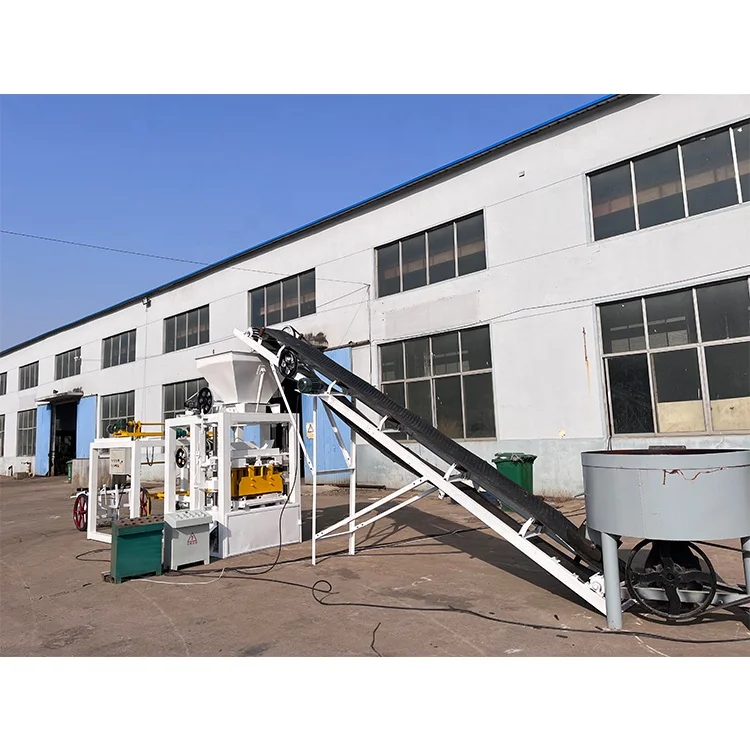
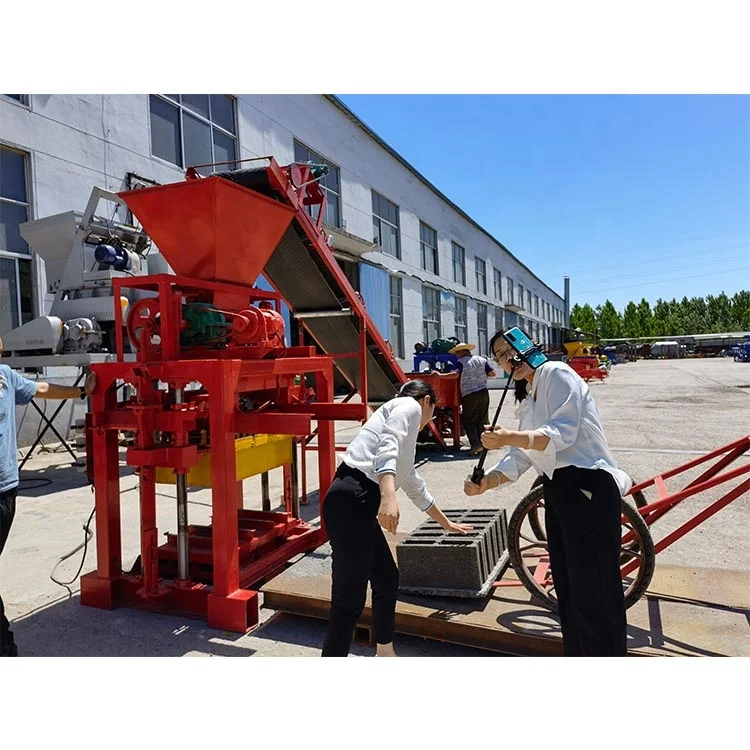
Block machinery is our single focus, which means the QT5-15 is never quoted as a standalone press. The machine, mould, pallet, and handling equipment are specified together against your target block format. Configuration is set against your actual mix design and local aggregate, not a catalogue default — the vibration frequency and hydraulic pressure are tuned before the machine leaves the factory. Mould design covers the formats your market actually sells, and custom moulds can be built to your drawings if your region uses non-standard dimensions. The automation level is selectable, so a buyer can start with semi-automatic pallet handling and add automatic stacking later as production volume grows. Installation support includes operator training so the crew understands cycle time adjustments and mould change procedures from day one.
Documentation & Verification
- Line layout and capacity calculation stating the exact block format assumed for the QT5-15
- Mould drawing and format list confirming every block size included in your order
- Pallet specification sheet cross-referenced against your curing rack dimensions and forklift capacity
- Voltage, frequency, and PLC display language confirmation signed off before production begins
- Factory test record showing cycle time and block output for your specified format
- Hydraulic and electrical schematic for local maintenance teams
Installation, Commissioning & Support
- Foundation requirements for the QT5-15 footprint of 7400×1950mm with vibration isolation provisions
- Dedicated power circuit sized for the 26.5 kW total draw at your confirmed voltage and frequency
- Machine dismantling for container loading with reassembly guidance at your site
- First-run commissioning with vibration frequency and hydraulic pressure tuned to your local mix
- Operator training covering mould change procedures and cycle time adjustment by block format
- Wear parts and mould maintenance schedule aligned with your production volume
Preparing Your Inquiry
To move from general specifications to a firm configuration, share the block format your market sells most, the daily output your project requires, and the raw materials available locally including aggregate type and any fly ash or slag you plan to use. Confirm your site voltage, frequency, and preferred PLC display language so the control system is built correctly before shipment. If you have existing curing racks or forklifts, send the dimensions so the pallet size is verified against your infrastructure.
Frequently Asked Questions
Q: How is QT5-15 capacity calculated per block format, and why does output differ between hollow block and paver?
A: Capacity is calculated by dividing available production minutes per hour by the molding cycle for each specific format. The QT5-15 produces 5 hollow bricks per mould at a 16–20 second cycle but 16 S pavers per mould at 15–17 seconds, which is why hourly output varies. Each format must be quoted separately with its own cycle time.
Q: Which mould formats are available for the QT5-15, and can you design custom moulds?
A: Standard moulds cover hollow blocks, solid blocks, S pavers, interlocking bricks, and curbstones. Custom moulds can be engineered to buyer drawings for non-standard dimensions that your local market requires. The platform vibration and 21 MPa hydraulic pressure accommodate a wide range of mould sizes within the 1100×550mm pallet envelope.
Q: How do I confirm the pallet size matches my existing curing racks and forklift?
A: The standard 1100×550mm pallet must be checked against your curing rack shelf width and forklift tine spacing before the order is finalized. Share your rack and forklift dimensions during inquiry, and the pallet specification will be confirmed or adjusted to match your existing yard infrastructure.
Q: What raw material mixes work with the QT5-15, and how is vibration adjusted?
A: The machine handles crushed stone, sand, cement, fly ash, gravel, slag, and dust in various proportions. Vibration frequency is adjustable between 2800 and 4500 r/min, and the correct setting depends on your aggregate type and desired block density. Configuration is finalized after reviewing your local material sample and mix proportions.
Q: What documentation verifies cycle time and electrical specifications before shipment?
A: A factory test record shows actual cycle time and output for your specified block format. Voltage, frequency, and PLC display language are confirmed in writing before production. Hydraulic and electrical schematics are included so your local team can service the QT5-15 block machine specifications without waiting for overseas support.