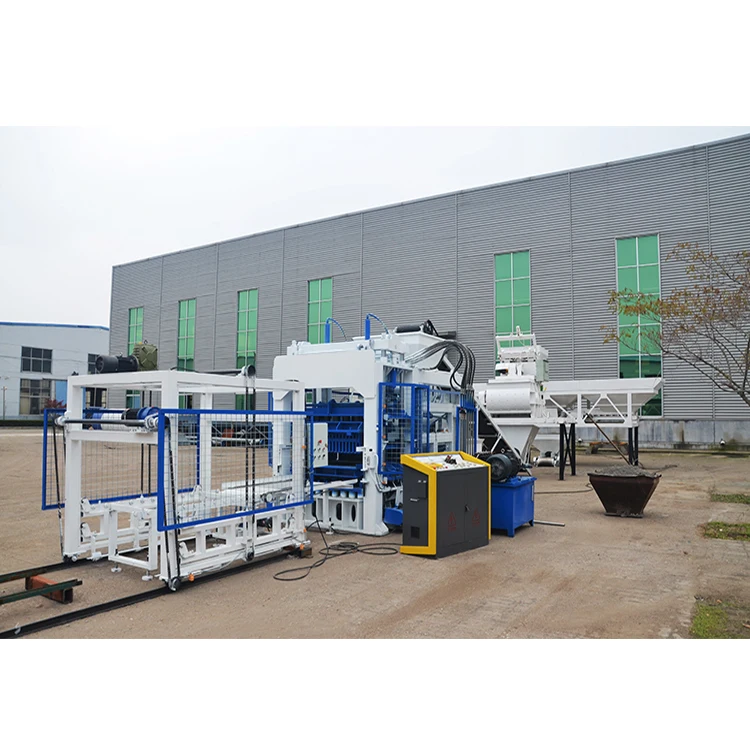
Description
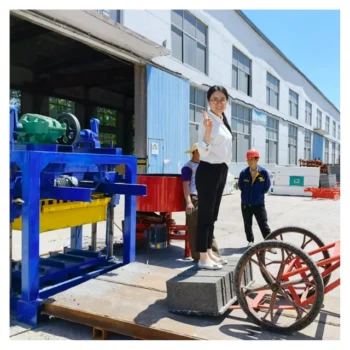
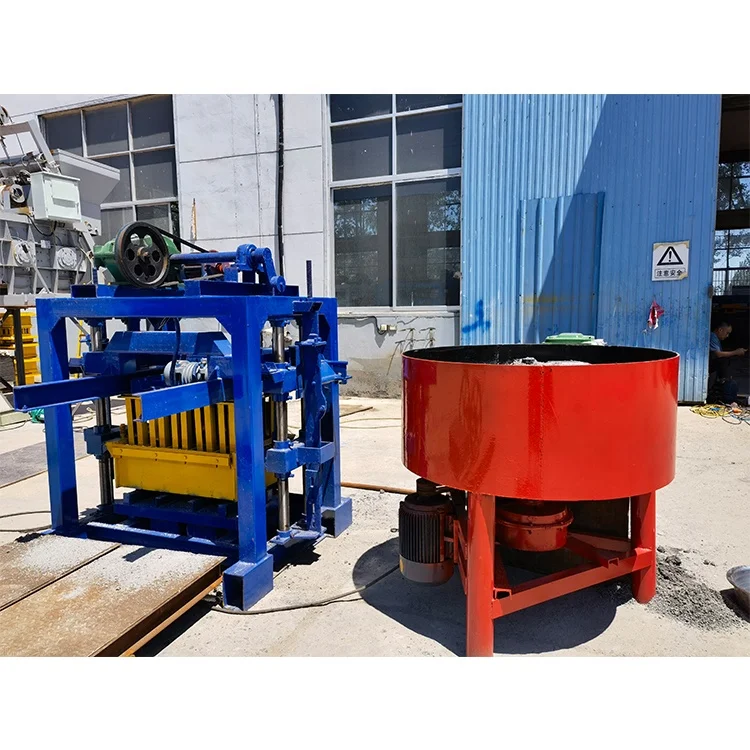
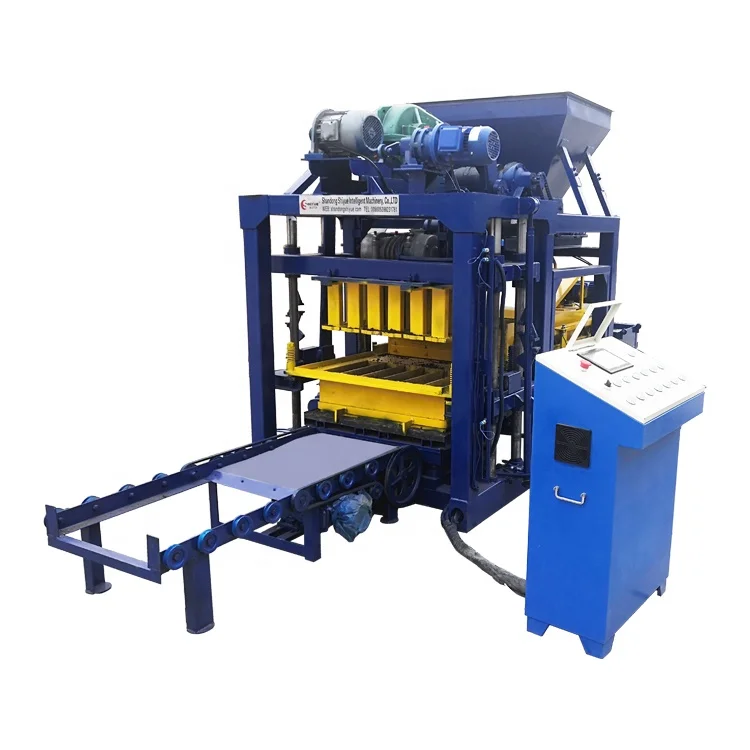
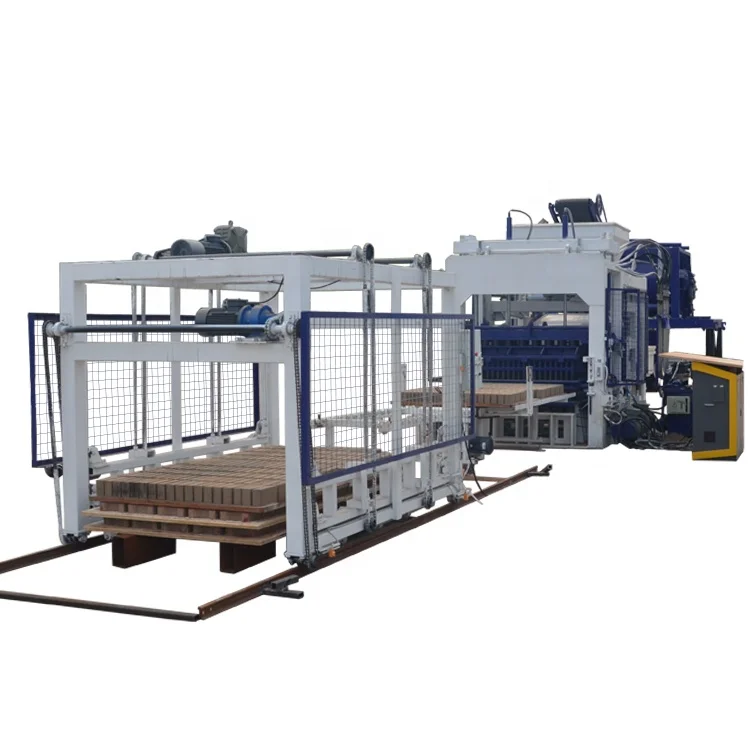
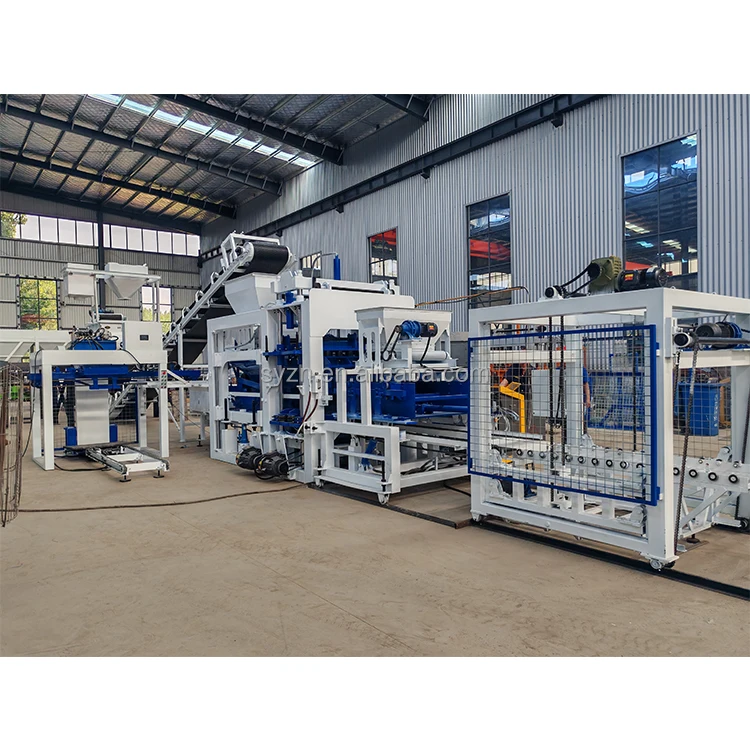
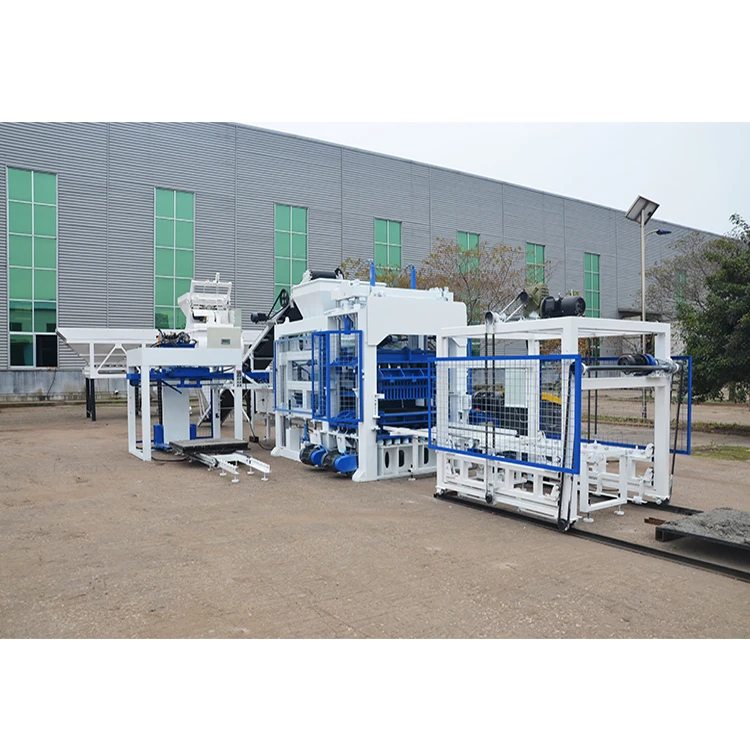
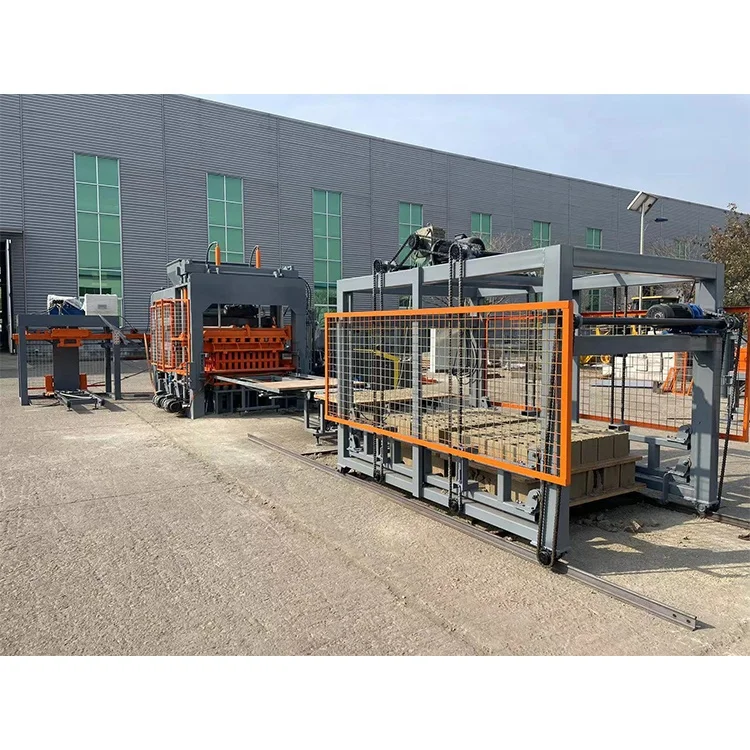
Matched System Integrity — The QT10-15 is configured as one line where press, mould, pallet and feeder are sized to the same format and cycle range, not sourced from separate catalogues.
Technical Specifications
| Parameter | Value |
|---|---|
| Model | QT10-15 |
| Product Type | Concrete Block Making Machine |
| Vibration Mode | Vertical station mode resonance with automatic FM-AM tuning |
| Mould Change | Quick replacement system for multi-format production |
| Hydraulic System | Independent integrated hydraulic station, isolated from host vibration and dust |
| Control System | PLC control cabinet |
| Automation Level | Automatic |
| Components Included | Pallet feed machine, block making machine, storage hopper, conveyor, hydraulic unit, PLC cabinet |
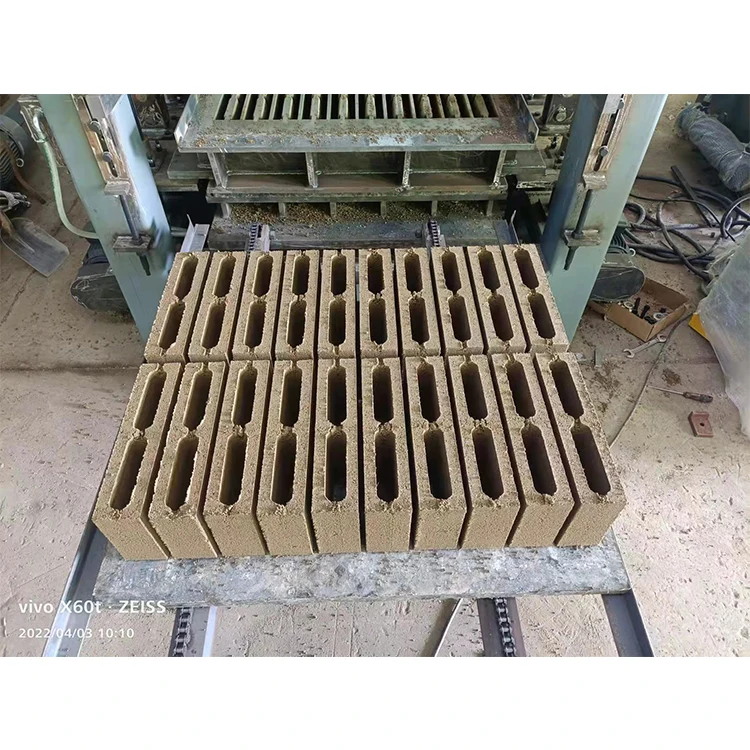
| Output Capacity | 1,800–2,400 pcs/h based on 400×200×200 mm hollow block, 10 pcs/mould, 15–20 s cycle |
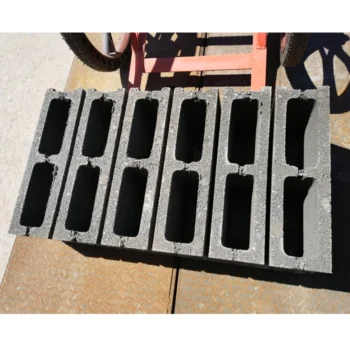
| Output Capacity | 2,160–2,880 pcs/h based on 400×150×200 mm hollow block, 12 pcs/mould, 15–20 s cycle |
| Output Capacity | 8,928–11,160 pcs/h based on 240×115×53 mm solid brick, 62 pcs/mould, 15–20 s cycle |
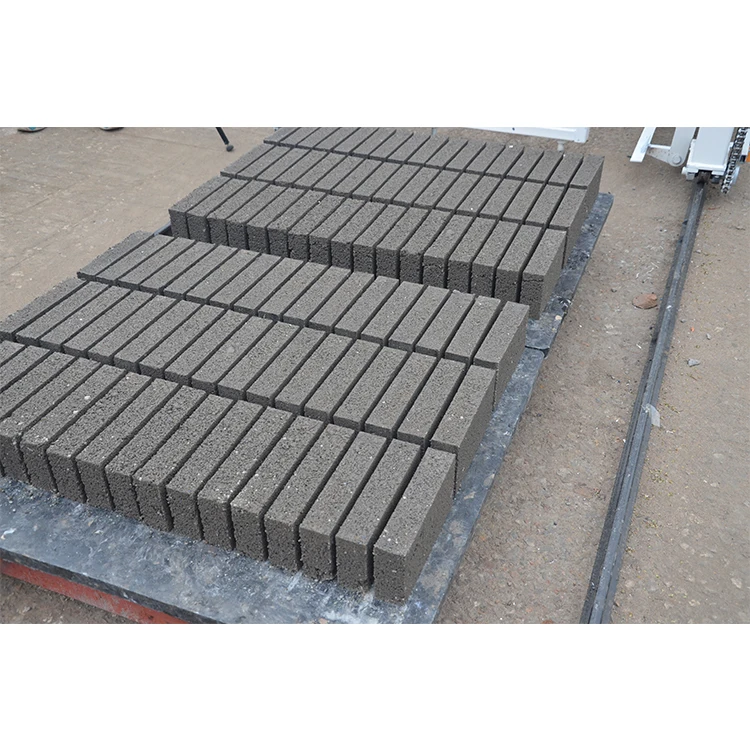
| Output Capacity | 5,184–6,480 pcs/h based on 200×100×60 mm paving block, 27 pcs/mould, 20–25 s cycle |
| Output Capacity | 4,032–5,040 pcs/h based on 225×112.5×60 mm interlocking brick, 24 pcs/mould, 20–25 s cycle |
| Cycle Time | 15–20 s for hollow blocks and solid bricks |
| Cycle Time | 20–25 s for paving and interlocking blocks |
| Warranty | 1 year for the whole machine, excluding spare parts |
Application Suitability
| Application | Material or Output |
|---|---|
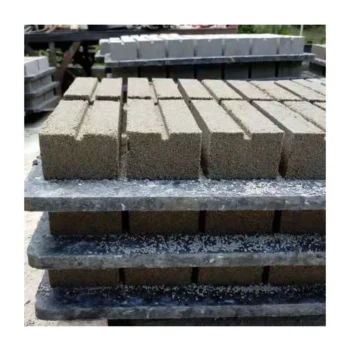
| Hollow block production | Crushed stone, sand, cement and water mixes for structural and partition walls |
| Solid brick production | Fine aggregate and cement blends for load-bearing masonry |
| Paving block production | High-density aggregate mixes for pedestrian and light-traffic surfaces |
| Interlocking brick production | Graded sand-cement mixes for dry-laid retaining walls and landscaping |
| Multicellular brick production | Lightweight aggregate or standard mixes for thermal insulation walls |
What "High-Capacity Block Machine" Leaves Out of the Conversation
A headline capacity figure means nothing until you know which block format, mould cavity count and cycle time produced it.
Too many quotations list a single pieces-per-hour number without naming the format behind it. When the machine arrives and the buyer starts running 400×200×200 mm hollow blocks instead of the small solid brick the figure assumed, actual output drops sharply and the project schedule slips. The QT10-15 block machine specifications address this by tying every output figure to a named format, cavity count and cycle range so daily revenue projections hold up once production begins. [NEED_CITE: common discrepancies between quoted and actual block plant output]
Per-Format Output Transparency
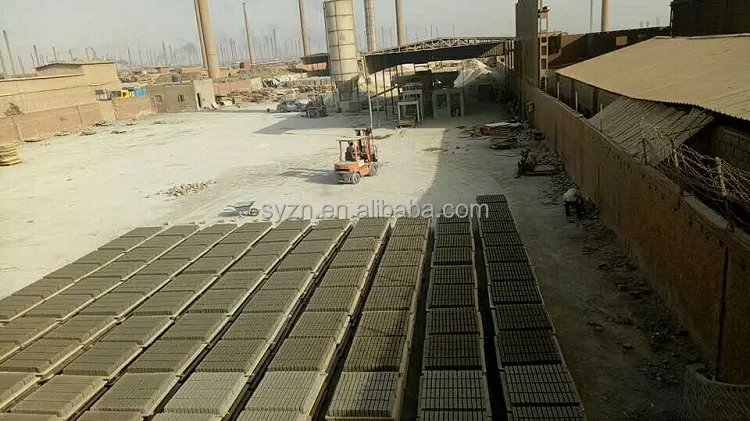
Every capacity row in the specification table above names the block dimensions, the number of cavities per mould, and the cycle window. A buyer producing 400×200×200 mm hollow blocks with 10 cavities per mould at a 15–20 second cycle can plan around 1,800 to 2,400 pieces per hour. Switch to 200×100×60 mm paving blocks with 27 cavities and a 20–25 second cycle, and the same QT10-15 block machine delivers 5,184 to 6,480 pieces per hour. This format-by-format breakdown removes guesswork when sizing the plant against confirmed orders.
Matching Vibration to Mix Design
The vertical station mode resonance system uses automatic FM-AM vibration tuning to adapt to different block densities and aggregate gradations. A mix heavy in coarse crushed stone needs a different vibration profile than a fine-sand paving mix. When the vibration force and frequency are aligned with the actual raw material available at the job site, block strength stays consistent across shifts instead of drifting as the aggregate source varies. [NEED_CITE: influence of vibration frequency on concrete block compressive strength]
Reading the Specs That Matter on the Shop Floor
The independent integrated hydraulic station sits apart from the main press frame, which keeps hydraulic oil cleaner and seals intact over long production runs. Dust and vibration from the mould box are the primary causes of premature valve wear in block machines, so isolation directly extends service intervals. The PLC control cabinet centralises cycle timing, vibration frequency and pressure settings, letting operators store recipes for each block format and recall them at the start of a shift. Pallet size determines how many blocks cure per square metre of yard space; confirming the pallet dimensions before shipment ensures compatibility with the curing area and forklift already on site. Quick mould replacement hardware allows a format change within the same shift, preserving the flexibility the buyer pays for when ordering multiple mould sets.
The Real Cost of Skipping Format-Level Verification
When vibration force and hydraulic pressure are set to a default catalogue value rather than the buyer’s actual mix, block strength can fall below local building code requirements. I once saw a shipment arrive in a region using volcanic aggregate; the standard settings could not compact the lighter material properly, and the first two weeks of production yielded blocks that failed compression tests. Re-tuning the machine on site burned through labour hours and delayed delivery to the contractor. [NEED_CITE: aggregate density variation and its effect on block forming pressure]
Why Sourcing the Line as One System Matters
Block machinery remains the single focus here, which means the press, mould, pallet and handling equipment are specified together rather than assembled from unrelated suppliers. Configuration is set against the buyer’s actual mix design, local aggregate and target block format. Mould design covers the formats the buyer’s market actually sells, with custom drawings available. Automation level is selectable so a semi-automatic start can move to full automatic stacking later without replacing the press. Documentation includes a capacity calculation that states the block format assumed for every output figure.
Documentation & Verification
- Line layout and capacity calculation stating block format assumed for each output row
- Mould drawing and format list confirming cavity count per mould shipped
- Machine specification sheet with hydraulic and vibration values matched to buyer’s aggregate
- Voltage, frequency and PLC display language confirmation recorded before production
- Factory test record on buyer’s sample raw material before dispatch
- CE declaration documentation provided where applicable
Installation, Commissioning & Support
- Foundation plan accounts for press vibration load and pallet feeder footprint
- Dedicated electrical circuit sized for the hydraulic unit and PLC cabinet draw
- Machine arrives in dismantled state with reassembly supervised on site
- First-run parameter tuning against buyer’s local aggregate and target block strength
- Operator training covers PLC recipe storage and quick mould change procedure
- Wear parts list identifies hydraulic seals and vibration springs for reorder planning
What to Include with Your Enquiry
Send the block formats your market buys most, the daily output target per format and the raw materials available locally. Include your site voltage and frequency along with the preferred PLC display language so the QT10-15 block machine specifications can be locked before production starts. If you already operate a curing yard or forklift, provide pallet dimensions so the feeder and pallet size are matched to what you have.
Frequently Asked Questions
Q: How is daily output calculated for my specific block format and shift length?
A: Output is calculated by multiplying the pieces per mould by the number of cycles achievable in your shift length, using the cycle time range stated for that exact format. Provide your target block dimensions and shift hours, and a capacity sheet will be returned showing the realistic daily figure rather than a generic headline number.
Q: What mould formats are included, and what is the mould change time on the QT10-15?
A: The moulds shipped with the machine match the formats confirmed during the enquiry stage. The quick replacement system allows a trained operator to remove one mould set and install another within a single shift, preserving production time when switching between hollow block, paving block or solid brick formats.
Q: How are vibration force and hydraulic pressure matched to my local aggregate and mix design?
A: Before production, a sample of the buyer’s actual aggregate and cement mix is tested to determine the vibration frequency and hydraulic pressure needed to achieve target block density. Those values are then programmed into the PLC as a stored recipe, ensuring consistent block strength from the first cycle onward.
Q: What pallet size does the QT10-15 use, and is it compatible with my existing curing area?
A: Pallet size is confirmed during the configuration stage based on the buyer’s curing yard dimensions and forklift capacity. Matching pallet size before shipment avoids situations where delivered pallets do not fit existing curing racks or handling equipment on site.
Q: What voltage, frequency and PLC language options are confirmed before shipment?
A: Voltage, frequency and PLC display language are written into the order confirmation and verified before production begins. This step prevents commissioning delays that occur when a machine arrives wired for a voltage or frequency that does not match the local supply standard.