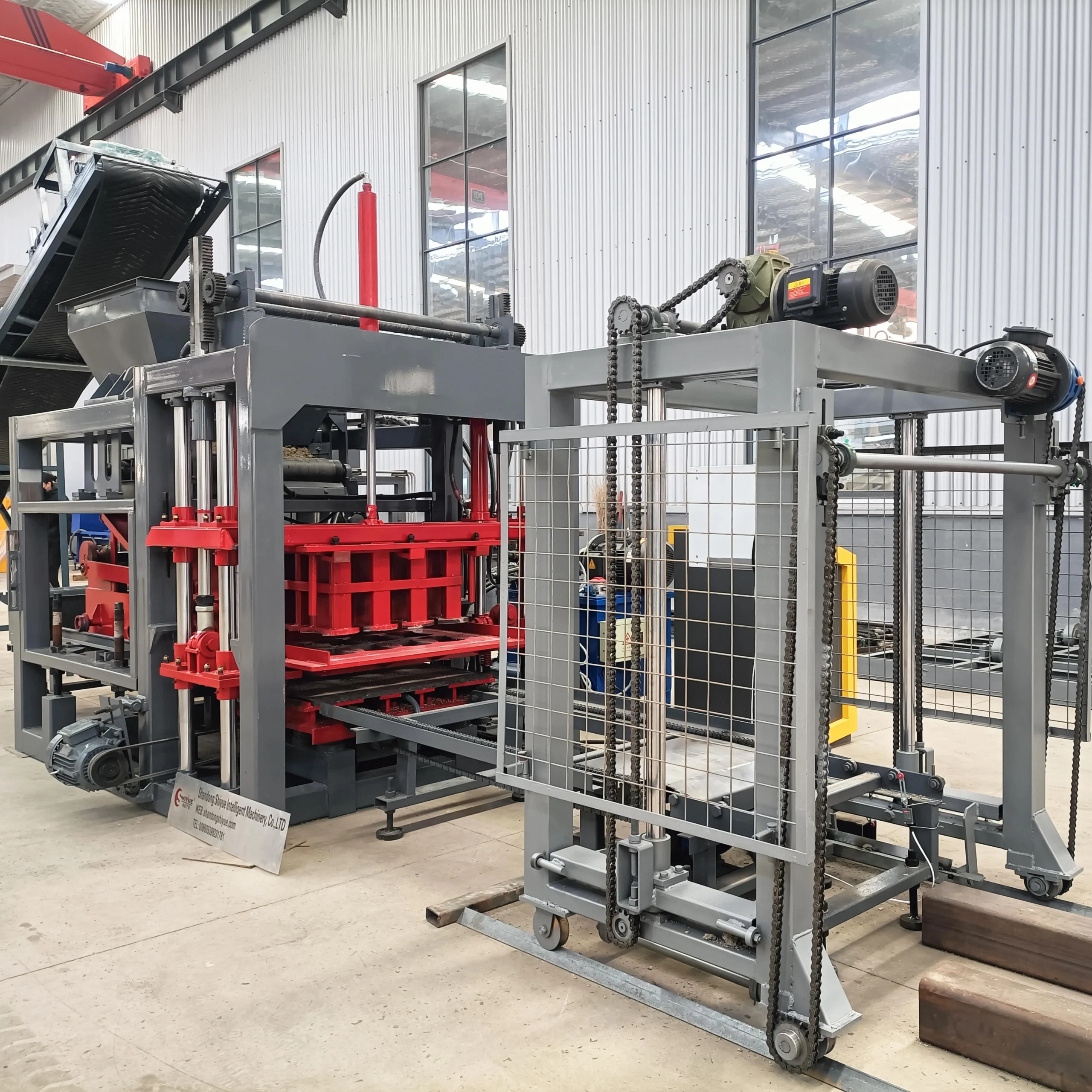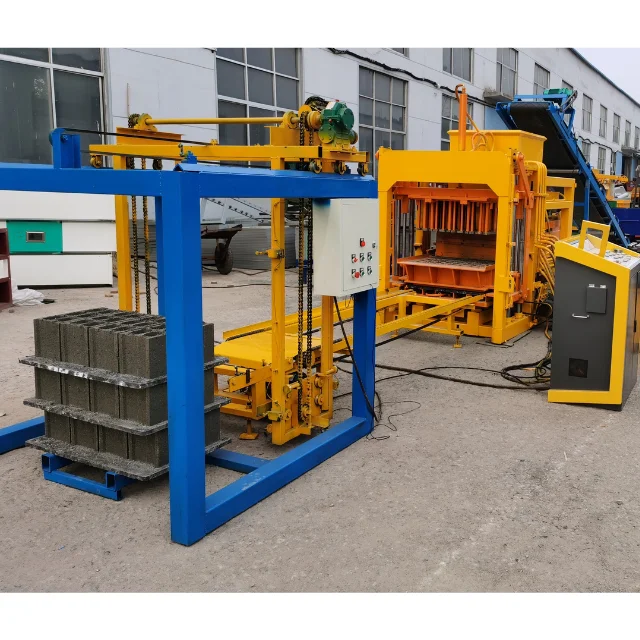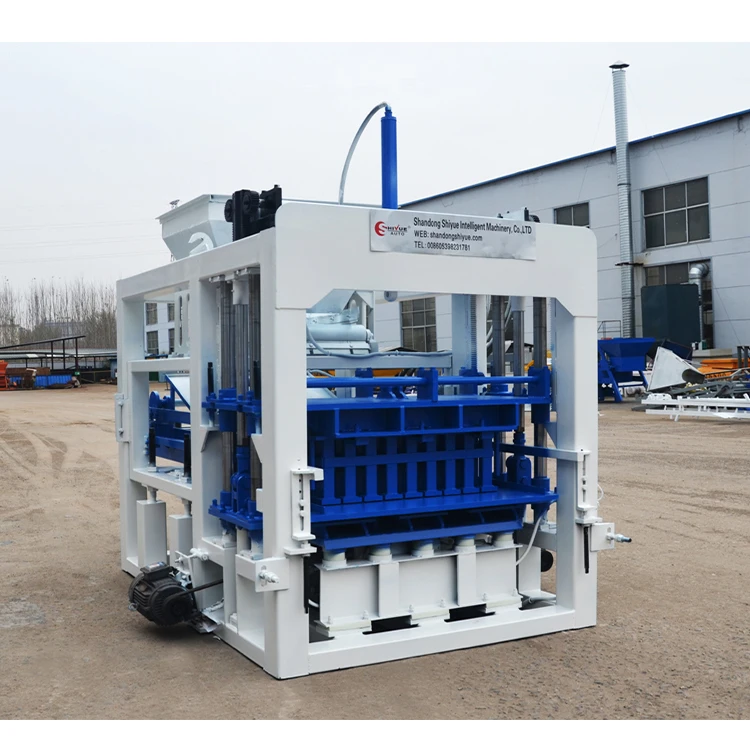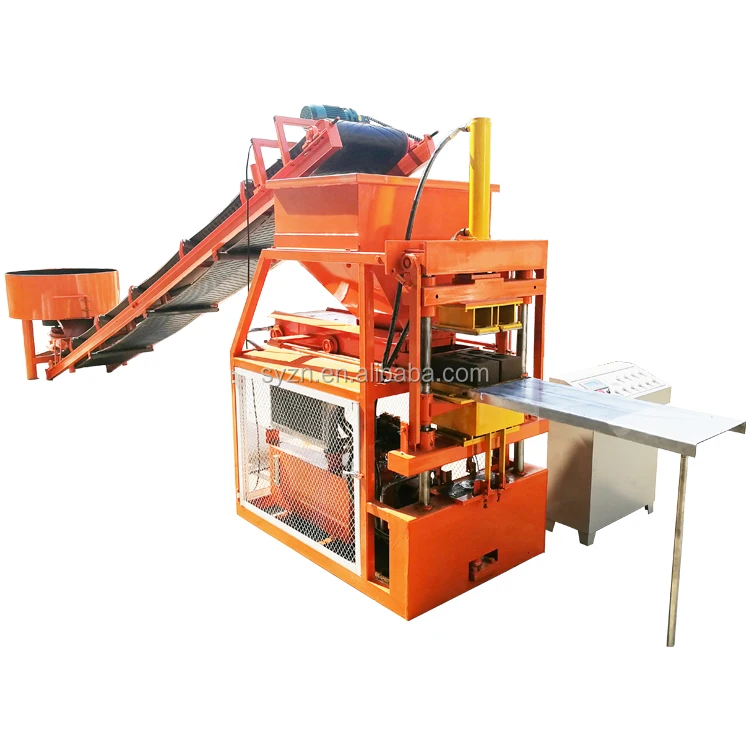
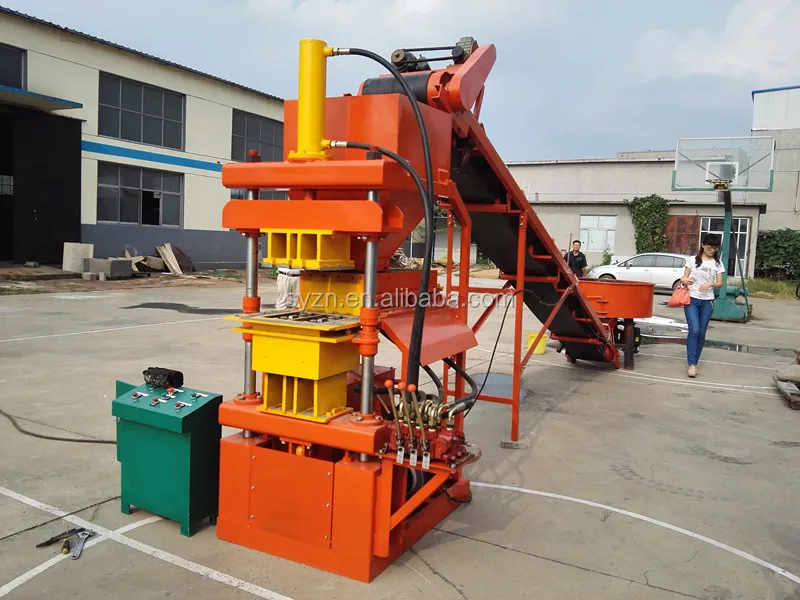
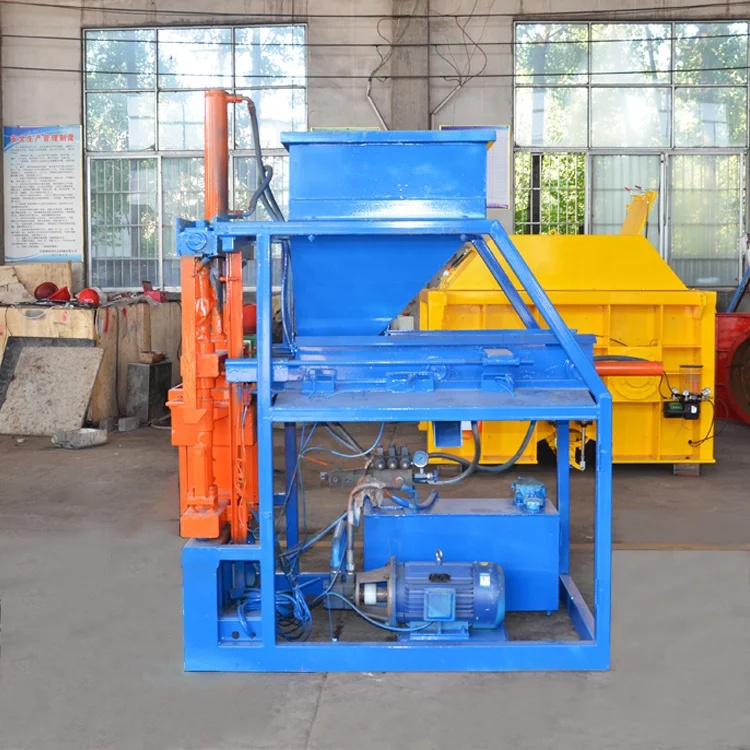
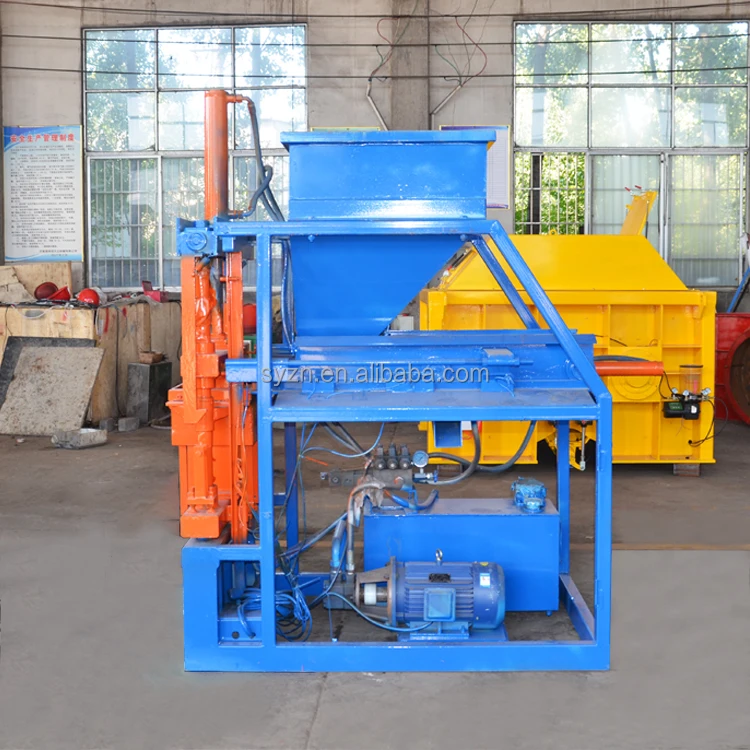

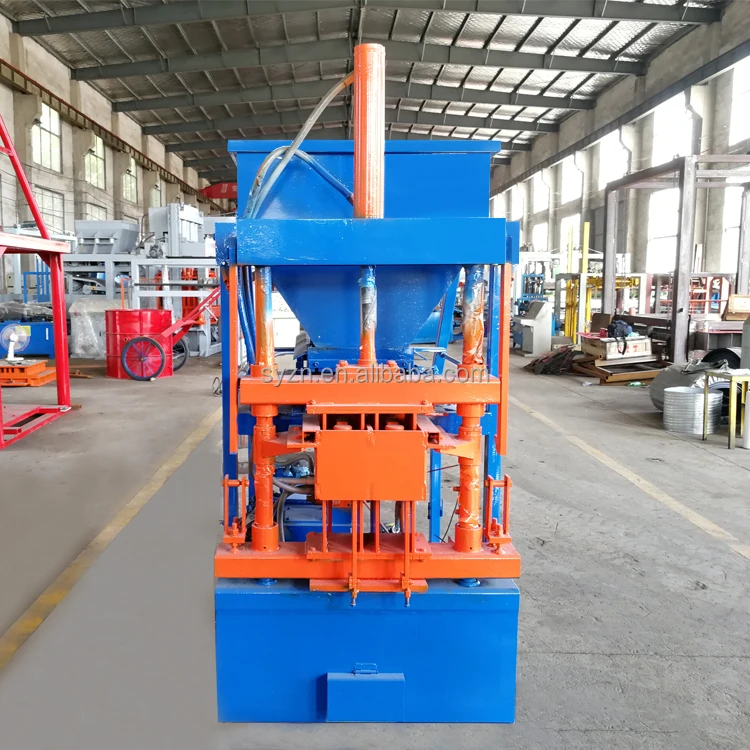
Description
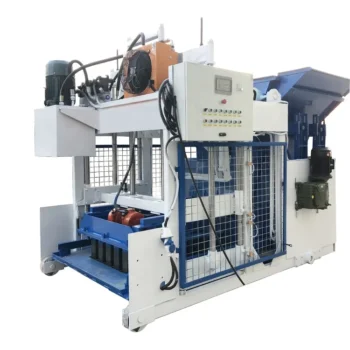
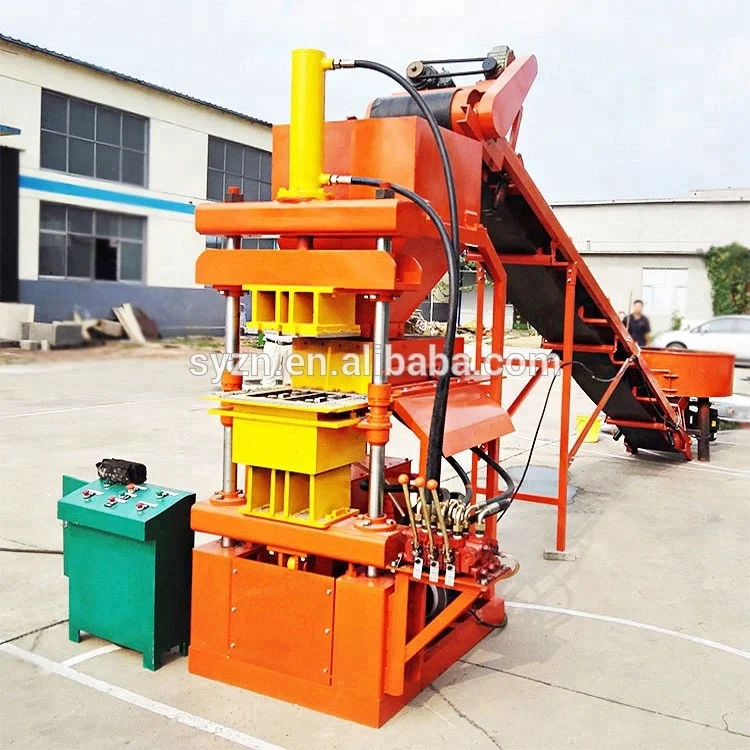
Mould-Matched Sizing — every output figure for the LY2-10 is tied to a specific interlocking brick dimension and cavity count, not a generic cycle rate.
Technical Specifications
| Parameter | Value |
|---|---|
| Model | LY2-10 |
| Product Type | Clay Interlocking Brick Making Machine |
| Rated Power | 7.5 kW |
| Control System | Semi-automatic |
| Overall Dimensions (L×W×H) | 1300×1800×2400 mm |
| Molding Cycle | 10 s |
| Output Capacity | 6000 pcs/8h (basis not stated in source — confirm block format / material / thickness) |
| Raw Materials | Clay, soil, earth, mud, concrete, cement, fly ash, etc. |
| Mould Format Examples | 300×150×100 mm, 250×125×75 mm, 230×220×115 mm |
| Output per Format | 750 pcs/h or 6000 pcs/8h (based on 1 pc/mould) |
| Automation Level | Semi-automatic |
| Assembly State | Stationary |
| Standards | CE (declaration where applicable) |
Application Suitability
| Application | Material or Output |
|---|---|
| Small to medium interlocking brick plants | Clay and soil mixes with cement stabilisation |
| On-site construction block production | Locally sourced earth, mud and fly ash blends |
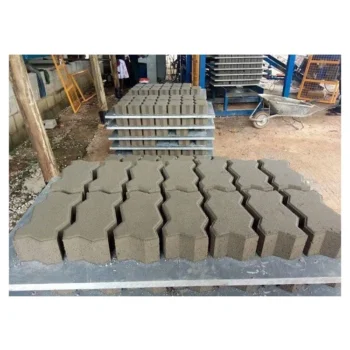
| Format expansion for existing product ranges | Cement-based interlocking paver and wall brick mixes |
| Housing project block supply | Soil-cement interlocking brick formats for load-bearing or infill walls |
What "6,000 Pieces per Shift" Actually Means for Your Format
The number only holds if your target block matches the mould and cycle assumption behind it.
I have stood on sites where a machine was sold on a headline capacity, and the buyer discovered after commissioning that their actual format — slightly thicker, or with a different interlocking profile — added seconds to every cycle. Over an eight-hour shift, those seconds turn into thousands of missing pieces. With the LY2-10 clay interlocking brick machine specifications, the 750 pcs/h figure is calculated on a single-cavity mould producing one brick per 10-second cycle. If your market demands a format that requires a different cavity layout or a longer press time for adequate compaction, the realistic daily output shifts accordingly [NEED_CITE: capacity calculation methods for block making machinery]. Always ask for the capacity sheet broken down by your exact block dimension before signing.
Cycle Time and Mould Format Matching
The 10-second molding cycle is the baseline for a standard interlocking brick profile in a clay or soil-cement mix. When you switch to a denser mix with higher cement content or a more complex interlocking geometry, the vibration and press sequence may need adjustment, which extends the cycle. The clay interlocking brick machine specifications list three reference formats — 300×150×100 mm, 250×125×75 mm, and 230×220×115 mm — each running one piece per mould. This means format selection directly governs your hourly throughput, and choosing the right mould at the ordering stage is critical.
Raw Material Flexibility and Mix Verification
The LY2-10 accepts clay, soil, earth, mud, concrete, cement, and fly ash as raw materials. That range is broad, but each material behaves differently under vibration and hydraulic pressure. A laterite-rich soil compacted at one moisture content will produce a very different block strength than a sandy loam at the same setting. Before the machine is configured, your actual local material should be tested to confirm the mix design and the vibration force required [NEED_CITE: soil-cement mix design standards for interlocking brick production]. Skipping this step is one of the most common reasons blocks fail compression tests on arrival.
Reading the Specification Sheet Honestly
Three parameters on the LY2-10 spec sheet deserve close attention. The 7.5 kW rated power tells you the electrical supply requirement and the motor capacity available for vibration and hydraulic functions; undersizing your site supply causes inconsistent compaction. The 1300×1800×2400 mm overall dimensions define the machine footprint and the clearance needed for mould changes and maintenance access. The semi-automatic control system means an operator manages pallet placement and brick removal, which affects your labour planning and the actual sustained cycle time across a full shift. Understanding these three values together — power, footprint, and automation level — gives you a realistic picture of what the machine needs from your site.
The Cost of Ignoring Pallet and Curing Layout
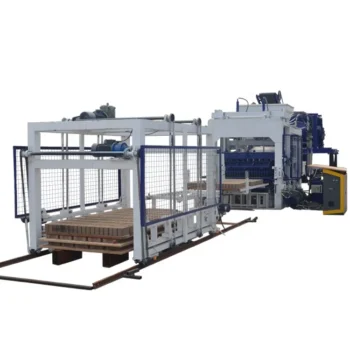
A semi-automatic machine like the LY2-10 depends on smooth pallet flow to maintain its cycle rhythm. If the pallet size does not match the curing racks and forklifts already on your site, operators spend time repositioning blocks by hand, and the press sits idle. I have seen plants where the curing area was too far from the machine, and wet interlocking bricks were damaged in transit before they reached the rack [NEED_CITE: pallet handling best practices for semi-automatic block plants]. Confirming pallet dimensions and material against your existing infrastructure before the machine ships avoids this bottleneck entirely.
Why This Machine Is Configured Around Your Product, Not a Catalogue Default
The LY2-10 is offered with moulds matched to the interlocking formats your market actually buys, rather than a single standard mould shipped to every buyer. The machine, mould, and pallet are specified as one system so that cycle time, compaction force, and block dimensions align from the first production run. Configuration is set against your local aggregate and target mix, not a generic setting. Mould design supports custom profiles when your project specifies a non-standard interlocking geometry. Documentation includes a capacity calculation that names the exact block format behind every output figure.
Documentation & Verification
- Line layout with capacity calculation tied to your chosen interlocking brick format
- Mould drawing confirming cavity count and block dimensions before production
- Machine specification sheet stating cycle time per format, not a single blanket number
- Voltage, frequency, and control language confirmation signed off before build
- Factory test record on your target mix and block format before dispatch
- Operation and maintenance manual covering mould change and wear part replacement
Installation, Commissioning & Support
- Foundation pad sized to the 1300×1800 mm footprint with anchor bolt layout provided
- Dedicated 7.5 kW circuit with voltage and frequency confirmed to your local grid standard
- Machine shipped stationary and assembled on-site with alignment checked before first run
- Semi-automatic control system commissioned with operator training on cycle start and pallet handling
- Mould change procedure demonstrated on your specific interlocking brick format
- Wear parts list supplied with recommended replacement intervals for vibration and hydraulic components
What to Share When You Open an Inquiry
To size the LY2-10 accurately, provide the interlocking brick format your market sells, including exact dimensions and required block strength. Share a sample or description of your local clay or soil so the mix design can be verified against the machine’s vibration and pressure settings. Confirm your site voltage, frequency, and preferred control language so the electrical system is built correctly before shipment.
Frequently Asked Questions
Q: How is the 6,000 pcs/8h capacity verified, and which block format does it assume?
A: That figure is calculated on a single-cavity mould producing one brick per 10-second cycle over an eight-hour shift. The exact block format behind the calculation must be confirmed against your target product. If your format differs in size or compaction requirement, the realistic output will shift. Always request a capacity sheet tied to your specific mould drawing.
Q: What mould formats are available, and how long does a mould change take?
A: Reference formats include 300×150×100 mm, 250×125×75 mm, and 230×220×115 mm, each one piece per mould. Custom profiles are available to buyer drawings. Mould change on the semi-automatic LY2-10 is a manual procedure; the time depends on operator familiarity and whether the replacement mould is pre-staged beside the machine.
Q: Can the machine be configured for my local clay or soil mix design?
A: Yes. The LY2-10 accepts clay, soil, earth, cement, and fly ash blends, but vibration and pressure settings must match your specific material. Providing a sample of your local aggregate before ordering allows the configuration to be verified, ensuring the blocks meet your strength requirements from the first production run.
Q: What pallet size is required, and is it matched to my existing curing area?
A: Pallet dimensions are selected based on the mould format and must align with your curing racks and forklift capacity. Confirming your existing pallet handling infrastructure before the machine ships prevents mismatches that slow production and risk damaging wet interlocking bricks during transfer.
Q: Are voltage, frequency, and control language confirmed before shipment?
A: These are confirmed during the ordering process and locked before production begins. The 7.5 kW motor and semi-automatic control system are built to your local grid specification, and the operating language is set to your preference so commissioning is not delayed by electrical or interface mismatches on arrival.