

Description
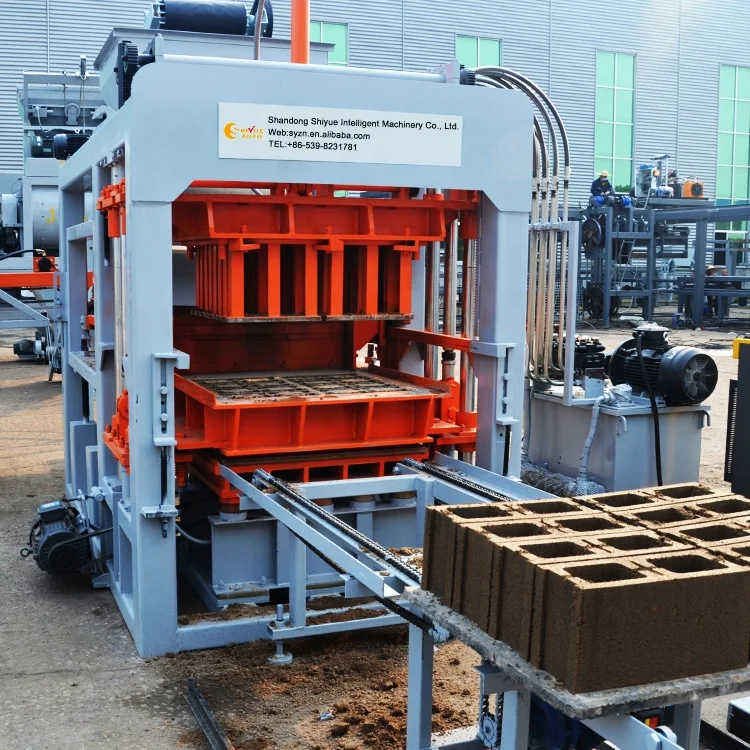
Matched System Sizing — every mould, pallet and hydraulic setting is confirmed against your block format and local aggregate before the QT6-15 leaves the factory.
Technical Specifications
| Parameter | Value |
|---|---|
| Model | QT6-15 |
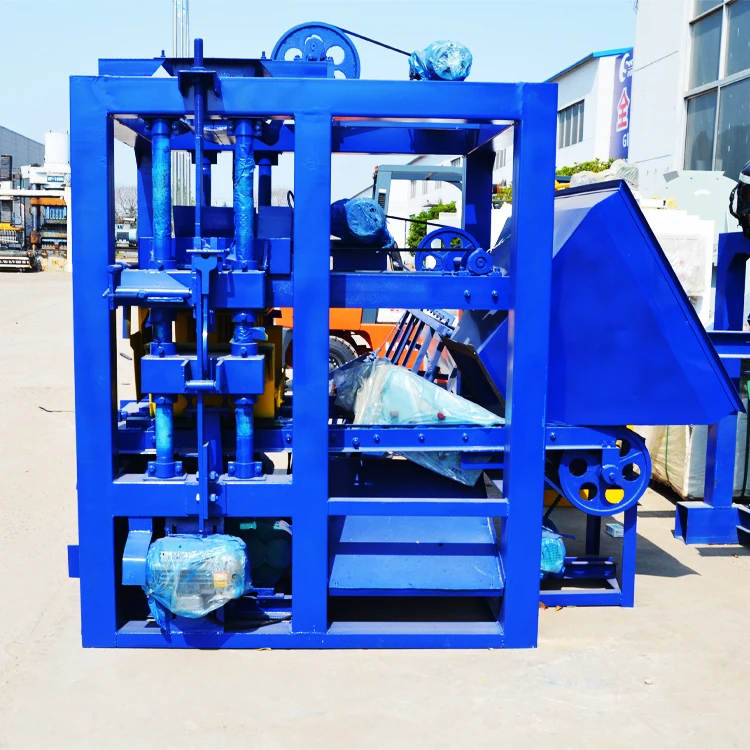
| Product Type | Automatic Hydraulic Vibrating Concrete Block Making Machine |
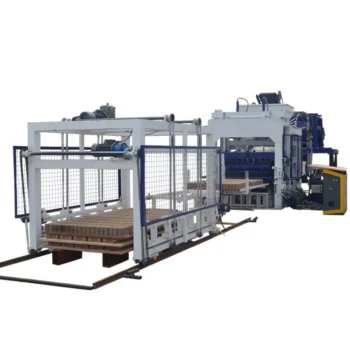
| Overall Dimensions (L×W×H) | 7400×1900×2660 mm |
| Molding Cycle | 15–25 s depending on block format and mix |
| Vibration Frequency | 4600 r/min |
| Exciting Power (Vibration Force) | 40–50 kN |
| Total Power | 31.25 kW |
| Mixer Model | JQ350 |
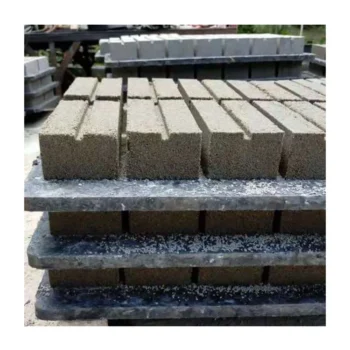
| Pallet Size | 850×550×25 mm |
| Total Weight | 7 T |
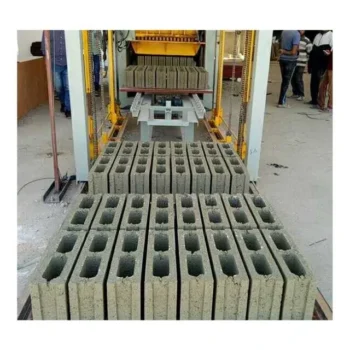
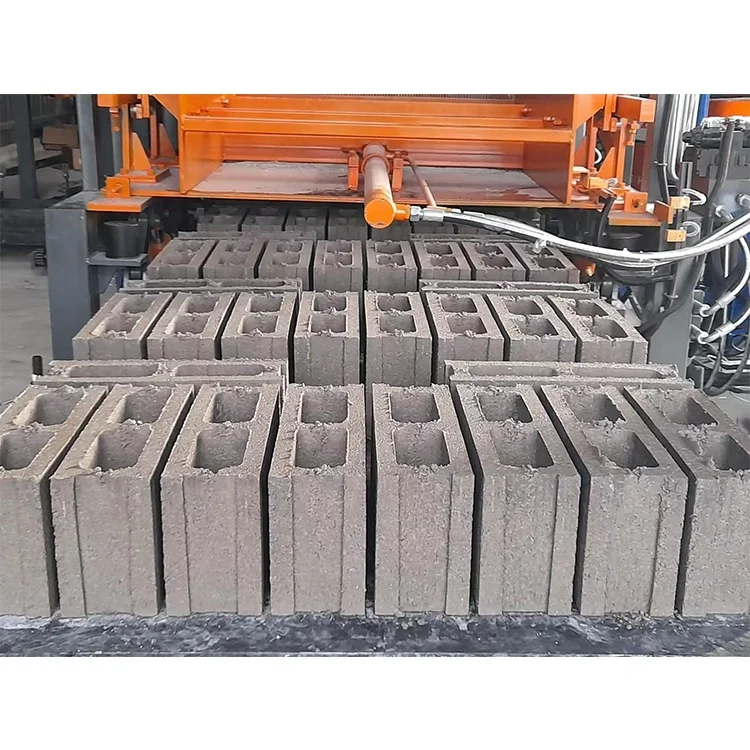
| Applied Products | Paver, solid brick, hollow block, curbstone |
| Raw Materials | Crushed stones, sand, cement, dust, fly ash |
| Control System | PLC control system |
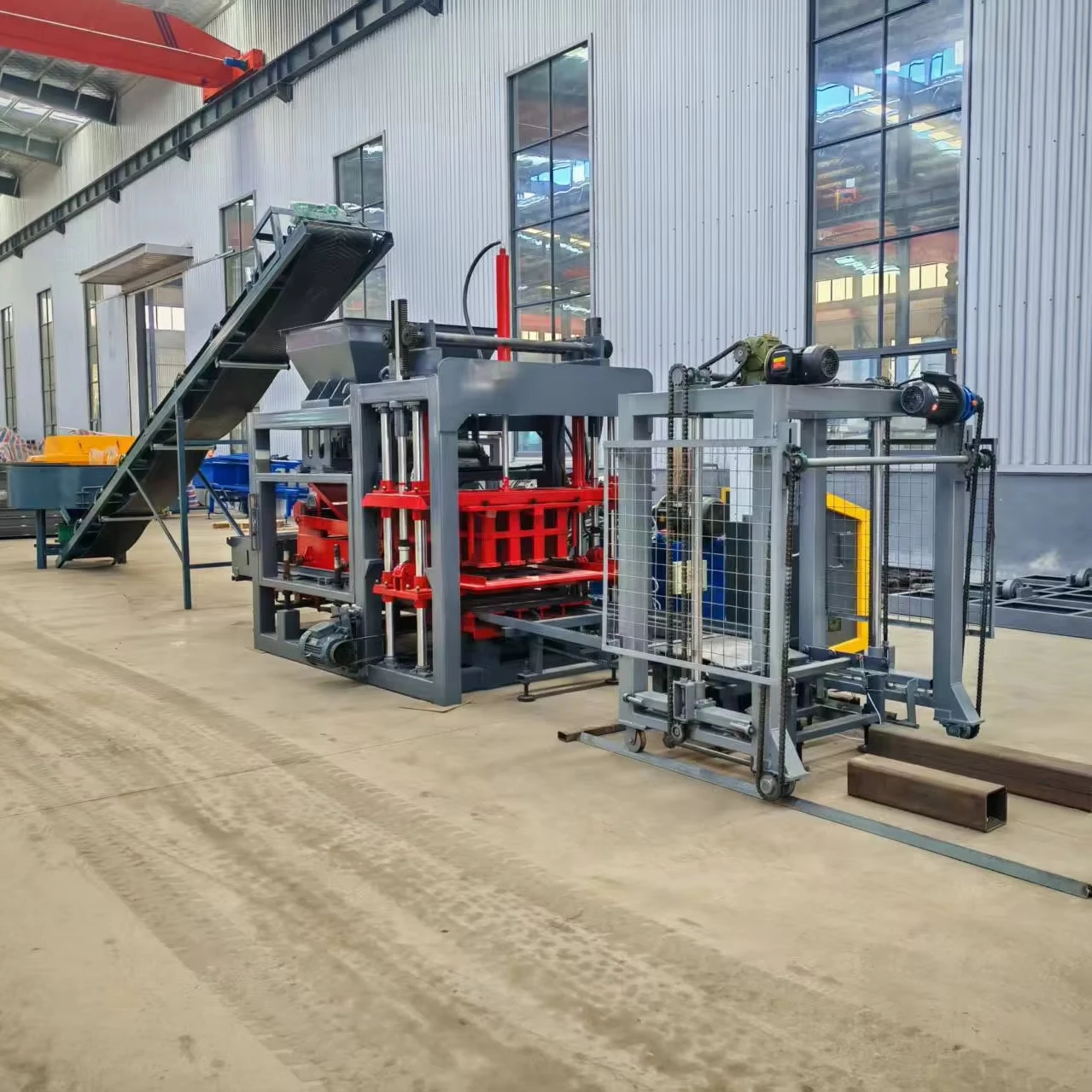
| Automation Level | Automatic with hydraulic station, pallet feeder, brick conveyor and block sweeper |
| Output — Hollow Block 400×200×200 mm | 1200–1680 pcs/hr (basis: cycle 15–20 s) |
| Output — Hollow Block 400×150×200 mm | 1800–2400 pcs/hr (basis: cycle 15–20 s) |
| Output — Solid Brick 240×115×53 mm | 3240 pcs/hr (basis: cycle 15–20 s) |
| Standard | CE |
Application Suitability
| Application | Material or Output |
|---|---|
| Hollow block production for load-bearing walls | Crushed stone, sand and cement with fly ash substitution |
| Solid brick production for masonry infill | Fine aggregate and cement mix, 240×115×53 mm format |
| Paver production for walkways and yards | Coarse aggregate blend with colour oxide additive |
| Curbstone production for road edging | High-strength mix with reduced water-cement ratio |
| Fly ash block production for partition walls | Fly ash, lime and gypsum blend with sand filler |
What "1,200 Blocks per Hour" Actually Means for the QT6-15 Block Making Machine
Capacity is meaningless without the block format attached to it.
When a quotation says the QT6-15 block making machine specifications deliver 1,200 pieces per hour, that figure assumes a 400×200×200 mm hollow block with a 15–20 second cycle. Switch the mould to a 400×150×200 mm hollow block and the same machine produces up to 2,400 pieces per hour. Swap again to 240×115×53 mm solid brick and the number jumps to 3,240 pieces per hour. [NEED_CITE: how block format assumptions affect quoted capacity in concrete machinery tenders] The buyer who does not pin down which format the headline figure assumes will always receive a machine that under-performs on the product they actually sell. I have stood on sites in West Africa where the daily tally never reached sixty percent of the brochure claim because the output was quoted against a block size the plant never intended to produce.
Per-Format Capacity Breakdown for Honest Line Planning
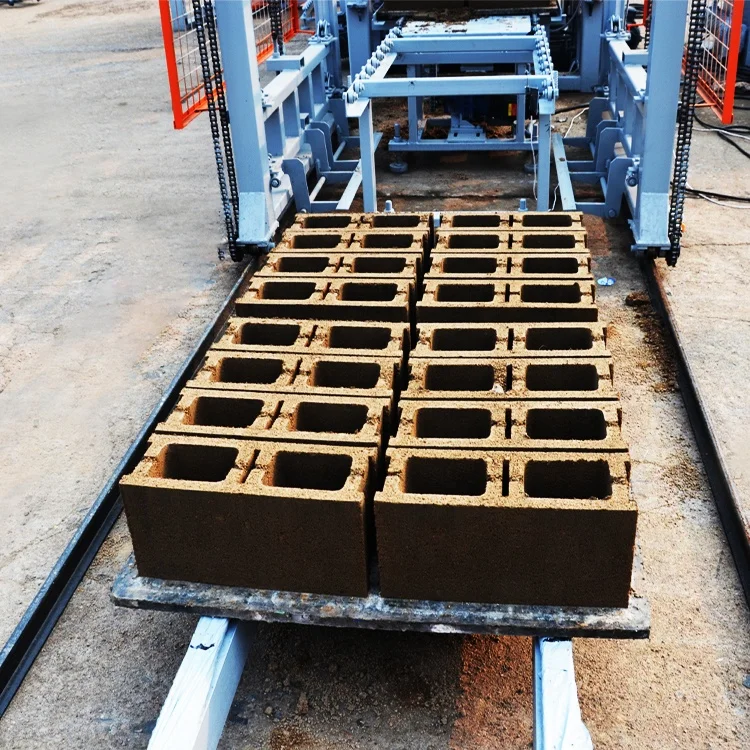
The QT6-15 block making machine specifications must be read alongside the mould format you plan to run. A 400×200×200 mm hollow block fills six cavities per cycle at 15–20 seconds, yielding 1,200–1,680 pieces per hour. The narrower 400×150×200 mm hollow block fits more units on the same 850×550 mm pallet area, raising throughput to 1,800–2,400 pieces per hour under the same cycle window. Solid bricks at 240×115×53 mm pack the mould densely and reach 3,240 pieces per hour. Knowing these figures lets you calculate shift output against your actual order book rather than a generic promise.
Matching Vibration Force to Your Local Aggregate
Vibration frequency of 4,600 r/min and exciting force of 40–50 kN were calibrated with standard crushed stone and sand blends. In South Asia and sub-Saharan Africa, locally sourced aggregate often carries higher clay content or larger particle size, both of which dampen vibration transmission through the mix. [NEED_CITE: effect of aggregate clay content on vibration compaction in block making] When I first commissioned a mid-tier automatic block machine in Ghana, the standard vibration settings left blocks friable at the edges until we reduced frequency and extended cycle time to compensate for oversized gravel. The hydraulic pressure must also be adjusted in tandem — more vibration without matching hydraulic squeeze simply shatters the cement paste.
Reading the QT6-15 Specifications Beyond the Brochure Headline
The 31.25 kW total power rating covers the hydraulic pump, vibration motor, conveyor drive and mixer feed. Confirming whether this figure represents continuous draw or peak demand determines the transformer and cable sizing you need on site. The JQ350 mixer must batch consistently within the 15–25 second moulding cycle; if mixing takes longer, the press sits idle and real output drops below the per-format figures above. Pallet size of 850×550×25 mm dictates the curing rack dimensions and the fork-lift tine spacing you already have in place. [NEED_CITE: pallet dimension standardisation across block curing yards] Specifying the wrong pallet material — bamboo versus PVC versus steel — changes both block surface finish and pallet service life, yet this choice is often left until the machine arrives.
The Cost of Skipping Format-Level Configuration
A buyer who approves a quotation without confirming the block format, mould cavity count and cycle time assumption per format will discover the shortfall only after installation. The pallet size may not match existing curing racks, forcing a carpentry rebuild. Voltage and frequency left unconfirmed can delay commissioning by weeks while a step-down transformer is sourced locally. [NEED_CITE: electrical standard mismatches in exported machinery installations] Mould changeover time, never discussed at order stage, can consume most of a shift the first time a new format is attempted, wiping out the format flexibility the machine was bought to provide.
Why the Configuration Conversation Matters Here
Block machinery is the single focus of this supply operation, so the QT6-15 is specified as part of a matched system — press, mould, pallet and handling equipment are selected together rather than assembled from unrelated sources. Configuration is set against the buyer’s actual mix design and target block format, not a catalogue default. Mould design covers the formats the buyer’s market sells, including custom drawings for non-standard sizes. Automation level is selectable, allowing a plant to begin with semi-automatic pallet handling and add stacking later. Installation support includes on-site commissioning with operator training tied to the specific moulds shipped with the machine.
Documentation & Verification
- Line layout drawing stating the block format assumed in every capacity figure
- Machine specification sheet with confirmed voltage, frequency and PLC display language
- Mould drawing and format list including cavity count per block size
- Pallet material and dimension specification matched to your curing rack
- Hydraulic and electrical schematic for local maintenance reference
- Factory test record run on your chosen block format before dispatch
Installation, Commissioning & Support
- Foundation plan based on the 7400×1900 mm machine footprint and vibration load
- Power supply confirmation for 31.25 kW total draw with dedicated circuit breaker rating
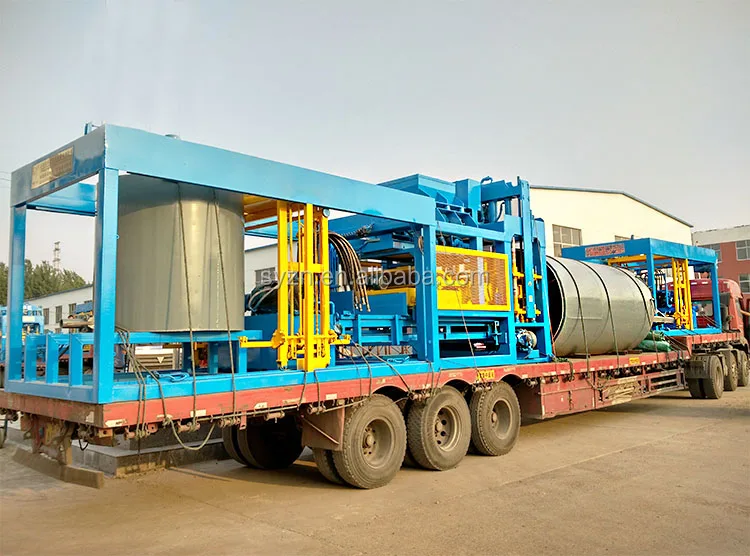
- Machine dismantled for container loading and reassembled on site with alignment check
- First-run parameter tuning of vibration frequency and hydraulic pressure against your mix
- Operator training on PLC control screens in the confirmed display language
- Wear parts and mould inventory list with reorder part numbers
What to Share Before Requesting a Quotation
Provide the exact block formats your market demands, including dimensions and required compressive strength. State the daily output target per format so the cycle time and pallet return speed can be calculated backwards. Confirm your site voltage, frequency and preferred PLC display language, along with the curing rack dimensions and fork-lift capacity already in place.
Frequently Asked Questions
Q: How is the QT6-15 output capacity calculated, and what block format does each figure assume?
A: Each capacity figure is tied to a specific block format and cycle time range. Hollow block 400×200×200 mm yields 1,200–1,680 pieces per hour at 15–20 seconds per cycle, while 400×150×200 mm hollow block reaches 1,800–2,400 pieces per hour under the same cycle window, and solid brick 240×115×53 mm produces 3,240 pieces per hour. Always confirm which format the quoted number assumes.
Q: What mould formats are available, and how long does a mould change take on site?
A: Standard moulds cover hollow block, solid brick, paver and curbstone in multiple dimensions, and custom moulds can be built to buyer drawings. Mould change time depends on the quick-release system fitted and operator familiarity; the first change always takes longer, so plan a training shift around the initial format swap.
Q: How should vibration force and hydraulic pressure be matched to my local aggregate?
A: The 40–50 kN vibration force and hydraulic pressure must together compact your specific mix to the required density. High clay content or oversized particles in local aggregate may demand frequency adjustment and longer cycle time. Share your sieve analysis and mix proportions before final settings are locked in.
Q: What voltage, frequency and PLC language options are available, and when must they be confirmed?
A: The QT6-15 block making machine specifications support multiple voltage and frequency combinations, and the PLC display can be set to various languages. These must be confirmed before production starts so the correct motor, transformer and control cards are installed at the factory.
Q: Is pallet handling, stacking and curing included, or do I need manual labour?
A: The standard configuration includes a pallet feeder, brick conveyor and block sweeper. Automatic stacking and curing rack handling are optional additions. Confirm the automation level you require during the quotation stage so the line layout accounts for every stage from pressing to cured product.