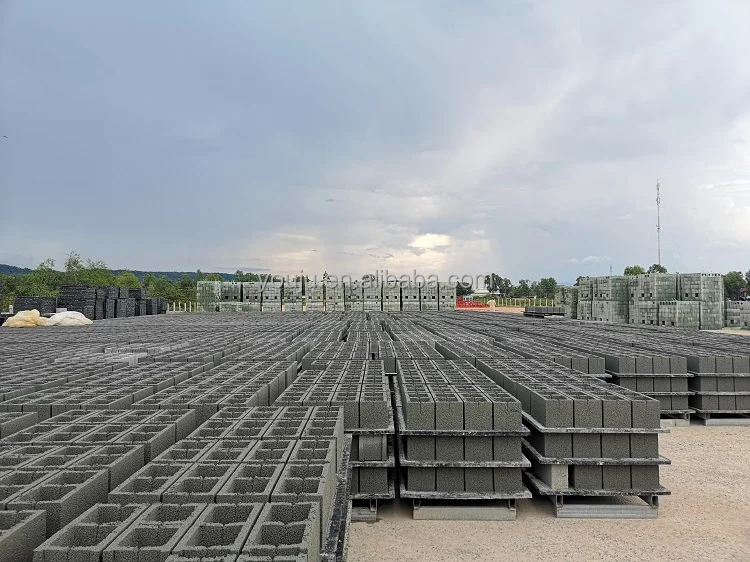
Description
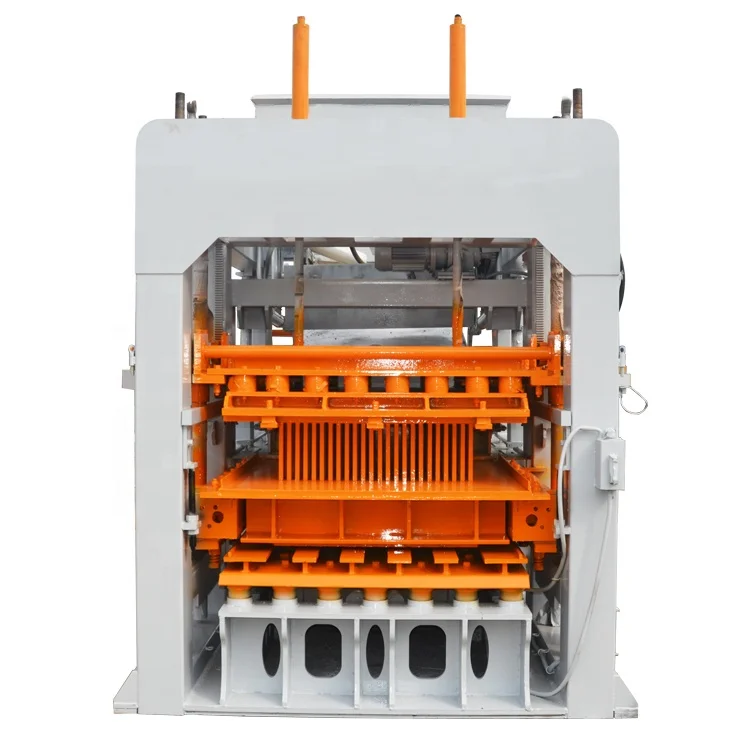
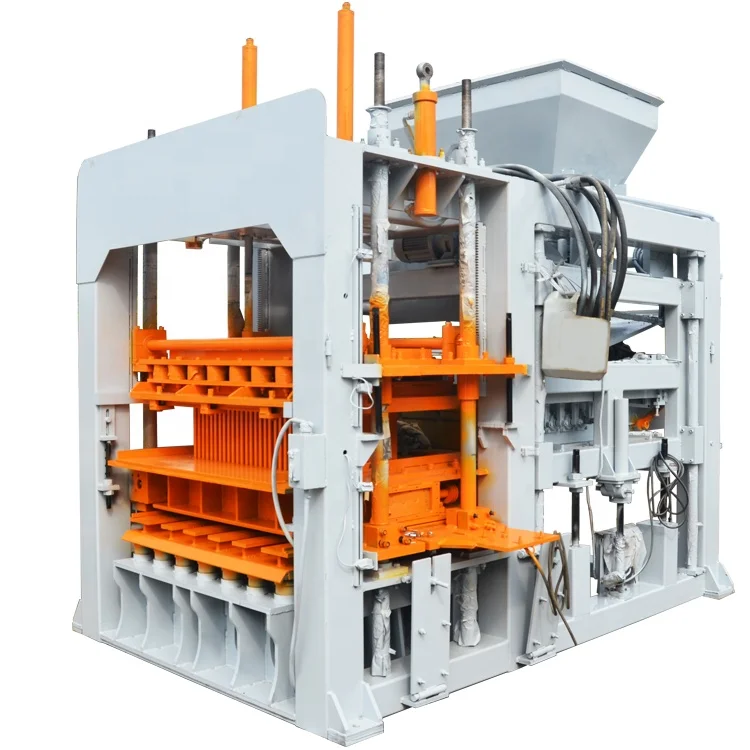
Honest Output by Format — The QT8-15 automatic concrete block making machine specifies cycle time and pieces-per-mould for hollow block, solid brick, paver, and interlocking formats, so your daily tonnage is calculated against what your market actually buys, not a catalogue headline.
Technical Specifications
| Parameter | Value |
|---|---|
| Model | QT8-15 |
| Product Type | Automatic Concrete Block Making Machine |
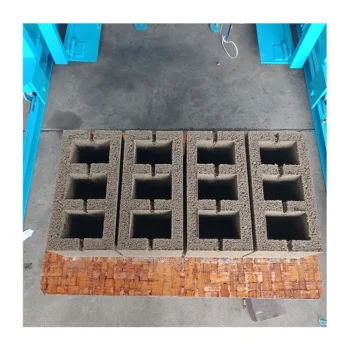
| Block Formats | Hollow block, solid brick, paver brick, kerbstone (via mould change) |
| Cycle Time | 15-20 seconds per cycle |
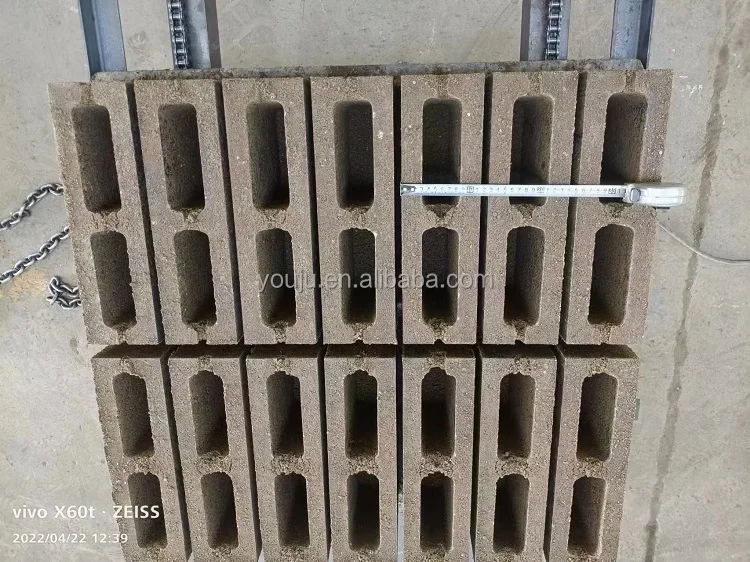
| Output: 400×200×200mm Hollow Block | 1,600-1,900 pcs/hr based on 8 pcs/mould |
| Output: 240×115×53mm Solid Brick | 8,000-10,000 pcs/hr based on 45 pcs/mould |
| Output: 200×160×60mm Paver | 3,000-3,600 pcs/hr based on 15 pcs/mould |
| Output: 225×112.5×60mm Interlocking | 4,000-5,000 pcs/hr based on 24 pcs/mould |
| Mould Heat Treatment | Yes, for extended service life |
| Warranty | 1 year |
| Hydraulic Pressure | (basis not stated in source — confirm MPa rating) |
| Vibration Force | (basis not stated in source — confirm kN rating) |
| Pallet Size | (basis not stated in source — confirm dimensions and material) |
| Control System | (basis not stated in source — confirm PLC brand and language options) |
| Rated Power | (basis not stated in source — confirm kW) |
| Overall Dimensions | (basis not stated in source — confirm L×W×H) |
Application Suitability
| Application | Material or Output |
|---|---|
| Hollow block production for building walls | Crushed stone, river sand, cement, fly ash, and water |
| Solid brick manufacturing for load-bearing structures | Dense aggregate mixed with Portland cement |
| Paver brick production for driveways and walkways | Fine aggregate and cement with pigment additives |
| Interlocking brick for landscaping and retaining walls | Graded aggregate and cement in stiff-consistency mix |
| Kerbstone production for road infrastructure | High-strength concrete with coarse aggregate |
Why "Pieces per Hour" Without Format Is Meaningless
An automatic concrete block making machine specifications sheet that quotes a single output figure hides more than it reveals.
I once watched a plant manager in Southeast Asia stare at a stack of curing pallets at the end of his first shift, confused that his daily tally was well below the number in the brochure. The reason was simple: the quoted capacity assumed a small solid brick format, but his order book was 80% hollow block [NEED_CITE: capacity calculation methods in block machinery sales]. When the machine runs eight hollow blocks per cycle instead of forty-five solid bricks, the arithmetic changes completely. The QT8-15 addresses this by stating output against each format individually, with the pieces-per-mould count and cycle time visible, so the math is yours to verify before you commit.
Matching Press Output to What Your Market Actually Sells
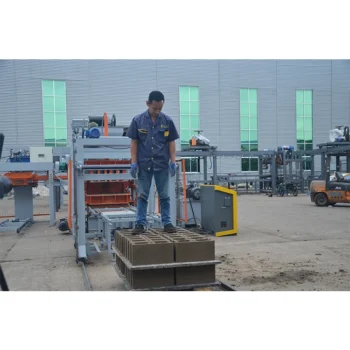
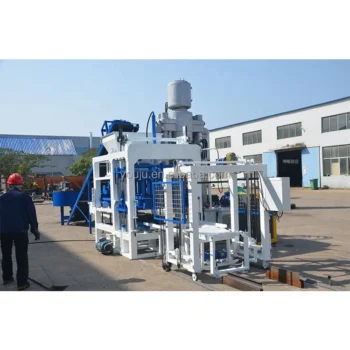
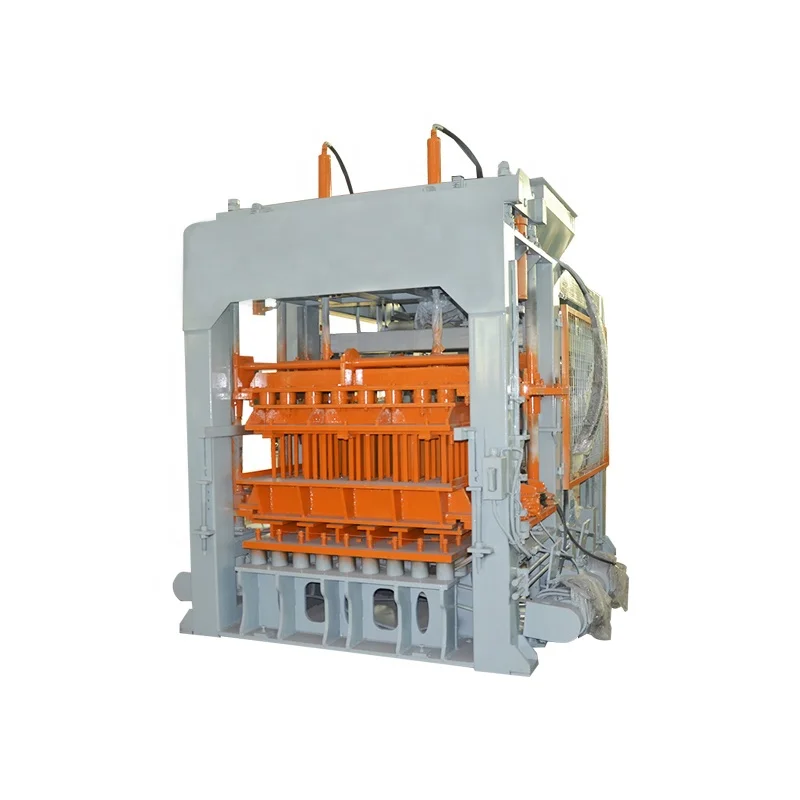
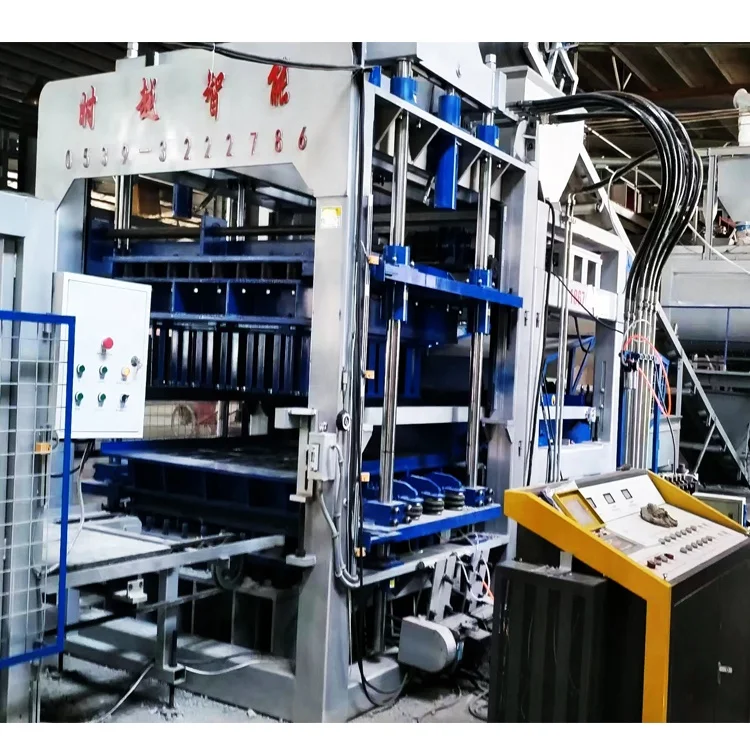
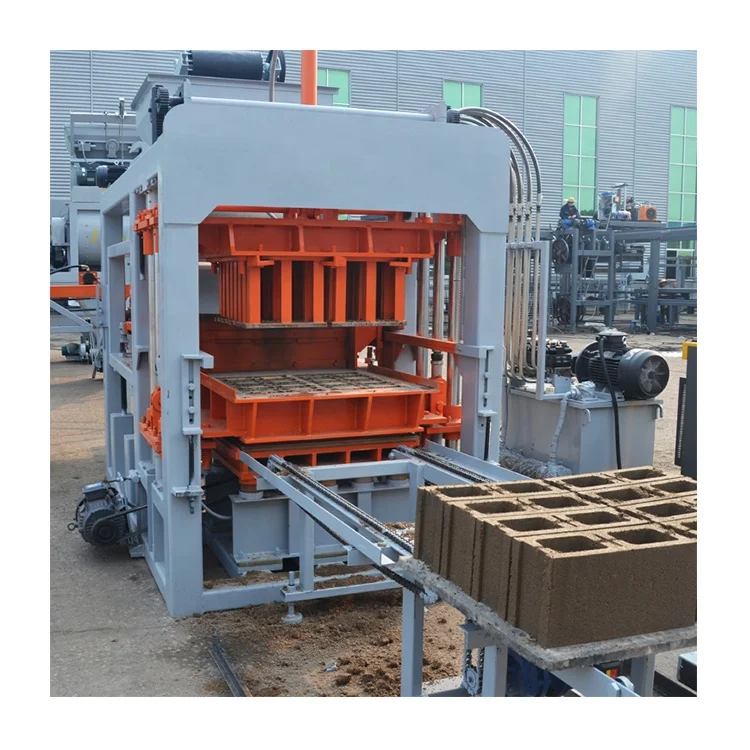
The QT8-15 automatic brick making machine is built around a mould table that accepts different tooling, letting one press serve hollow block, solid brick, paver, and interlocking formats. The value is not format variety for its own sake — it is the ability to size the machine against the product mix your regional construction market demands. A block plant serving residential housing may run hollow block seven days a week, while a supplier to municipal paving contracts needs paver output with occasional kerbstone runs. The press stays the same; only the mould changes.
Where Cycle Time and Mould Count Intersect
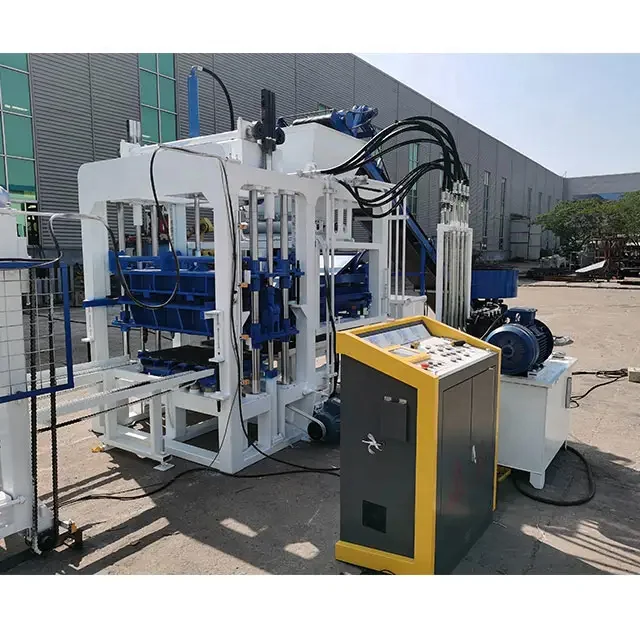
Cycle time on the QT8-15 is listed at 15-20 seconds per press cycle. That window covers the feed drawer traverse, vibration compaction, hydraulic head pressure, and mould stripping. What determines your hourly output is how many cavities the active mould carries. Forty-five cavities for a standard solid brick produce a fundamentally different throughput than eight cavities for a 400mm hollow block. Buyers who skip this cross-check end up ordering a second machine within a year because the first could not meet daily dispatch targets on their highest-volume format [NEED_CITE: block plant capacity planning and format mix].
Reading the Specs That Matter Beyond the Headline
Hydraulic pressure and vibration force together determine the density and compressive strength of every block the QT8-15 produces. Vibration alone settles the aggregate into the mould; hydraulic head pressure then compresses the mix from above, squeezing out air voids. If the vibration force is not matched to your local aggregate gradation — say, a volcanic scoria instead of a dense river sand — the block may leave the press looking complete but fail a compressive strength test at 28 days. Mould heat treatment extends tooling life across thousands of cycles, which matters when you change formats regularly and each mould represents a significant cost. Pallet size is another spec that reaches beyond the press: the pallet must fit your existing curing racks and forklift, otherwise the entire downstream handling process needs to be rebuilt.
The Hidden Cost of Skipping the Mix Design Conversation
When vibration force and hydraulic pressure are set to a catalogue default rather than your actual aggregate, the consequences surface slowly and expensively. Blocks may pass visual inspection on day one but spall after two freeze-thaw cycles. Moulds wear unevenly because the mix abrasiveness was never factored in. Customers return pallets citing inconsistent strength, and you spend weeks chasing the problem through raw material suppliers before realizing the machine settings were the root cause [NEED_CITE: aggregate variability and block compressive strength]. The QT8-15 configuration is finalized only after your mix design and local aggregate are on the table.
Why Source This Machine Here
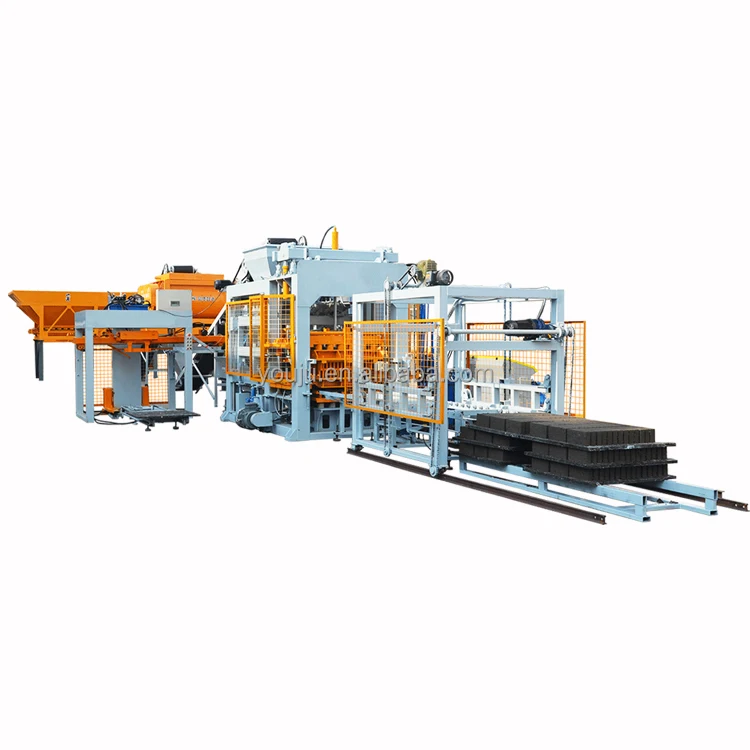
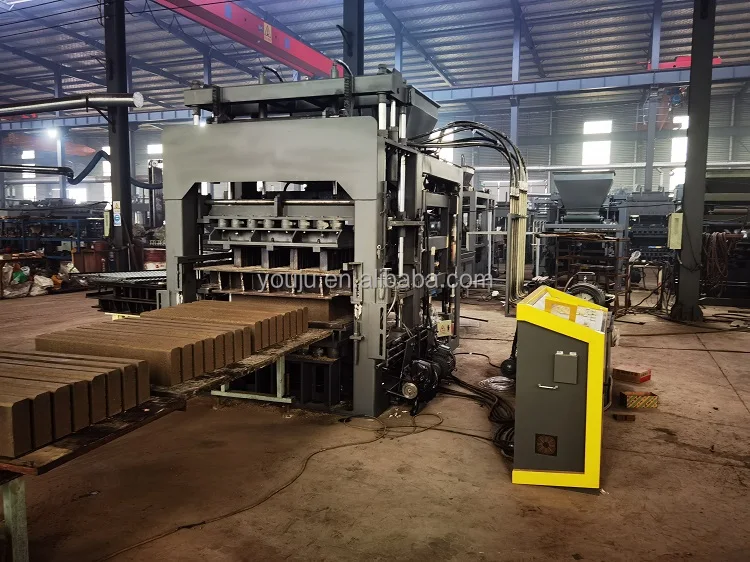
Block machinery is the single focus of this operation, so the QT8-15 arrives as a matched system — press, mould, pallet, and handling — rather than components assembled from unrelated suppliers. Configuration is set against your real mix design and target block format, not a default line in a catalogue. Mould design covers the dimensions your market actually sells, with custom drawings available when standard tooling does not match. Automation level is selectable from semi-automatic pallet handling through to full stacking and cubing, letting you invest in what you need now and add stations later. Factory testing is completed before dispatch, with installation support, operator training, and ongoing mould and wear parts supply built into the relationship.
Documentation & Verification
- Line layout and capacity calculation showing output assumed for each of your target block formats
- Mould drawing and format list confirming dimensions that match your regional market demand
- Voltage, frequency, and PLC display language locked in before production begins
- Hydraulic and electrical schematic with wear parts list for first replacement planning
- Factory test record run on your specified block format before dispatch
Installation, Commissioning & Support
- Foundation plan and floor space layout based on the QT8-15 footprint and pallet circuit length
- Electrical supply requirements confirmed for local voltage and frequency before the control cabinet is wired
- Machine arrives in dismantled shipment configuration with reassembly supervised on site
- First production run supervised with vibration and pressure tuned to your aggregate and mix design
- Operator training covers mould change procedure, PLC navigation, and daily maintenance checkpoints
- Wear parts and mould inventory list provided so first replacements can be ordered before stock runs out
What to Share Before Requesting a Quote
Provide the block formats and dimensions your market sells, along with your target daily output per format. Include a sample of your local aggregate and current mix design if available, or describe the raw materials you can source. Confirm your site’s voltage, frequency, and preferred PLC display language so the control system is built correctly from the start.
Frequently Asked Questions
Q: How is output capacity verified for each block format on the QT8-15?
A: Output is stated per format with the cycle time, pieces-per-mould count, and hourly and eight-hour totals shown individually. Hollow block at 400×200×200mm, for example, is quoted at 1,600-1,900 pieces per hour based on eight cavities per mould. This lets you calculate your own daily dispatch numbers against the formats your plant will actually run.
Q: How do I match vibration and hydraulic pressure to my local aggregate?
A: Share your aggregate type, gradation, and cement ratio before configuration is finalized. Vibration force and hydraulic pressure are then adjusted so the compaction energy suits your mix density. A lightweight scoria requires a different setting than a dense crushed granite, and getting this right is what keeps block strength consistent across production runs.
Q: What pallet size does the QT8-15 require, and why does it matter?
A: Pallet size must match the mould table dimensions and your existing curing rack spacing and forklift capacity. Confirming this before production avoids a situation where the machine arrives but the pallets do not fit your curing area, forcing a complete rework of the downstream handling setup.
Q: What voltage and PLC language options are confirmed before shipment?
A: Voltage, frequency, and PLC display language are agreed and documented before the control cabinet is built. This prevents a common commissioning delay where the machine arrives and the operator cannot read the interface, or the local supply does not match the motor rating, adding weeks of downtime before production starts.