SONCAP Certified Fully Automatic Block Machine Manufacturer for Sale
SONCAP compliance is not a product safety badge; it is a document consistency audit where minor typographical errors trigger major logistical failures.
To clear a fully automatic block making machine through Nigerian customs without detention, the batch numbers on the Product Certificate (PC) must match the Bill of Lading and Commercial Invoice exactly before the vessel departs. The Certificate of Conformity (COC) is not issued automatically but requires this precise pre-validation. Importers should verify all serial IDs and hydraulic unit test reports against the shipping manifest during the pre-shipment inspection phase to avoid demurrage costs that can exceed the value of the machinery itself.
I remember standing in the humid heat of the Lekki Free Trade Zone, watching a QT8-15 automatic block machine sit idle in its crate. The hydraulic station was ready, the PLC cabinet was wired, and the mold sets were polished. But the machine could not be commissioned because the clearance documents were stuck at Apapa Port. The issue was not a defect in the steel or a flaw in the hydraulic pressure units. It was a mismatch between the batch number on the SONCAP PC certificate and the Bill of Lading. For three weeks, the equipment sat while daily demurrage charges accumulated, turning a profitable project into a financial drain. That experience shifted my focus from merely selling machines to verifying the entire documentation chain. Now, when discussing SONCAP compliance for block machines, I prioritize the alignment of certification batches with shipping documents over technical specifications.
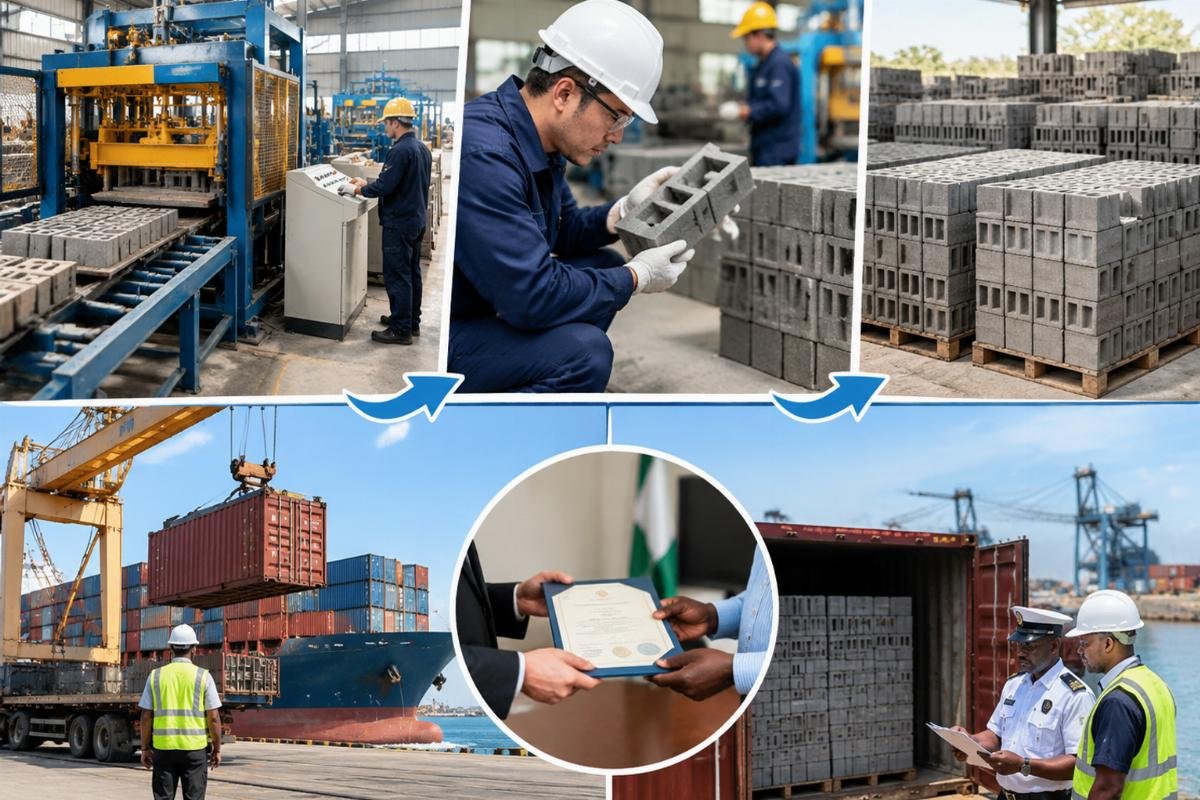
The root cause of most port delays is not the quality of the concrete block making machine but the fragmentation of trade documents. [NEED_CITE: common causes of customs detention in Nigeria per Nigerian Customs Service guidelines]. Understanding this distinction is critical for any investor looking to import heavy industrial equipment.
Why Does My Block Machine Get Stuck at Apapa Port?
Documentation mismatches are the primary cause of customs detention, not product defects.
Many importers assume that if their machine meets ISO or CE standards, it will clear customs smoothly. This is a dangerous misconception. Nigerian customs officials do not inspect the mechanical integrity of a Nigeria customs clearance for concrete block making machine shipment upon arrival. Instead, they audit the paper trail. If the description of goods on the Bill of Lading differs even slightly from the Product Certificate, the shipment is flagged for physical inspection. This process can take weeks.
In one case, a client imported a fully automatic line where the packing list described "Hydraulic Power Unit" while the PC certificate listed "Hydraulic Station." This semantic difference triggered a full container inspection. The crane fees, labor costs, and storage charges resulted in a mid-six-figure loss, far exceeding the cost of proper compliance. [NEED_CITE: impact of document discrepancy on customs clearance time].
The port infrastructure at Apapa is congested, and any delay compounds quickly. A three-week hold does not just mean waiting; it means paying daily storage fees that erode the ROI of the entire plant. To prevent this, the verification of SONCAP compliance for block machines must happen at the factory, not at the destination. The exporter must ensure that every component listed in the certification matches the physical cargo and the shipping documents.

What Is the Critical Difference Between PC and COC?
The PC validates the product model, while the COC validates the specific shipment; both must align perfectly.
Confusion between the Product Certificate (PC) and the Certificate of Conformity (COC) is widespread among new importers. The PC is issued after a successful factory audit and product testing. It certifies that a specific model, such as the QT8-15, meets Nigerian Industrial Standards. However, the PC does not cover the actual goods being shipped. It is a generic approval for the design.
The COC, on the other hand, is shipment-specific. It is issued only after the exporter presents the PC along with the final commercial invoice, packing list, and Bill of Lading. The issuing body verifies that the goods in this specific container match the approved model on the PC. [NEED_CITE: SONCAP procedural guidelines for PC and COC issuance].
| Document Type | Scope | Validity | Key Requirement |
|---|---|---|---|
| Product Certificate (PC) | Model Design | Long-term (Renewable) | Factory Audit & Type Testing |
| Certificate of Conformity (COC) | Specific Shipment | Single Use | Match PC Batch No. to BL |
When analyzing SONCAP PC certificate vs COC, it is essential to note that the COC cannot be issued if the PC has expired or if the batch numbers do not correspond. A common error is using an old PC for a new shipment without updating the batch reference. This leads to immediate rejection at the pre-shipment verification stage. For QT8-15 automatic block machine import requirements, the PC must explicitly list the hydraulic and electrical components that are present in the current shipment. Any deviation requires a new test report or an amendment to the PC before the COC can be generated.
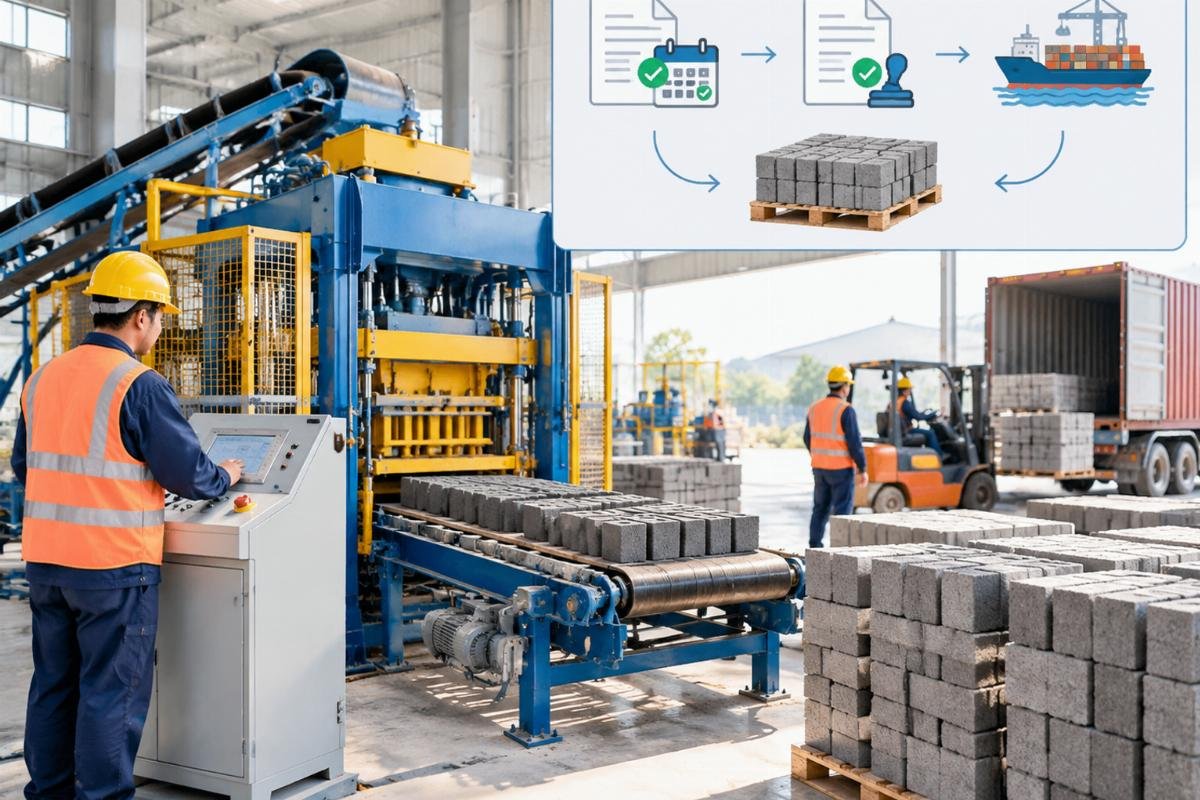
How to Verify SONCAP Documents Before Shipment?
A 5-point checklist ensures batch numbers, serial IDs, and descriptions match across all trade documents.
Verification is not a passive activity; it requires active cross-referencing of multiple documents. Before the container doors are sealed, the exporter and importer must review the following points. This process prevents the need for re-certification, which can halt installation for days.
- Batch Number Alignment: Check that the batch number on the PC certificate matches the batch number referenced in the Bill of Lading and Commercial Invoice. Even a single digit error can cause detention.
- Serial ID Verification: Ensure that the serial numbers on the PLC cabinet and hydraulic units match the test reports submitted for the PC. [NEED_CITE: importance of serial number tracking in SONCAP compliance].
- Description Consistency: The product description on the Bill of Lading must be identical to the description on the PC. Avoid abbreviations or synonyms.
- Test Report Validity: Confirm that the test reports for hydraulic pressure and electrical safety are recent and correspond to the specific units being shipped.
- HS Code Accuracy: Verify that the Harmonized System code used in the PC matches the code declared in the import declaration. Mismatches here trigger tariff disputes.
In our operations, we provide pre-verified documentation packages for QT8-15 and QT10-15 lines. This ensures that the PC and BL are consistent before container loading. This proactive approach eliminates the guesswork for the importer. When dealing with SONCAP compliance for block machines, this level of detail is not optional; it is a logistical necessity.

What Happens If You Ignore SONCAP Details?
Case analysis reveals that financial losses from demurrage and re-certification fees vastly outweigh the cost of proper compliance.
Ignoring the details of SONCAP compliance for block machines leads to severe operational disruptions. Consider the scenario of a plant investor who skipped the pre-shipment verification to save time. Upon arrival in Lagos, the customs officer noted that the hydraulic pump serial number on the machine did not match the test report attached to the PC.
The result was a complete halt in clearance. The importer had to apply for a new COC, which required submitting new test reports from the factory. During this seven-day period, the installation team was suspended, and remote technical support was unavailable because the machine was not yet cleared. The cost of re-certification, combined with the downtime of the installation crew, resulted in a significant financial setback. [NEED_CITE: average cost of demurrage and re-certification in Nigerian ports].
Another case involved a mismatch in the HS code. The PC was issued under a code for "construction machinery," but the Bill of Lading used a code for "industrial equipment." This discrepancy led to a dispute over import duties. The resolution took weeks, during which the machine remained in the port yard. The daily storage fees accumulated to a sum that exceeded the profit margin of the first few months of production.
These examples illustrate that SONCAP compliance for block machines is not just about regulatory adherence; it is about financial risk management. The cost of ensuring document consistency is negligible compared to the potential losses from port detention.

Conclusion
SONCAP compliance is a critical logistical checkpoint that demands strict document alignment.
Successful importation of fully automatic block machines requires more than just a high-quality product. It requires a meticulous approach to documentation, where every batch number and serial ID is verified before departure. By understanding the distinction between PC and COC and implementing a rigorous verification checklist, importers can avoid the costly delays that plague many projects in Nigeria. The key is to treat compliance as an integral part of the supply chain, not an afterthought.