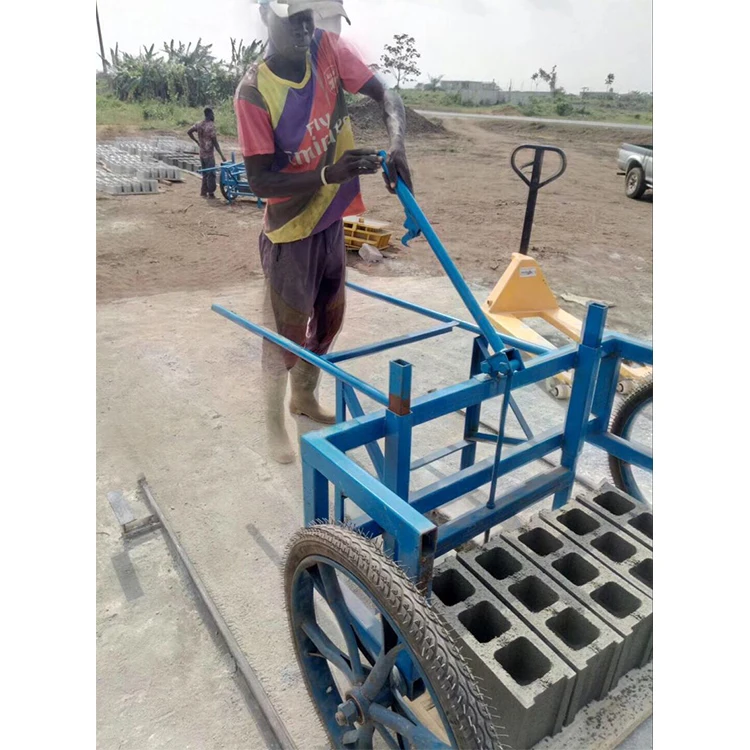
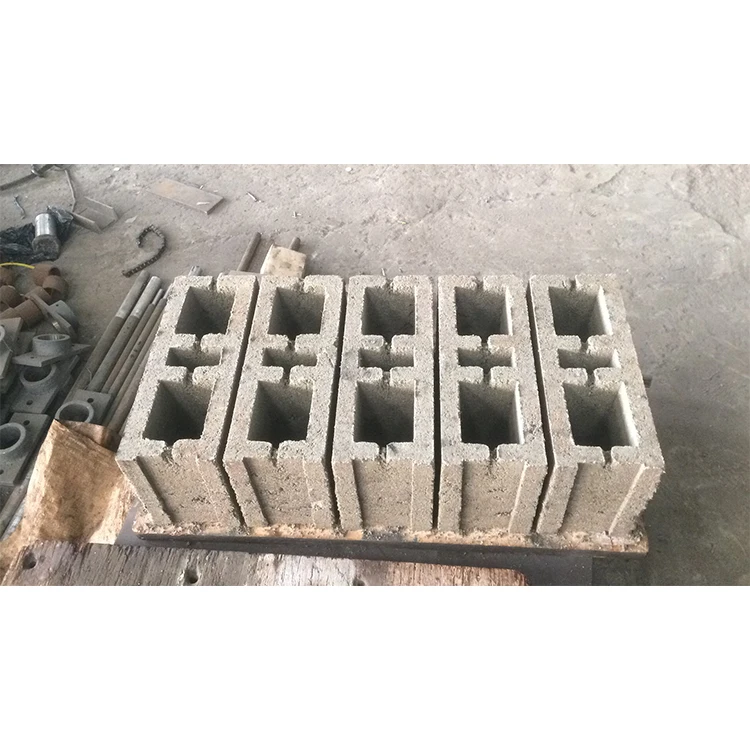
Description
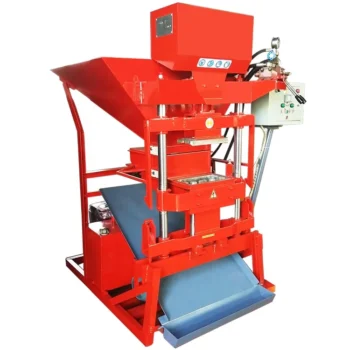
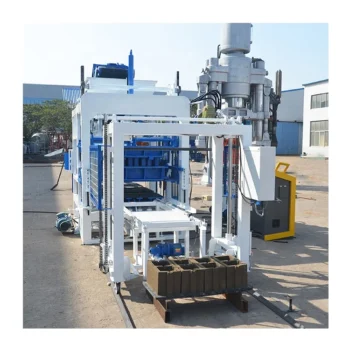
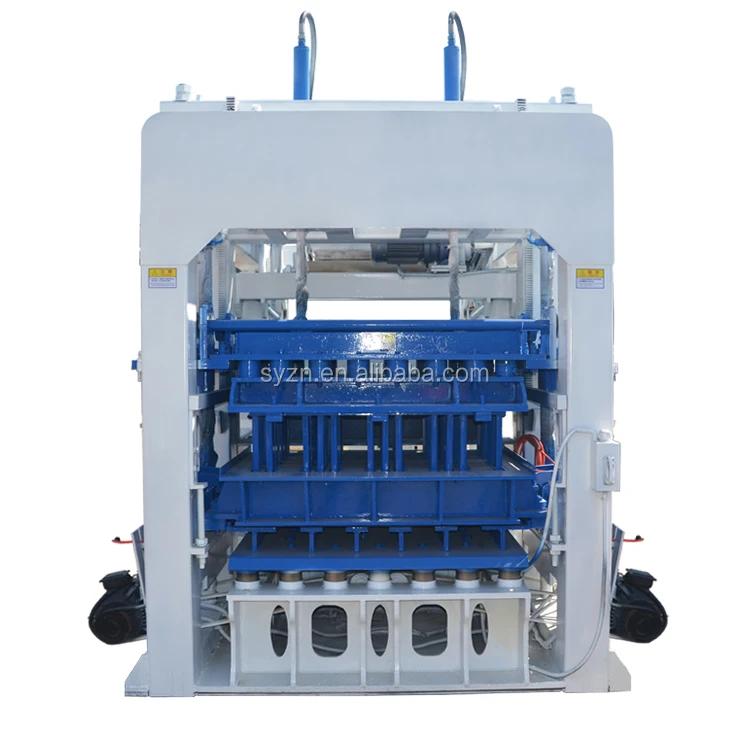
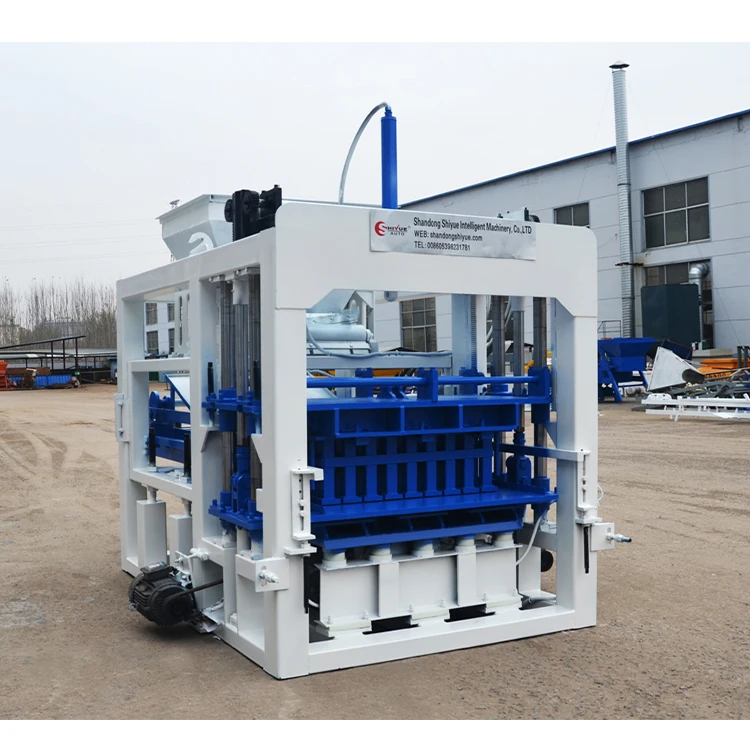
Matched Vibration and Mould Design — QTJ4-26 configured against your target block format and local aggregate, not a default catalogue setting that inflates cycle time claims.
Technical Specifications
| Parameter | Value |
|---|---|
| Model | QTJ4-26 |
| Product Type | Small Scale Concrete Block Making Machine |
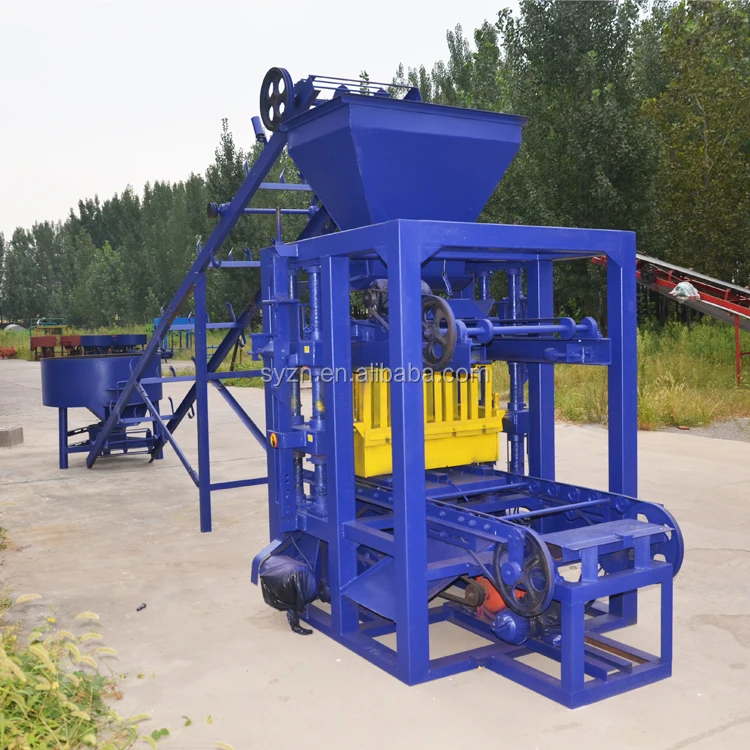
| Overall Dimensions (L×W×H) | 2060 × 1700 × 2650 mm |
| Rated Vibration Force | 35.5 kN |
| Vibration Form | Platform Vibration |
| Vibration Frequency | 4200 r/min |
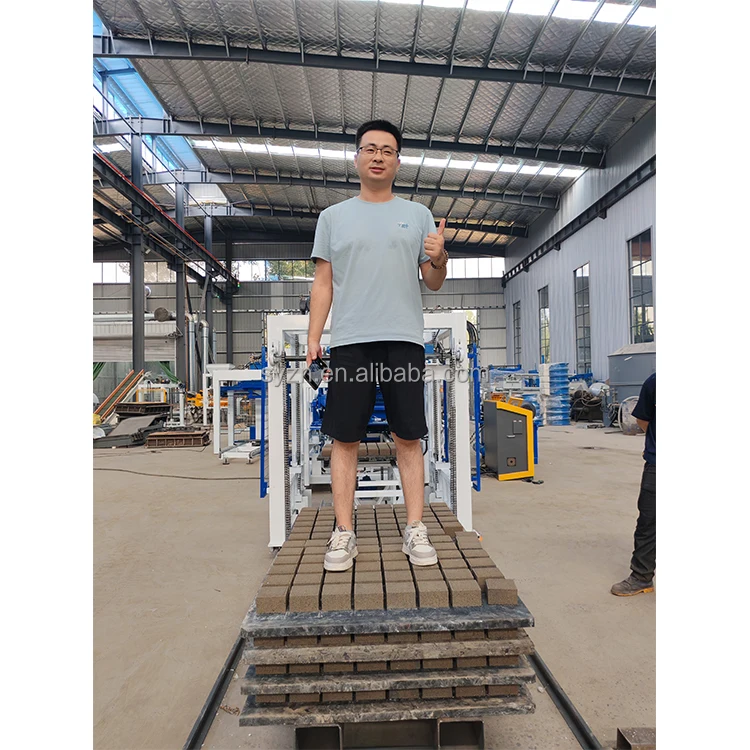
| Pallet Size | 900 × 450 mm |
| Molding Cycle | 26 s (basis not stated in source — confirm block format / material / thickness) |
| Overall Power | 12.75 kW |
| Total Mass | 3600 kg |
| Demolding Method | Vibration |
| Factory Area Required | 260 m² |
| Automation Level | Semi-automatic |
| Raw Material Compatibility | Crushed stone, sand, cement, dust, fly ash, gravel, slag |
| Control System | To be confirmed (PLC / MCC type) |
| Voltage & Frequency | To be confirmed (target market requirements) |
| Warranty | 1 year (whole machine, excluding spare parts) |
Application Suitability
| Application | Material or Output |
|---|---|
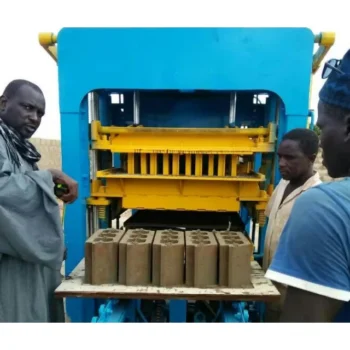
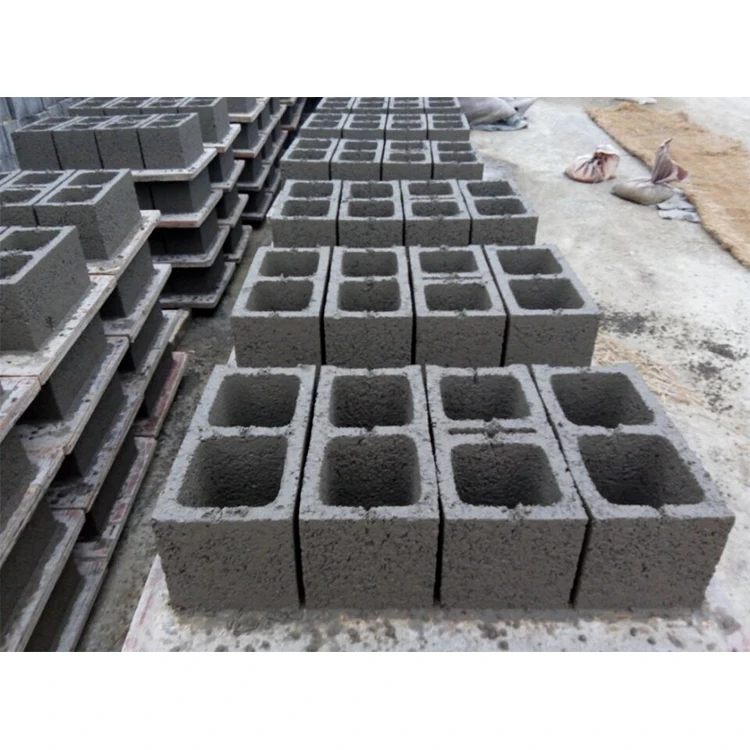
| Hollow block production for low-rise residential walls | Crushed stone, sand, cement blends |
| Solid block manufacturing for load-bearing partitions | Gravel and fly ash mixes |
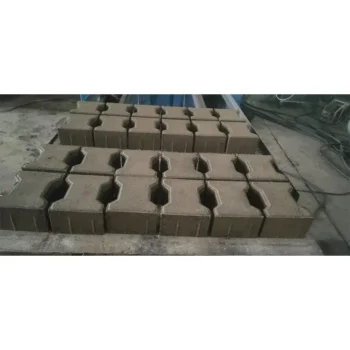
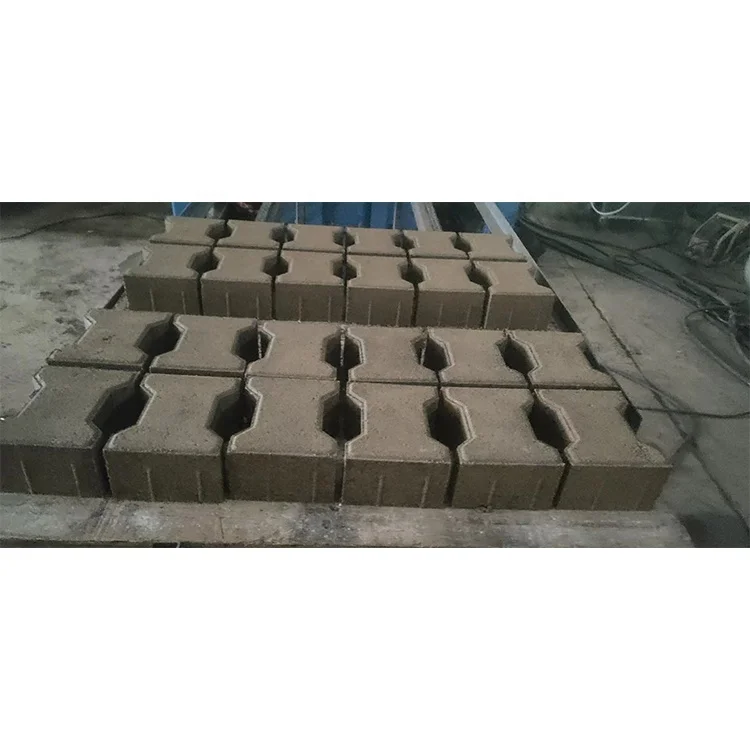
| Interlocking brick production for paving and landscaping | Fine aggregate with cement binder |
| Paving stone and curbstone forming on project sites | Coarse aggregate with pigmented cement |
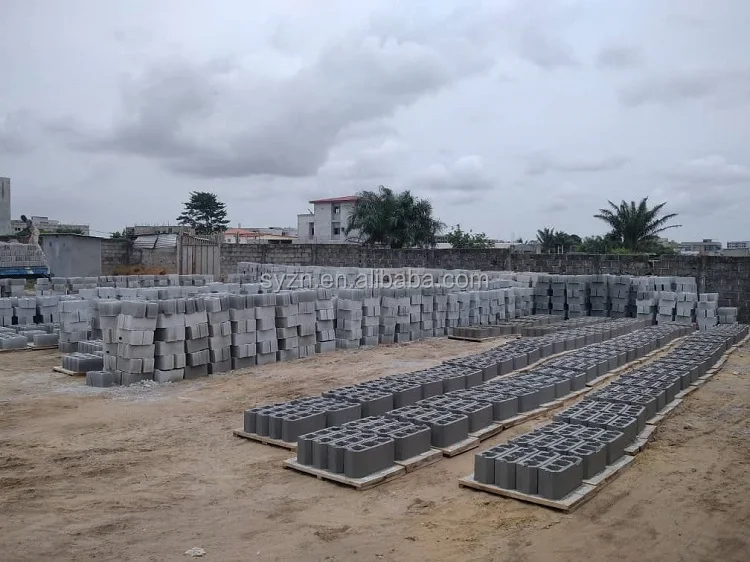
| First-plant block startup with limited floor space | Locally sourced sand, dust, or slag |
What the 26-Second Cycle Time Actually Means for Your Output
A cycle time is only honest when it names the block format, wall thickness, and mix design it was measured on.
I have watched buyers receive a small concrete block making machine specifications how to choose sheet that quotes a single cycle figure, then discover on the first production day that their actual hollow block format takes considerably longer per mould stroke. The QTJ4-26 lists a 26-second molding cycle, but that number must be verified against the specific block dimensions and aggregate you intend to run [NEED_CITE: block format and cycle time correlation in vibration pressing]. A 400 × 200 × 200 mm hollow block demands a different vibration dwell than a thin interlocking paver, and treating one cycle figure as universal is how daily output disappointments begin.
Vibration Force and Frequency as a Paired System
The QTJ4-26 delivers platform vibration at 35.5 kN with a frequency of 4200 r/min. In small concrete block making machine specifications how to choose evaluations, vibration force alone tells only half the story. Force determines how aggressively the mix is compacted into the mould cavity, while frequency controls how many compaction impulses occur per second. When the two are correctly paired with mould geometry and mix moisture, the resulting block achieves consistent density wall-to-wall. When they are not, you see corner crumbling on hollow blocks or surface spalling on pavers after demolding.
Pallet Size and the Curing Area You Already Have
The 900 × 450 mm pallet dimension is a deliberate choice for workshop-scale operations, yet it must align with the curing racks and forklifts already on your floor. I have seen plants where the pallet width exceeded the curing rack slot by a few centimetres, forcing the buyer to rebuild the entire rack system before the first block could be stacked [NEED_CITE: pallet and curing rack compatibility in block plants]. Confirming pallet dimensions against your existing handling infrastructure is a step that costs nothing upfront and avoids considerable rework later.
Reading the Specs That Matter Most
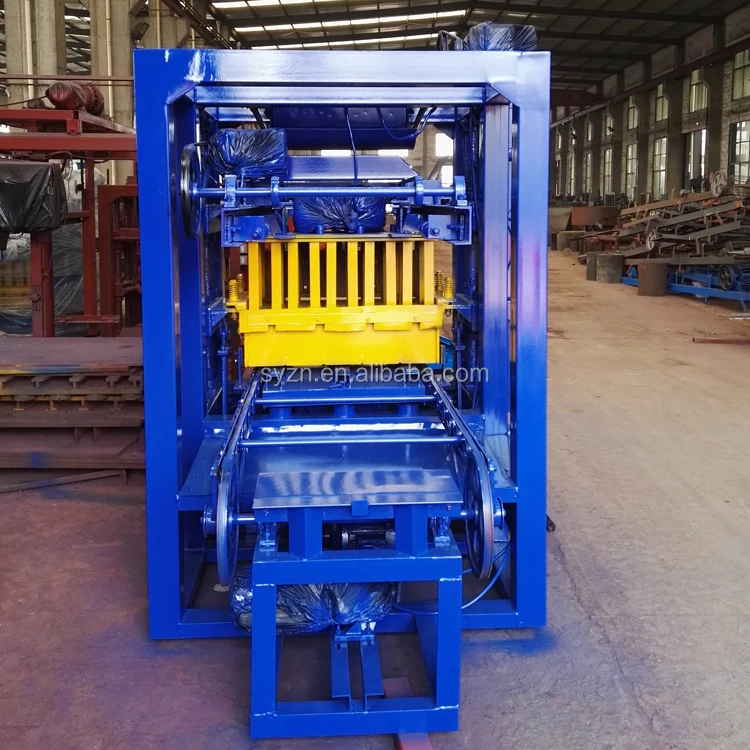
Overall power of 12.75 kW places the QTJ4-26 within the range of standard three-phase industrial supply, but voltage and frequency must be confirmed for your local grid before the motor windings are wound. The platform vibration system transmits force upward through the pallet into the mould, which is why pallet flatness and rigidity directly influence block dimensional accuracy. Total mass of 3600 kg means the machine requires a level concrete pad rather than a heavy reinforced foundation, yet the pad must still absorb cyclic vibration without cracking over time. Factory area of 260 m² covers the press, pallet return path, and a short curing zone — enough for a starter plant but tight once you add raw material stockpiles and finished block staging.
The Hidden Cost of Skipping Format-Level Verification
When a quotation quotes cycles per hour without naming the block format, the buyer assumes the fastest format applies to every product in the mould catalogue. In practice, thicker hollow blocks require longer vibration dwell, and porous interlocking pavers need a different pressure profile entirely. The result is a machine that technically meets the quoted cycle on one narrow product while running everything else at a slower pace [NEED_CITE: impact of block geometry on vibration press cycle time]. Plant owners then compensate by running extra shifts, which drives up labour costs and accelerates wear on vibration bearings before the first scheduled maintenance window.
Why Buyers Specify This Machine Through Our Process
Machine, mould, and pallet are quoted as one matched system rather than sourced from separate suppliers and assembled on site. Every configuration is set against the buyer’s actual mix design and target block format, so the capacity calculation you receive names the product it was measured on. Mould design covers the formats your local market sells, with custom drawings available when standard options do not match. The semi-automatic configuration allows you to start with manual pallet handling and add stacking automation later without replacing the press. Installation includes on-site commissioning and operator training so the first production run meets dimensional tolerances from day one.
Documentation & Verification
- Line layout showing block format assumed for the stated molding cycle
- Mould drawing package listing every format with per-format cycle data
- Pallet specification matched to your curing rack dimensions and forklift capacity
- Voltage and control language confirmation signed off before production starts
- Factory test record run on your specified mix design and block format
Installation, Commissioning & Support
- Level concrete pad sized to the 2060 × 1700 mm footprint with vibration isolation
- Three-phase power supply rated for 12.75 kW total draw with dedicated circuit breaker
- Platform vibration calibration set to your local aggregate during commissioning
- Mould change procedure trained on-site so format swaps stay within a single shift
- Wear parts list covering vibration springs, platform pads, and hydraulic seals
Before You Send an Inquiry
To match the QTJ4-26 to your project, share the specific block formats you intend to produce along with their wall thickness and target daily volume. Include a sample of your locally available aggregate — sand source, stone size, and any fly ash or slag you plan to use — so the vibration settings can be calibrated before the machine ships. Confirm your site voltage, frequency, and preferred control language so the electrical cabinet arrives ready to connect.
Frequently Asked Questions
Q: How do I confirm the real daily output of the QTJ4-26 for my block format?
A: The 26-second cycle is a starting reference. We run a format-specific capacity calculation that names the block dimensions, wall thickness, and mix design used. This tells you the realistic pieces per hour for each product you plan to sell, not a single figure pulled from the fastest format.
Q: Will the voltage and control display language match my country?
A: Voltage and frequency are confirmed during the proposal stage and the motor is wound accordingly. The PLC or MCC display language is set before shipment so operators can read alarms and menus in their working language from the first production shift.
Q: Which mould formats are available and how does cycle time vary?
A: Standard moulds cover hollow blocks, solid blocks, interlocking bricks, pavers, and curbstones within the 900 × 450 mm pallet area. Cycle time changes with block height and cavity complexity, so each format receives its own tested cycle figure in the quotation.
Q: Is the 900 × 450 mm pallet compatible with my existing forklift and curing racks?
A: We cross-check your current forklift tine spacing and curing rack slot width against the pallet dimension. If a mismatch exists, we flag it before production so you can adjust racks or select an alternative pallet size, avoiding costly rework after delivery.
Q: Can the QTJ4-26 run my local aggregate without changing the mix?
A: Raw material compatibility covers crushed stone, sand, cement, fly ash, dust, gravel, and slag. We review your local material sample and adjust vibration force and frequency settings to match, so you produce to strength targets without importing specialty aggregates.