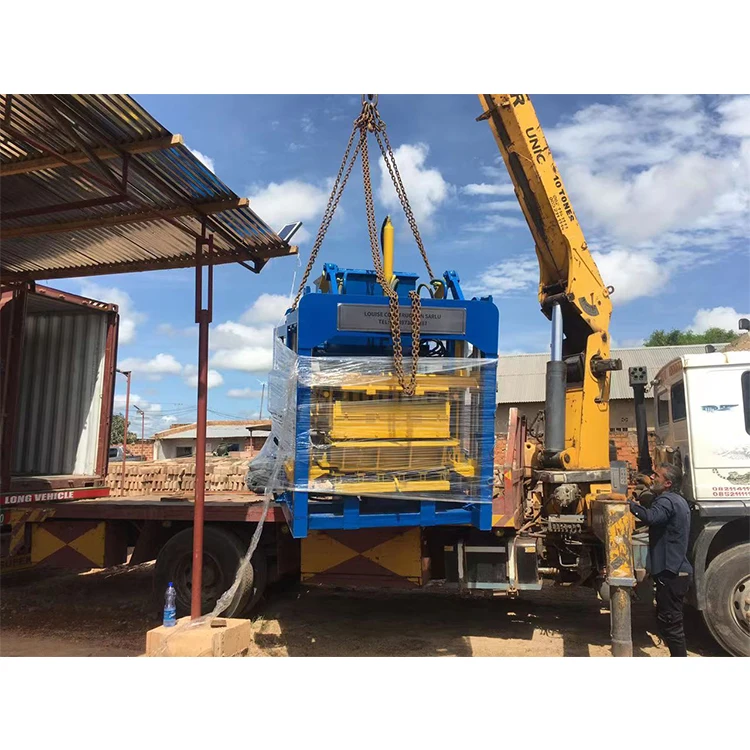
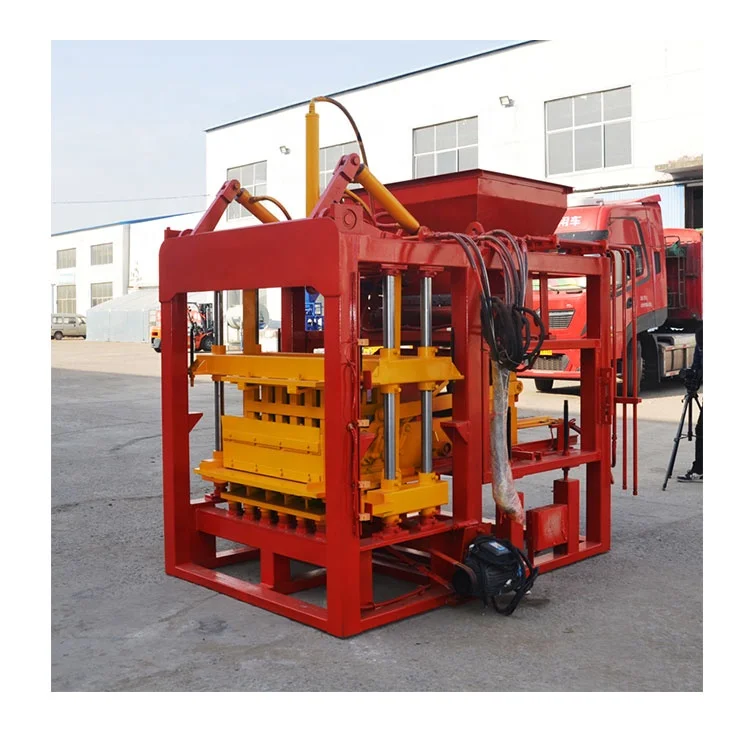

Description
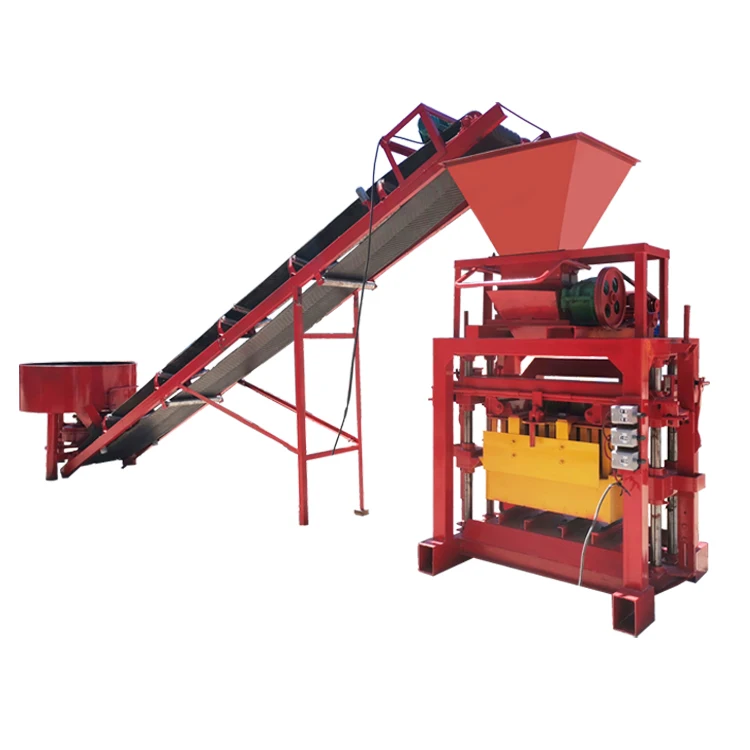
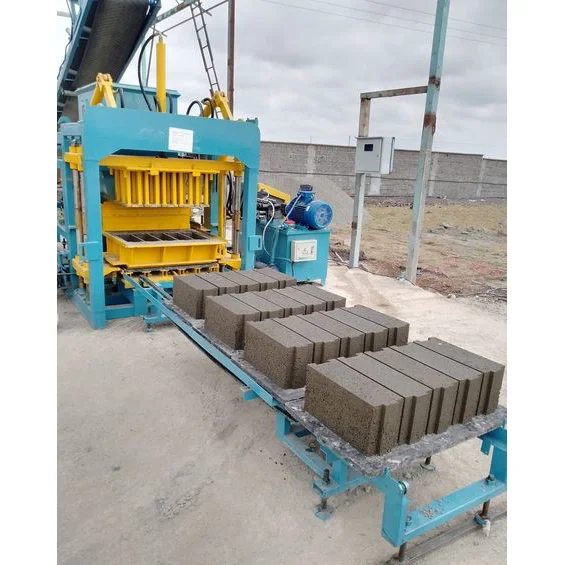
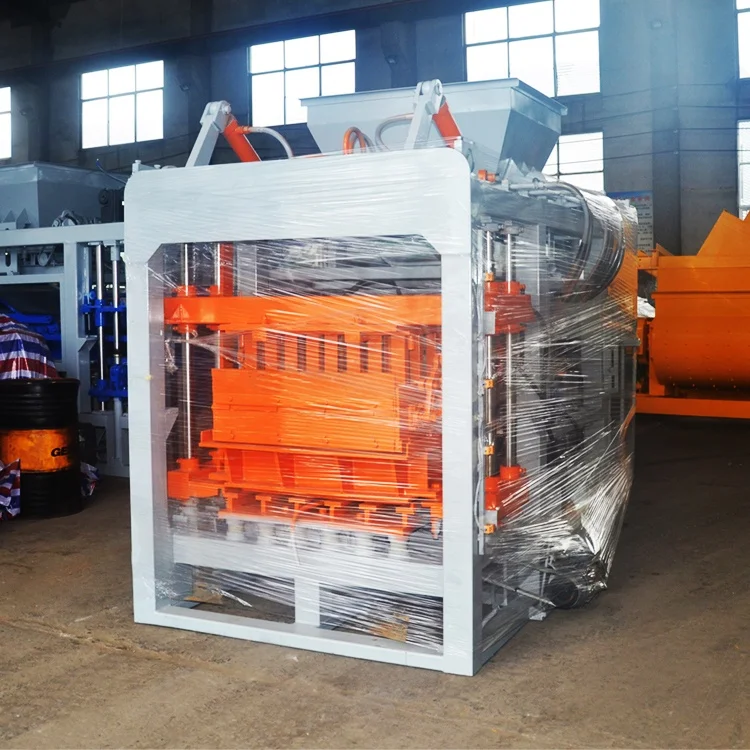
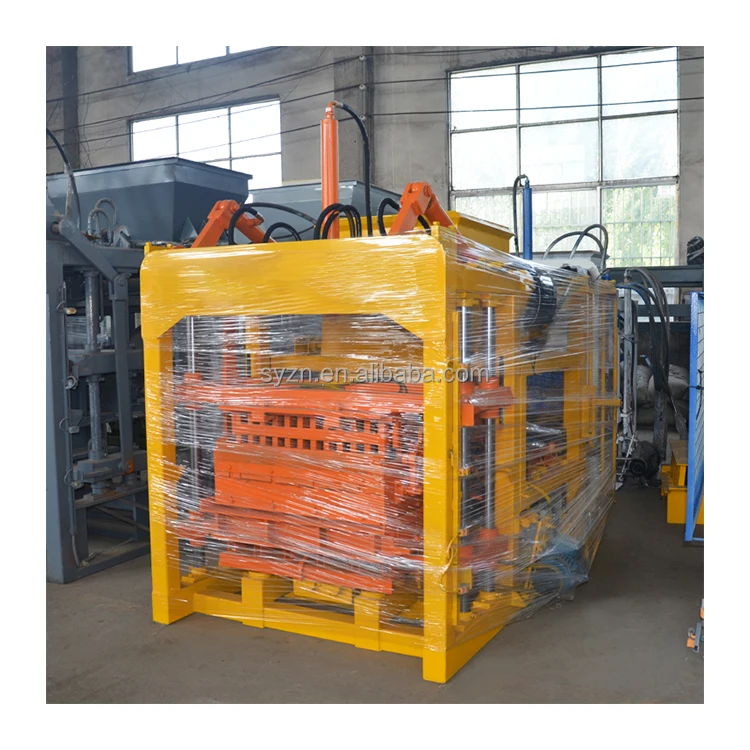
Configuration set against your actual block format and local aggregate — the SHIYUE QT4-15A block making machine is not shipped as a catalogue default; every order is matched to the buyer’s target block dimensions, curing area, and raw material profile before production begins.
Technical Specifications
| Parameter | Value |
|---|---|
| Model | QT4-15A |
| Product Type | Hydraulic Block Making Machine |
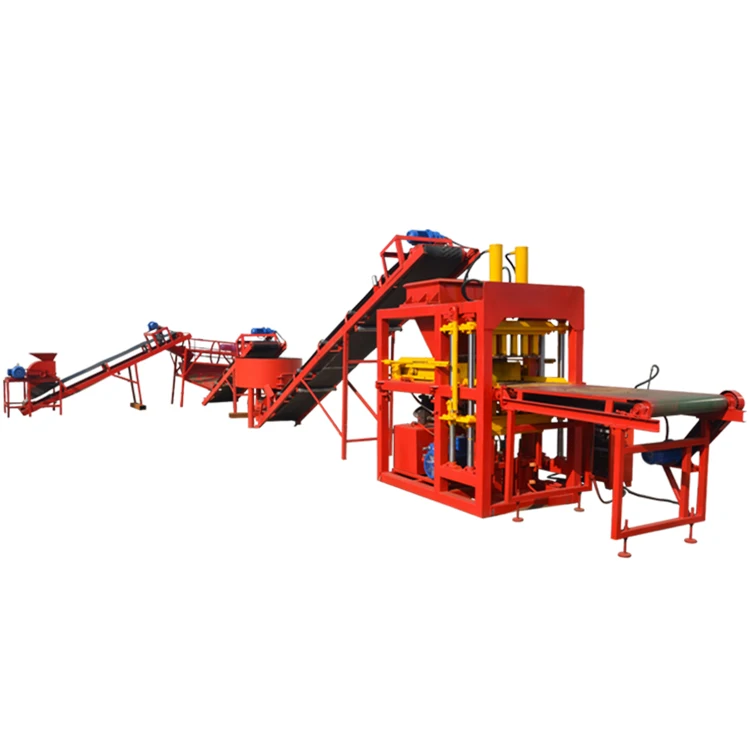
| Overall Dimensions (L×W×H) | 7100×1600×2610 mm |
| Net Weight | 3 T |
| Molding Cycle | 15–25 s (basis not stated in source — confirm block format / material / thickness) |
| Vibration Frequency | 4600 r/min |
| Vibration Force | 40–50 kN |
| Rated Power | 18.45 kW |
| Mixer Model | JQ350 |
| Pallet Size | 850×550×25 mm |
| Control System | PLC |
| Hydraulic Station | Included |
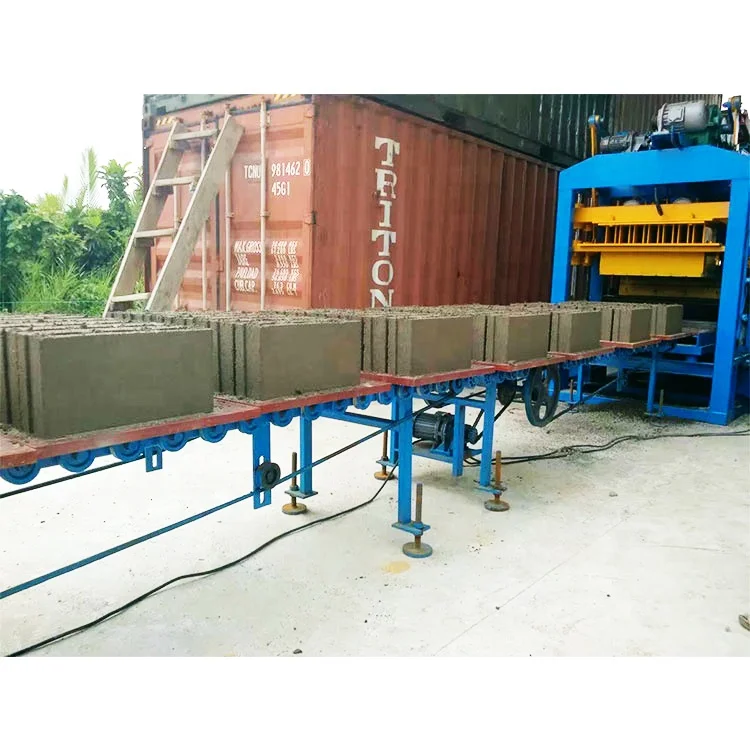
| Output Capacity (Hollow Block 400×200×200 mm) | 408 pcs/hr, 3264 pcs/8hr |
| Output Capacity (Hollow Block 400×150×200 mm) | 510 pcs/hr, 4080 pcs/8hr |
| Output Capacity (Solid Brick 240×115×53 mm) | 2100 pcs/hr, 17000 pcs/8hr |
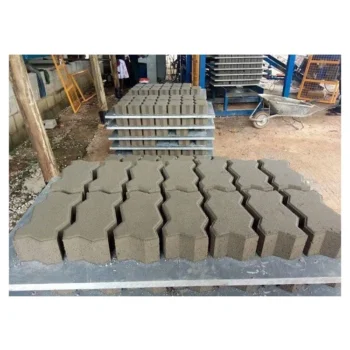
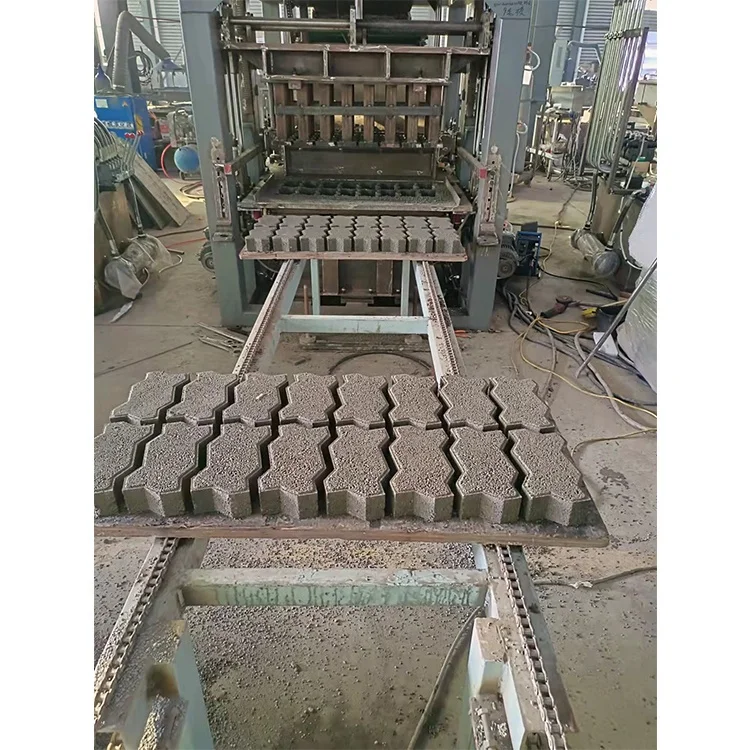
| Applicable Block Formats | Paver, solid block, hollow block, curbstone |
| Raw Materials | Crushed stone, sand, cement, dust, fly ash |
| Assembly State | Semi-automatic (pallet feeder included) |
Application Suitability
| Application | Material or Output |
|---|---|
| Hollow block production for building contractors | Crushed stone, sand, cement, and fly ash blends |
| Solid brick manufacturing for masonry supply | Local sand and cement mixes |
| Interlocking paver production for landscaping projects | Fine aggregate and cement with pigment additives |
| Curbstone forming for municipal infrastructure | Coarse crushed stone and high-strength cement ratios |
| On-site block production at housing developments | Locally sourced aggregate reducing transport costs |
What the QT4-15A Block Making Machine Specifications Don’t Tell You About Daily Output
A cycle time of 15–25 seconds means very different things depending on which block sits on the pallet.
I spent years on the assembly floor before moving into technical specification, and one pattern repeats across every market: buyers compare machines by a single output number, then discover on site that their primary block format runs slower than the brochure figure assumed. The QT4-15A block making machine specifications list three distinct output tiers — each tied to a specific block dimension. When you produce the 400×200×200 mm hollow block, you are working at one rate; switch to the 400×150×200 mm format and the cycle changes because the mould cavity count and fill depth differ. This is why we always ask which block format drives your revenue before we quote a line [NEED_CITE: block format and cycle time correlation in hydraulic presses].
Matching Vibration Force to Your Local Aggregate
The QT4-15A delivers 40–50 kN of vibration force at 4600 r/min, paired with a dedicated hydraulic station. That combination determines how densely the concrete compacts inside the mould. But density only holds if the vibration profile suits the aggregate you actually source. A high-clay sand common in parts of the Middle East and West Africa absorbs vibration differently from clean river gravel, and the pressure settings that produce a strong block with one mix will cause edge collapse with another. Before we confirm the QT4-15A block making machine for production, we review your local material test data so the hydraulic pressure and vibration duration are set to your actual conditions.
Pallet Size, Curing Area, and the Forklift You Already Own
The pallet dimension of 850×550×25 mm is not arbitrary — it governs how many blocks press in each cycle and how those pallets stack in your curing yard. If your existing forklift tines are spaced for a different pallet width, or your curing racks were built around another machine’s pallet footprint, the mismatch surfaces on day one. We confirm pallet compatibility against your site layout before the QT4-15A ships, so the pallets, racks, and handling equipment form one working system rather than a collection of separate purchases. This step alone prevents the most common commissioning delay we see on semi-automatic lines [NEED_CITE: pallet handling compatibility in block plant setup].
Reading the Specs That Actually Shape Your Block Quality
The rated power of 18.45 kW covers the press, hydraulic pump, and vibration motors together. For a semi-automatic machine at this output tier, that power level is consistent with sustained cycling without thermal overload on the hydraulic station. The JQ350 pan mixer feeds the press at a rate that keeps the hopper charged between cycles; undersizing the mixer would force the press to idle while waiting for the next batch, which is why mixer capacity is specified as part of the line rather than left to the buyer to source separately. The PLC control system manages mould descent, vibration timing, and hydraulic pressure sequencing, and the display language is confirmed before the panel is wired — an oversight that has delayed commissioning on machines from other suppliers more often than you would expect.
The Cost of Skipping the Mix Design Conversation
When a buyer orders a block machine without sharing their actual raw material profile, the factory ships settings calibrated to a standard sand-cement mix. The machine arrives, the operator runs the first batch with local aggregate, and the blocks crack at the edges or fail to reach target strength. Adjusting vibration force, hydraulic pressure, and cycle timing on site takes days, sometimes weeks, while raw material is wasted and delivery commitments slip. We saw this happen with a QT4-15-class machine destined for a Gulf state project where the local sand carried a high silt content — the standard settings produced blocks that crumbled at the corners, and it took two weeks of parameter adjustment before production stabilised. That experience reshaped how we handle every inquiry now [NEED_CITE: aggregate variation impact on block compressive strength].
Why Buyers Specifying the QT4-15A Start Here
Every QT4-15A we configure is treated as a matched system: the mould, the pallet, the feeder, and the press are specified together against your block format and mix design, not pulled from separate catalogues. Mould design covers the exact dimensions your market sells, including custom drawings when your local standard differs from Chinese or European norms. The semi-automatic assembly lets you start with manual pallet handling and add automatic stacking later, so capital outlay scales with your sales volume. Documentation ships with the machine — not as a generic PDF bundle, but specific to your order configuration [NEED_CITE: machinery documentation standards for export].
Documentation & Verification
- Line layout drawing showing pallet flow from feeder through press to curing rack
- Capacity calculation sheet stating the block format behind each output figure
- Mould drawing and format list confirming exact cavity dimensions
- Pallet specification sheet matched to your curing rack spacing
- Hydraulic and electrical schematic for your confirmed voltage and frequency
- Factory test record run on your target block format before dispatch
Installation, Commissioning & Support
- Foundation plan sized for the 7100×1600 mm footprint and 3 T operating weight
- Electrical supply matched to the 18.45 kW rated power with dedicated circuit breaker
- Press arrives partially assembled; hydraulic station and PLC panel connected on site
- First-run parameter tuning against your local aggregate and target block strength
- Operator training covering mould change procedure and daily lubrication points
- Wear parts list identifying hydraulic seals and vibration motor brushes by part number
What We Need to Configure Your Line
To move from a general QT4-15A block making machine specifications review to a firm quotation, we need your primary block format and its target daily output, the source and type of your local aggregate, and the voltage and frequency standard at your site. If you already have curing racks or a forklift, share the pallet dimensions they accommodate so we can confirm compatibility. Tell us the PLC display language your operators require, and whether you plan to start semi-automatic or want the automatic pallet stacking option included from the outset.
Frequently Asked Questions
Q: How is output capacity calculated and which block format does each figure assume?
A: Each output figure on this page is tied to a specific block dimension. The 408 pieces per hour rate applies to the 400×200×200 mm hollow block, while the 510 pieces per hour figure applies to the 400×150×200 mm format. Cycle time, mould cavity count, and fill depth all differ between formats, so a single output number cannot represent every block type the machine produces.
Q: What pallet size is required and how does it relate to my curing area?
A: The QT4-15A uses an 850×550×25 mm pallet. Your curing racks must accept this width, and your forklift tine spacing must match. We confirm these dimensions against your site layout before production so pallets move from press to curing area without manual repositioning or equipment modification on arrival.
Q: How long does mould change take between block formats?
A: Mould change on this semi-automatic configuration involves unbolting the current mould, lifting it clear with overhead handling, lowering the replacement mould, and re-aligning the feed shoe. The exact duration depends on operator familiarity and whether quick-release fittings are specified. We provide a step-by-step procedure and recommend practising the change during commissioning.
Q: Can the vibration force and hydraulic pressure be matched to my local aggregate?
A: Yes. The 40–50 kN vibration force range and adjustable hydraulic pressure are set based on your raw material test data. We review your local sand, crushed stone, or fly ash characteristics before confirming the machine parameters, so the press is calibrated to your actual mix rather than a generic reference blend.
Q: What voltage, frequency, and PLC language options are confirmed before dispatch?
A: Voltage and frequency are configured to your site supply standard and confirmed in writing before production. The PLC display language is set to your operator requirement — English, Spanish, Arabic, French, or other available options — and verified during the factory test so the control panel reads correctly when the machine is powered on at your site.