

Description
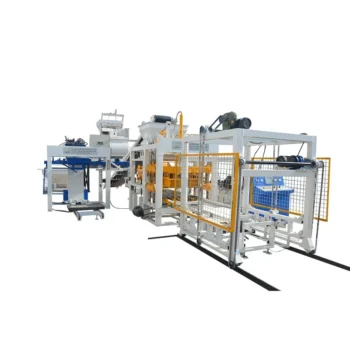
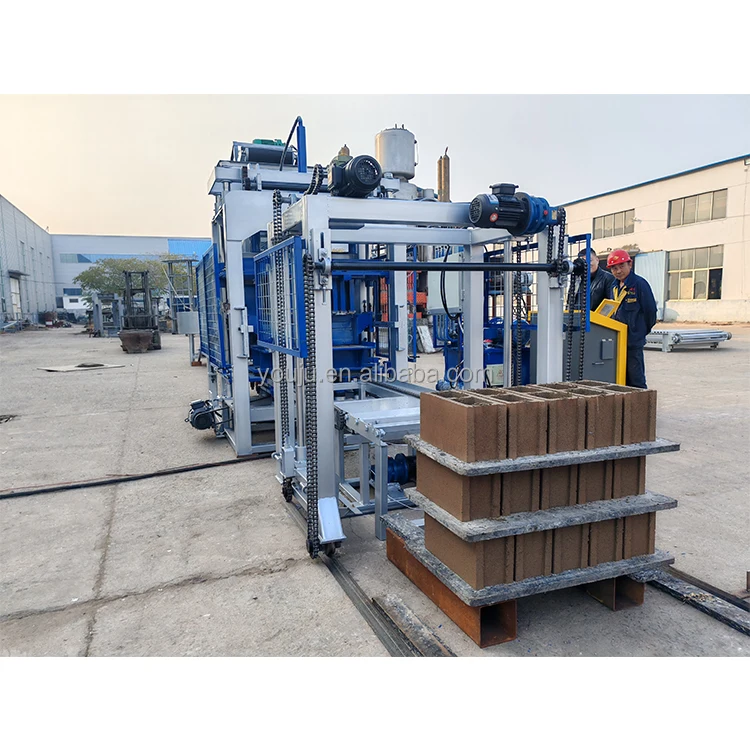
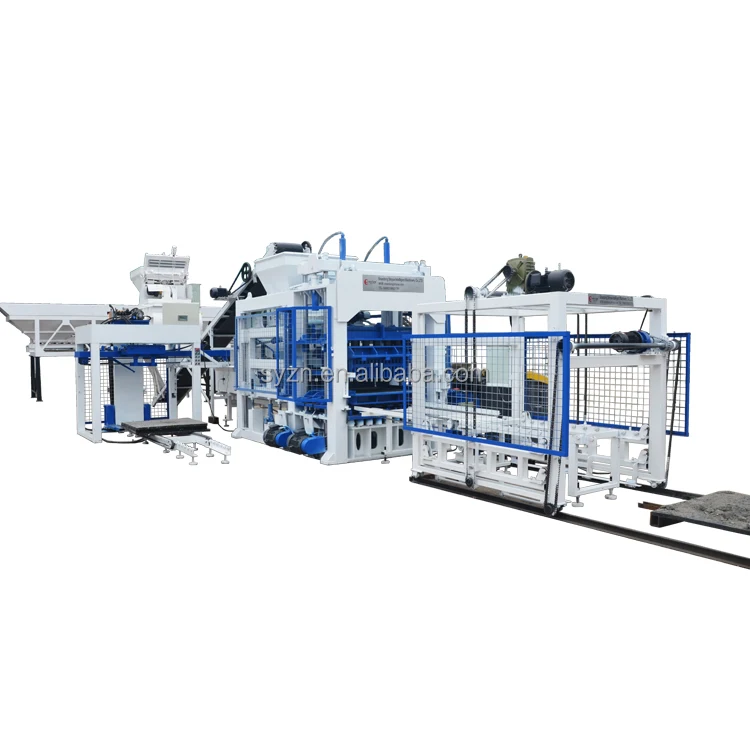
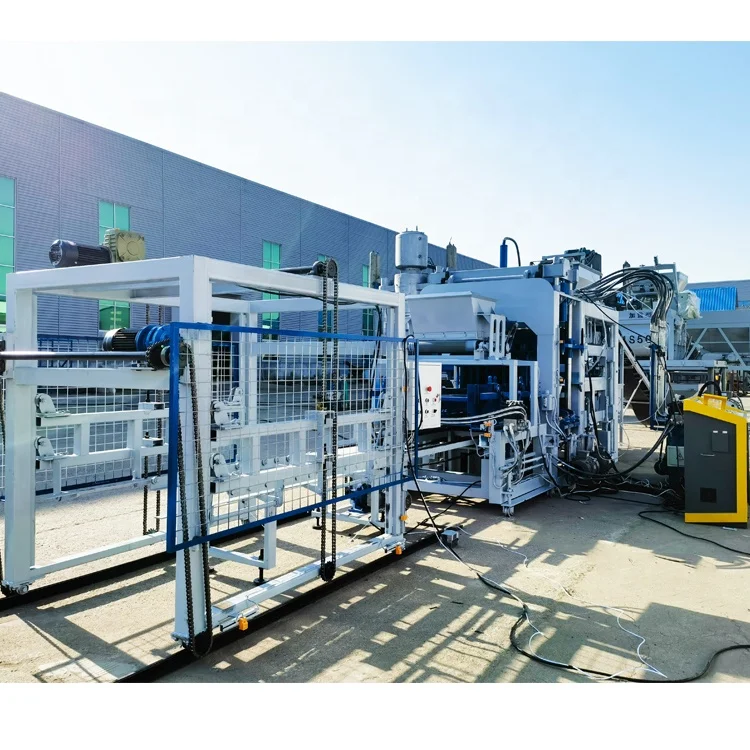
Format-Matched Capacity — QT8-15 cycle time and output calculated against the buyer’s actual hollow block, paver or interlocking format rather than a single catalogue figure.
Technical Specifications
| Parameter | Value |
|---|---|
| Model | QT8-15 |
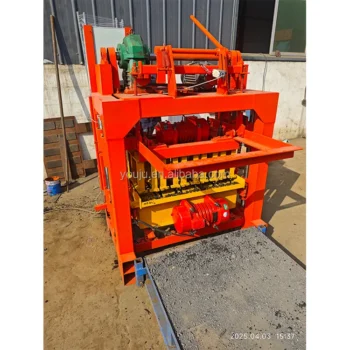
| Product Type | Stationary Concrete Block Making Machine |
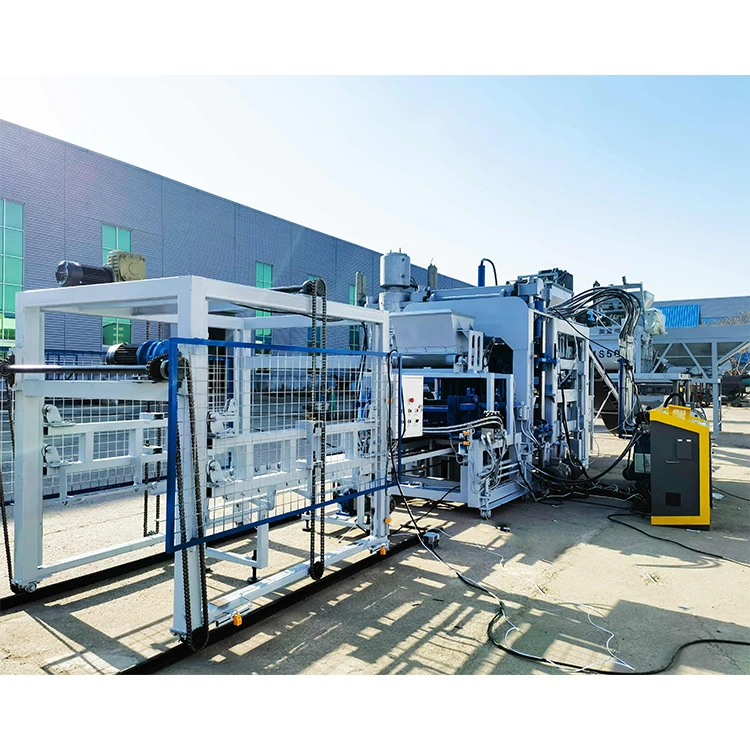
| Overall Dimensions (L×W×H) | 8300×1860×3000 mm |
| Rated Pressure | 21 MPa |
| Main Vibration Form | Platform Vibration |
| Vibration Frequency | 2800–4500 r/min |
| Vibration Force | 60 kN |
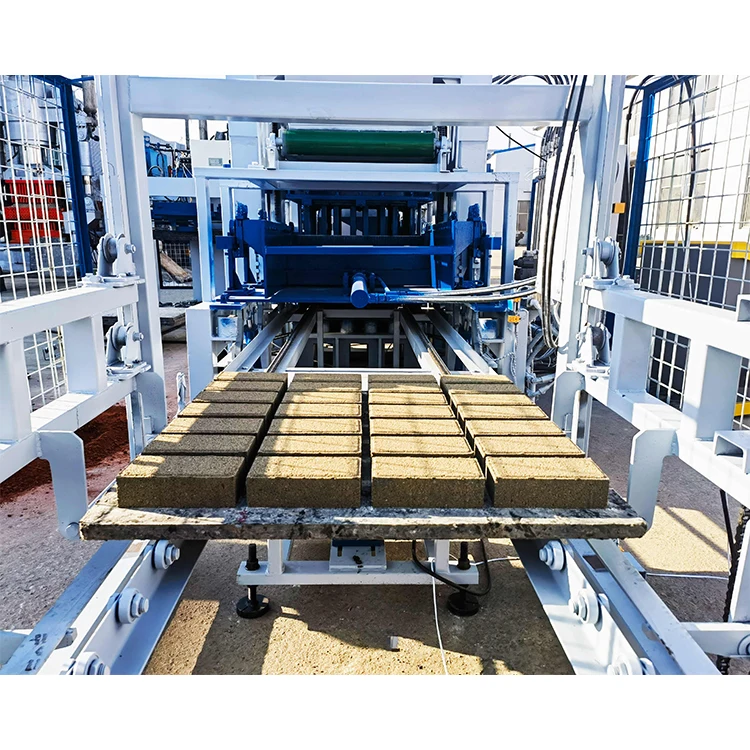
| Pallet Size | 950×900 mm |
| Molding Cycle | 15–25 s (basis not stated in source — confirm block format / material / thickness) |
| Overall Power | 55.5 kW |
| Total Mass | 9 T |
| Demolding Method | Hydraulic |
| General Water Consumption | 12 T/Day (basis not stated in source — confirm block format / production hours) |
| Factory Area | 600 m² (basis not stated in source — confirm whether this includes curing and raw material storage) |
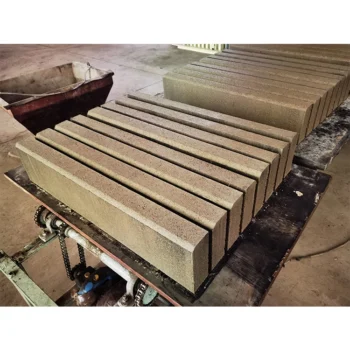
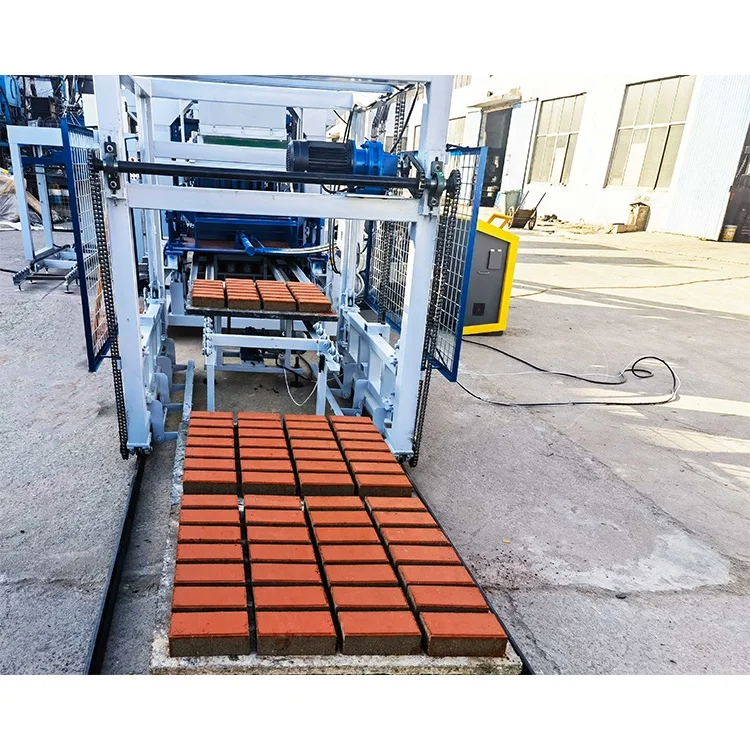
| Applied Products | Hollow/solid blocks, pavers, interlocking blocks, curbstone, colored pavers |
| Raw Material | Crushed stone, sand, cement, dust, fly ash, gravel, slag |
| Control System | PLC with human-machine interface (language options configurable before shipment) |
| Automation Level | Fully automatic with automatic raw material feeding and block stacking |
| Voltage & Frequency | Configurable (basis to be confirmed before commissioning) |
Application Suitability
| Application | Material or Output |
|---|---|
| Hollow block production for residential and commercial walls | Crushed stone, sand, cement, fly ash blends |
| Solid block manufacturing for load-bearing structures | Dense aggregate and cement mixes |
| Paving slab and interlocking paver runs for roads and walkways | Fine aggregate, cement, pigment additives |
| Kerbstone and colored paver production for municipal projects | Graded gravel, slag, cement with oxide pigments |
| On-site block production for large construction projects | Locally sourced aggregate matched to field conditions |
What "15–25 Seconds Per Cycle" Actually Means for Your Output
Cycle time only becomes meaningful when tied to the specific block format you intend to produce.
A 15-second cycle on a thin paver is a very different reality from a 25-second cycle on a tall hollow block. The QT8-15 concrete block making machine specifications quote a range, yet many quotations in this industry collapse that range into a single pieces-per-hour number without disclosing which format was assumed. I have walked onto sites where the daily tally fell well short of the sales promise simply because the capacity figure was built on a small solid block while the buyer’s market demanded 200 mm hollow blocks [NEED_CITE: block format impact on realistic daily output]. When the format assumption is hidden, the pallet size, vibration dwell and hydraulic hold all shift — and so does your real throughput.
Matching Vibration and Pressure to Your Aggregate
The QT8-15 pairs platform vibration at 2800–4500 r/min with 60 kN of vibration force and 21 MPa hydraulic pressure. These two forces must work in concert with the buyer’s mix design. Coarse crushed stone demands higher vibration energy to consolidate, while fly-ash-heavy mixes respond better to sustained hydraulic hold. Setting frequency and pressure as a matched pair — rather than defaulting to catalogue mid-points — is what keeps block strength consistent from the first pallet to the last across every format the machine runs.
Pallet Size and the Curing Area You Already Have
A 950×900 mm pallet defines more than the press footprint. It dictates the curing rack spacing, the forklift tine width, and the stacking pattern in the yard. Confirming pallet dimensions against the buyer’s existing curing infrastructure before the QT8-15 concrete block making machine enters production prevents a situation where freshly pressed blocks cannot be moved efficiently [NEED_CITE: pallet handling mismatches in block plants]. This confirmation step is part of the standard pre-shipment checklist.
Reading the Core Parameters Against Real Production
Rated pressure at 21 MPa determines how tightly the hydraulic cylinders compress the mix before vibration finishes the job — insufficient pressure on a hollow block leaves wall thickness weak, while excessive pressure on a thin paver can cause edge spalling. The vibration frequency range of 2800–4500 r/min allows the operator to dial in energy delivery: lower frequencies move larger aggregate particles, higher frequencies settle fine sand and cement paste. The overall power draw of 55.5 kW reflects the combined load of hydraulic pumps, vibration motors and the automatic feeding system running simultaneously, which matters when sizing the dedicated transformer and switchgear at the plant. Total mass of 9 T provides the static weight that anchors the platform during high-frequency vibration, reducing energy loss into the foundation.
The Cost of Skipping Format-Specific Configuration
When a machine is configured for a mix the buyer cannot source locally, the plant either imports expensive aggregate or runs a sub-optimal blend that produces inconsistent block density. Mould change time is another hidden cost — if the quick-change system is not specified, swapping from hollow blocks to pavers can consume most of a shift, erasing the format flexibility the buyer paid for [NEED_CITE: mould change downtime in multi-format block plants]. Voltage and PLC display language left unconfirmed until arrival have delayed commissioning on more than one project I have been called to fix, with operators staring at an unreadable screen while the curing yard sits empty.
Why Sourcing Through This Channel Matters
Block machinery is the single focus here, so the QT8-15 is specified as one matched system — press, mould, pallet and handling equipment — rather than assembled from unrelated suppliers. Configuration starts from the buyer’s actual mix design and target block format, not a catalogue default. Mould design covers the formats the buyer’s local market sells, with custom drawings available when standard options do not fit. Automation level is selectable, allowing a buyer to begin semi-automatic and add stacking or cubing modules later. Installation and commissioning include operator training so the crew can run every format confidently from day one.
Documentation & Verification
- Line layout and capacity calculation stating the exact block format assumed for each output figure
- Mould drawing and format list covering every block type included in the quotation
- Pallet specification sheet matched to curing rack dimensions and forklift capacity
- Voltage, frequency and PLC display language confirmation record signed before production
- Factory test record run on the buyer’s target block format before dispatch
- Hydraulic and electrical schematic for on-site maintenance reference
Installation, Commissioning & Support
- Foundation pad sized to the 8300×1860 mm footprint with anchor bolt template provided before arrival
- Dedicated power circuit rated for the 55.5 kW total load with voltage and frequency confirmed pre-shipment
- PLC language set to operator requirement and verified during factory acceptance test
- First-run mould alignment and vibration tuning performed on-site against buyer’s actual aggregate blend
- Operator training covering format change, mould swap and daily maintenance routines
- Wear parts list and hydraulic seal kit identified for the first replacement cycle
Preparing Your Inquiry
Share the specific block formats your market demands, the daily output target for each format, and the raw materials available within a practical transport radius of your plant. Include the voltage and frequency standard at your site, the preferred PLC display language, and the dimensions of your existing curing area and forklift fleet so that pallet and handling specifications align from the start.
Frequently Asked Questions
Q: How is QT8-15 capacity calculated per block format, and what is the realistic daily output?
A: Capacity is restated for each format the buyer intends to produce. A 15-second cycle applies to thinner products like pavers, while 25 seconds covers taller hollow blocks. Realistic daily output depends on pallet size, shift length, and curing logistics — the quotation includes a format-by-format breakdown so no single catalogue figure masks the actual expectation.
Q: Which mould formats are available for the 950×900 mm pallet, and how long does a mould change take?
A: Standard moulds cover hollow blocks, solid blocks, interlocking pavers and kerbstones sized to the 950×900 mm pallet. Custom mould drawings are available for non-standard formats. Mould change time depends on whether the quick-change system is specified — this is confirmed during configuration so format flexibility is genuine rather than theoretical.
Q: How are vibration force and hydraulic pressure matched to my local aggregate?
A: The 60 kN vibration force and 21 MPa rated pressure are adjusted against the buyer’s specific mix design and aggregate gradation. Coarse crushed stone requires higher vibration energy, while fine fly-ash blends benefit from longer hydraulic hold. Parameters are tuned during commissioning using the buyer’s actual raw material.
Q: What voltage, frequency and PLC language options are confirmed before the machine ships?
A: Voltage and frequency are confirmed during the quotation stage to match the buyer’s site supply. The PLC human-machine interface language is set to the operator’s requirement and verified at the factory acceptance test, eliminating commissioning delays caused by unreadable displays on arrival.
Q: How do I verify block strength consistency across different formats before a production run?
A: The factory test record runs the QT8-15 on the buyer’s target format using the specified mix design. Block samples from the test are measured for density and compressive strength. Results are documented and shared before dispatch, giving the buyer confidence that the configuration matches local material and market requirements.